When We Can Get There
Sugar Hill sits about 18 miles out from our Roswell base, which puts it at the far edge of where we run trucks. We don't keep a depot here and we won't pretend otherwise - every job out this way starts with a drive. That distance means we plan Sugar Hill calls into the day's route rather than treating them as a quick add-on, so when you call, we're upfront about when we can realistically get there instead of guessing. If a spring snaps on a Tuesday afternoon, it helps to know that honestly before you wait on us. We'd rather tell you the truth about the trip than promise a window we can't hold from 18 miles away.
What works in our favor is that Sugar Hill's door problems tend to be predictable once we're there - this isn't a neighborhood full of odd one-off hardware from different decades. Most of what we see fits a narrow build window, so we show up with the right springs and rollers on the truck instead of guessing twice.
What the Housing Means for Your Door
Here's the thing that actually matters for your door
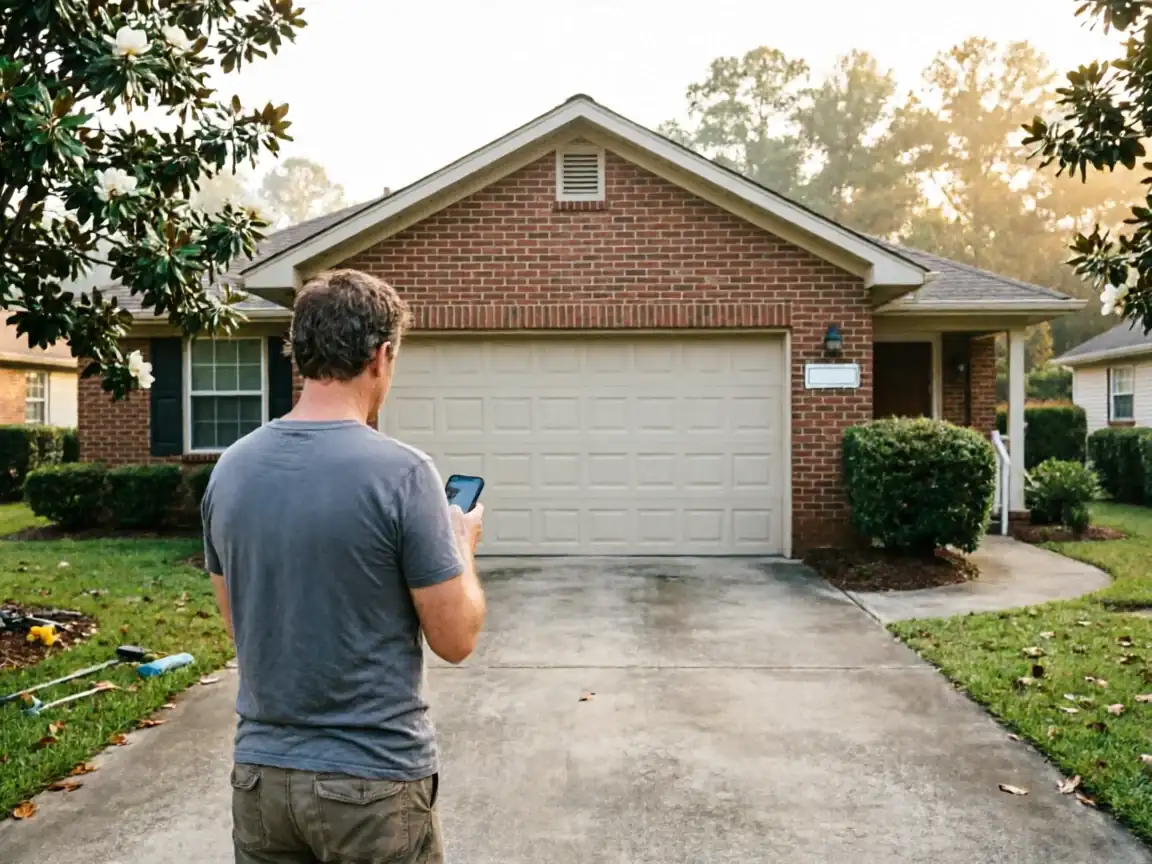
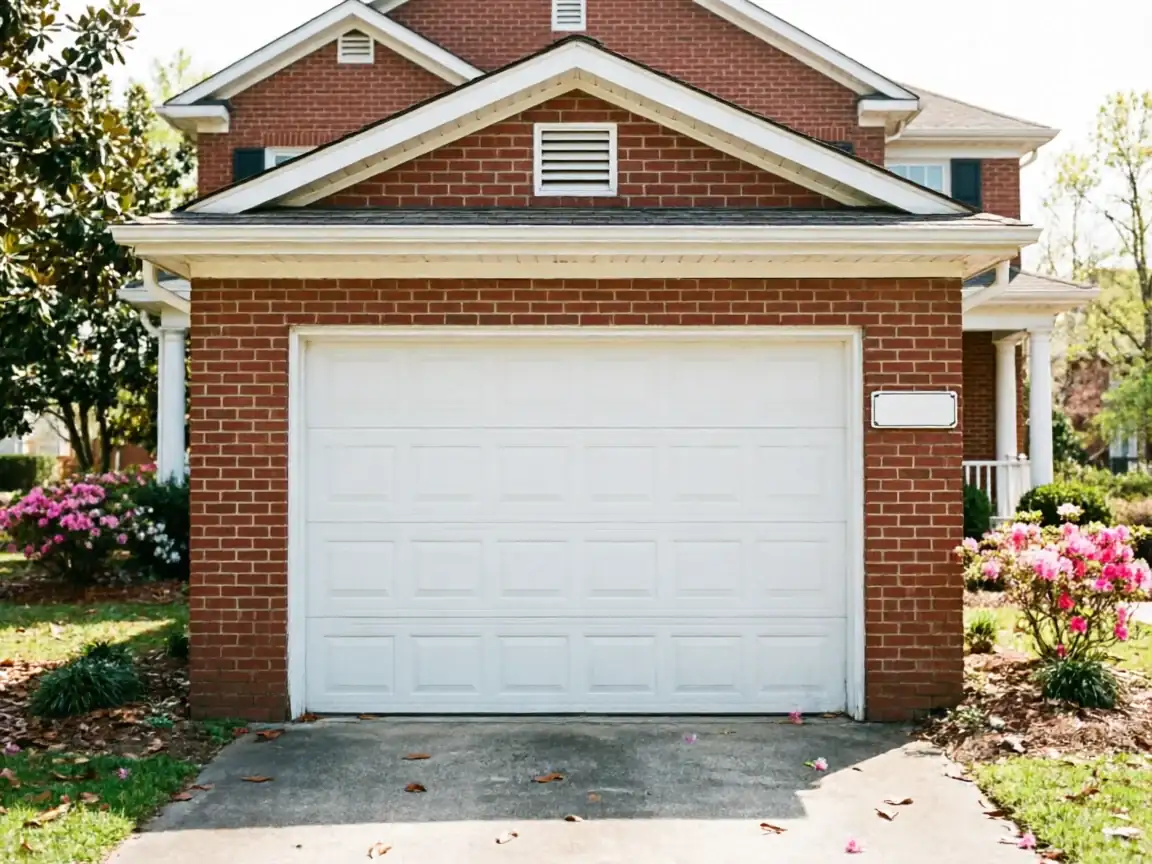
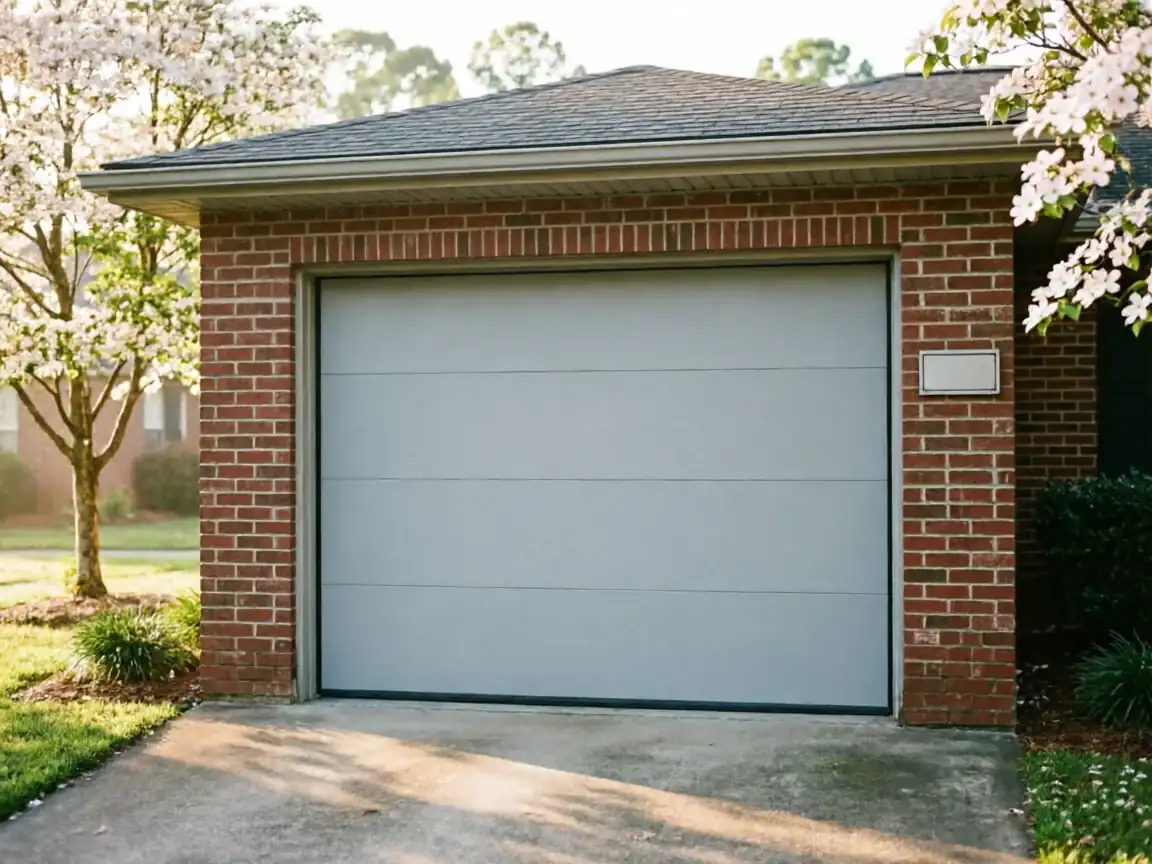
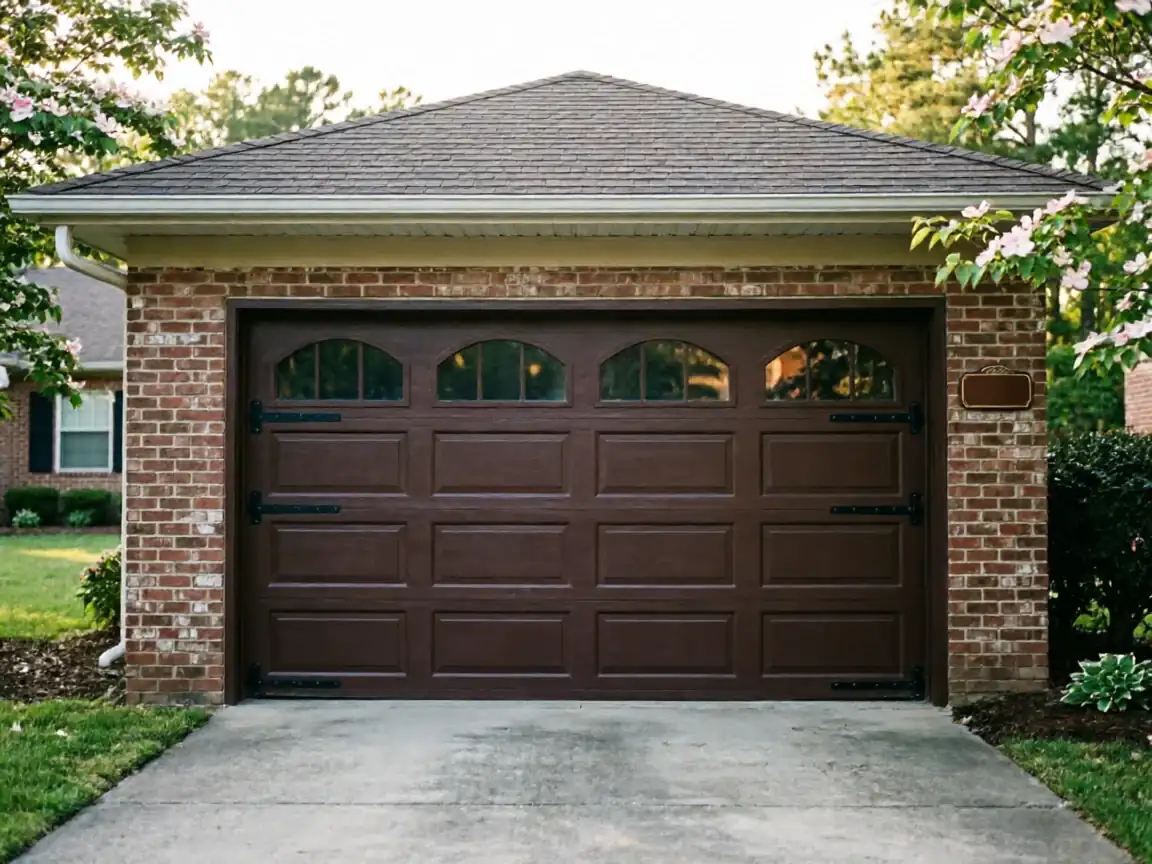
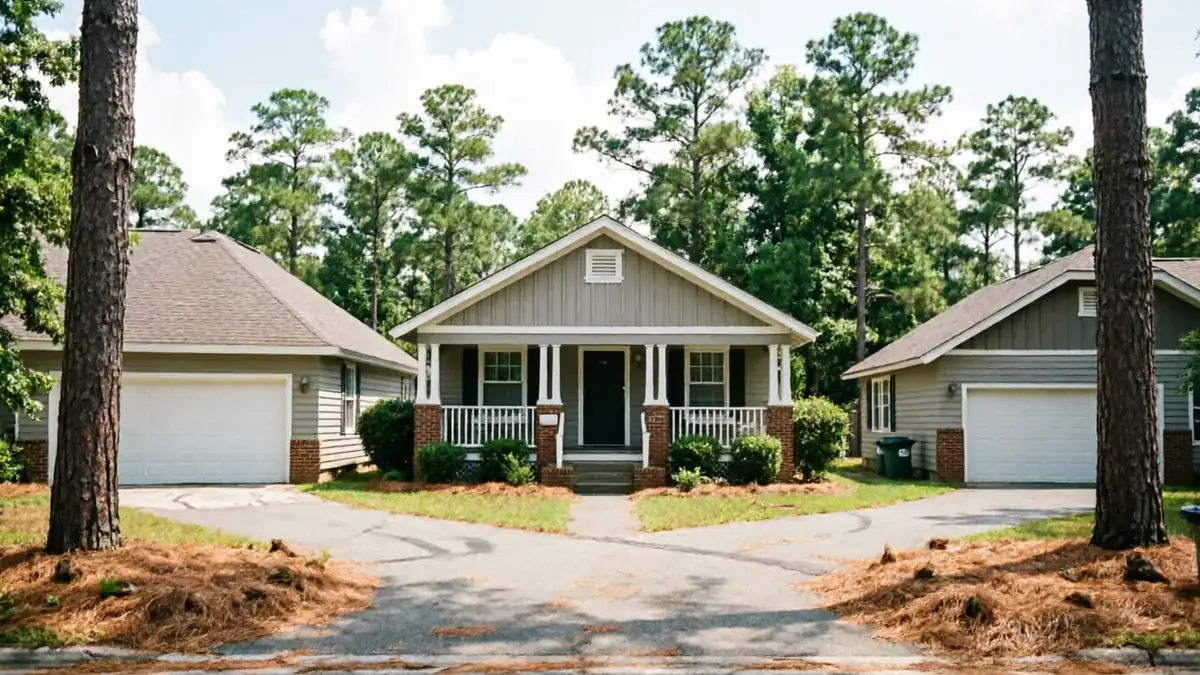
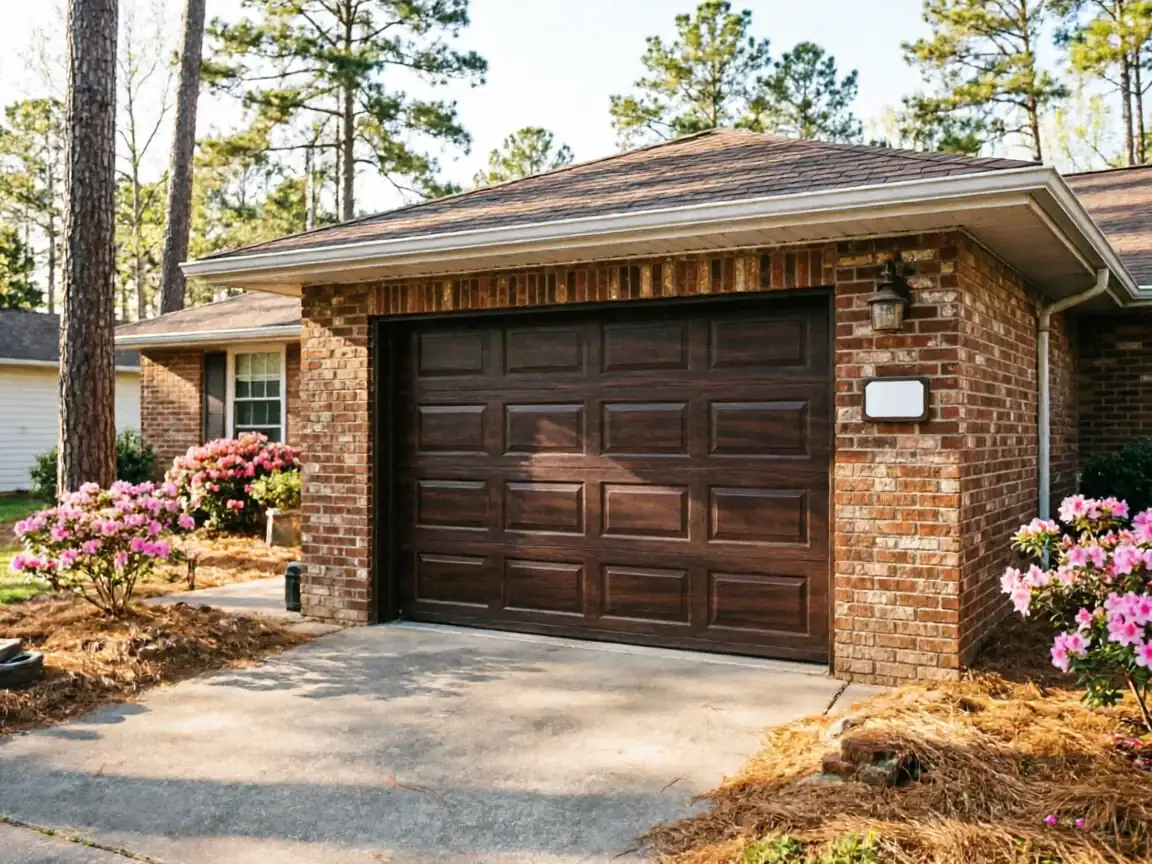
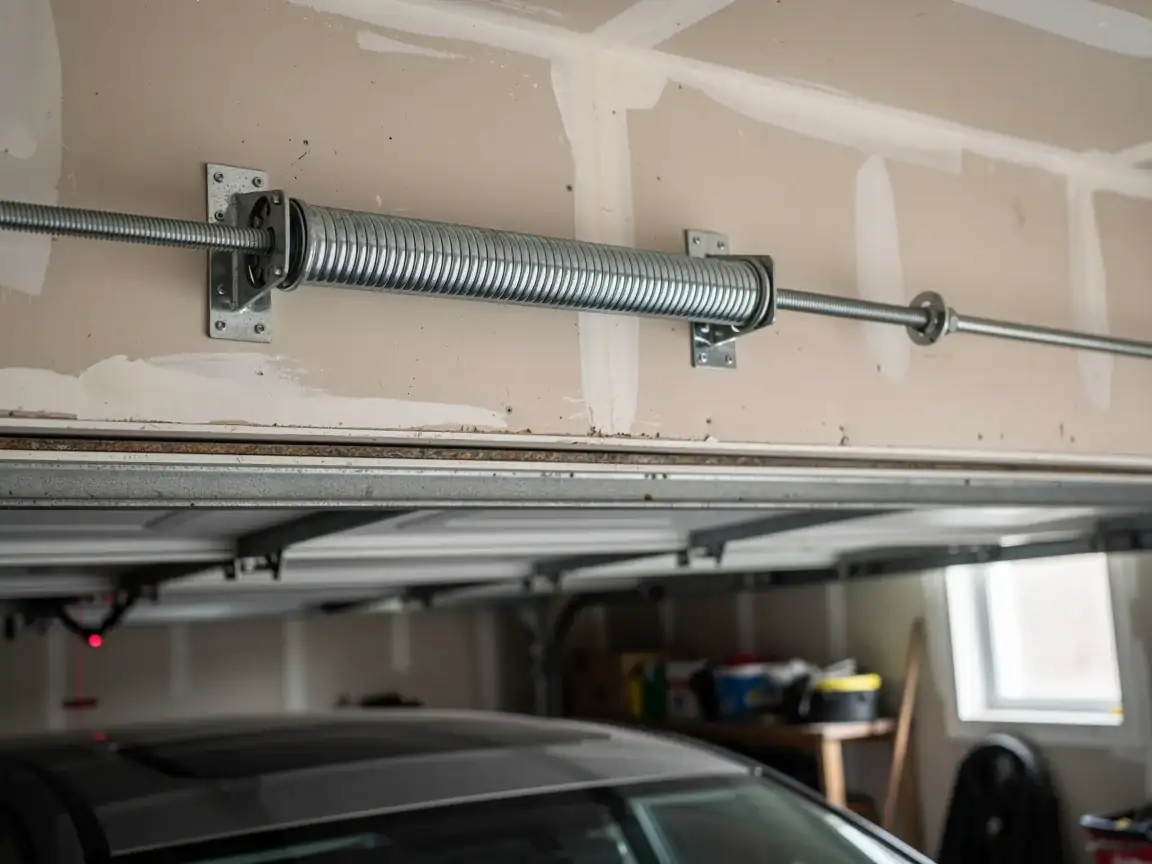
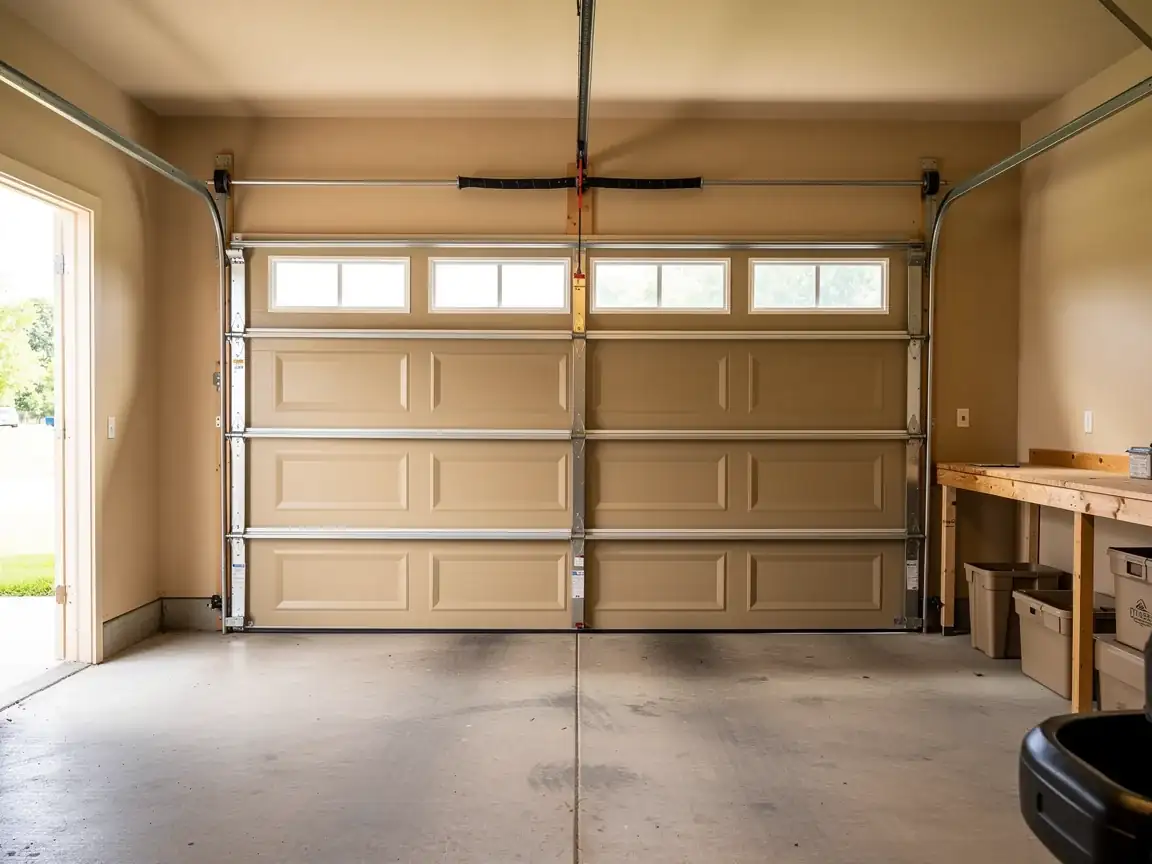
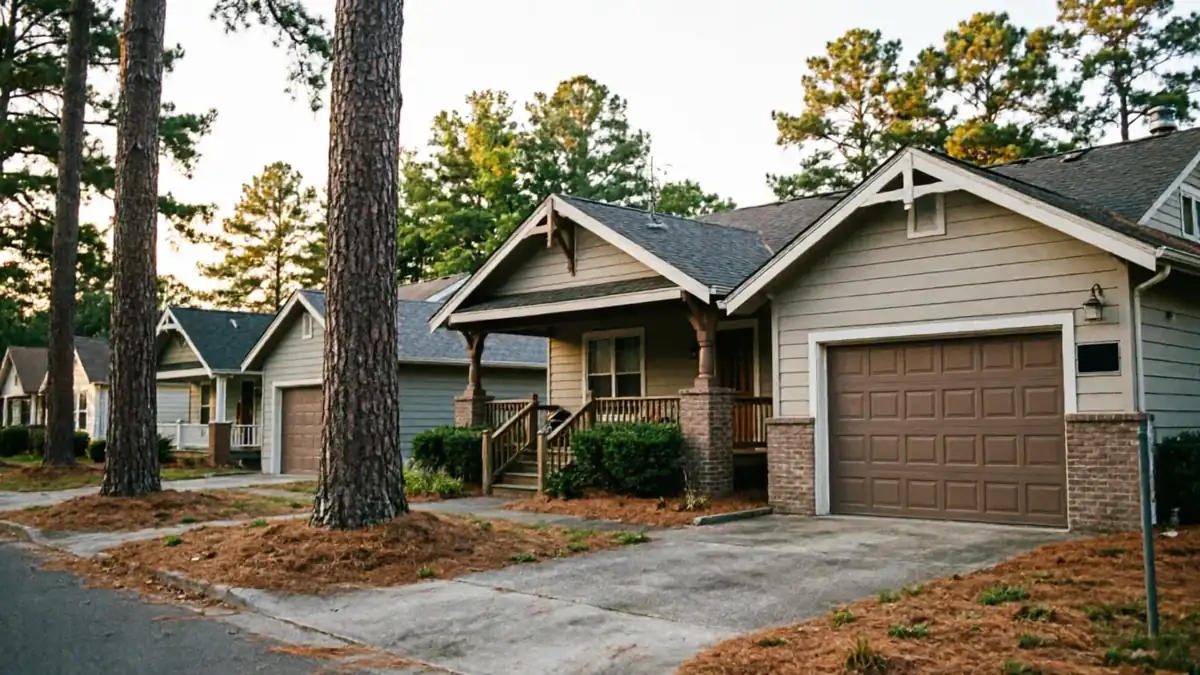
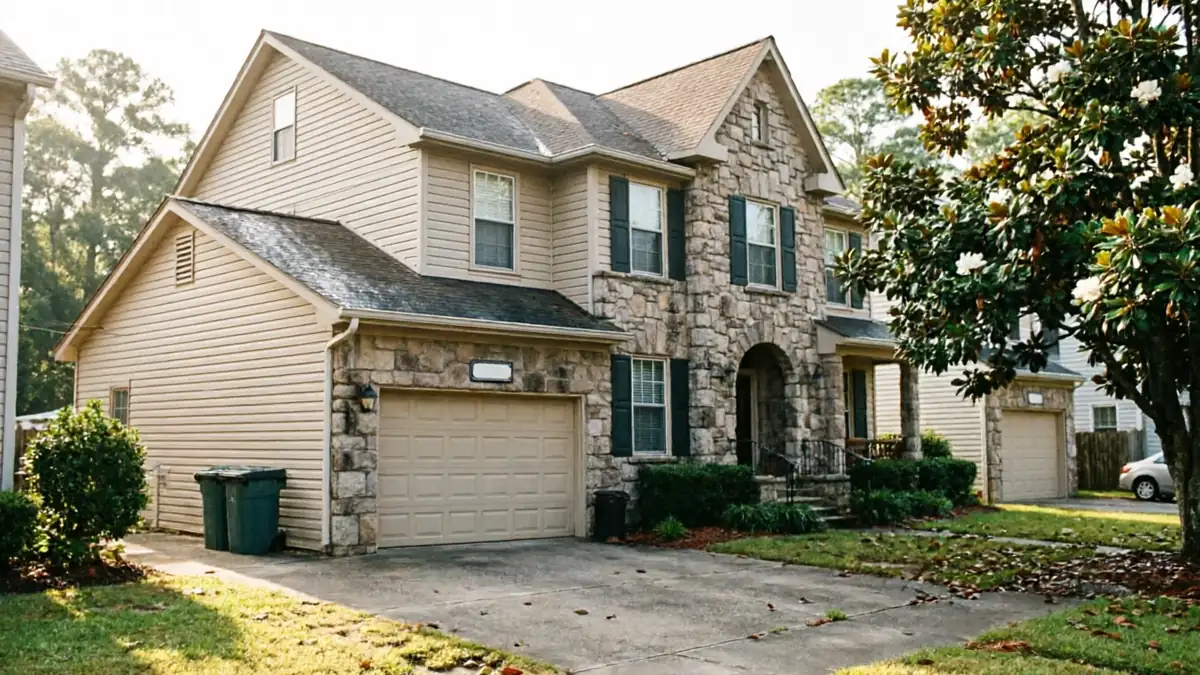
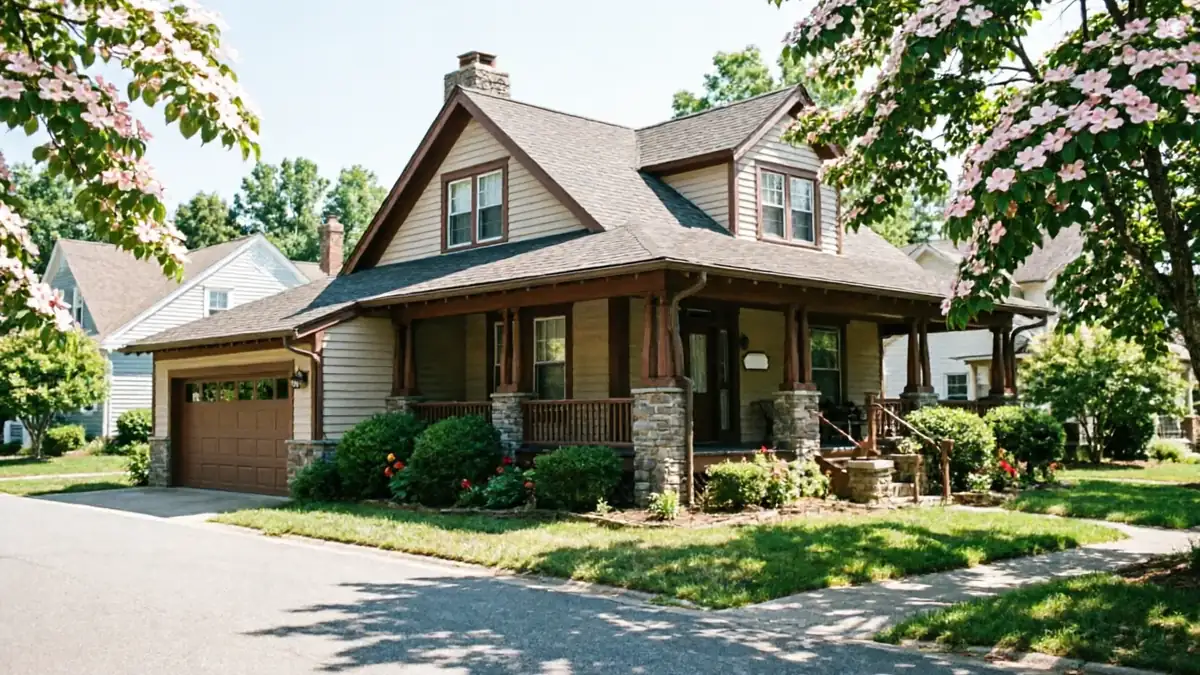
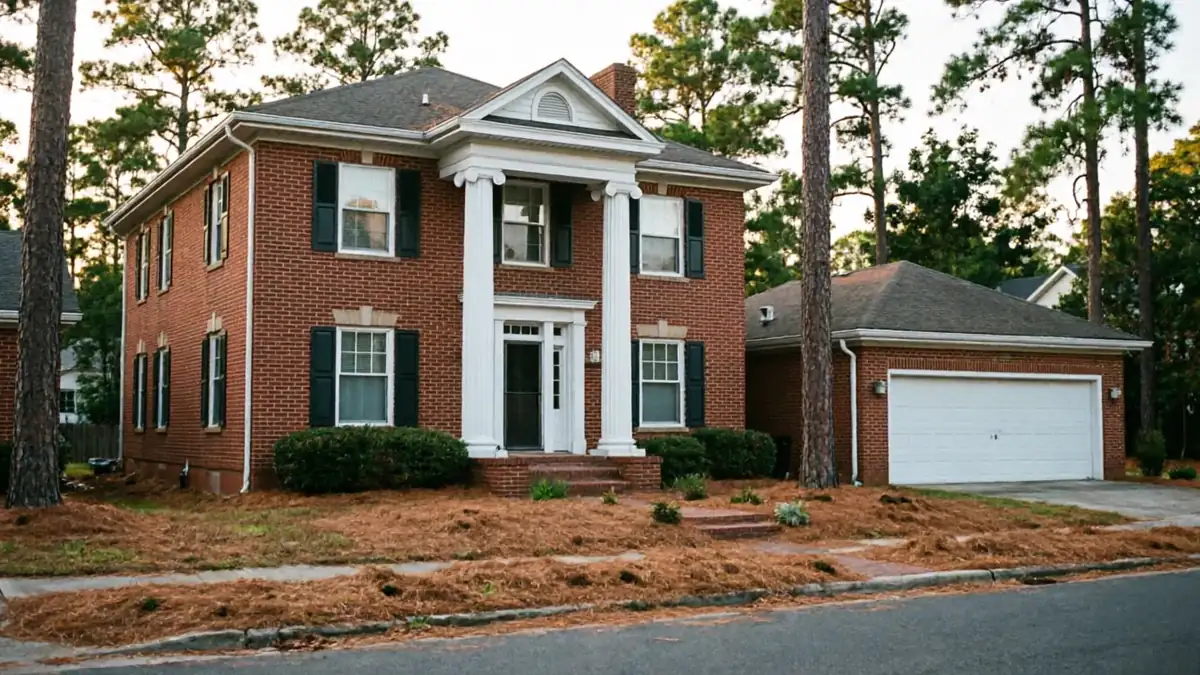
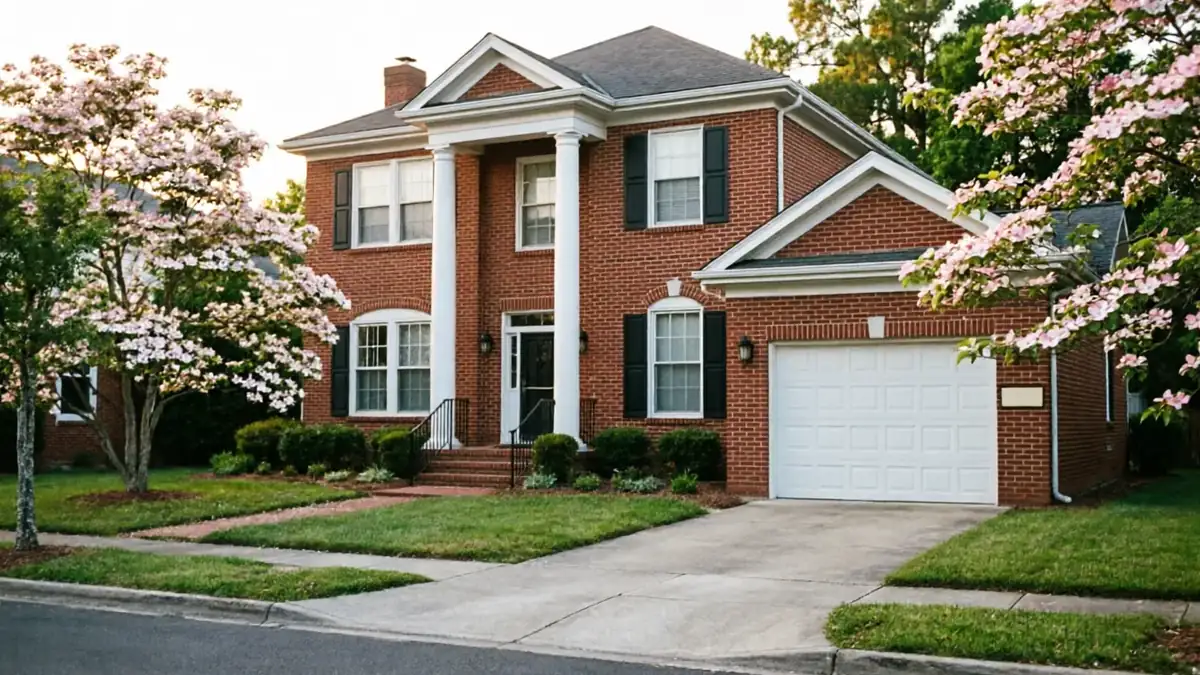
Sugar Hill's housing stock centers on 2002, which is nearly two decades newer than the 1984 median across the rest of our service area. That gap changes what breaks and how. Doors built around 2002 are almost always steel sectional with factory torsion springs and extension-spring backups phased out - you're not dealing with the old side-mounted torsion setups or single-panel doors that show up in the 1950s-60s pockets closer to Roswell. Openers from this era are mid-generation chain or belt drive, often past their first motor's reasonable life but not yet the smart, battery-backup units going into new construction today.
The failure points we actually see in Sugar Hill are wear-driven, not design-driven
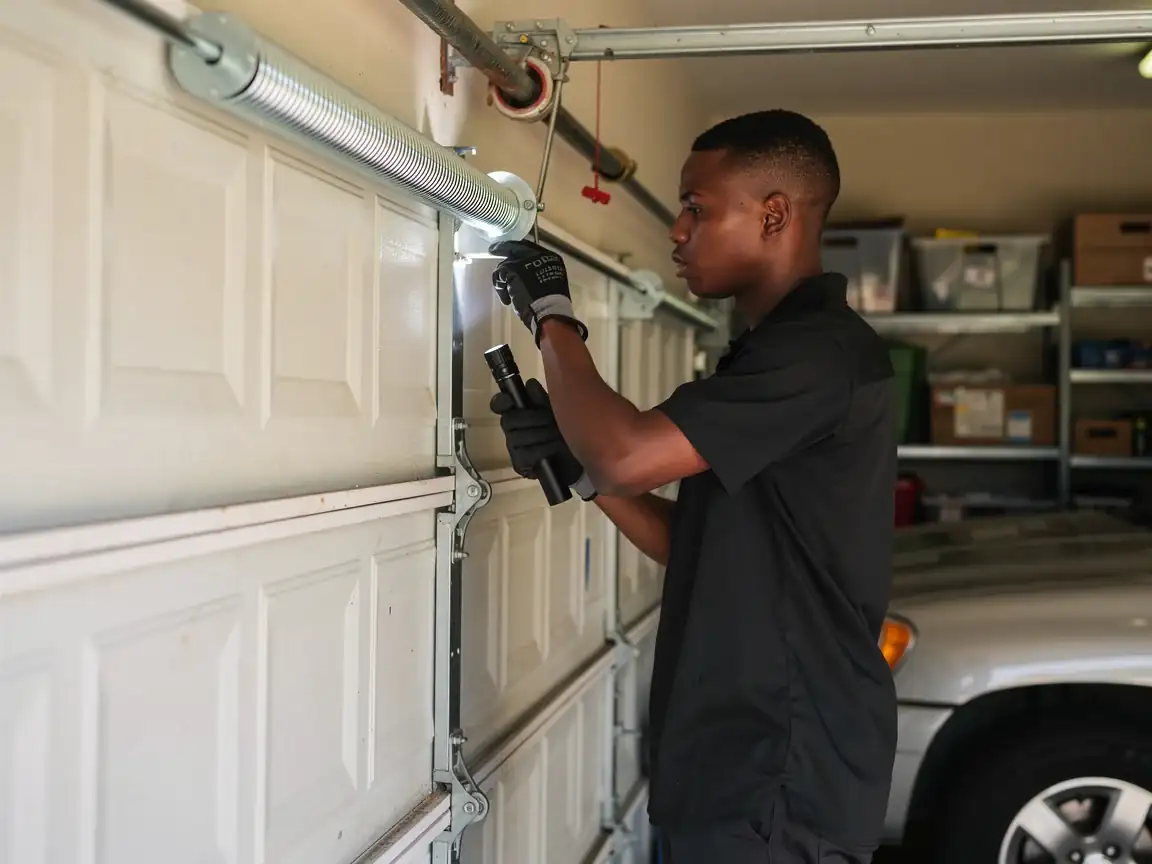
Cables fraying after 20-plus years of cycles, nylon rollers cracking, logic boards in openers finally giving out. It's a more consistent repair profile than older stock, which is useful - it means fewer surprises once we're on site, even with the drive factored in.
The Usual Work Here
Given a median build year of 2002, the calls we get from Sugar Hill skew toward end-of-life opener replacement and spring fatigue rather than structural door problems. A torsion spring rated for a certain cycle count on a door installed in the early 2000s is due, or past due, for replacement by now - that's just the math of spring life, not a guess about any one house. We also see track misalignment on doors that have had one too many off-track incidents over the years, and weatherstrip replacement, which matters here given the area's cold-moderate climate swings through winter.
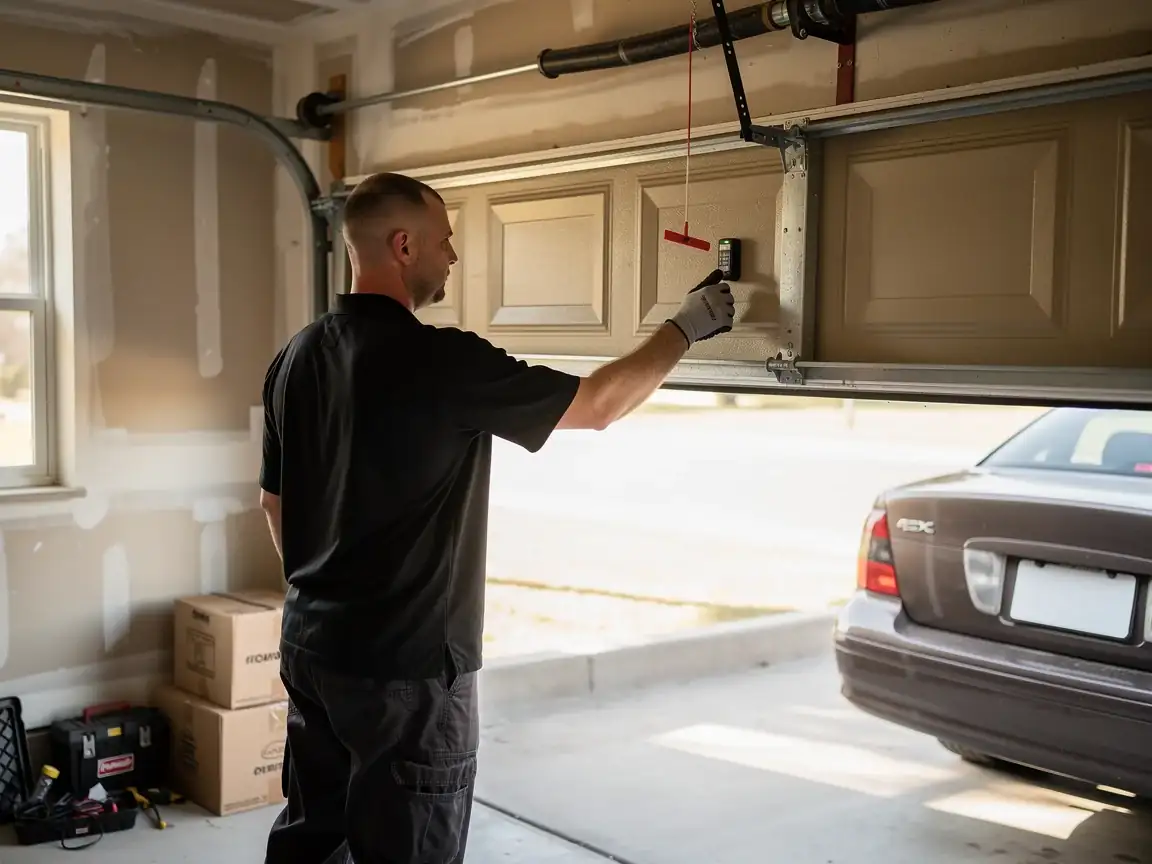
One limitation worth saying plainly: if an opener from this era has a broken logic board, we don't always carry that exact board on the truck for older models, since manufacturers phase parts out faster than homeowners replace openers. In that case we're honest that a same-day fix might mean a full opener swap instead of a repair, which is often the more sensible move anyway on a unit pushing 20-plus years.
This Area's Housing
Sugar Hill is a smaller slice of our coverage area by household count - about 8,545 households, against roughly 139,000 across the full territory we serve from Roswell. It's also a higher-income pocket: median household income here runs about $99,479, noticeably above the $91,308 median for the broader service area. That combination - newer homes, higher incomes - tends to show up in the calls we get as more interest in full opener upgrades (battery backup, smart controls) rather than patch repairs, since the cost difference between a repair and an upgrade matters less when a door is already 20 years into its service life anyway.
We don't have detailed figures on owner-occupancy specifically within Sugar Hill, only across the wider area, so we won't guess at what share of these homes are owner-occupied versus rented. What we can say is that the 2002 median build year is the single most useful number for predicting what's wrong with a given door here before we even see it.