What It Costs
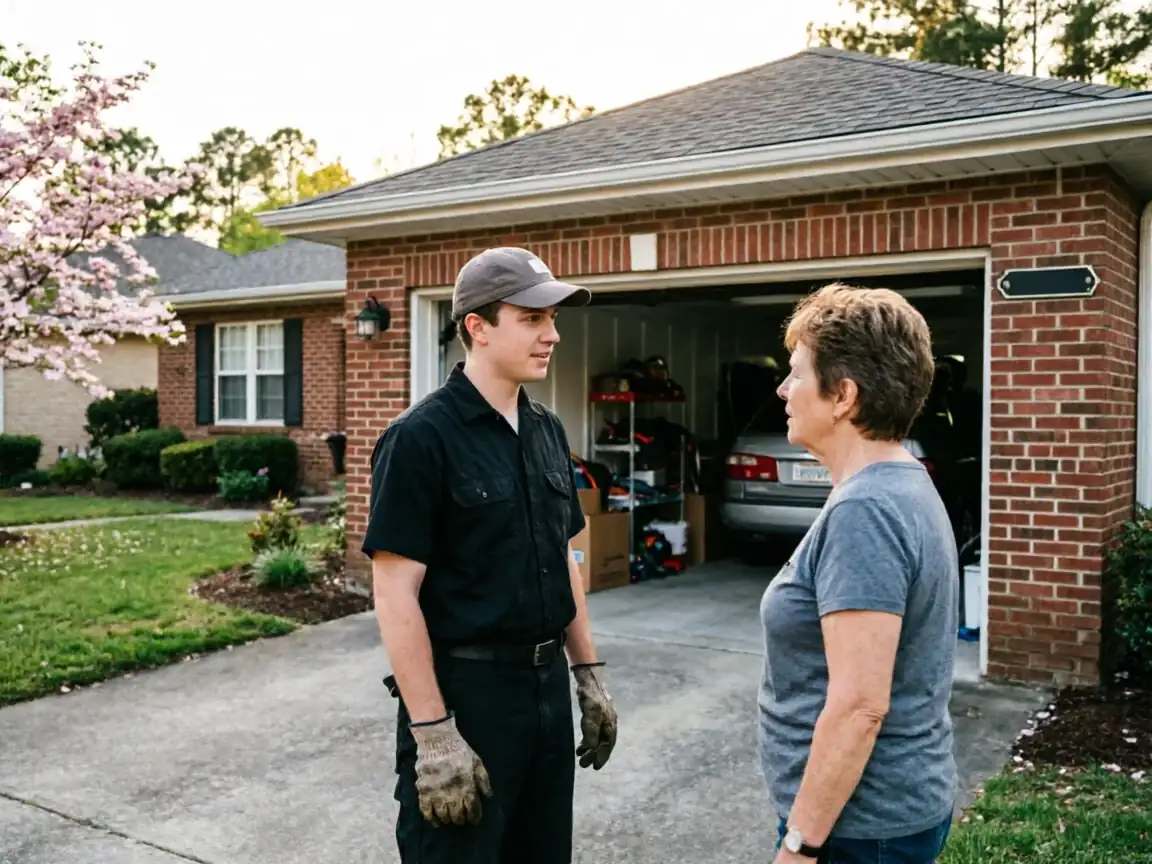
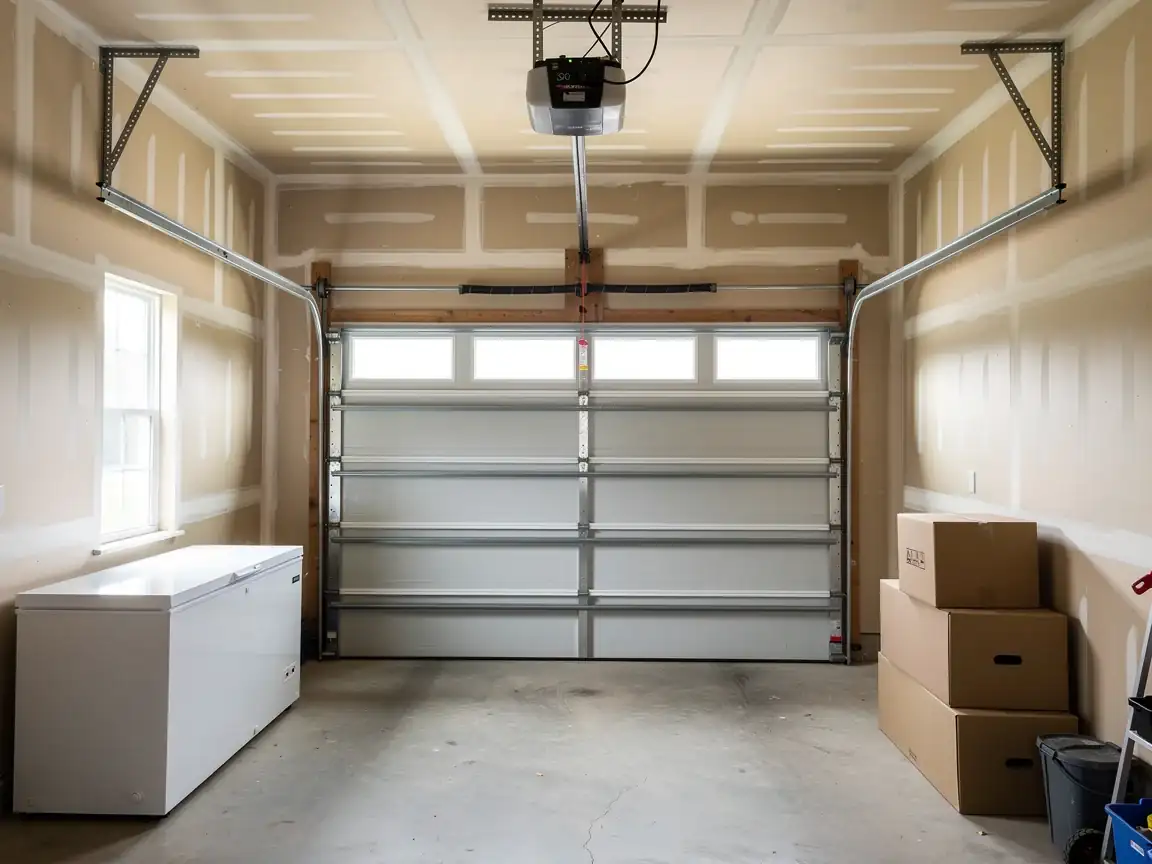
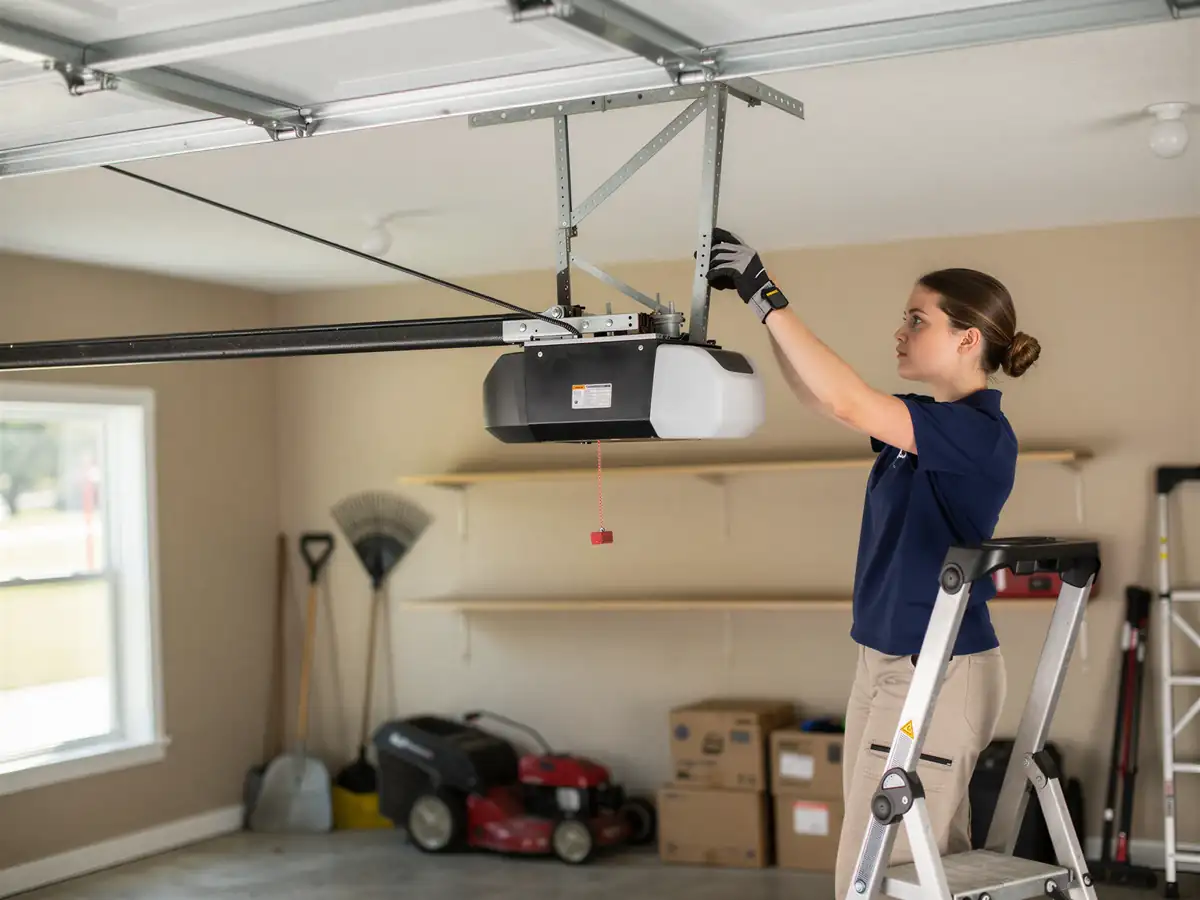
We can't quote a number here without seeing the opener, because the range depends on whether the fix is a logic board, a drive gear, a capacitor, or the whole unit. What we can tell you is what drives the cost up or down. A belt-drive or chain-drive opener built in the last 10-15 years usually has a circuit board that either works or doesn't - if it's dead, you're often replacing the head unit rather than chasing a part. Older screw-drive and chain openers from homes built decades back can sometimes be repaired piece by piece, but parts for units that old are getting harder to source. If your opener is original to a house built in the 1980s or earlier, a tech will usually tell you flat out whether it's worth fixing or whether you're better off putting that money toward a new unit. We'd rather tell you that on the phone than run up a bill proving it in your driveway. Ask for the breakdown before the work starts, not after.
How It Shows Up
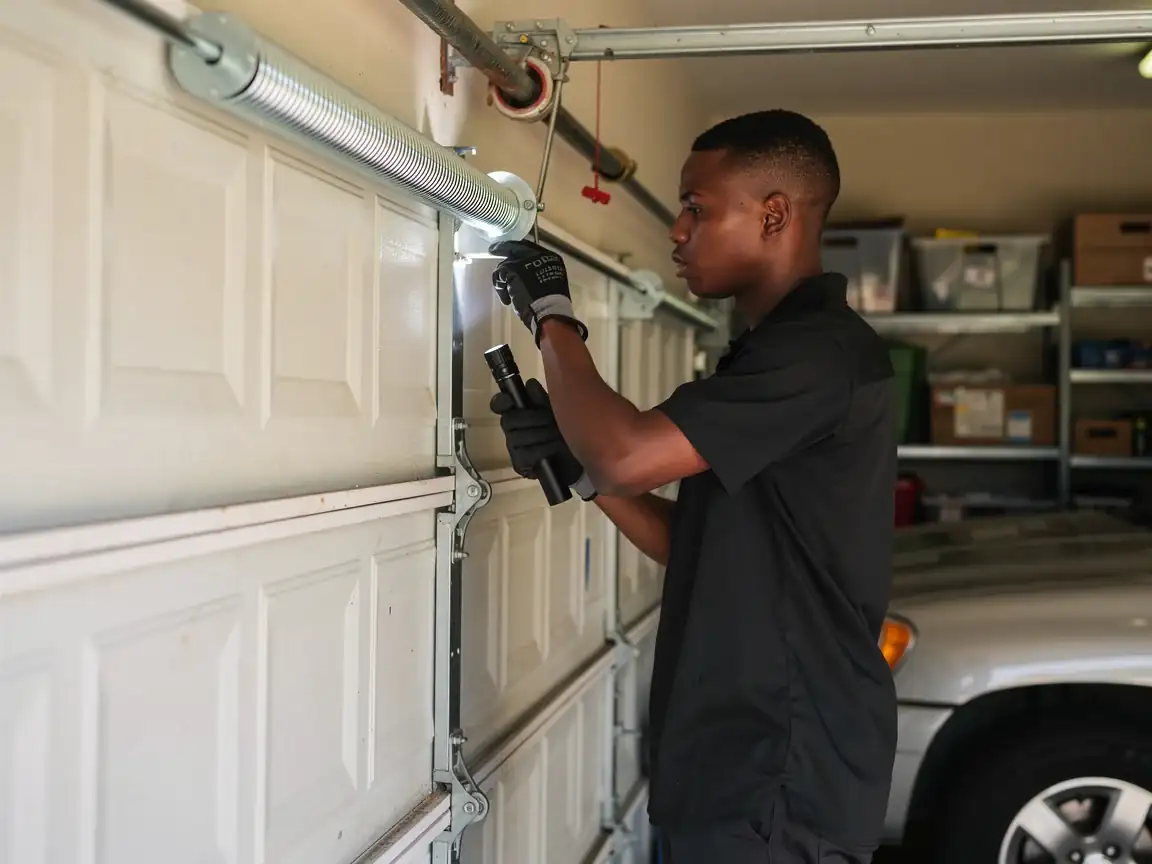
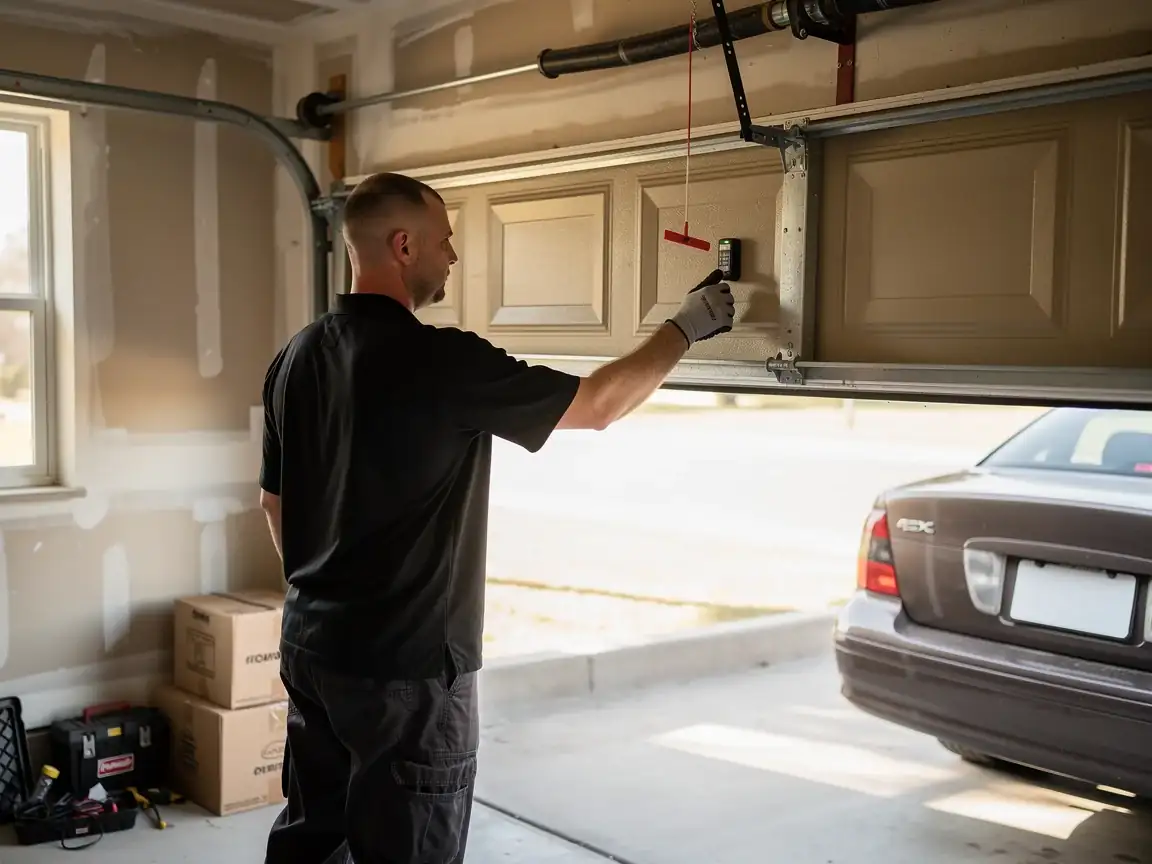
The usual pattern: the door starts reversing halfway up for no clear reason, or the opener runs but the door doesn't move - meaning the motor's fine but the gear that turns the drive has stripped. Some owners hear a grinding or clicking sound before full failure; that's the gear going, and it rarely fixes itself. Others get a dead unit outright - no light, no hum, nothing - which usually points to the board or a blown capacitor rather than anything mechanical. A third pattern shows up more in older installations: the opener works, but inconsistently, cycling fine for a week then hesitating, which often traces back to worn-out travel limit switches rather than the motor itself. If your door reverses before fully closing, don't keep forcing it - that's a safety sensor or force setting doing its job, and overriding it is the wrong move.
What Causes It Around Here
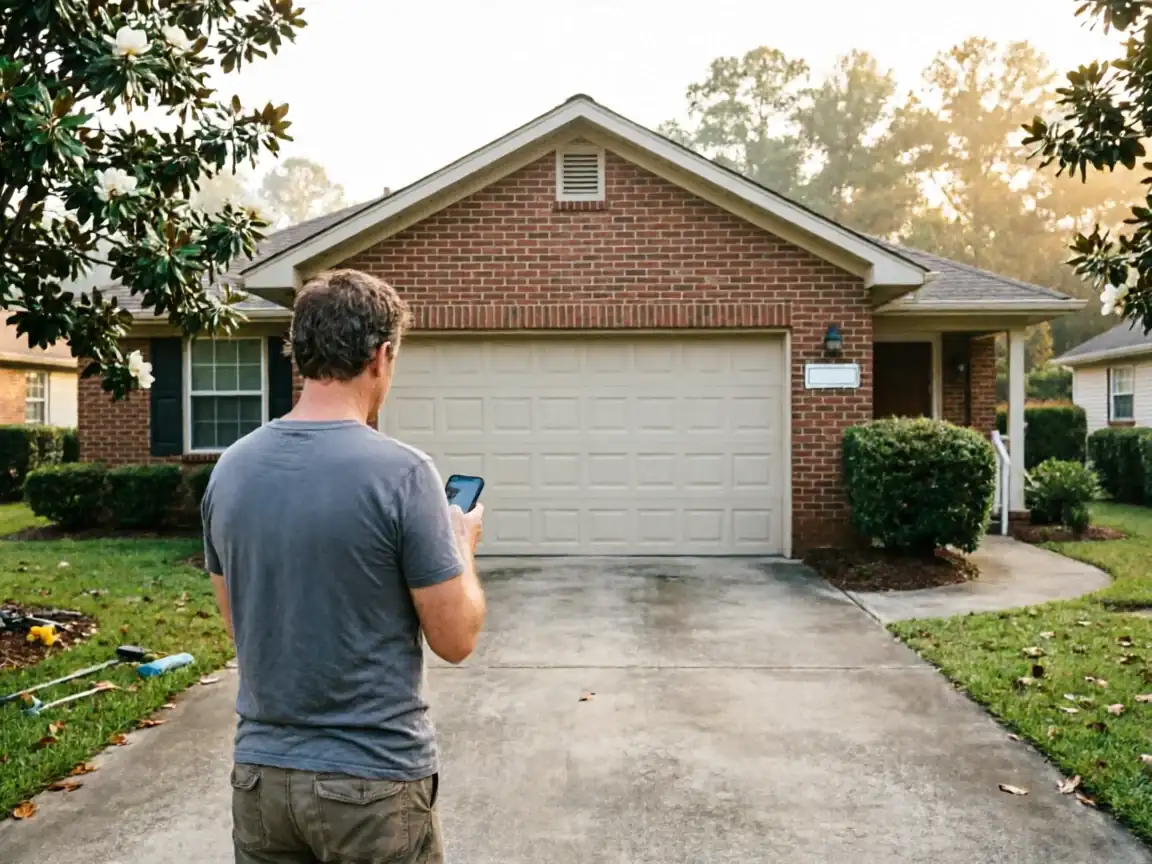
Housing stock across this service area runs from the early 1950s through the mid-2000s, with most of it built in the 1980s and 90s. That spread matters for openers specifically: a chain-drive unit installed when a house was built in 1986 is well past any reasonable service life, and the gear and board inside it were never designed to last 35-plus years. Newer builds in the 2000s often still carry their original opener too, which puts a lot of units from both eras into failure range at the same time. The climate here is cold-moderate - not brutal, but enough seasonal swing in temperature and humidity in a garage to stress capacitors and dry out the grease in a drive gear over a few decades, which is a slower failure than a Georgia summer heat spike but just as real. With 47,174 owner-occupied houses across this area, a lot of garages are carrying openers that are simply at the end of their expected run, not broken by any one event.