How Local Conditions Play In
Most of the housing across this service area went up between 1951 and 2007, with the median build year landing around 1984. That means a lot of doors out there are original to houses that are now pushing 40 years old, especially across the 21 named areas that make up the bulk of the stock from the 1980s and 90s. A door that age has usually been through multiple spring cycles and at least one motor swap if it has an opener at all.
The climate band here sits in the cold-moderate range, not the deep freeze of the upper Midwest but enough swing between summer heat and winter cold to work steel sections and nylon rollers harder than a mild coastal town would. Expansion and contraction over 30-plus years loosens hinges, stretches cables, and dries out the lubrication on track rollers faster than most owners expect. None of this means the door is junk. It means the wear pattern on a house built in 1984 looks different from one built in 2007, and worth knowing which decade you're dealing with before you decide anything.
What to Look At First
Start with the panels
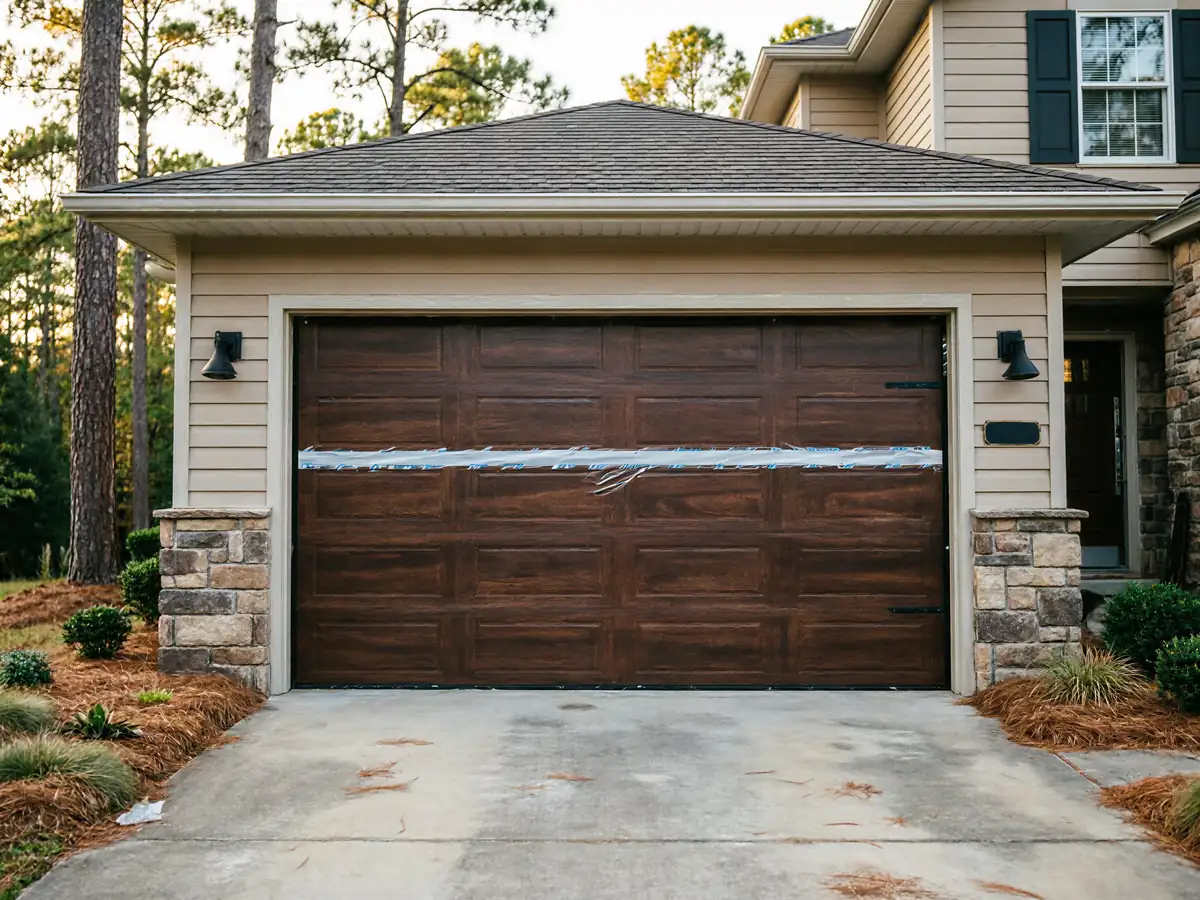
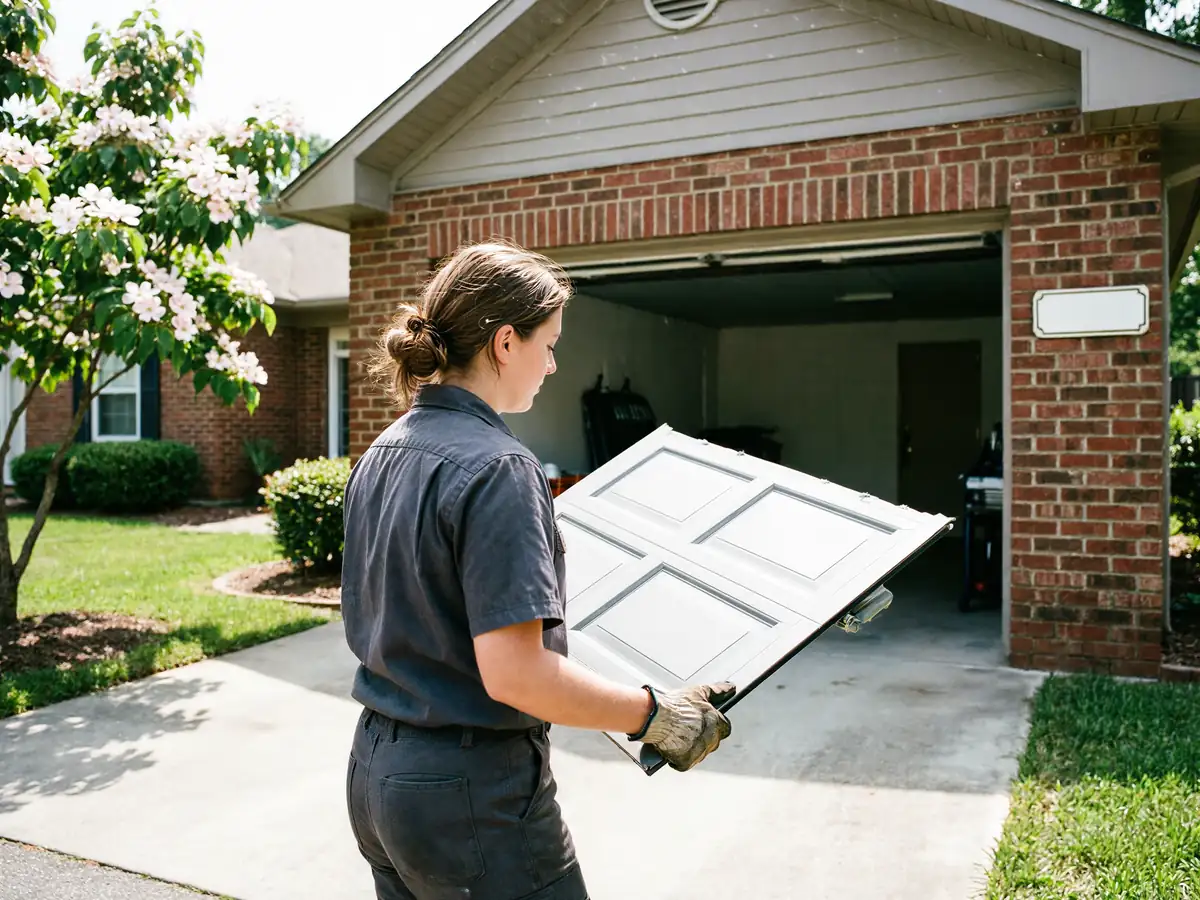
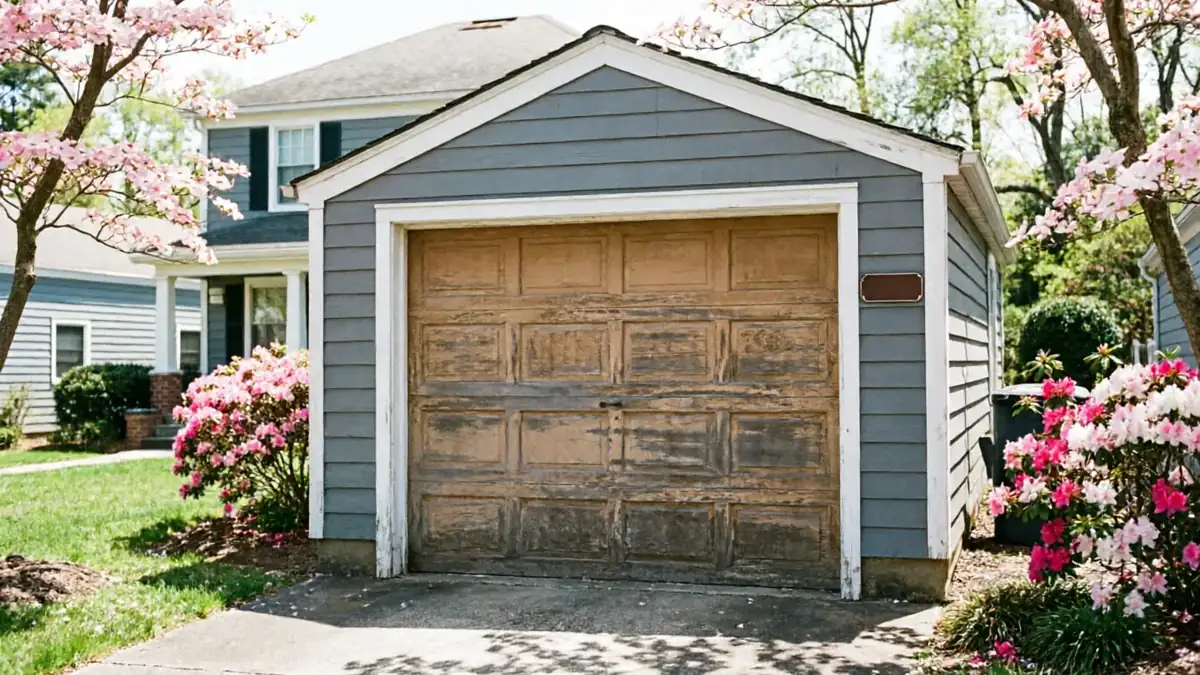
Steel doors from the 1980s and early 90s often used thinner gauge steel than what's sold today, so look for rust bubbling through paint at the bottom panel seams, especially where the door meets the slab. Surface rust is cosmetic. Rust that's pushed a hole through the steel means that panel is done, even if the rest of the door is sound.
Next, check the spring
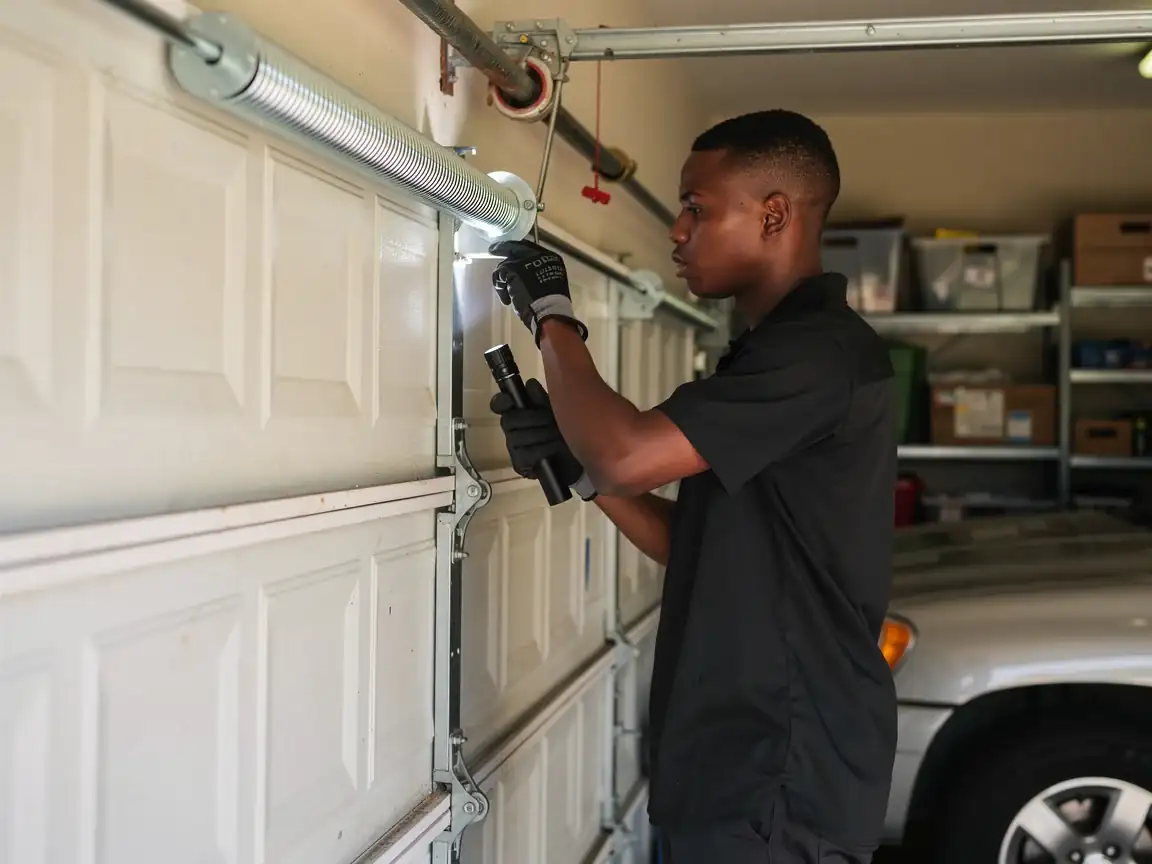
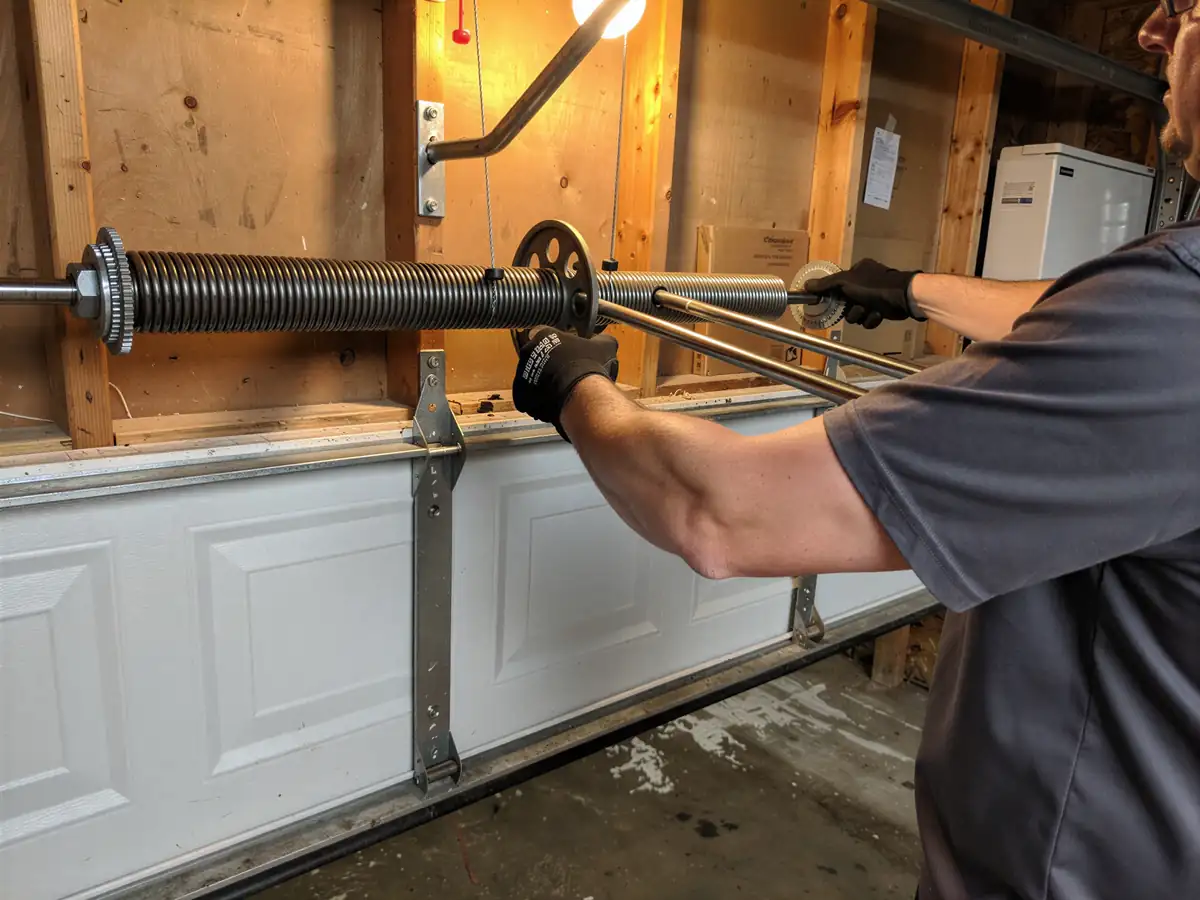
A torsion spring on a door built in the 1980s has likely been replaced once or twice already if anyone's kept up with it; if it hasn't, and the door is original, the spring is well past its rated cycle count and failure risk is high. Look at the coil for gaps or a visible break.
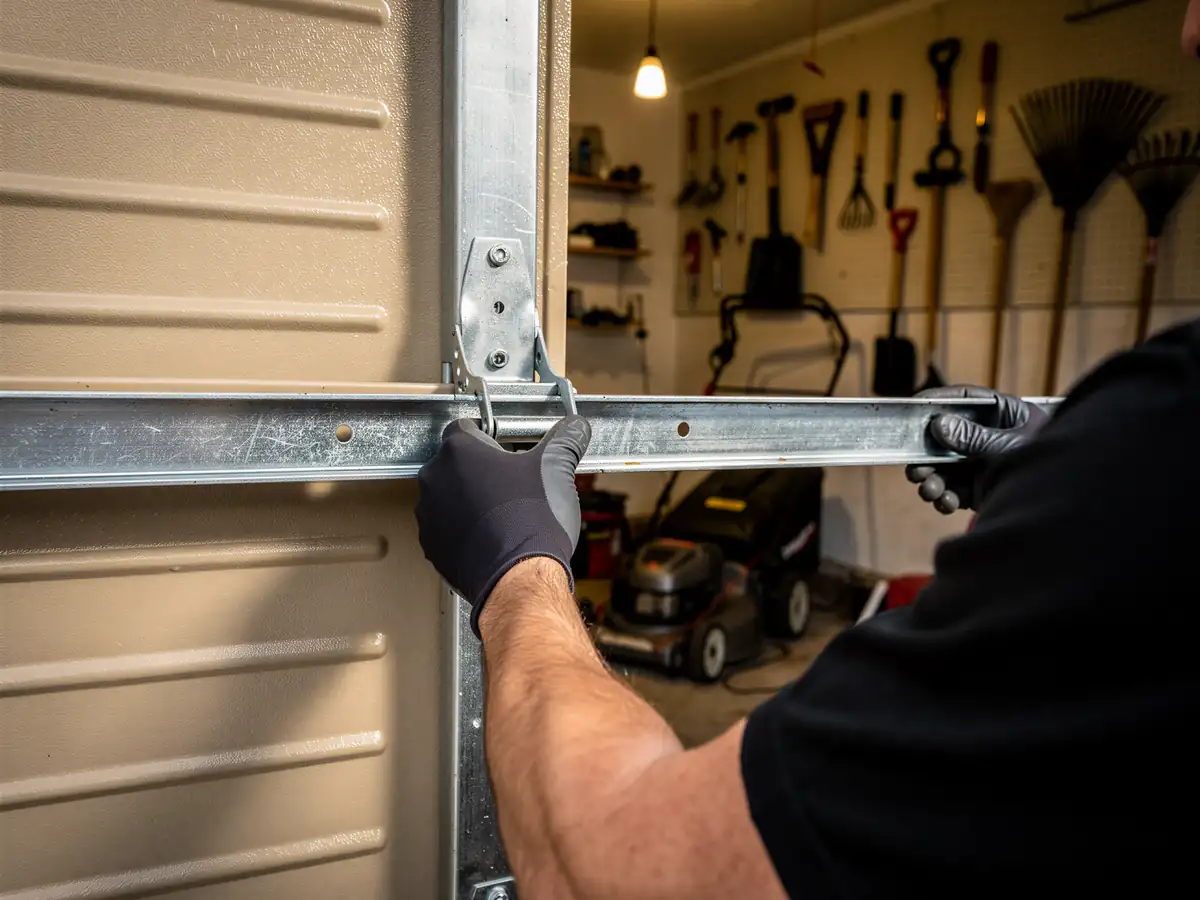
Last, check the track alignment and the rollers
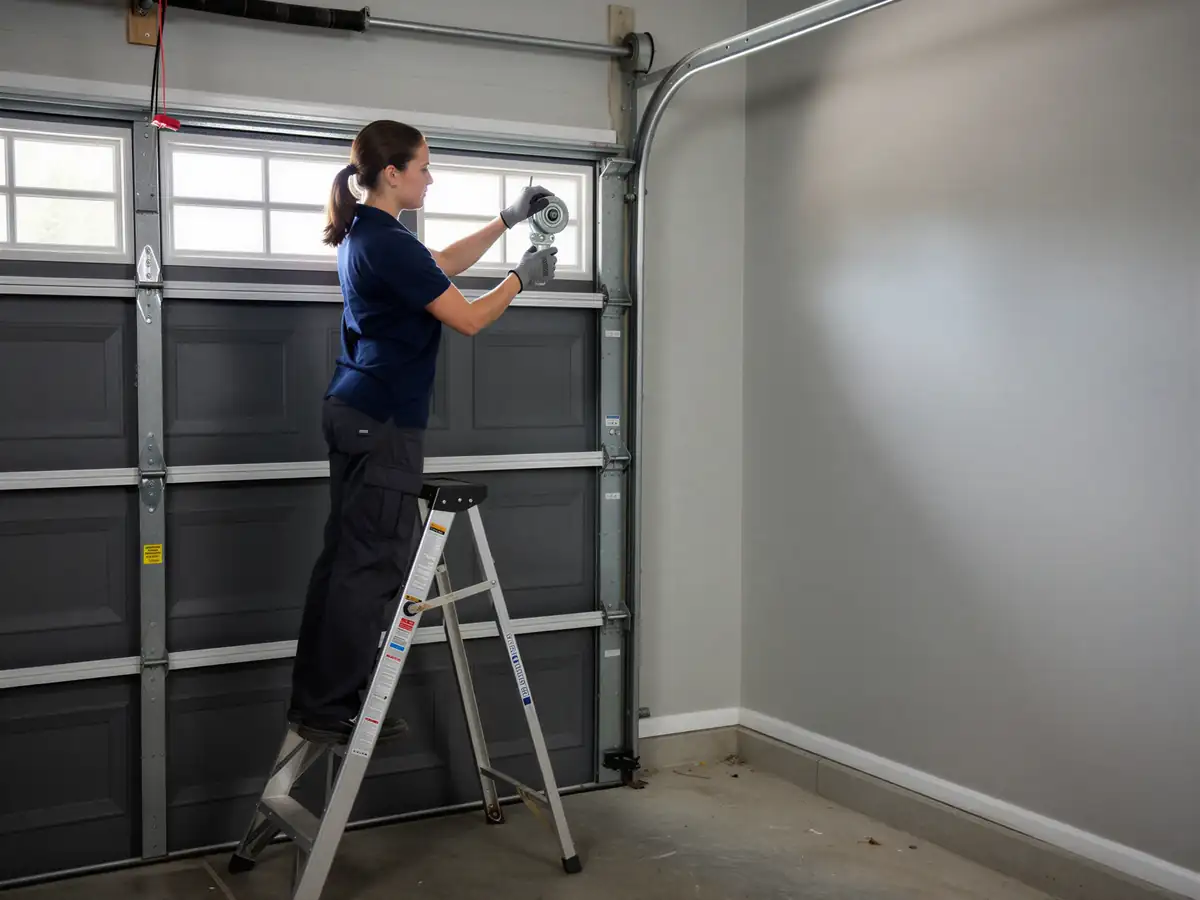
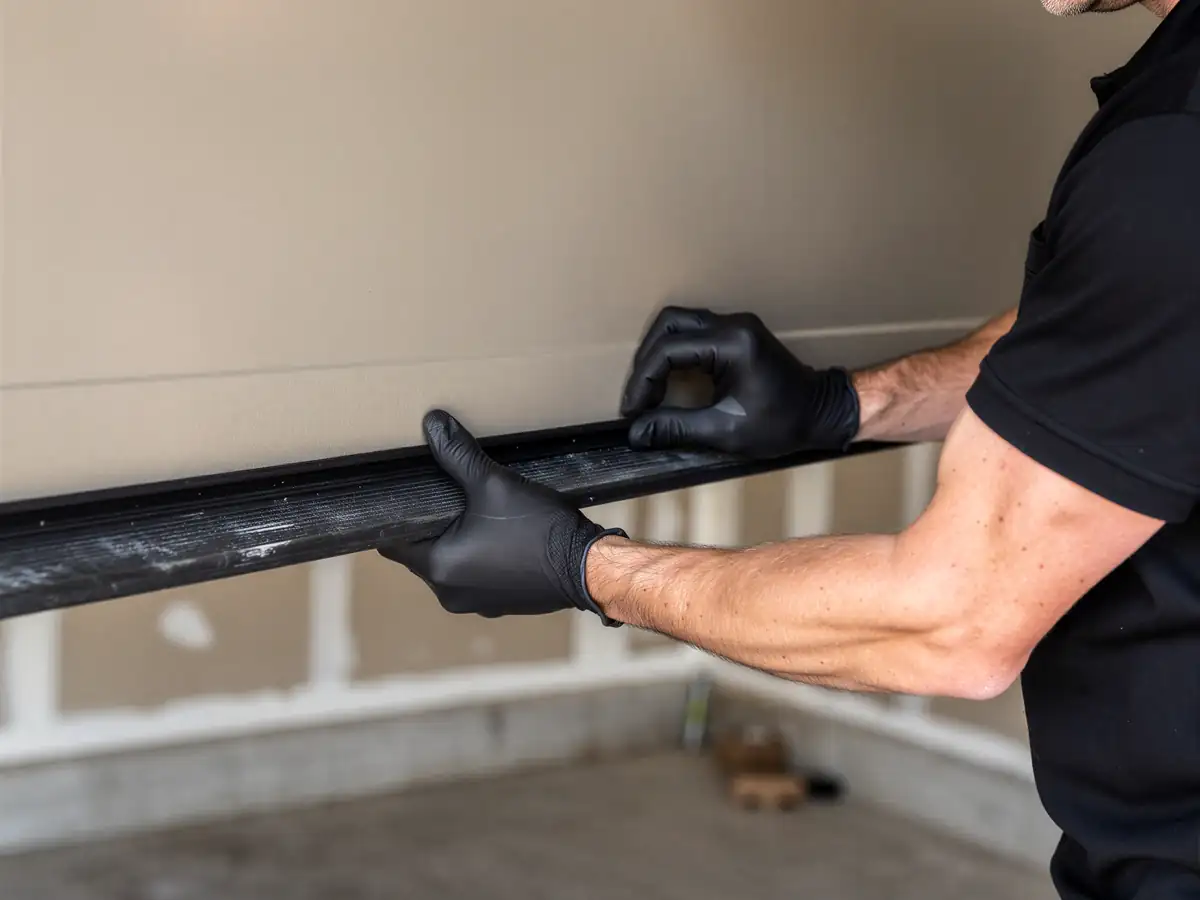
Original hardware from that era often used steel rollers instead of nylon, which run louder and wear the track faster. If the track shows flat spots or the door binds partway up, that's hardware fatigue, not something a tune-up fixes. None of these checks require tools, just a flashlight and five minutes before you call anyone.
When to Get Help
Call before you touch anything if the spring is broken or the door won't stay up on its own; that's a tensioned-cable job and it isn't a DIY repair regardless of the door's age. Call also if you're seeing rust-through on more than one panel, because patching one section on an older door usually means the rest aren't far behind.
We'll say plainly that we don't stock replacement panels for every discontinued steel profile from the 1980s and early 90s. If your door is an orphan model and a full panel match isn't available, full replacement is usually the honest answer rather than a mismatched patch that looks worse than the rust did. That's not an upsell, it's just what's actually on the shelf.
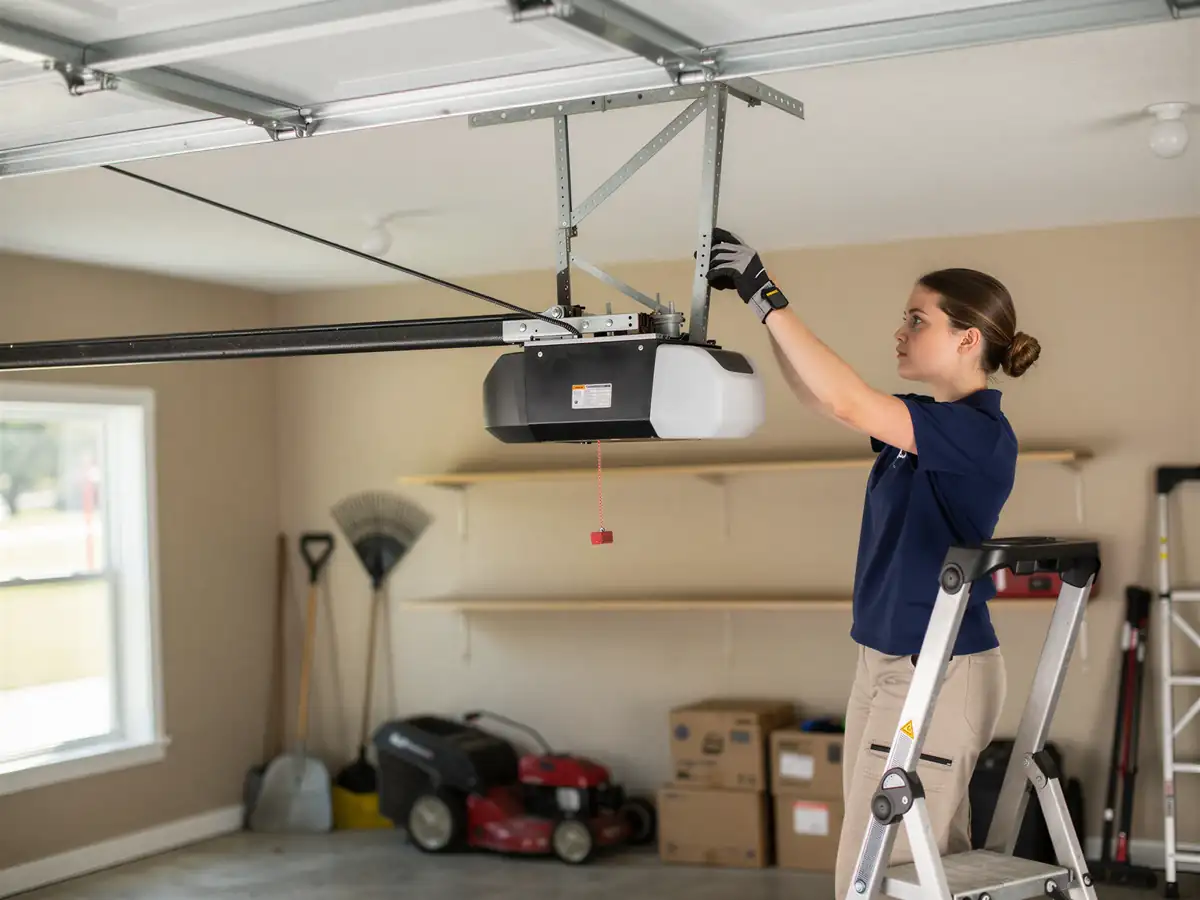
If the door operates fine, the spring looks intact, and the only issue is cosmetic rust or a slow-closing opener, that's worth a service call rather than a swap. A tune-up on a 30-year-old door that's otherwise sound is still the cheaper and more sensible route.
The Situation
With median household income in the service area at $91,308 across roughly 139,077 households and 47,174 owner-occupied houses, a lot of owners here are weighing a few hundred dollars in repair against a few thousand in full replacement, and the math usually favors fixing first if the door's bones are sound. A door built in the 1984 median-year range still has useful life left in the frame and track even when the opener or spring needs work.
Where you land in the service area matters too. Houses closer to Mountain Park tend to run older on average, closer to that 1951 end of the range, while areas nearer Peachtree Corners skew toward the newer end, closer to 2007. Knowing which decade your house falls into is the fastest way to guess whether you're looking at a repair or a replacement before anyone even shows up.