What It Costs
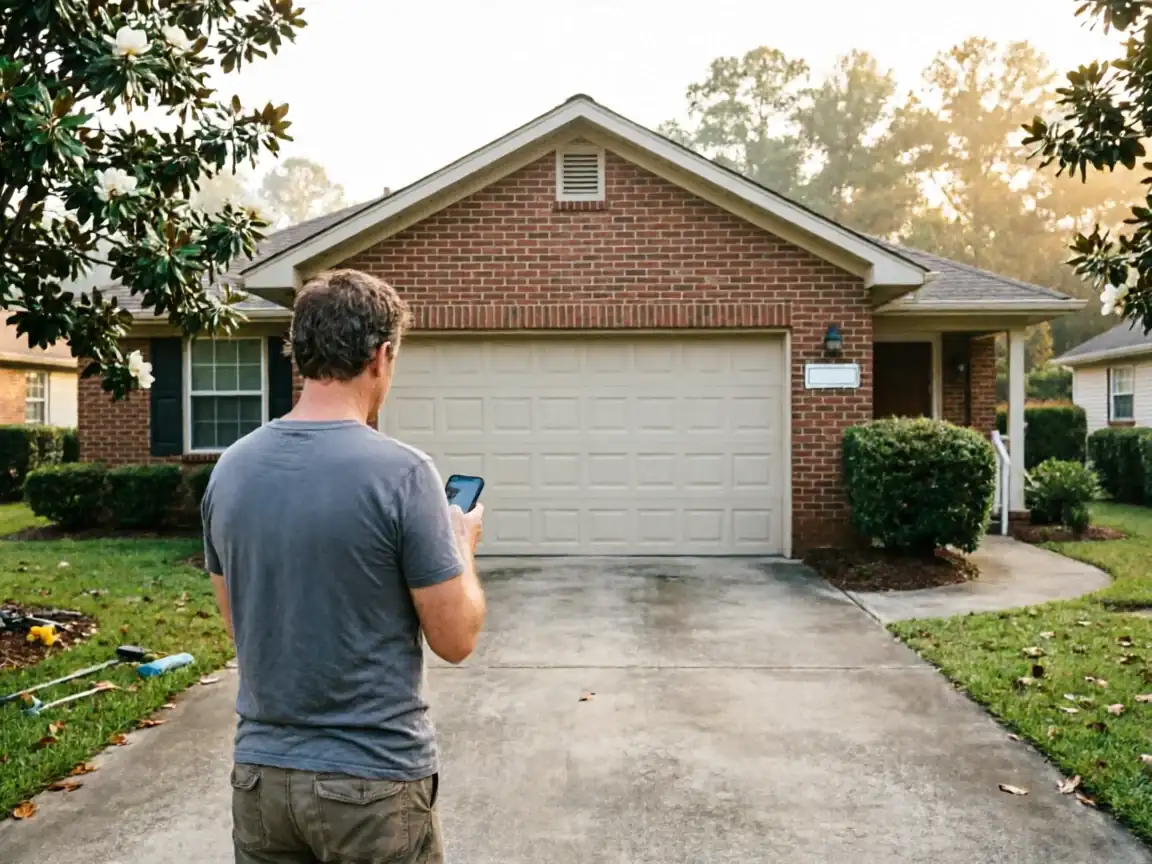
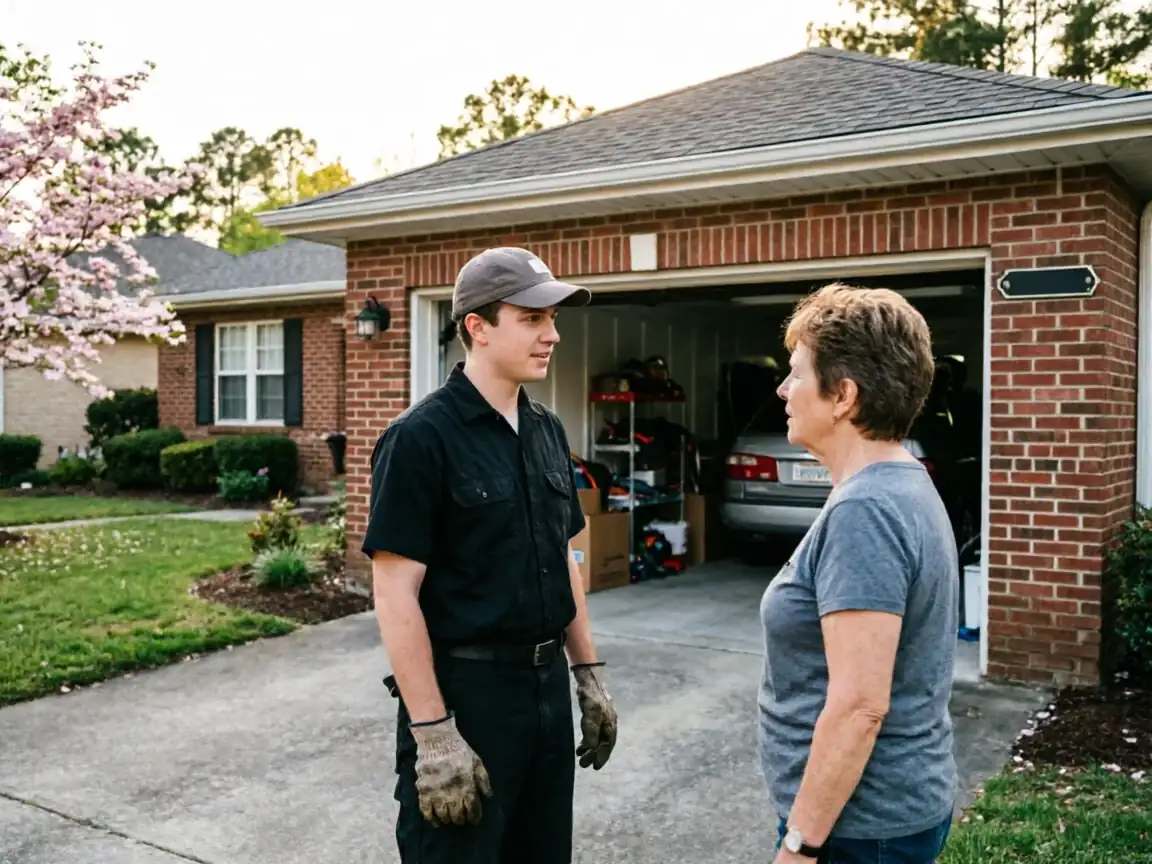
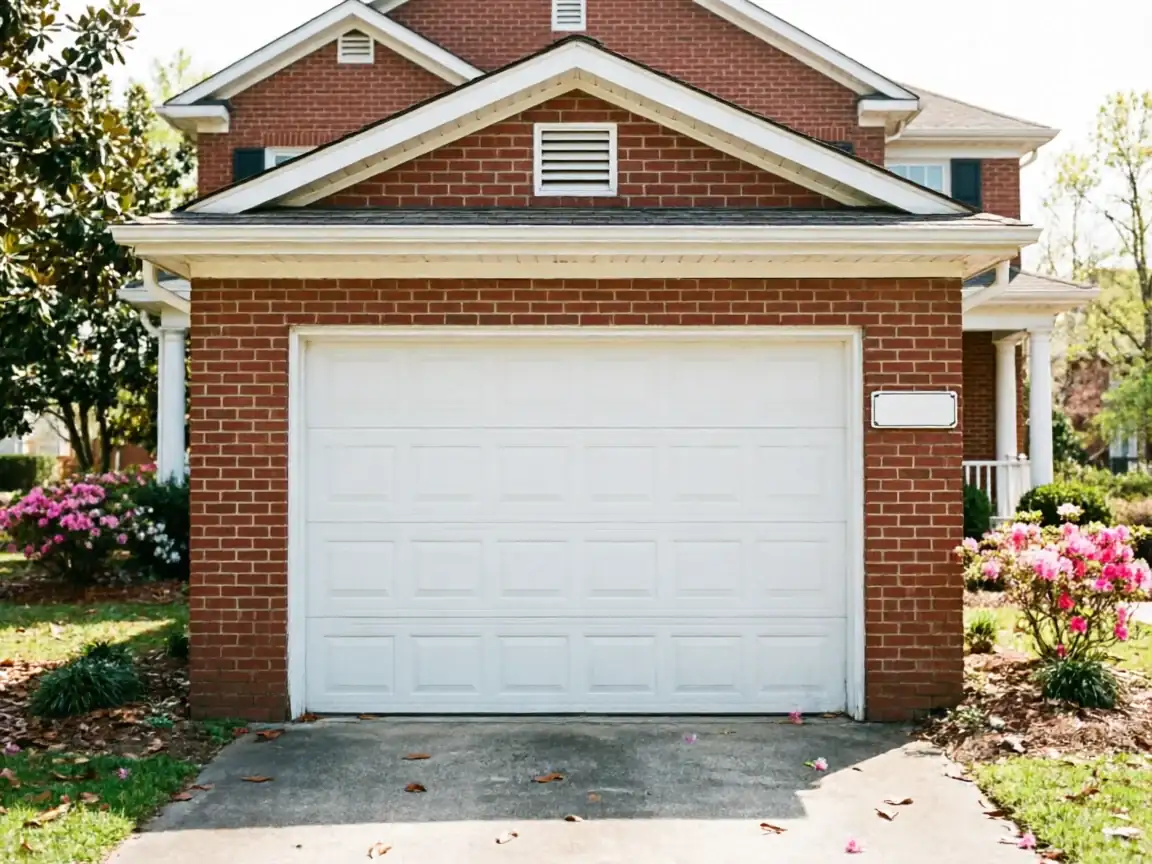
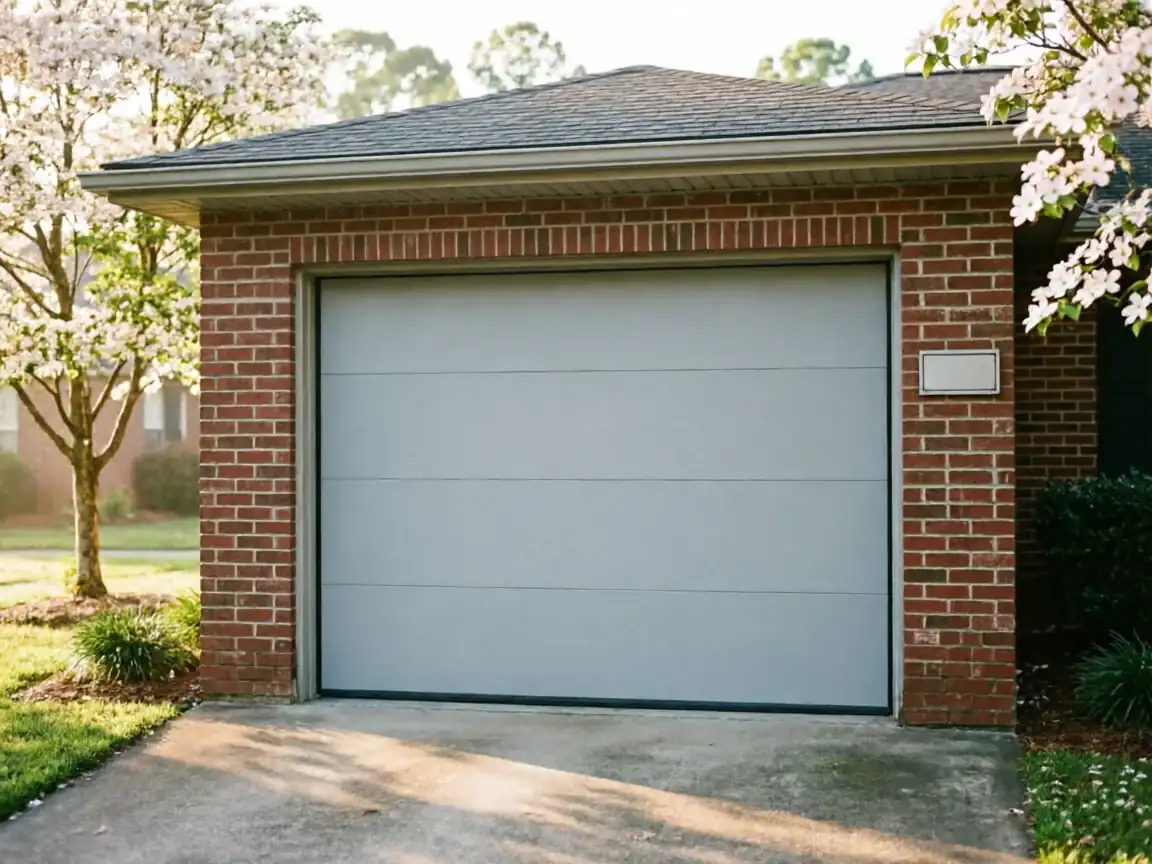
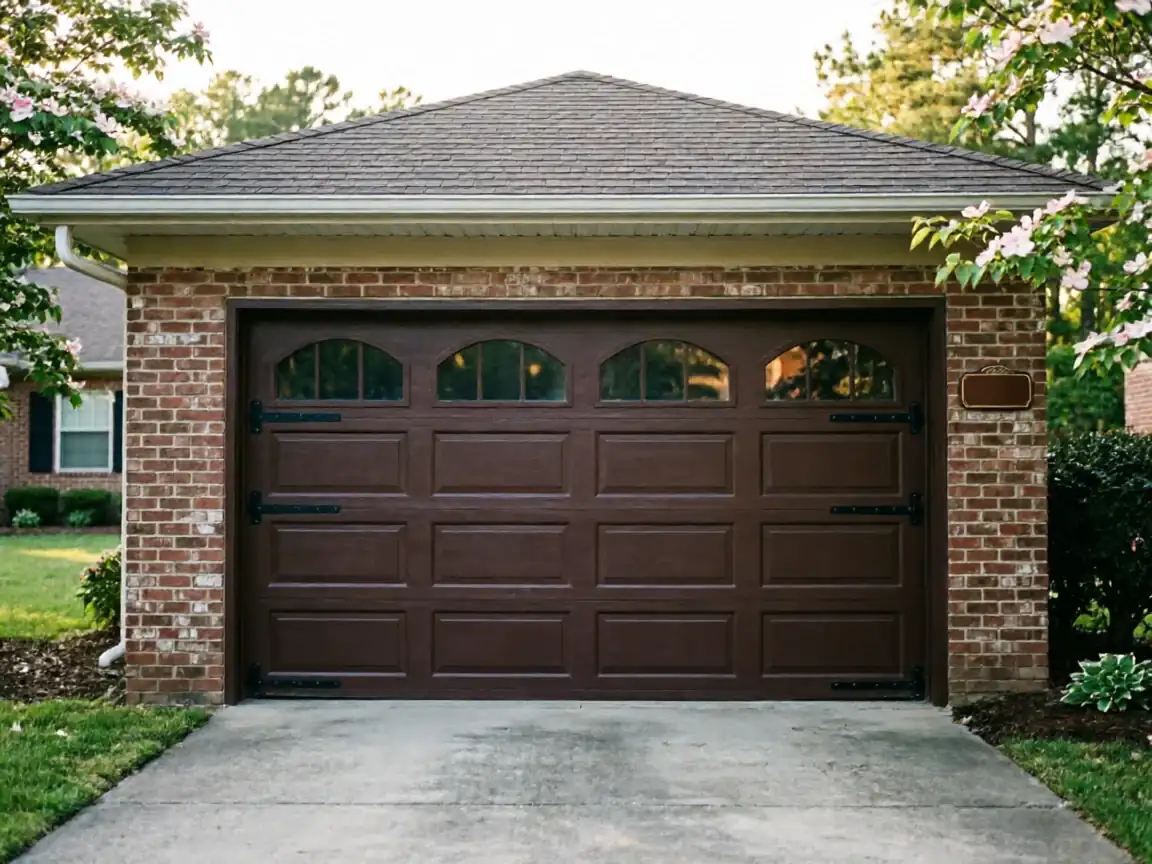
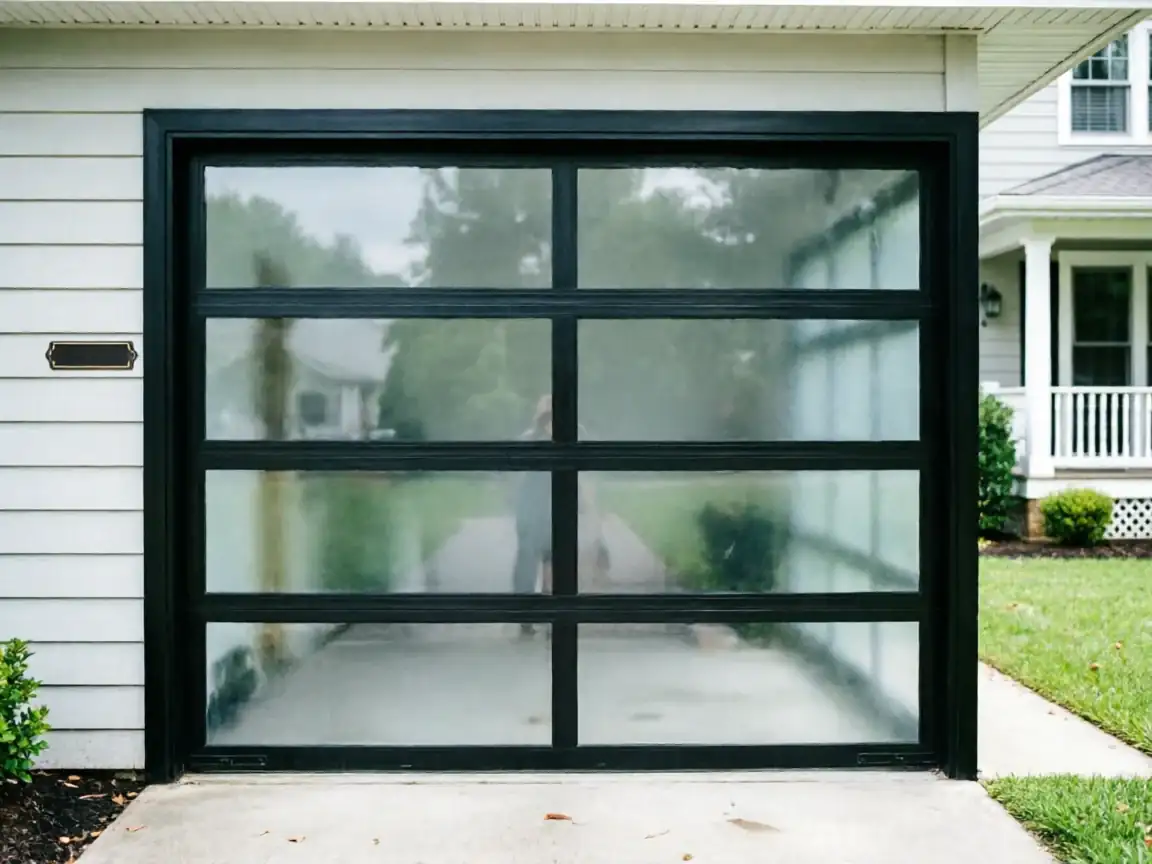
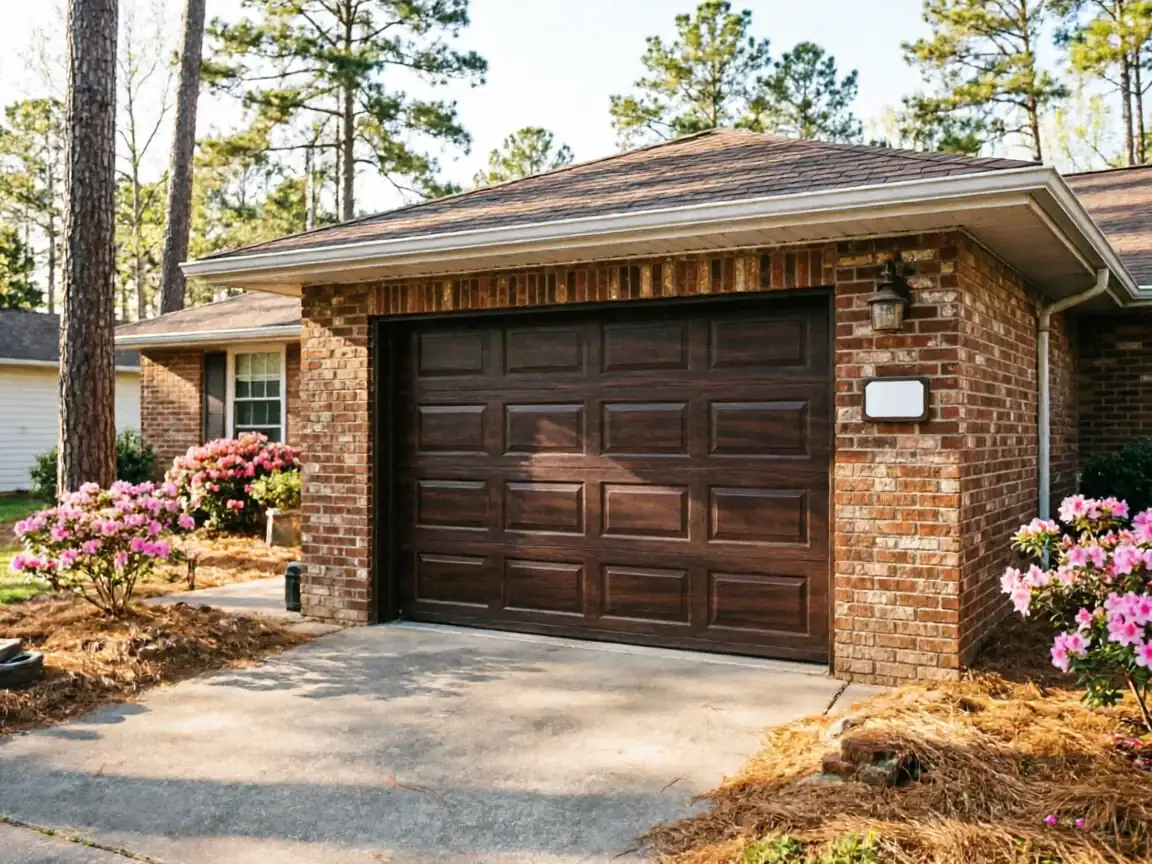
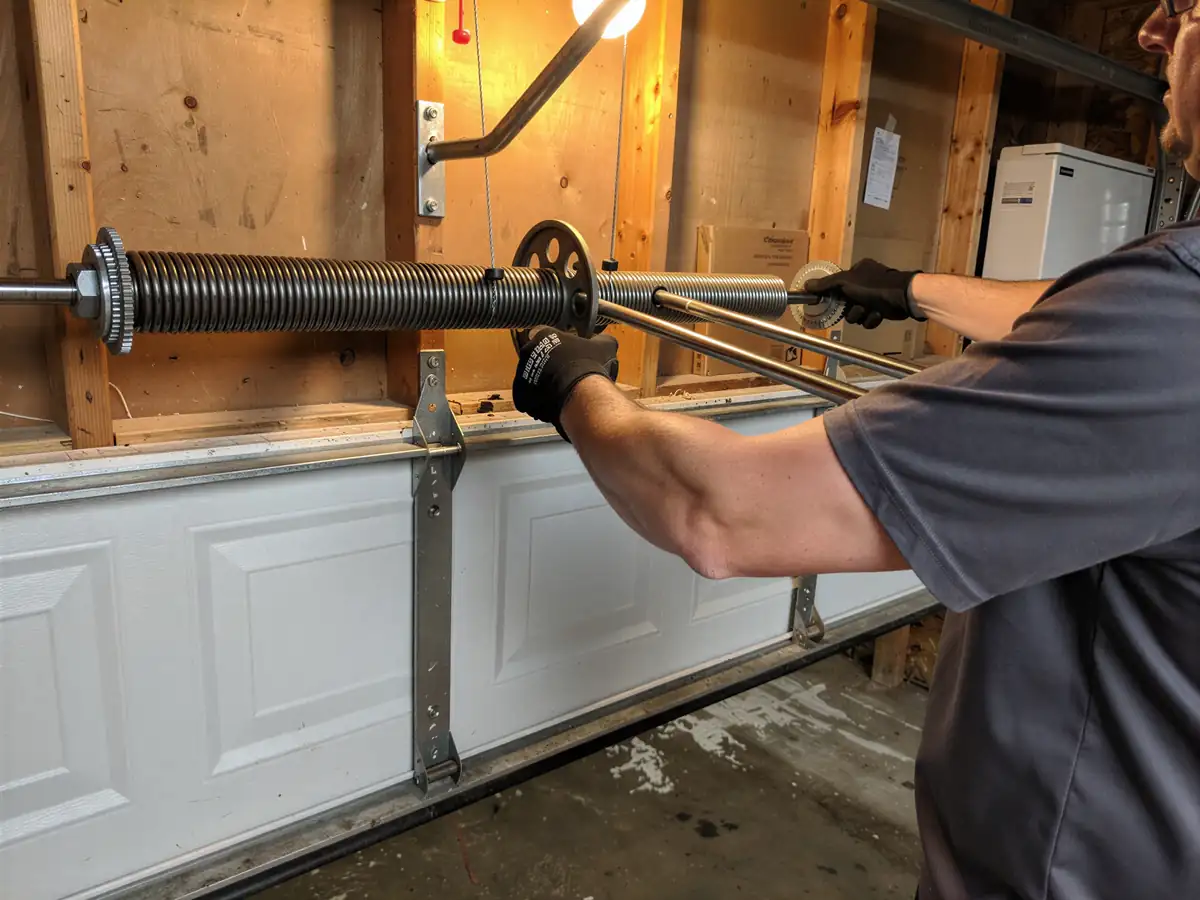
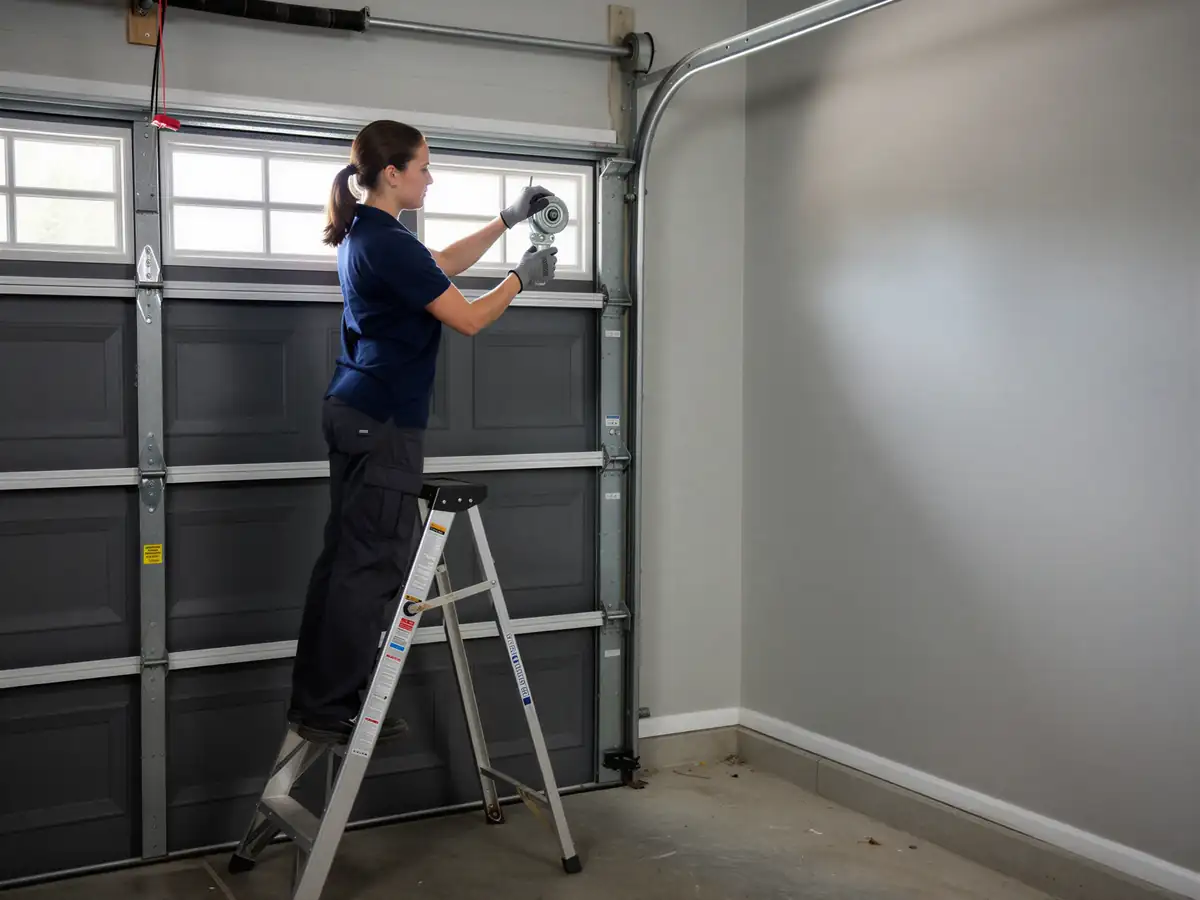
We don't publish a flat number here because the spread between a basic steel door and an insulated carriage-style door is wide, and what you pay depends on size, insulation, and whether we're swapping hardware too. What we can tell you is what drives the number in this area. Roswell's housing stock runs from 1951 up through 2007, with the typical build landing around 1984, so a lot of the doors we quote are original to houses built in that stretch across the area's established 1980s and 90s neighborhoods. Original openings were framed for single-layer steel doors with light hardware, so an upgrade to an insulated door often means new track and sometimes new jamb work, not just a panel swap. With a median household income of $91,308 across the service area, most homeowners we talk to are choosing insulated steel over the bare aluminum option, since the insulation pays for itself in a cold-moderate climate like ours. We'll give you a real number after we look at your opening and your current hardware, not before.
How It Shows Up
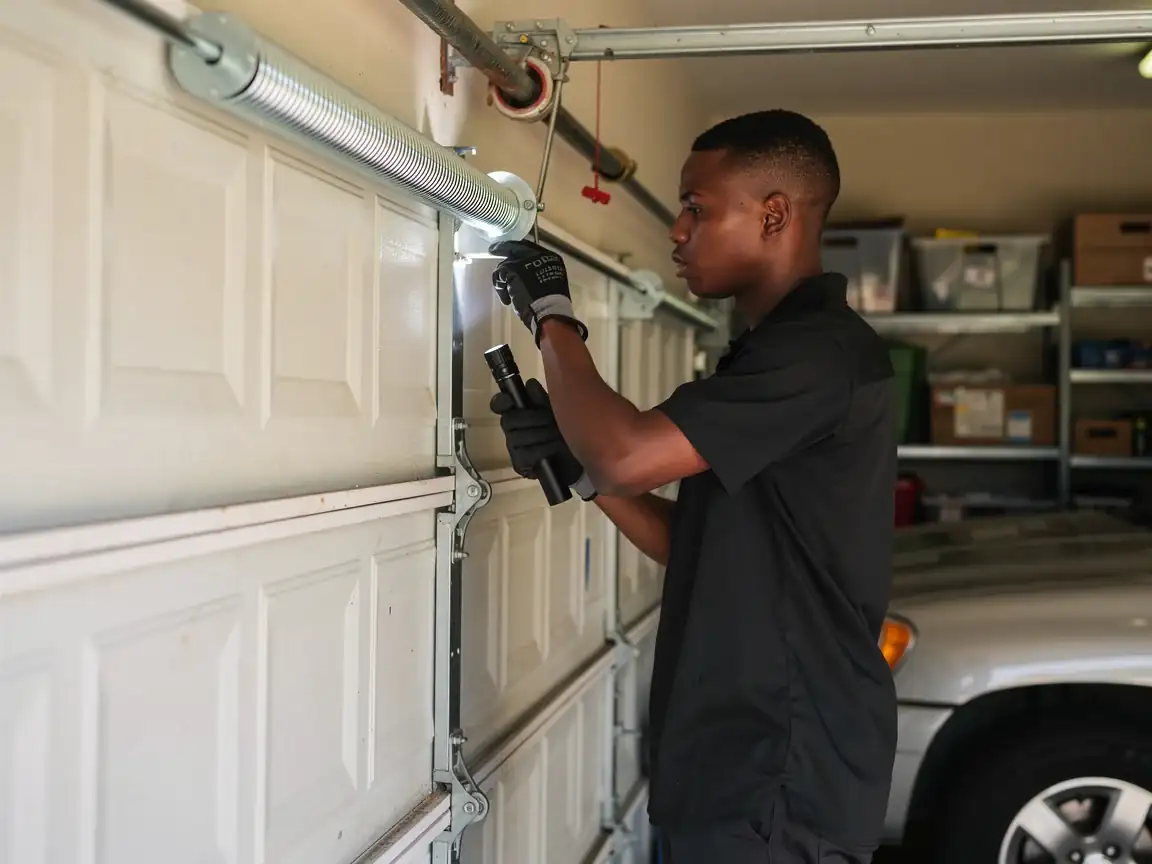
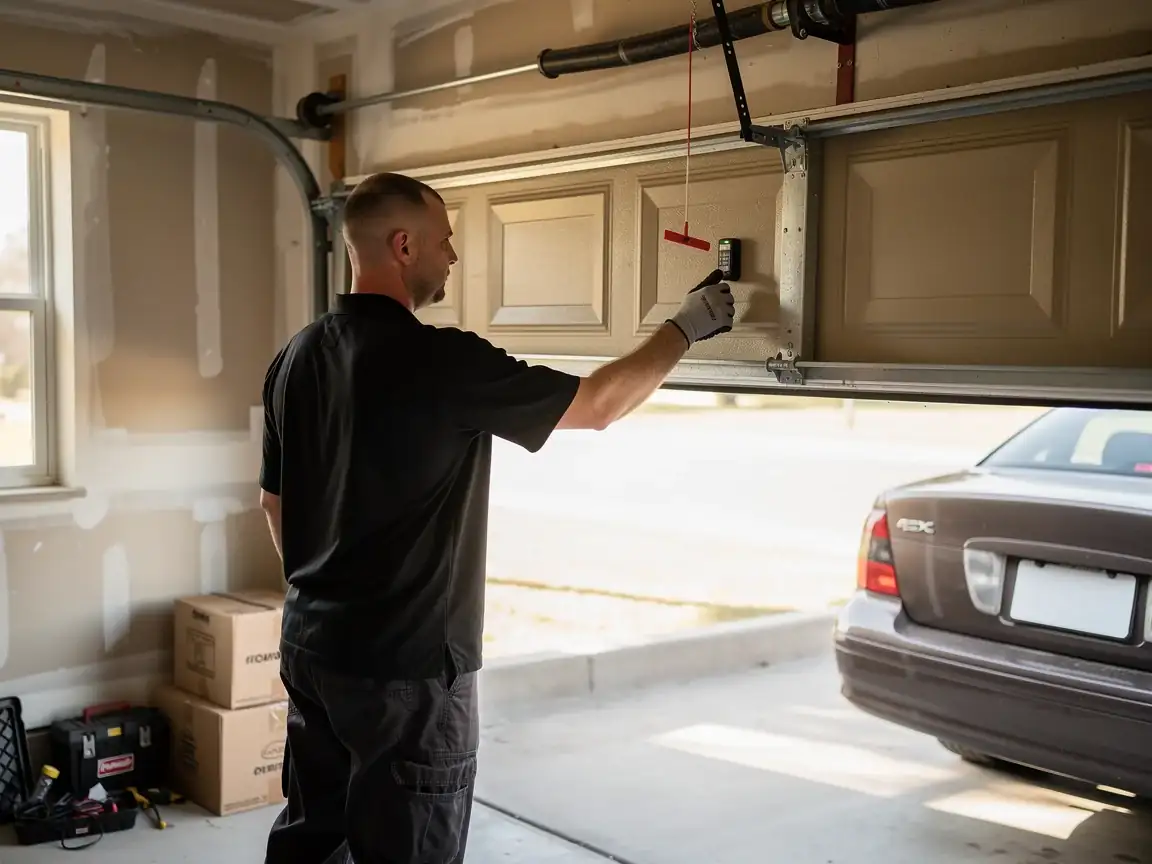
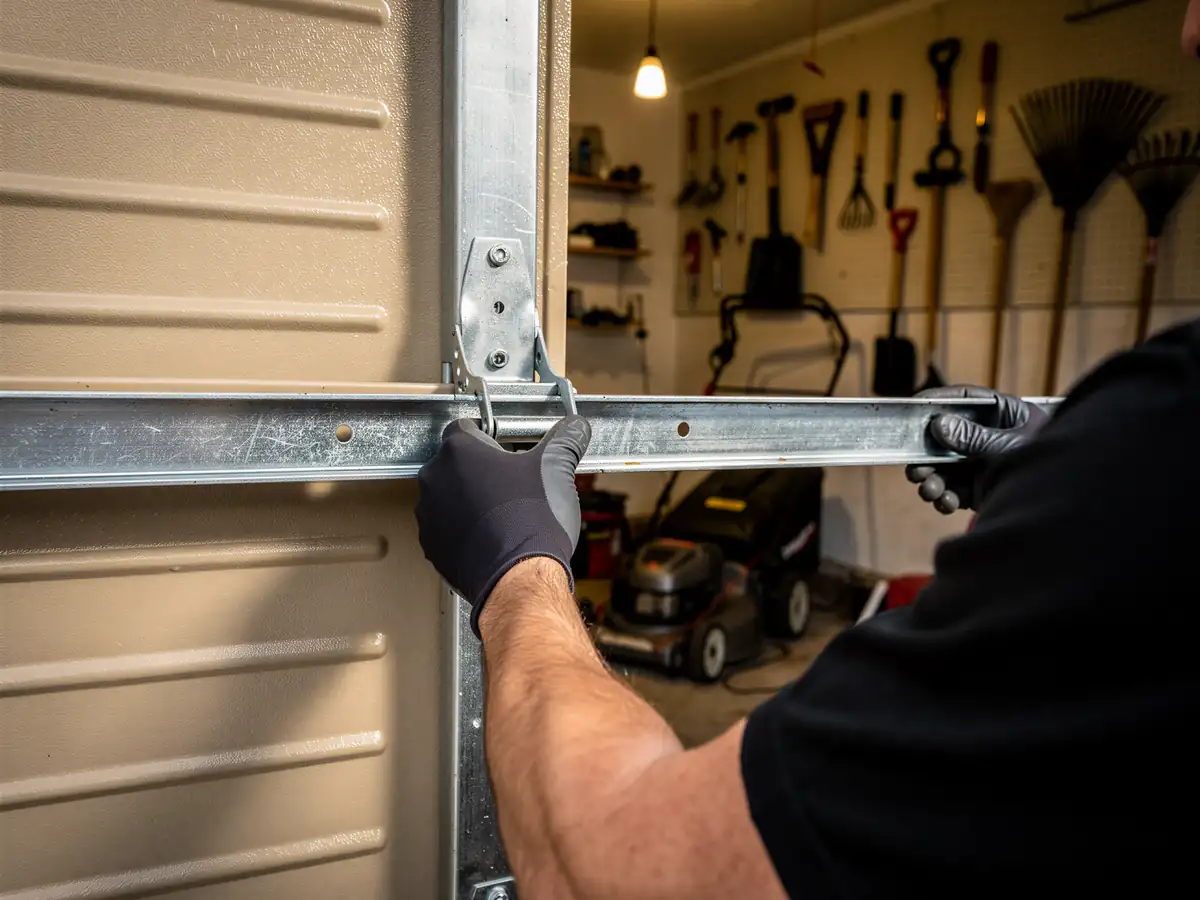
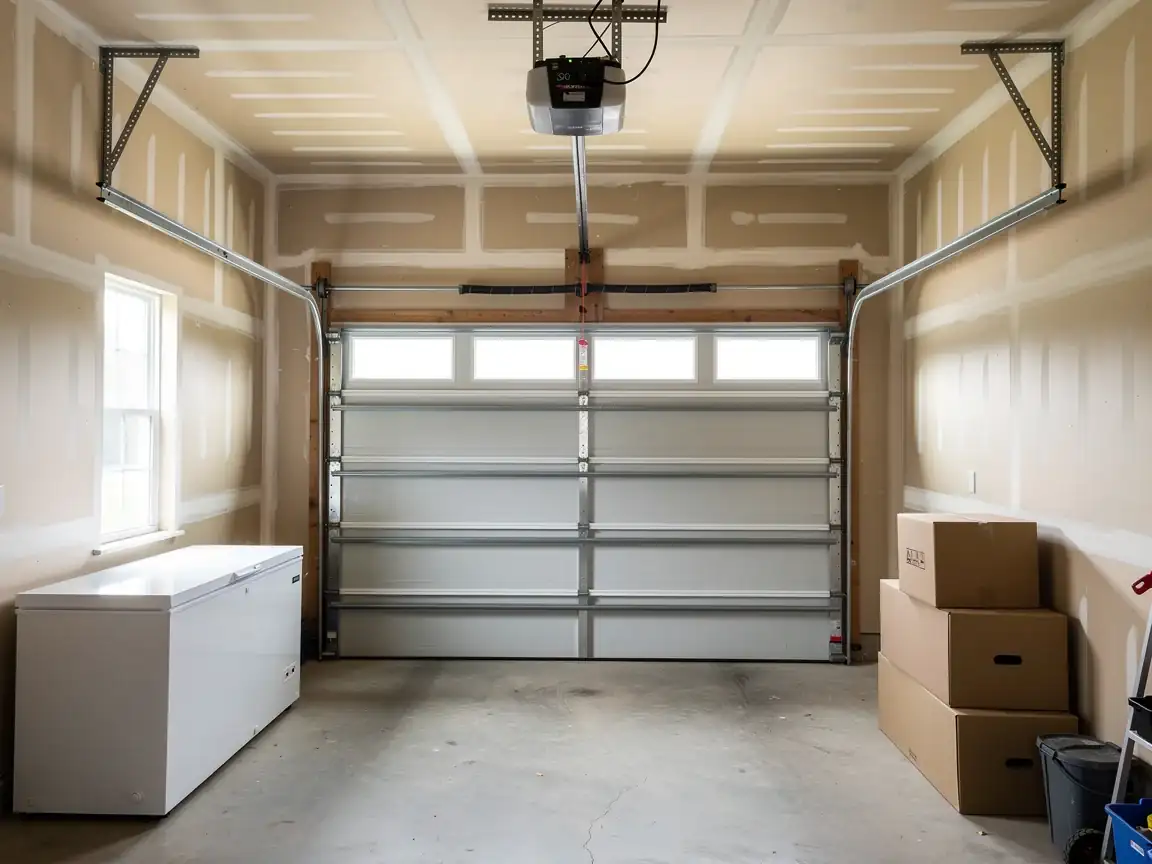
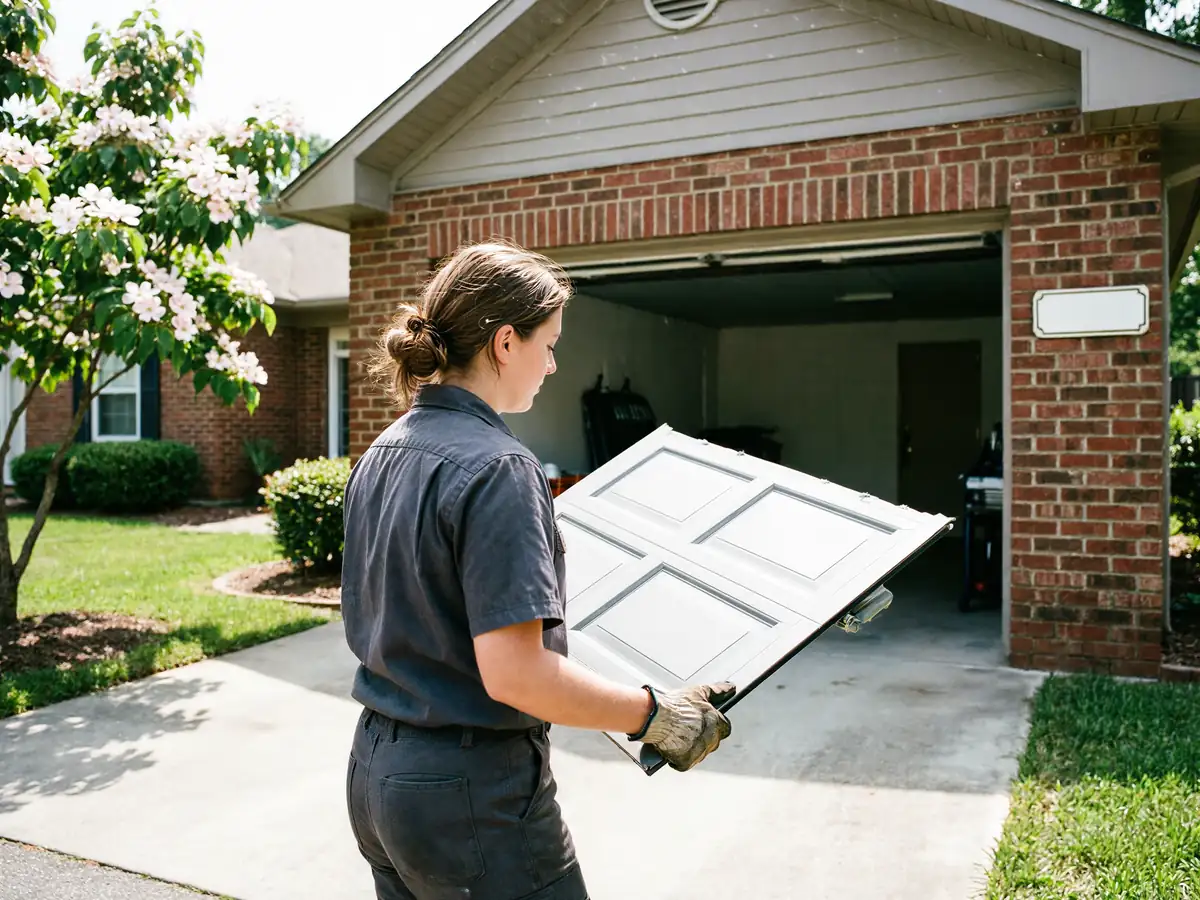
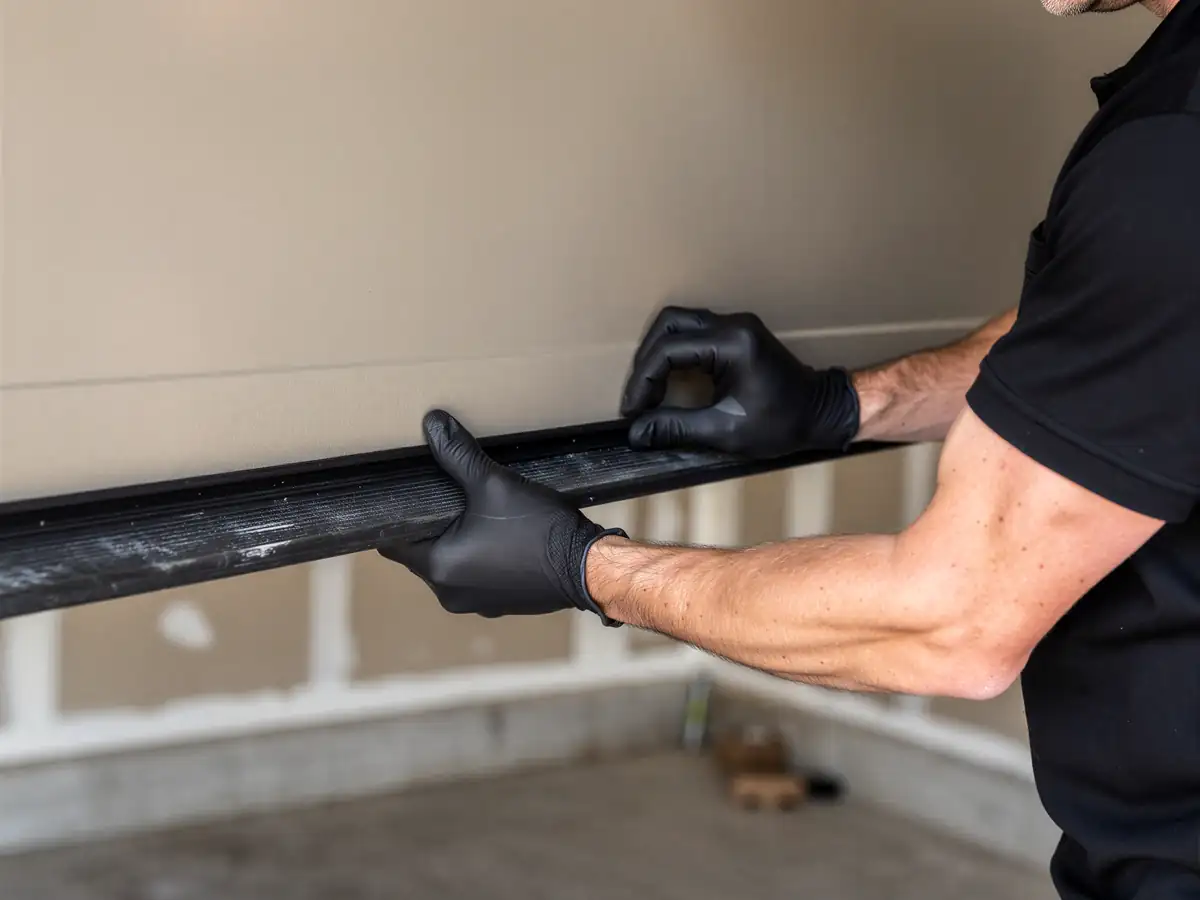
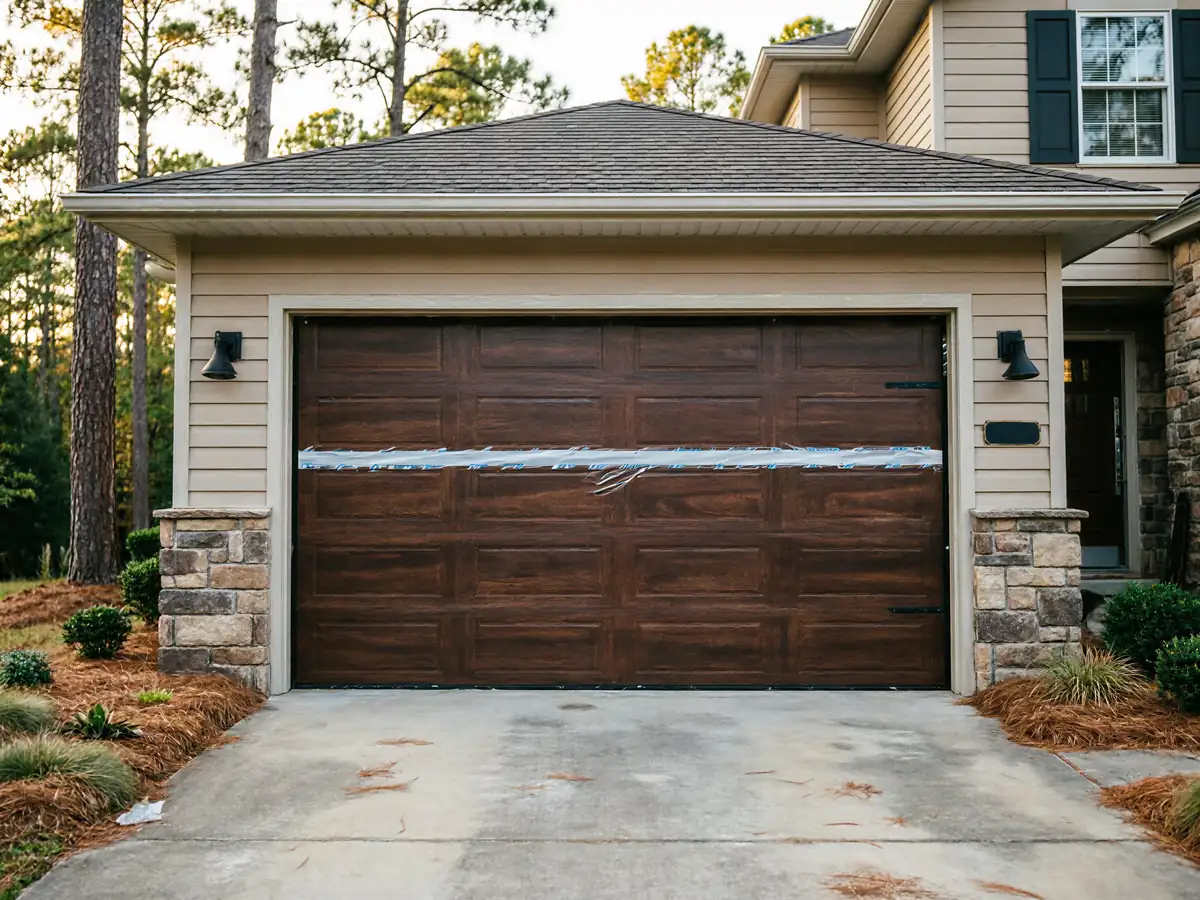
On houses built in the 1951-2007 range that make up most of Roswell, the sign you need installation rather than repair is usually the door itself, not the opener. Panels that have gone soft or delaminated at the bottom, hinges that have worn their holes oval, or a track bent from years of a car bumper tapping it all point to replacement rather than another patch repair. In the 1980s and 90s stock that covers most of the area's established neighborhoods, we also see doors that technically still open and close but have no insulation at all, so the garage runs ten or fifteen degrees colder than the rest of the house in winter. That's not a failure, it's just an old door doing what it was built to do, which was never meant to include insulation. When a customer calls about a door that's noisy, drafty, and visibly tired all at once, that combination is usually what tips us toward a quote for a new door instead of another round of repairs.
What Causes It Around Here
Roswell sits in a cold-moderate climate band, which means the temperature swings between winter mornings and summer afternoons are wider than a mild coastal climate but nowhere near what you'd see further north. A garage door built in 1984, when the median house in this area went up, was rarely insulated, and the steel used then was thinner than what's standard now. Forty years of that swing working on an uninsulated panel is what causes the warping and seam separation we see on original doors. It's also why doors in the area's older 1980s and 90s neighborhoods tend to fail at the same stage: not because of one storm or one bad year, but because the material wasn't built for decades of expansion and contraction in a non-insulated panel. A newer insulated steel door handles that cycle without complaint for the simple reason that it was engineered around the same climate numbers we're operating in now.