What It Costs
We're not going to throw out a number here, because roller replacement spans a wide range depending on what you've got. A straight swap of nylon rollers on a door that's otherwise sound is a small job. If the rollers have been grinding against bent track for a while, you're also looking at track work, and maybe a hinge or two that's worn its hole oval. The honest answer is that nobody can price this over the phone with any accuracy - it needs a look at the actual door.
What we can tell you is what drives the cost up or down: roller material (steel ball-bearing holds up longer than plastic but costs more), how many rollers are actually bad versus just noisy, and whether the track took damage from the worn rollers riding sideways in it. A full 10-roller set with hardware is a different job than replacing three.
If you're calling around for quotes, ask what happens if they find bent track once the door's open - that's the detail that turns a simple job into a bigger one, and a straight shop will tell you that possibility up front instead of surprising you with it later.
Can You Do This Yourself
Rollers are one of the more approachable garage door repairs
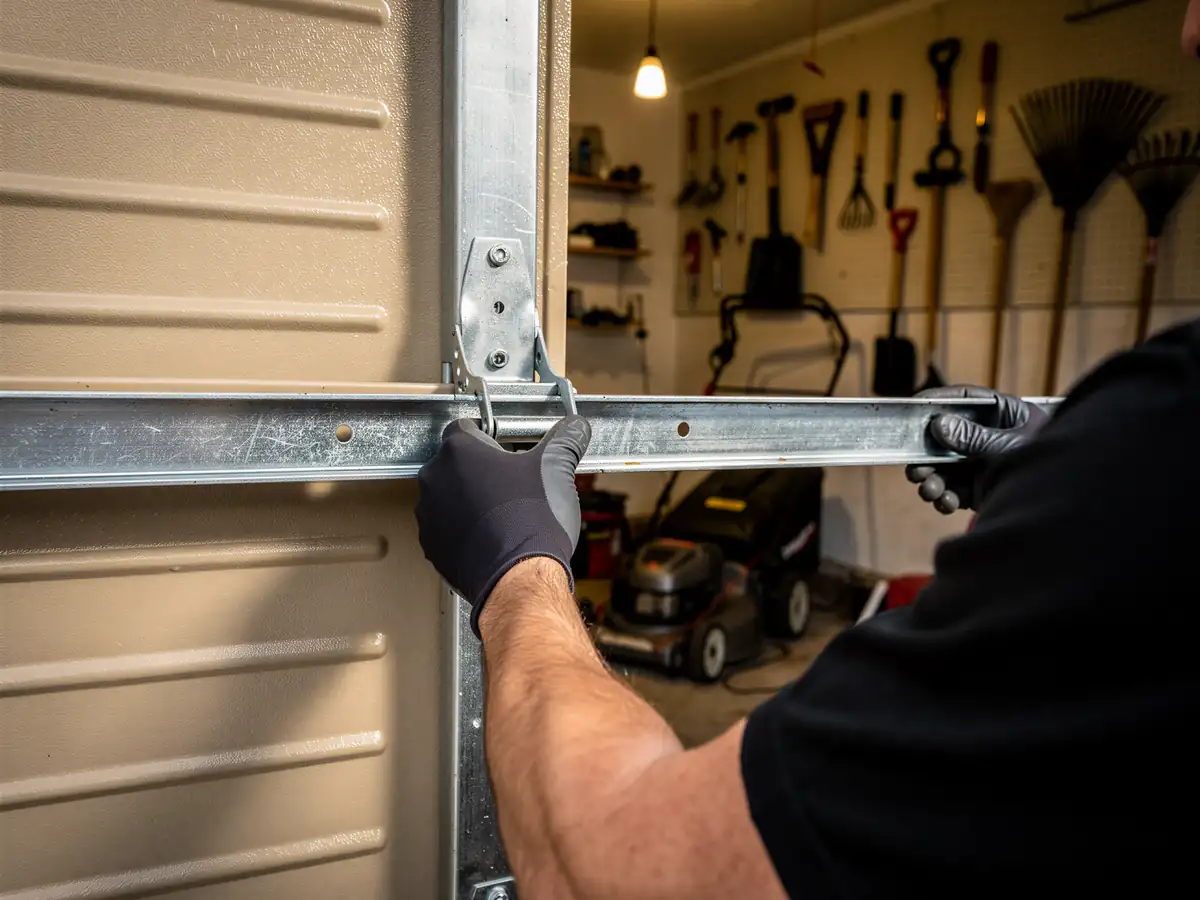
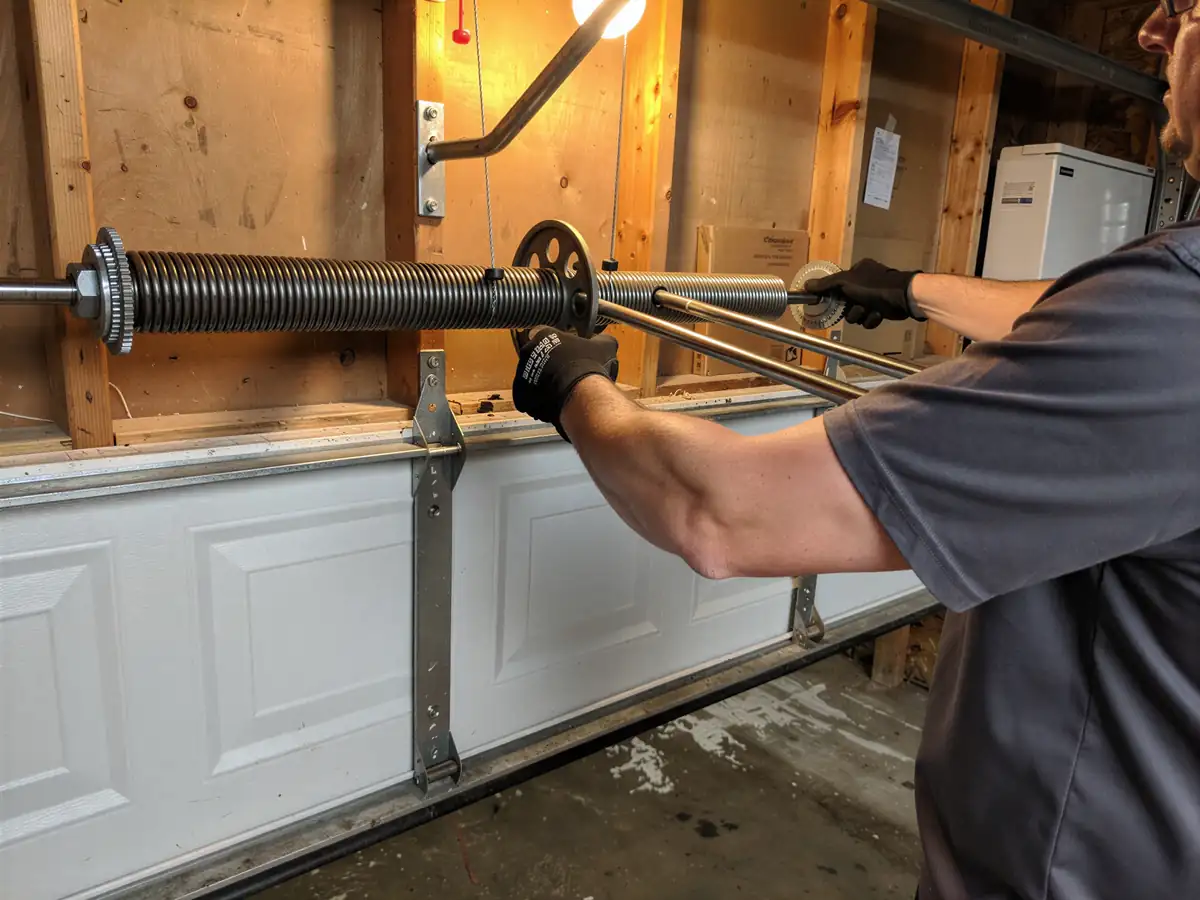
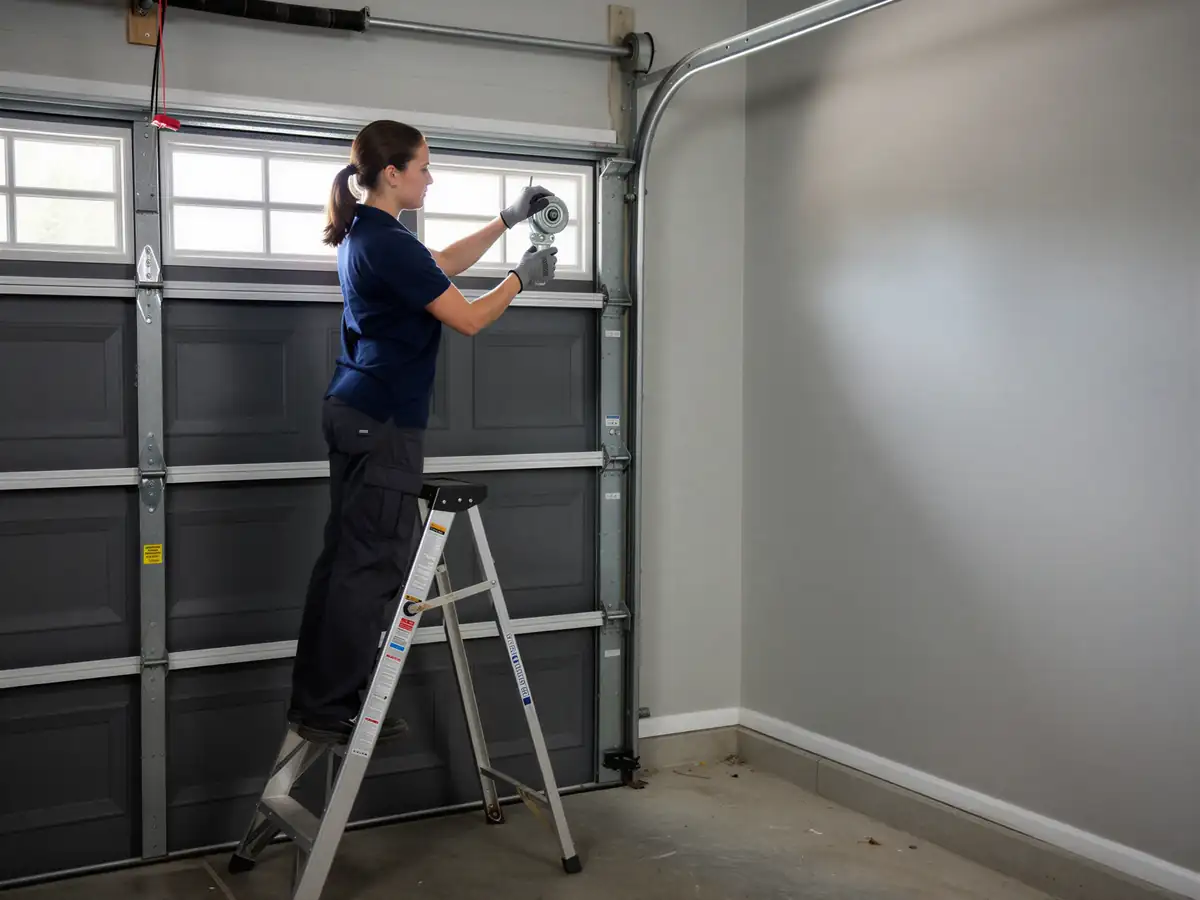
And plenty of owners do swap the bottom set themselves - those sit at ladder height and don't involve the spring system. Top rollers are a different matter. On a torsion spring door, the top section lifts close to the spring and cable assembly, and that's not a spot to be working with the door half-open and unsupported.
The other catch is diagnosis
A roller that looks worn might not be your actual problem. If the door's binding or jumping the track, that can be a roller, bent track, a sagging section, or an opener that's out of adjustment - and swapping rollers on a door with a track problem just means you've spent money without fixing the noise.
If you do it yourself
Block the door open before you touch anything, work one roller at a time so the door stays supported in its brackets, and don't force a roller stem that doesn't slide free - that usually means the bracket's bent, not the roller. Past the bottom few rollers, or if there's any resistance you can't explain, that's where we'd tell you to stop and call.
How It Shows Up
You'll usually hear it before you see it. A grinding or rumbling as the door travels, worse at certain points in the run rather than steady the whole way. Sometimes it's a rhythmic thump - that's a flat spot worn into a roller that's gone out of round. The door might hesitate or jerk at one or two spots on the track instead of moving smooth top to bottom.
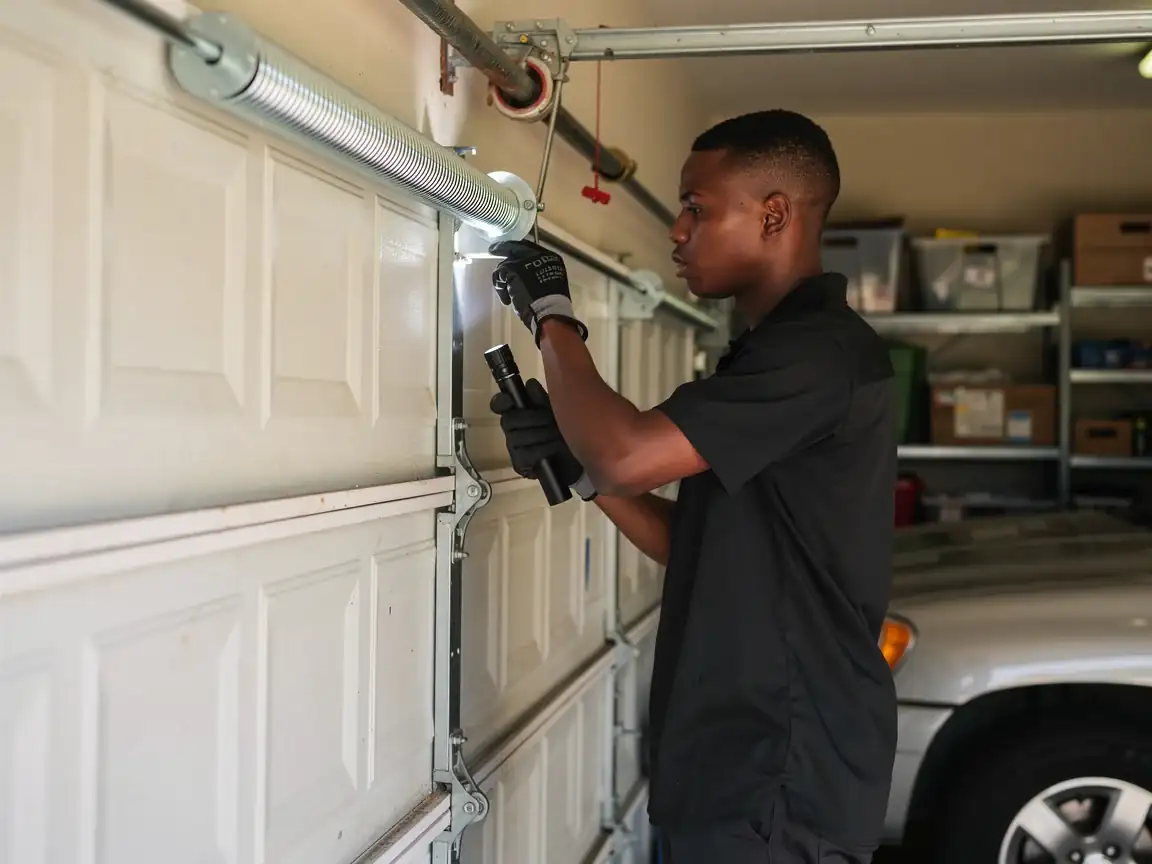
Look at the rollers themselves if you can get eyes on them with the door open: cracked or chipped nylon, a wheel that's gone oval instead of round, or one that doesn't spin freely on its stem anymore. Steel rollers show it differently - flat-spotting on the bearing surface, or a roller that's seized and is now sliding in the track instead of rolling, which chews up the track edge fast.
Left alone, worn rollers don't stay a noise problem. A roller that's binding puts extra load on the opener motor and on the cables, and a roller that jumps the track can bind the door mid-cycle or drop a section off its hardware. If your door's gotten noticeably louder over a few months, that's usually roller wear, not the door settling in.
What Causes It Around Here
Housing across this service area mostly dates from 1951 to 2007, with the bulk of it going up in the 1980s and 90s - a median build year of 1984. That means a lot of garage doors out here are running on the original rollers, or a first replacement set installed decades ago, because the door itself hasn't needed full replacement yet. Rollers have a service life measured in cycles, not years, and a door that's opened and closed twice a day for 30-plus years has put a lot of wear on hardware nobody thinks about until it starts grinding.
The climate here doesn't help. This area sits in a cold-moderate band, which means real temperature swings across the year - summer heat that softens nylon and winter cold that makes it brittle. Rollers go through that cycle every year, and nylon rollers especially tend to crack or flat-spot faster under repeated expansion and contraction than they would in a climate with less range.
Across the 21 named areas in this service territory, the pattern repeats: older stock with original hardware, aging in a climate that stresses nylon and grease both. It's a common call for exactly that reason - not bad luck, just hardware doing its job for longer than it was built to.