What It Costs
We don't have a flat number to quote here because maintenance work varies by what's on the door. A tune-up on a door that's been ignored for a decade costs more in parts and time than one that's been serviced every year or two. What we can tell you is that a maintenance visit is cheaper than the service call you'll make when a cable snaps or a spring lets go on a cold morning. If your door was installed any time in the window most houses in this service area were built - the 1980s and 90s, with the broader range running 1951 to 2007 - the original rollers, hinges, and spring coating are well past what the manufacturer rated them for. That age is the thing driving the cost up or down, not the zip code. Ask us for a number once we've looked at the door, not before.
How It Shows Up
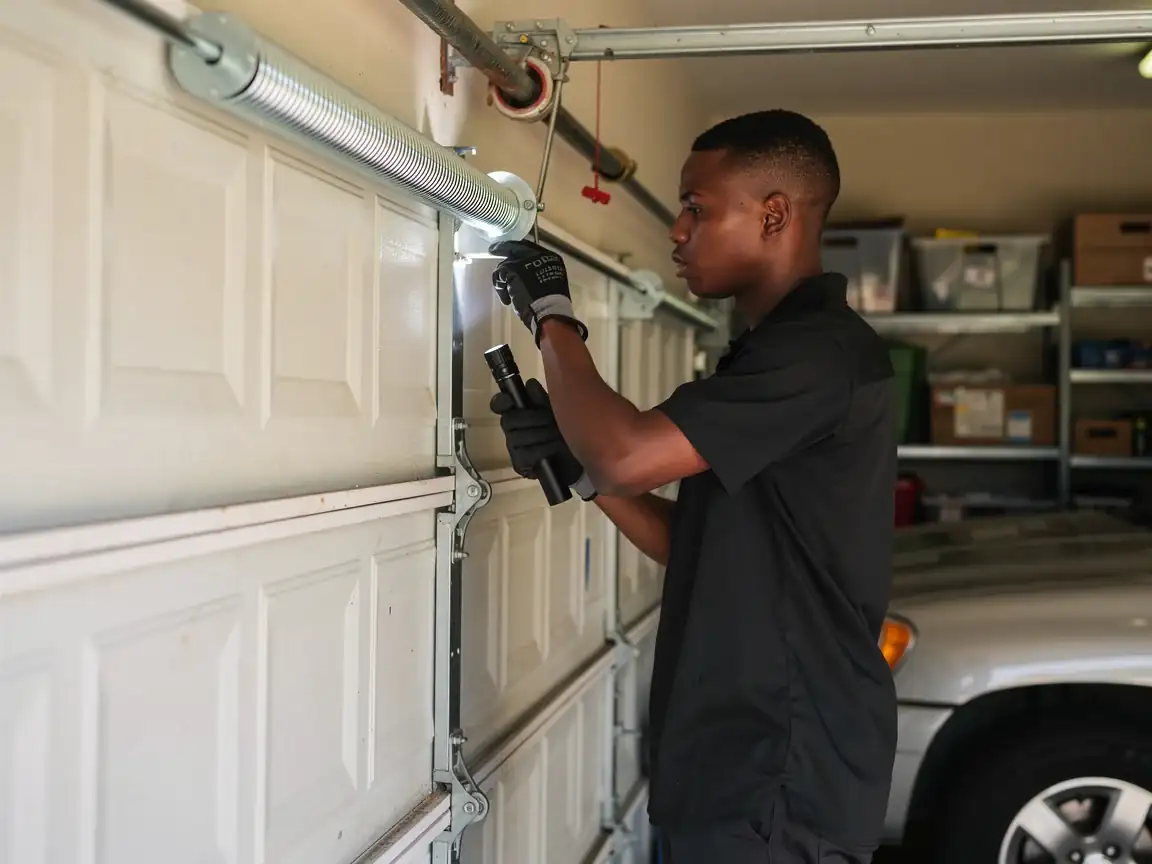
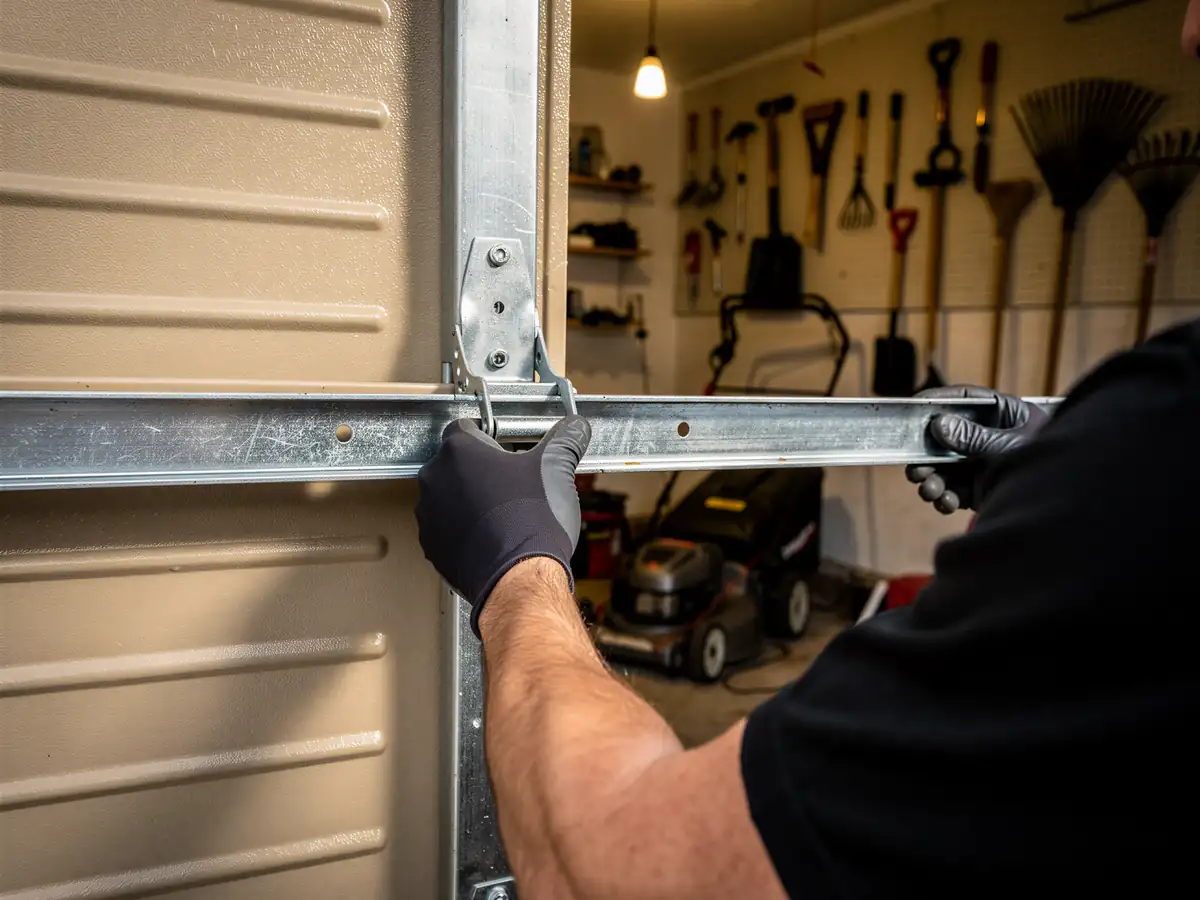
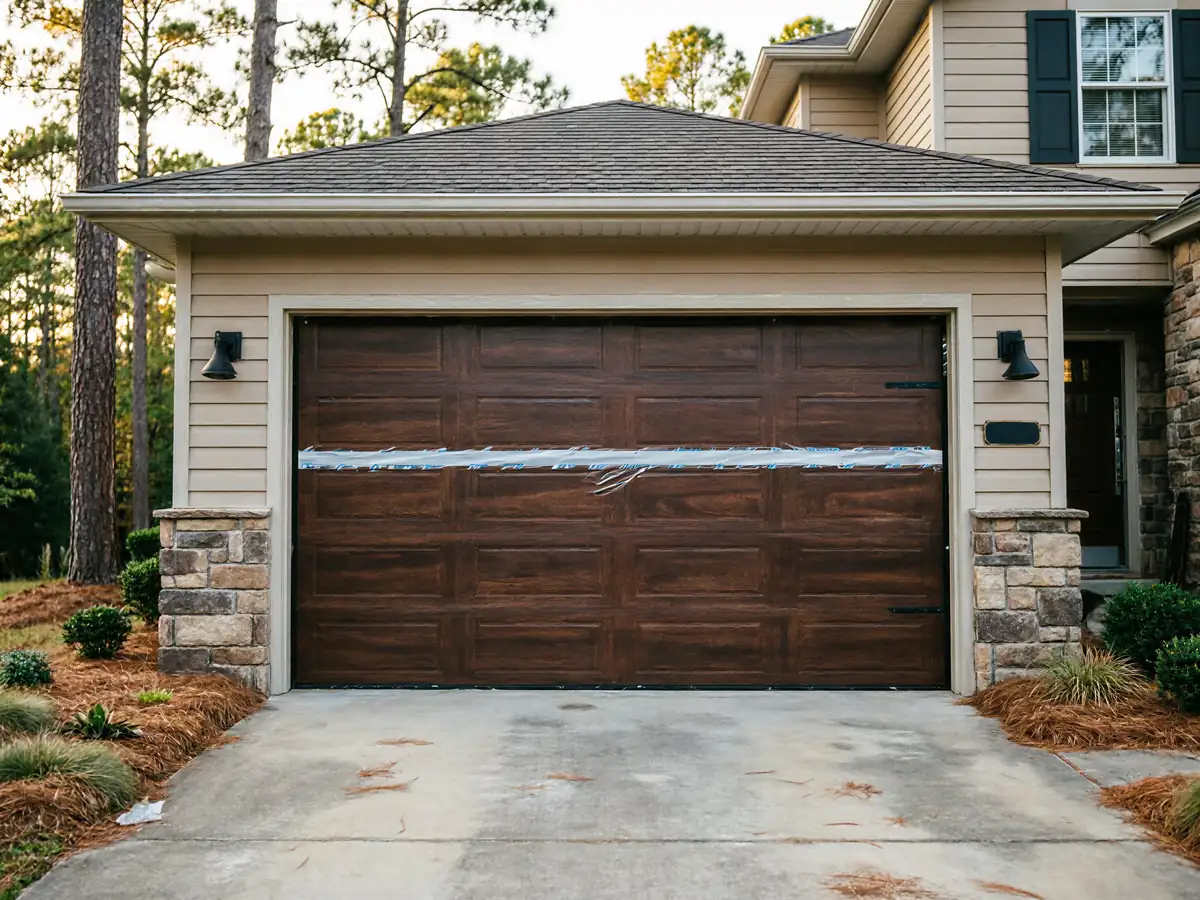
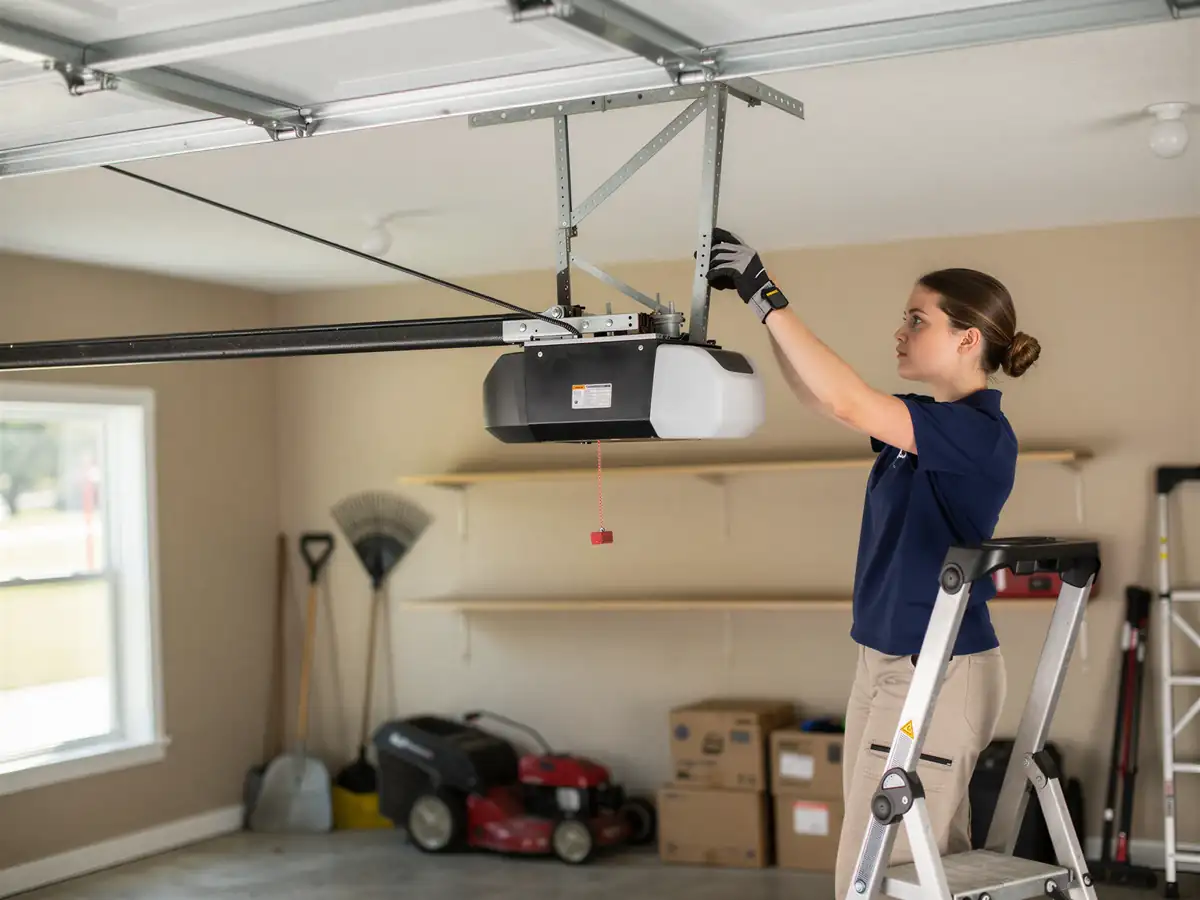
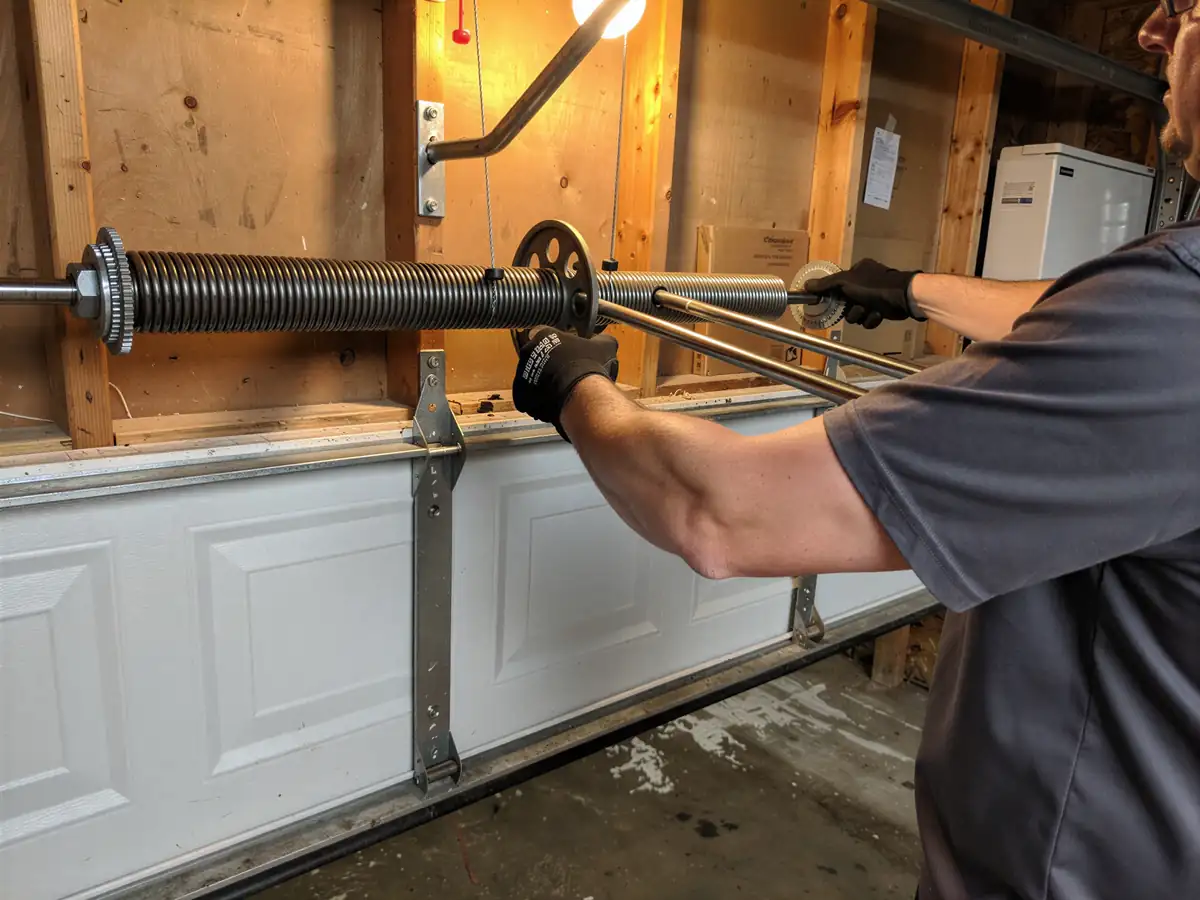
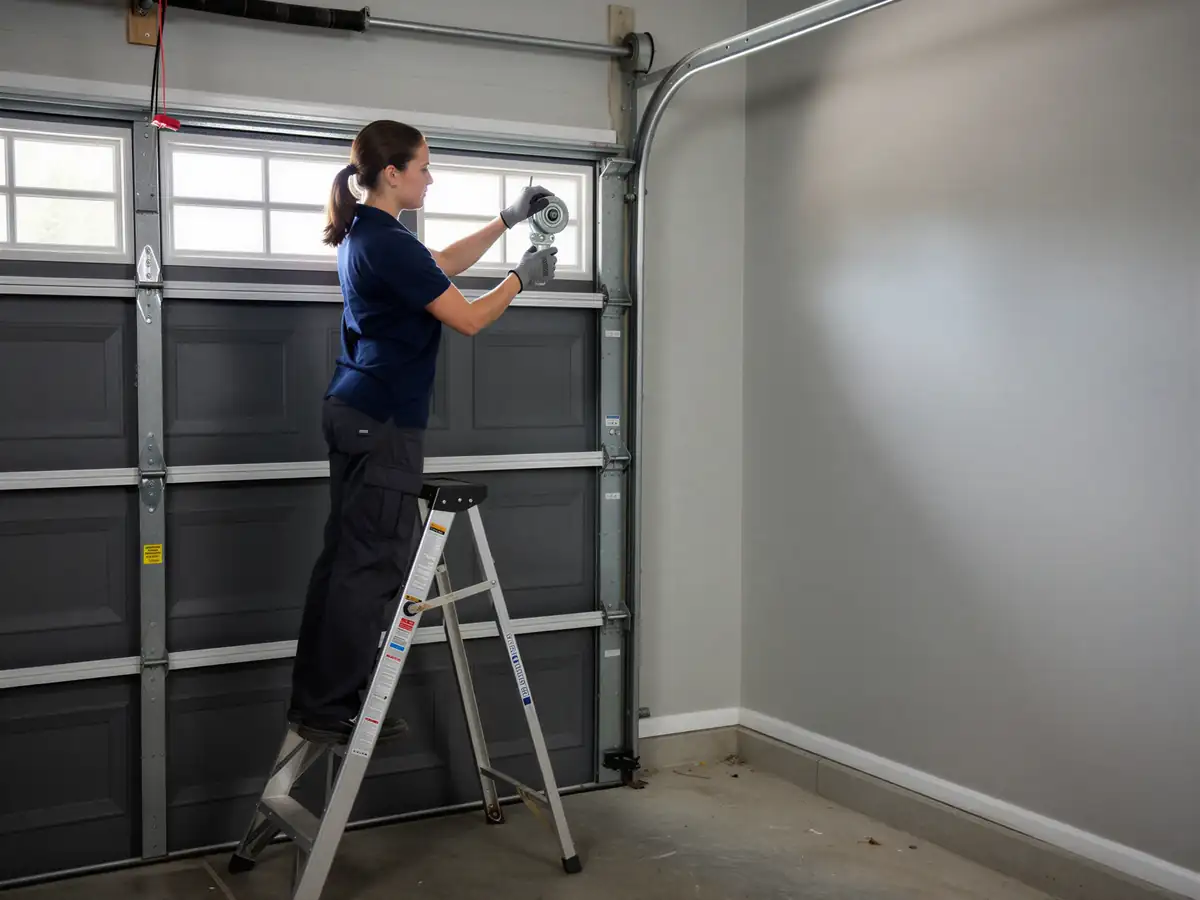
The failure pattern here is pretty consistent because so much of the housing stock across this service area went up in the same stretch of decades. A door that's 30 to 40 years old starts showing it in specific ways: the opener strains and makes a grinding or labored sound partway through the cycle, the door sags unevenly when it's halfway open, or you hear a loud bang that's actually the torsion spring finally giving out. Rollers that were fine for twenty years start chipping or seizing in their brackets all at once, because they were all installed the same year and they all wear out the same year. In a region with real cold snaps, metal contracts and lubricant stiffens, so a door that was merely noisy in October can bind or stick outright come a hard freeze.
What Causes It Around Here
Two things stack on top of each other here. First, the age of the housing: across the 21 named areas in this service territory, most doors and openers are original or close to it, dating to a median build year in the mid-1980s. Hardware from that era wasn't built with the longer-rated torsion springs or sealed bearings you see in newer installs, so it simply runs out of cycles sooner. Second, the climate band here is a moderate cold zone - not brutal, but enough freeze-thaw swings each winter to stiffen grease, shrink metal fractionally, and put uneven load on a spring that's already near the end of its rated cycle count. Neither factor alone would cause much trouble. Together, on a door that's never had a maintenance visit, they're why so many service calls in this area turn out to be the same two or three issues.