What It Costs
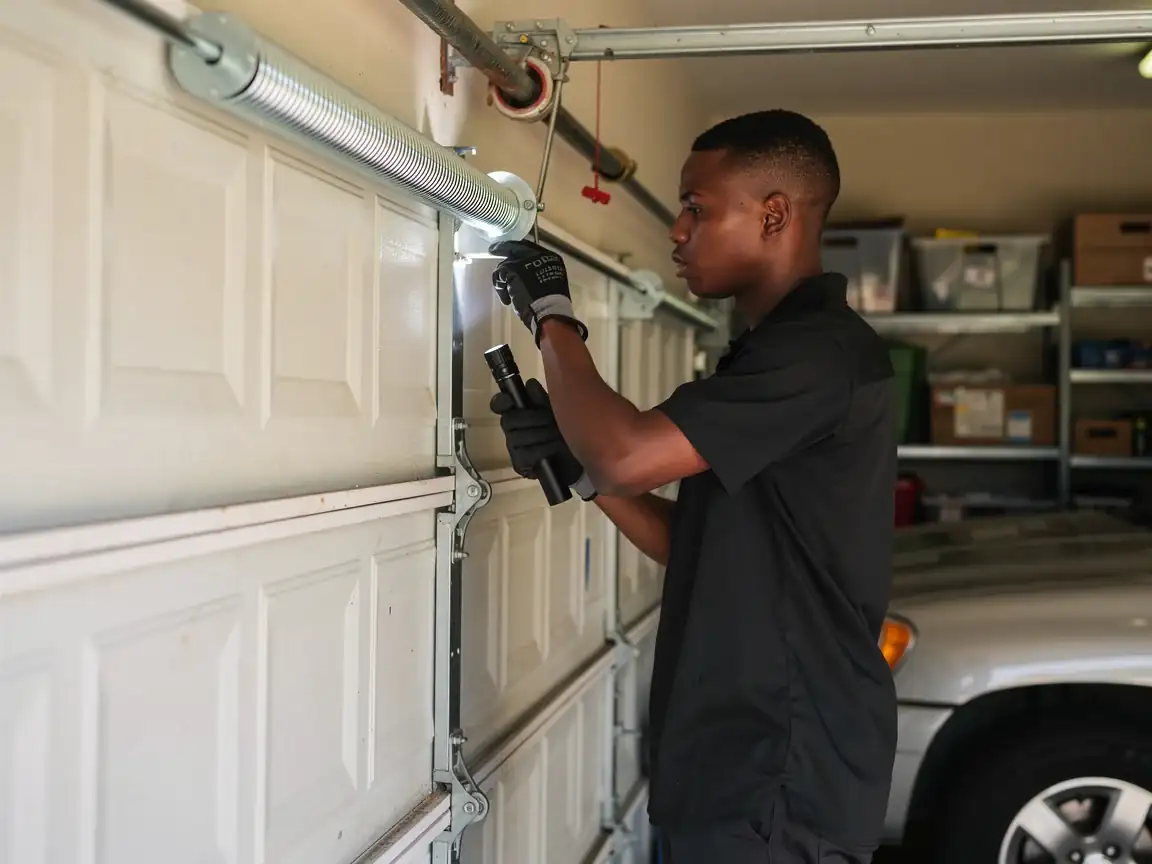
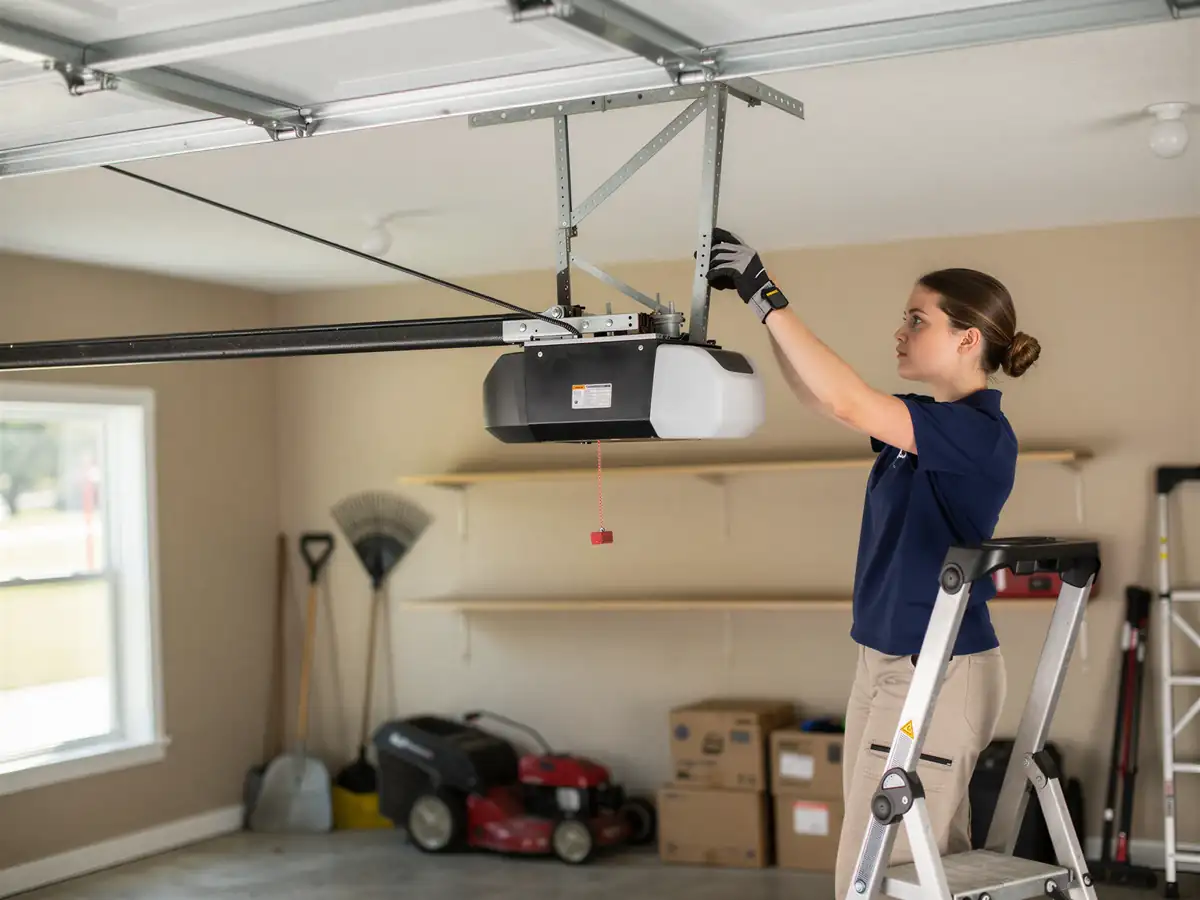
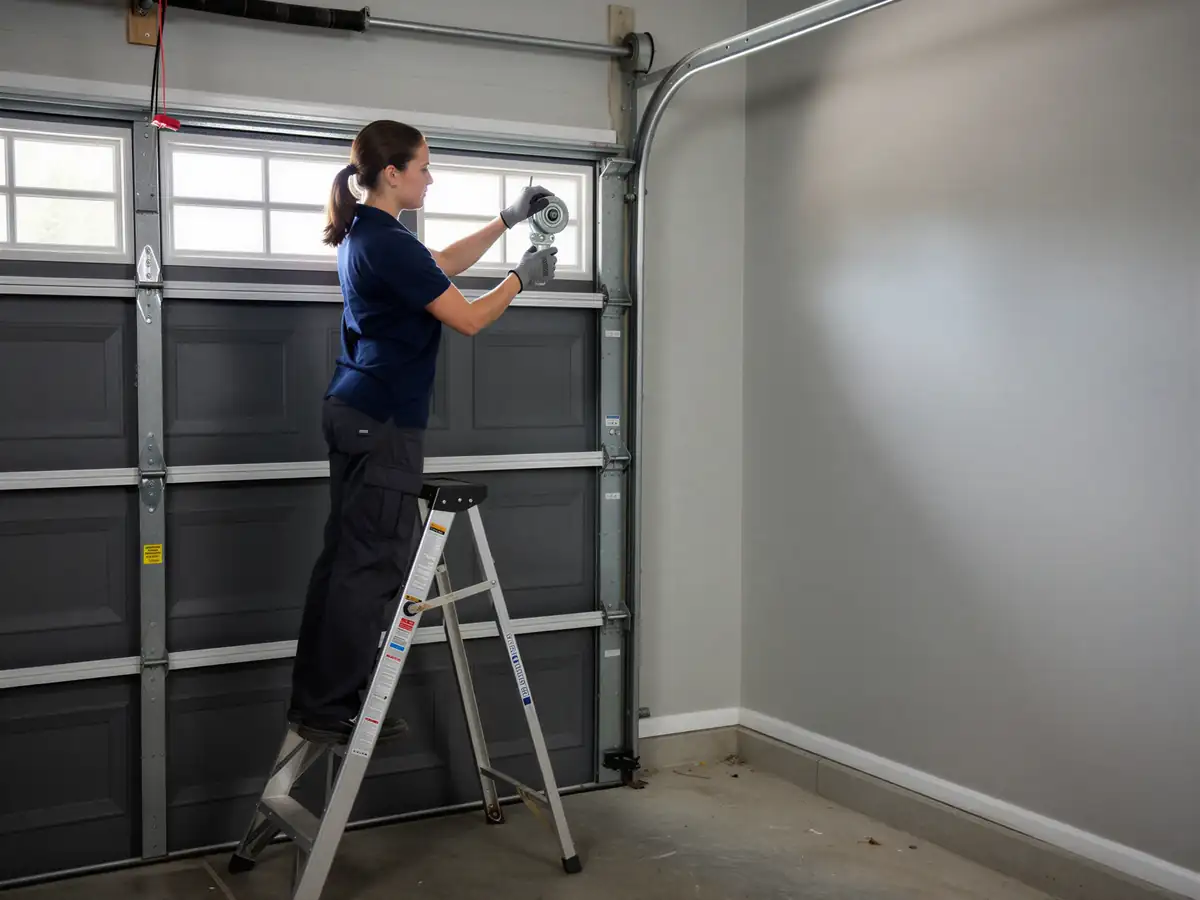
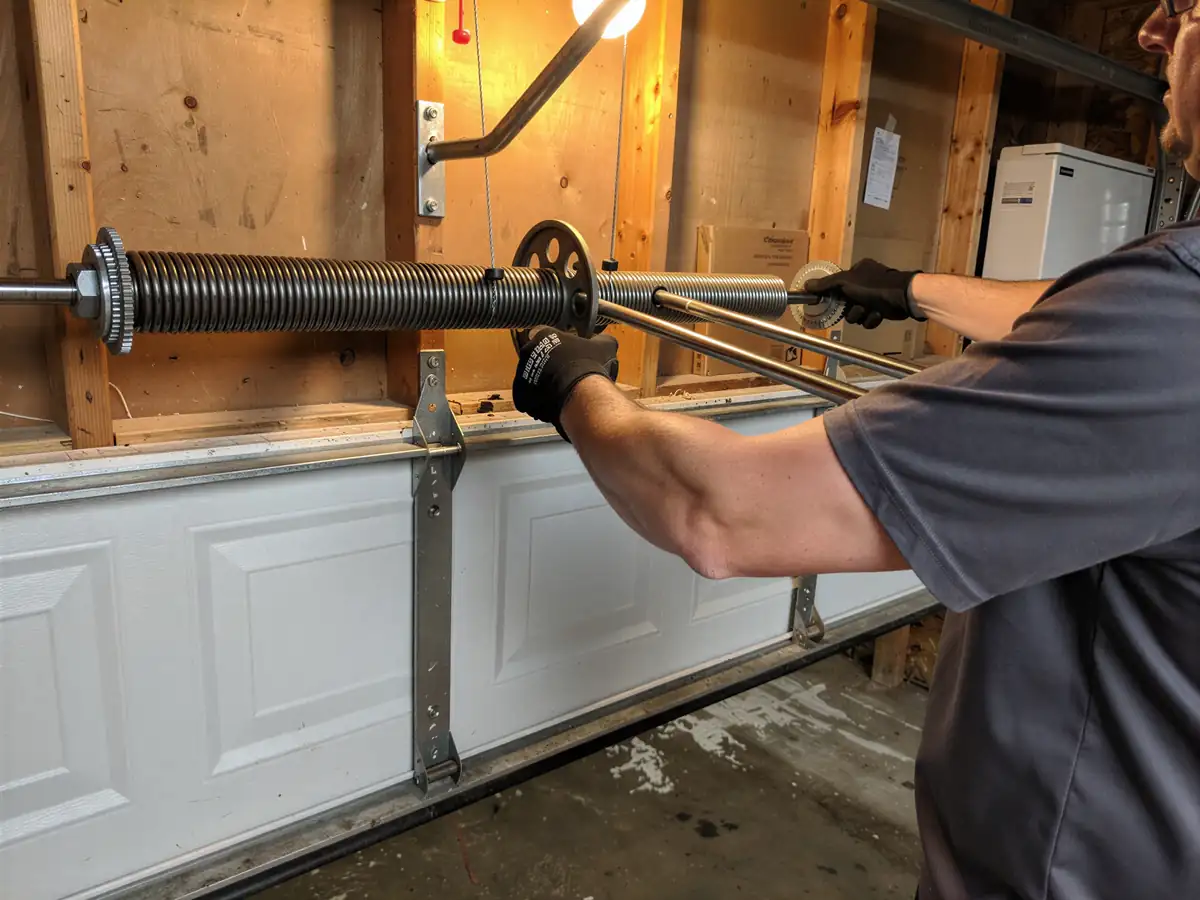
We can't give you a number here without seeing the door - torsion springs come in different wire gauges and wind counts depending on door weight and height, and a single-spring setup on an older door costs less to fix than a dual-spring torsion bar on a heavier insulated door. What we can tell you is what drives the price: whether it's one spring or two, whether the drums and cables need replacing along with it (they often do when a spring snaps under load), and whether the opener's travel settings need to be redone after. Extension springs, common on the older end of the housing stock here, are usually a simpler swap than torsion springs mounted above the door. If a torsion spring on a double door breaks, we don't recommend replacing just the broken one - the matched spring on the other side is usually near the end of its own cycle life and leaving it means a second service call within a year or two. That's not an upsell, it's just how torsion pairs wear. Call for a quote once you can tell us single or double door and roughly how old the opener is; that narrows it down fast.
How It Shows Up
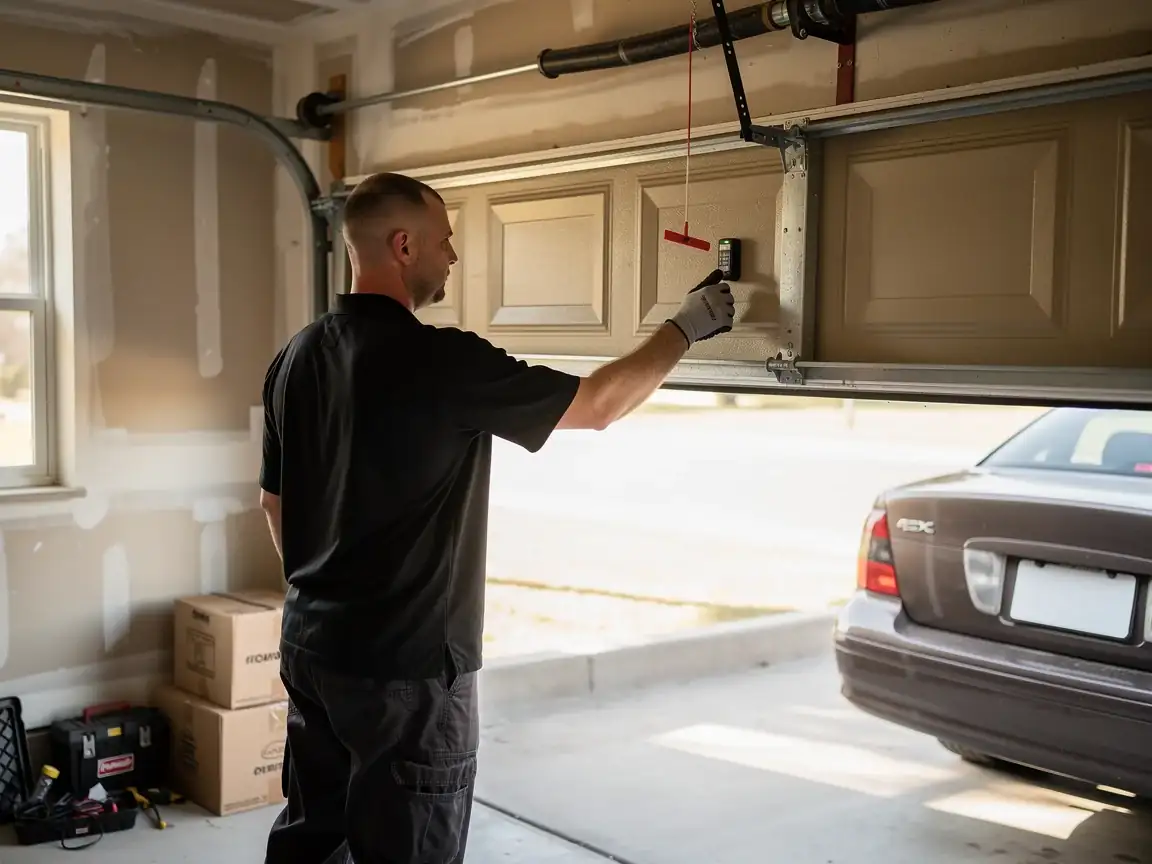
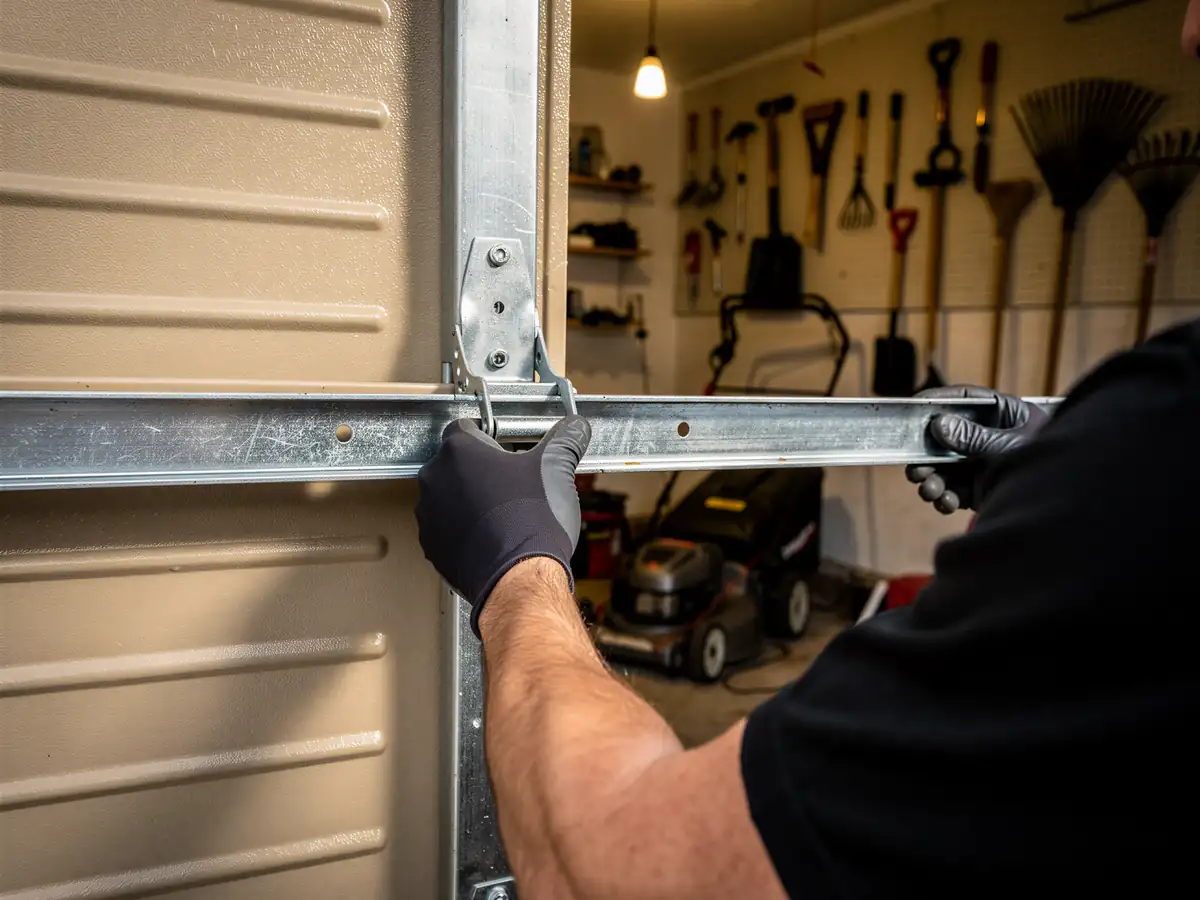
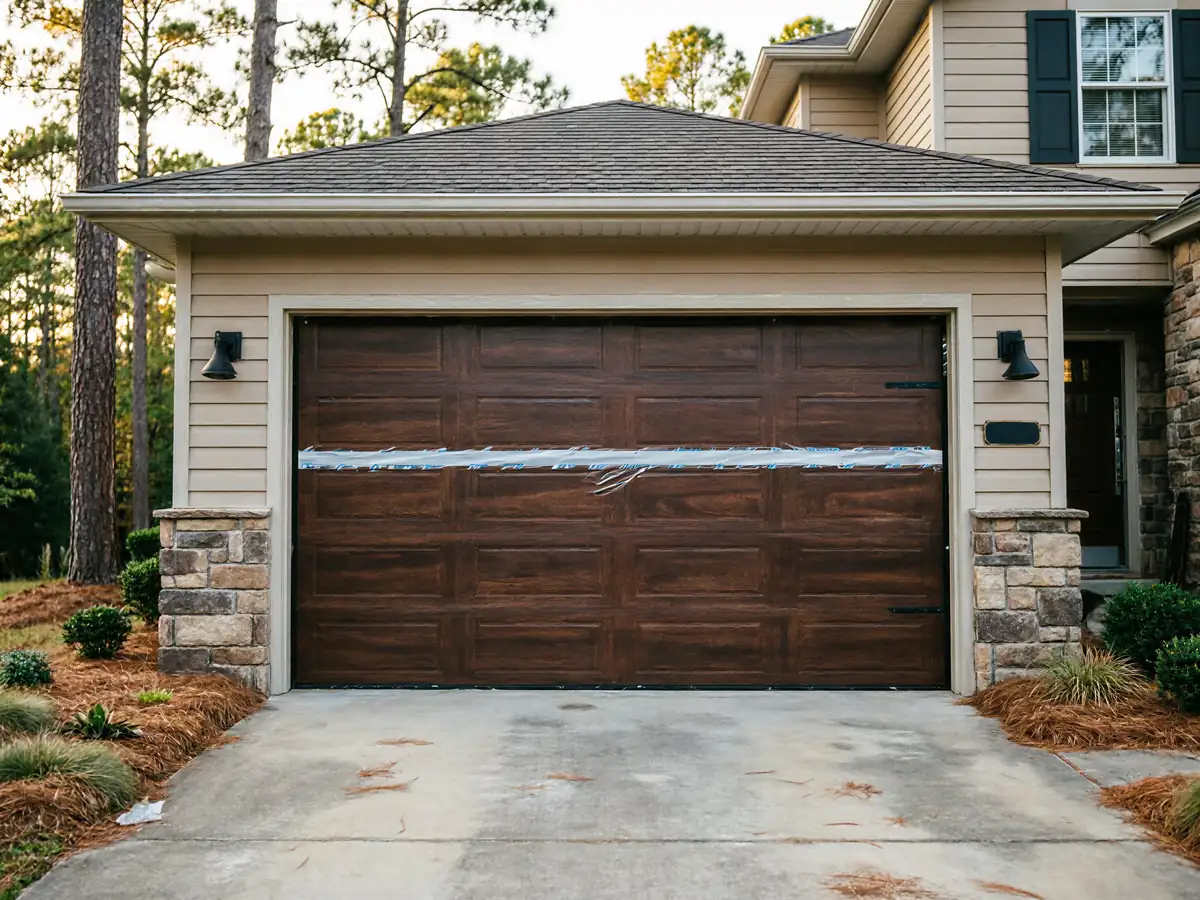
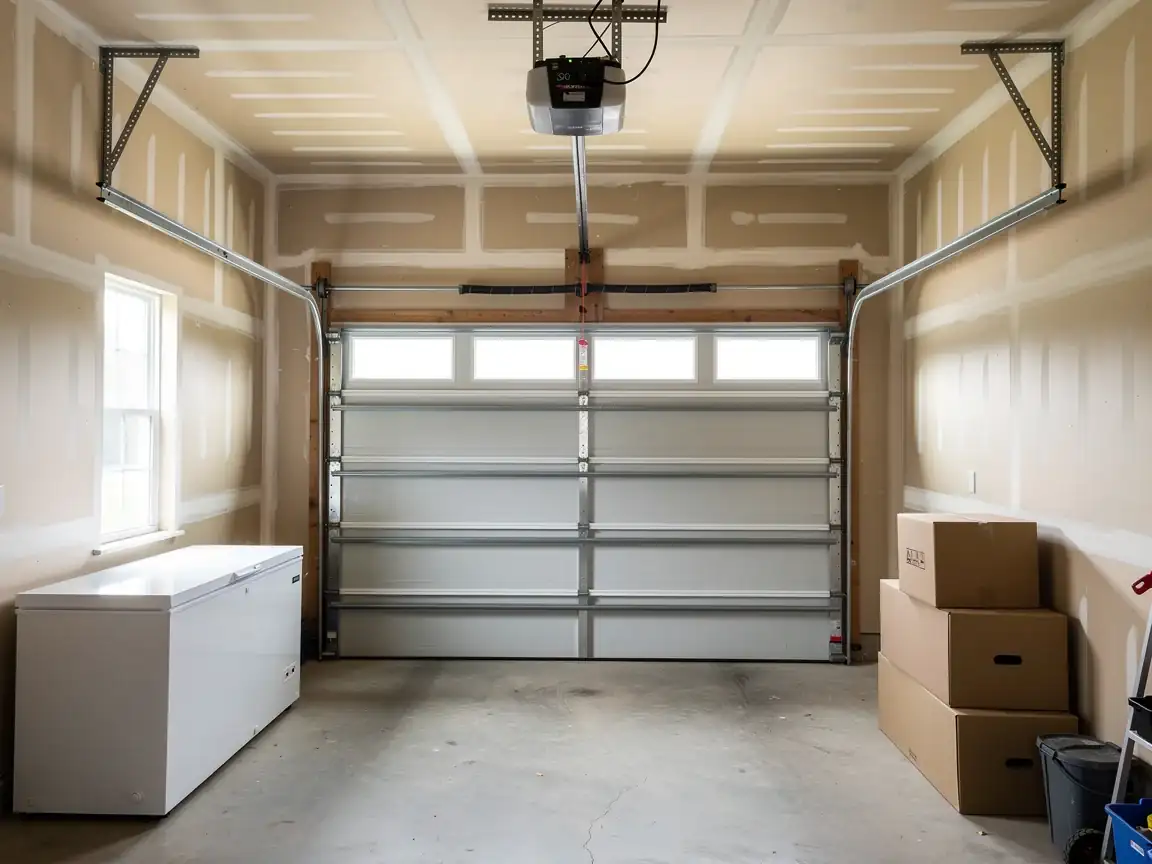
Most people find out a spring is gone when the door won't budge, or when it slams down the last foot instead of lowering smoothly. Before total failure, there are usually signs: the door feels heavier than it used to when you lift it by hand with the opener disconnected, the opener strains and makes a grinding or whining sound trying to lift the weight alone, or the door looks uneven - one side higher than the other - because one spring in a pair has lost tension while the other hasn't. A loud bang from the garage, often mistaken for something falling, is frequently a torsion spring snapping. Cables can fray or pop around the same time if the spring failure happened while the door was partway open, since the cable takes the sudden load. If your door reverses on its own partway through closing, that's sometimes the opener compensating for a weak spring rather than a safety sensor issue.
What Causes It Around Here
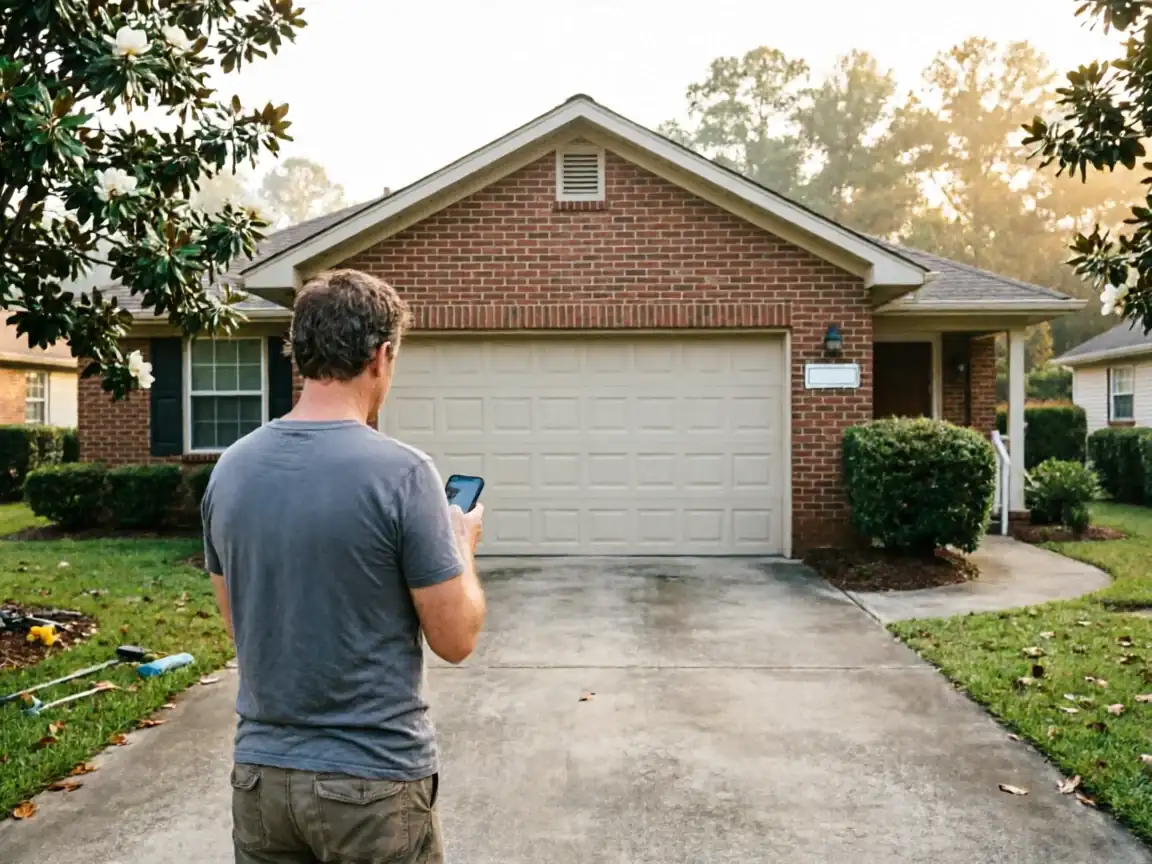
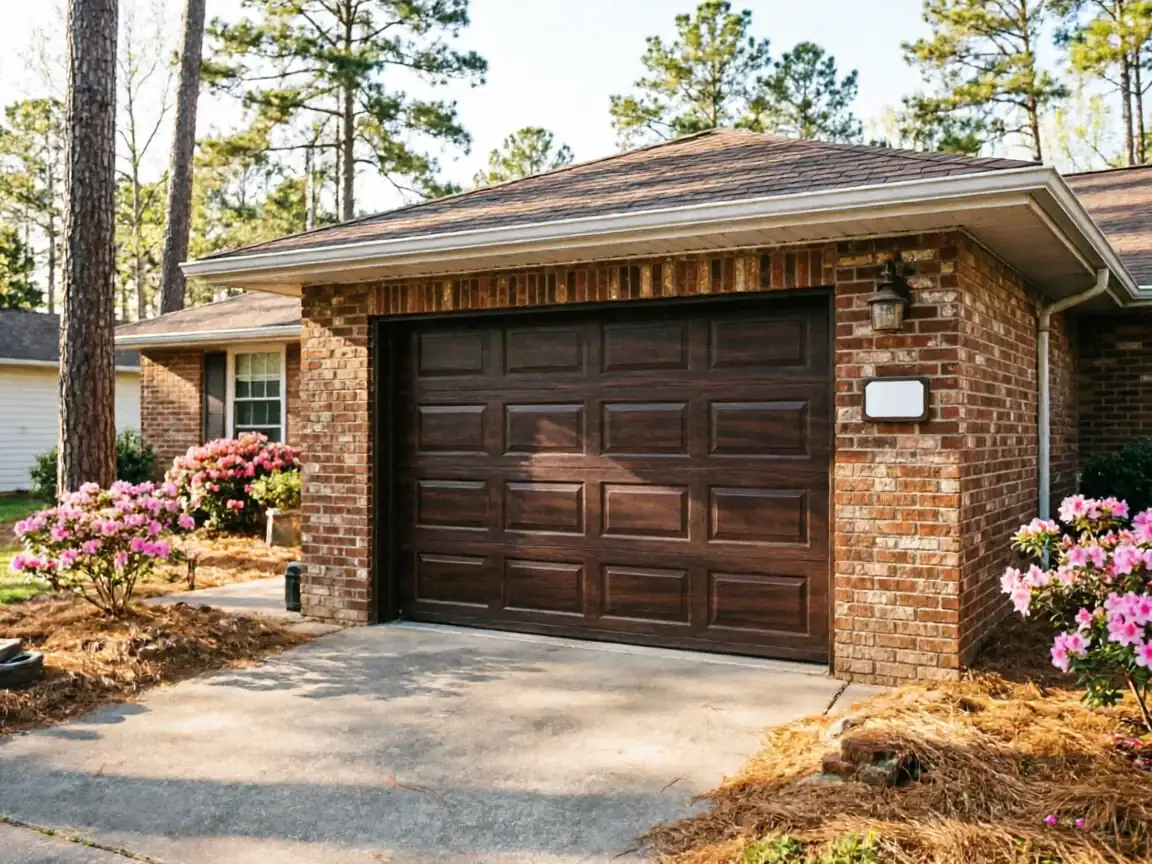
Housing in the service area spans 1951 through 2007, with the median build year around 1984, and most of the neighborhoods we work in - 21 named areas in total - are built out in that 1980s-to-90s window. Springs don't last forever regardless of age, but doors from that era were built to lighter code assumptions and often carry original torsion or extension hardware that's outlasted its rated cycle count, sometimes by a wide margin. A spring rated for roughly 10,000 cycles has usually seen 20+ years of twice-daily use by now in a house from that period. Add the climate - this area sits in a cold-moderate band, meaning winters cold enough to stiffen steel and summers warm enough to expand it again every year. That repeated contraction and expansion is exactly what fatigues spring steel over time, and it's a bigger factor in houses with original, decades-old springs than in a door replaced in the last five or ten years. Garages that aren't insulated see the temperature swing more directly, which is common in homes from this build era that predate current insulation standards.