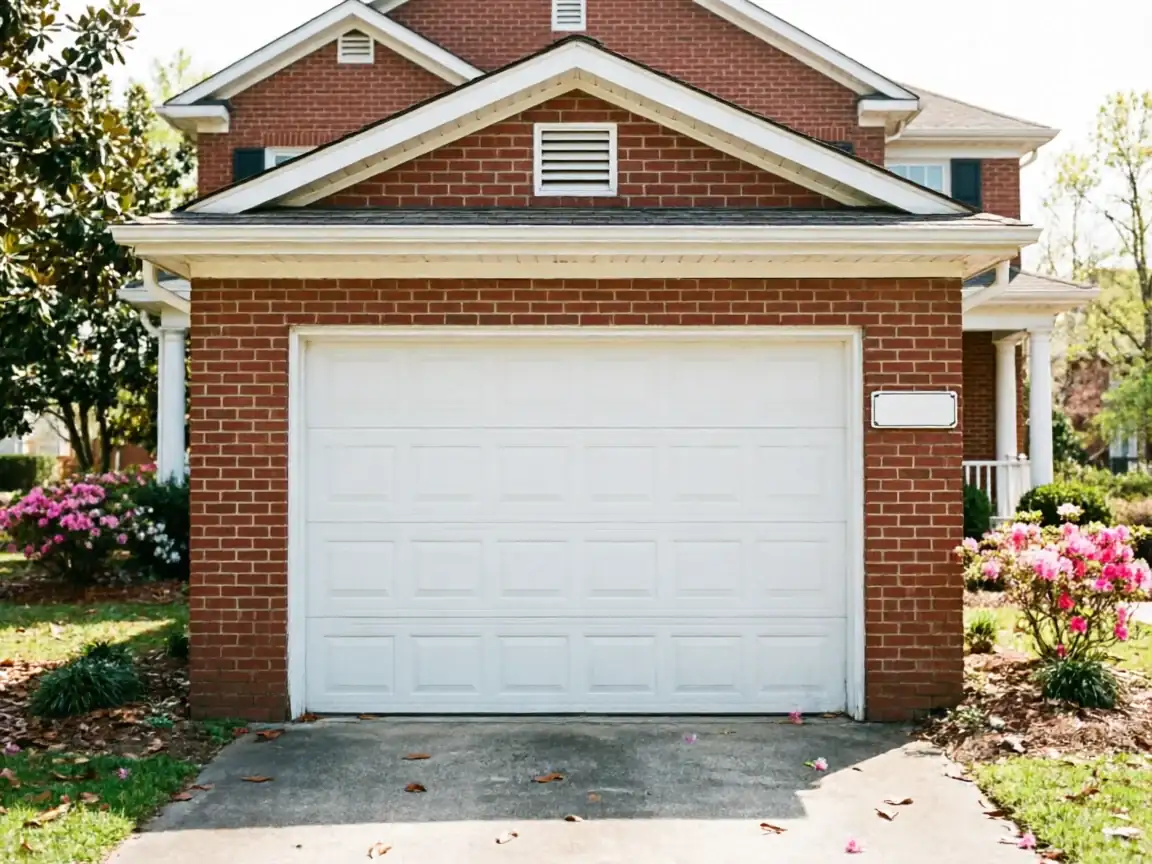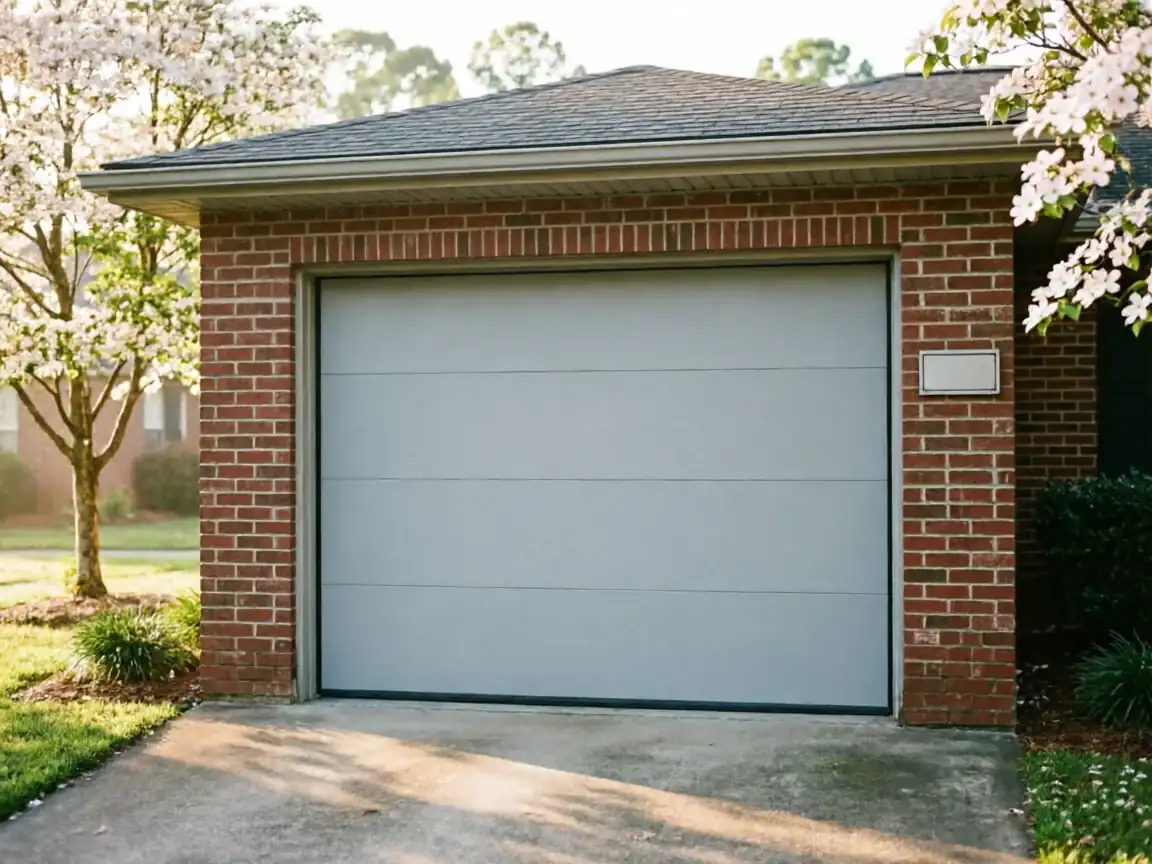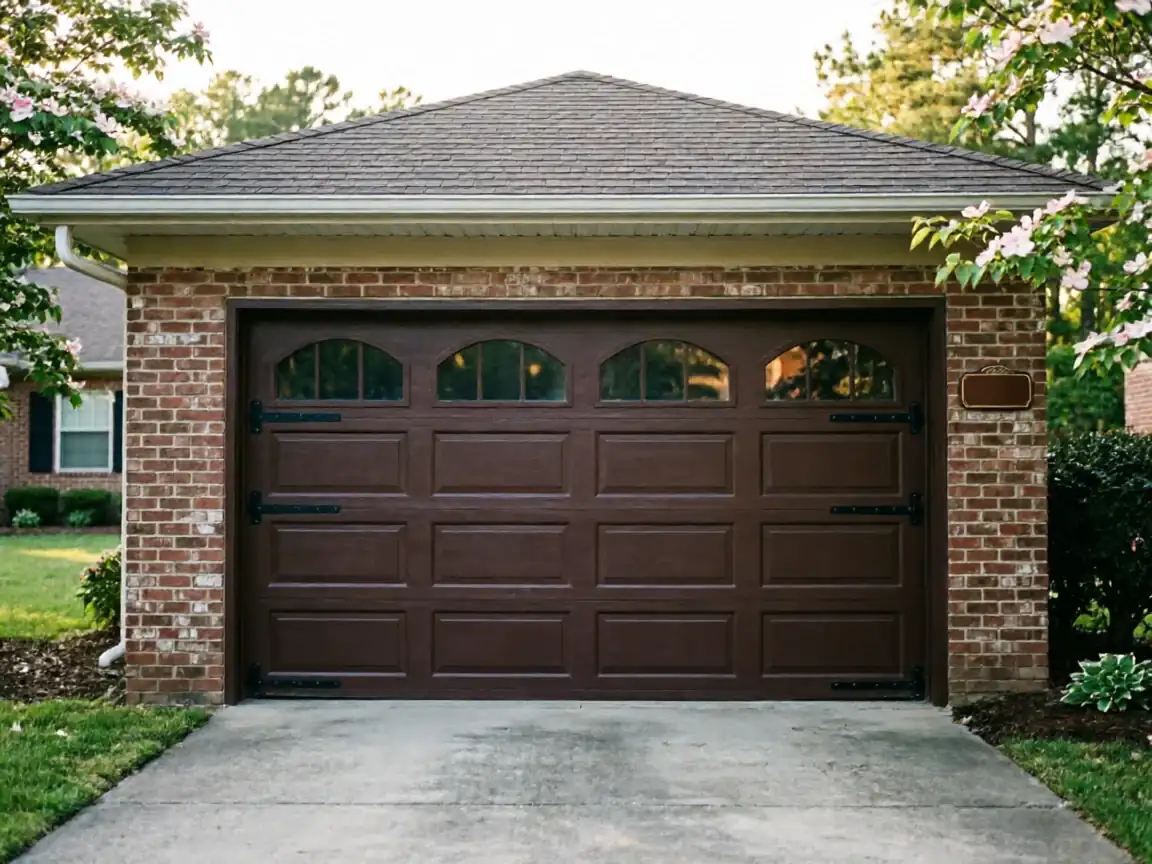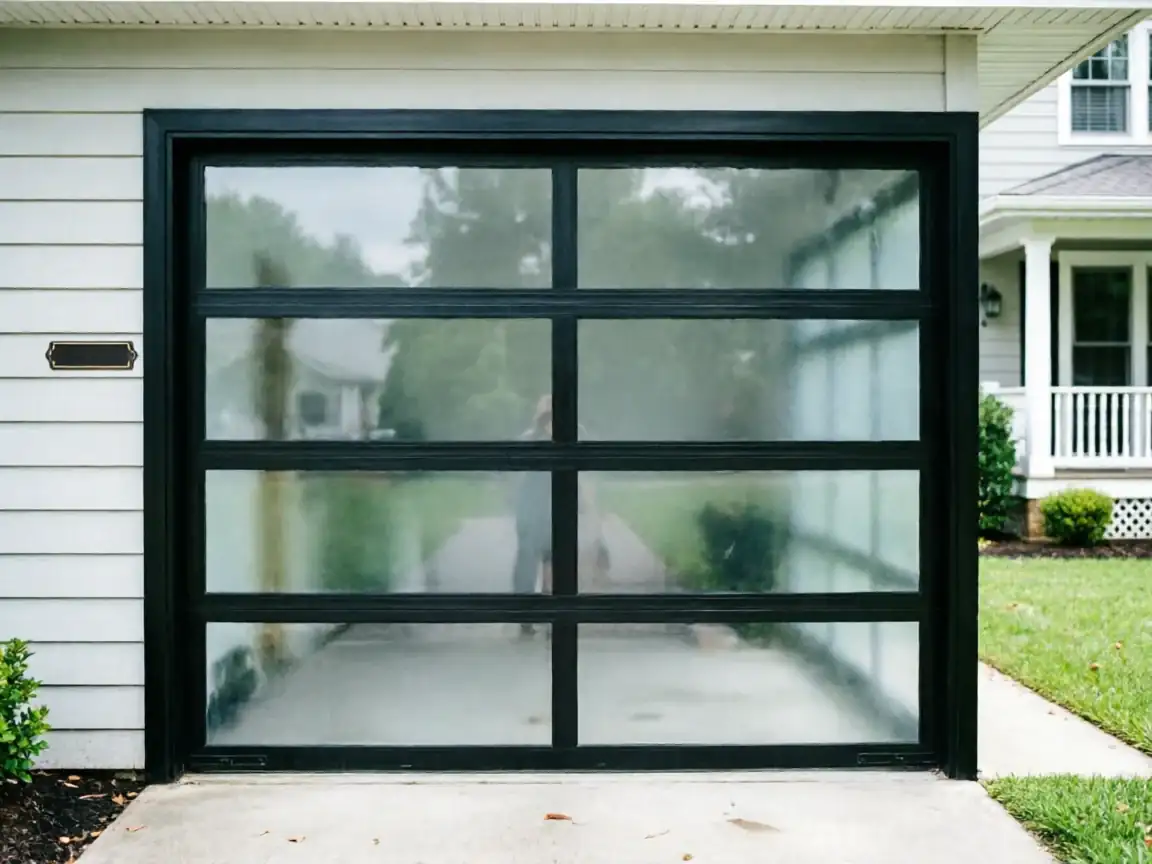
What It Costs
A straight answer on price isn't something we can give you without seeing the door, because panel replacement costs swing a lot depending on whether you need one section or the whole run, whether the door is a standard steel build or something with insulation and windows, and whether the track and hardware around that panel got bent in the same event that cracked it. What we can tell you is what drives the number up or down: matching an older panel style costs more than a full door swap in some cases, because manufacturers change panel profiles over the years and an exact match on a door built decades ago isn't always on the shelf. If your door is from the earlier end of the local housing stock, we may need to order a panel instead of pulling one off a truck. That lead time is real and we won't pretend otherwise.
How It Shows Up
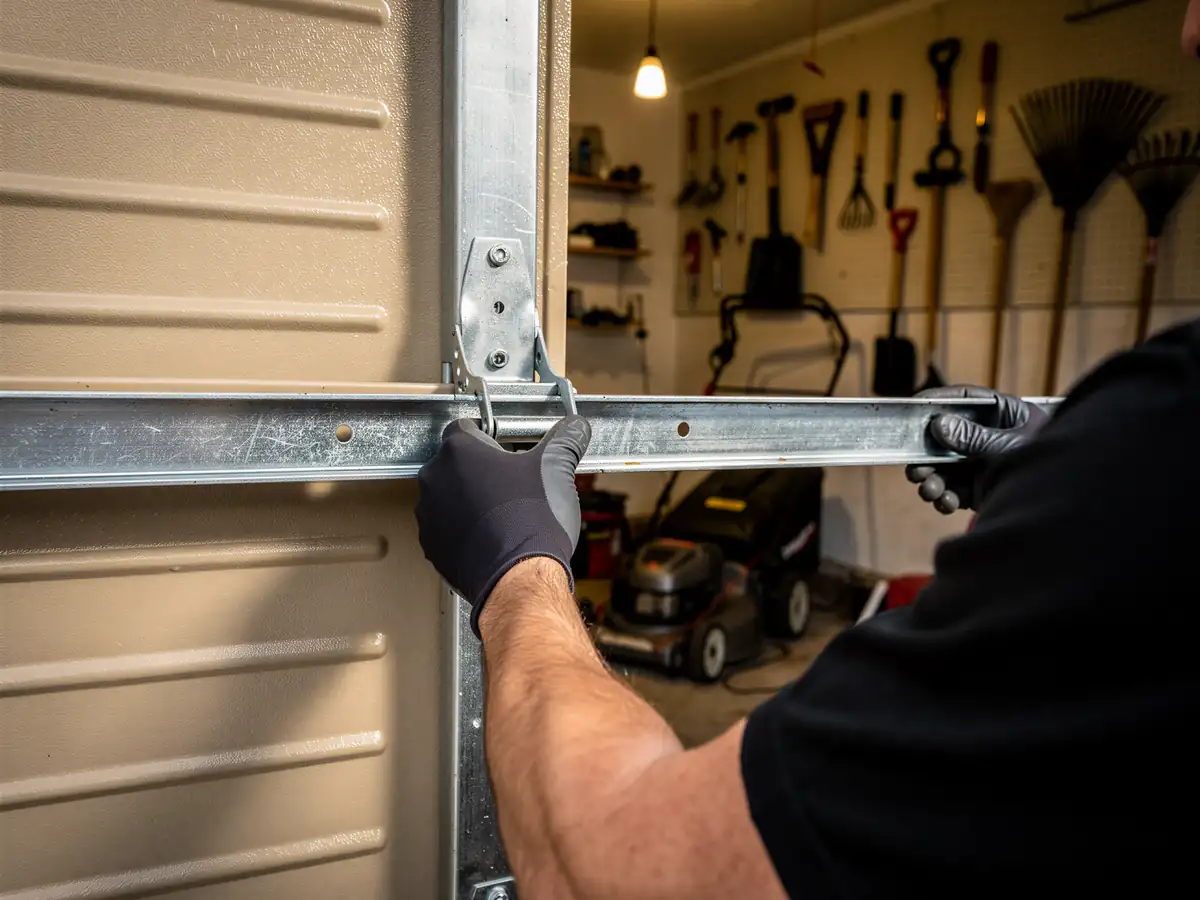
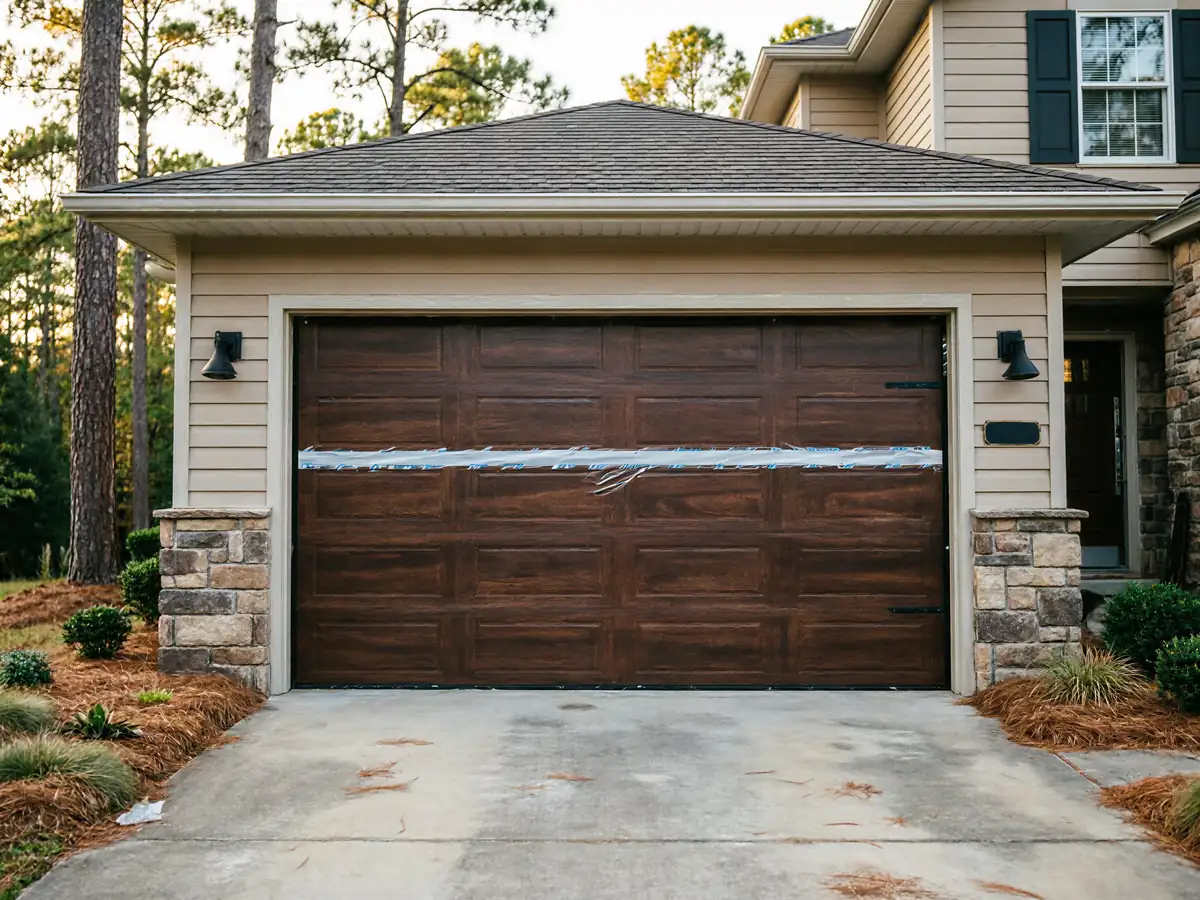
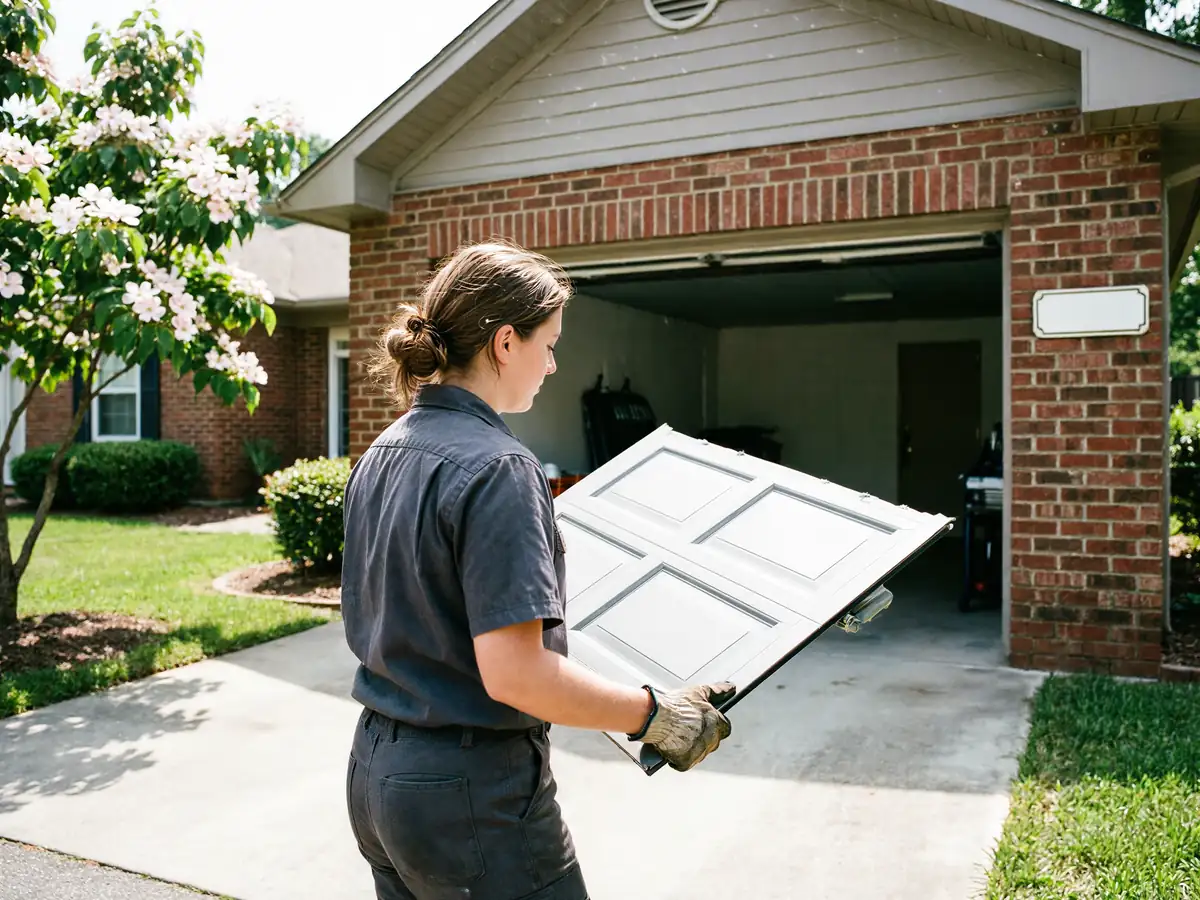
Most calls start the same way: a dent from a car bumper or a basketball, a crack along a seam, or a bottom panel that's buckled from being backed into. On older doors across the area, built back when steel gauges ran thinner, a hit that would just scuff a newer door can crease the whole panel because there's less material to absorb it. We also see rust-through on bottom panels, especially on doors from the 1980s and 90s that make up a big share of the housing stock here, since the lowest section sits closest to runoff and road salt tracked in on tires. Once a panel starts to separate at the seam, the door stops sealing against the weatherstrip, and that's usually when owners notice the draft before they notice the damage.
What Causes It Around Here
The service area's housing runs from 1951 up through 2007, with the bulk of it built in the 1980s and 90s, which means a lot of doors out there are original equipment nearing or past their expected life. In a cold-moderate climate like this one, steel panels contract and expand through winter swings, and on a door that's already dented or seamed poorly, that movement is what turns a cosmetic dent into a panel that won't sit flush. Garages that aren't heated see more of this than attached, conditioned ones. With close to 47,000 owner-occupied houses across the area and a median household income north of $91,000, we see a mix of owners who want a factory-match repair and owners who'd rather upgrade the whole door while the panel's already off. Both are reasonable calls depending on the door's age and how much of it is original.