How Local Conditions Play In
Roswell sits in a cold-moderate climate band, which means the temperature swings here aren't brutal, but they're sharp enough to matter. Steel contracts when it gets cold, and a torsion spring that's already fatigued from years of cycling will often pick the first hard cold snap of the season to let go. This isn't a Minnesota problem with ice-locked tracks for months at a time - it's a handful of cold mornings a year that find the weak link in a spring that was already near the end of its coil life.
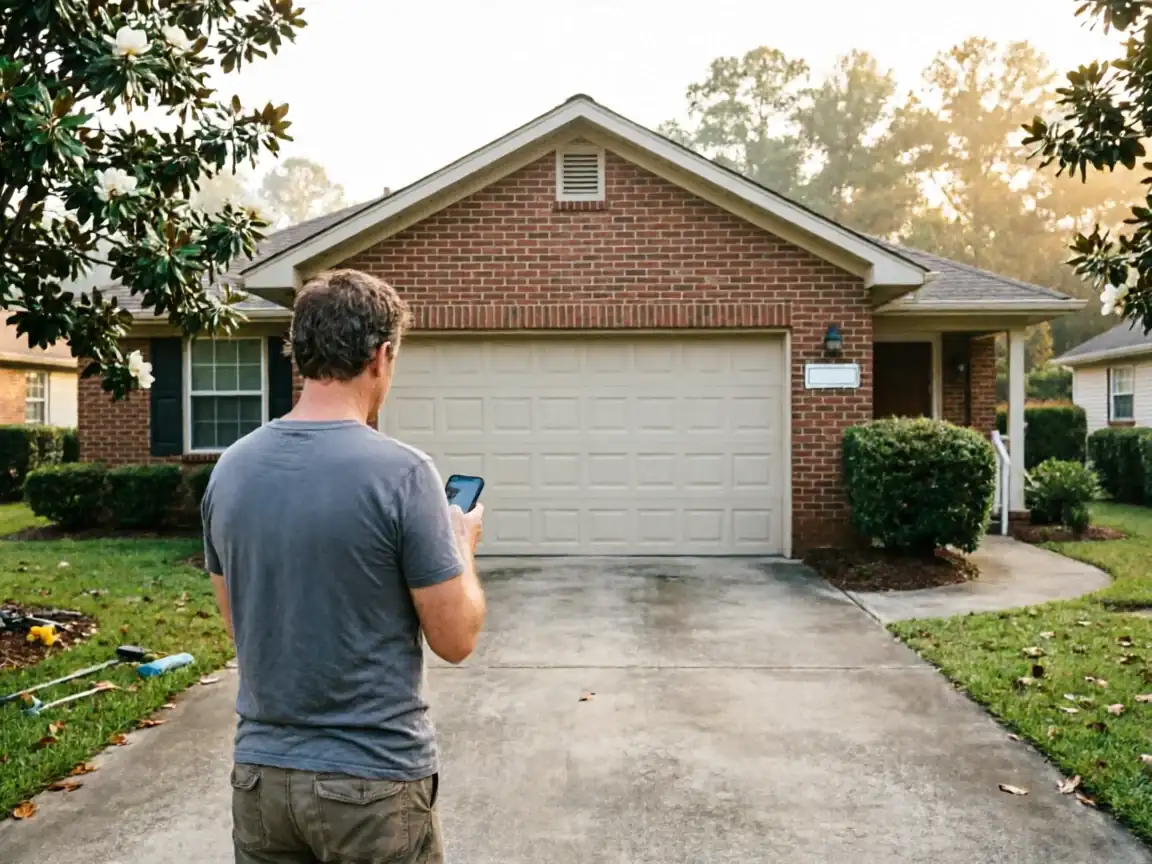
What makes this relevant across the Roswell service area is the housing stock. Homes here were built mostly between 1951 and 2007, with the bulk of that going up in the 1980s and 90s across the 21 named areas we cover. A door installed when a house was built in 1986 has had close to four decades of temperature cycling on the original spring, assuming it was never swapped. That's a long run for a part rated in cycles, not years, and cold is usually what finally exposes the wear.
What to Look At First
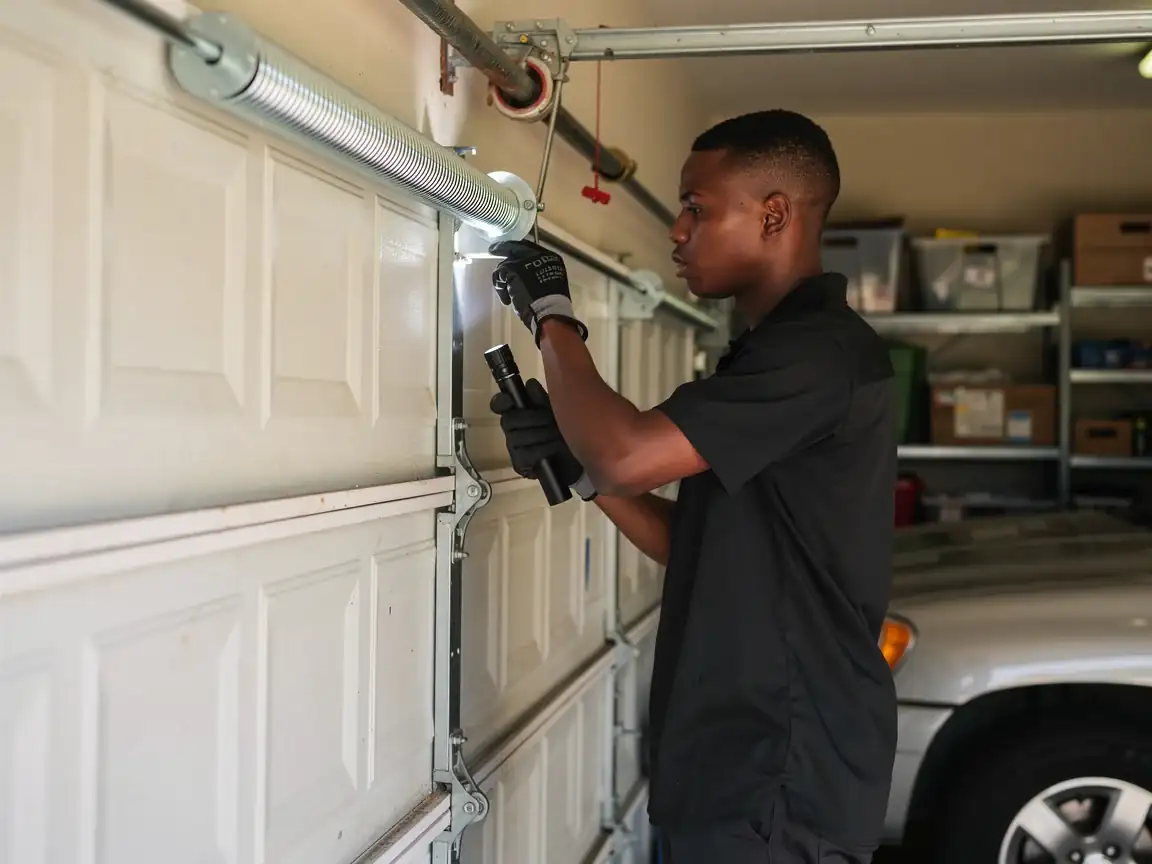
Before you assume the worst, look at the spring itself
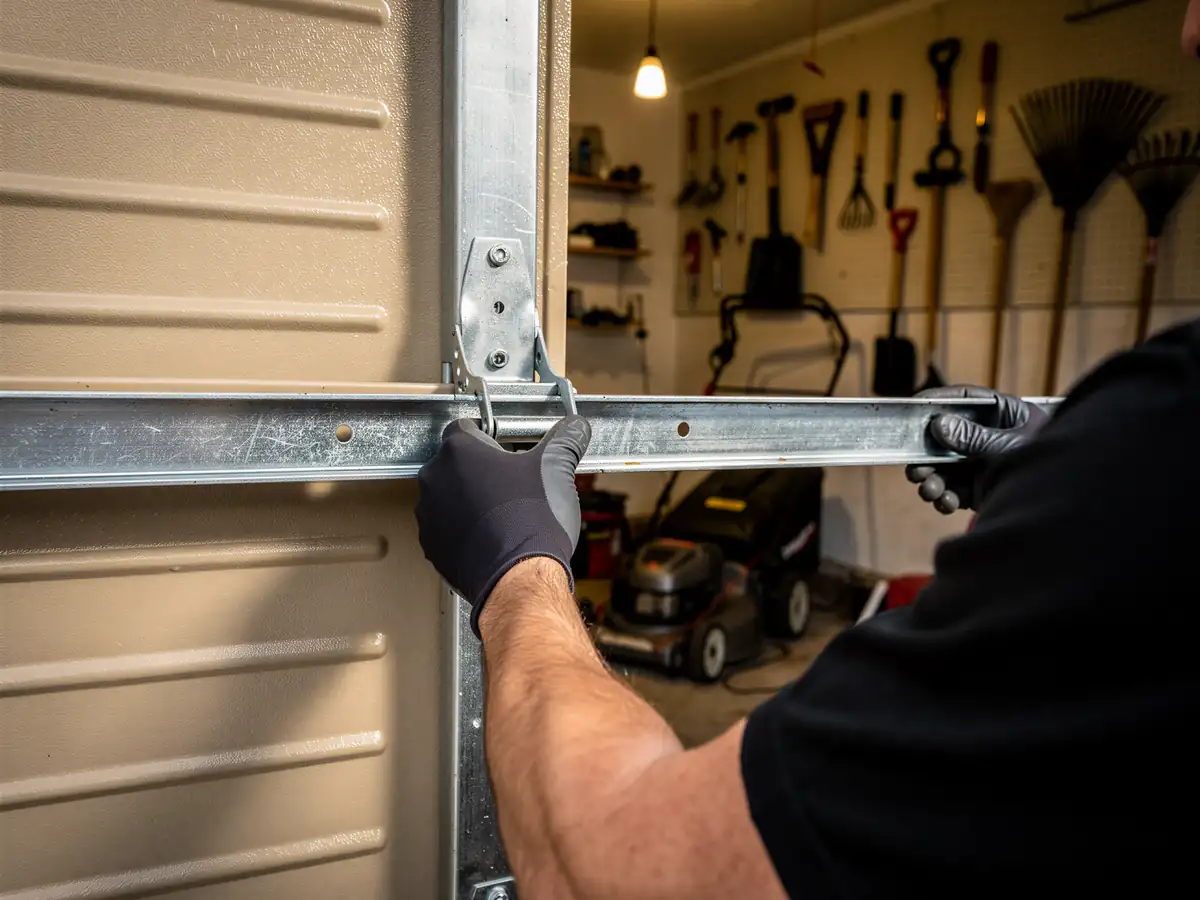
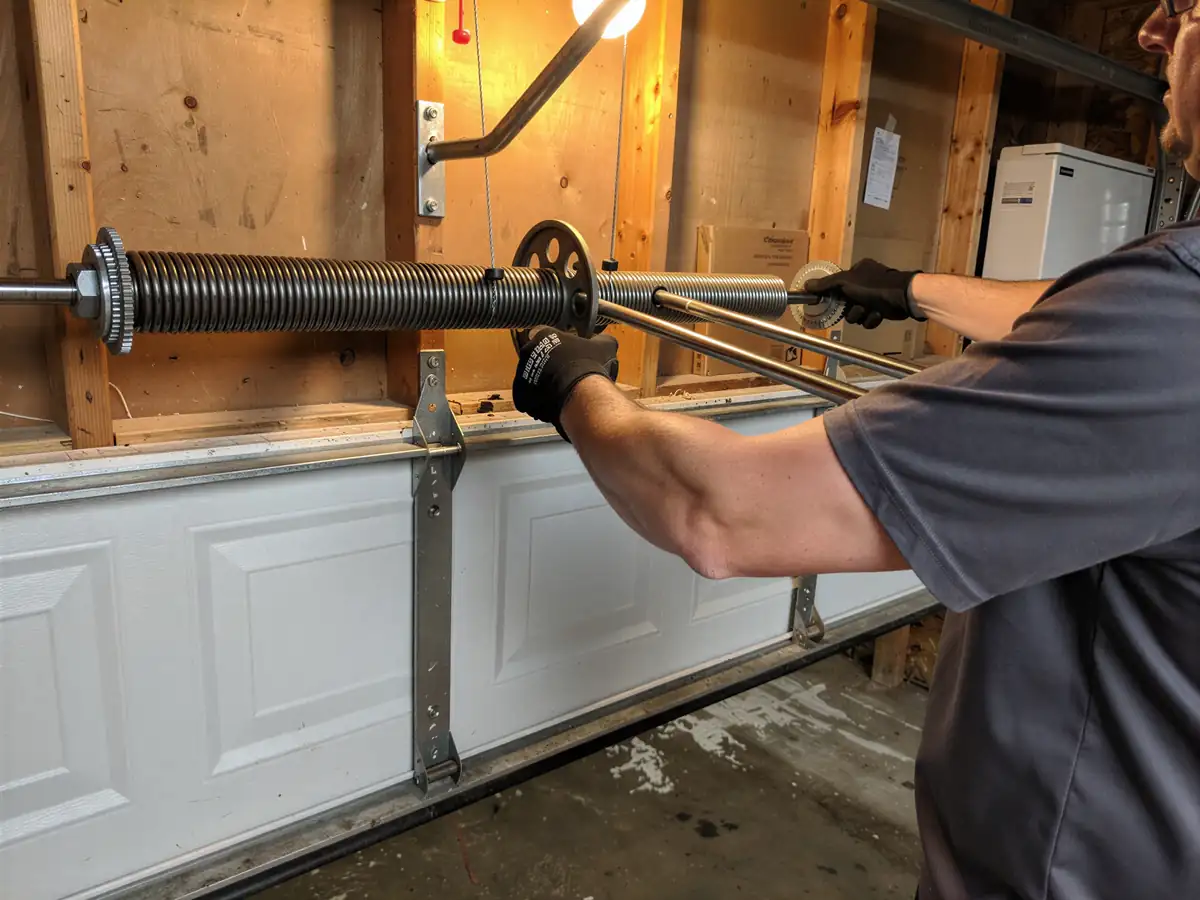
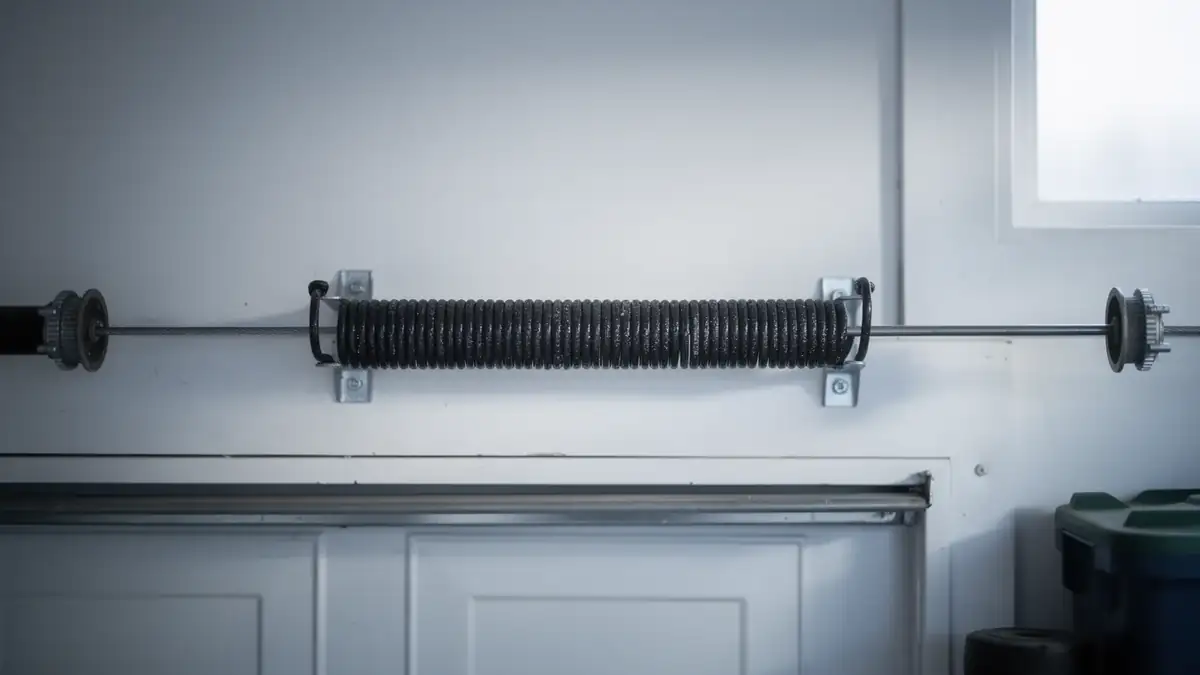
The torsion spring sits on a shaft above the door, and a broken one usually shows a visible gap in the coil, sometimes with the two halves twisted apart. If you see that gap, stop. Don't try to open the door manually by fighting the spring tension; that's how people get hurt.
If the spring looks intact but the door won't move, or moves a few inches and stops
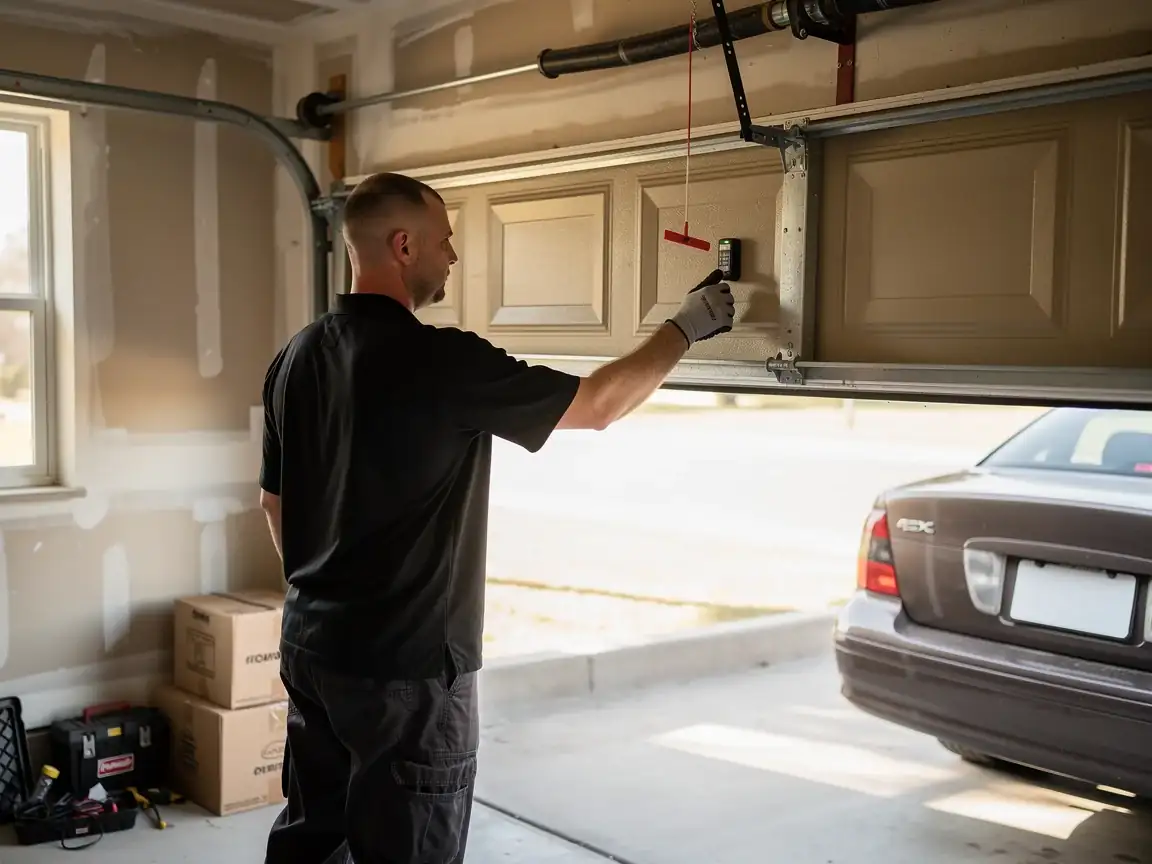
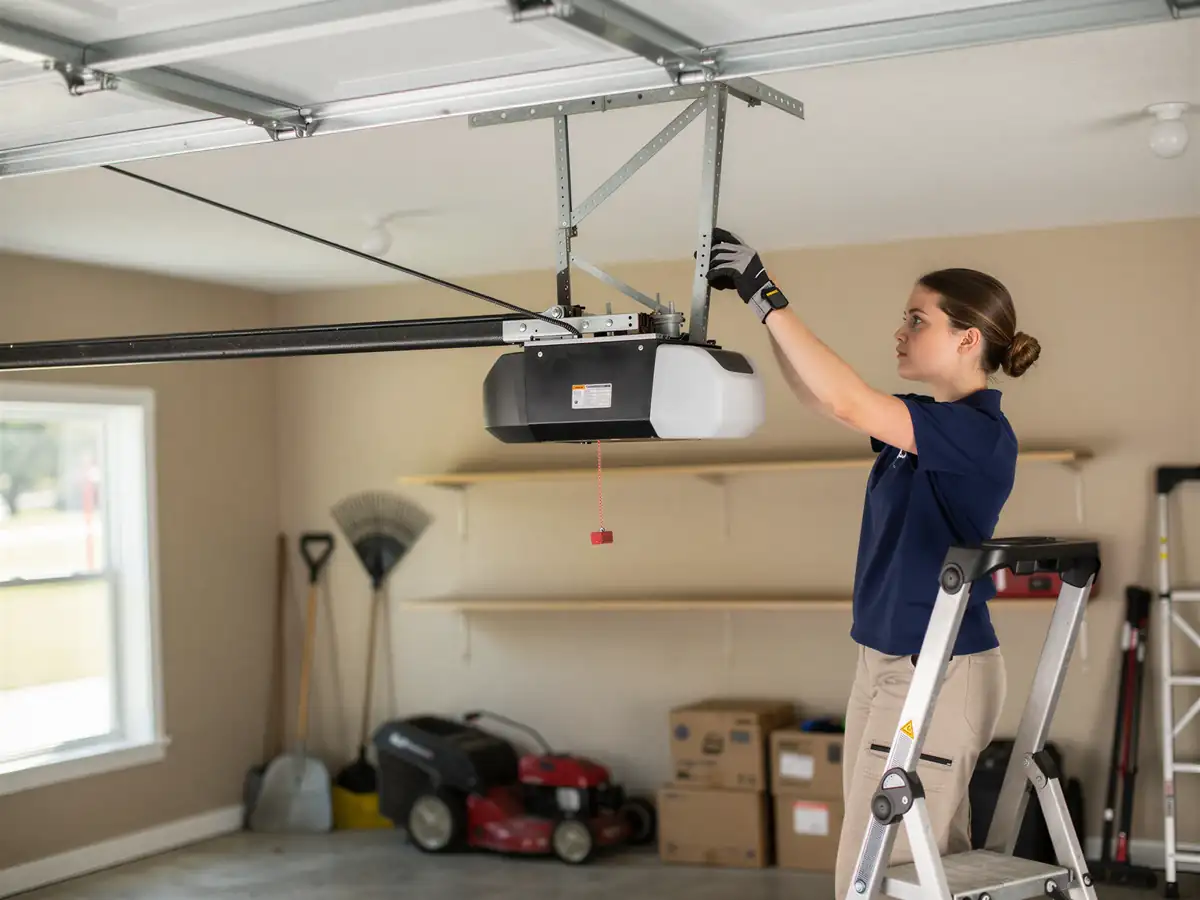
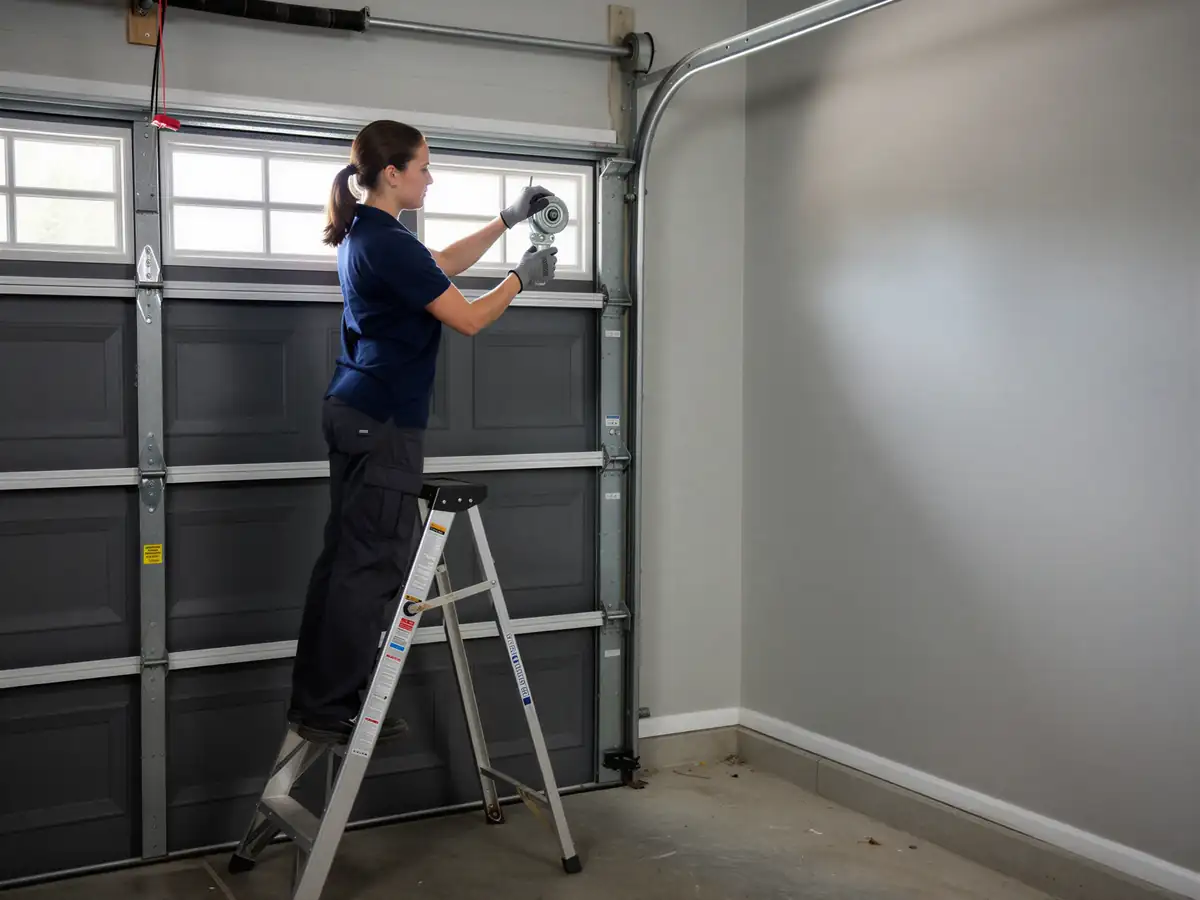
Check whether the opener is even engaged - cold can also affect the opener's sensors and the plastic drive gear, especially in the older openers still running in houses built in the 1980s stock that's common here. A door that's heavy to lift by hand even with the opener disconnected almost always means the spring has lost tension or broken, cold weather or not.
One thing worth checking on older homes: the cable drums
On a lot of the original hardware from that era, a cold-triggered spring break can also fray or derail a cable, which turns a spring job into a spring-and-cable job.
When to Get Help
A broken torsion spring is not a DIY repair - the tension stored in that coil can cause serious injury, and this holds regardless of the weather. Call for help if the door won't lift, if you see a gap in the spring coil, or if the door is noticeably heavier than normal when you try to move it by hand with the opener disconnected.
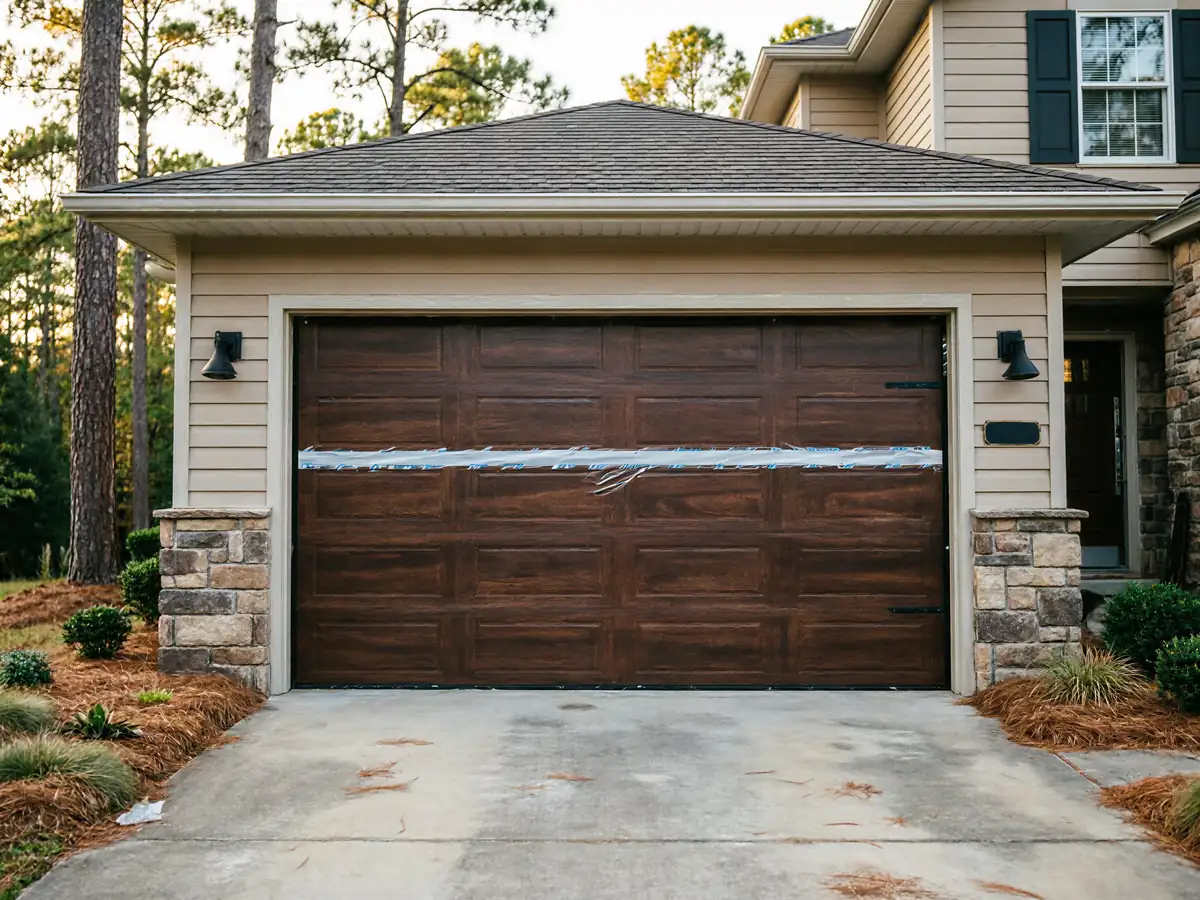
We're honest that not every cold-weather spring call is urgent. If your car is already in the garage and the door is down, a broken spring can usually wait until regular hours rather than forcing an emergency visit - it's not going anywhere, and there's no safety risk in leaving a broken-spring door closed overnight. What matters more is not forcing the opener to keep trying against a broken spring, which burns out the motor fast.
The Situation
The combination that matters here is simple: a housing stock with a median build year around 1984, a climate that delivers just enough cold to stress old steel, and a lot of original hardware that's never been touched since the house was built. None of that is unique to one street - it's true across the areas we work in, from Mountain Park five miles out to just northwest of here.
One limitation worth stating plainly: if a spring has broken and the drums or cables are also damaged, that's not always a same-day parts job - some hardware on older doors needs to be matched or ordered, and we won't pretend otherwise. What we can tell you is that a cold-weather break on a door from that 1980s-90s building wave is one of the more common calls we get this time of year, and it's rarely a sign anything else is wrong with the house.