How It Shows Up
Sugar Hill households run a median income of $99,479, noticeably above the $91,308 median across our wider service area. That number matters more than it seems, because it sets where the repair-or-replace line falls. A household at that income can usually justify fixing a good door rather than swapping it, since the labor and parts cost is a smaller bite of the budget - but it also means owners here are quicker to ask for a repair quote instead of living with a noisy door for another winter.
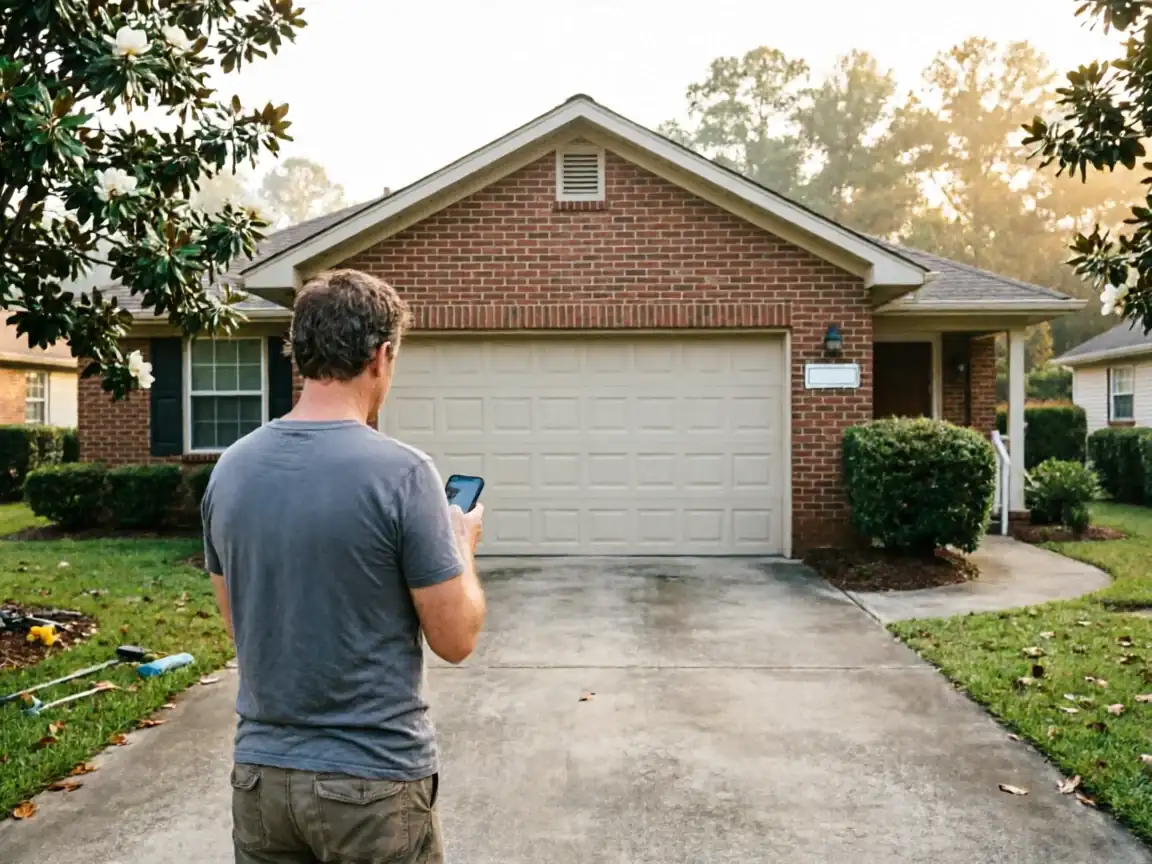
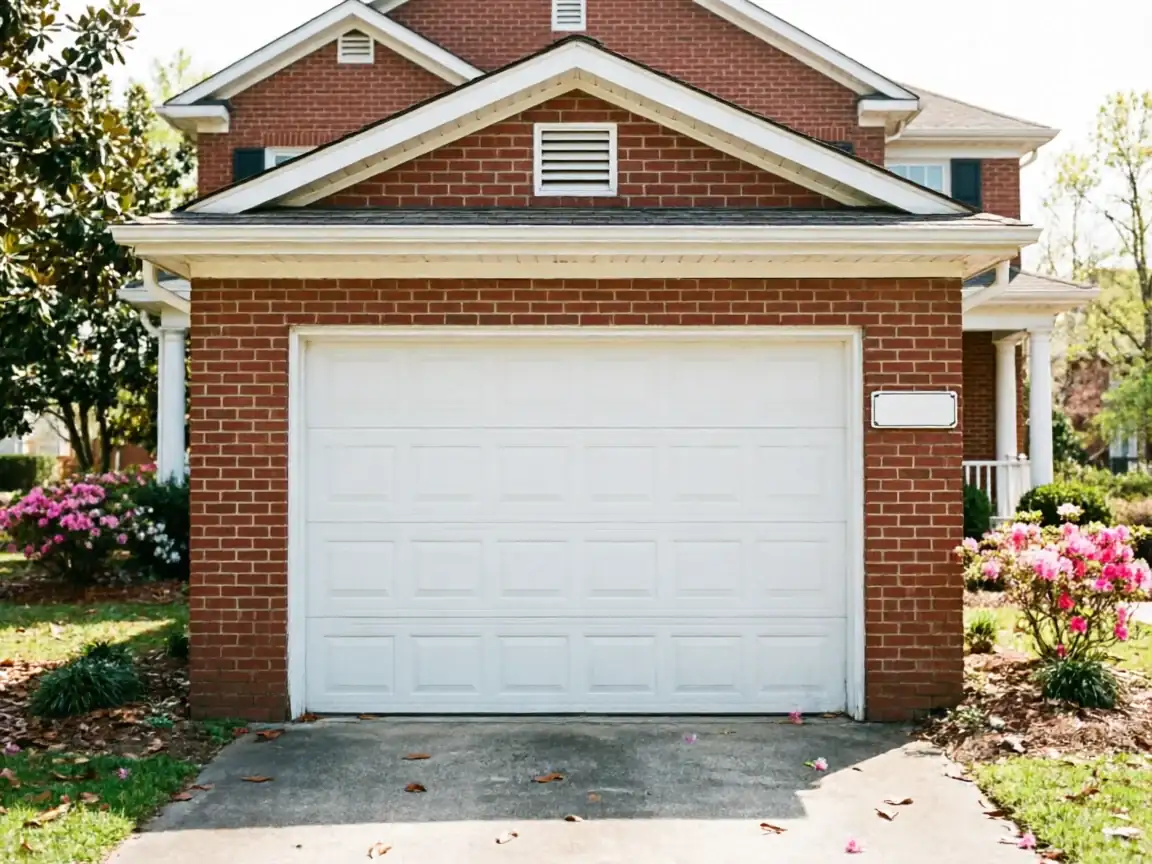
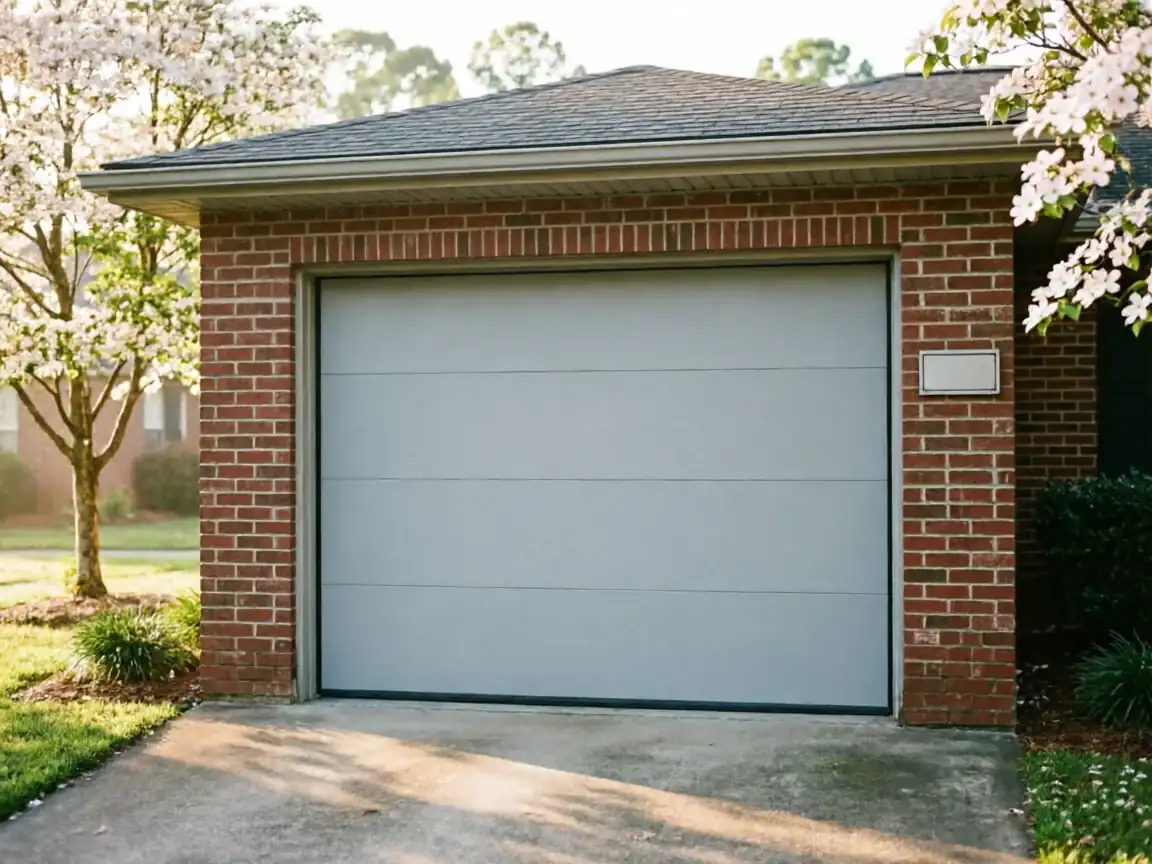
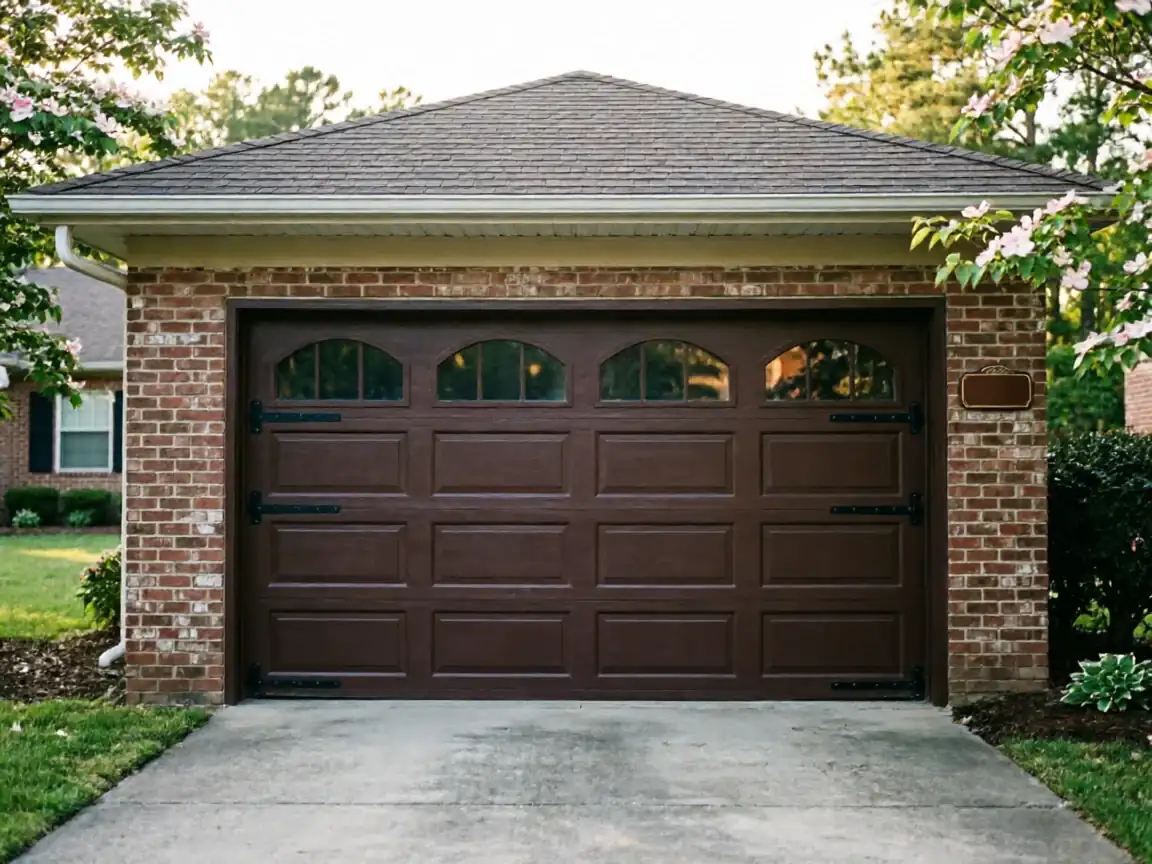
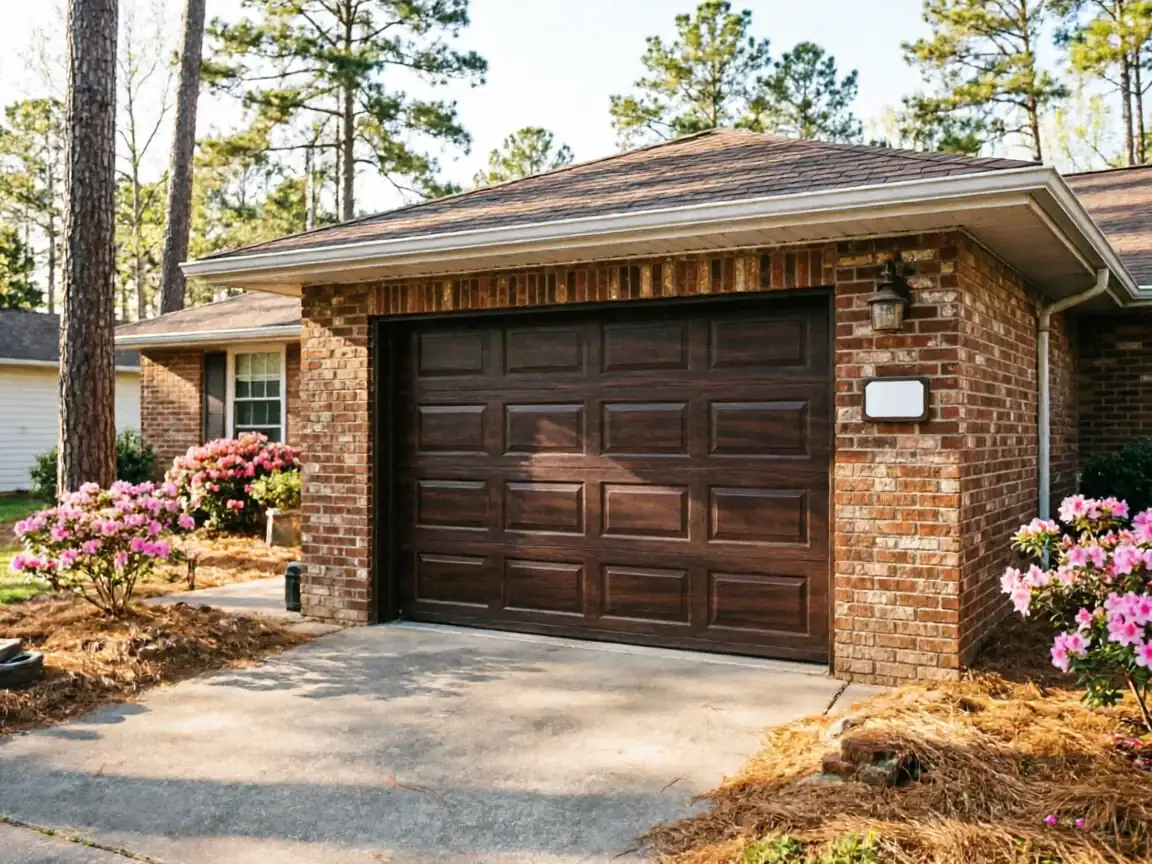
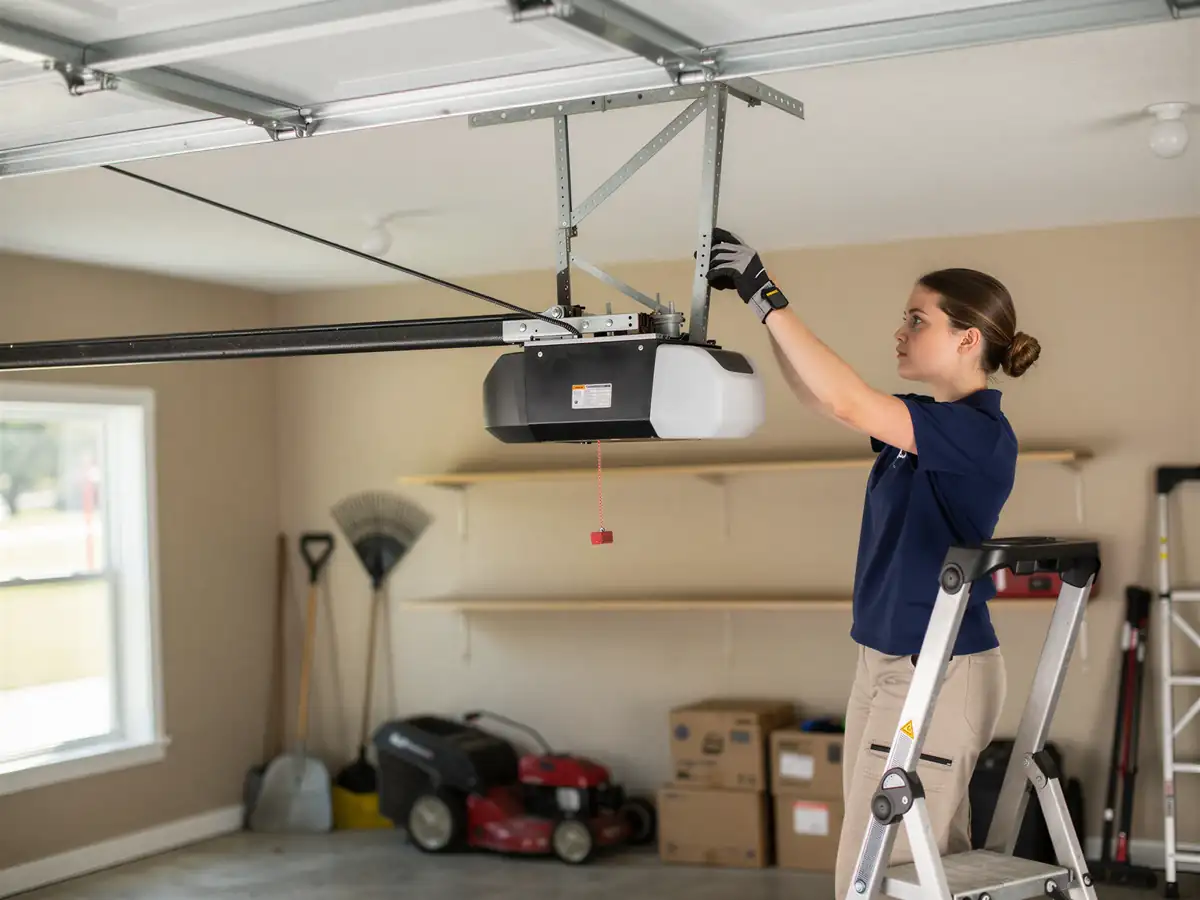
The housing itself is younger than what we see closer to Roswell. Across the wider service area the median home was built in 1984, but Sugar Hill's stock centers closer to 2002. That's a meaningful gap. Doors from the early 2000s are mostly factory steel sectional units on standard torsion springs with a chain or belt-drive opener already installed from new construction - not the one-piece or hand-me-down hardware you find in older sections of the territory. The failures we see are opener logic boards, worn nylon rollers, and torsion springs reaching the end of a normal cycle count, not the obsolete side-mount hardware that plagues 1980s houses.
Getting It Booked In
We run out of Roswell, about 18 miles from Sugar Hill
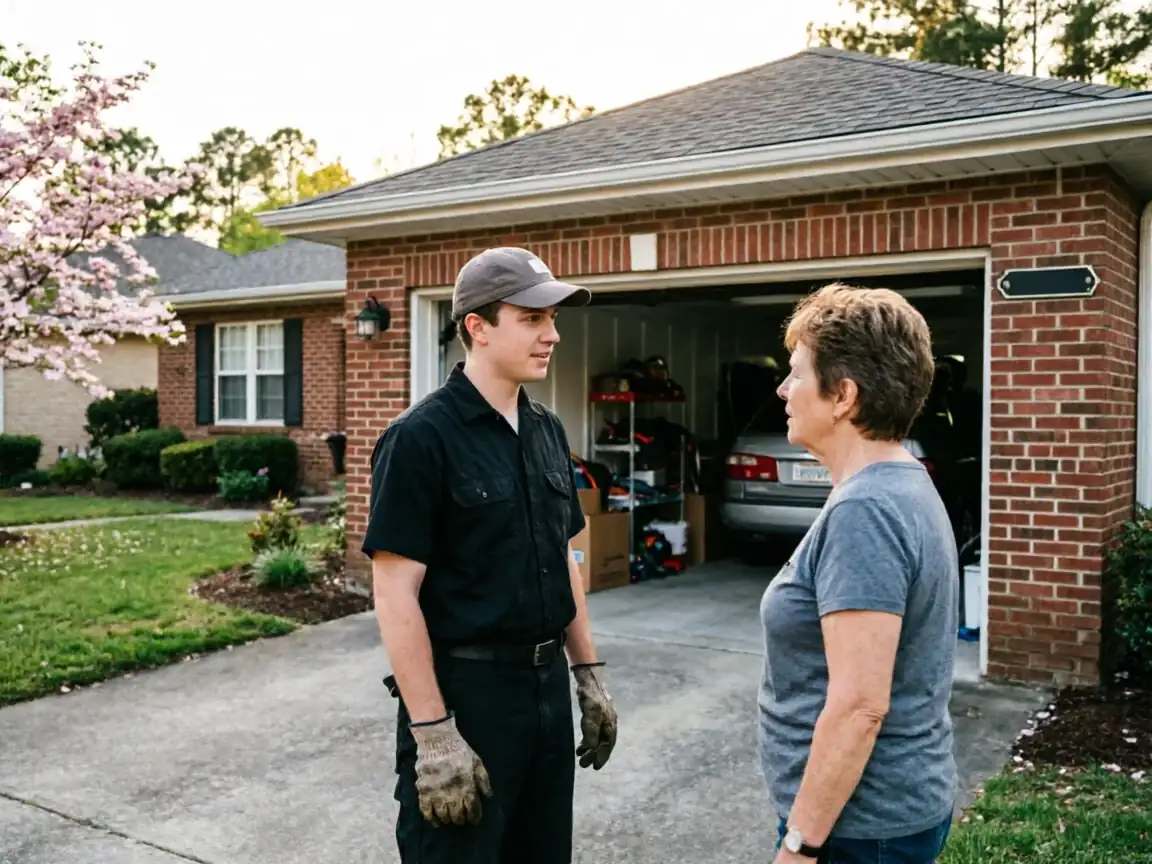
So we're not sitting on standby a few streets over. When you call, we ask what the door is doing - won't open, opens partway and reverses, grinds on one side - so the truck rolls with the right spring, roller, or opener part already on it instead of a bare diagnostic visit followed by a second trip.
- 18 miles
Because a 2002-era door is usually still within a reasonable service life for its hardware
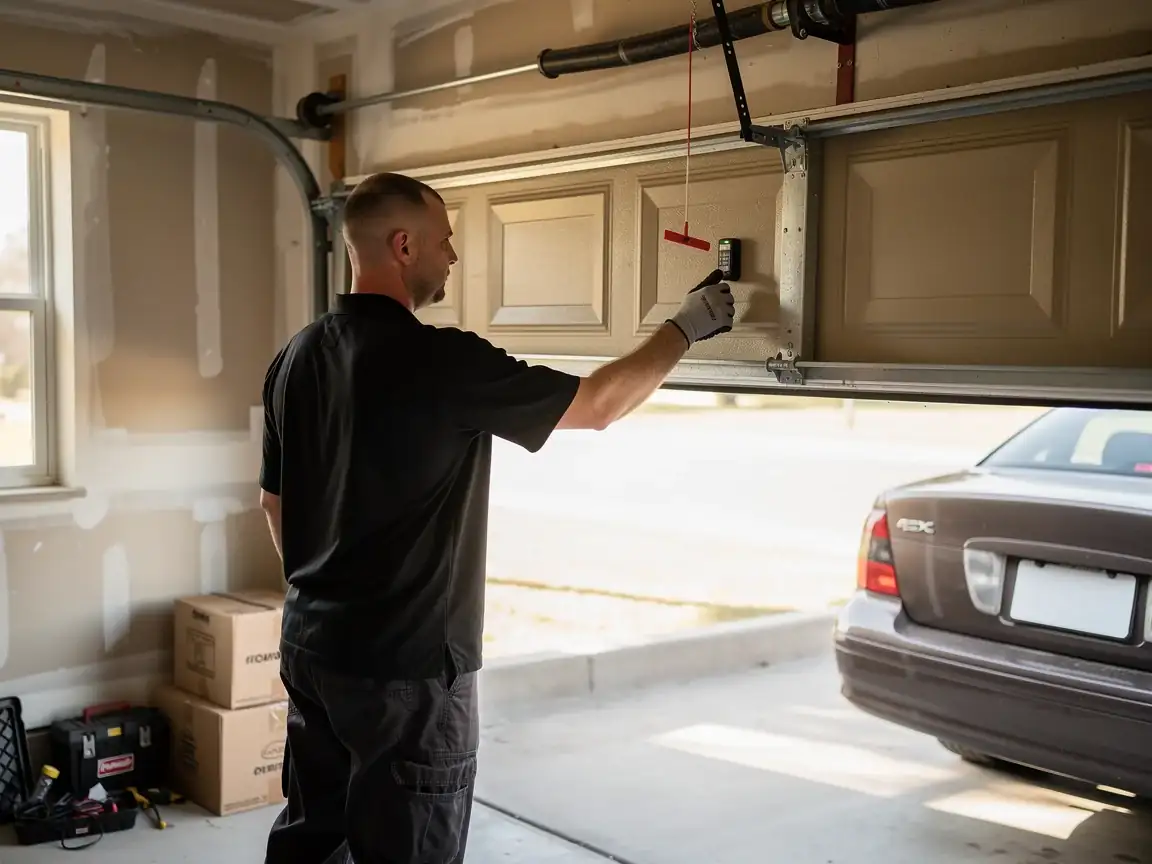
Most Sugar Hill calls end up being a targeted repair: a spring, a sensor, a section of track. We'll tell you straight if what you're describing sounds like a five-minute adjustment versus a part that needs ordering.
Parts We Carry
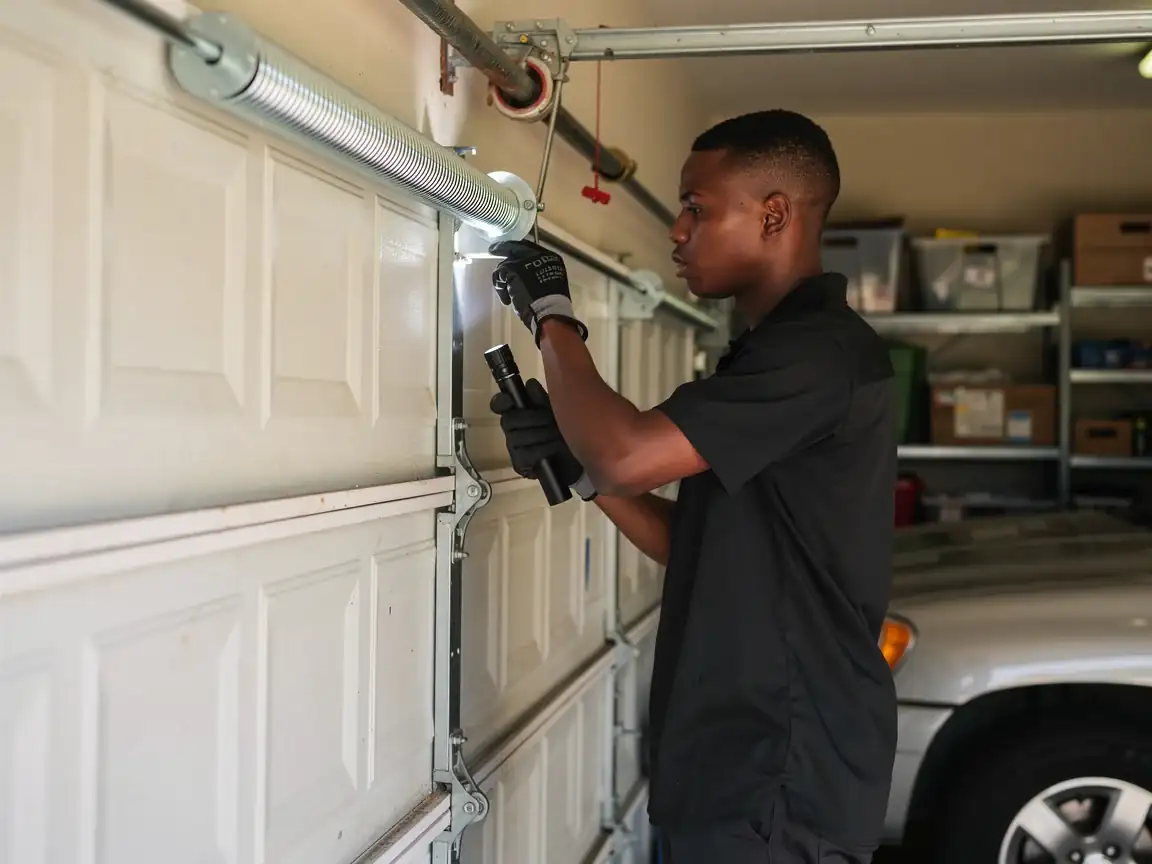
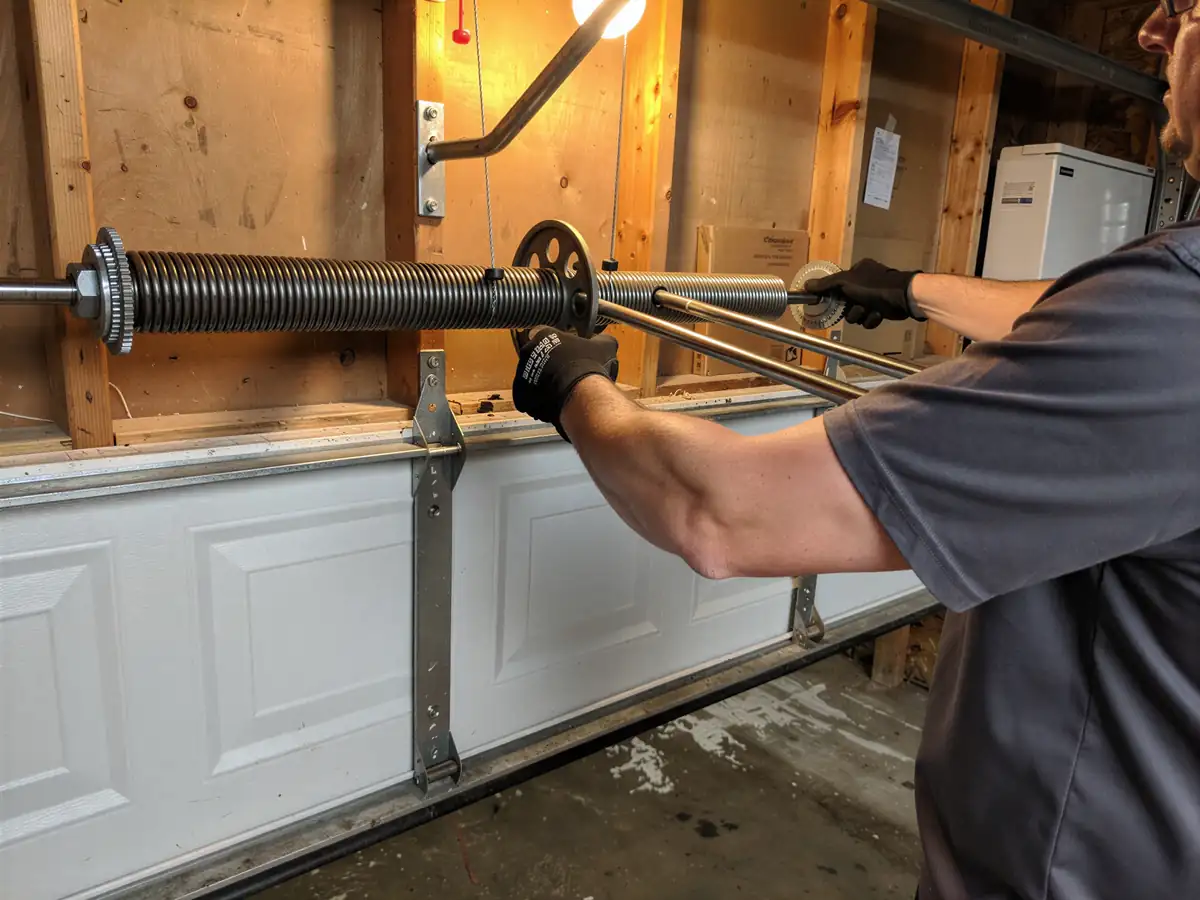
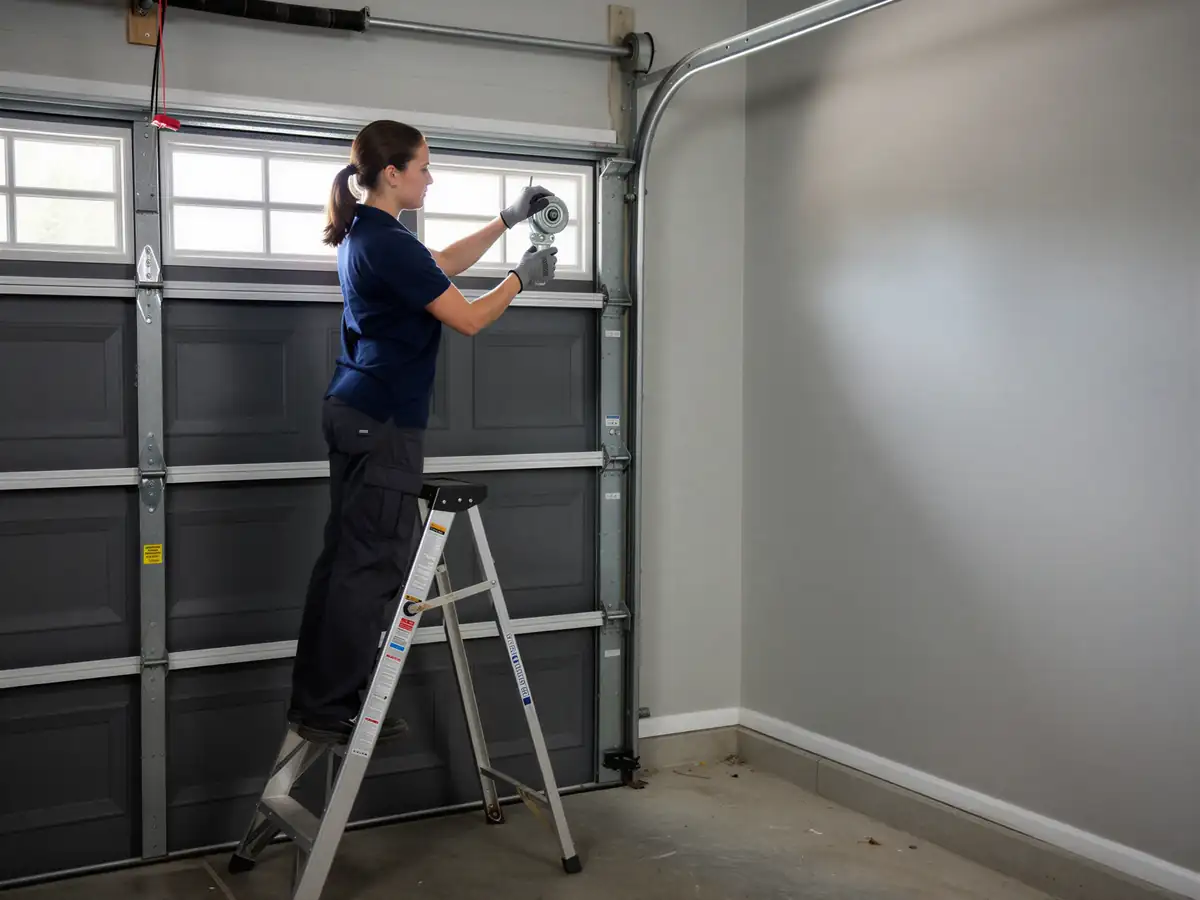
For houses built around 2002, the common wear parts are standard-size torsion springs, nylon rollers, and the opener's safety sensors or logic board - all parts that fit mainstream factory steel doors without a specialty order. We carry these on the truck because they cover the bulk of what breaks in homes this age.
What we don't stock are obsolete one-piece door hardware kits or discontinued opener models - those belong to older housing stock elsewhere in the territory, not Sugar Hill's newer builds. If your door happens to be an older replacement installed before 2002-era construction norms, that part may need to be ordered, and we'll say so on the call rather than promise same-visit.
What Can Go Wrong
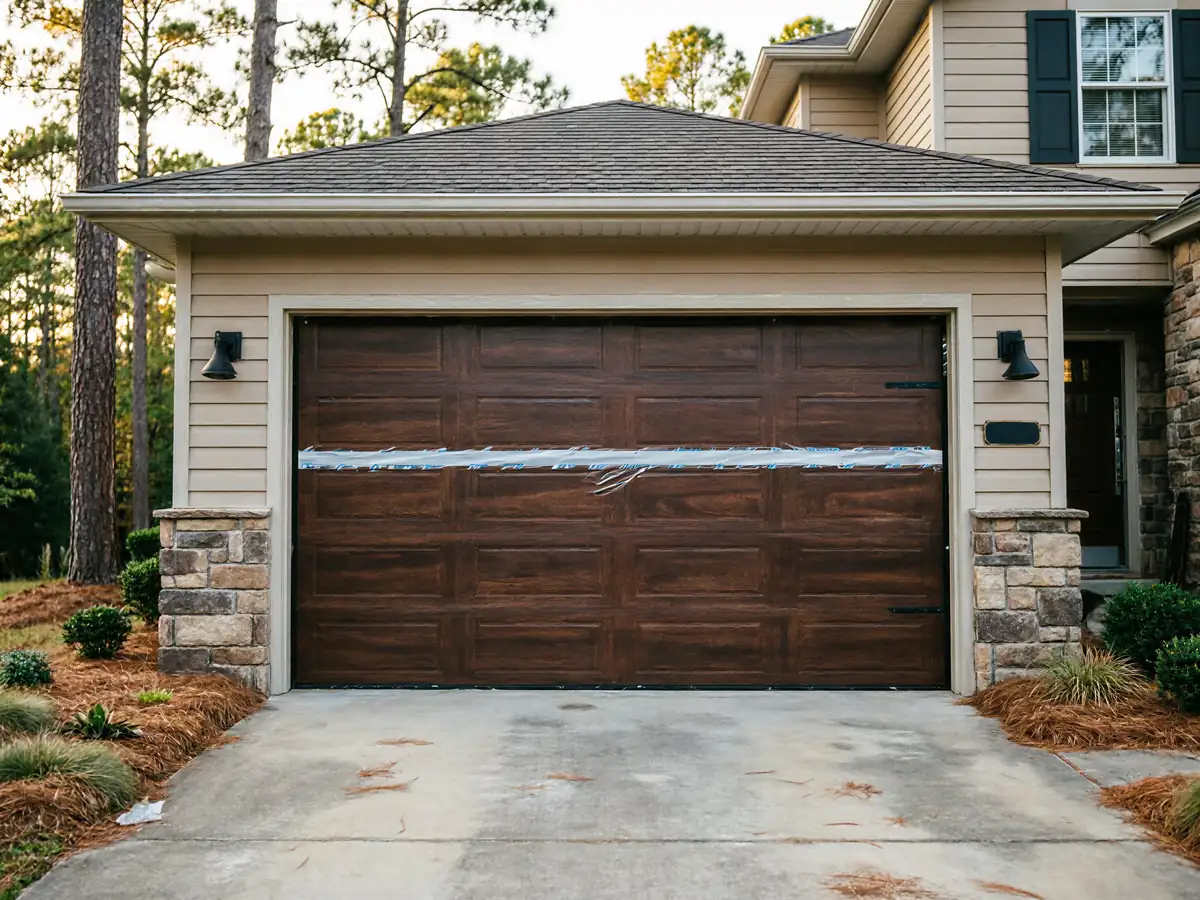
Cold-moderate winters put real strain on torsion springs and lubrication, and a spring on a double door that's cycled for fifteen-plus years is closer to the end of its rated life than the middle. In Sugar Hill's newer stock, the more common complaint is an opener that's started skipping its safety-sensor check or a roller that's worn its bearing out - not catastrophic cable failure, but a door that hesitates, reverses, or won't close all the way.
Track misalignment shows up too, usually from a door that's been bumped or from a slab that's settled slightly since construction. None of this is dramatic, but left alone it turns a $150 roller job into a spring or opener replacement.
What It Costs
We don't quote a number here without seeing the door
But the income level in Sugar Hill generally supports repair over replacement for doors still in reasonable shape - a spring, roller, or sensor swap is almost always the cheaper and faster path for a 2002-era door that's otherwise sound. Replacement makes more sense once the opener and springs are both failing at the same time, or the door itself is dented or off a bent track.
One honest limit: if a part turns out to be discontinued or needs a special order
We can't promise a same-visit fix - we'll tell you that on-site rather than string you along.