How It Shows Up
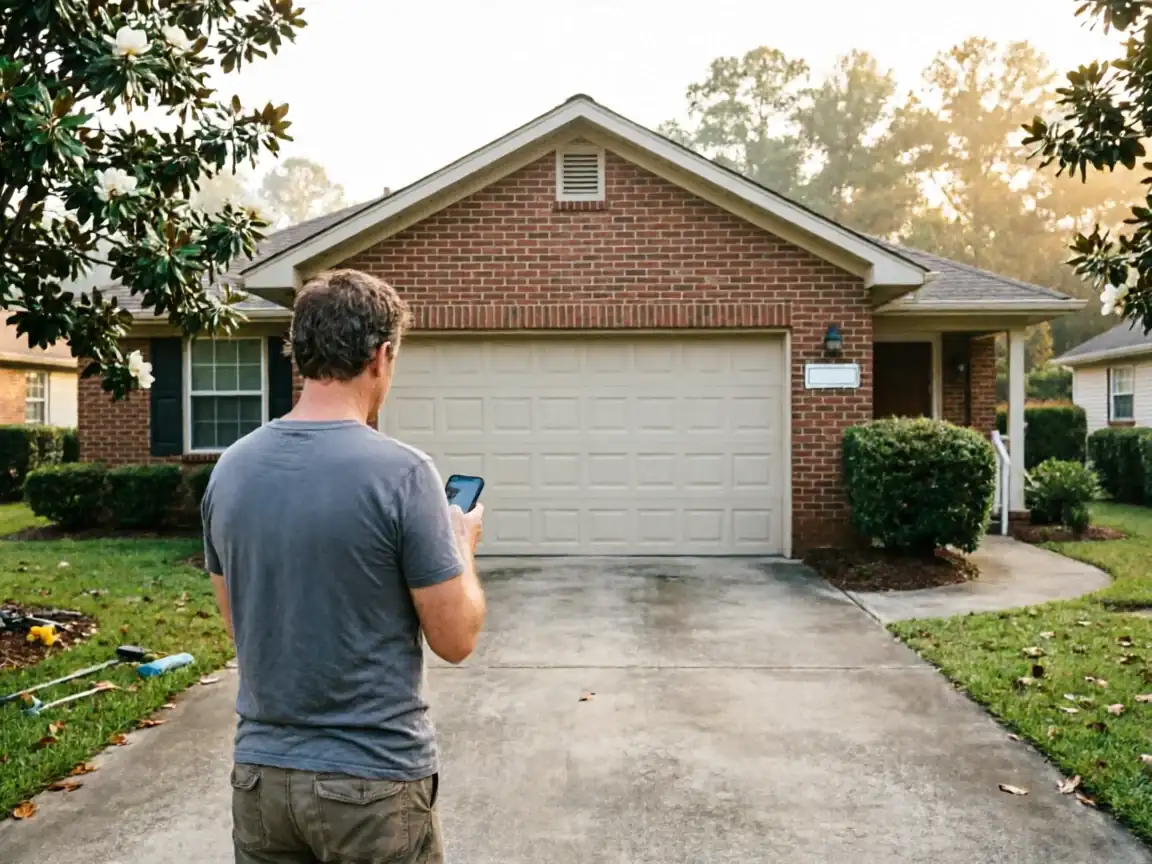
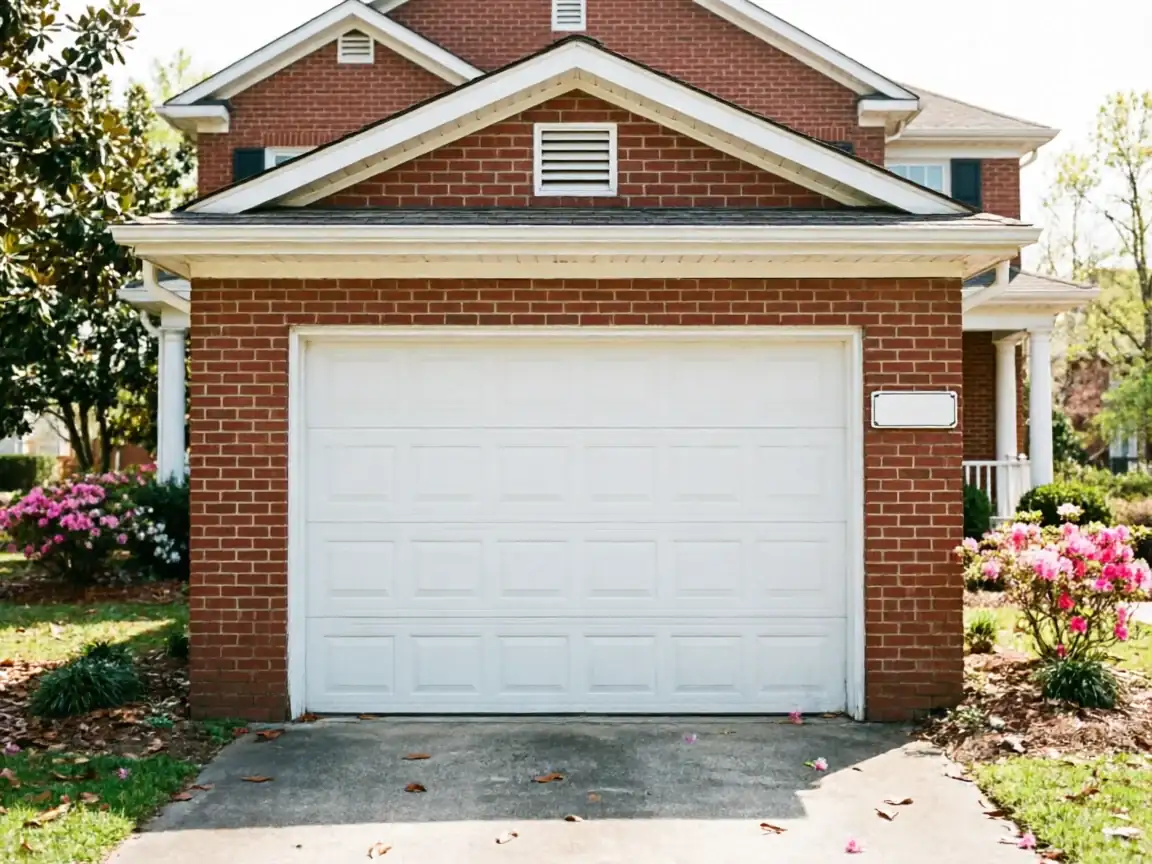
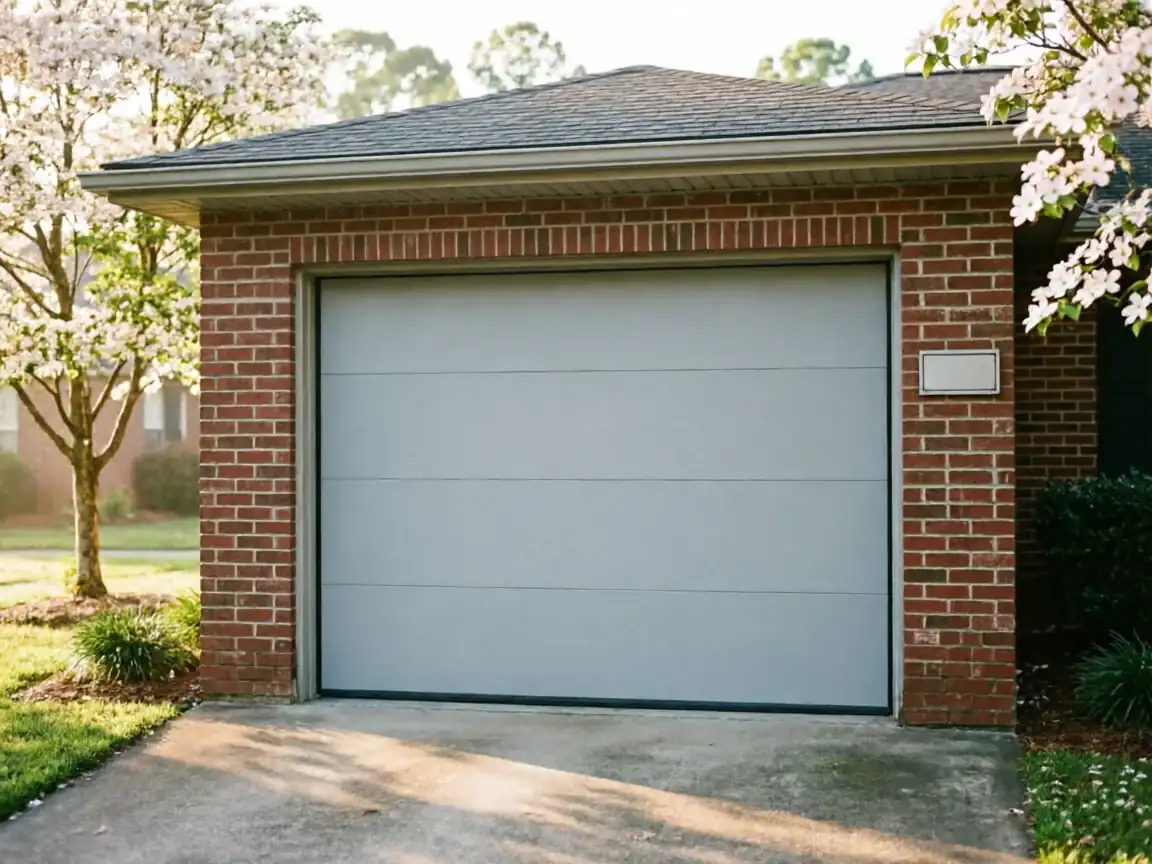
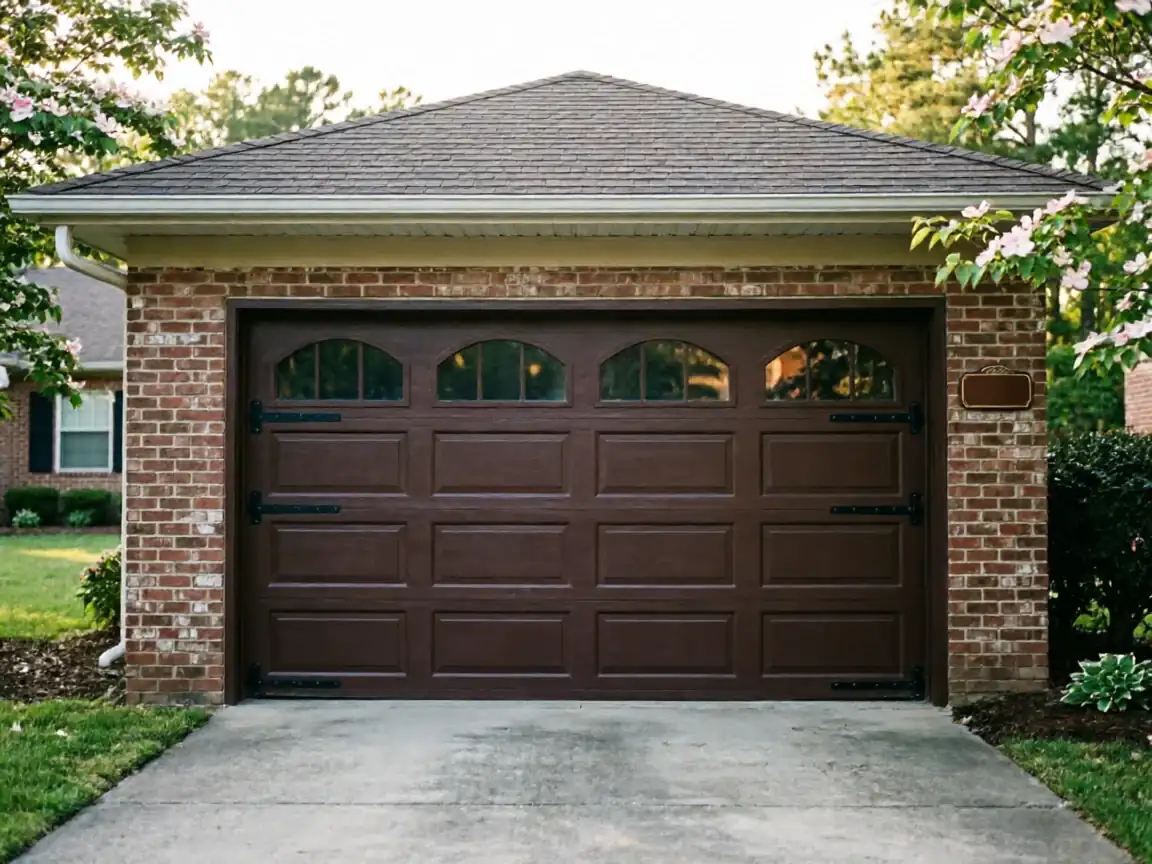
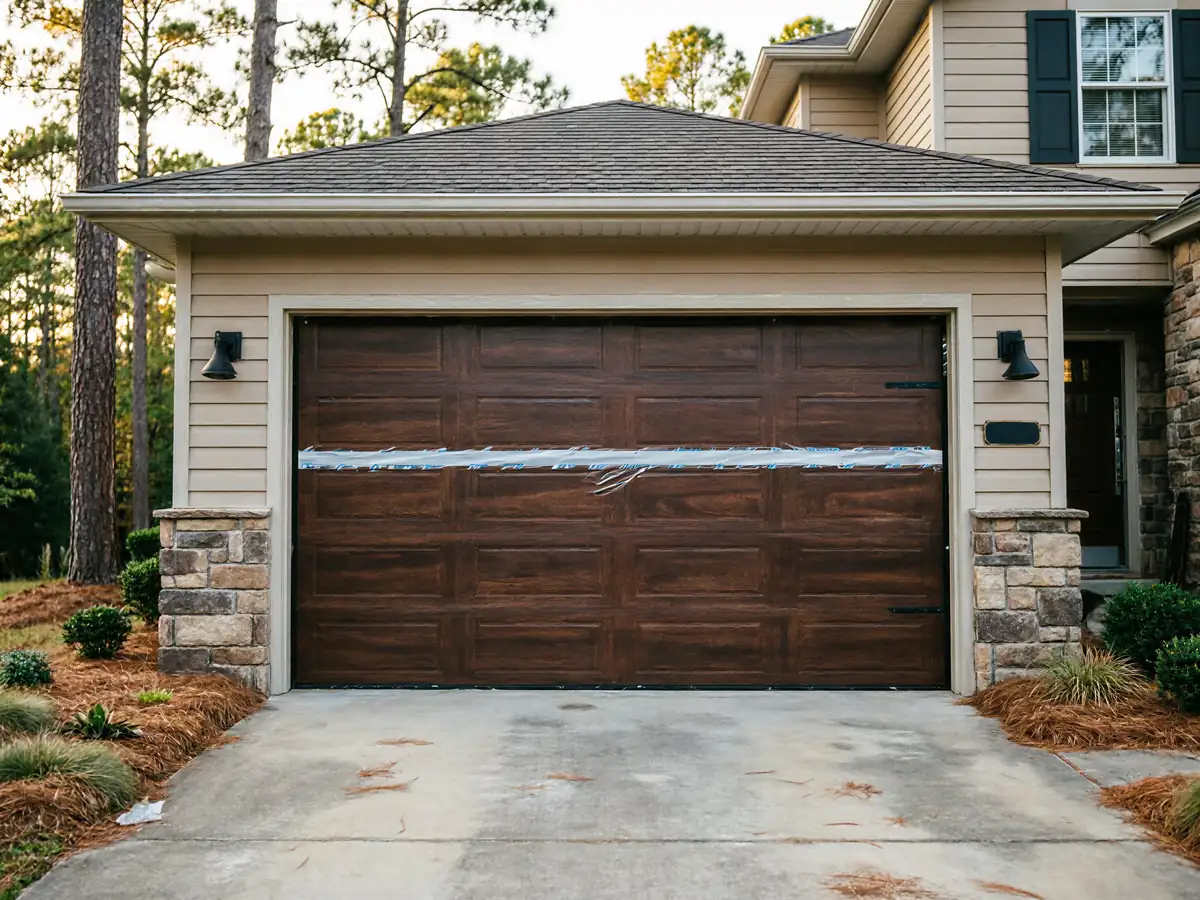
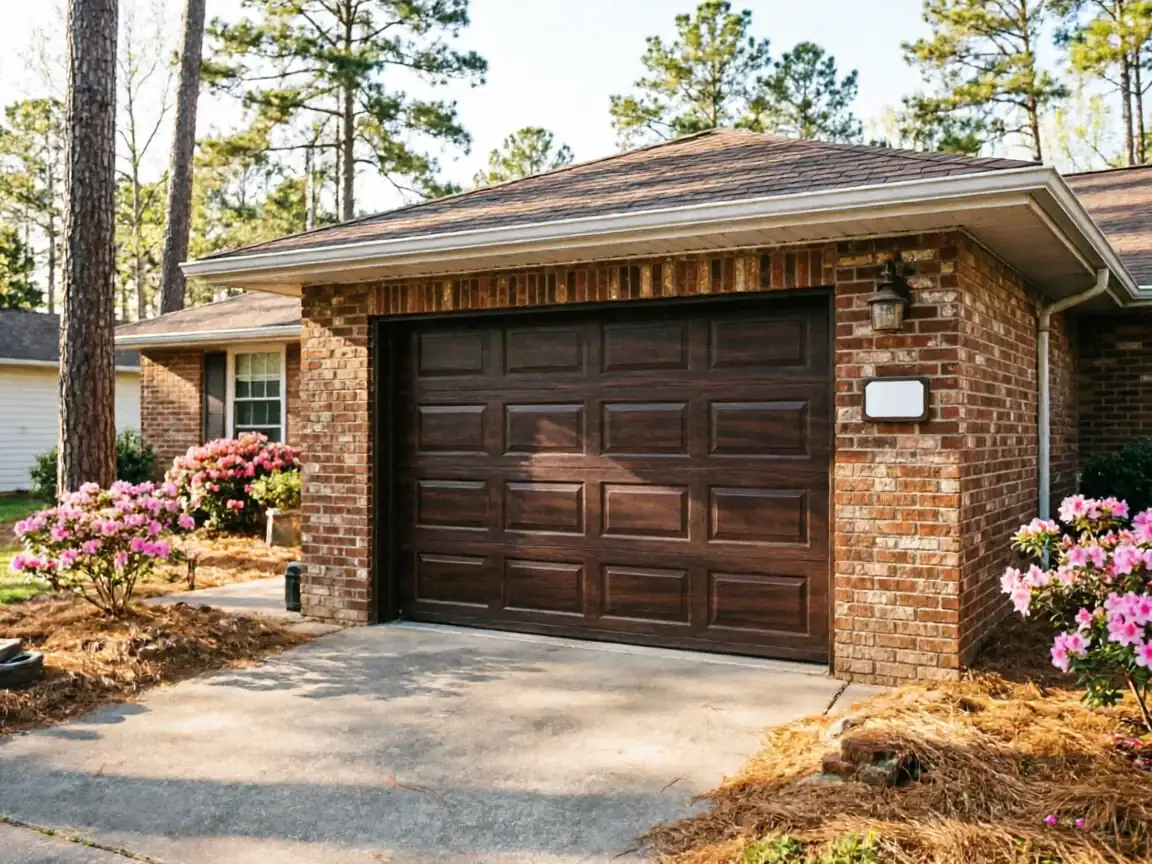
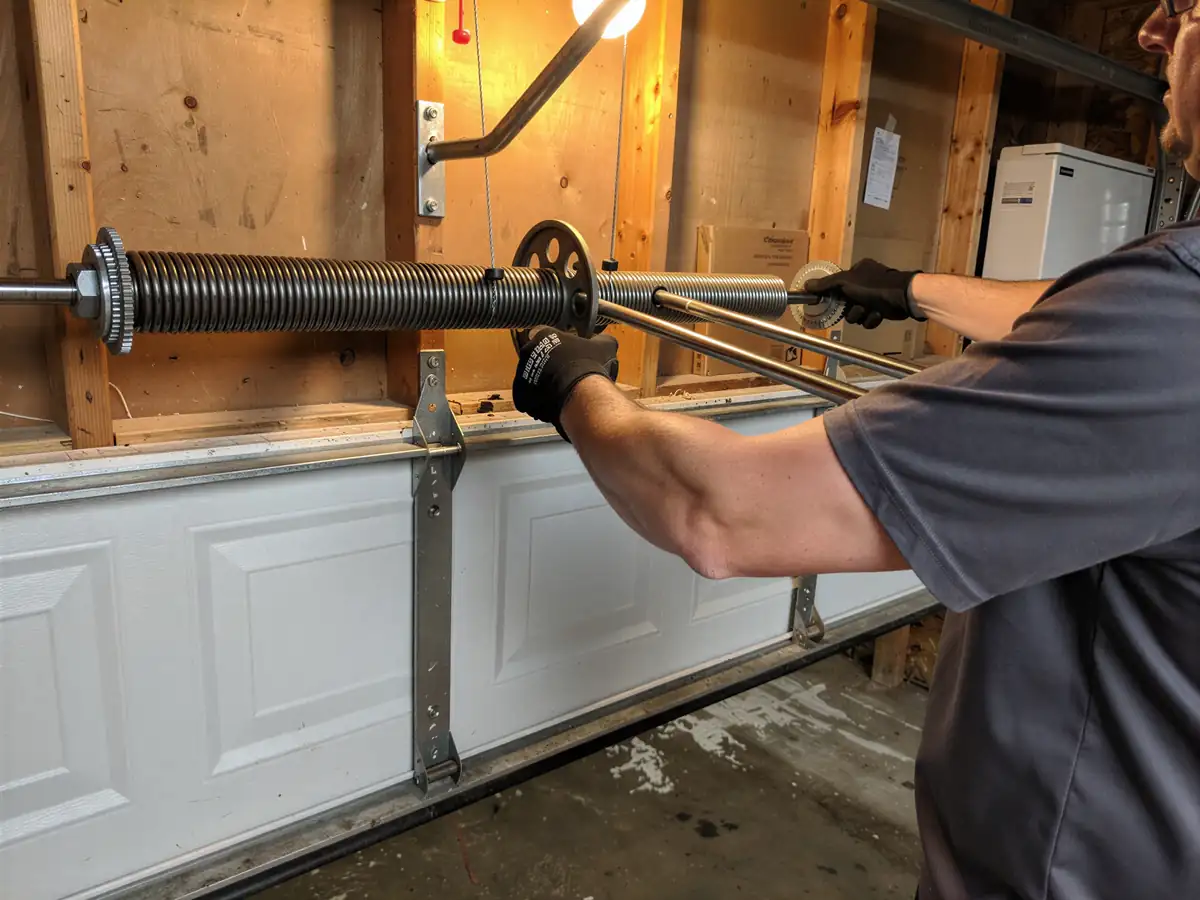
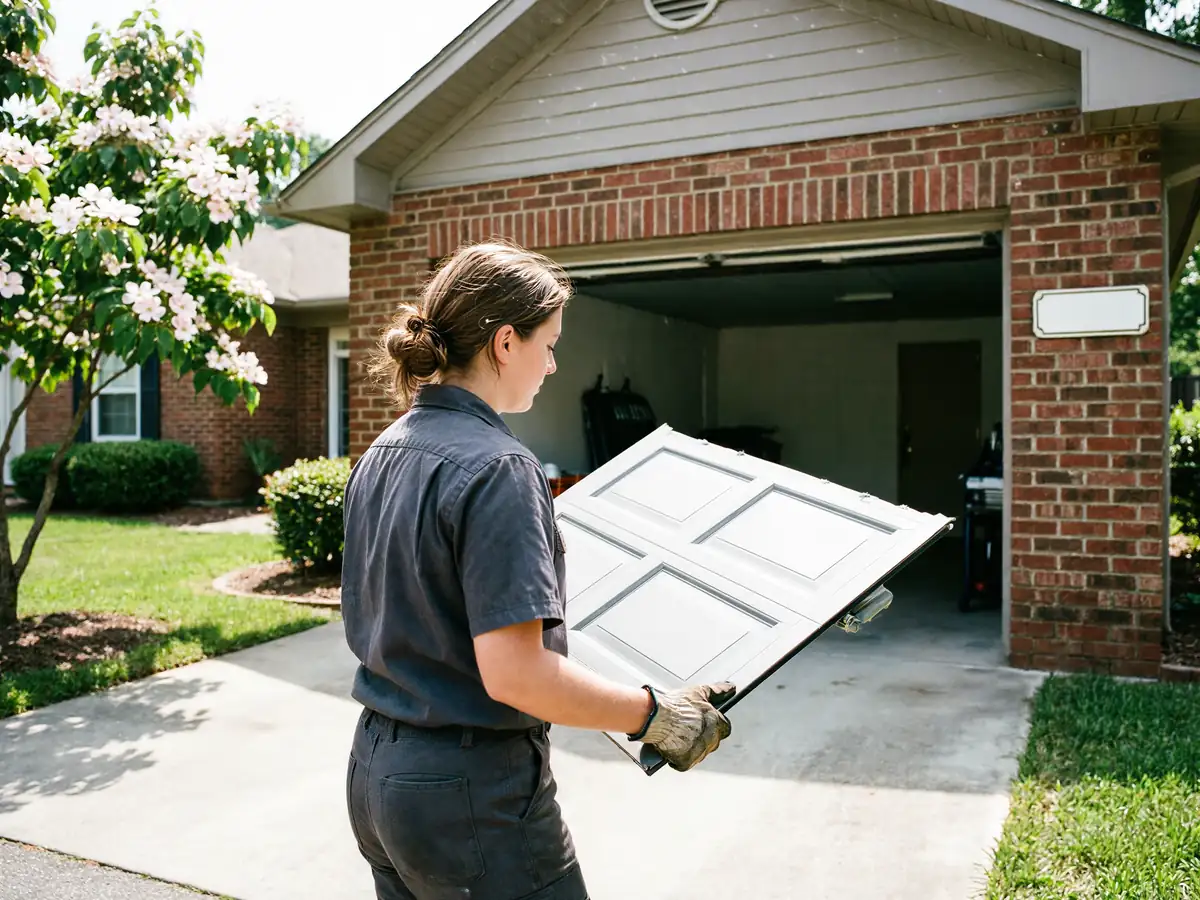
Sugar Hill's housing stock centers on a median build year of 2002, which puts most garage doors here in the steel sectional era - raised-panel or short-panel steel, usually 24 or 25 gauge, often with a vinyl or foam backing rather than the thicker polyurethane sandwich you see in doors built after the mid-2000s. That construction dents differently than older wood doors and differently than newer insulated steel. A basketball, a backed-in trailer hitch, or a stuck opener forcing against a jammed track tends to crease the panel skin rather than crack a frame, and the dent often runs the width of one section instead of staying local to the impact point. Because so many of these doors came in standard builder-grade colors and panel styles, matching a replacement panel to the rest of the door is usually straightforward, but it depends on who made the door and whether that line is still in production. We see this pattern across Sugar Hill and the wider north-of-Atlanta service area we work, where 1980s-through-2000s stock is the norm rather than the exception. What doesn't show up as often here is the long-neglected wood door with decades of weather damage - the housing is younger, so the failure mode skews toward dented steel, not rot.
Parts We Carry
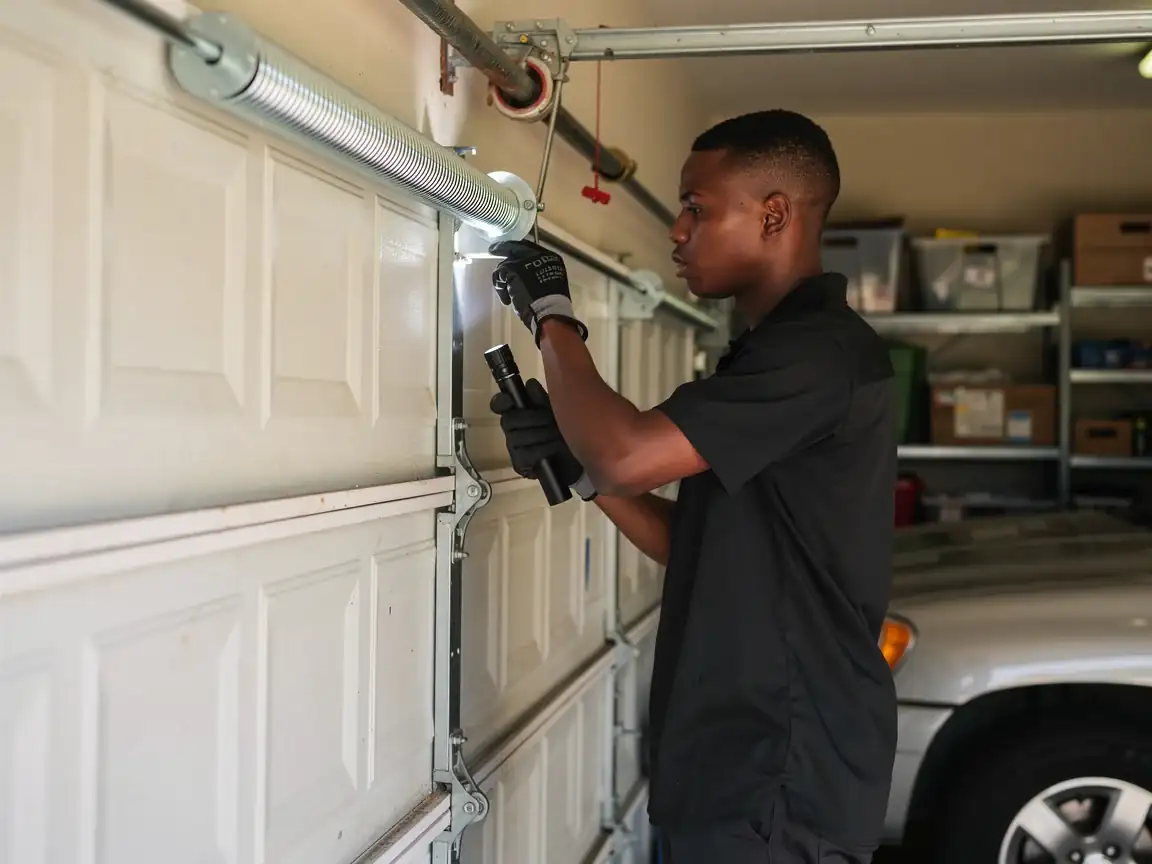
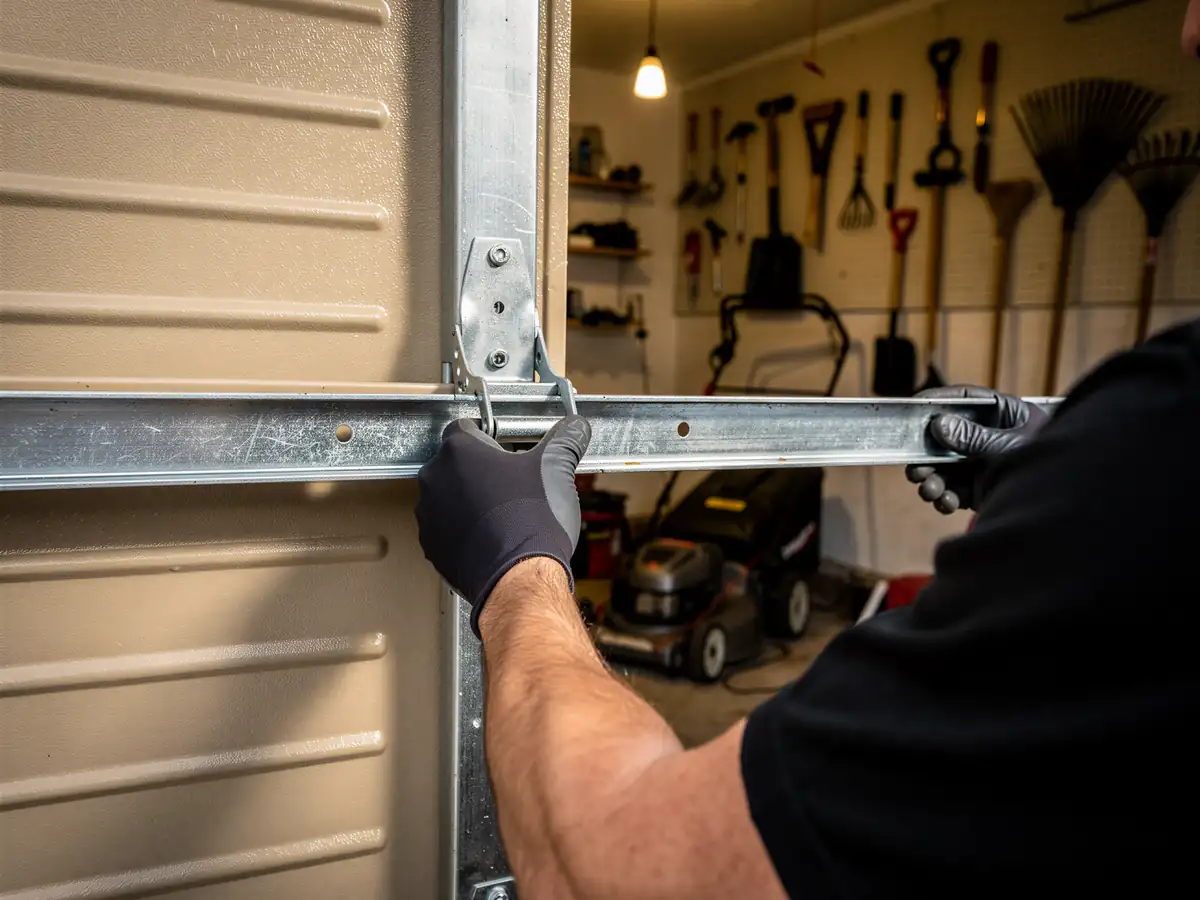
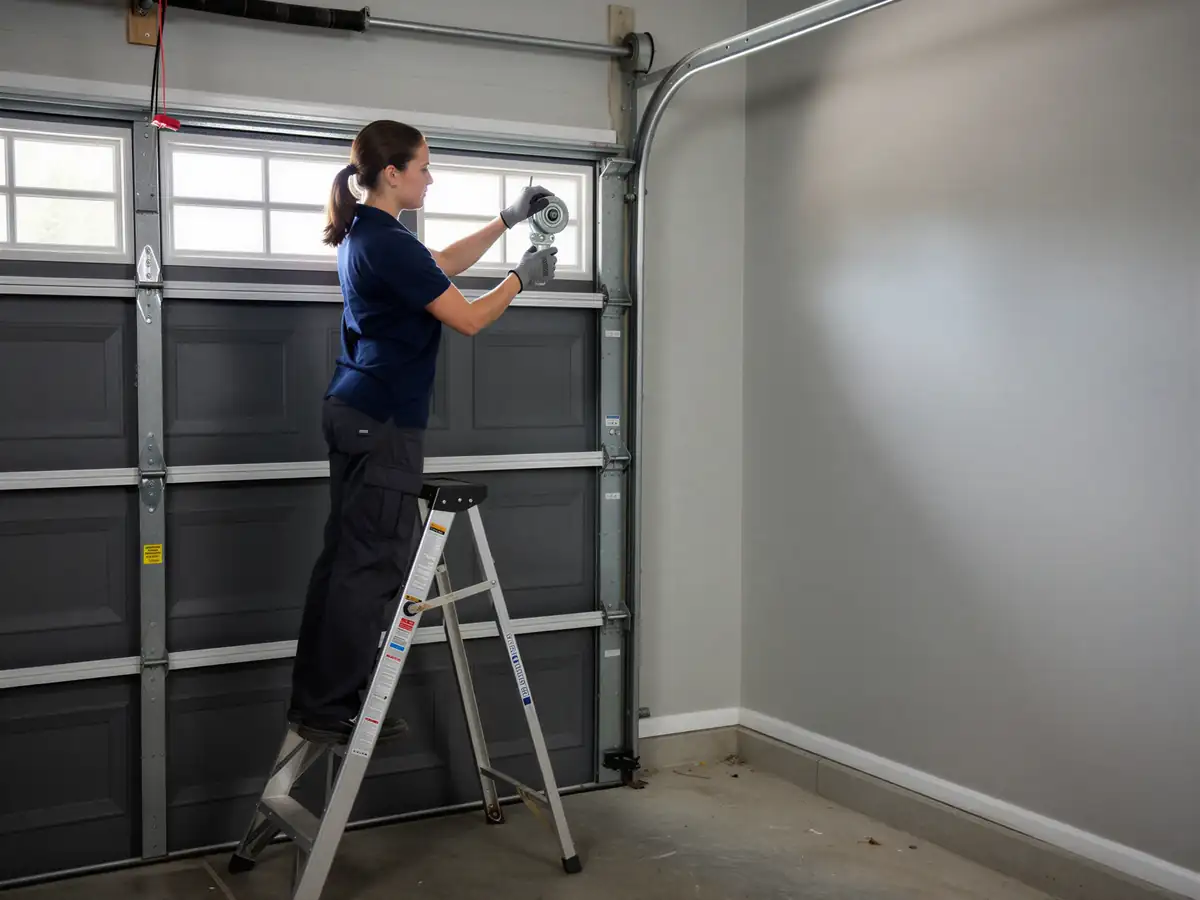
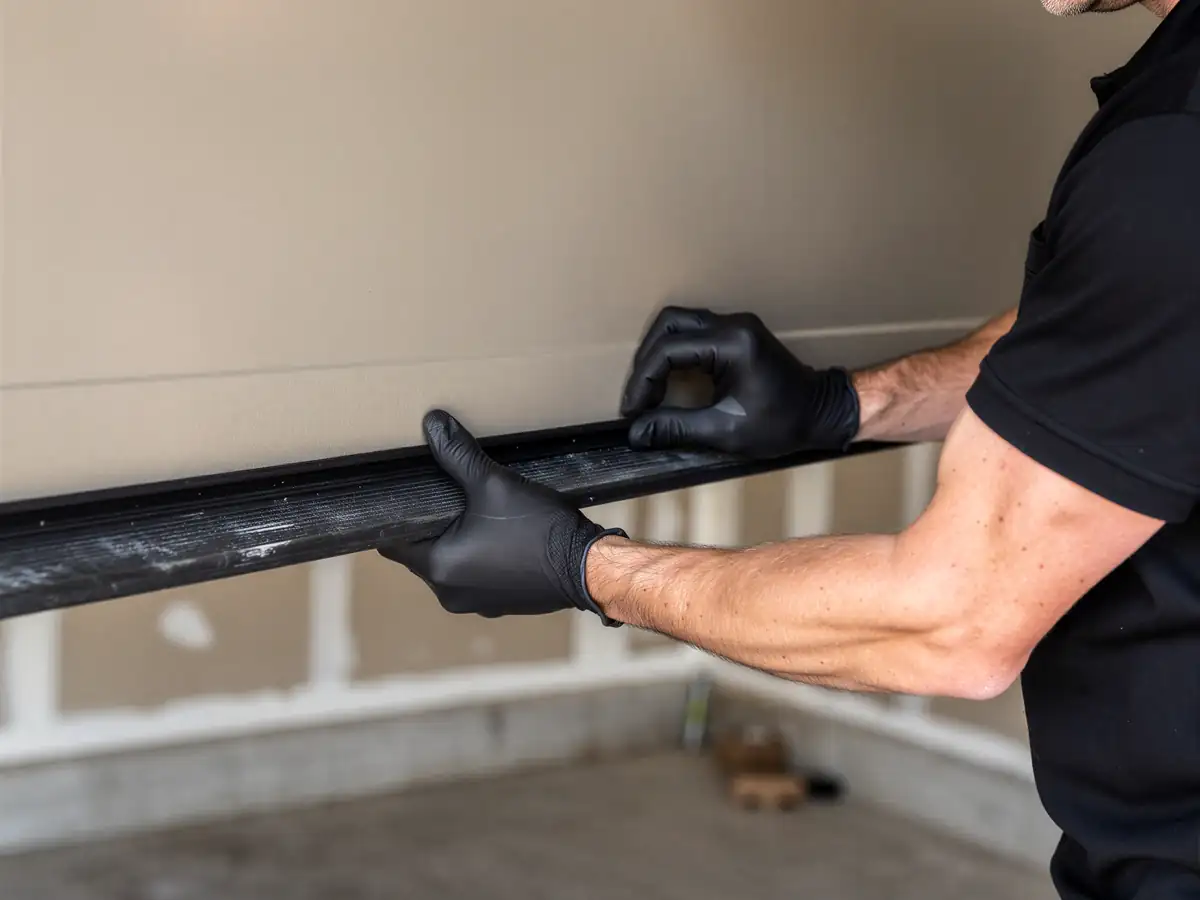
Panel stock for the steel sectional doors common to Sugar Hill's 2002-median housing is the easiest category for us to source - these are mass-produced builder doors, and the panel sections, end caps, and seals are still widely available. What's harder is color match on doors that have faded or chalked over twenty-plus years of Georgia sun; a brand-new panel next to an original one can look noticeably different even in the same paint code. We stock common hinge and roller hardware that pairs with this door generation, and we carry the fasteners and strut reinforcement needed when a panel swap also means correcting a slightly bowed section. What we don't stock is custom wood panel work or obsolete profiles from doors that predate standard builder lines - those get special-ordered, and that adds time to the job.
What Can Go Wrong
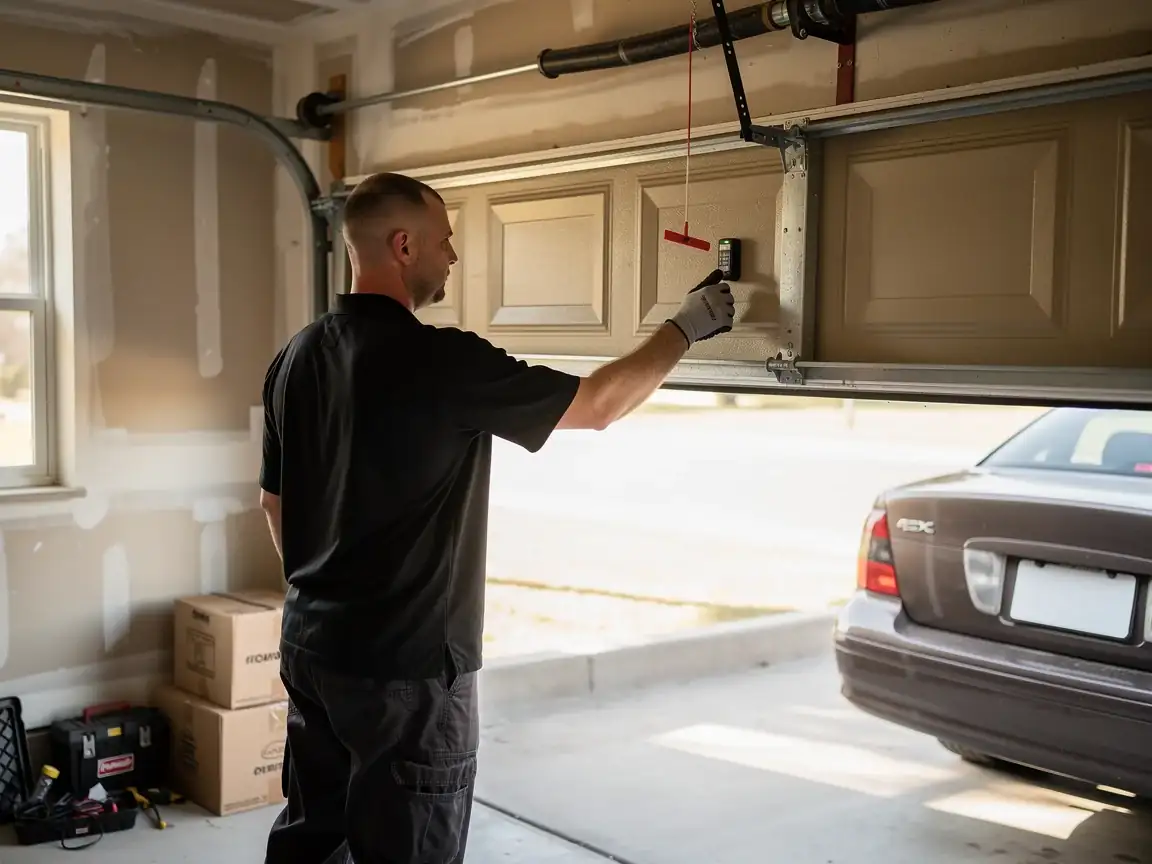
The cold-moderate winters this region gets aren't severe, but repeated freeze-thaw cycles still stiffen the foam backing in these steel panels over time, and a stiff panel takes impact worse than a flexible one - it cracks instead of flexing back. We also see owners try to pop out a dent themselves with a suction tool or by prying from inside, which can crease the panel skin further or pull the section away from its hinge screws. If more than one panel on the door is damaged, or if the damage is on the bottom section where the door meets the slab, full-door replacement often costs less than custom-ordering two or three non-stocked panels individually - we'll tell you straight if that's the better math rather than selling a panel-by-panel repair that ends up pricier.