How It Shows Up
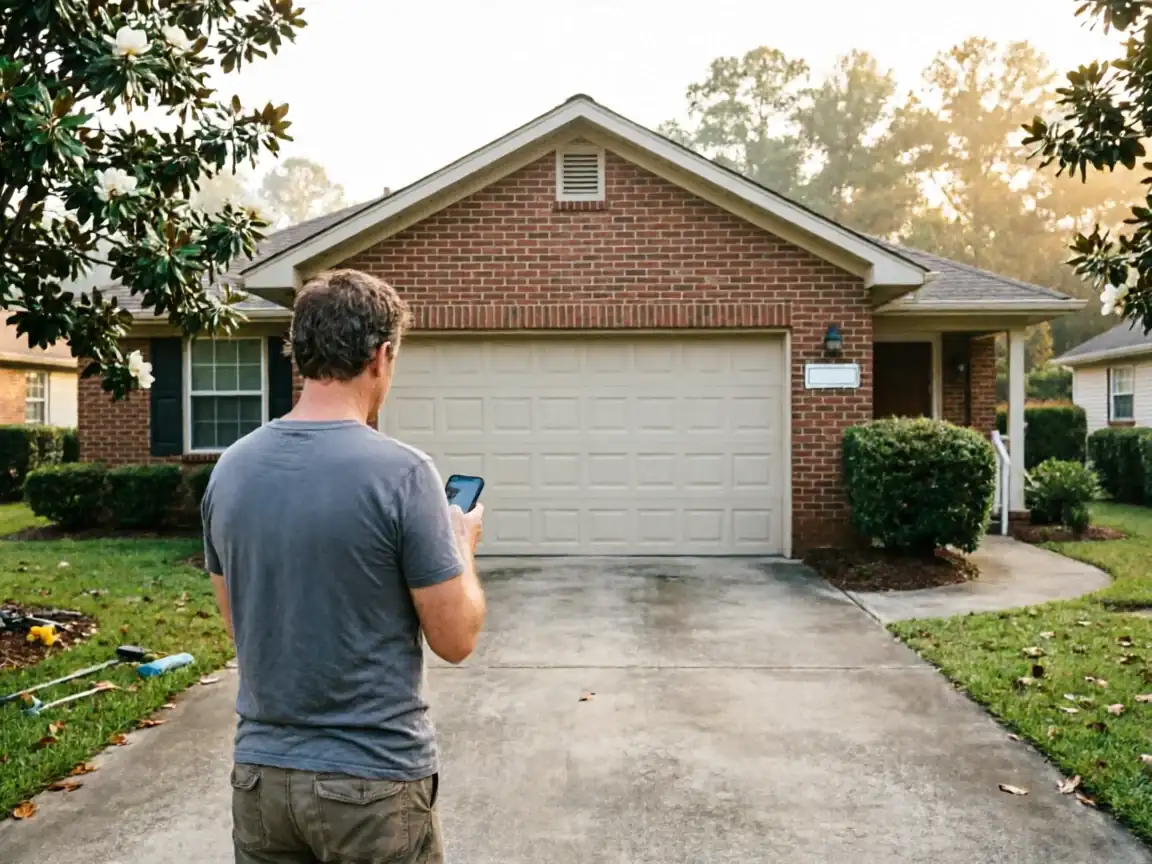
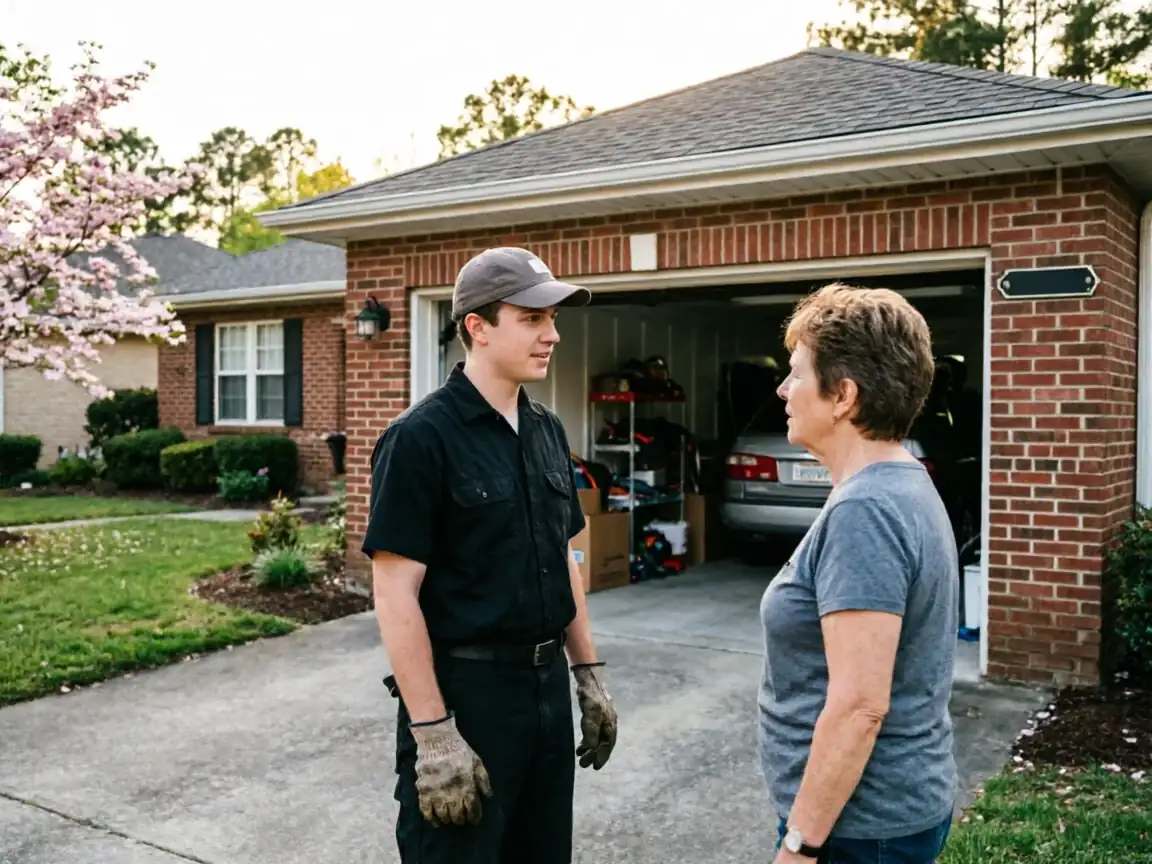
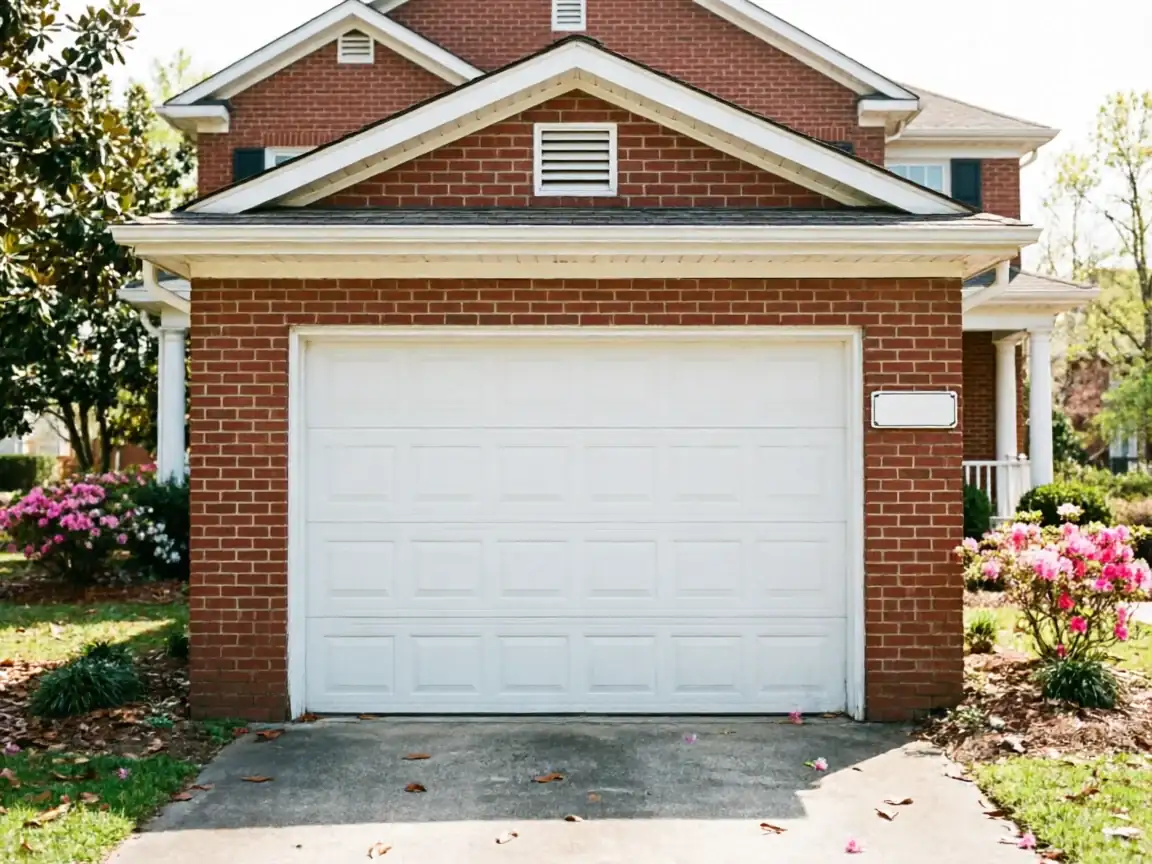
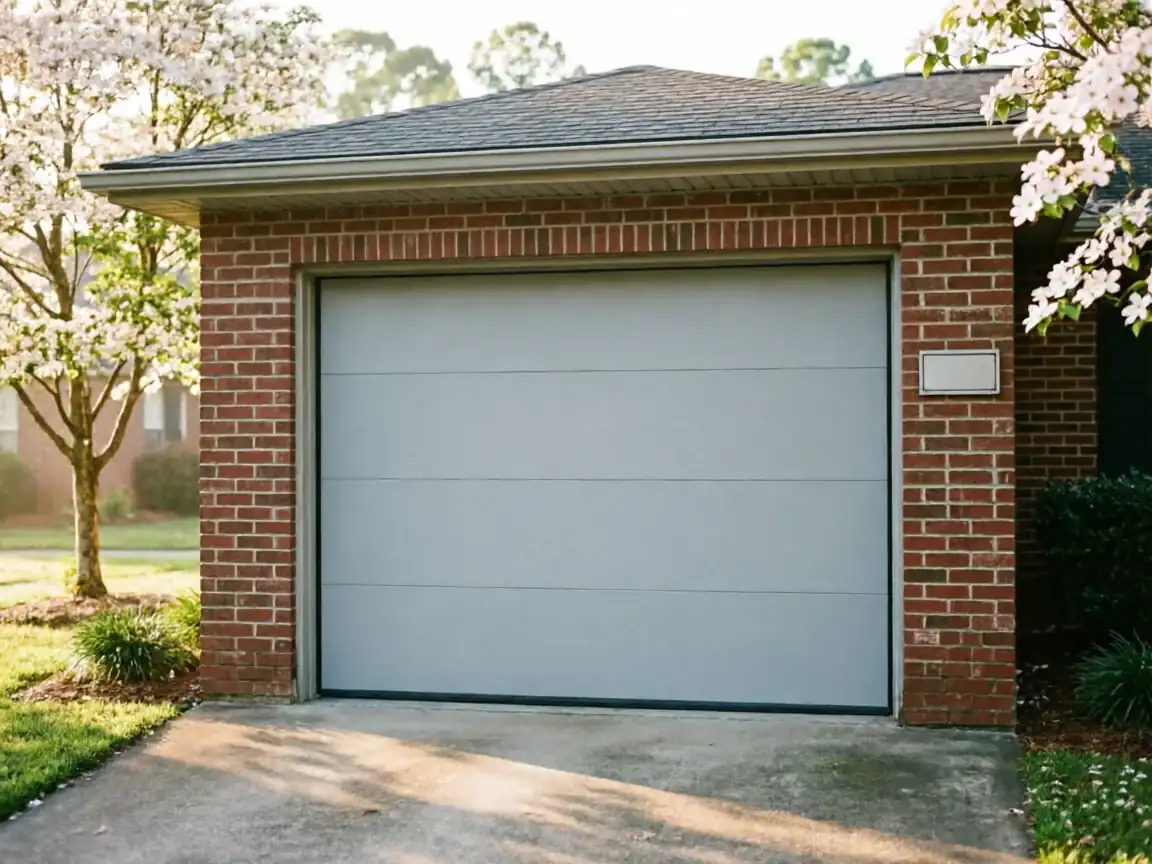
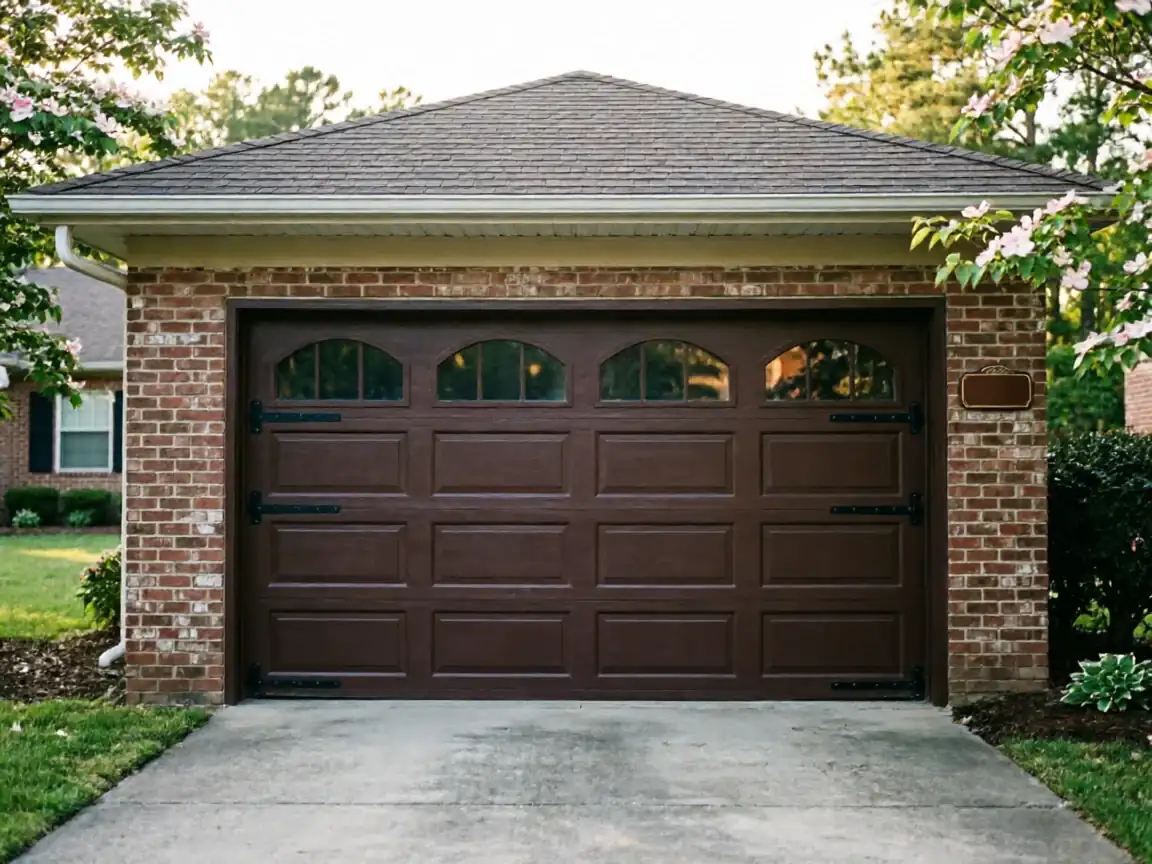
Sugar Hill is about 18 miles from our Roswell shop, and the housing stock out here skews noticeably newer than what we see closer in. Across the wider service area the median build year sits around 1984, but Sugar Hill's median is closer to 2002 - call it fifteen to twenty years younger on average. That gap matters more than it sounds like it should. A door installed in 2002 is almost always a factory steel or composite panel on torsion spring hardware, not the older extension-spring setups or heavier one-piece doors we still run into on the older side of the territory. The failures look different too: on a 2002-era door we're usually chasing a worn nylon roller, a stretched torsion spring that's reaching the end of its cycle count, or a opener logic board that's just old enough to start skipping signals. We're not pulling rusted hinge pins off a door that predates the current opener standards - this stock is young enough that most of what breaks is wear-and-tear, not decades of neglect.
Parts We Carry
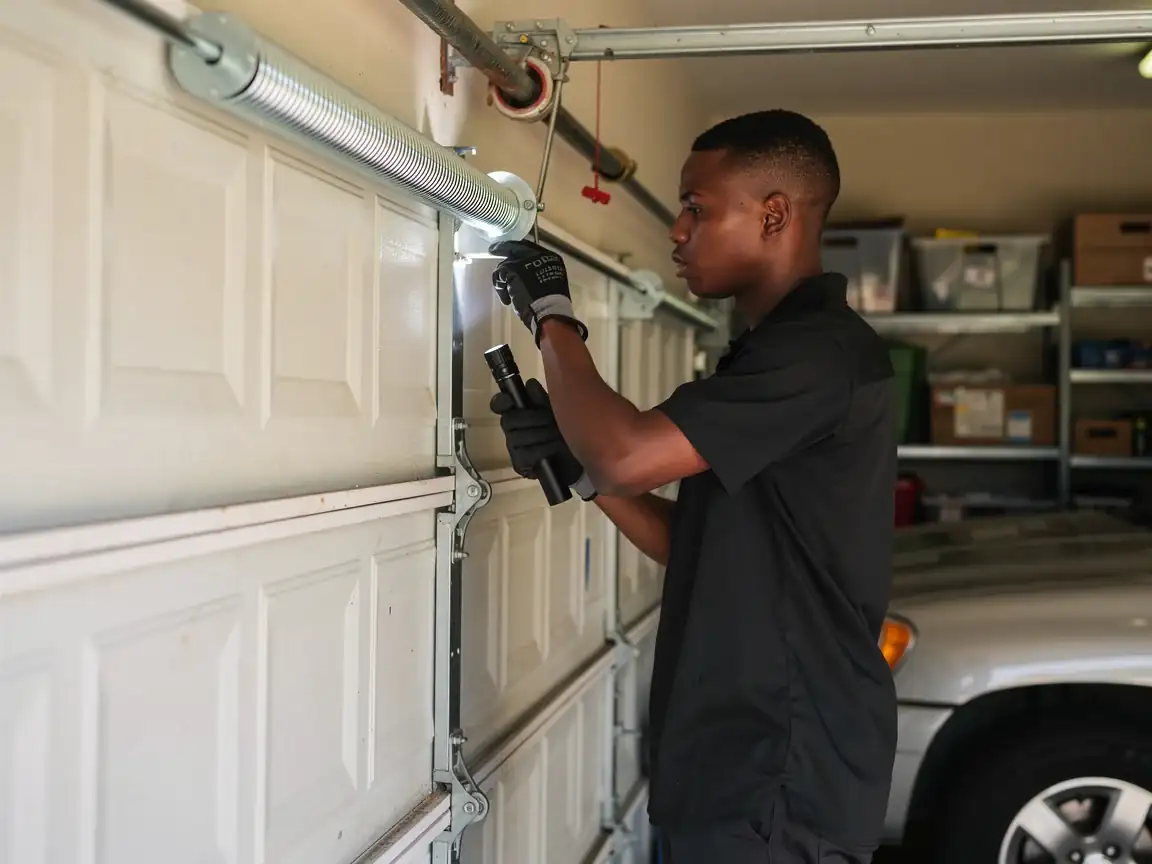
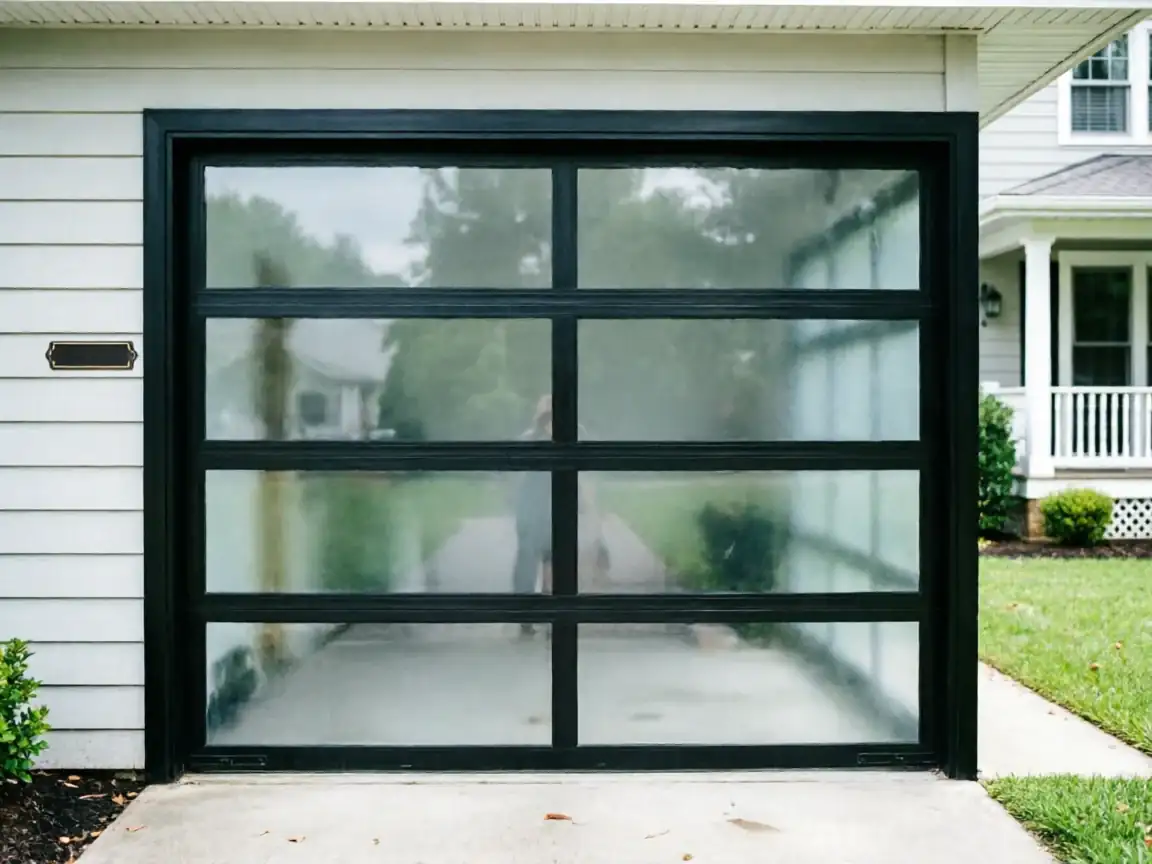
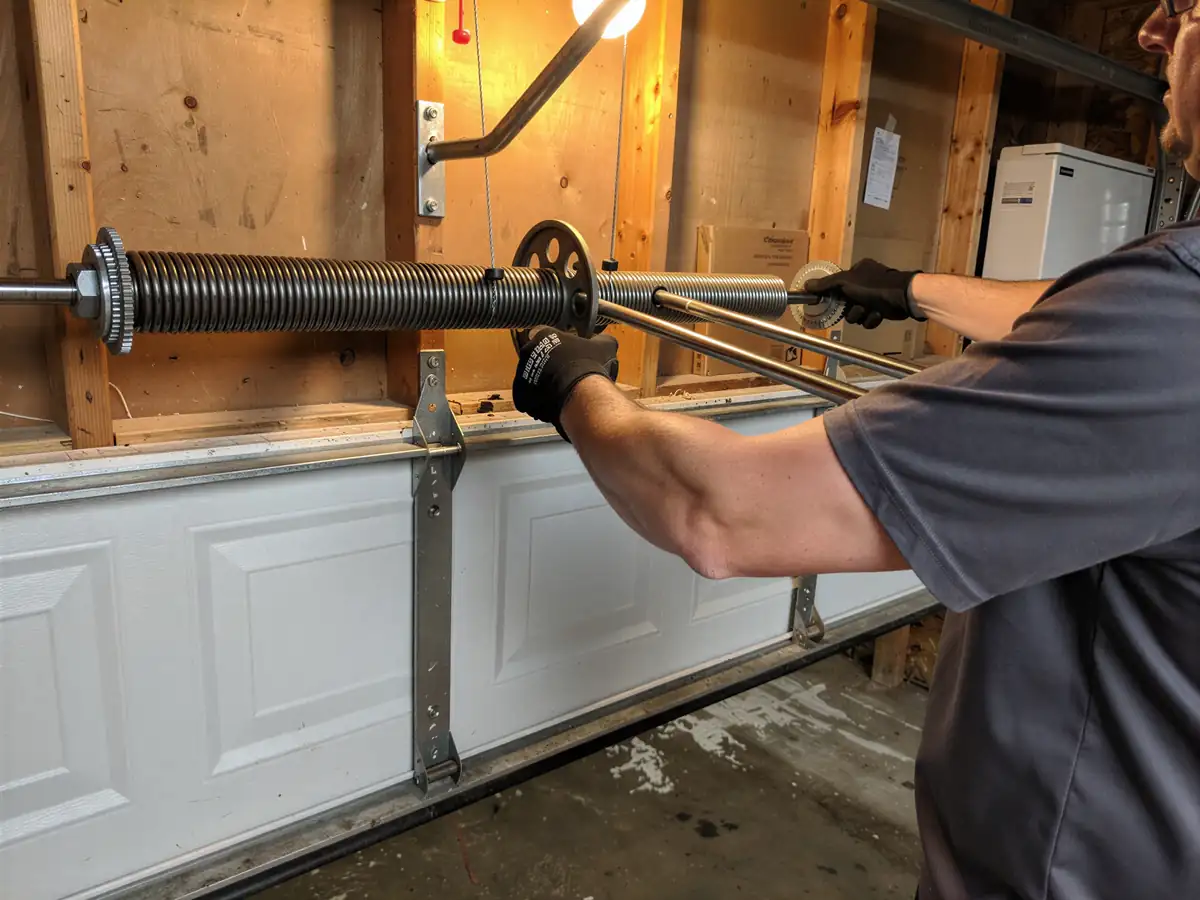
Given the 2002-ish median build year, the torsion springs, steel roller tracks and standard-drive openers that fit that generation of door are what we stock on the truck for this run. That's a different parts mix than what we'd load for a 1960s or 1970s neighborhood closer to Roswell, where extension springs and older low-headroom track setups are still common. We carry both because the service area spans both eras, but for Sugar Hill specifically, the newer torsion hardware and belt or chain-drive opener parts cover the majority of calls. Where we come up short is highly custom work - oversized doors, insulated glass-panel units, or anything requiring a special-order part from the manufacturer. Those we can quote and order, but they won't be a same-visit fix. That's the one honest limit on a mobile service: what's on the truck gets fixed today, what needs a factory part gets scheduled.
What Can Go Wrong
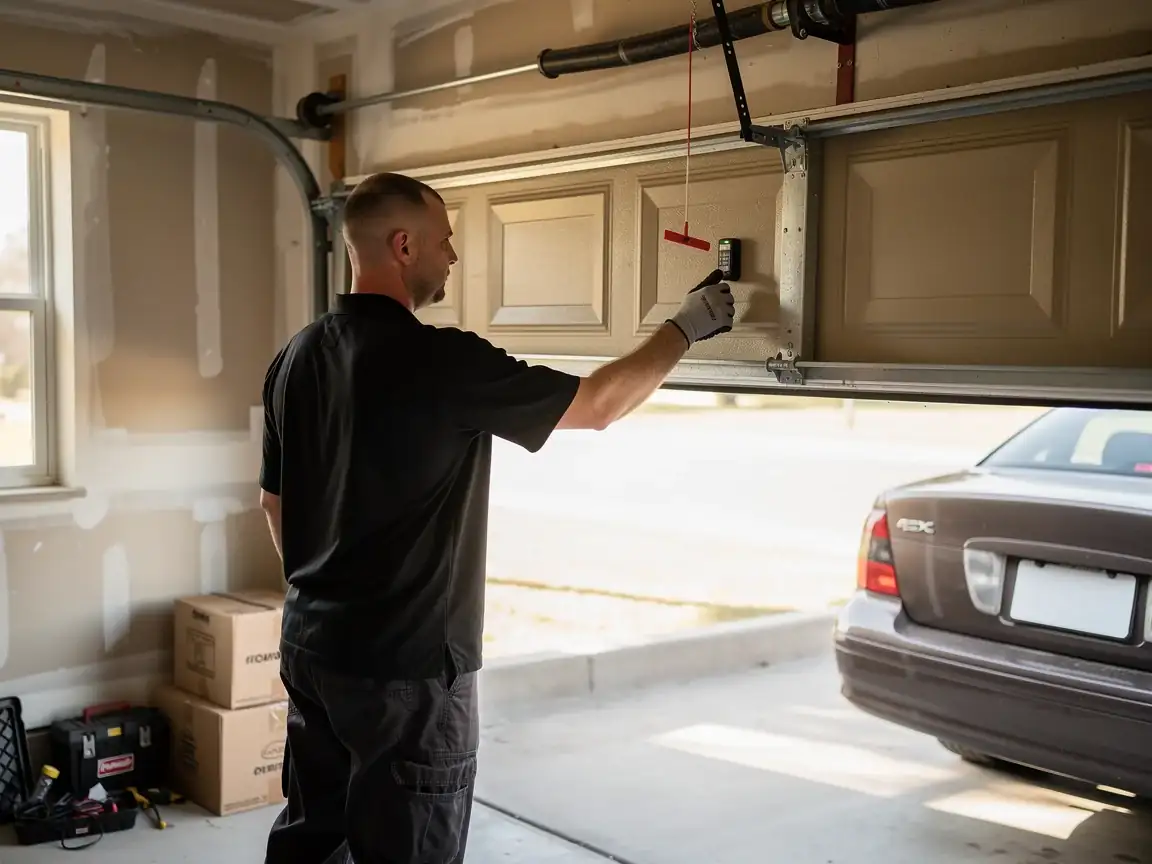
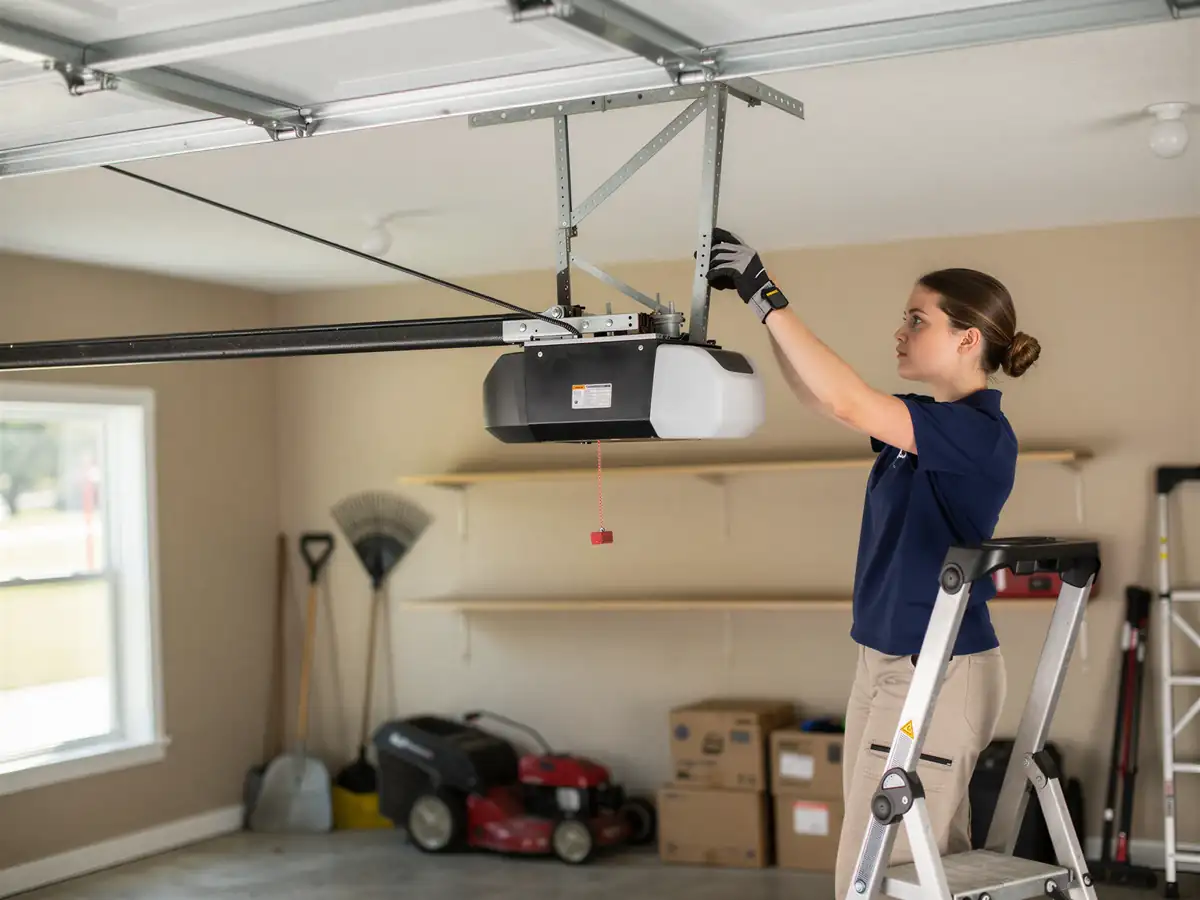
Georgia's winters aren't severe, but the cold-moderate swing we get still stiffens torsion springs and opener lubricant on cold mornings, which is a common cause of the "door won't open on the first try" call. On a door built around 2002, that's usually the first real symptom of the spring reaching the end of its service life rather than a sign of poor installation. We also see a fair number of opener issues - logic boards and safety sensors on openers from that era are old enough to start failing intermittently, especially if the unit has never been replaced. What we don't see much of in Sugar Hill, compared to older parts of the territory, is structural door panel failure from decades of weather exposure; the stock just isn't old enough yet for that to be the main issue.