How It Shows Up
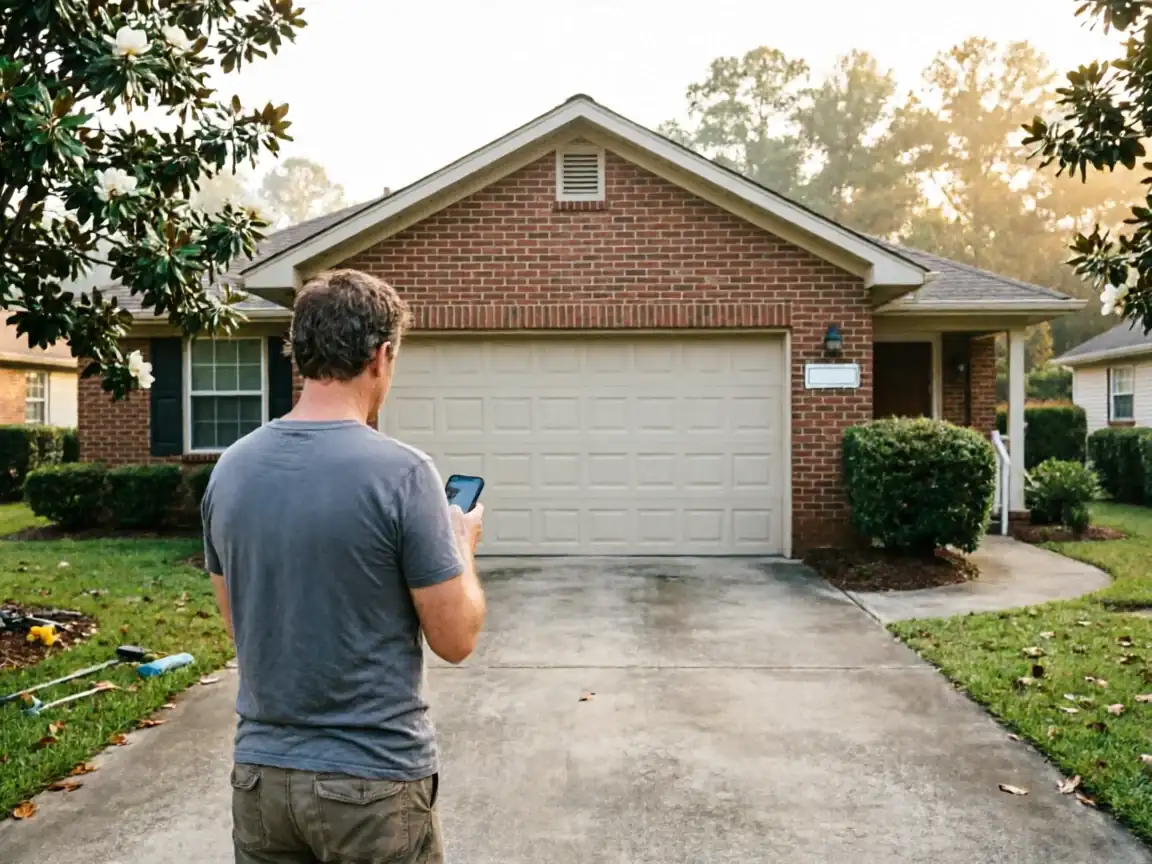
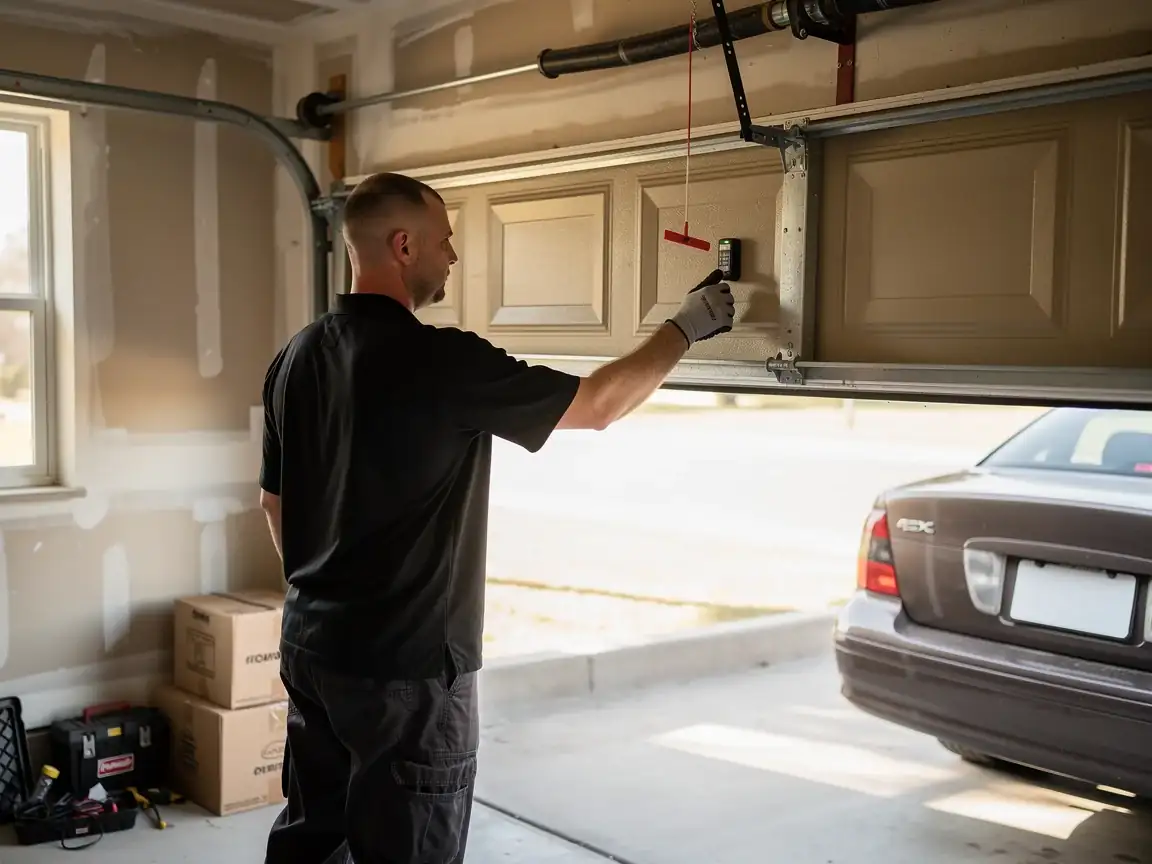
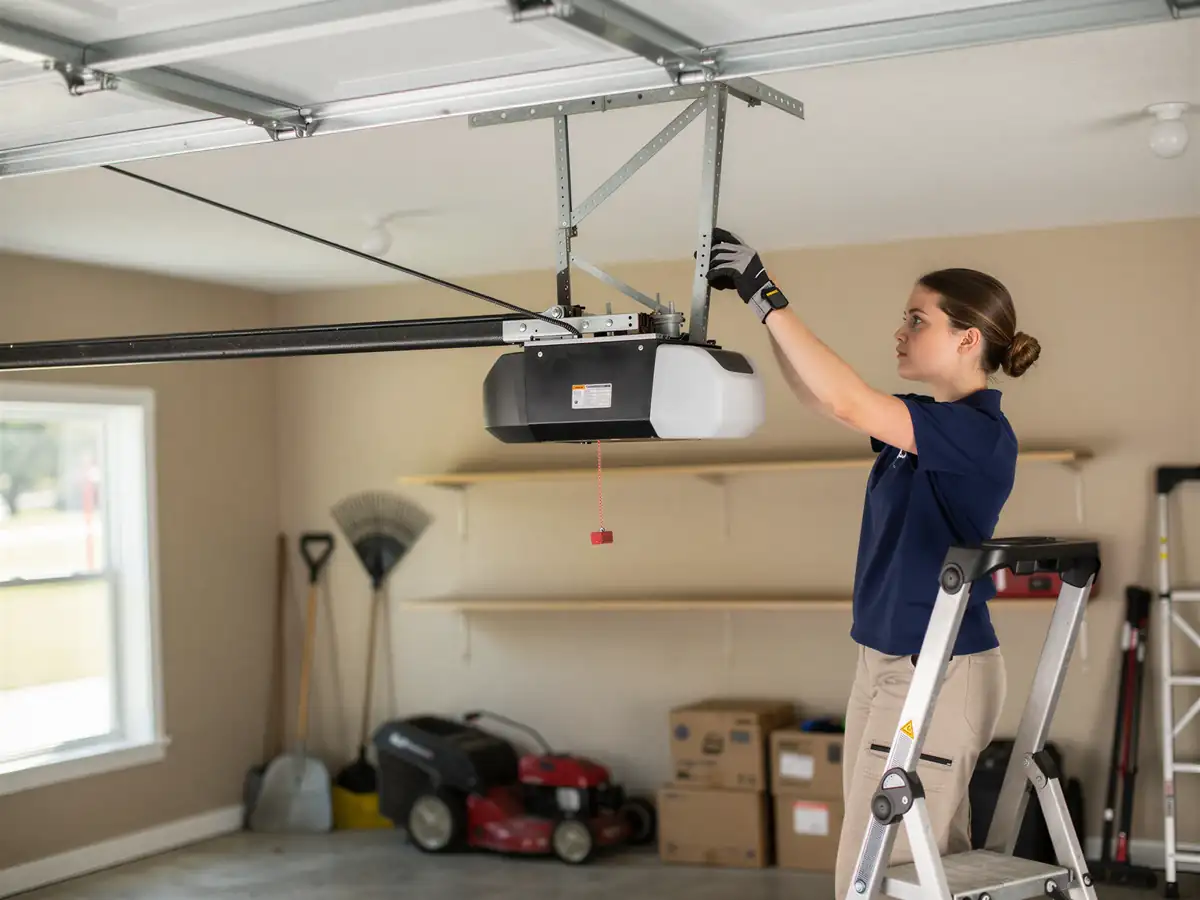
Most houses in Sugar Hill went up around 2002, which puts this neighborhood on the newer end of what we see across the Roswell service area - plenty of homes we work on elsewhere date back to the 1950s through the 1980s. That matters because a door installed in 2002 is now old enough that its original torsion spring has almost certainly already given out once, maybe twice, depending on how many cycles the household runs through a day. What's more likely to still be original is the opener itself. A lot of early-2000s chain-drive units are still bolted to the ceiling doing their job, just slower and louder than they used to be, with safety sensors that have drifted out of alignment over twenty-plus years of nobody touching them. You'll notice it as a door that hesitates before it catches, a remote that needs three tries, or a reversal sensor light that flickers when the sun hits it at a certain angle in the afternoon. None of that means the opener is dead - it means it hasn't been looked at since it went in.
Parts We Carry
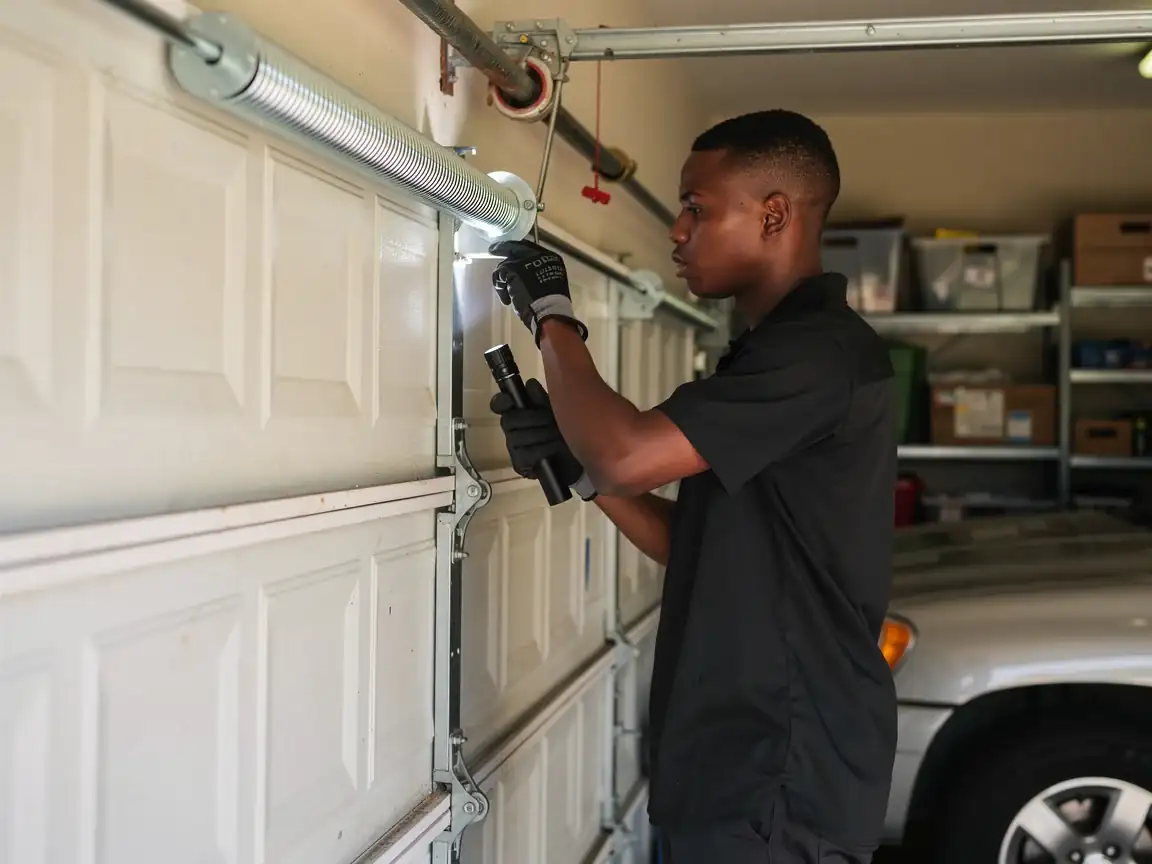
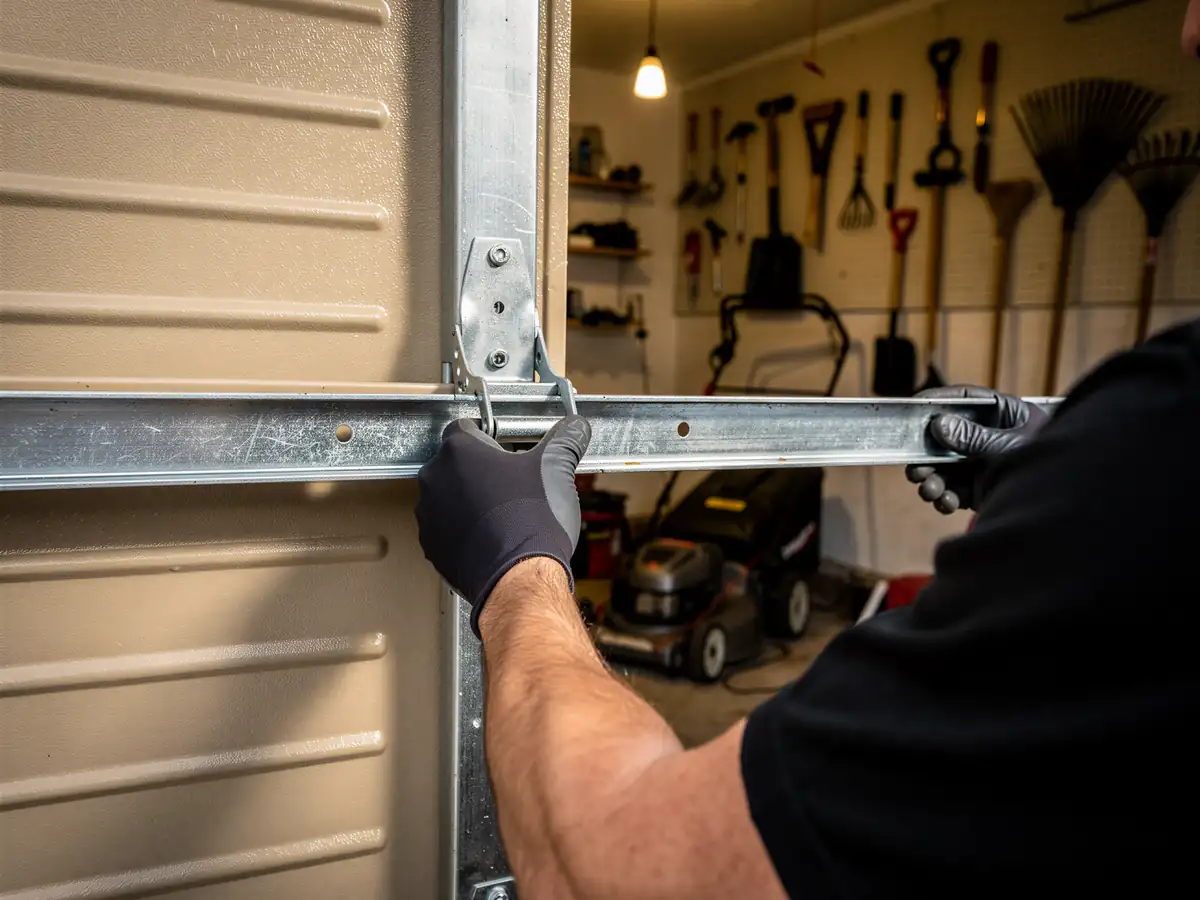
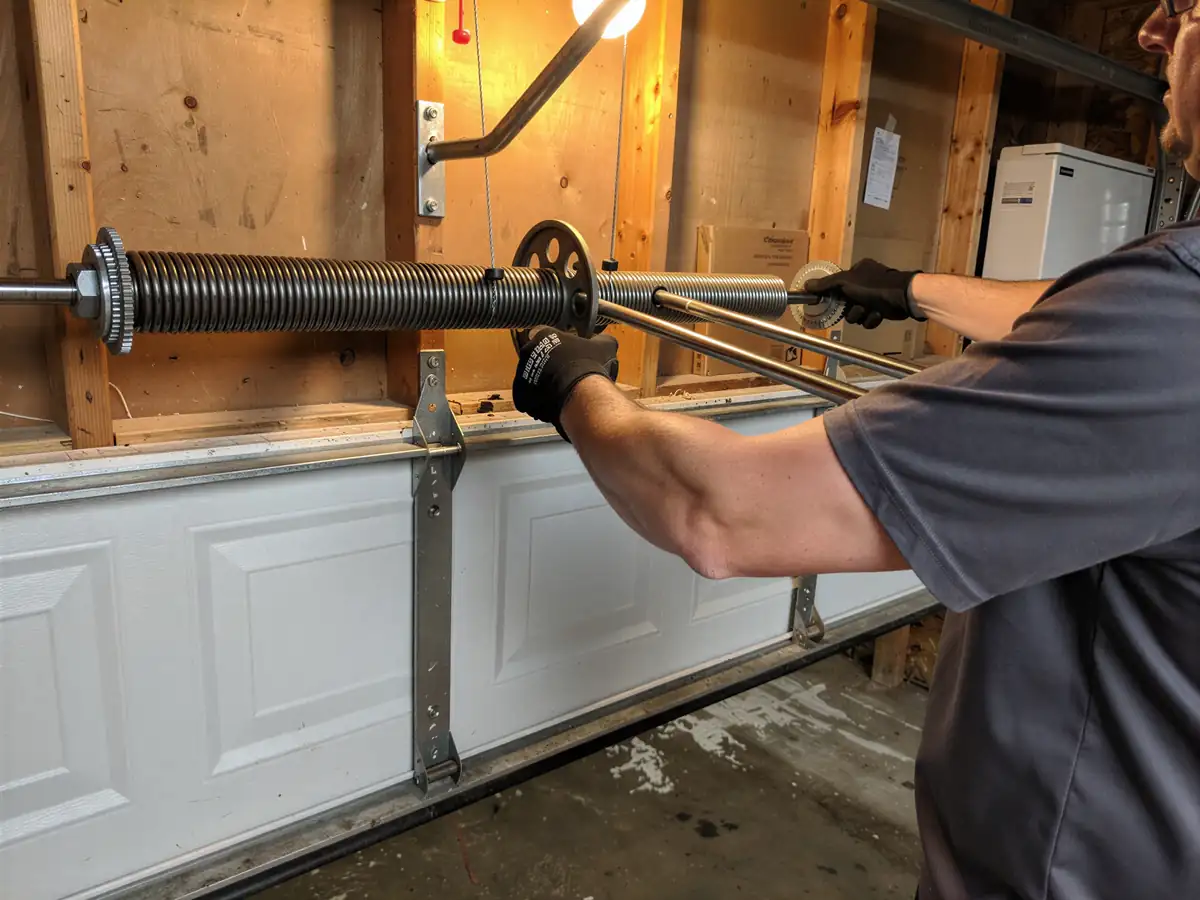
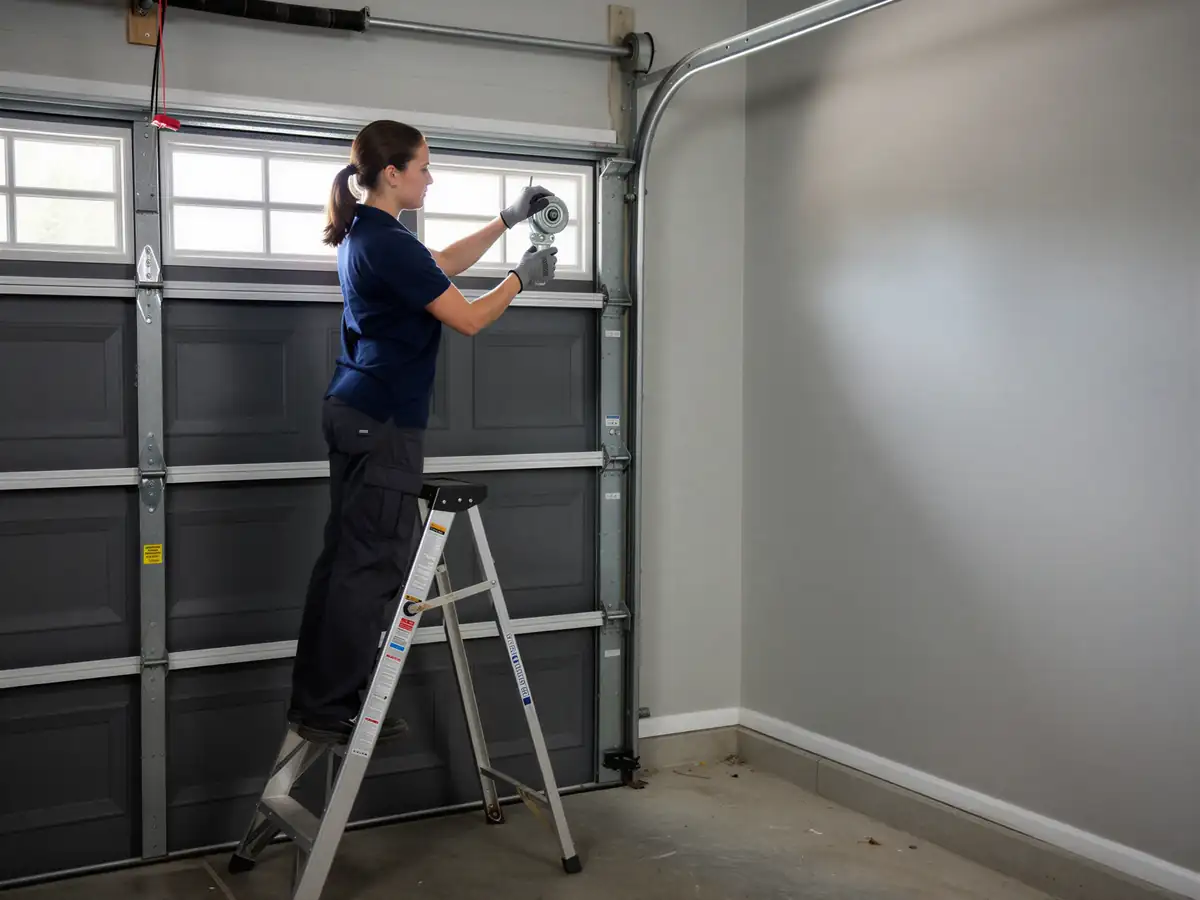
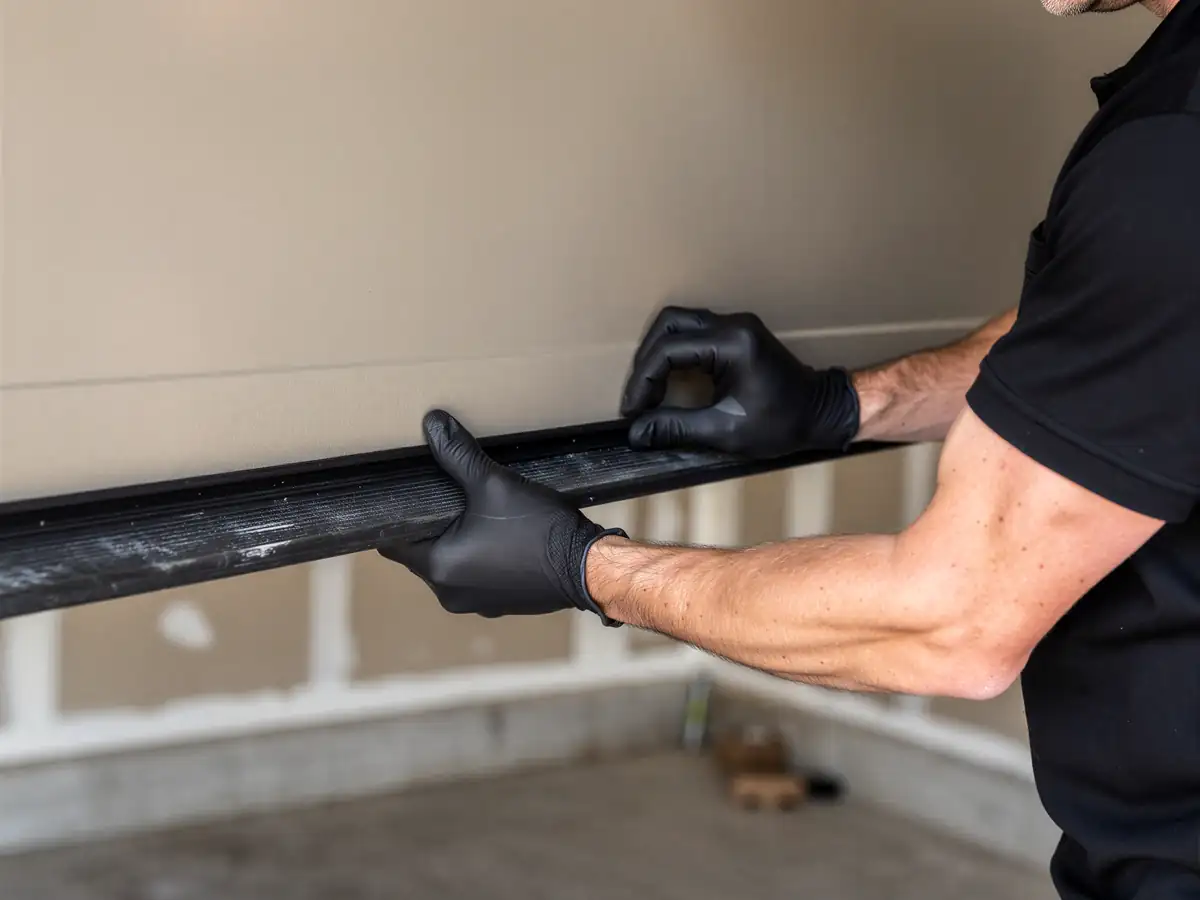
For doors from this build era, the common swaps are a torsion spring sized to the door's weight and cycle count, nylon rollers to replace the steel ones that came standard in the early 2000s, and replacement photo-eye sensors when the originals have corroded or drifted. We carry standard spring sizes and sensor units on the truck for these jobs since they fit the vast majority of doors from this period. What we don't stock is anything proprietary to a specific opener brand's smart-home retrofit kit - those are special order, and if your opener needs one we'll tell you the lead time before we start rather than after. Cable and track hardware is also truck stock for standard residential doors; anything oversized or custom gets ordered.
What Can Go Wrong
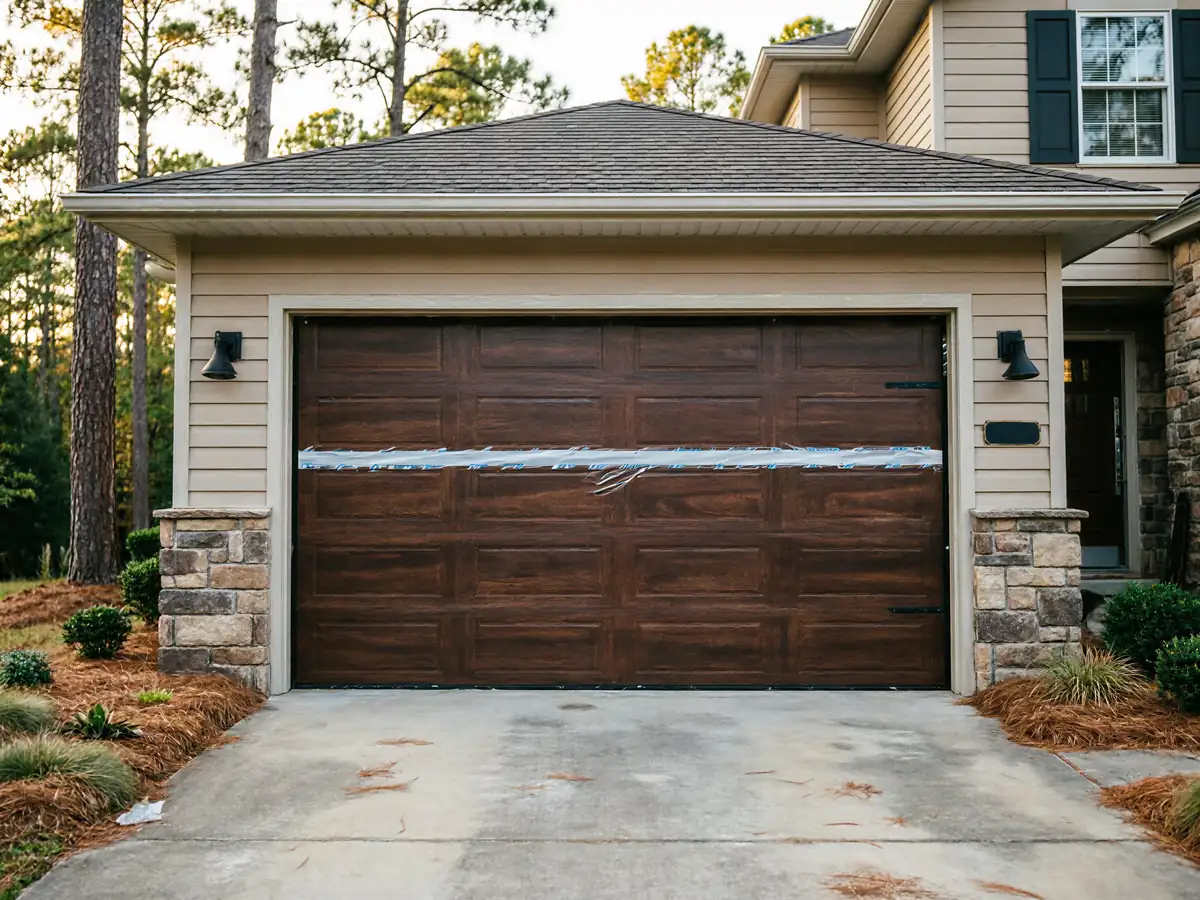
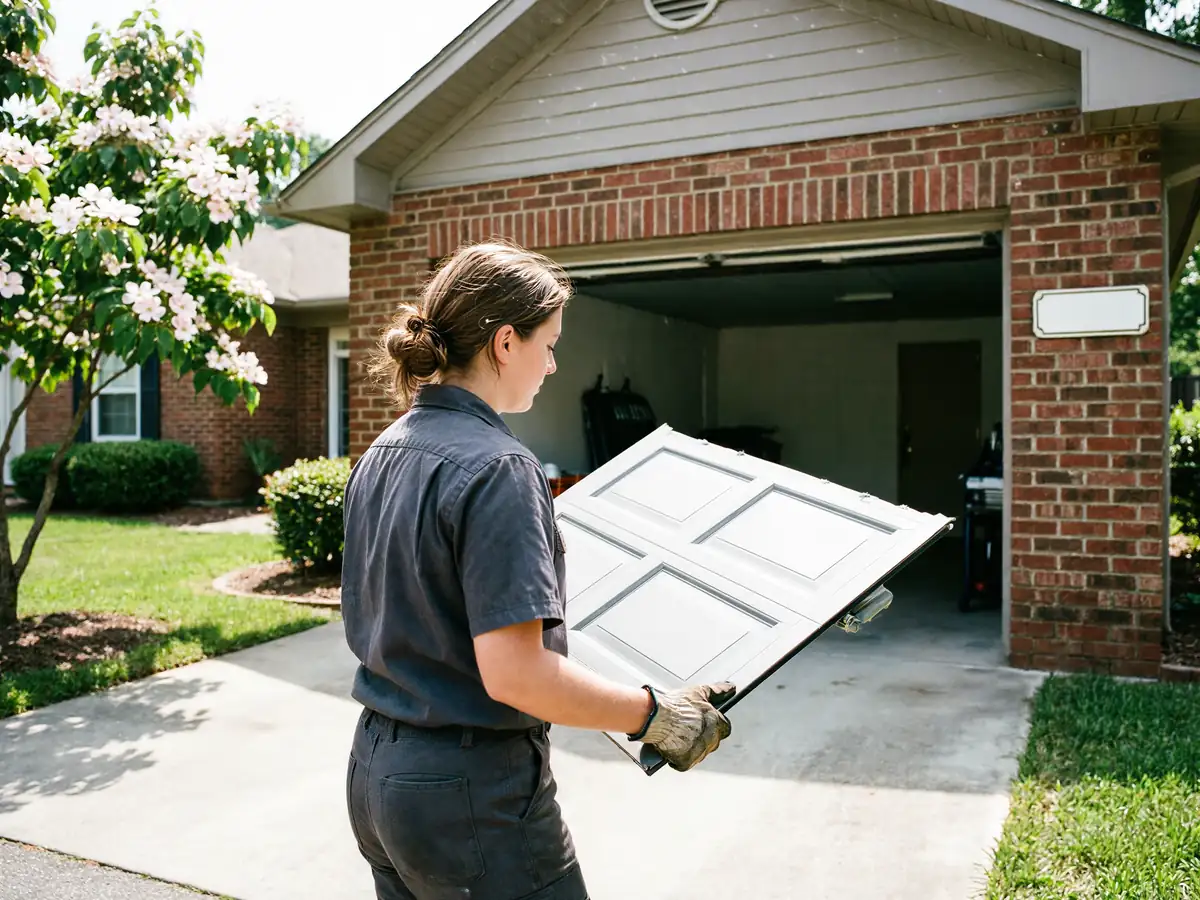
The Roswell service area sits in a cold-moderate climate band, and freeze-thaw cycling through the winter months is hard on anything metal that flexes - springs, hinges, and track bolts all lose a little tension or alignment every season. On a door that's over twenty years old and hasn't had a tune-up, that slow drift adds up to a spring that snaps without warning or a track that's pulled slightly out of square. The other failure we see on this era of door is opener-side: capacitors and gears in a chain-drive unit from the early 2000s wear out gradually, so the door gets slower and noisier for months before it actually fails. Catching that early with a tune-up is cheaper than replacing a dead opener. One thing we won't do is talk you into replacing a door that just needs adjustment - if the panel and track are sound, a spring and roller service is the right call, not a new installation.