How It Shows Up
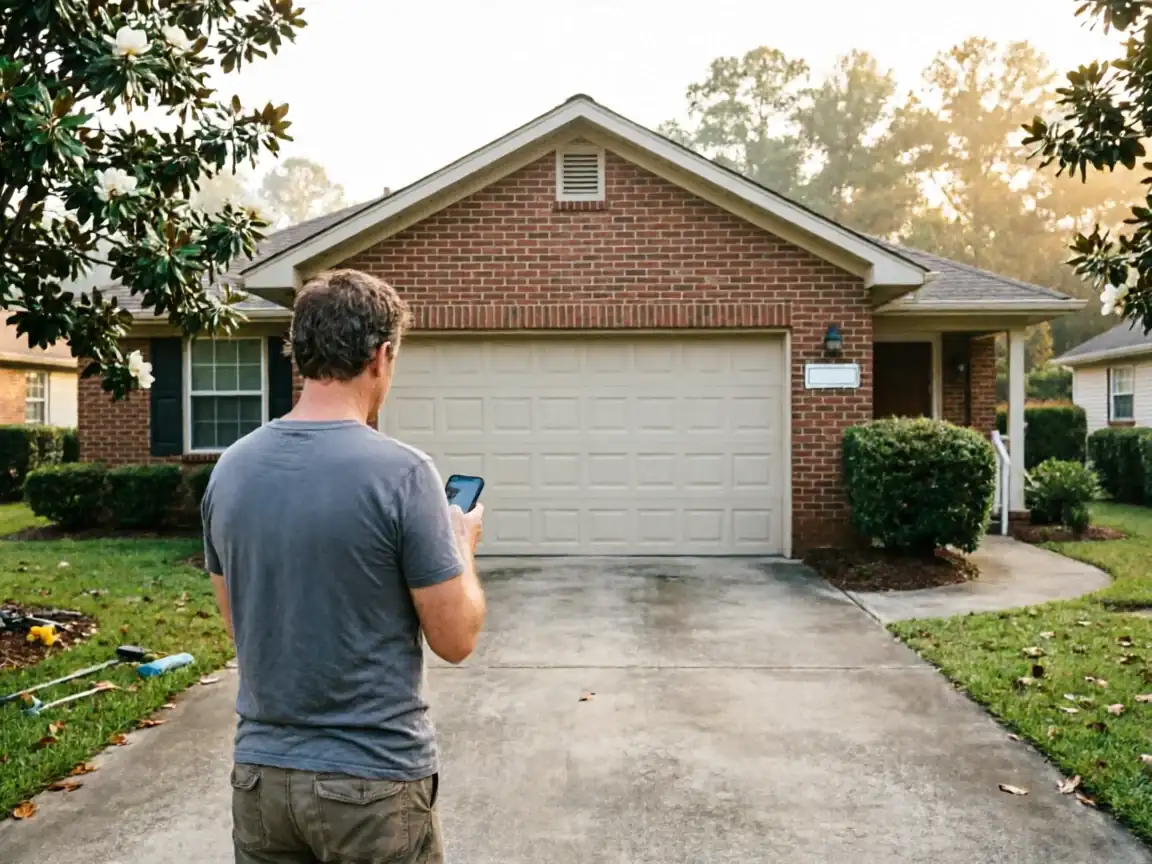
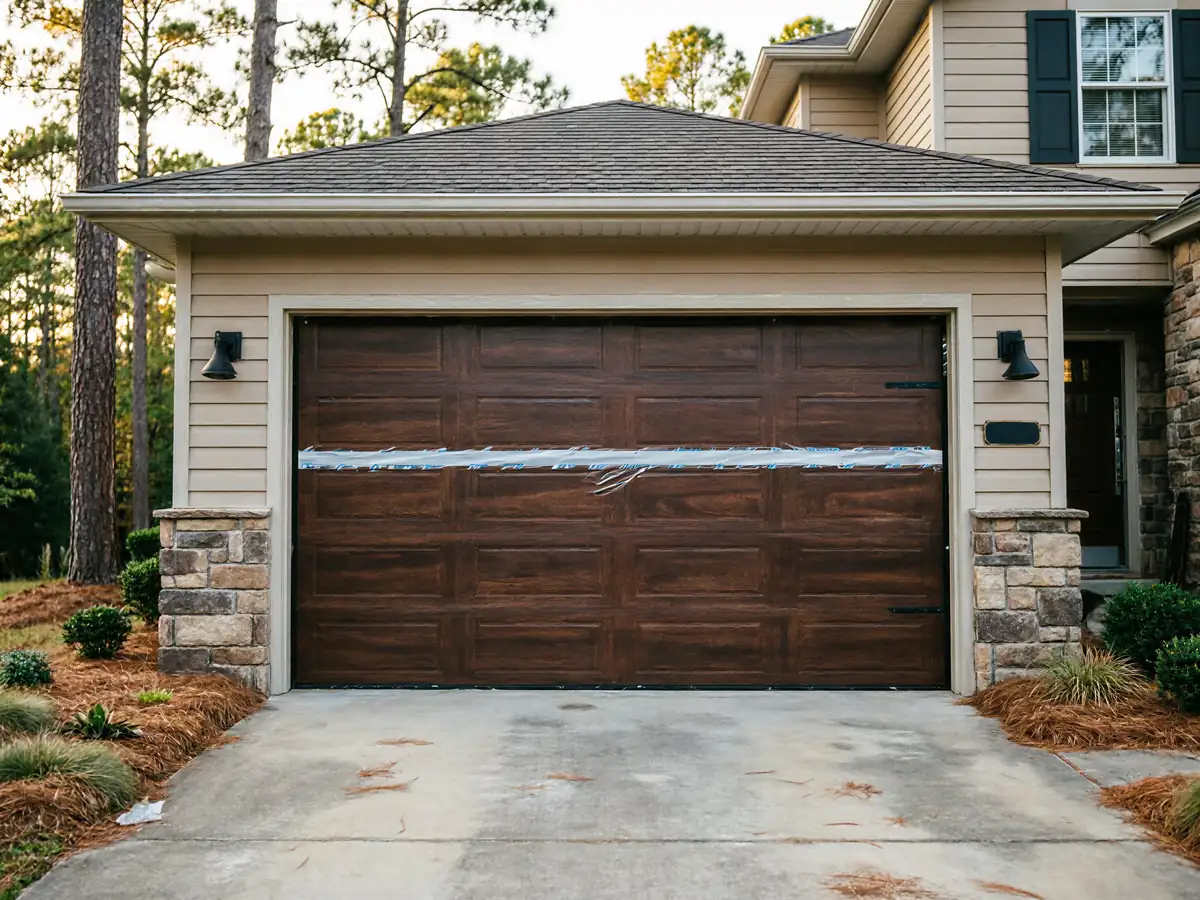
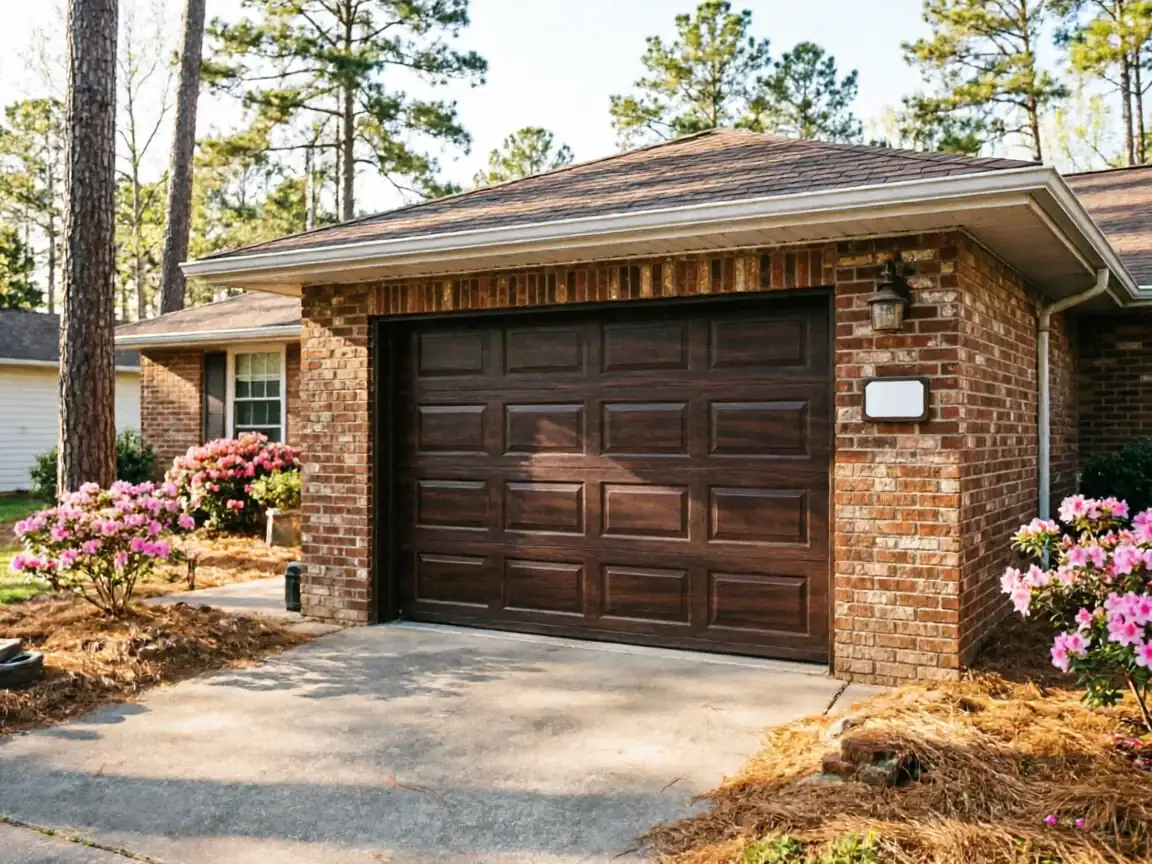
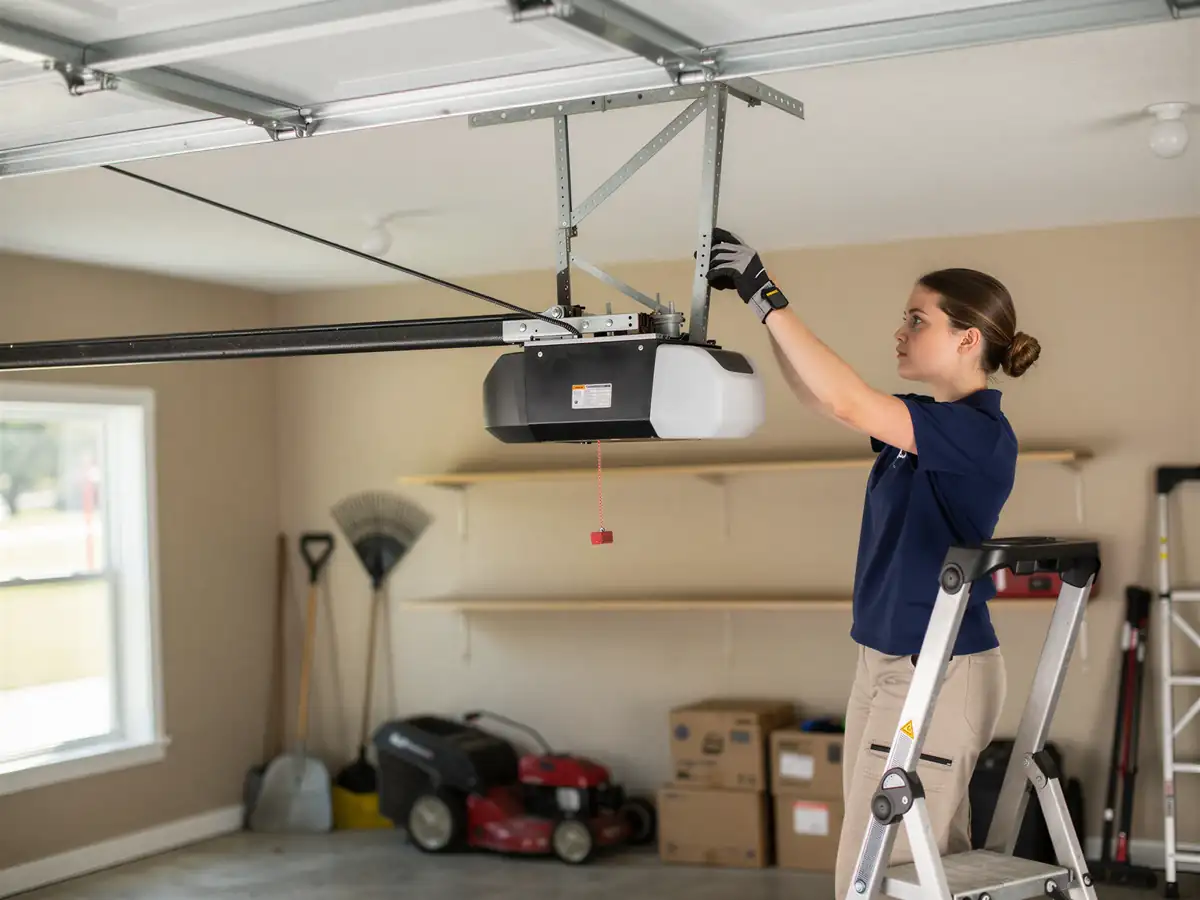
Sugar Hill is a smaller piece of our coverage area, with about 8,545 households compared to the 139,077 spread across the full territory we run. That size matters because it means fewer houses, but also a tighter range of ages - most of what we see here was built around 2002, newer than the 1984 median across the wider area we serve. A door from that era is almost always on a standard torsion system with factory-spec spring cycle ratings, not the older extension-spring setups you find in 1960s and 70s stock closer to the center of the metro. When a spring goes in a house this age, it's usually straight fatigue - the spring did its 10,000 cycles and it's done, not a sign the door was ever wrong for the house. You'll hear the door bang down the last foot, or the opener strains and groans before it gives up halfway open. Some owners notice the garage feels heavier to lift by hand days before the spring actually snaps, because it's already losing tension. That's the window to call before the cable jumps the drum or the door comes down hard enough to crack a panel.
Parts We Carry
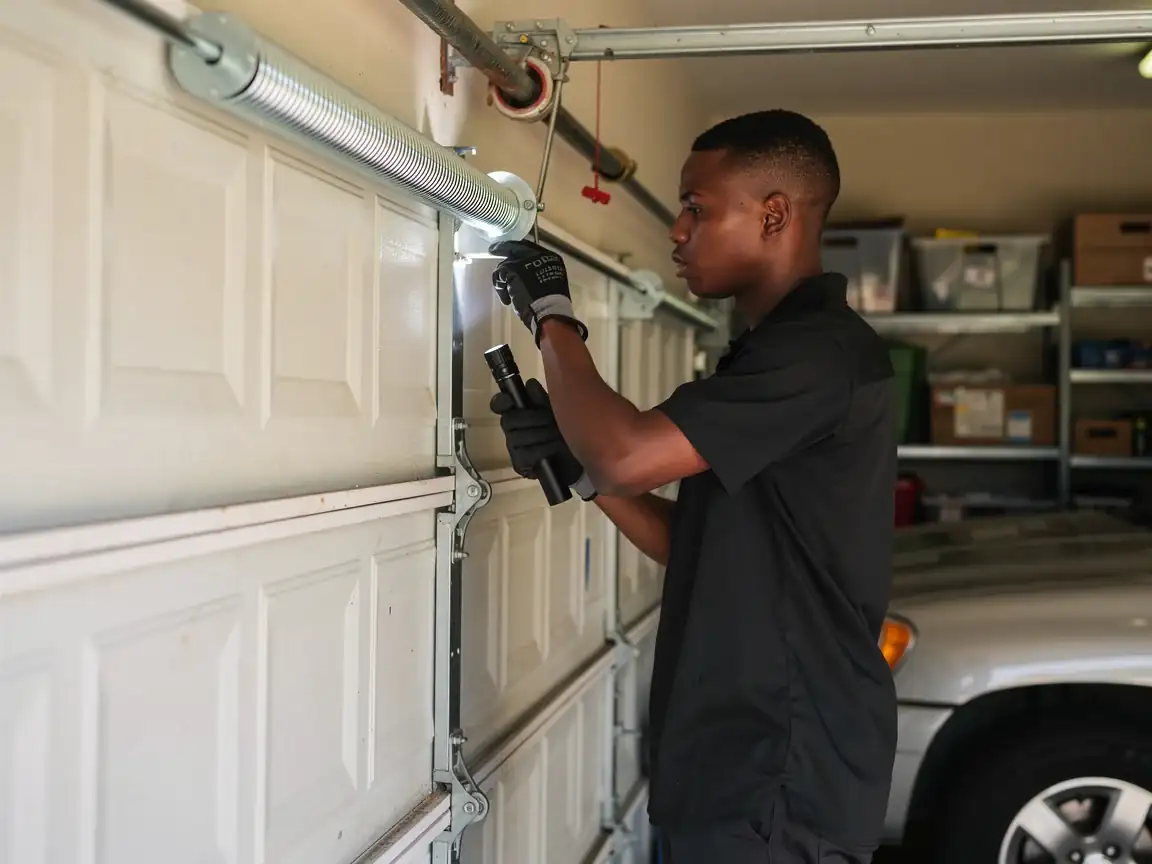
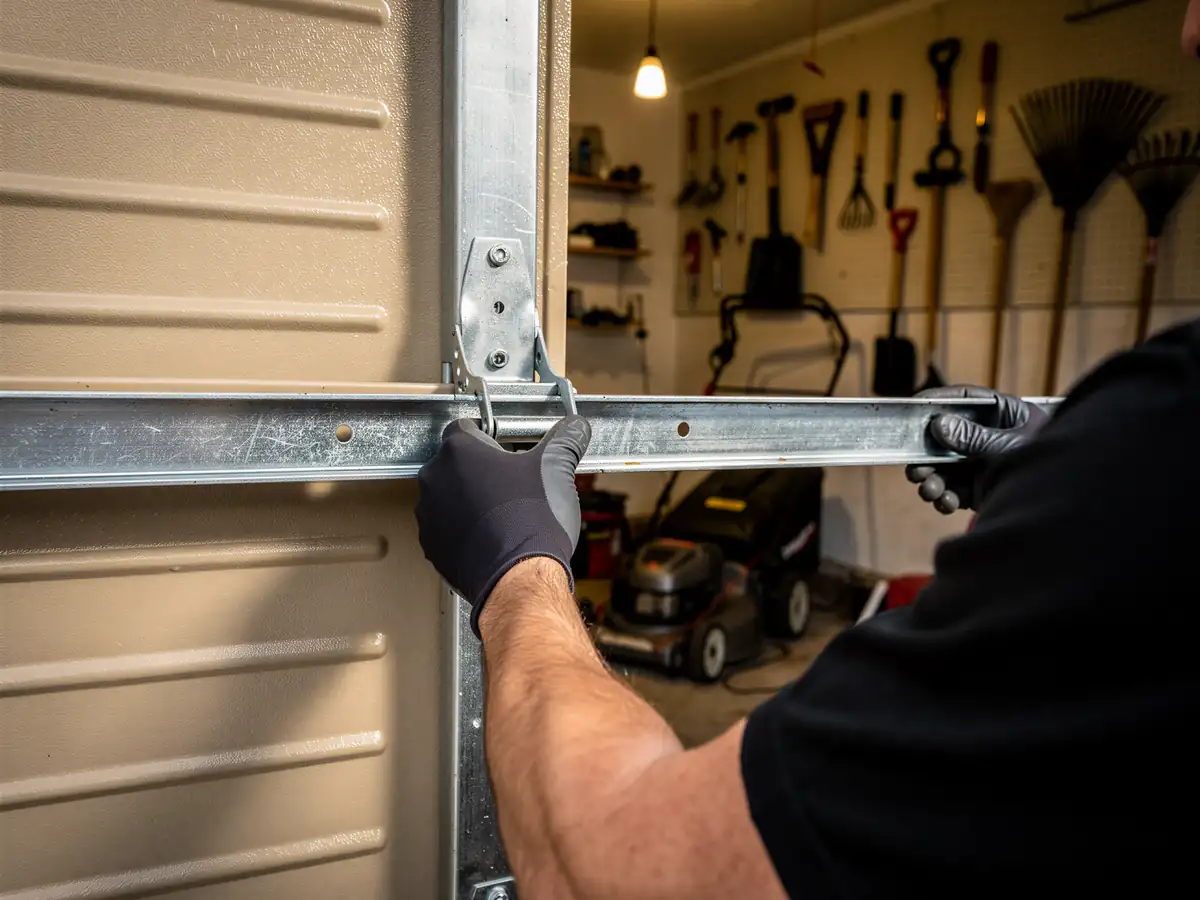
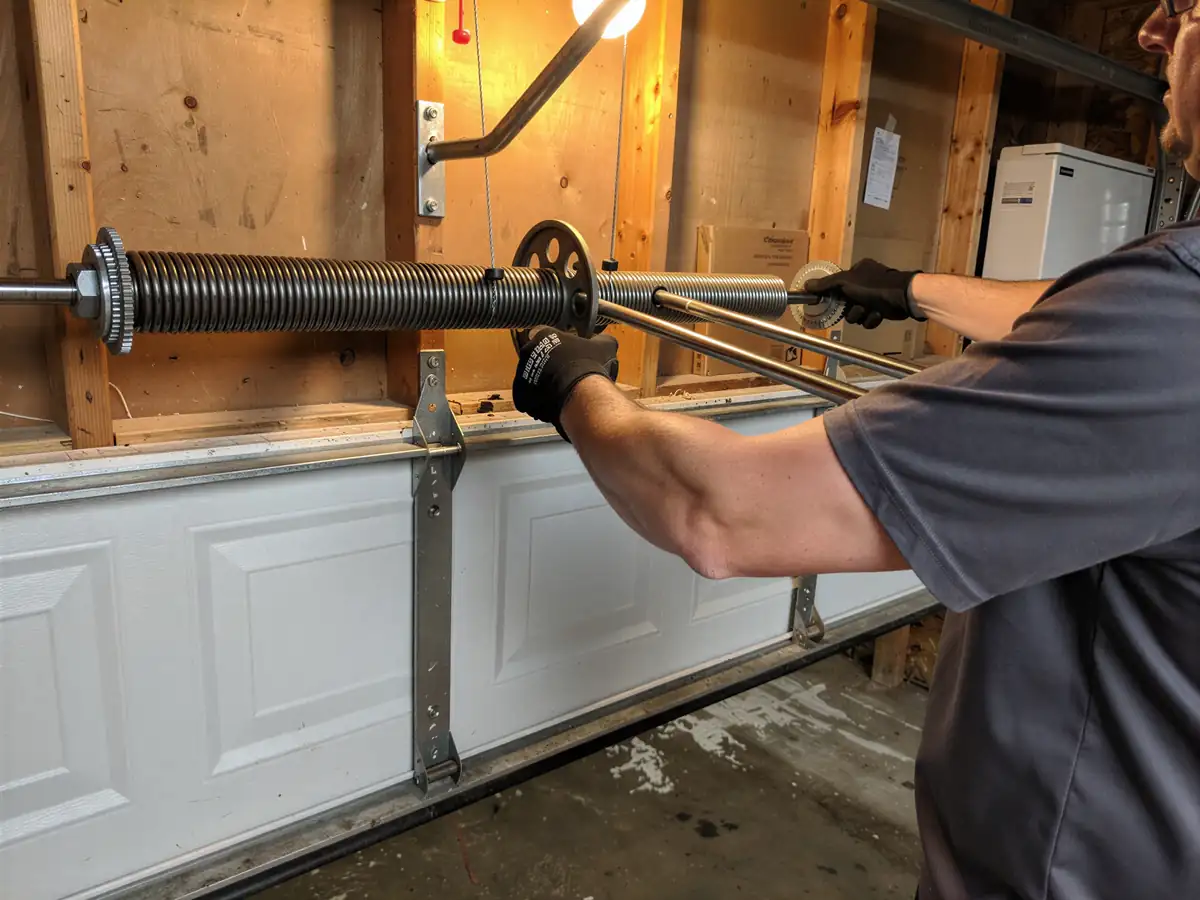
For houses built around the early 2000s, the torsion springs are usually sized to match a door in the 7-foot or 8-foot height range on steel sectional doors, and that's the bulk of what we stock on the truck. We carry matched pairs for double doors, since replacing only the broken spring on a two-spring system just means the second one goes within months - it's worn the same amount even if it hasn't failed yet. We also carry standard torsion drums, cables, and end bearing plates, since those often need replacing at the same time a spring lets go, especially if the door was dropped hard before the call came in. What we don't stock is anything built for the heavier extension-spring doors you'd find on much older homes elsewhere in the area - those jobs sometimes need us to order a part, and we'll tell you that before we start, not after.
What Can Go Wrong
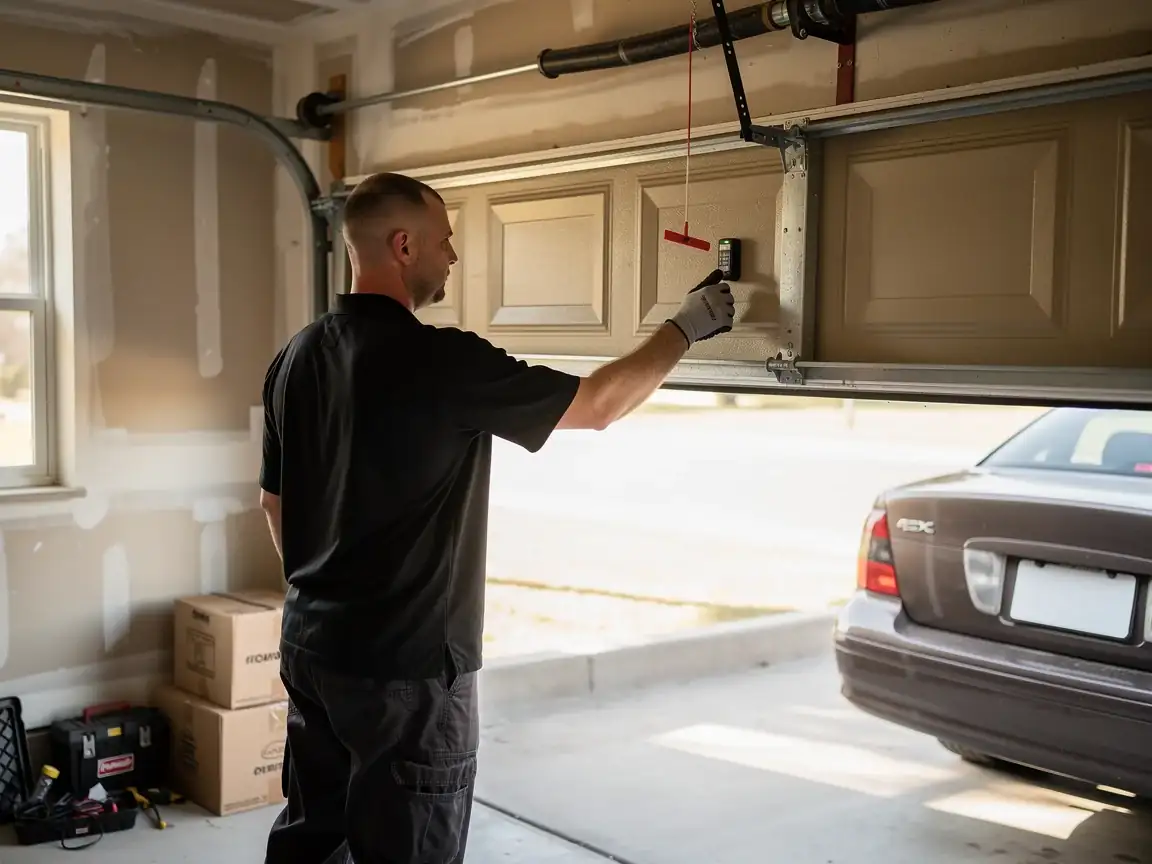
The climate here runs cold-moderate, not the deep-freeze cycling that cracks metal in harsher regions, so spring failure in Sugar Hill is driven mostly by cycle count and install quality, not weather stress. A spring wound to the wrong tension at installation - slightly under or over the door's actual weight - wears faster than one set correctly, and on a newer house that usually means a factory or original-builder spring that was never quite right from day one. The other failure mode we see on 2000s-era doors is a cable that frays at the drum from years of a slightly misaligned track, which can snap at the same time as the spring and make the job look worse than a straight spring swap. Household income in Sugar Hill runs higher than the wider area average, and we mention that only because it tends to mean owners replace both springs and upgrade cable and hardware together rather than patching one part and waiting on the next failure.