How It Shows Up
Sugar Hill sits 18 miles from our shop in Roswell, which is far enough that we schedule roller jobs here in a block rather than running out for a single door on short notice. That drive shapes how the work gets booked, not how it gets done once we're on site.
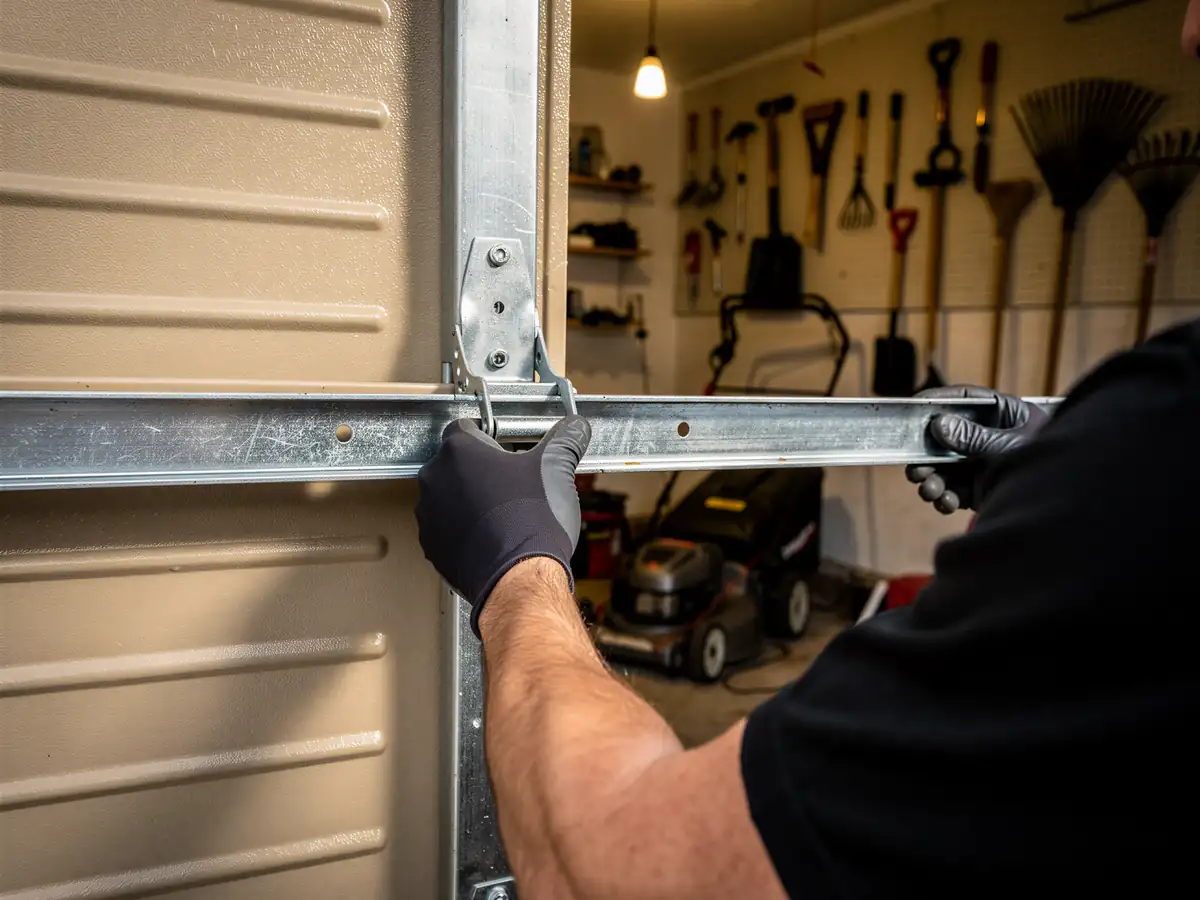
What we see on these doors is tied to when the neighborhood went up. Sugar Hill's housing stock runs newer than a lot of what we service closer to home - median build year here is 2002, well past the 1951-2007 span (median 1984) that covers the wider area. That means standard steel rollers on galvanized track, usually the builder-grade 7-ball rollers that come stock on a door when a house is framed. They're fine for the first decade. By year fifteen to twenty, the stem wears, the roller face flattens on one side, and the door starts to shudder going up instead of gliding.
On a 2002-era door, that wear point lands right about now. If your door grinds, hesitates at the same spot in the track every time, or you can see daylight between the roller and the track wall when it's open, that's roller wear, not an opener problem.
Getting It Booked In
Because Sugar Hill is an 18-mile run from Roswell, we don't carry a crew here on standby
We route a truck out for scheduled work and bundle it with other calls in the area when we can. That keeps the job itself unrushed; we're not trying to beat traffic back across town mid-repair.
When you call, tell us the rough age of the house and what the door's doing
Grinding, catching, or just loud. That's usually enough for us to guess whether it's a full roller set or a bent track section paired with worn rollers, and to bring the right stock on the truck the first trip instead of a second one.
Parts We Carry
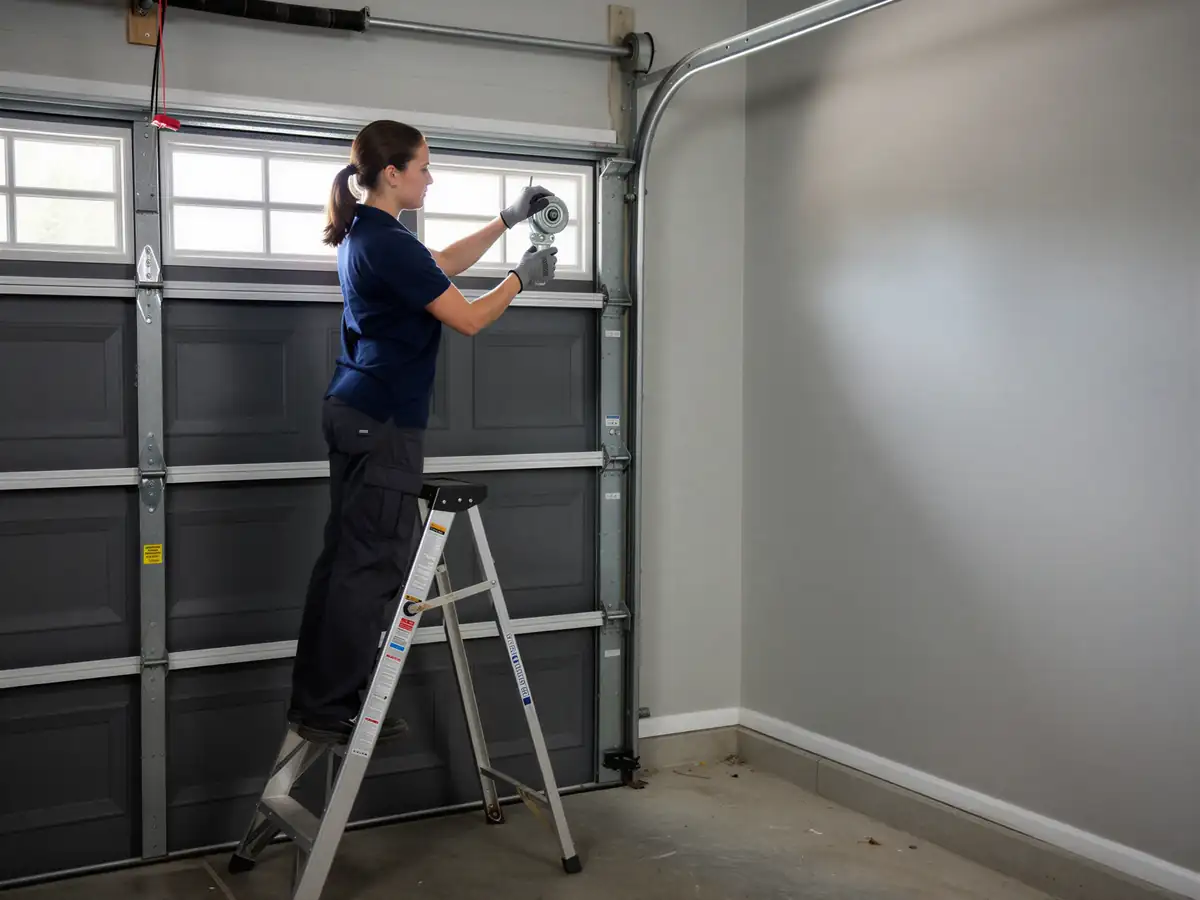
For doors from Sugar Hill's main building era - early 2000s through the mid-2000s - we stock both steel and nylon rollers. Steel is what most of these doors shipped with: cheap, loud, and the first thing to fail. Nylon ball-bearing rollers cost more per roller but run quieter and last several times longer, which matters if the door sits under a bedroom like a lot of two-story plans from that period do.
We carry 7-ball and 10-ball stems in both materials, plus the short-stem versions some tighter-radius tracks need. We don't stock every obscure stem length on the truck - if a door's track geometry is unusual, we may need a day to get the right stem in before we finish the job.
What Can Go Wrong
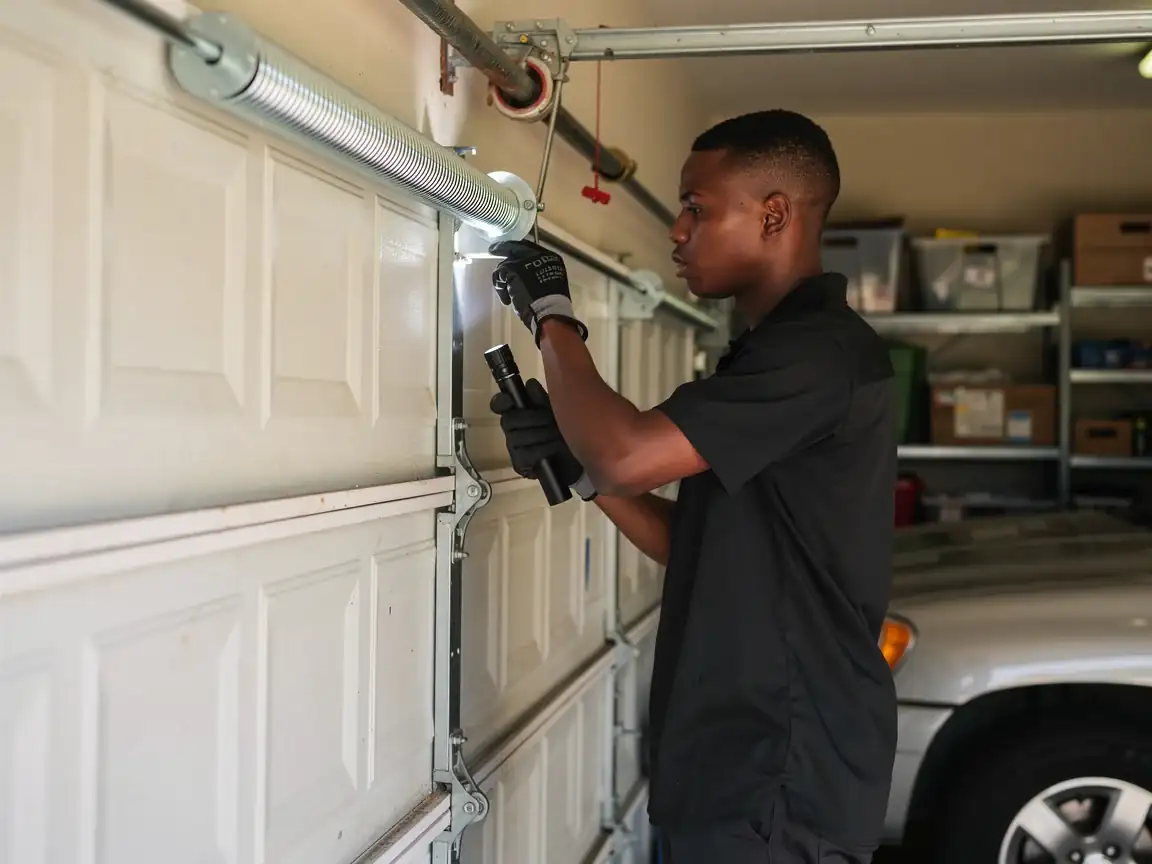
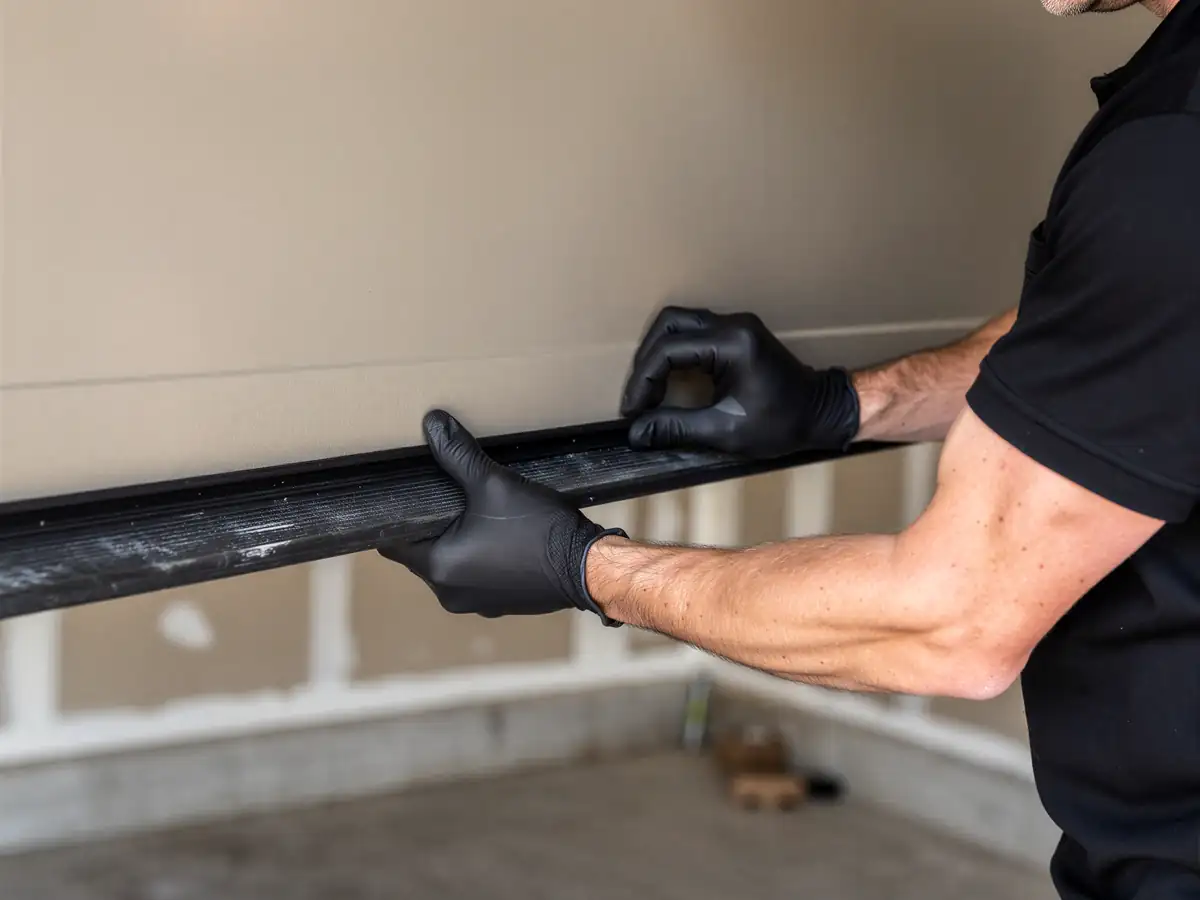
A worn roller rarely travels alone. On a door from the early 2000s, 15-20 years of a flat-faced roller grinding against galvanized track usually means the track itself has worn a groove or picked up a burr, and that burr will chew through a brand-new roller fast if we don't address it. We check the track every time we replace rollers - not as an upsell, just because putting new rollers in old damaged track is a callback waiting to happen.
The other failure we catch in this age bracket: a bottom roller bracket that's bent from years of a slightly misaligned door. That's a quick fix alongside roller work, but it's easy to miss if you're only looking at the rollers themselves.