Parts We Carry
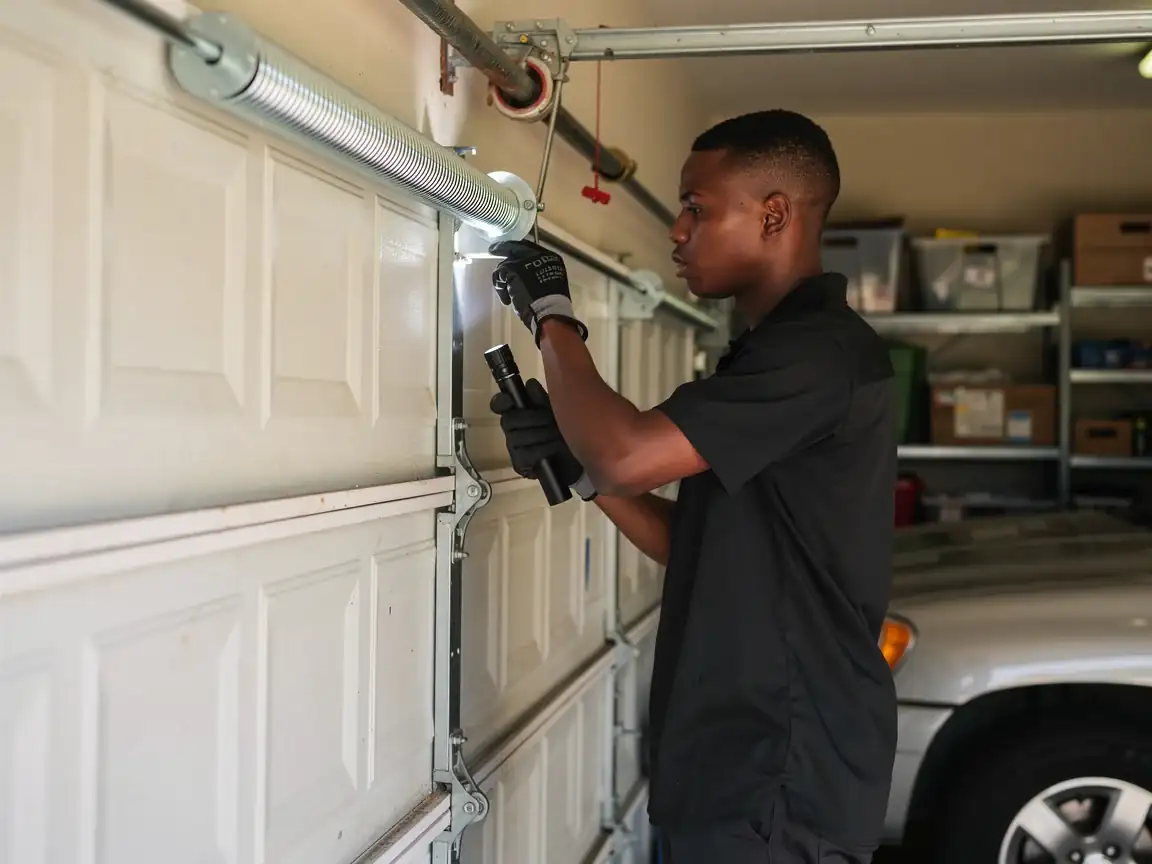
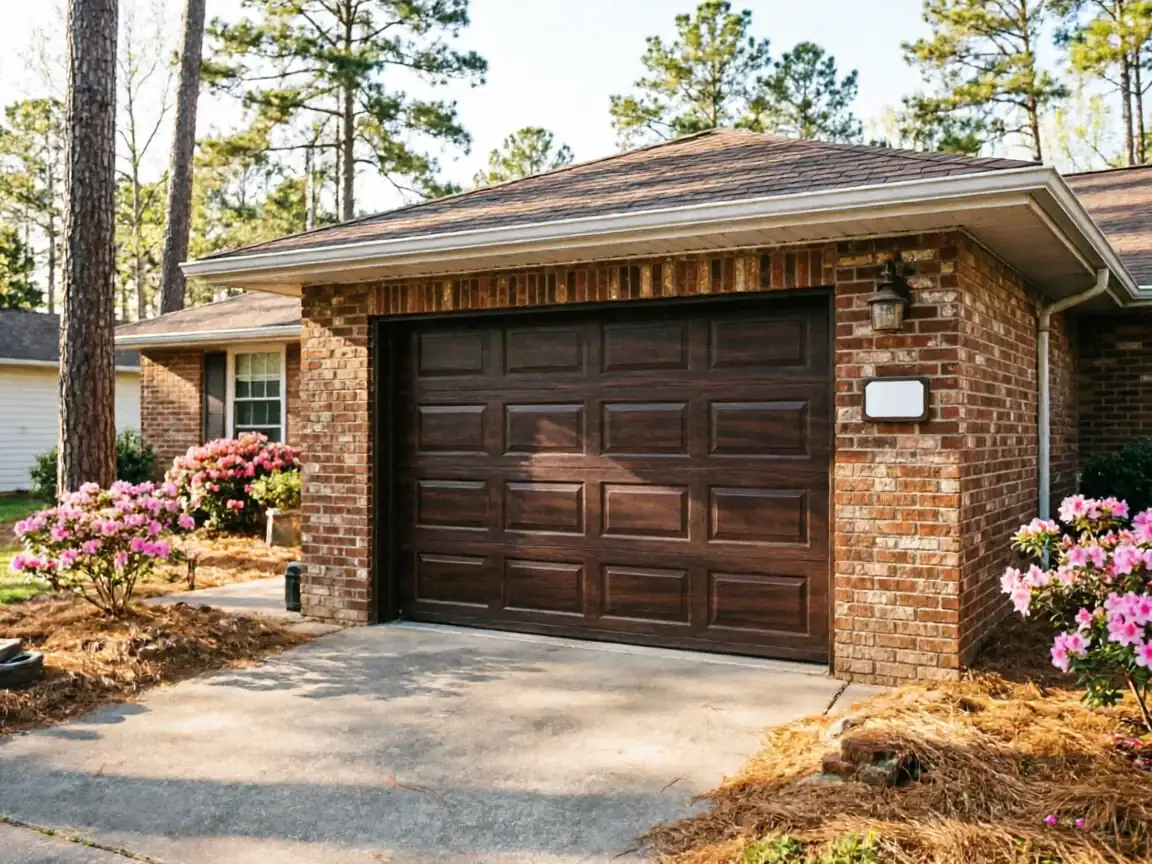
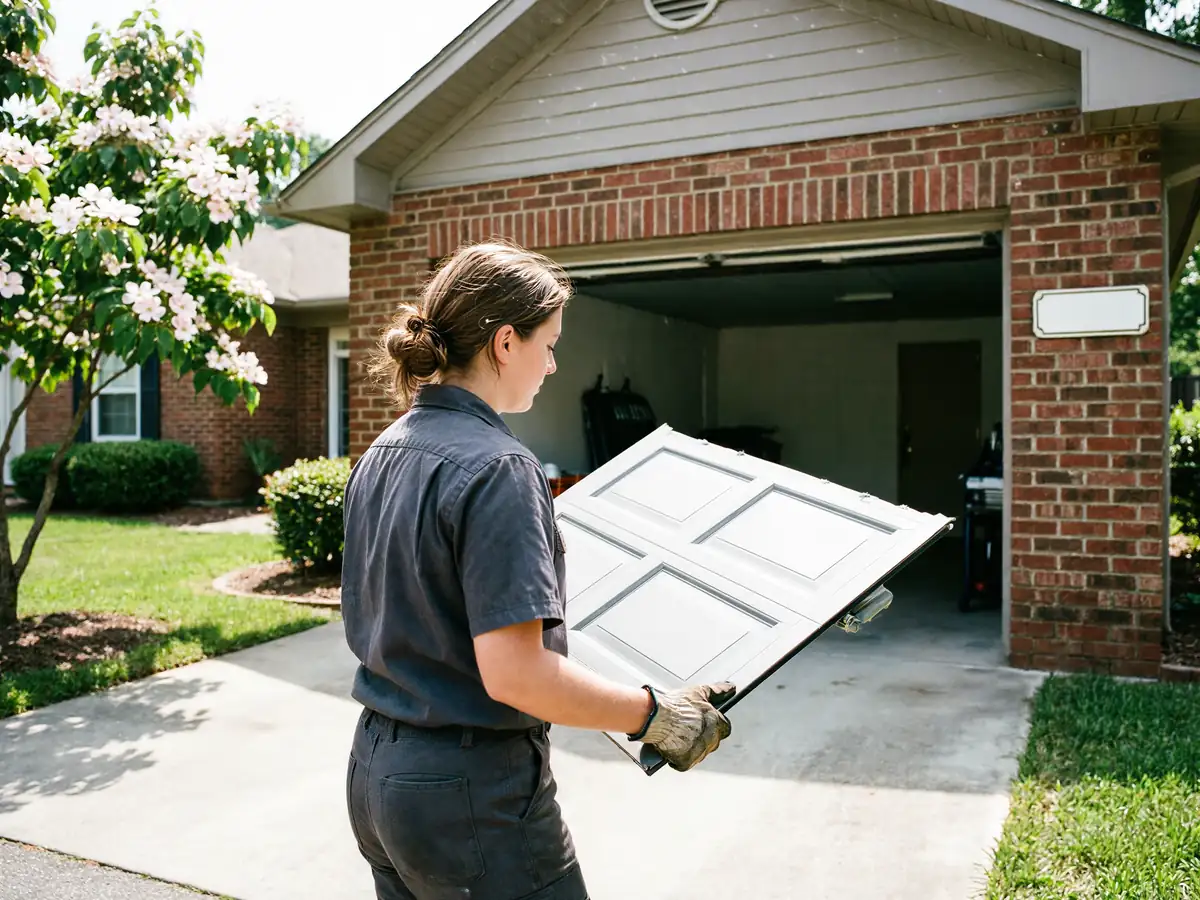
Peachtree Corners sits about 8 miles from our Roswell shop, close enough that we don't ration which springs go on the truck for a run out here. With roughly 17,294 households in this suburb and a median build year of 1988, most of the torsion springs we pull are standard 2-inch or 2.25-inch coil, sized for the 7-foot and 8-foot sectional doors that came standard on houses built across the metro in the late 80s. That's different from the mix we see on Roswell's older streets, where pre-1980 stock still runs smaller shaft diameters. We also carry extension springs for the handful of older detached garages and side-room conversions that show up in any area this size, but they're the exception here, not the rule. One limitation worth saying plainly: if a spring size was custom-ordered for a non-standard door width, we may not have it on the truck and will need to order it, which can add a day or two.
How It Shows Up
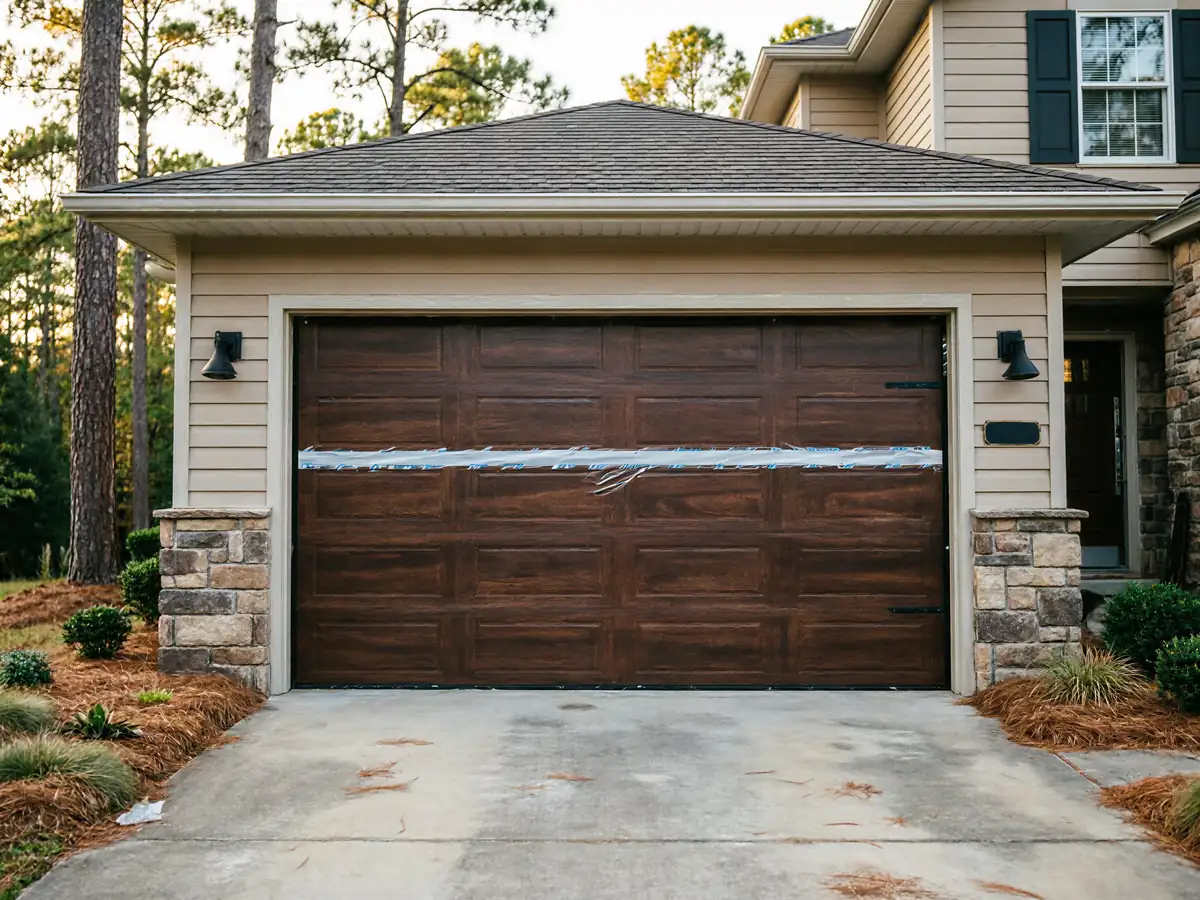
In a town built mostly in the 1980s and 90s, the failure pattern is pretty consistent: the door gets heavy to lift by hand, the opener starts straining and clicking before it moves the door, or one side sags lower than the other because one spring let go while its twin is still holding. Cold mornings make it worse here, same as across the rest of this moderate-cold climate band, since steel contracts and a spring already near the end of its cycle count is more likely to snap on a 35-degree morning than a 70-degree afternoon. If you hear a bang from the garage and the door won't budge afterward, that's almost always a broken torsion spring, not the opener.
How We Fix It
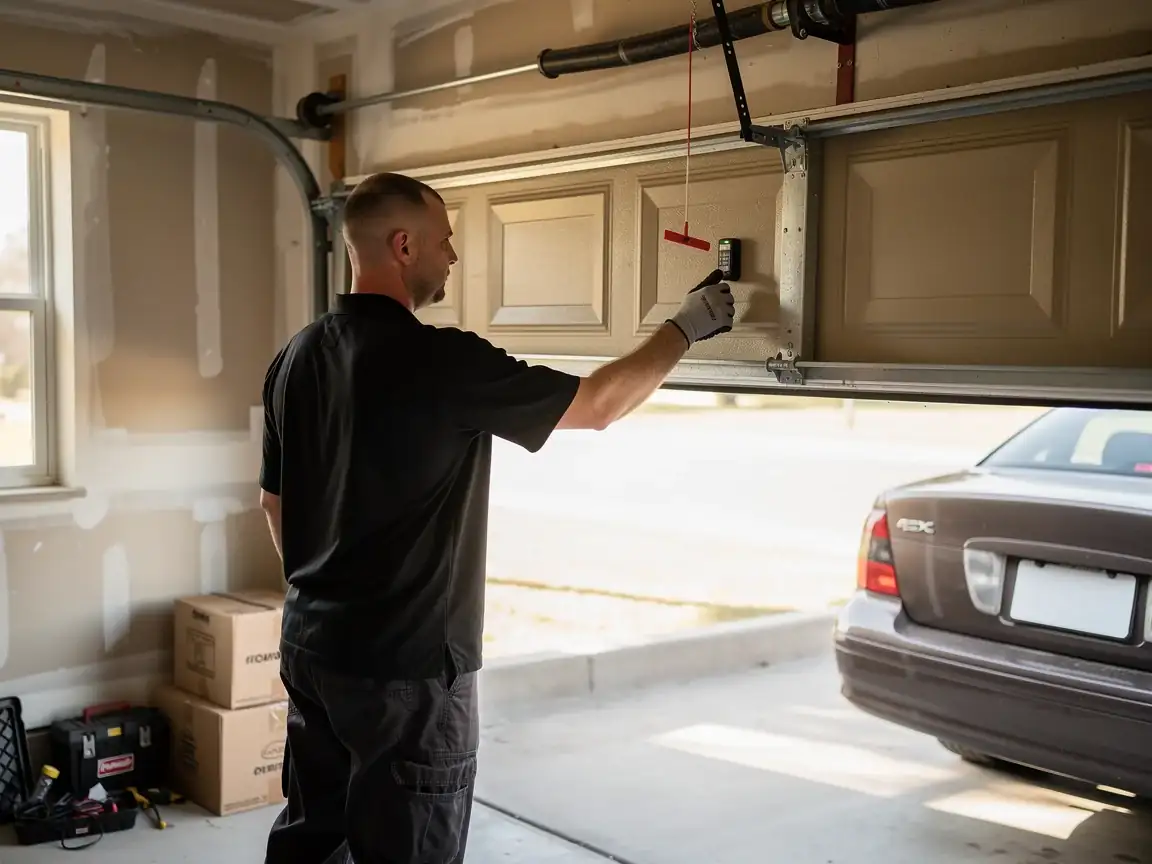
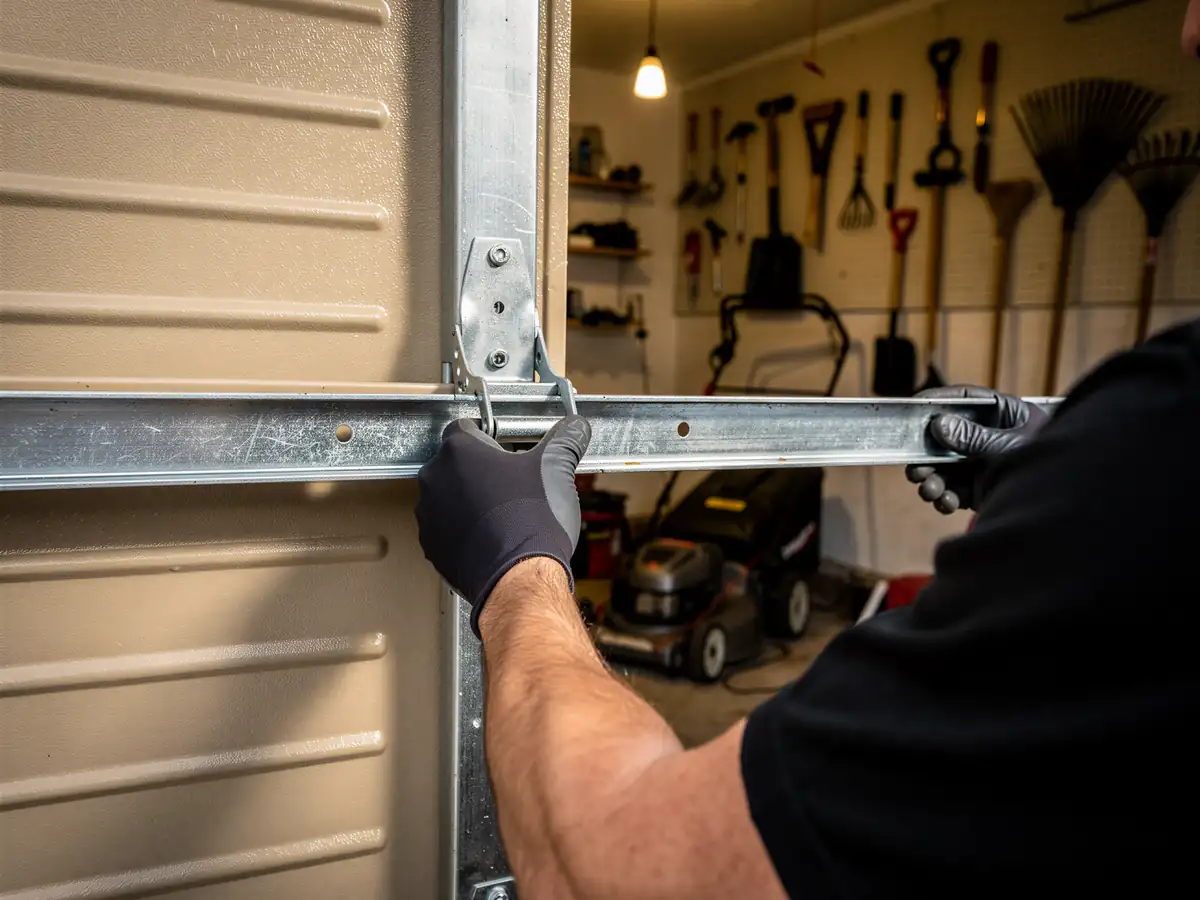
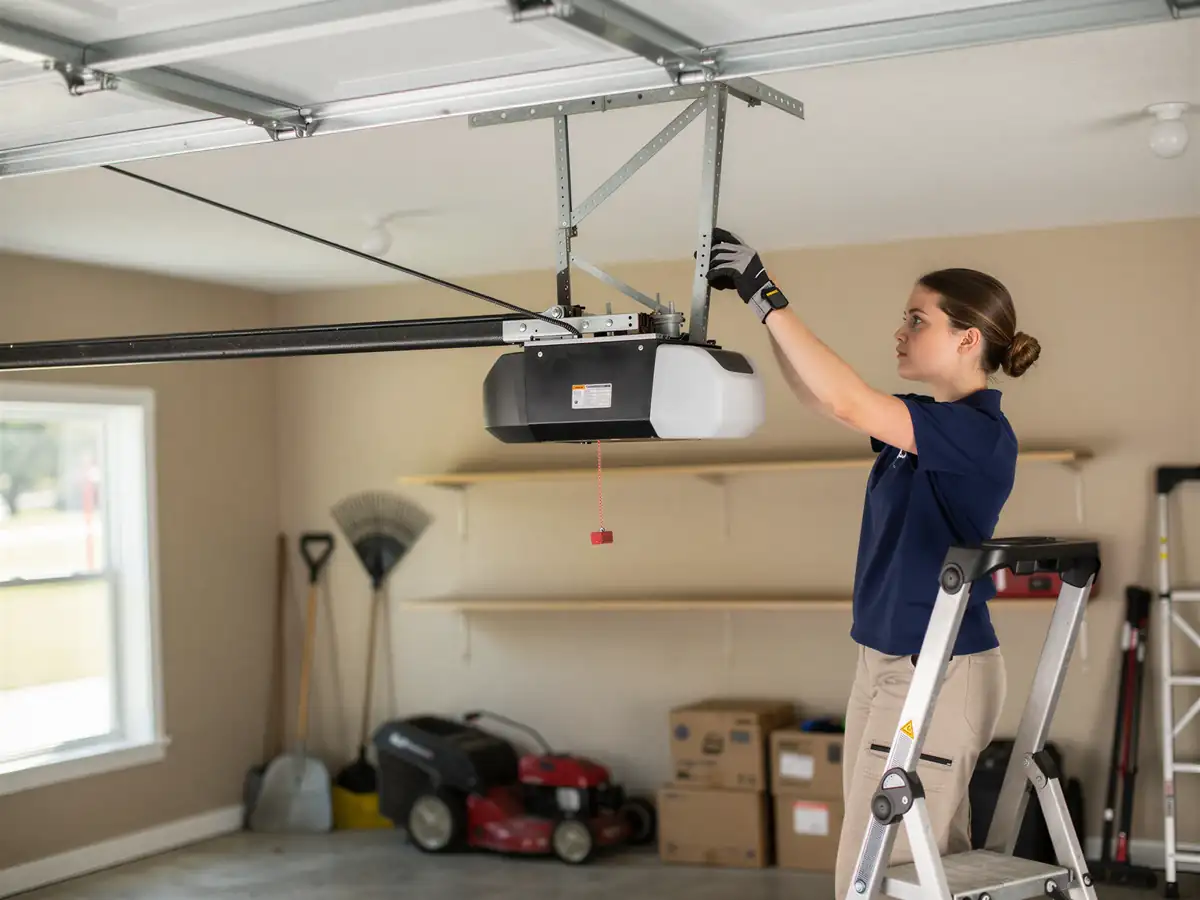
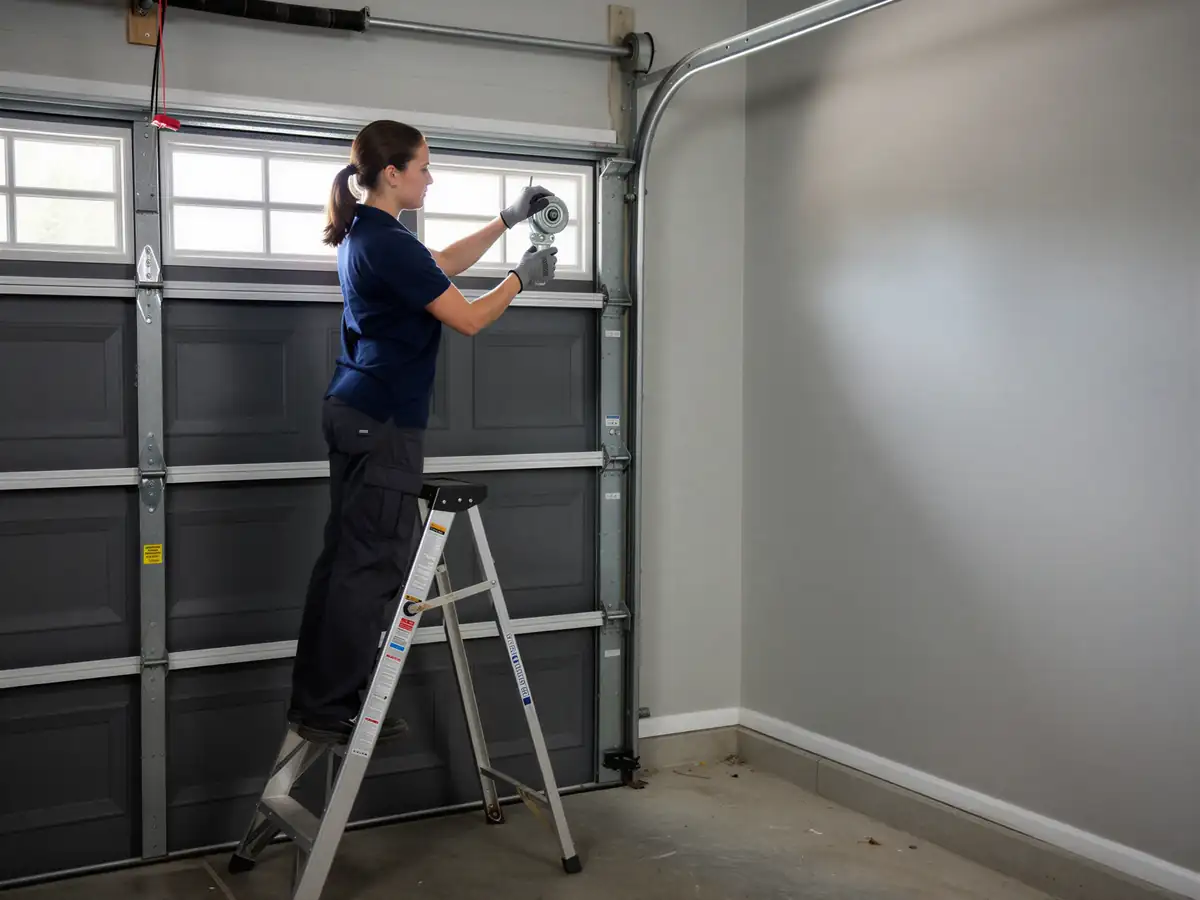
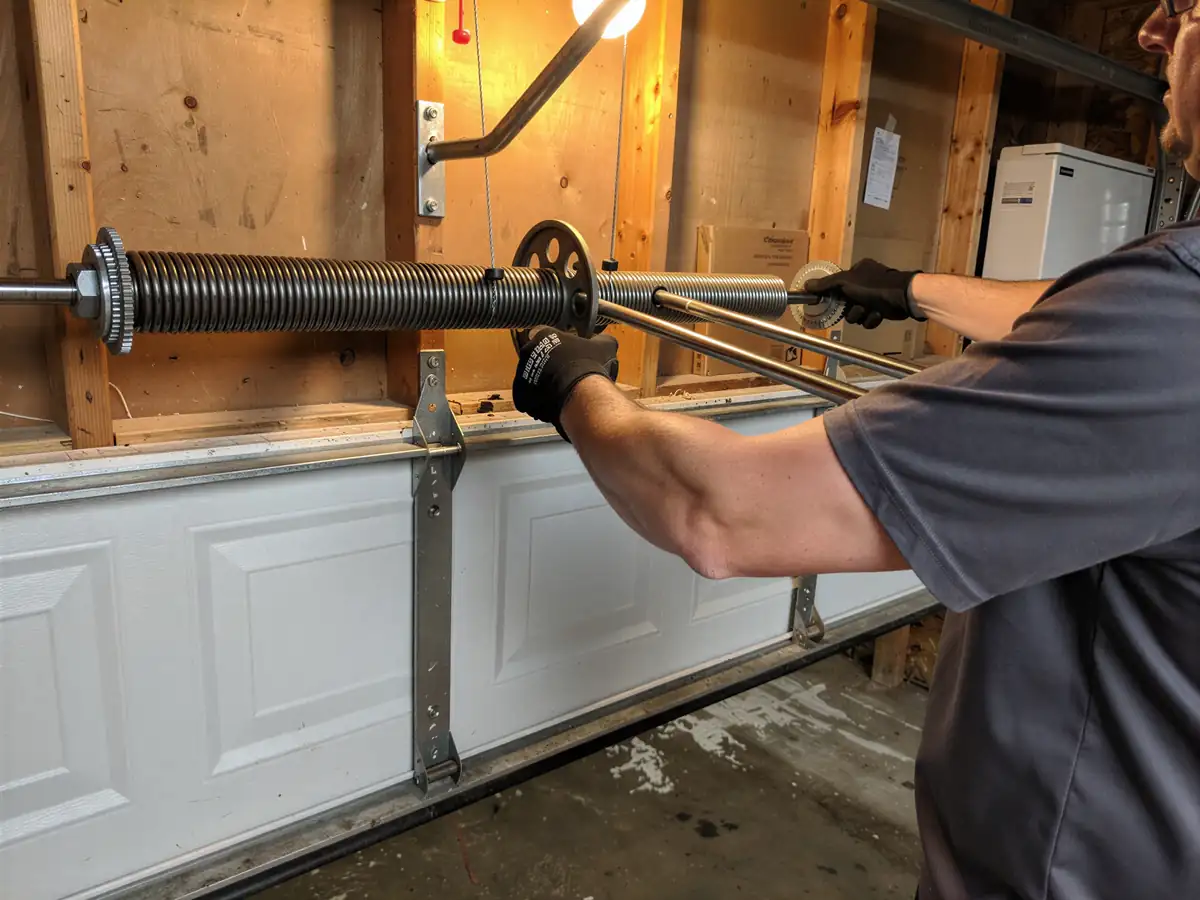
We measure the door's weight, wire diameter, coil diameter, and wind direction on site rather than guessing from a chart, because even within houses built the same year the door and spring combination can vary. For a standard double door common to this suburb's 1988-median housing stock, we replace both springs as a pair even if only one broke, since the other is on the same clock and failing it next month costs you a second trip. We set the new spring to the correct number of turns for the door's actual weight, not a factory default, and test the balance by hand before we call the job done. We don't patch a spring or re-use a stretched one - once the coil has lost tension, it's a new part, not a repair.