Parts We Carry
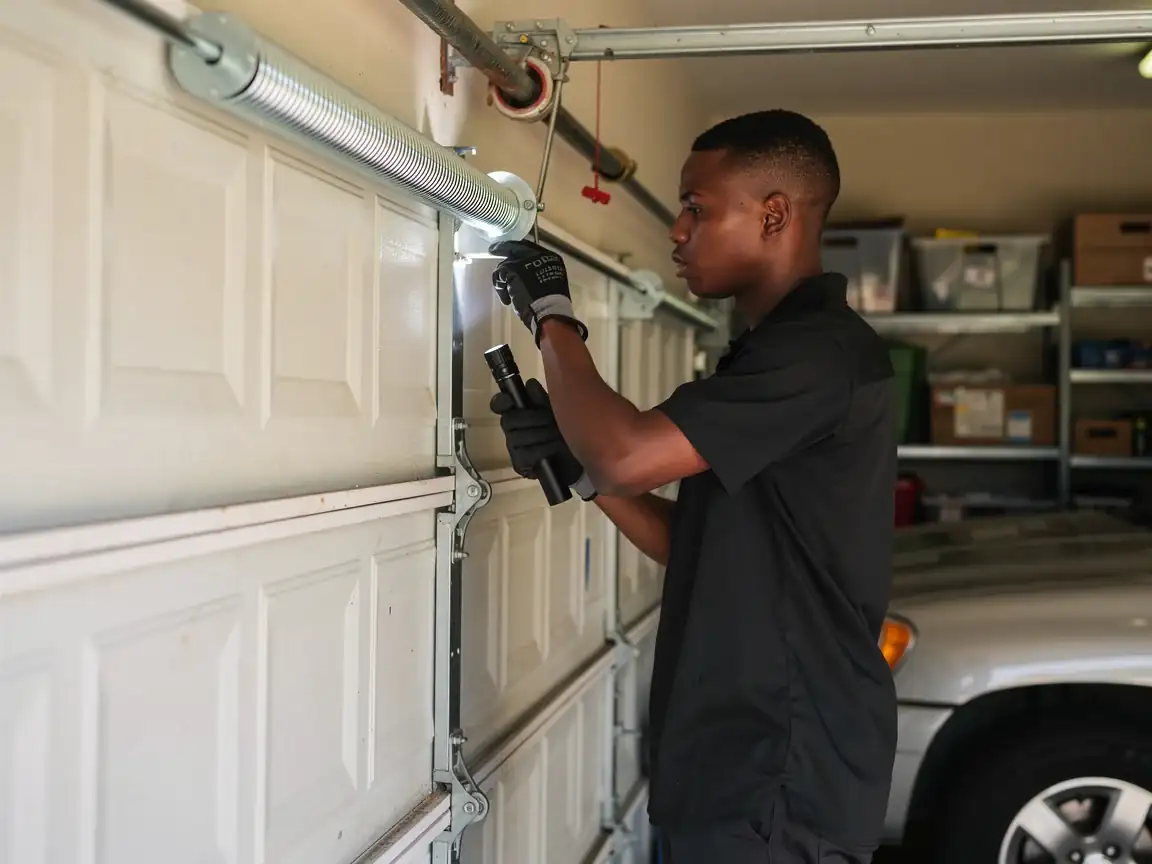
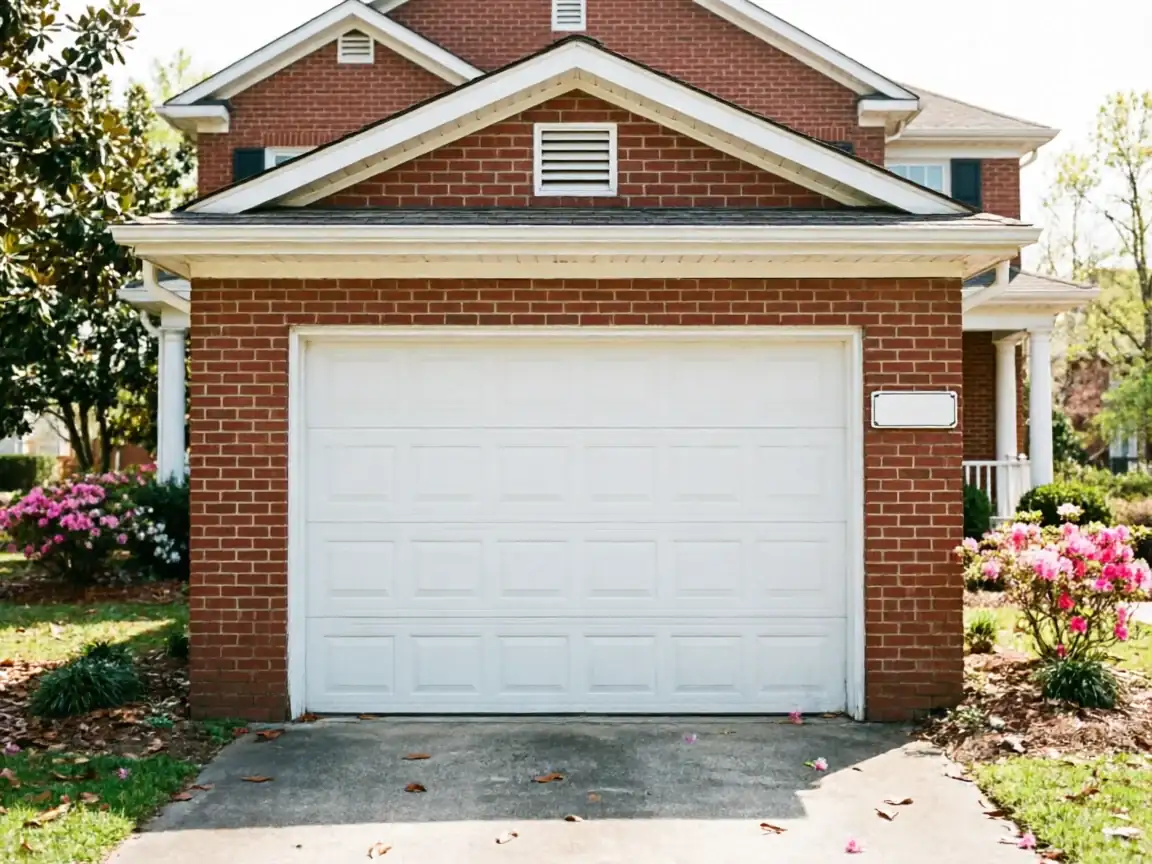
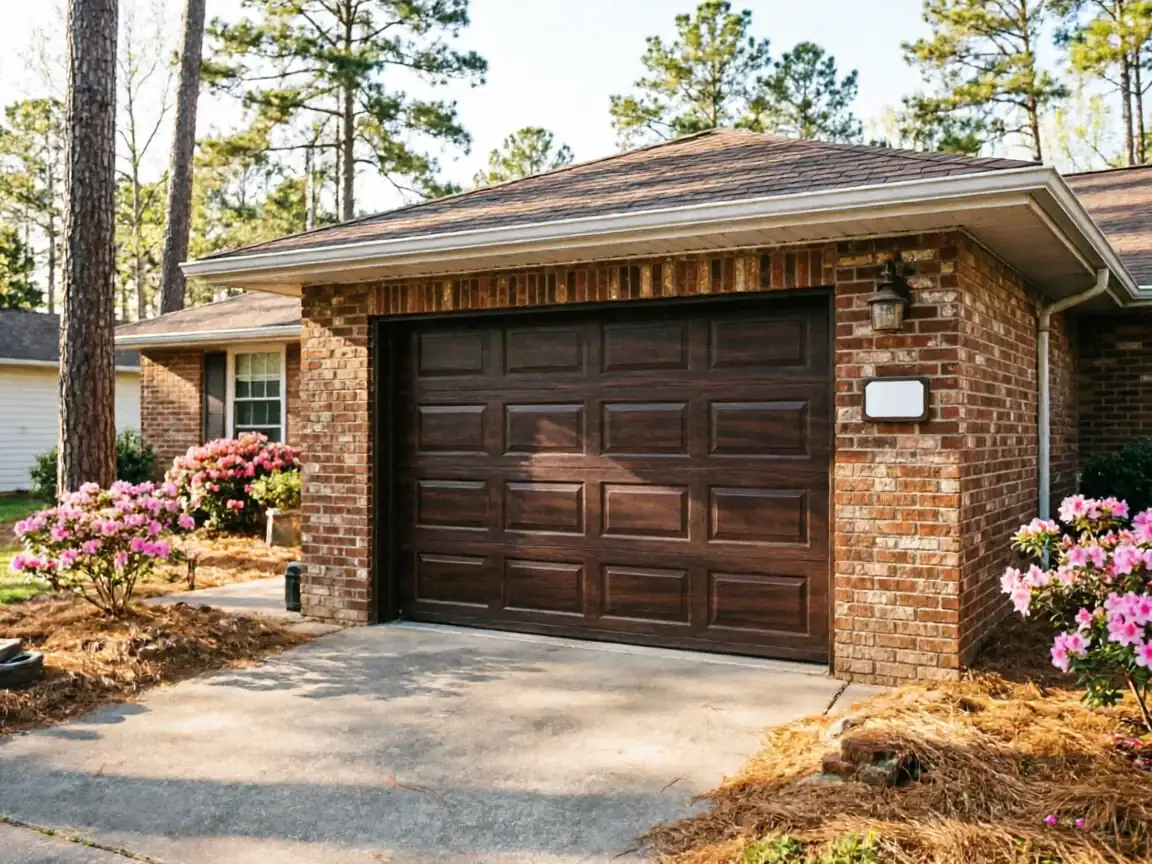
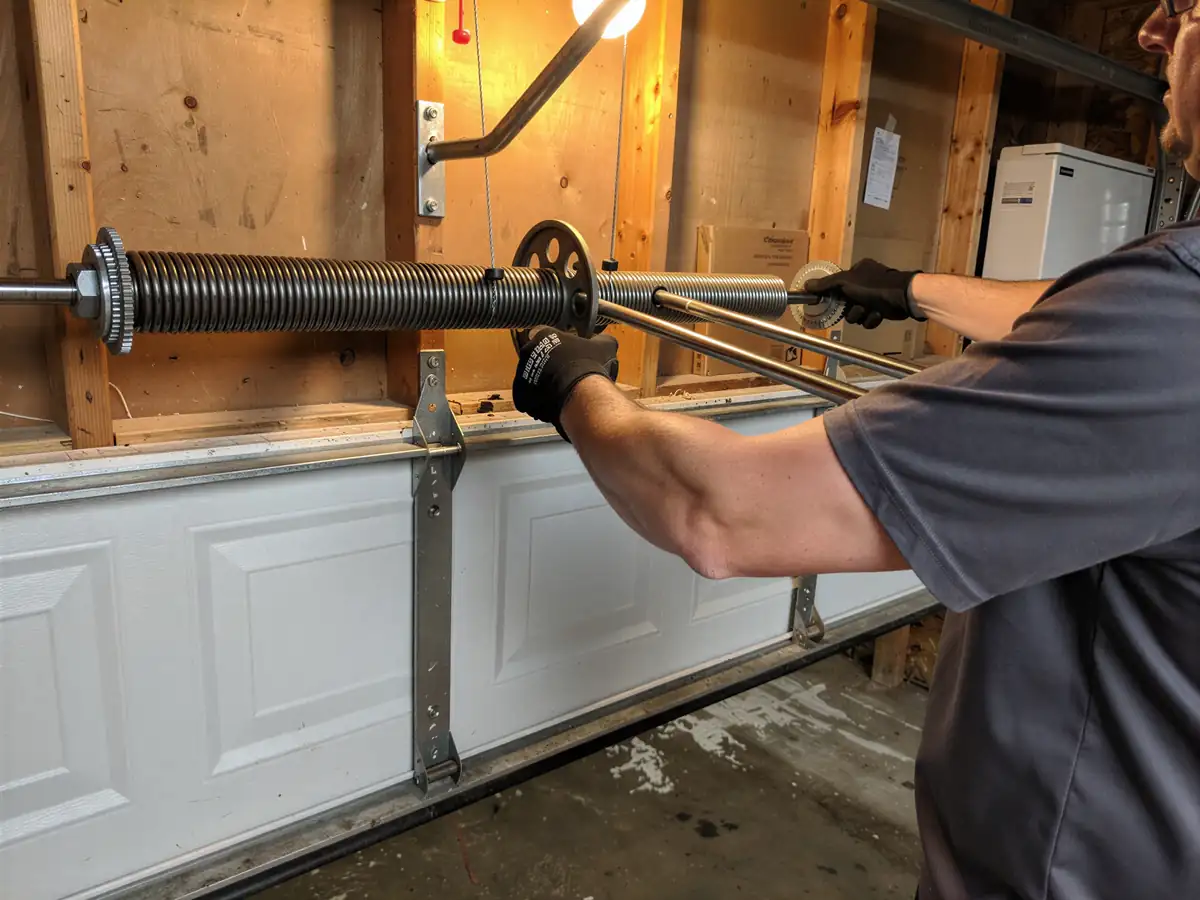
Peachtree Corners' housing stock centers on 1988, which puts most of its garage doors squarely in the raised-panel steel era - 24 or 25-gauge galvanized sections, often with a single layer of insulation or none at all, hung on torsion springs rather than the older extension-spring setups. That's good news for repair: torsion hardware from that period is still a known quantity, and standard-width sections (especially 16-foot double doors) are easier to source than the odd sizes you'd find on a much older house.
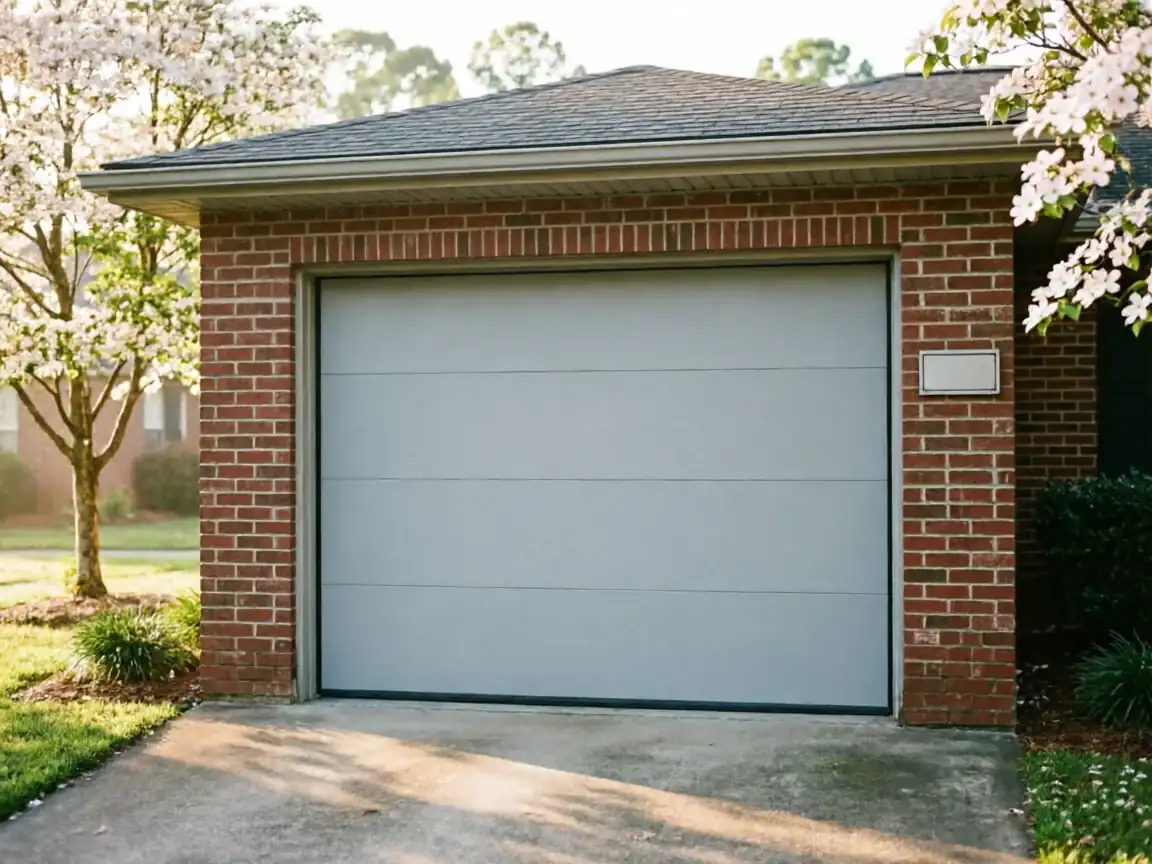
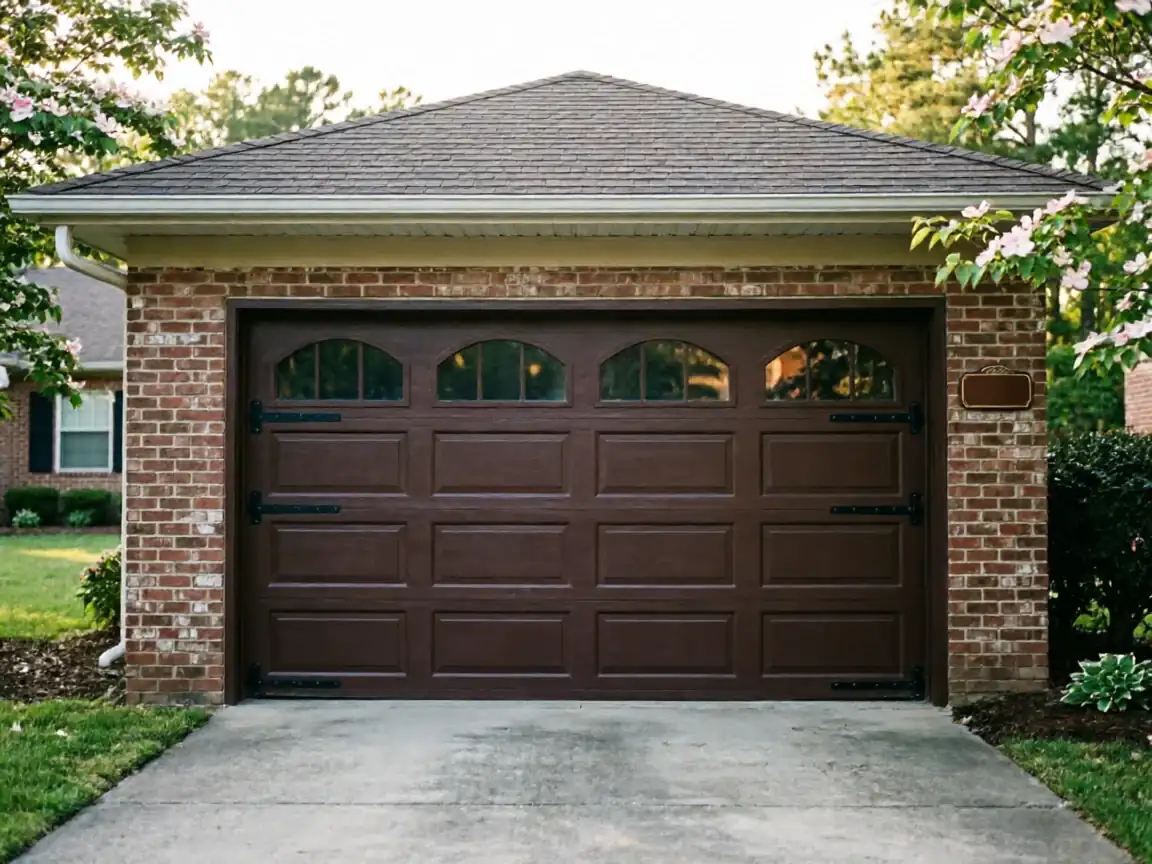
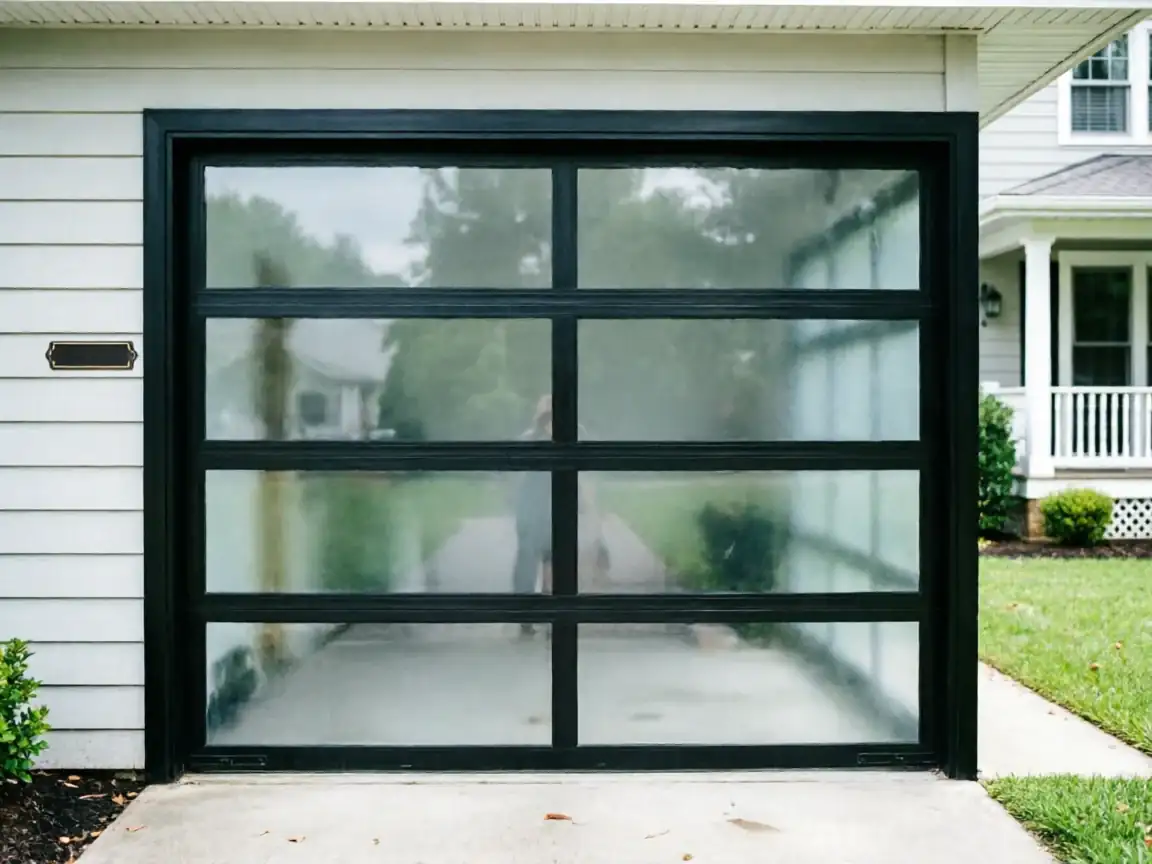
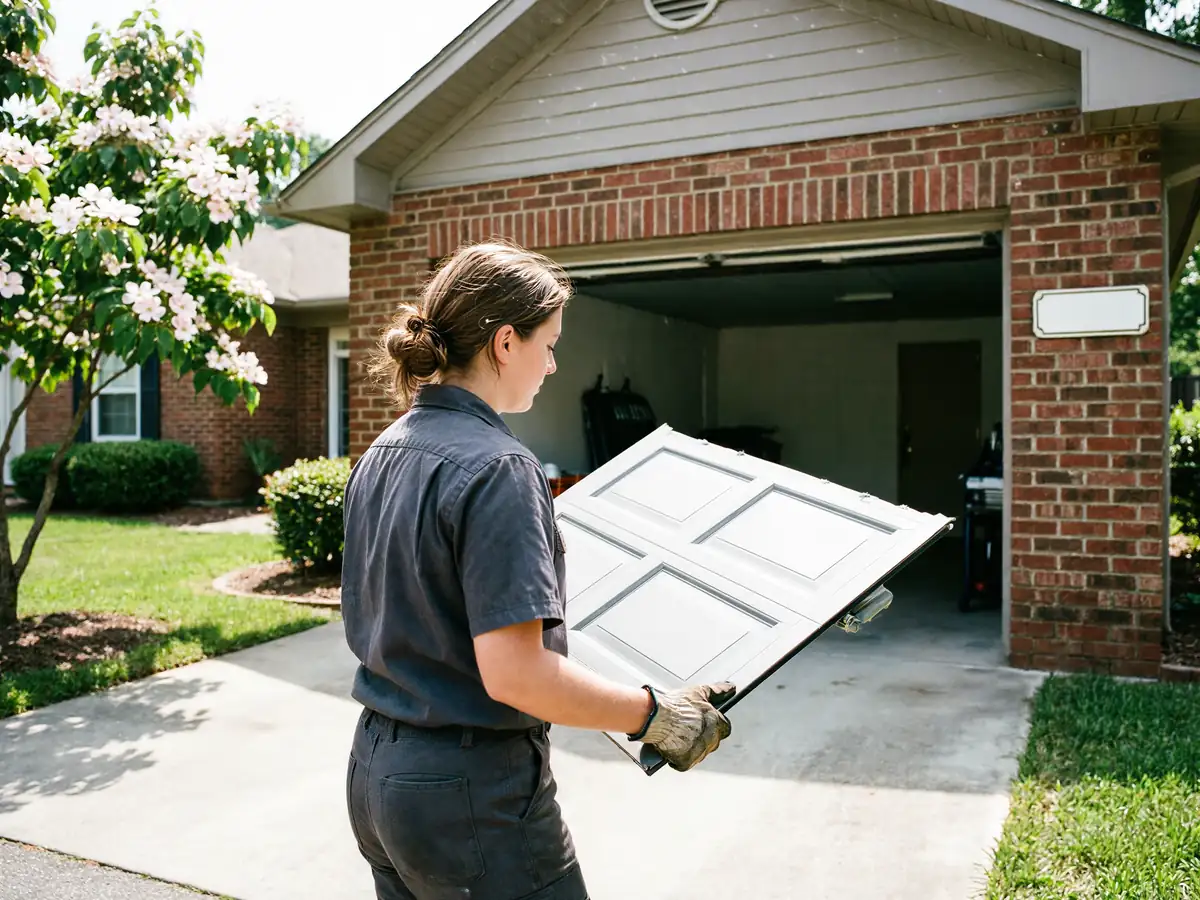
The catch is color and ribbing profile. A lot of those late-80s doors came in short-run colors and panel textures that got discontinued by the manufacturer years ago. We carry current stock sections in standard sizes and will tell you straight if a close match is the best we can do rather than an exact one - sometimes it means replacing one full side of the door instead of a single section, so the mismatch doesn't stand out.
Can You Do This Yourself
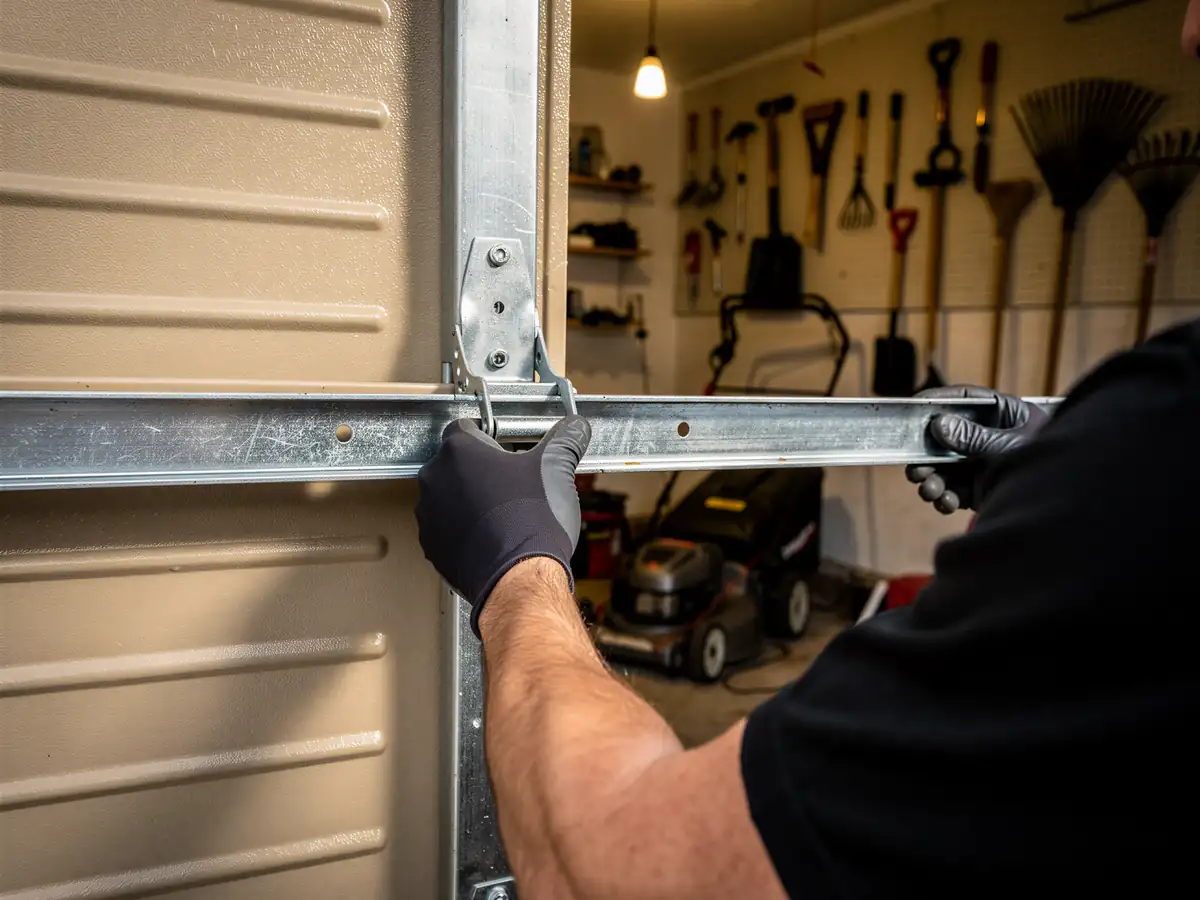
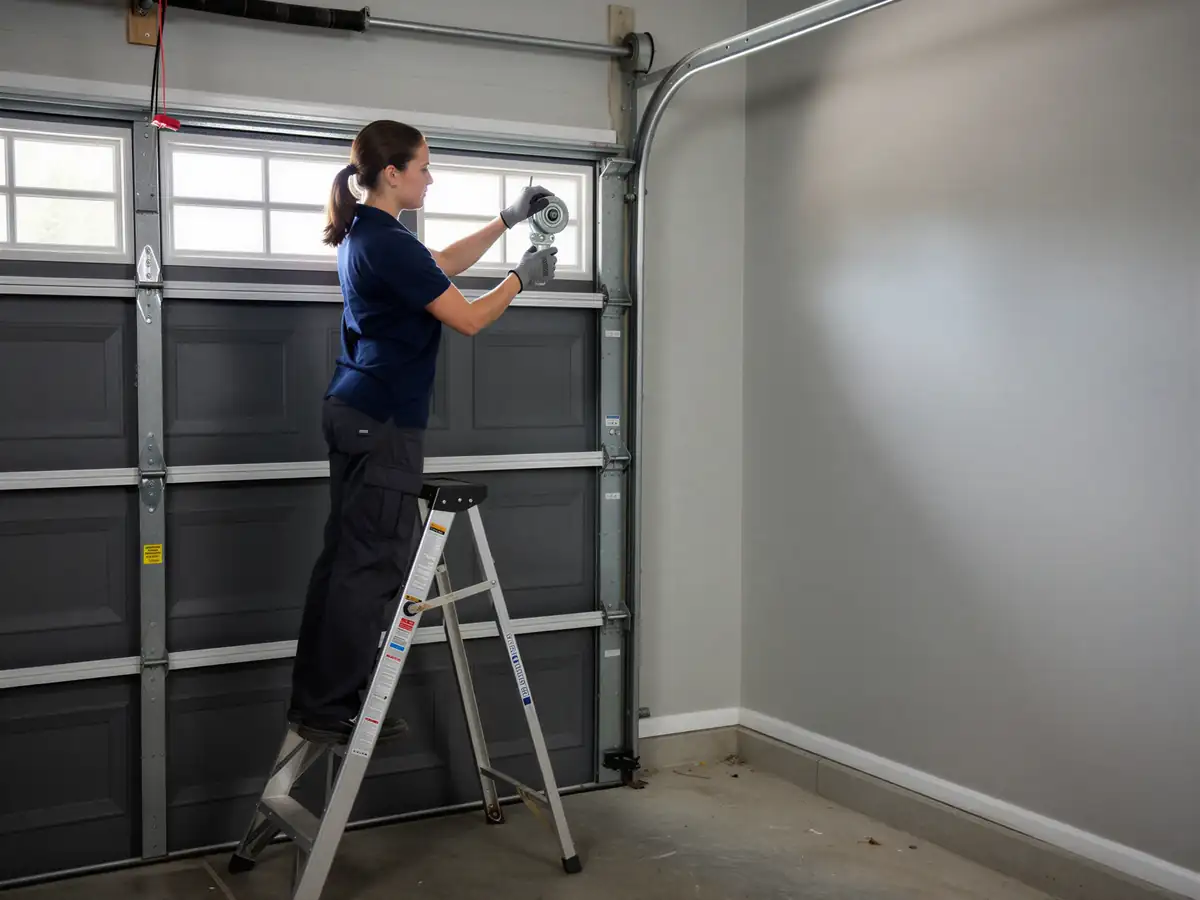
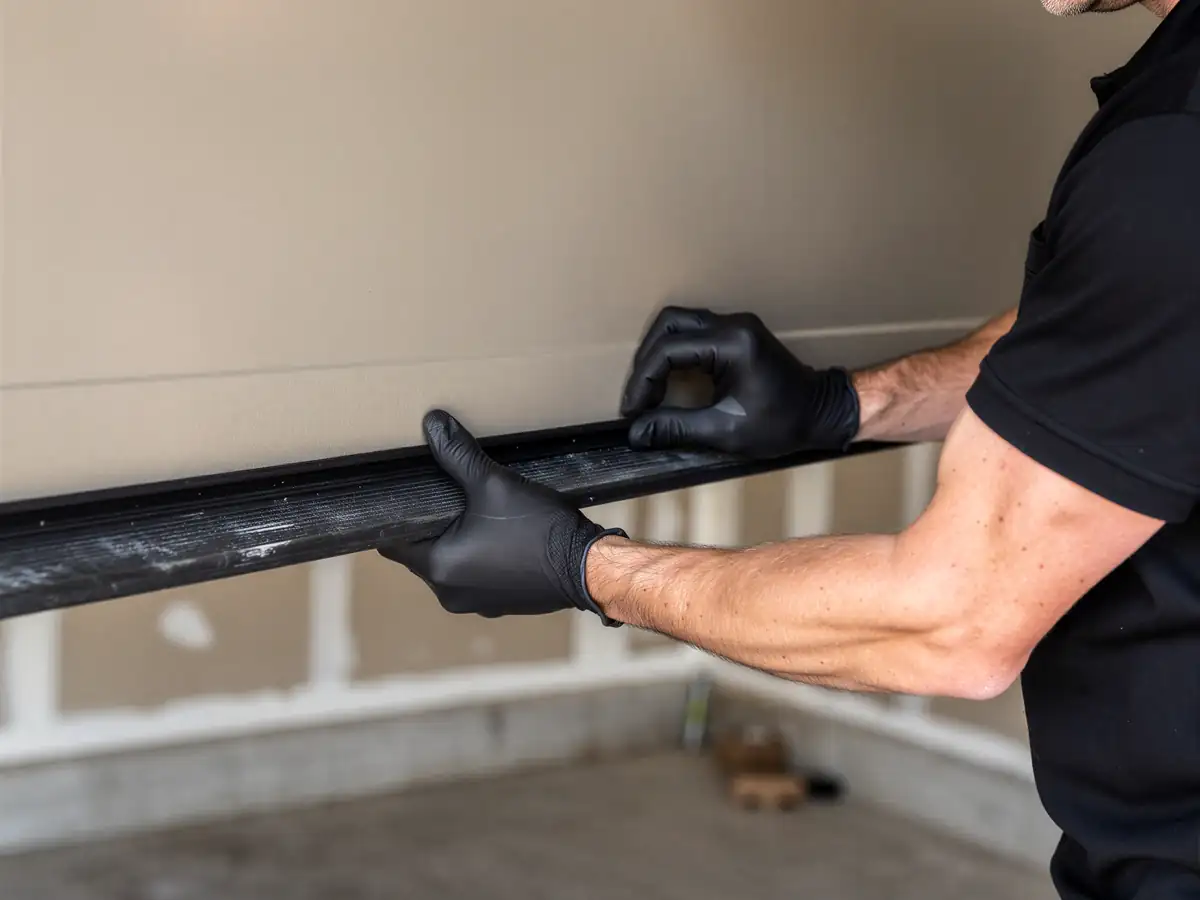
Swapping a single bottom panel with no springs involved and the door already down is within reach for someone comfortable with a drill and a few hours
Where it gets risky fast is anything above the bottom section on a door that's still under spring tension - loosening the wrong bolt on a wound torsion spring can put you in the ER, not just back at the hardware store.
The other thing DIY runs into here is sourcing
Peachtree Corners homes built in the late 80s often have panel profiles that aren't carried by the big box stores anymore, so even a straightforward bolt-in job turns into a hunt for a part that doesn't exist in the size or color you need. We'd rather tell you that up front than have you spend a Saturday finding out.
How It Shows Up
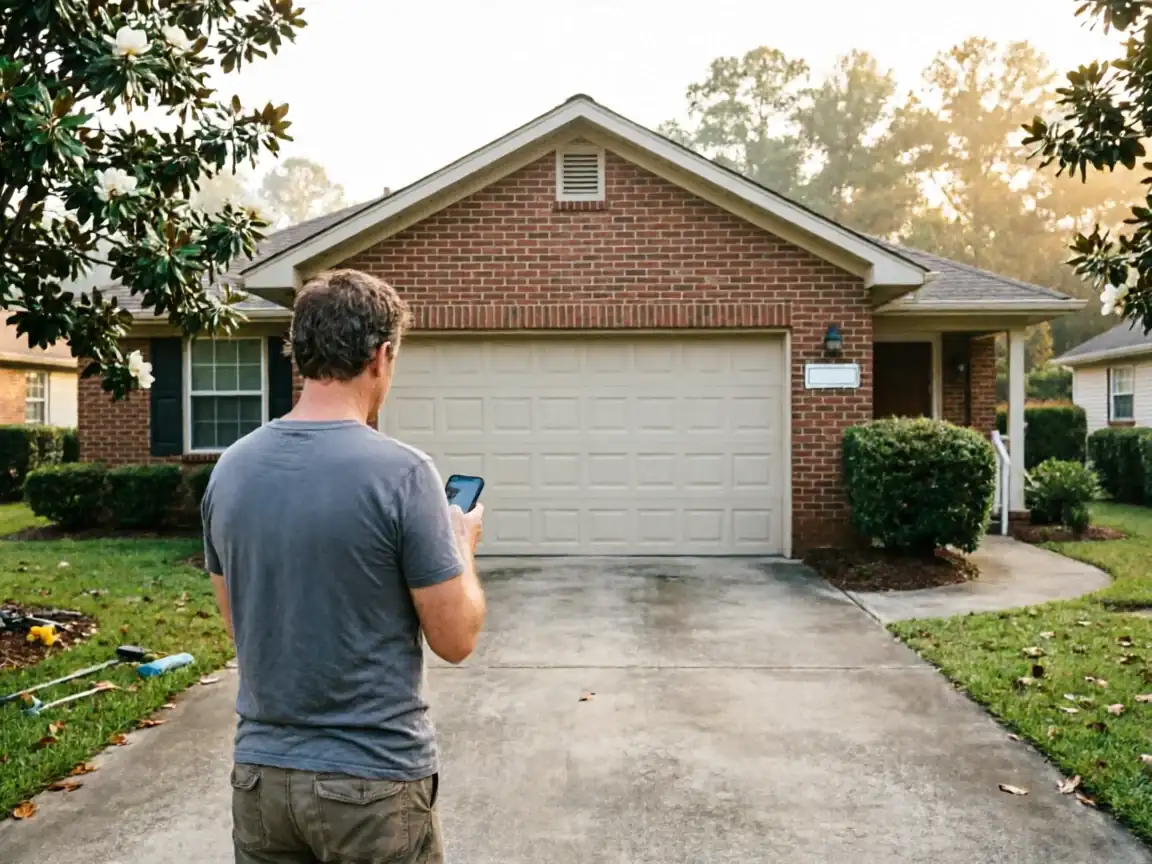
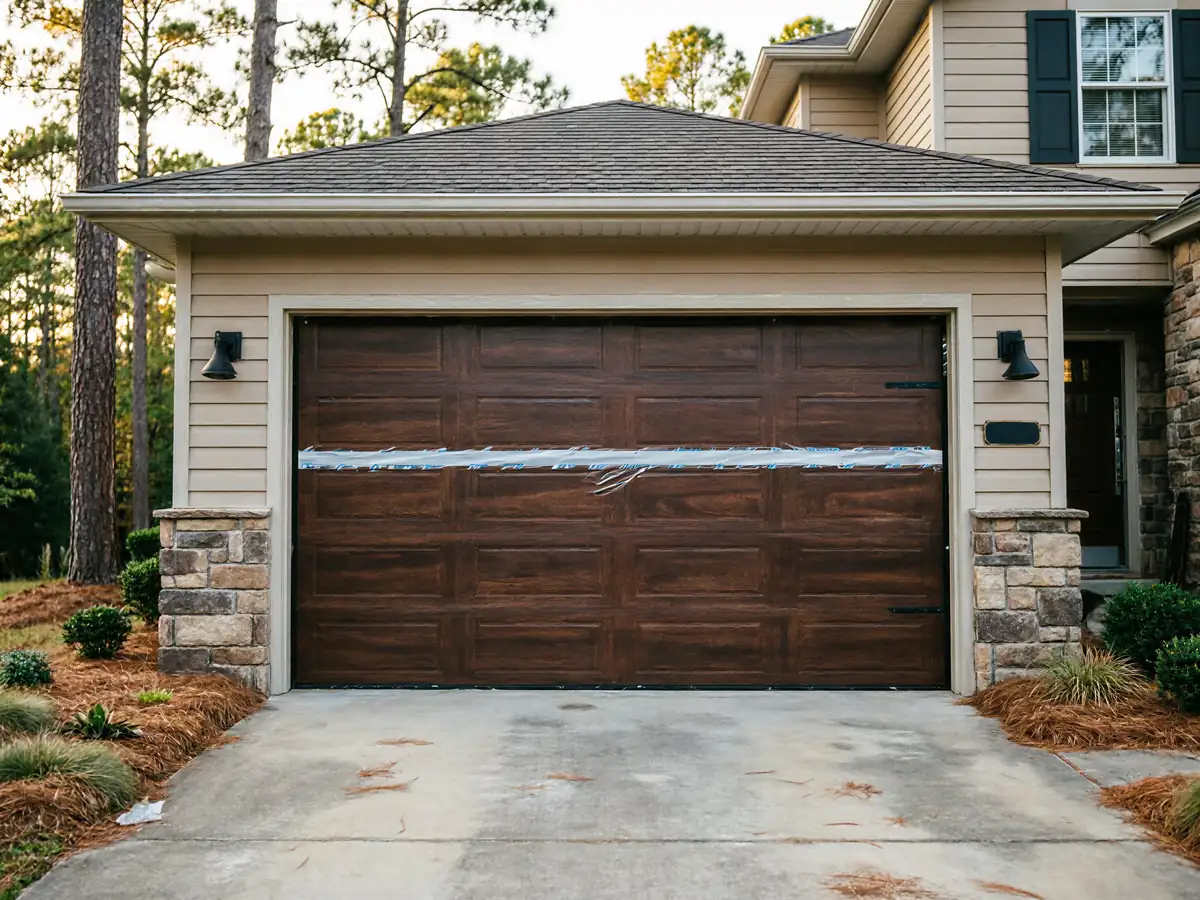
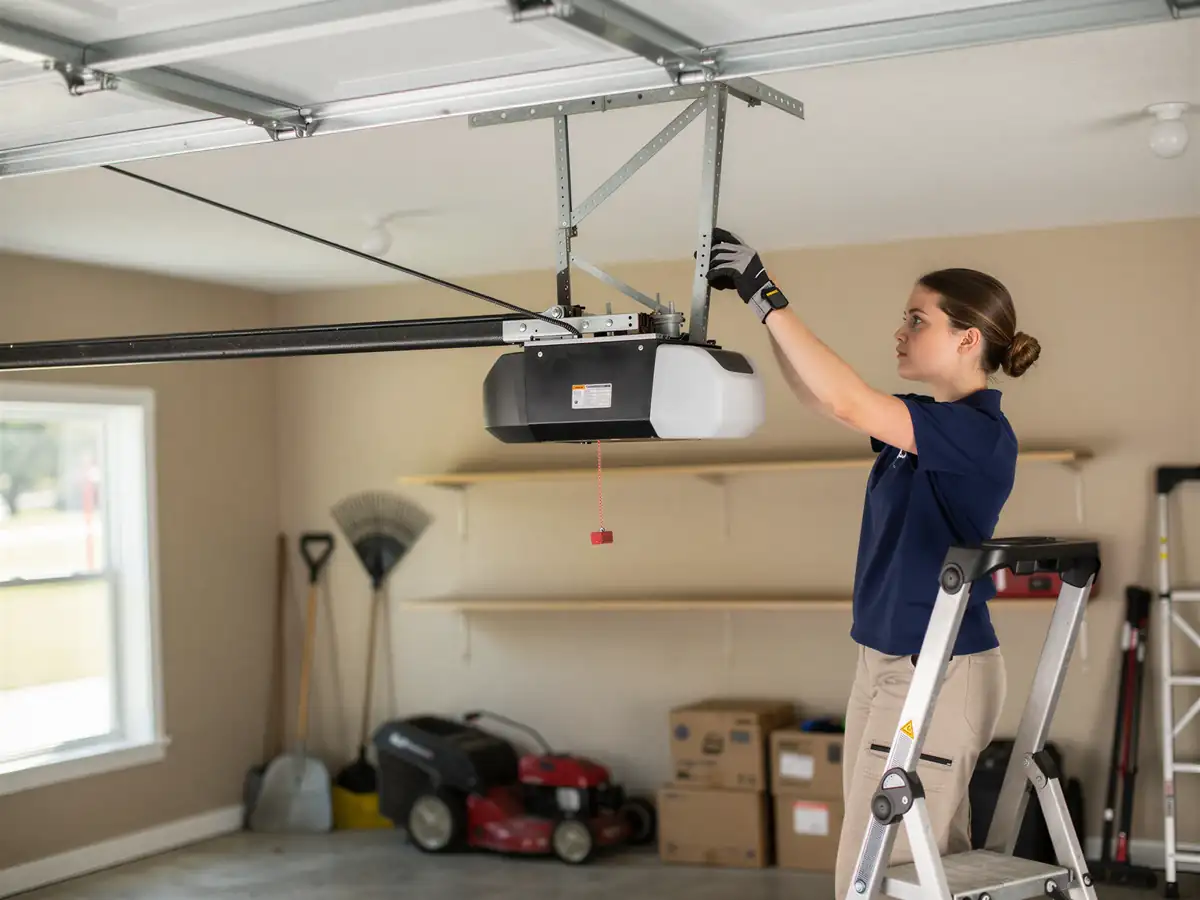
On doors this age, panel damage usually starts as a dent or crack near the bottom section - a backed-into bumper, a kid's bike, a mower thrown in reverse. Once that panel is bent, it stops sitting flush in the track, and you'll notice the door binding or grinding on one side as it travels, even though the opener and springs are fine.
Georgia's cold-moderate winters aren't brutal, but repeated freeze-thaw on a cracked panel seam lets water in, and once steel starts rusting from the inside of a hollow section, it spreads faster than it looks like it should from the outside. If you're seeing bubbled paint or a seam that's starting to separate on a door from this era, that's usually further along than a fresh dent.
How We Fix It
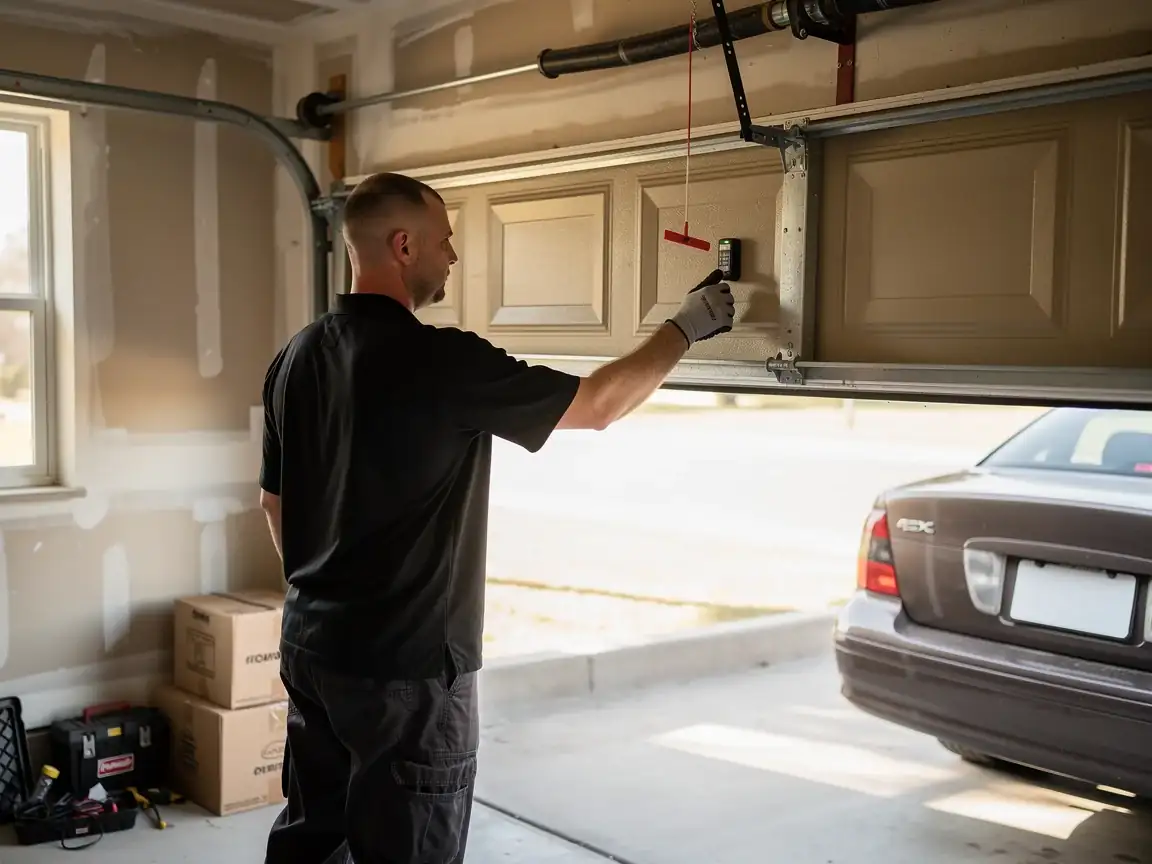
We start by identifying the manufacturer and panel width off the door itself, not just the name on the opener, since a lot of late-80s installs were re-badged under different brand names depending on who the builder used. If we can match the exact profile, we replace just the damaged section. If that profile's been discontinued, we'll walk you through the options: a close match on one full side, or in some cases a full door swap if the mismatch would bother you more than the cost difference.
One honest limit here - we don't stock every obsolete panel profile on the truck, and some matches take an extra day or two to order in. We'll tell you that at the estimate, not after we've already pulled the old panel off.
Getting It Booked In
We run this job out of Roswell, about 8 miles from Peachtree Corners
So it's a short trip for us and scheduling isn't the bottleneck - part availability is, especially on older panel profiles. Tell us the panel width, the door brand if it's visible on the track hardware, and roughly how old the house is, and we can usually tell you before we arrive whether we're looking at a same-visit fix or an order-in part.
- 8 miles
For a look at everything else we handle in the area
See our Peachtree Corners garage doors page. If you're closer to Roswell itself, the Roswell panel replacement page covers that side of the service area.