Parts We Carry
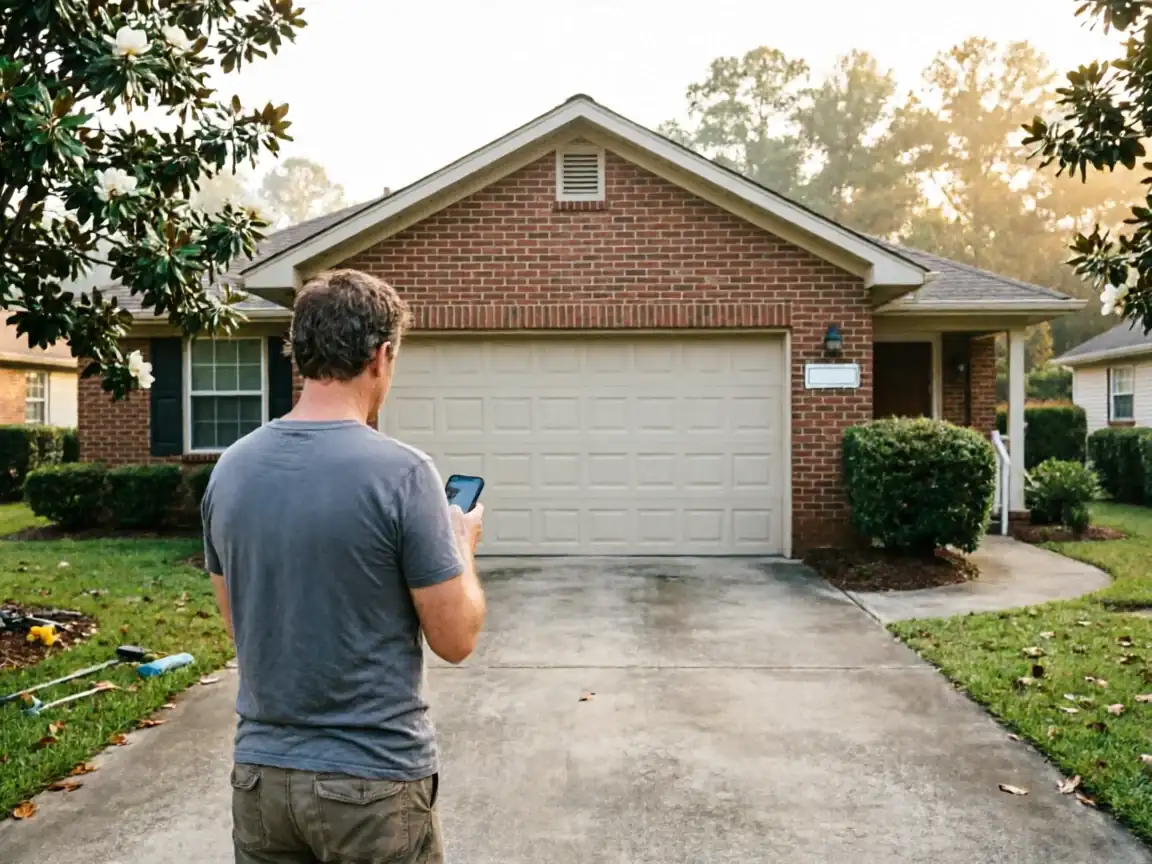
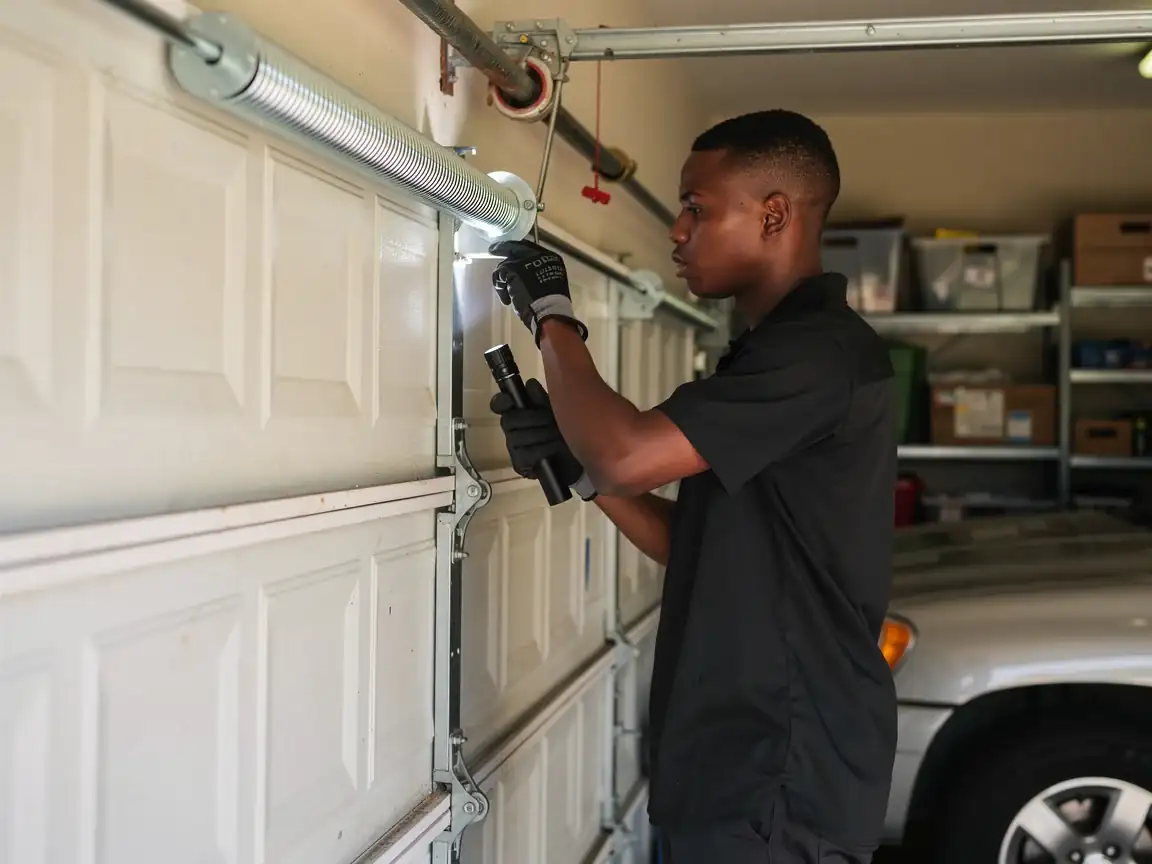
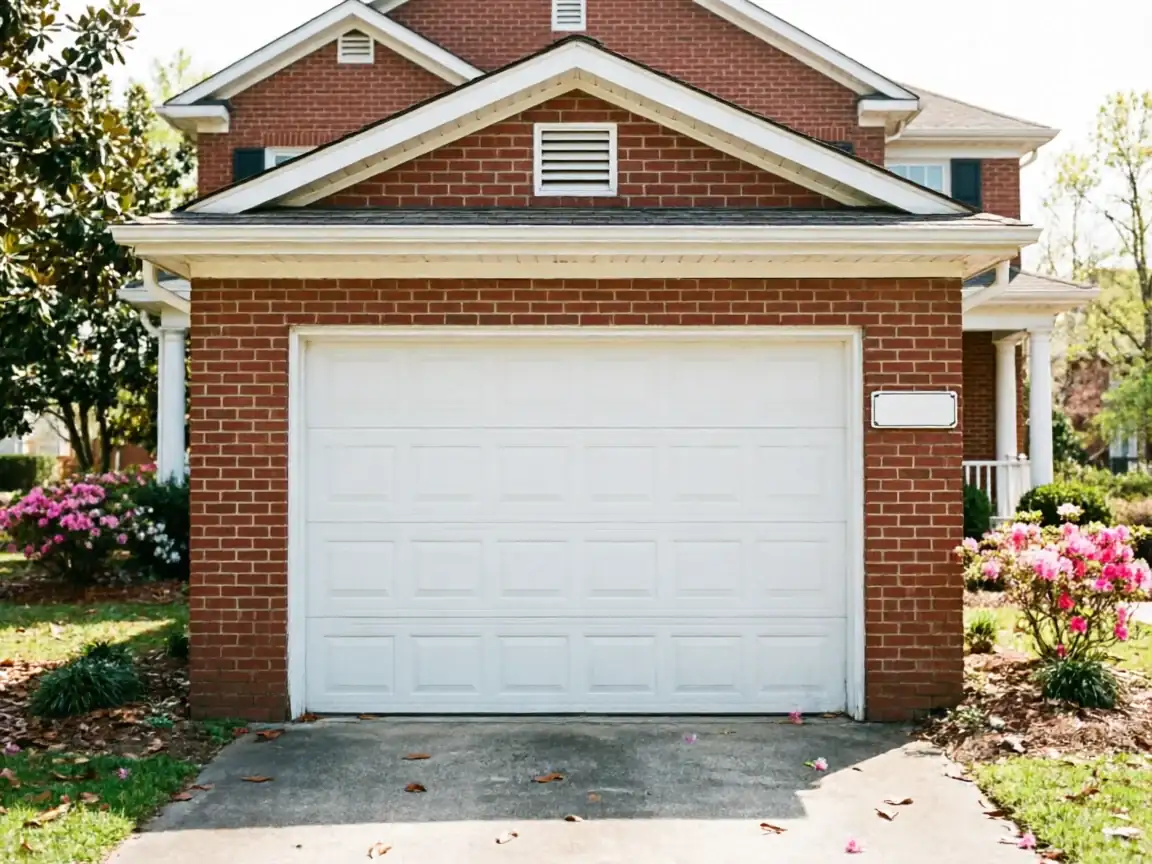
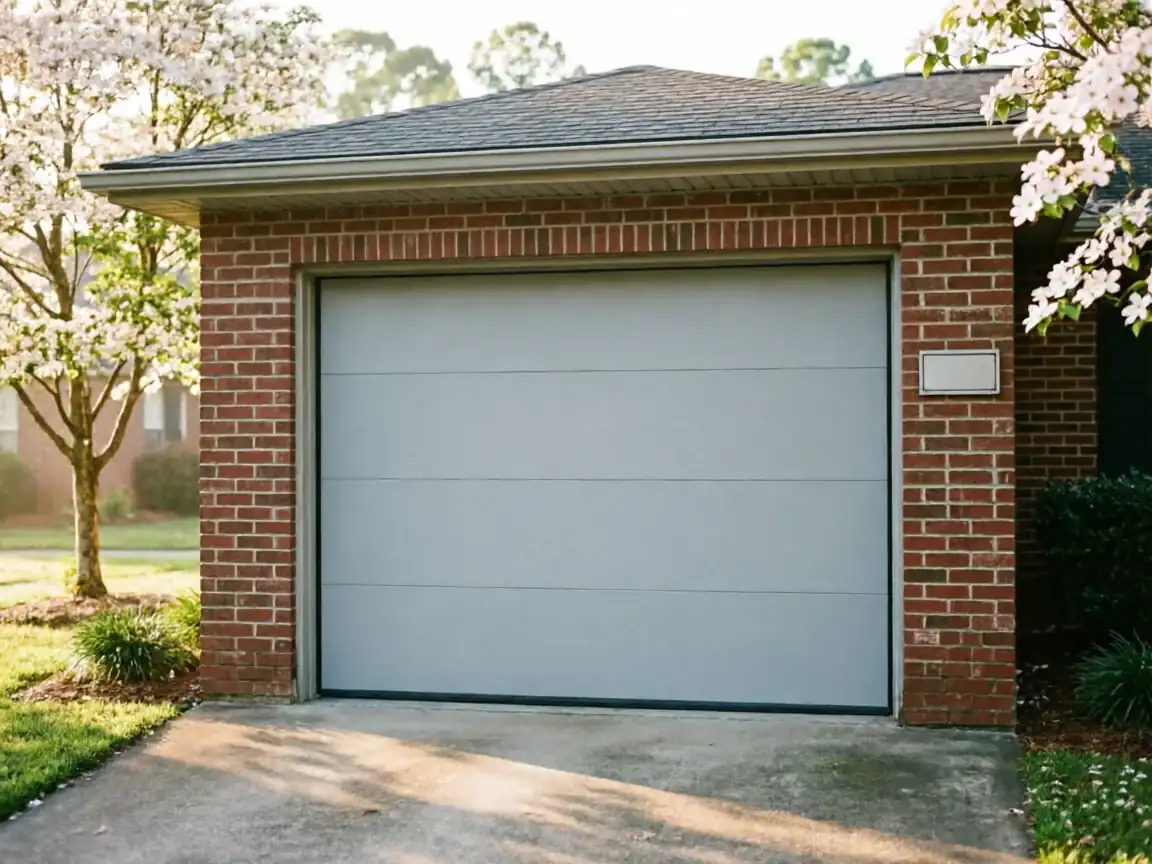
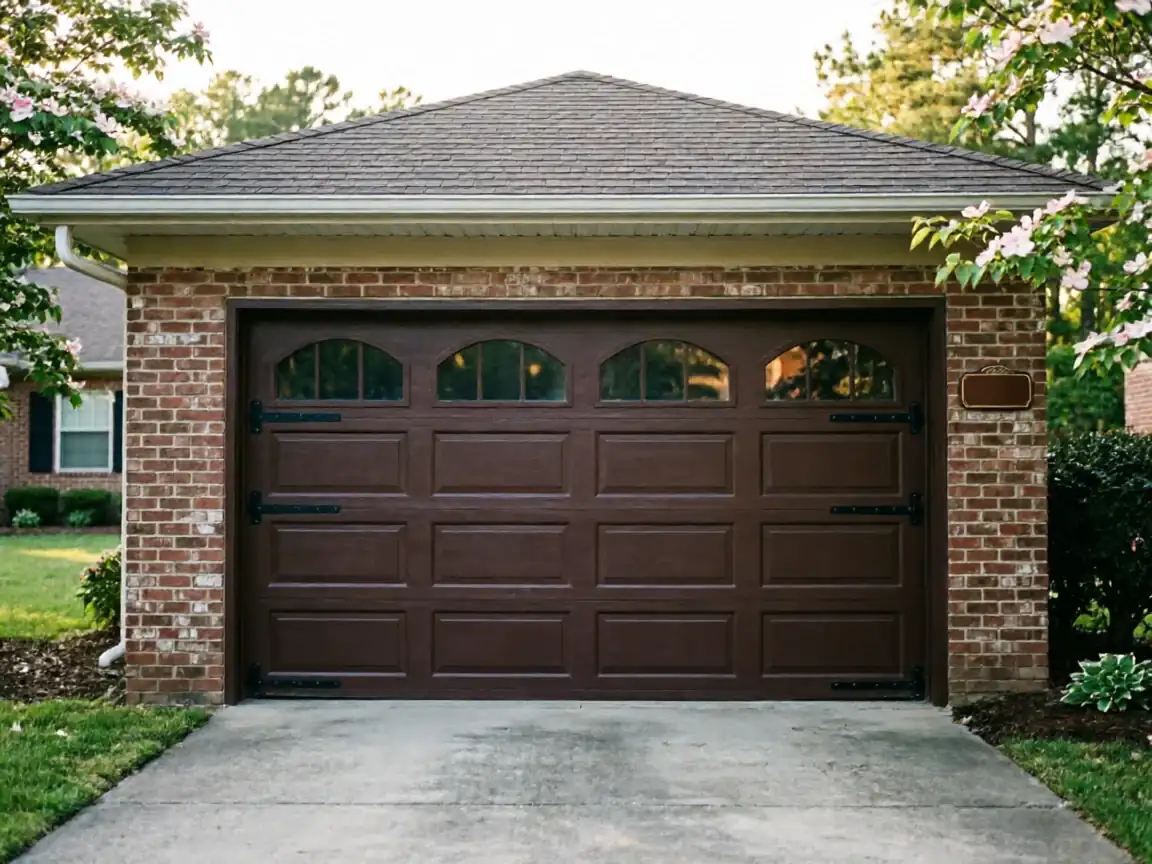
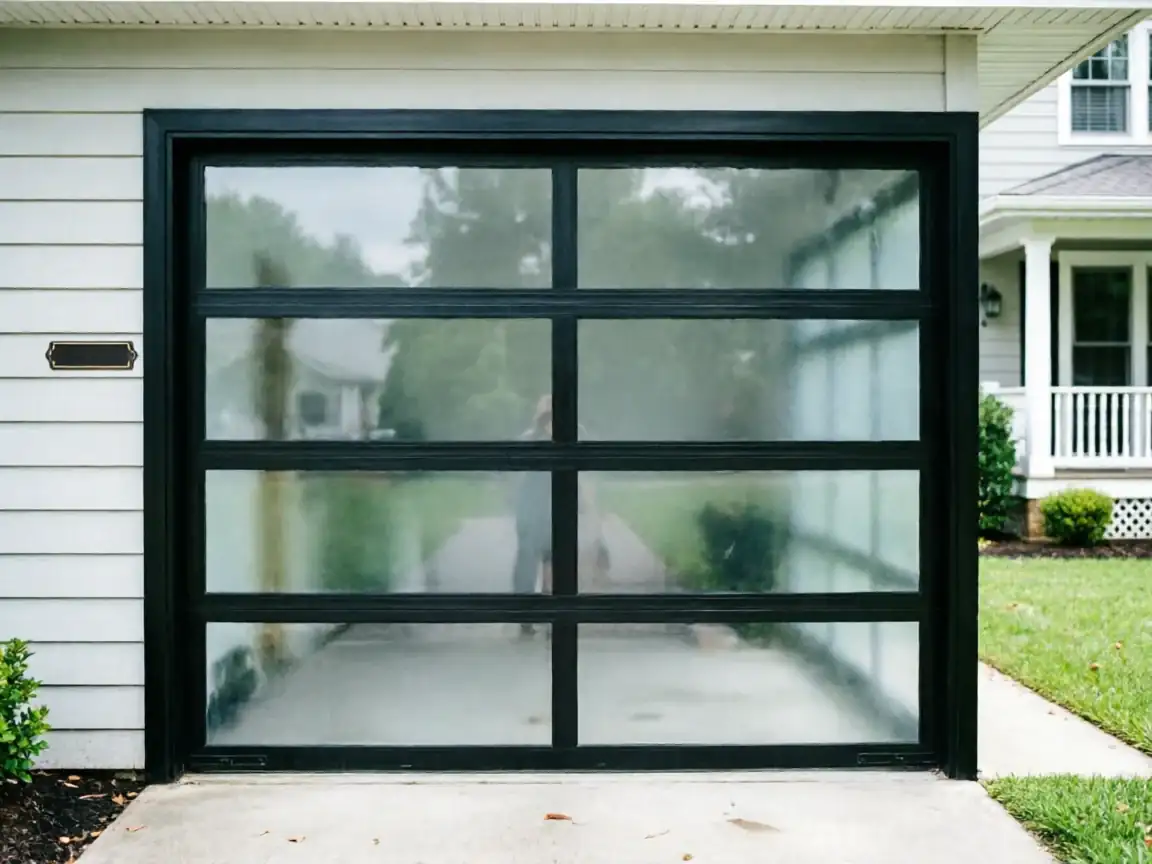
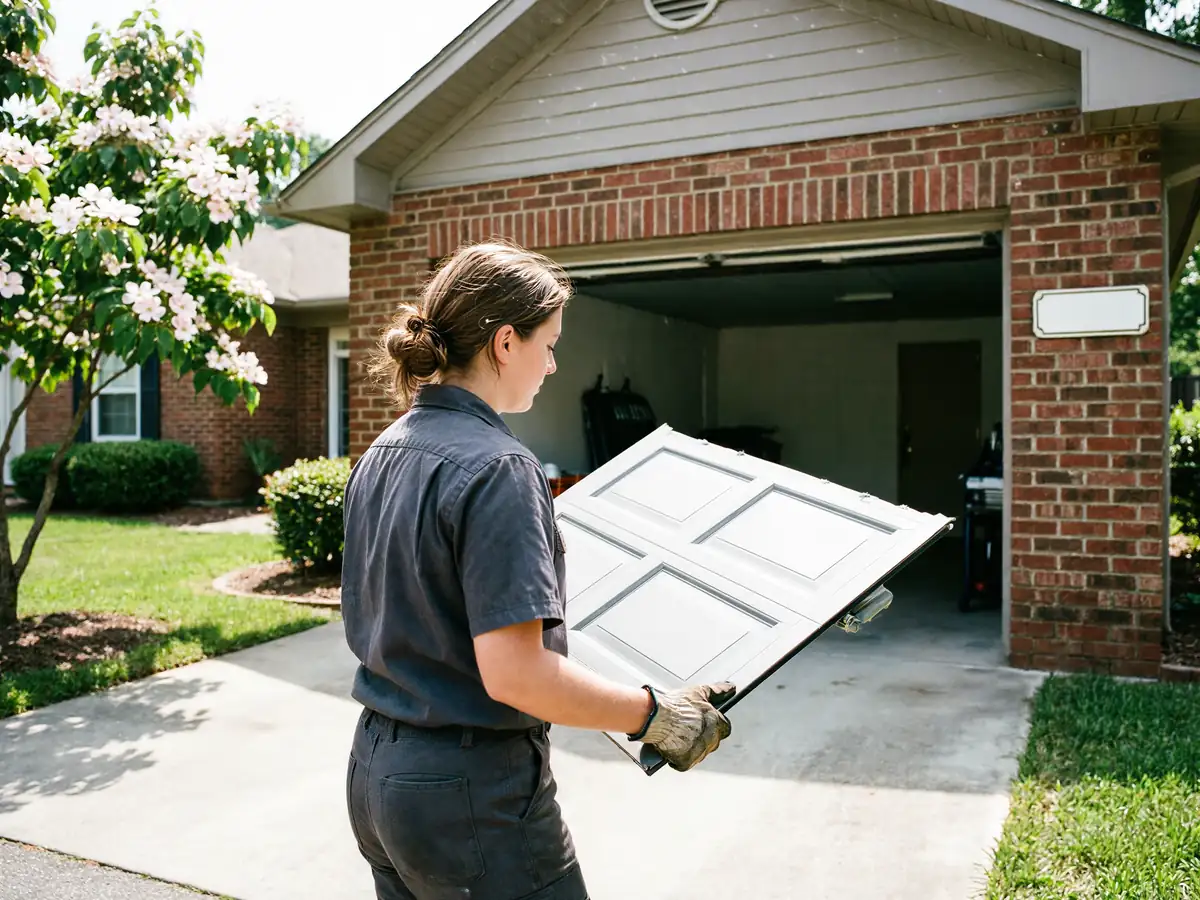
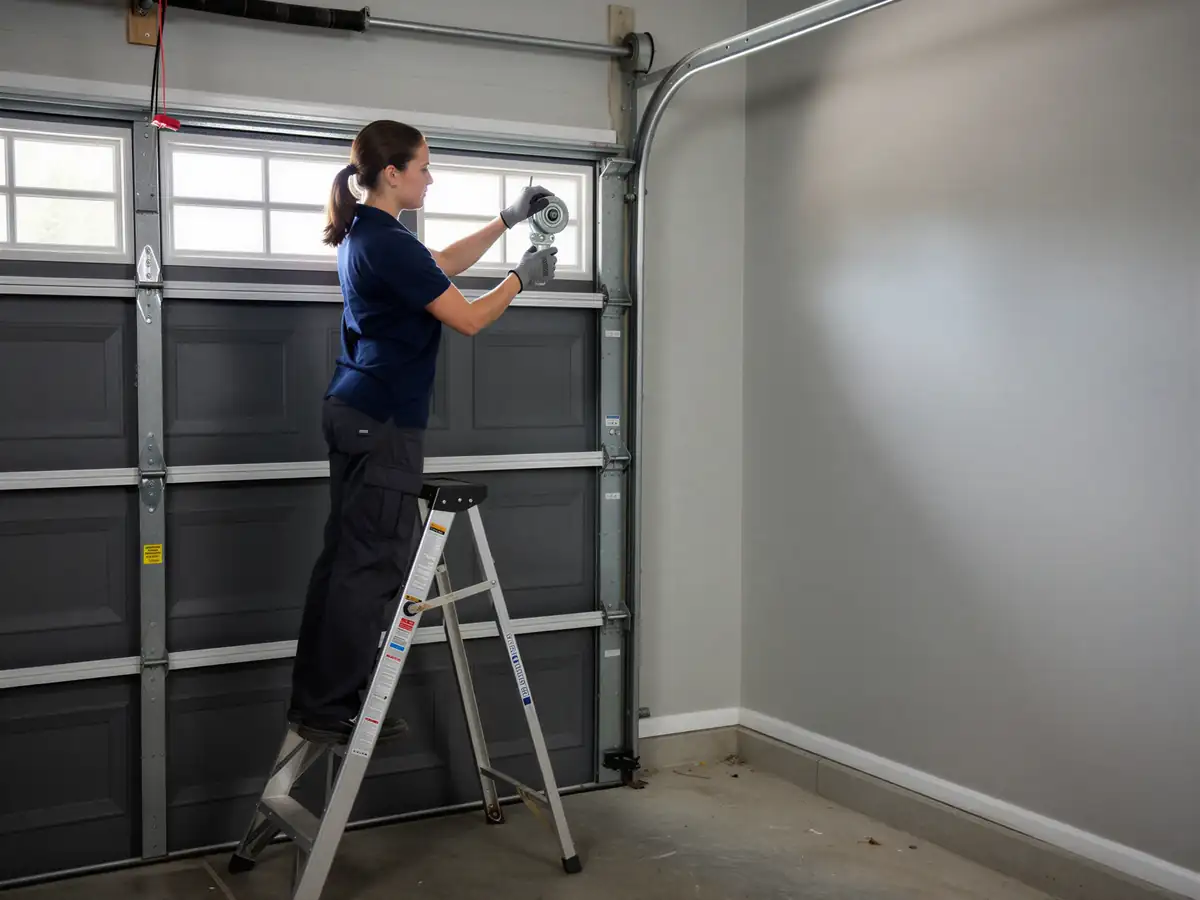
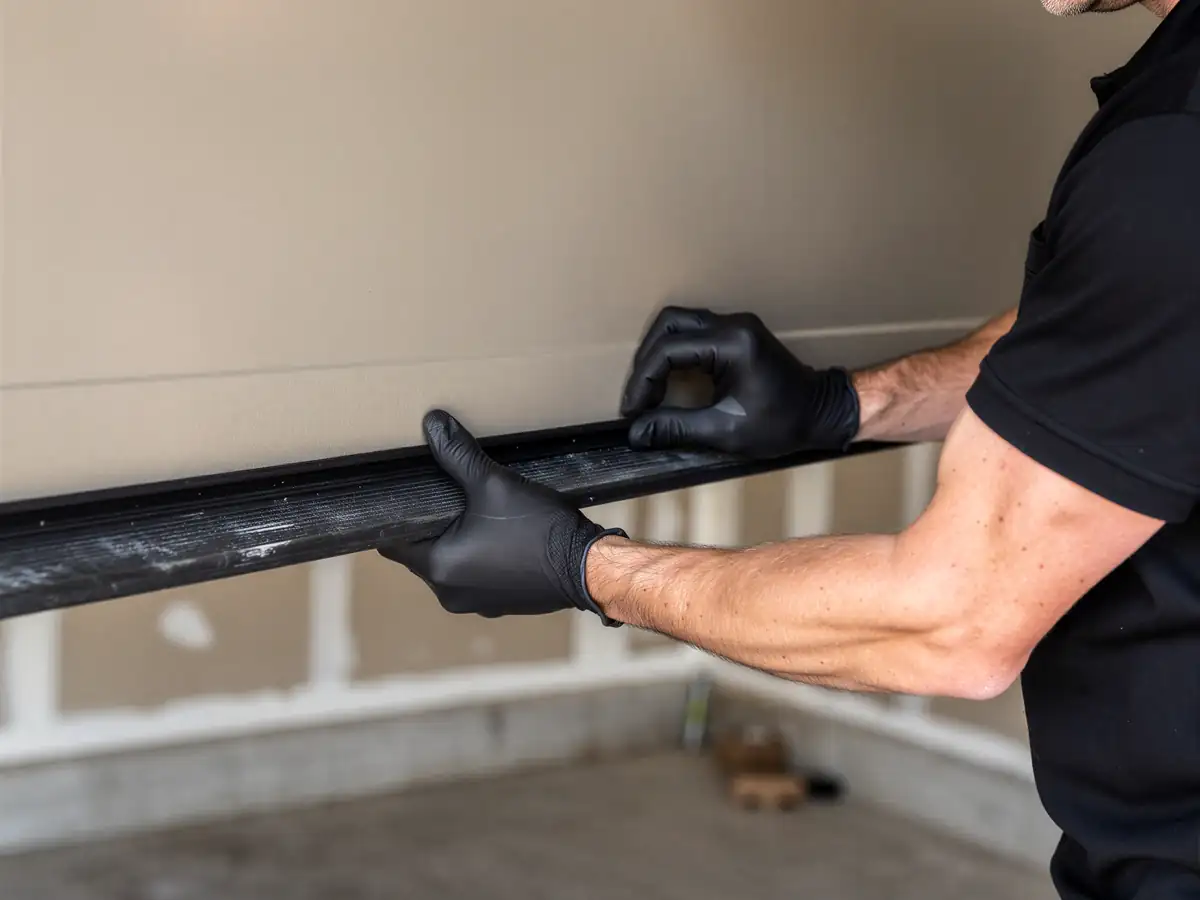
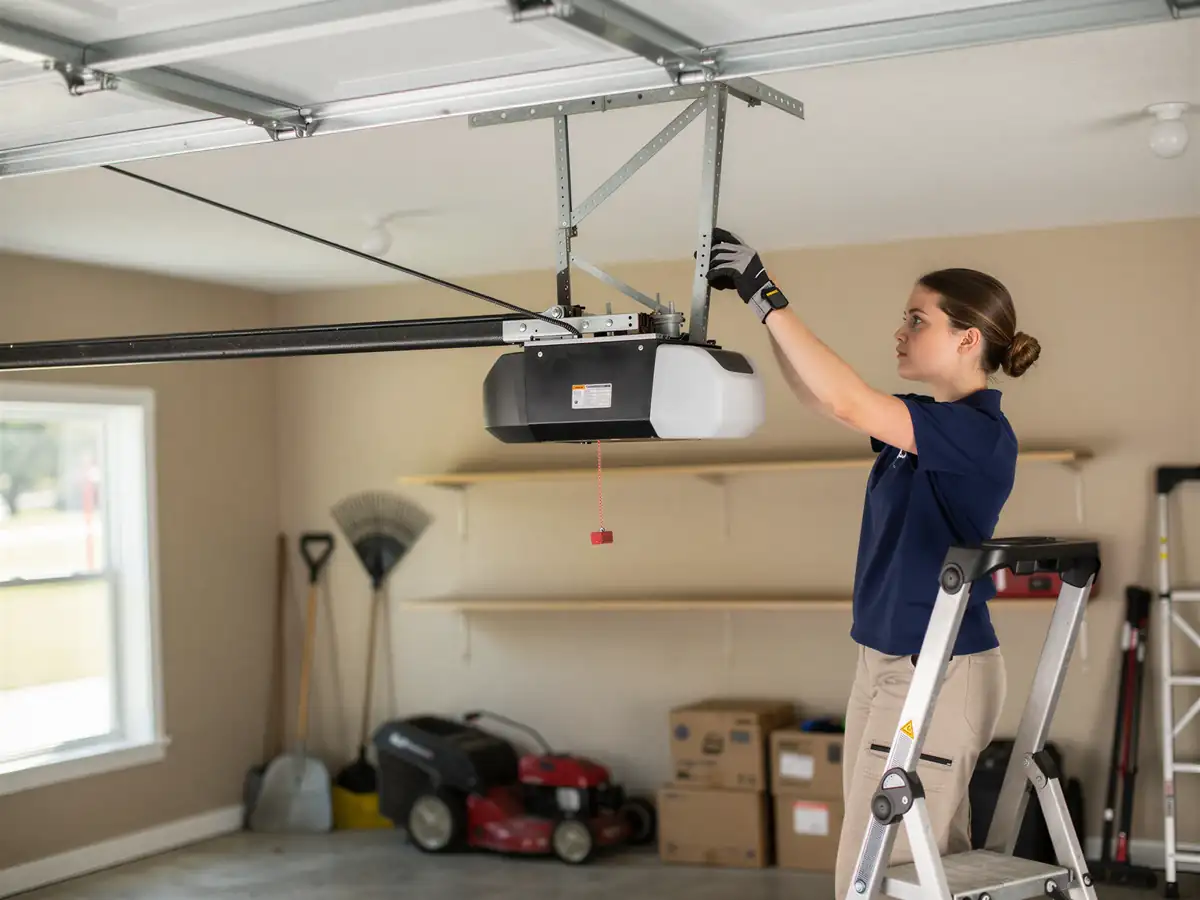
Most of Peachtree Corners went up around 1988, which puts the garage stock squarely in the late-80s sectional steel door era - two-car, 16-by-7 openings, hung on openers that were almost always 1/3 horsepower chain-drive units bolted to a wood header. That's the hardware we stock parts for: chain and sprocket kits, drive gears, capacitors for the older AC motors, and the logic boards that fail quietly after twenty-plus years of humidity cycling through a Georgia summer. We carry both the belt-drive upgrades homeowners ask for now and the chain parts the original units still need. What we don't carry on the truck is anything for the rare wall-mount jackshaft setup - those need an order, and we'll tell you that up front rather than make you wait at the curb while we dig through a bin that doesn't have it.
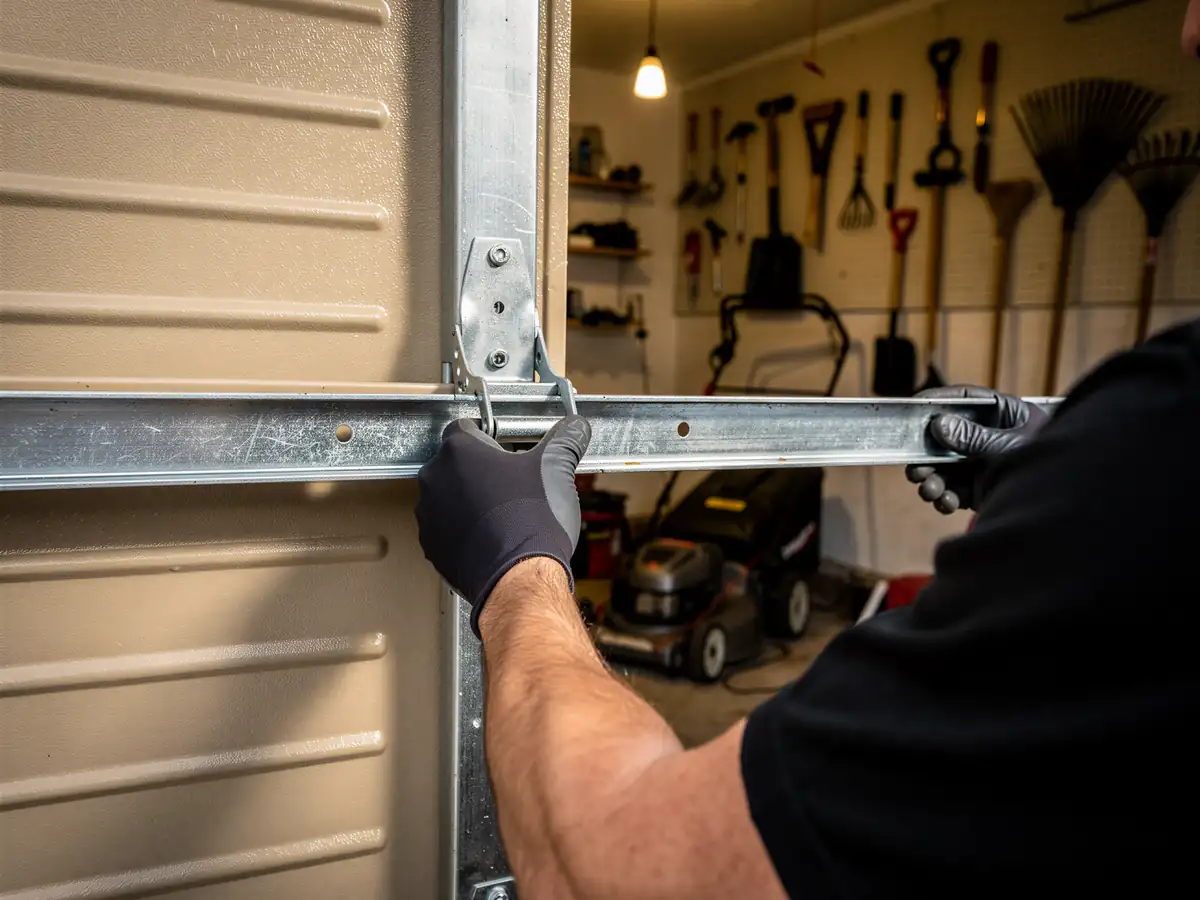
Safety sensors are the other common call. Doors from this build period were retrofitted with photo-eye sensors after the 1993 federal mandate, which means a fair number of Peachtree Corners garages have sensors added as an afterthought - slightly misaligned, wired with whatever gauge was on the truck that day. We carry replacement sensor pairs and the brackets to mount them square, which matters more than people expect.
Can You Do This Yourself
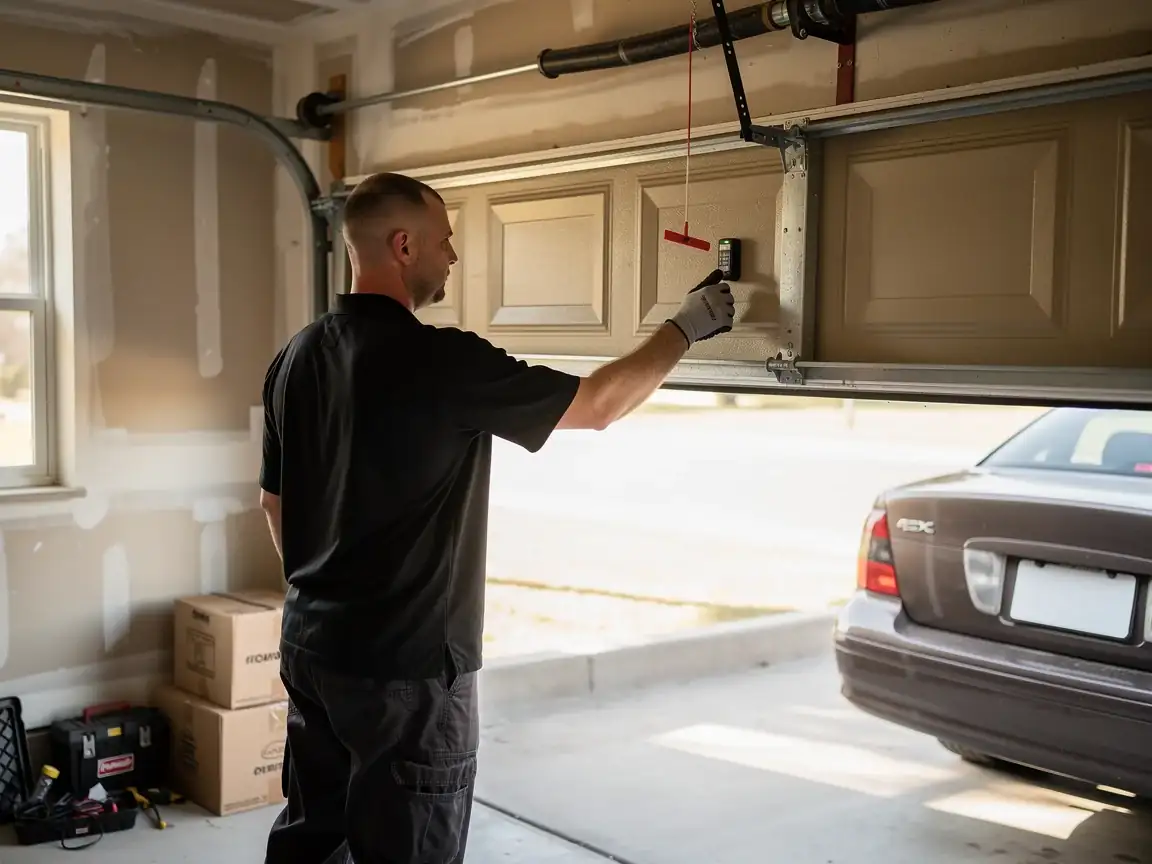
Swapping a remote battery or re-punching your keypad code is a five-minute job and you don't need us for it
Realigning safety sensors is also doable if you're patient - loosen the bracket, nudge it until the light goes solid, snug it back down. Where it stops being a weekend job is the motor itself. A 35-year-old chain-drive opener draws power through a capacitor that can still hold a charge after you've unplugged it, and the gear housing is plastic that's had three decades to go brittle. We've seen stripped gears turn into cracked housings when someone pries at it with a screwdriver.
If the opener runs but the door won't move, or moves partway and reverses
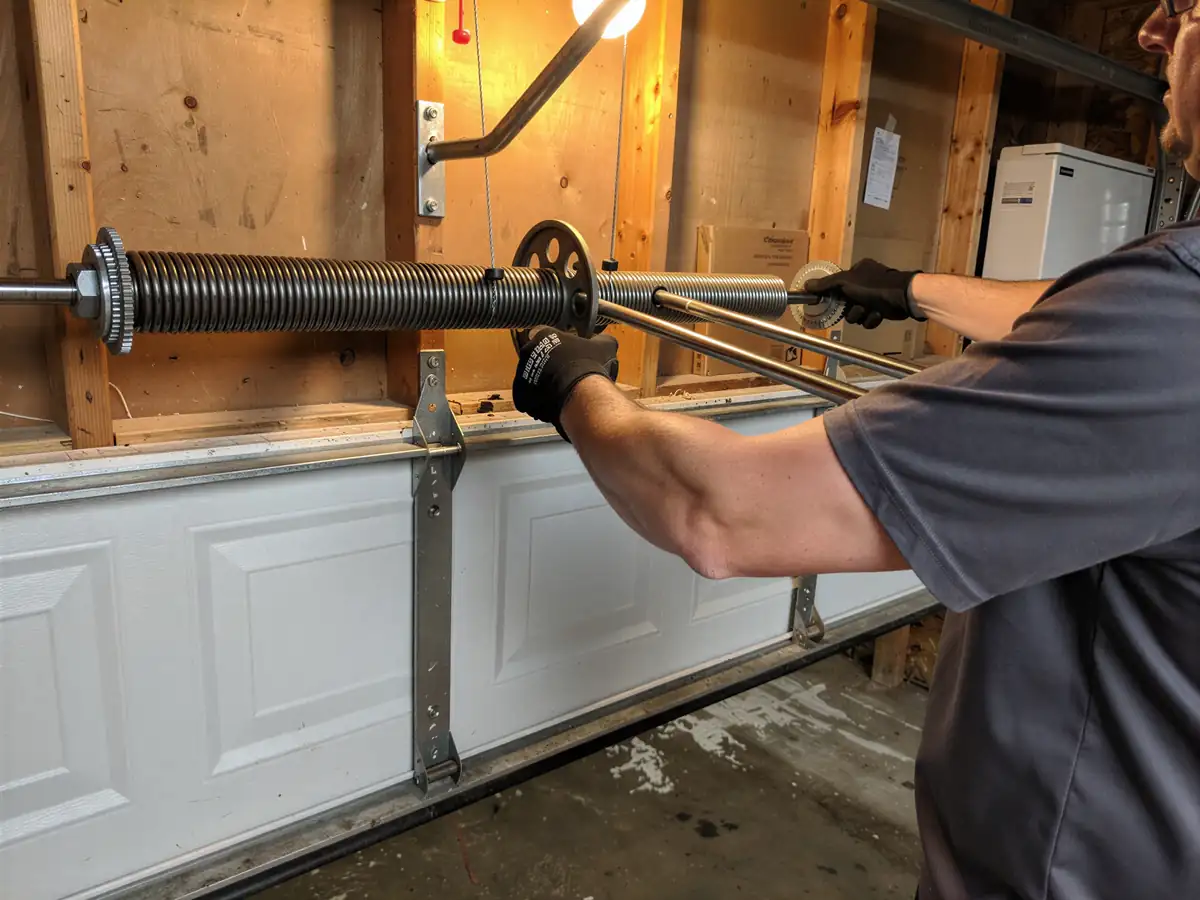
That's usually a spring or cable problem wearing the symptom of an opener problem - and that's not a DIY repair on a door this size, full stop. Torsion springs on a 16-by-7 door store enough force to break bones. Call for that one.
How It Shows Up
The most common call we get from this part of the service area is the opener that runs but the door barely lifts, or lifts a few inches and stops. On a house from the late 1980s, that's usually a motor that's been quietly losing torque for a year while the capacitor degrades - it still turns the chain, it just can't pull the weight anymore, especially once a torsion spring has lost some of its own tension from age. The other pattern is the opener that clicks and does nothing, which on this vintage of unit is almost always the start capacitor or a worn drive gear that's finally stripped its teeth.
We also hear about doors that reverse right after they start closing. Nine times out of ten that's a misaligned or dirty safety sensor, not the motor - an easy diagnosis once we're on site, and a cheap one to fix compared to replacing a board that didn't need it.
How We Fix It
We start with the logic board and the capacitor before we touch anything mechanical, because on an opener this age those two parts cause more no-moves than the motor winding itself. If the drive gear's stripped, we replace the gear kit rather than the whole unit - that's usually the right call on a chain-drive opener that's otherwise sound. Sensor alignment gets checked and reset even if it wasn't the complaint, since a borderline sensor on a 30-plus-year-old bracket tends to come back as a second call if we leave it alone.
When the opener itself is the problem and parts for that specific model are hard to source - which does happen on units this old - replacement is the honest answer over a repair that'll need doing again in six months. We'll tell you straight which situation you're in rather than bill for a patch.