Parts We Carry
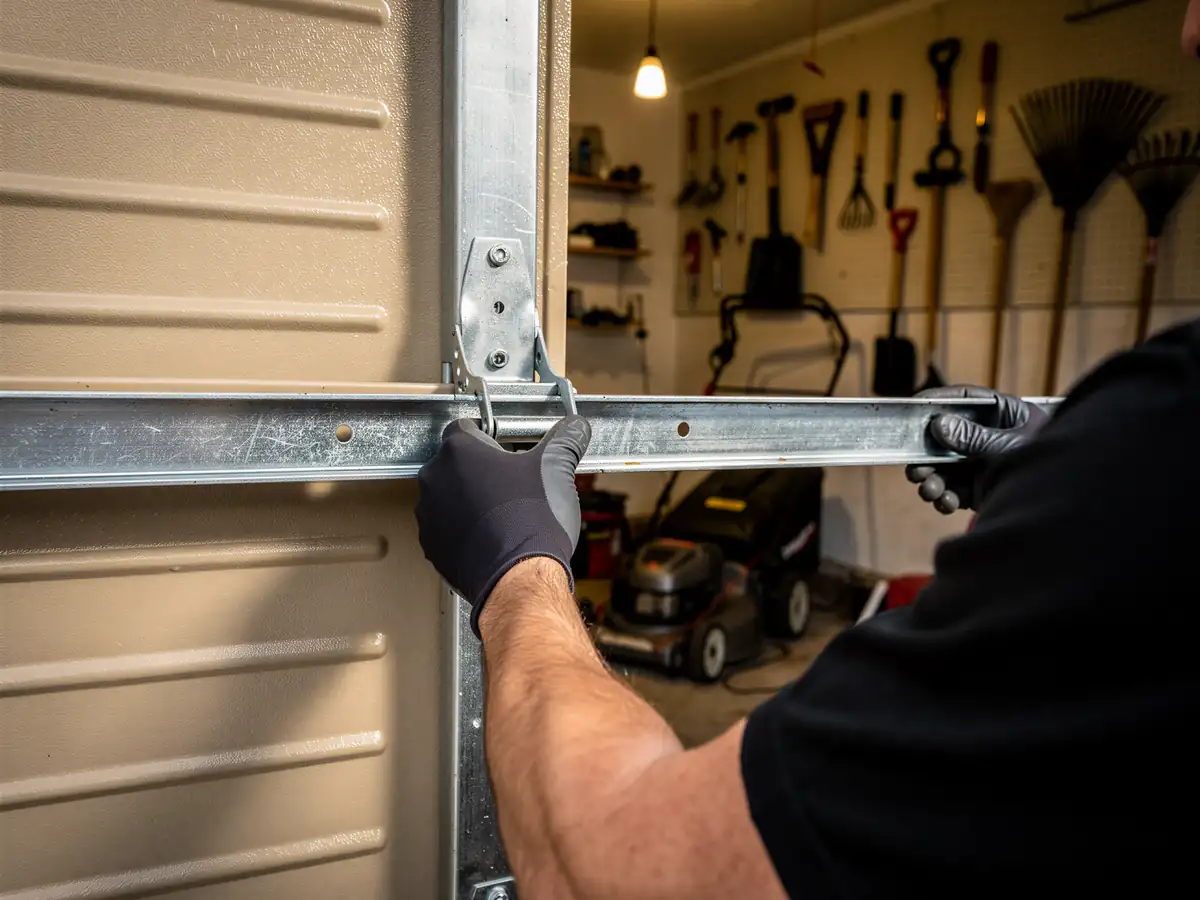
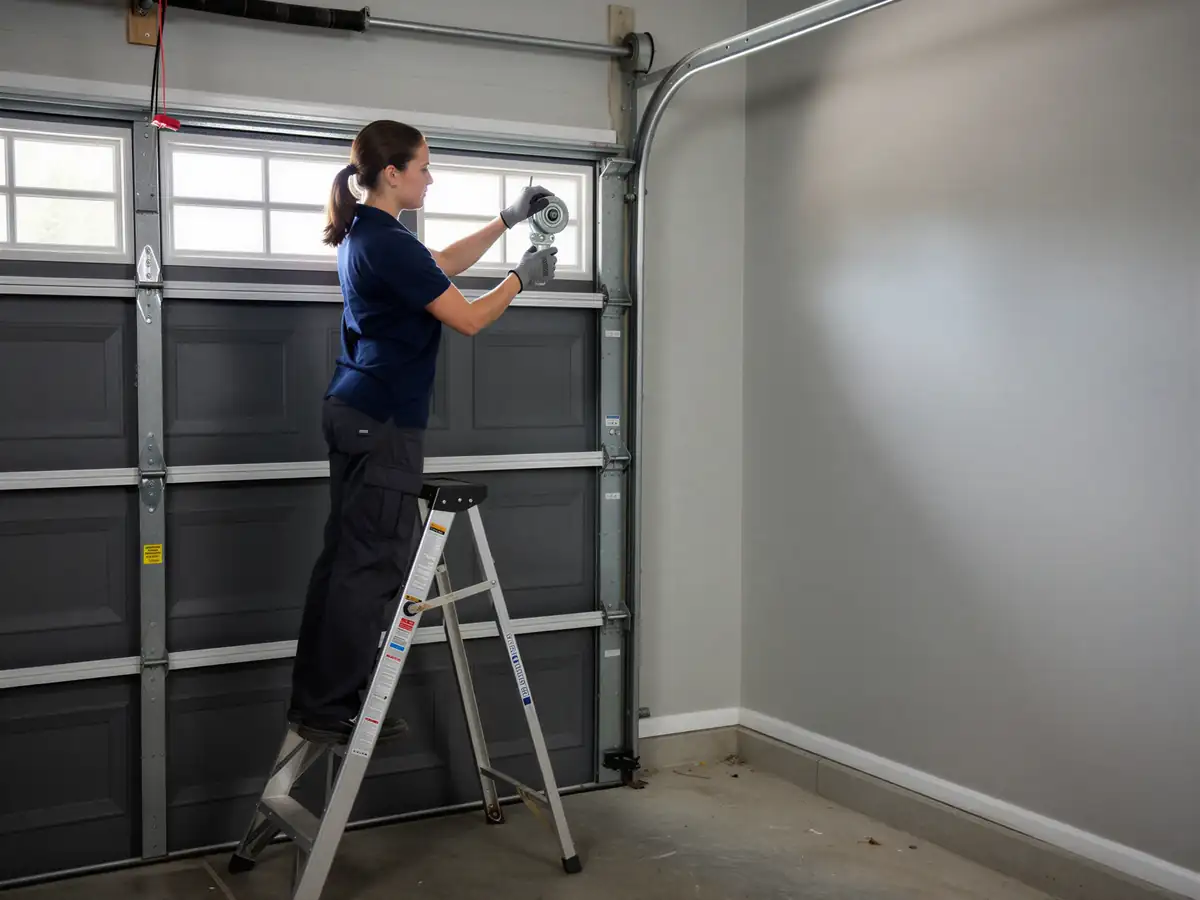
The truck that comes out to Peachtree Corners is the same one that works out of Roswell, 8 miles down the road, so it's stocked for what that drive usually turns up. Most of the houses here were built around 1988, which puts them squarely in the stretch of construction that ran steel-rail doors with 7-ball nylon rollers instead of the older plain-steel ones you'd see on anything from before the 1960s. We carry both. Nylon rollers are the standard swap now - quieter, no lube needed, and they don't wear the track the way steel does over twenty-plus years of cold-season use. We also carry the sealed-bearing upgrade for anyone who wants less noise and a longer interval before the next call. What we don't carry on the truck is every oddball roller stem length - some older doors from the earlier end of that building range used a shorter stem, and if that's what's on your door, we may need to order it rather than finish same-visit. We'll tell you straight if that's the case before we start.
How It Shows Up
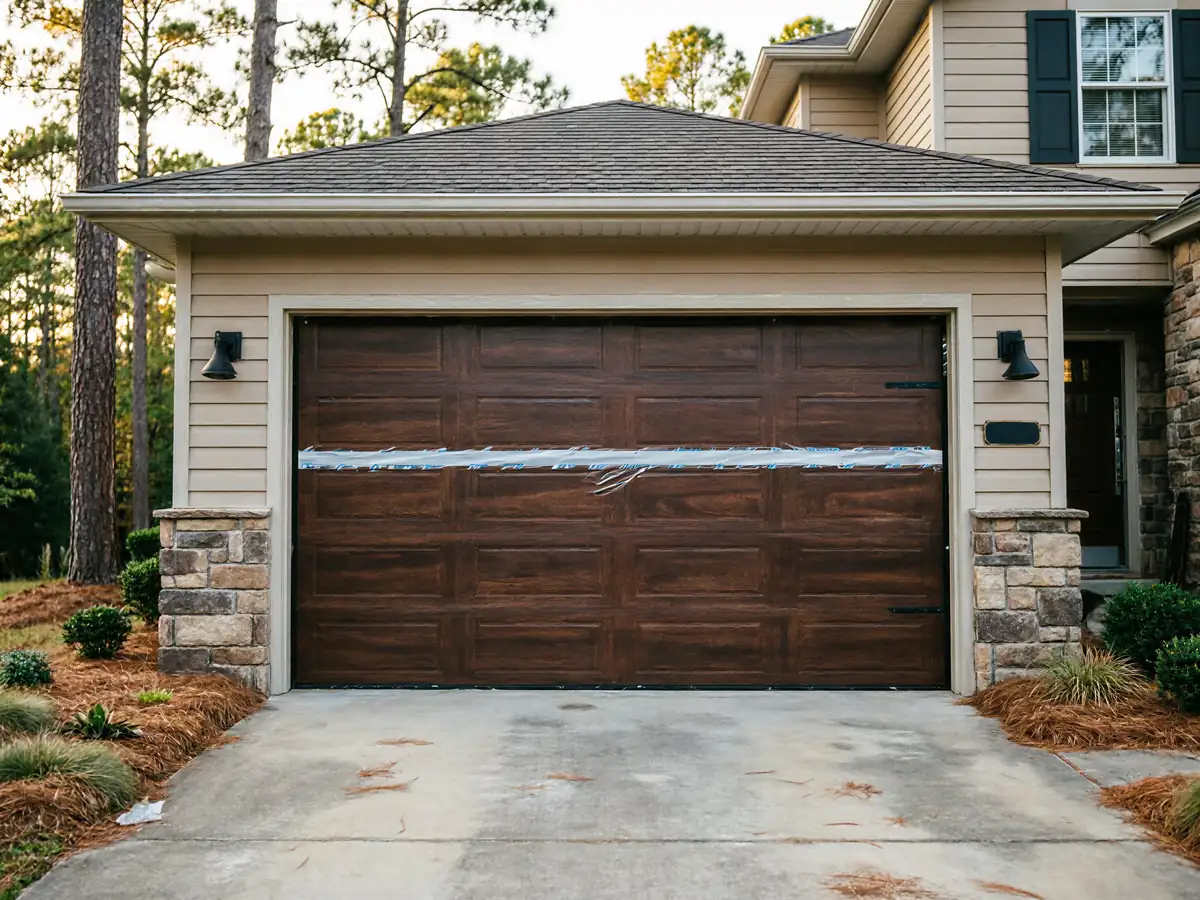
On doors from the mid-80s stock typical of Peachtree Corners, the complaint is almost always the same: a grinding or popping sound as the door travels, worse at the top of the run. That's a roller losing its bearing surface, usually after years of winter condensation sitting in the track - this area sits in a cold-moderate climate band, so the track sees freeze-thaw cycling that steel rollers handle worse than nylon. You might also see the door hang slightly crooked in the opening, or one section seem to drag against the track wall. Less common but not rare: a roller that's cracked clean through and jumped the track, which usually means the door won't move at all until it's fixed. None of this is urgent in the way a snapped cable is, but it gets worse, not better, left alone.
How We Fix It
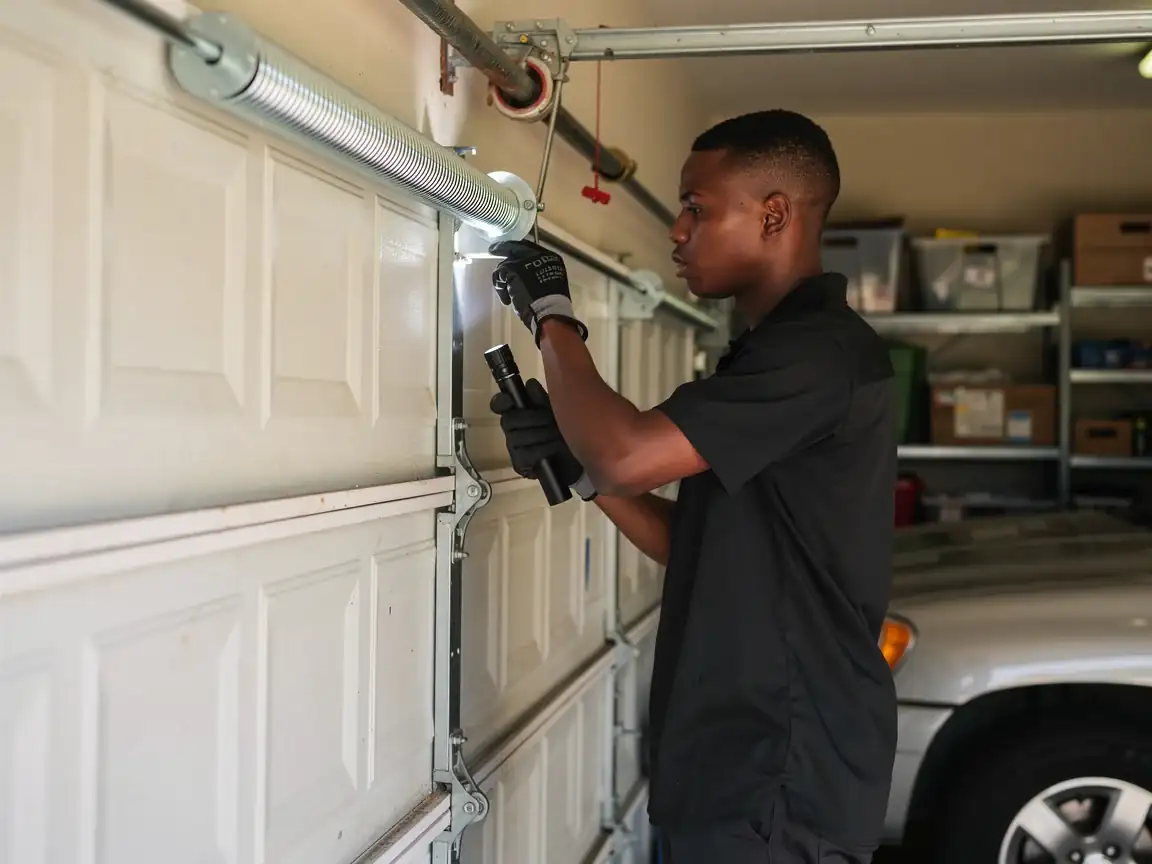
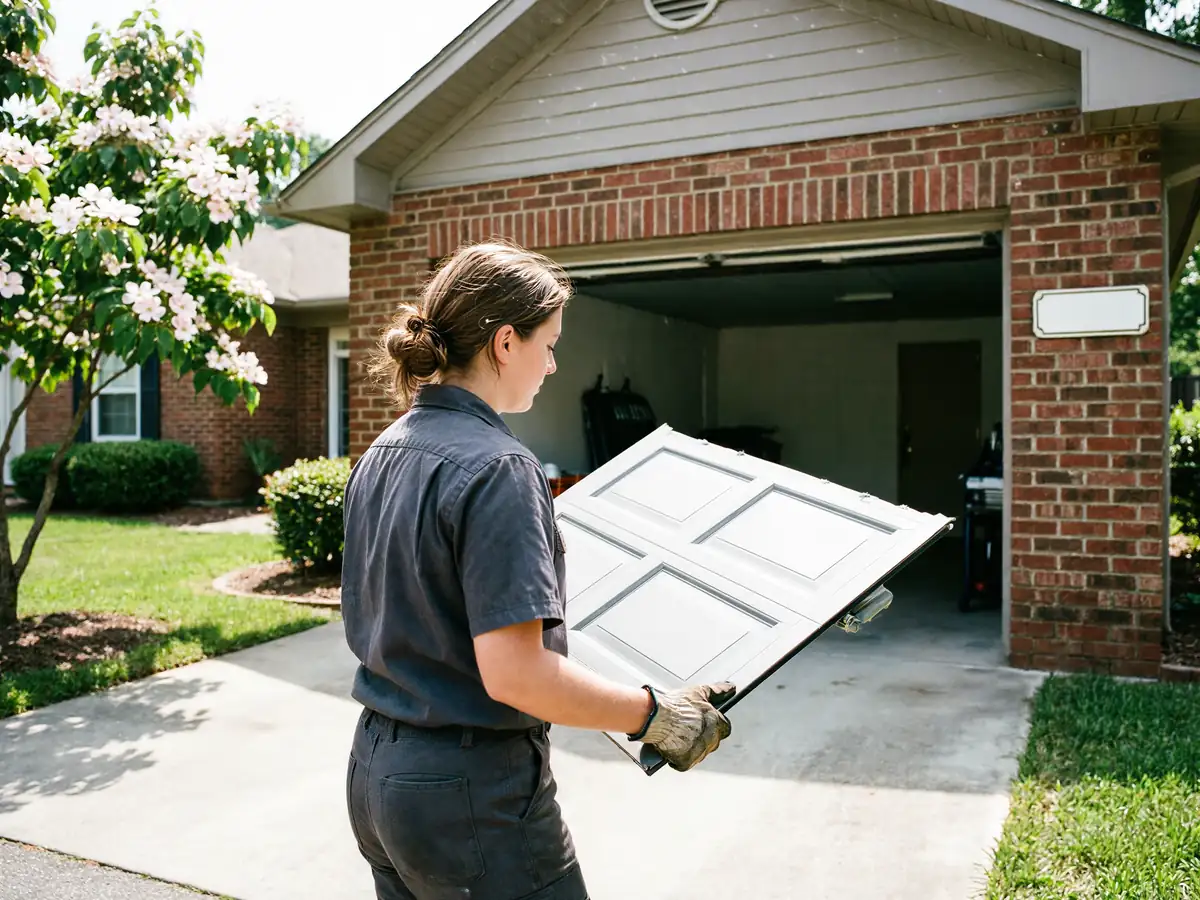
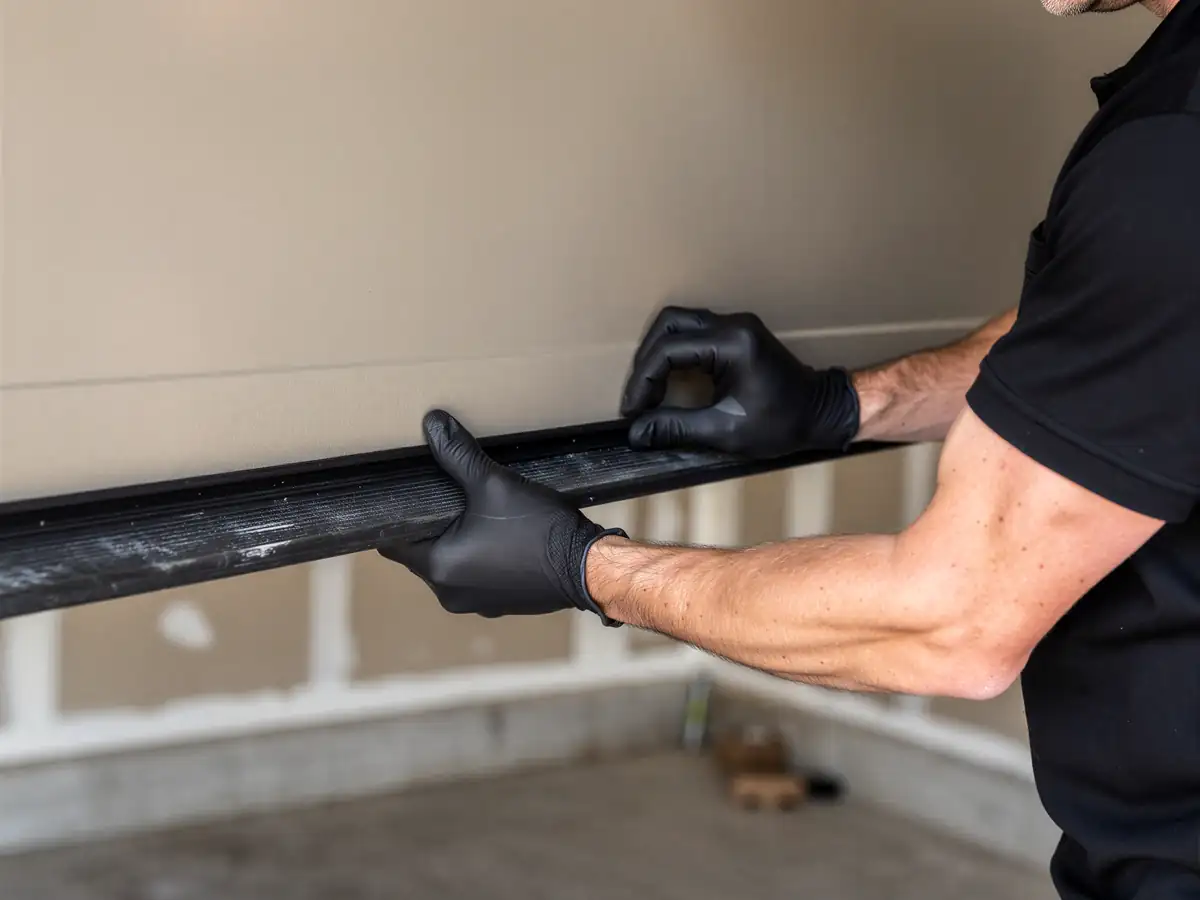
We pull the panel section with the bad roller, check the stem and bracket for wear, and swap in sealed nylon rollers matched to the stem length your door actually uses - which, given the 1988 median build year around here, is usually the standard stem, not the older short one. We check every roller on the door while we're in there, not just the one that's grinding, because if one's gone the others on that section are close behind. We also check the track alignment, since a roller that's been grinding against a bent track will just wear out again fast if the track isn't straightened first. If the whole track's bent or rusted through, that's a separate repair and we'll say so rather than bolt new rollers into a track that'll chew them up in a year.