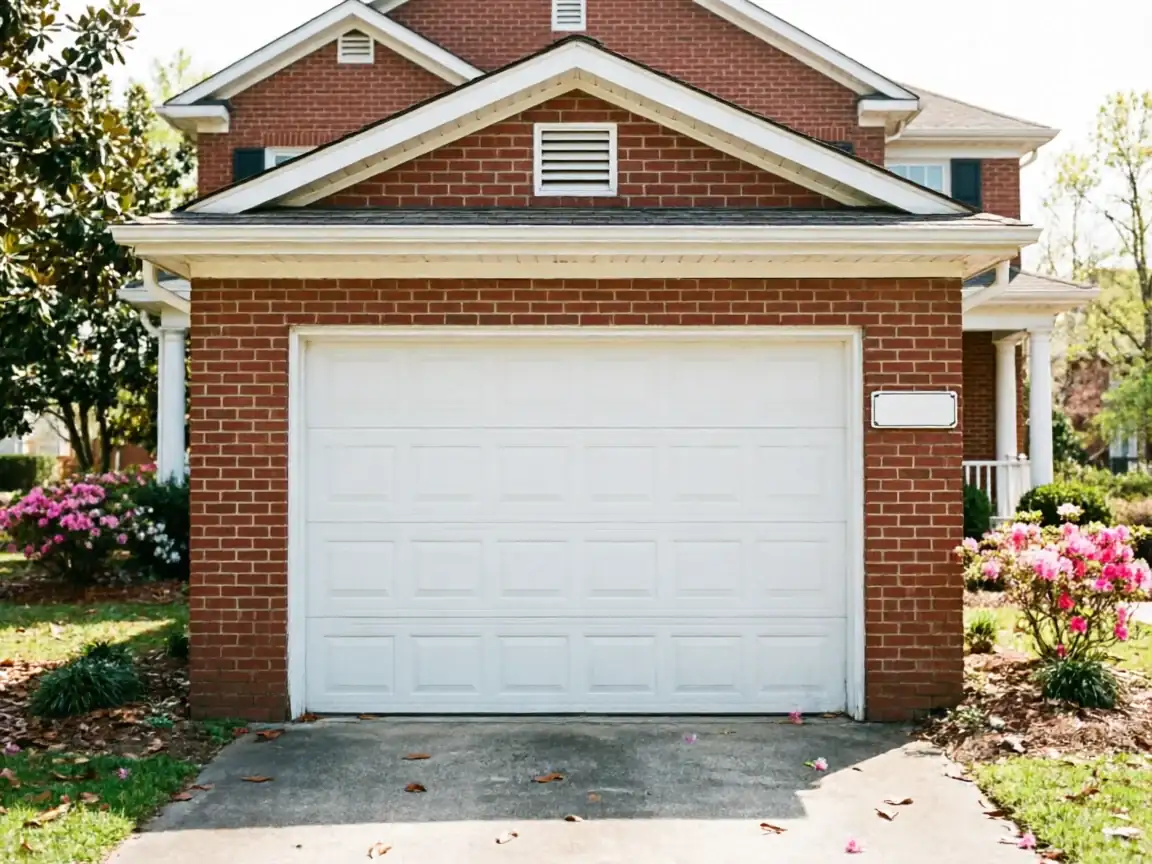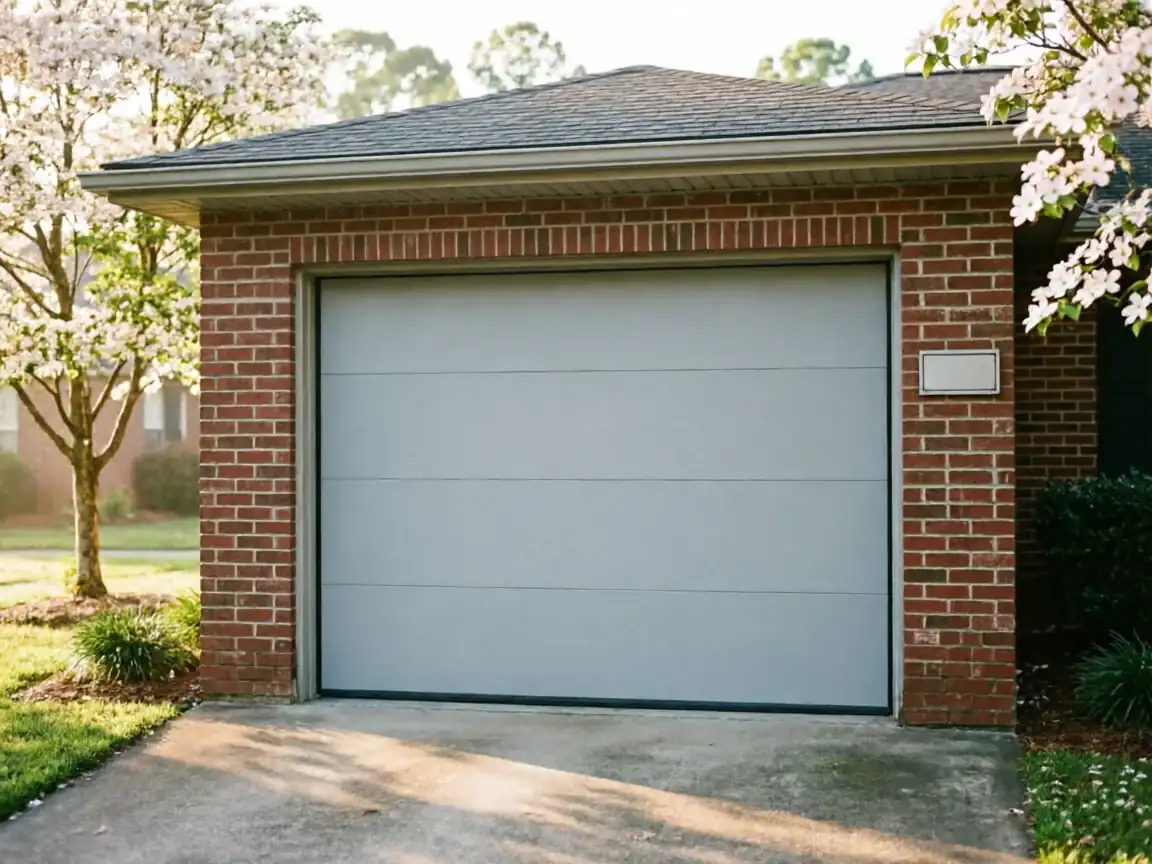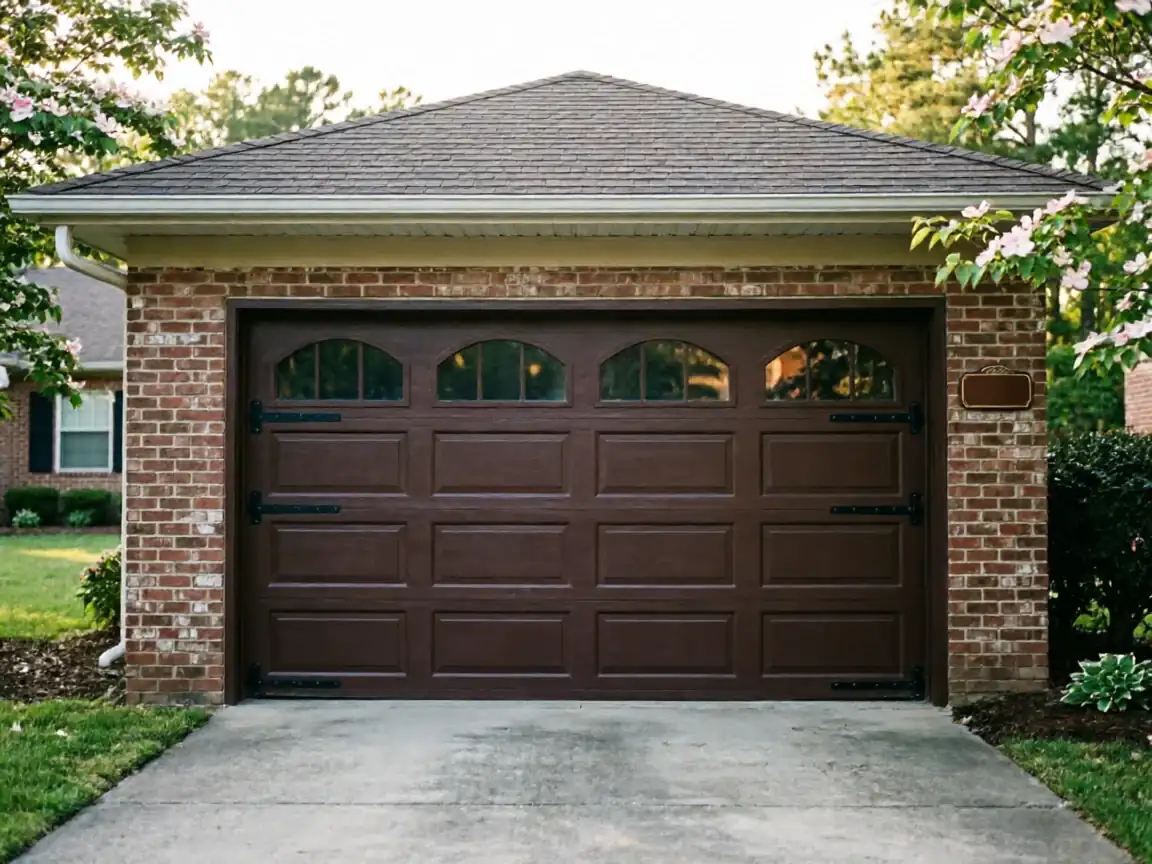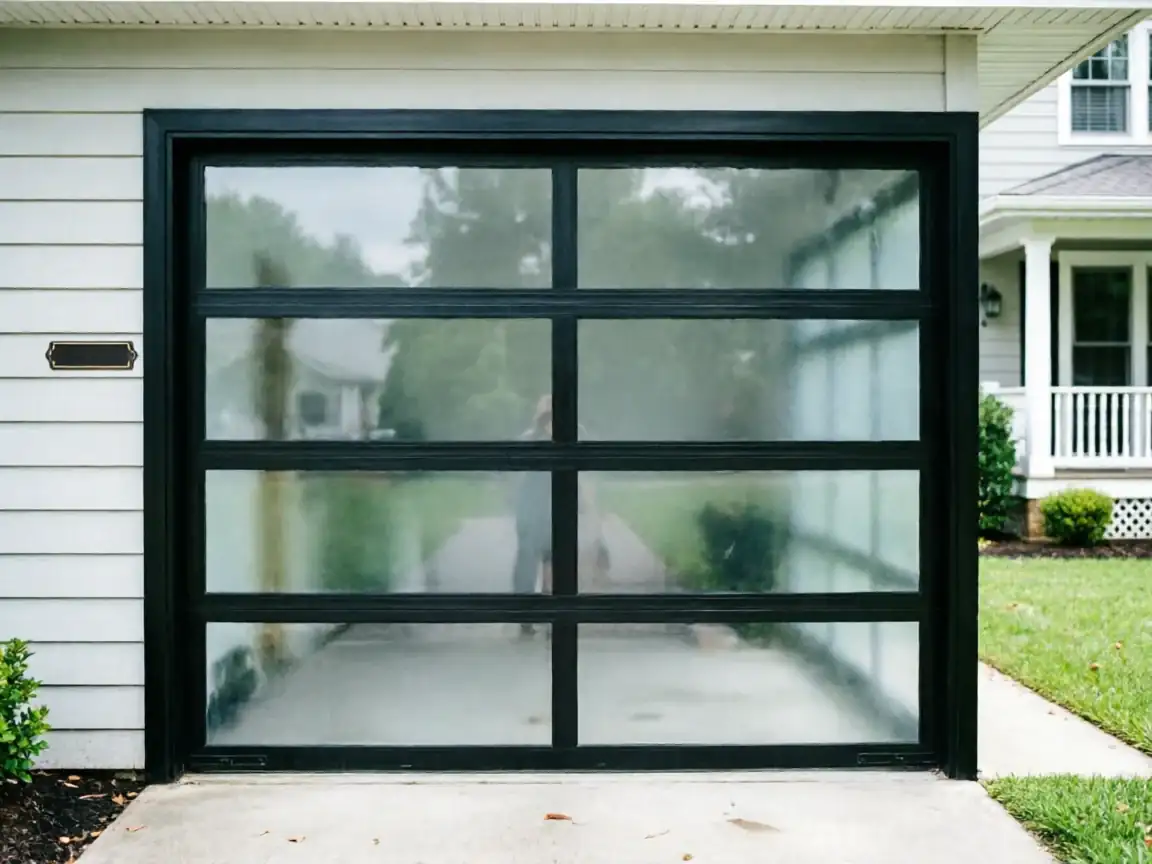
Parts We Carry
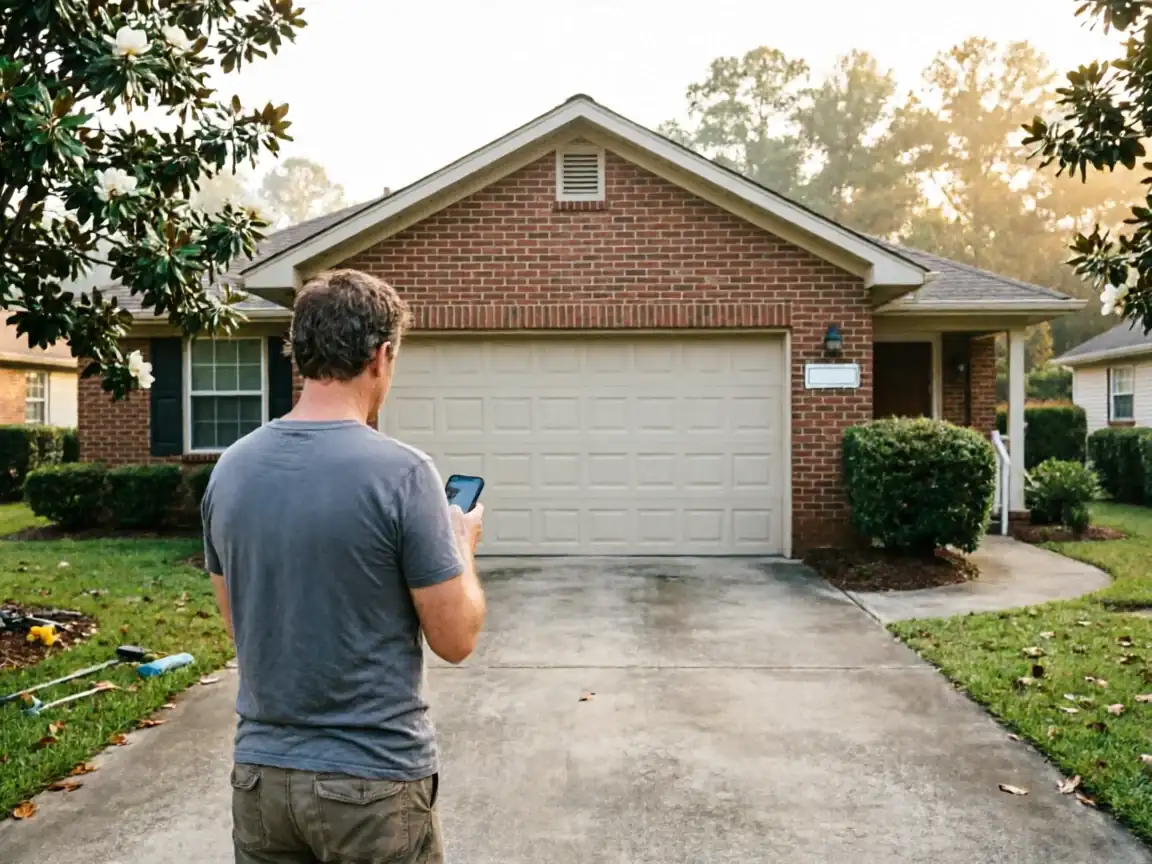
Roswell's housing stretches back to 1951, with plenty of original one-piece doors and older side-mounted torsion setups still in service on the west side of the city. Peachtree Corners sits on the newer end of that curve - most houses here went up around 1988, squarely inside the 1980s-90s wave that makes up the bulk of the service area's stock. That eight-mile difference in location is nothing; the twenty-year difference in build year is what actually changes the job.
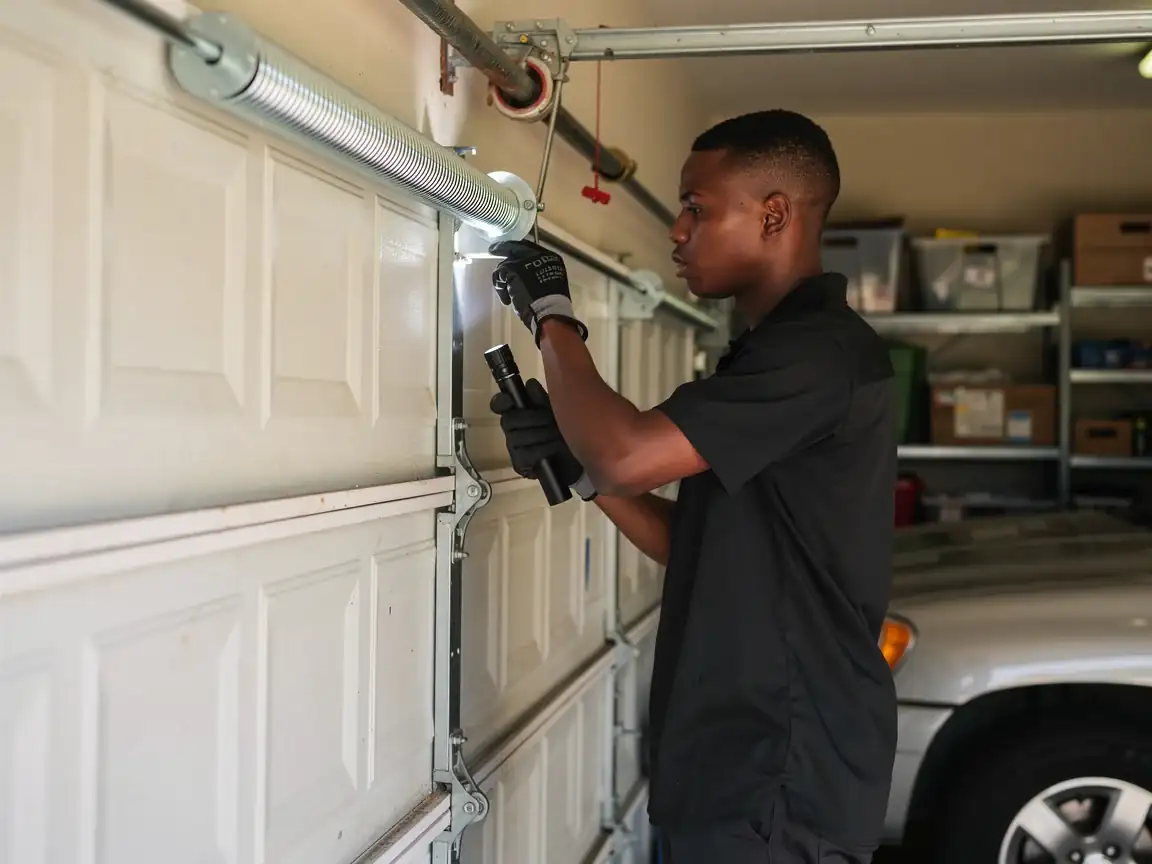
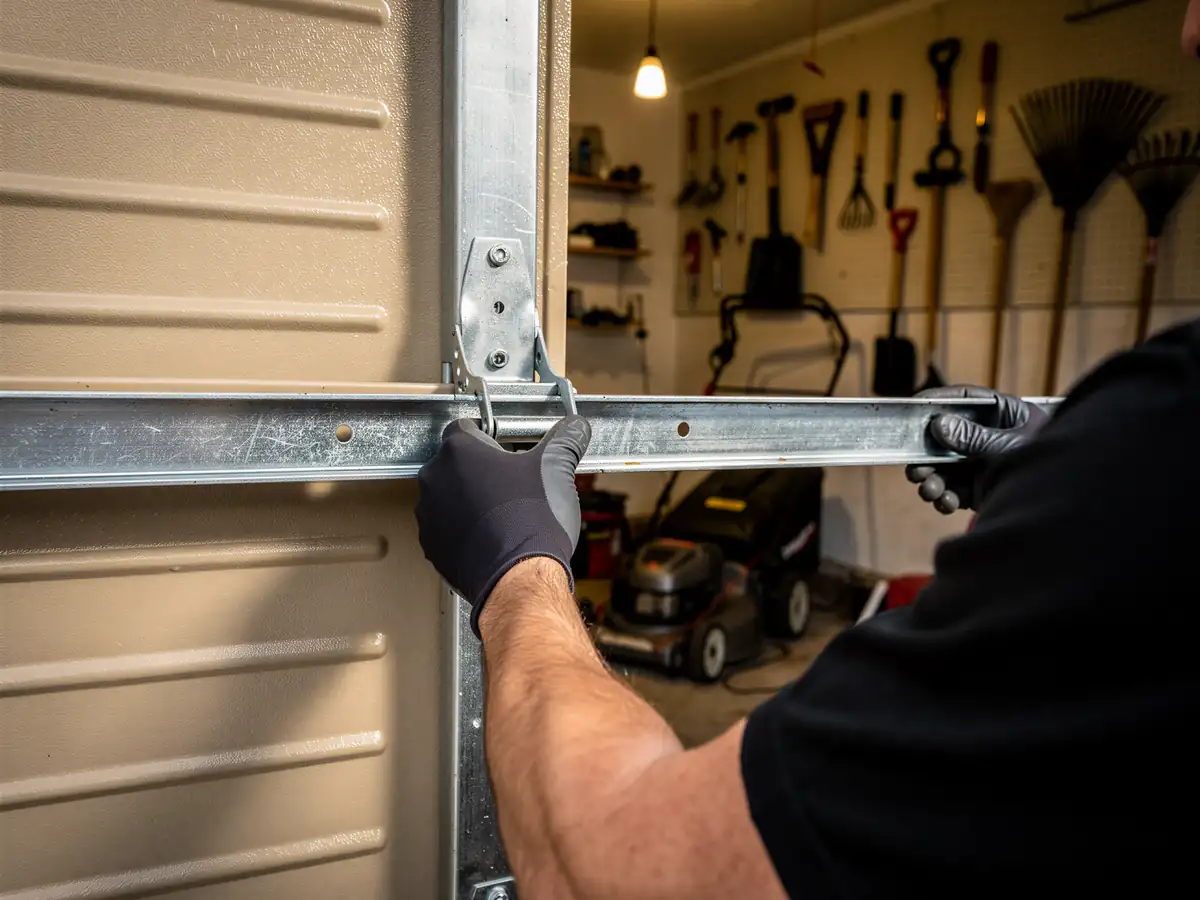
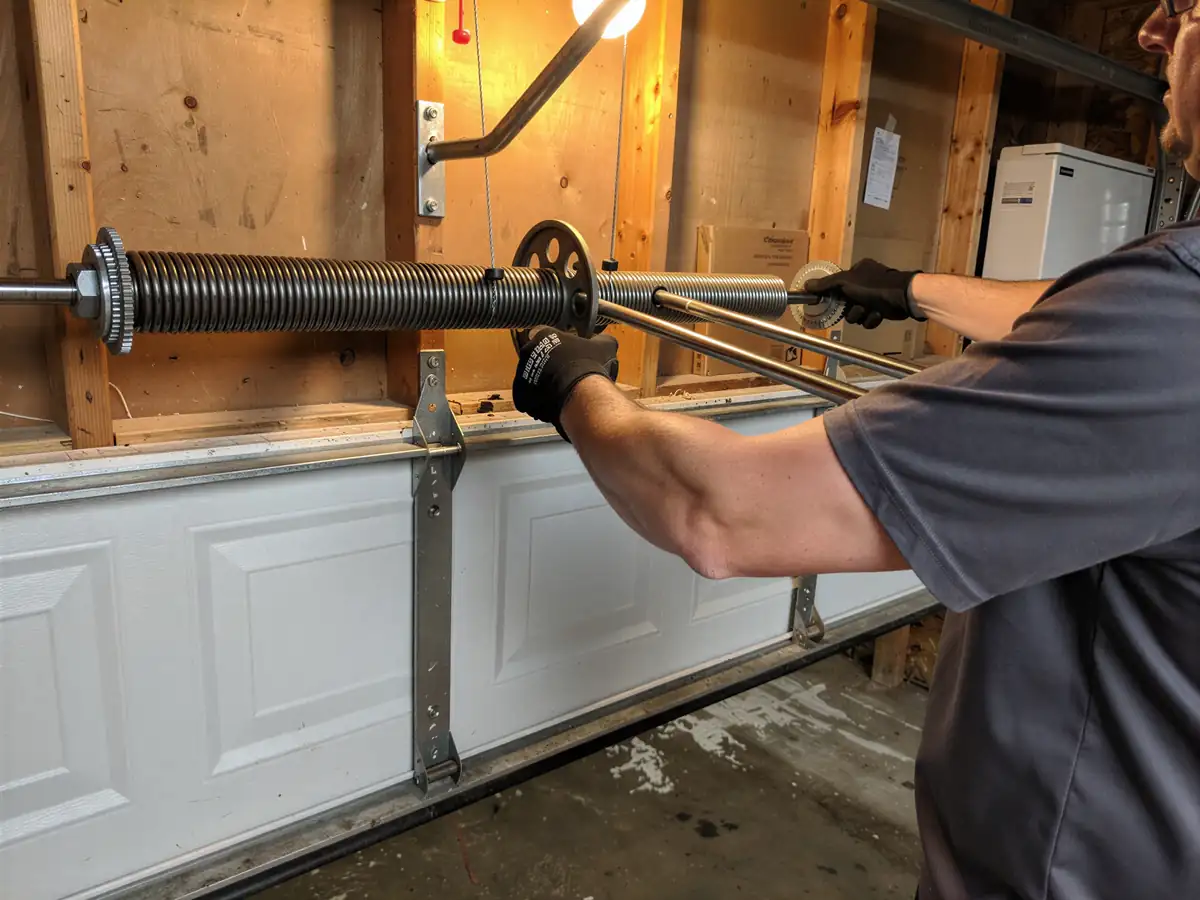
A house built in 1988 almost never has the original hardware anymore, but it usually has a second-generation setup: steel sectional doors, extension or early torsion springs sized for lighter panels, and chain-drive openers from the first wave of residential automation. We carry torsion springs in the cycle counts and wire sizes that era calls for, matching rollers for steel track from that period, and replacement drums sized for doors that are a hair narrower than the newest builds. We don't stock parts for doors from the 1950s-60s pocket of the service area on the truck by default - if your house is one of the rare older ones, we order ahead.
Can You Do This Yourself
A torsion spring job on a late-1980s door is not a beginner repair regardless of where the house sits
The spring is still under enough tension to break a bone or a window if it lets go wrong. Replacing rollers, tightening hinges, or lubricating track on a door from this era is reasonable DIY work, since the hardware is common and parts are easy to find for a house this age.
What trips people up is the opener
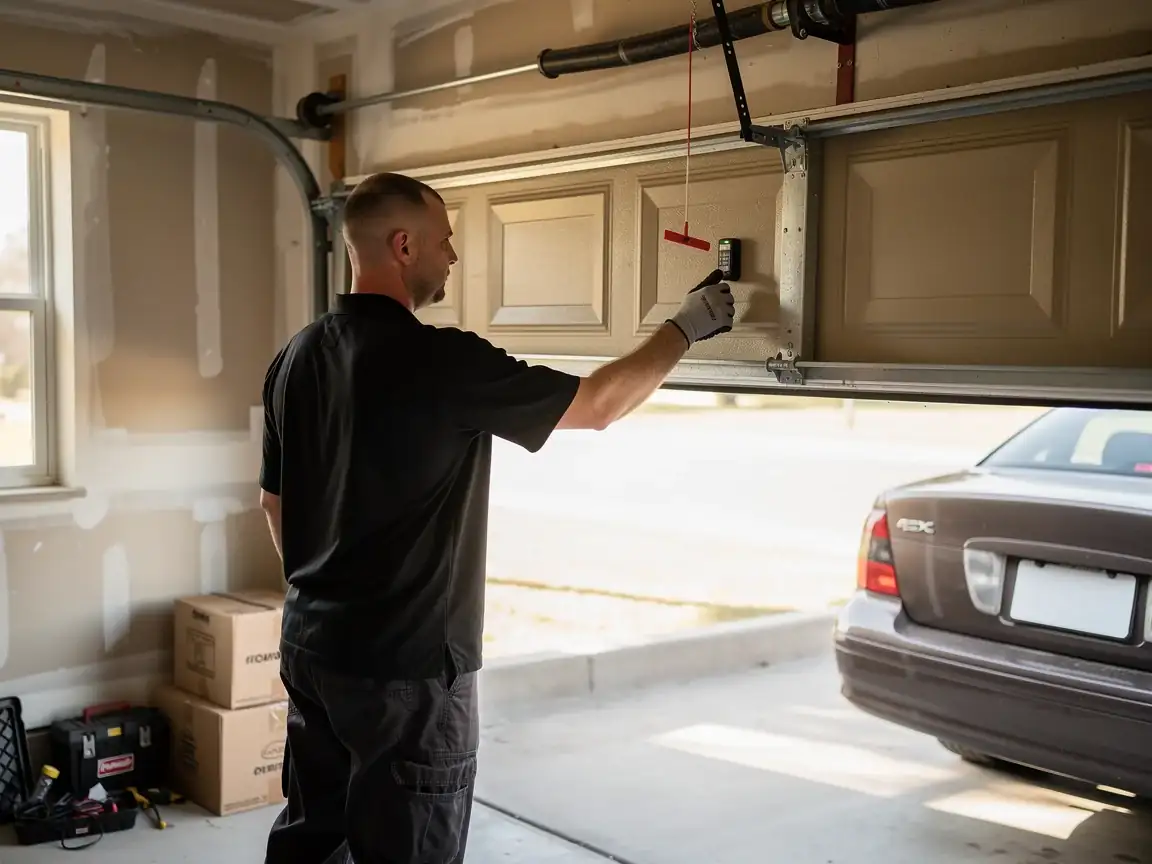
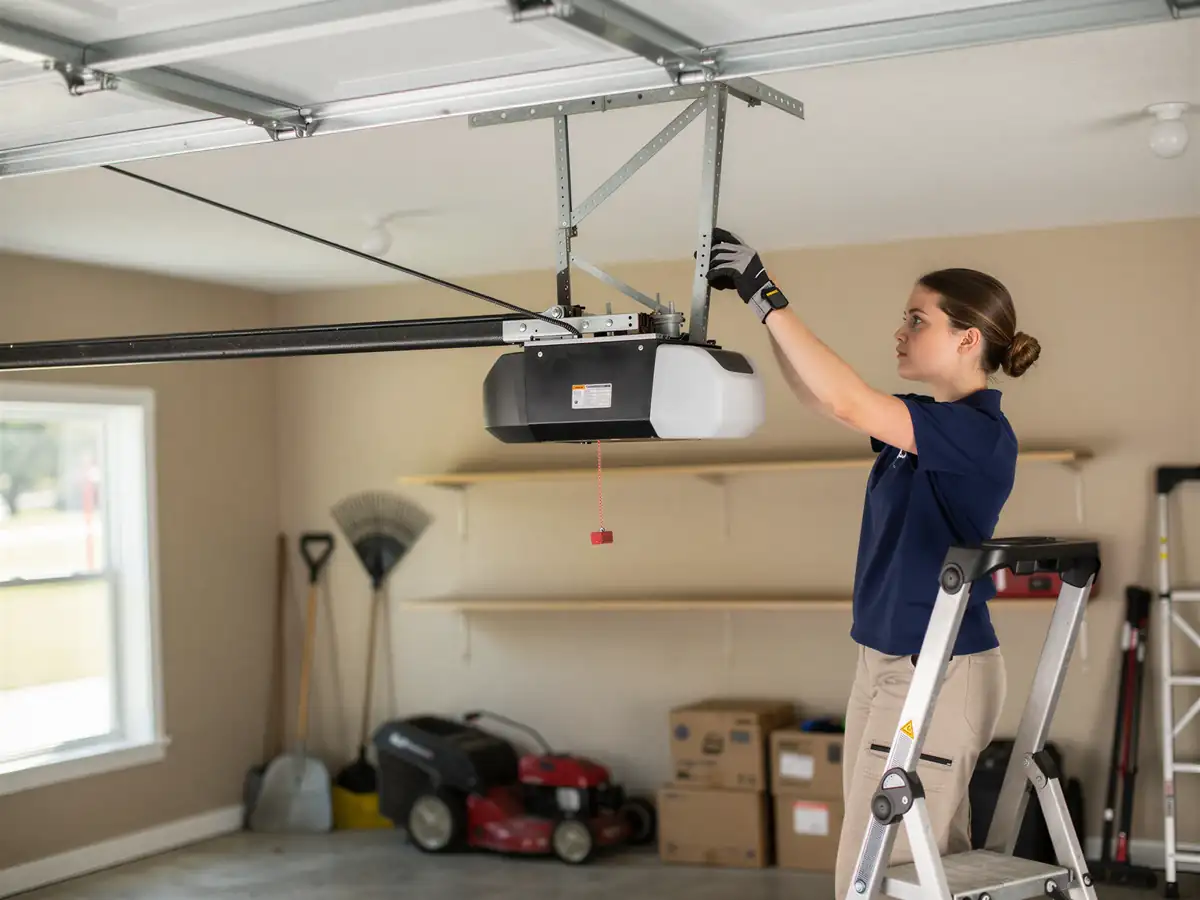
A lot of 1988-era chain-drive units are still running, and homeowners sometimes try to swap in a newer belt-drive opener onto old rail brackets that were never sized for it. It usually half-works for a few months, then binds. If your opener predates the mid-90s shift to safety-reversal sensors as standard equipment, don't wire around a missing sensor to make an old setup pass - that's the one shortcut we won't help you take, even over the phone.
How It Shows Up
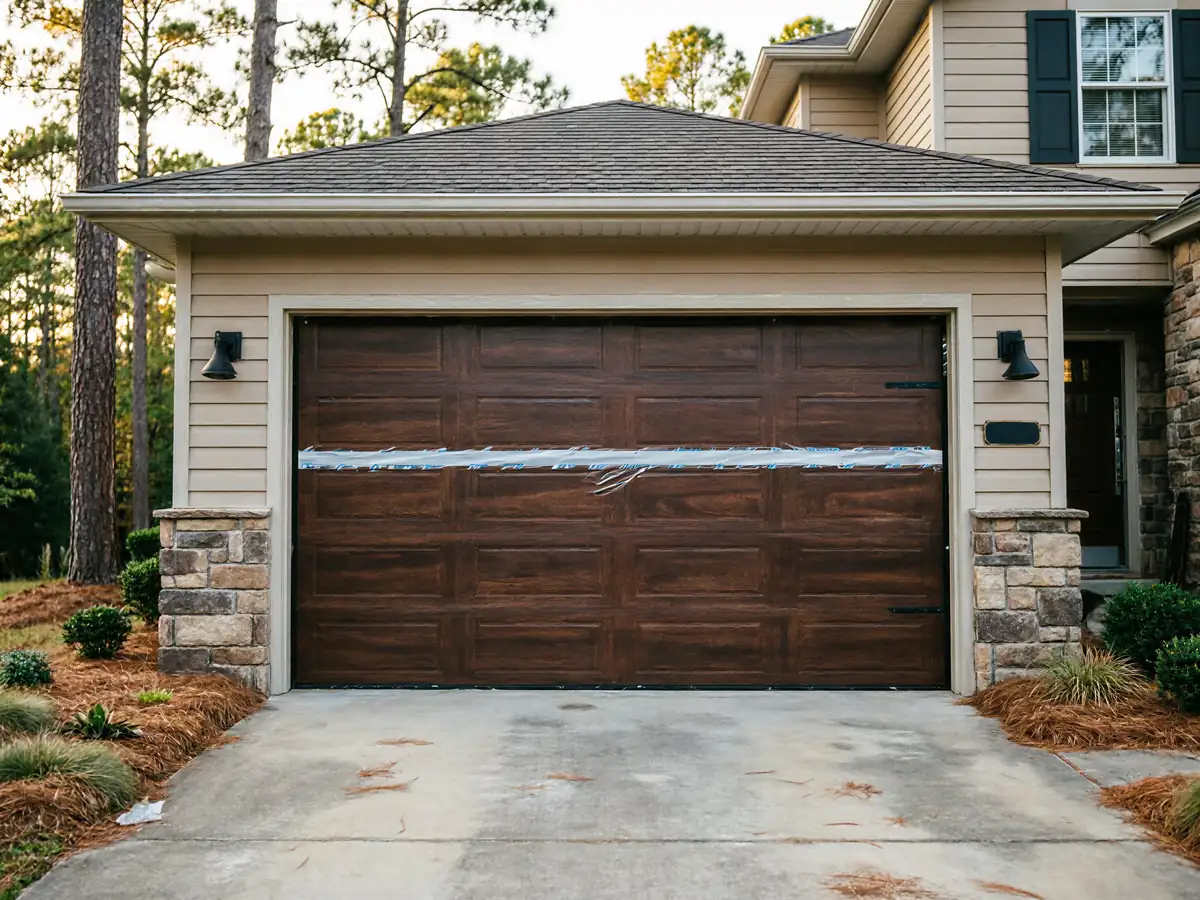
On a house from this build era, the first sign of spring fatigue is usually the opener straining on the first foot of travel, then catching up - the spring's lost tension but the opener motor is still fighting the weight the same way it did on day one. On older torsion setups in other parts of the service area the failure is more often a snapped spring, full stop.
Track misalignment on 1980s steel track tends to show up as a door that walks to one side as it opens rather than running straight, since the track gauge from this period flexes slightly more than current reinforced rail. Cold snaps matter too: the moderate-cold climate band this area sits in is enough to stiffen grease in an aging opener gearbox on the first really cold morning of the year, which is why late fall calls about a slow or noisy opener spike before anything actually breaks.
How We Fix It
We diagnose against the build year first, not just the symptom. A door reported as "slow to close" on a house from this era is almost always the torsion spring losing wind count, not the opener failing - we check spring tension before we touch the opener board. On the newer end of the service area's stock, that same complaint is more often a sensor alignment issue, so the fix we bring depends on knowing which generation of hardware we're walking up to.
We replace springs matched to the door weight and track gauge common to 1980s steel sectional doors, re-square track that's walked out of alignment, and swap rollers and end bearings as a set rather than one at a time, since mismatched wear on rollers from the same era tends to recur fast if only the worst one gets replaced. If the opener itself is original to the house, we'll tell you honestly when a replacement makes more sense than patching a 35-year-old gearbox - parts for that specific motor generation aren't something we keep on hand.
Getting It Booked In
We run this call out of Roswell, eight miles up the road
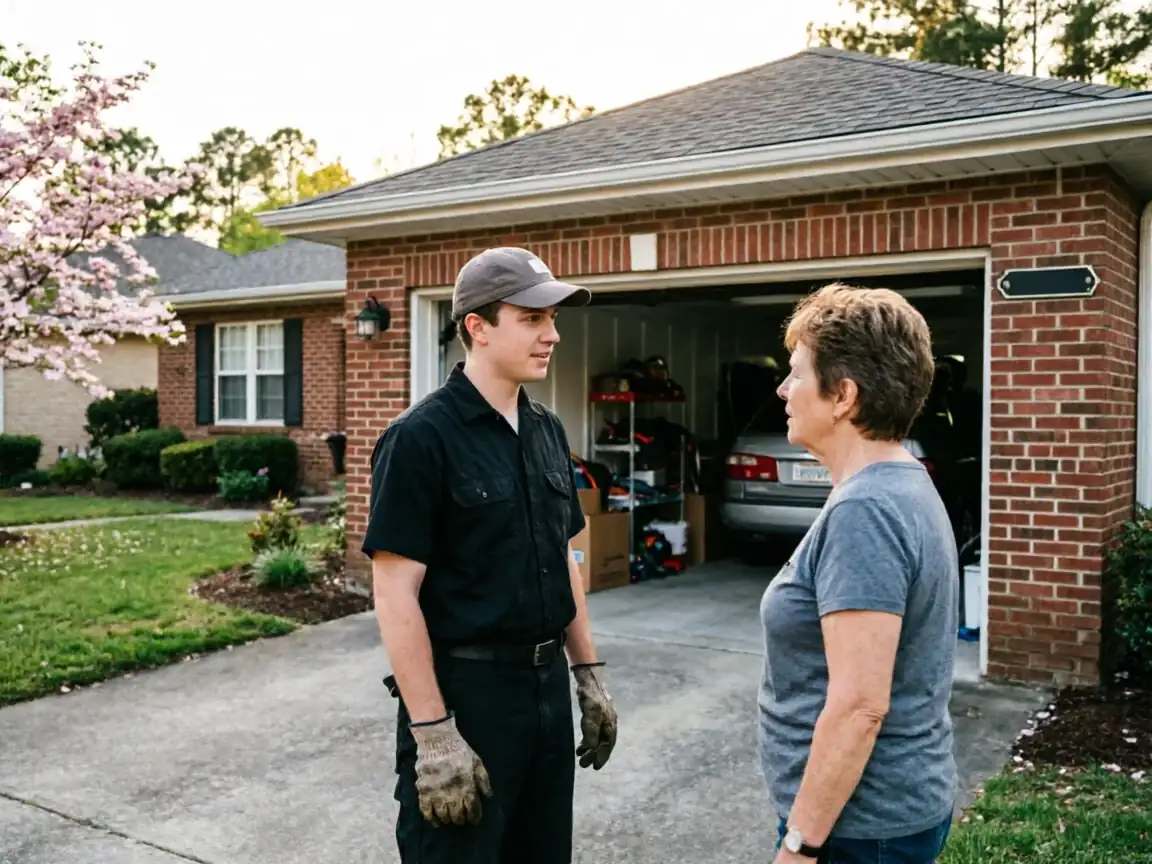
So there's no local branch or drop-in counter in Peachtree Corners itself - we load the truck for the job once we know the door's age and symptom. Tell us the approximate build year of the house, or the opener brand if you know it, and we'll bring springs and rollers sized for that generation rather than showing up and ordering a second trip.
Median household income in the broader service area runs a bit above $91,000
And Peachtree Corners itself sits a little under that - it doesn't change what the job costs, just worth knowing we're not pricing for a different kind of neighborhood than the one you're in. See the Peachtree Corners garage door page for installs, or the Roswell service page for the full list of what we cover.