Can You Do This Yourself
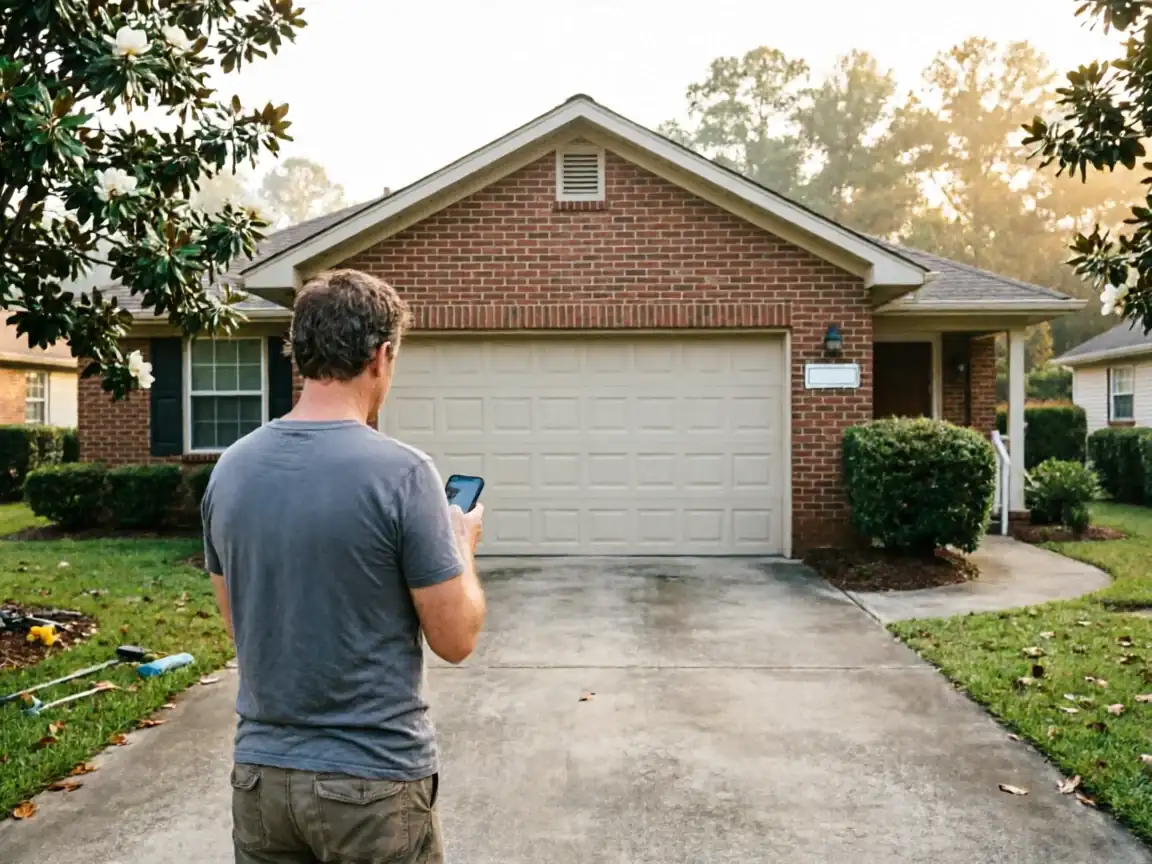
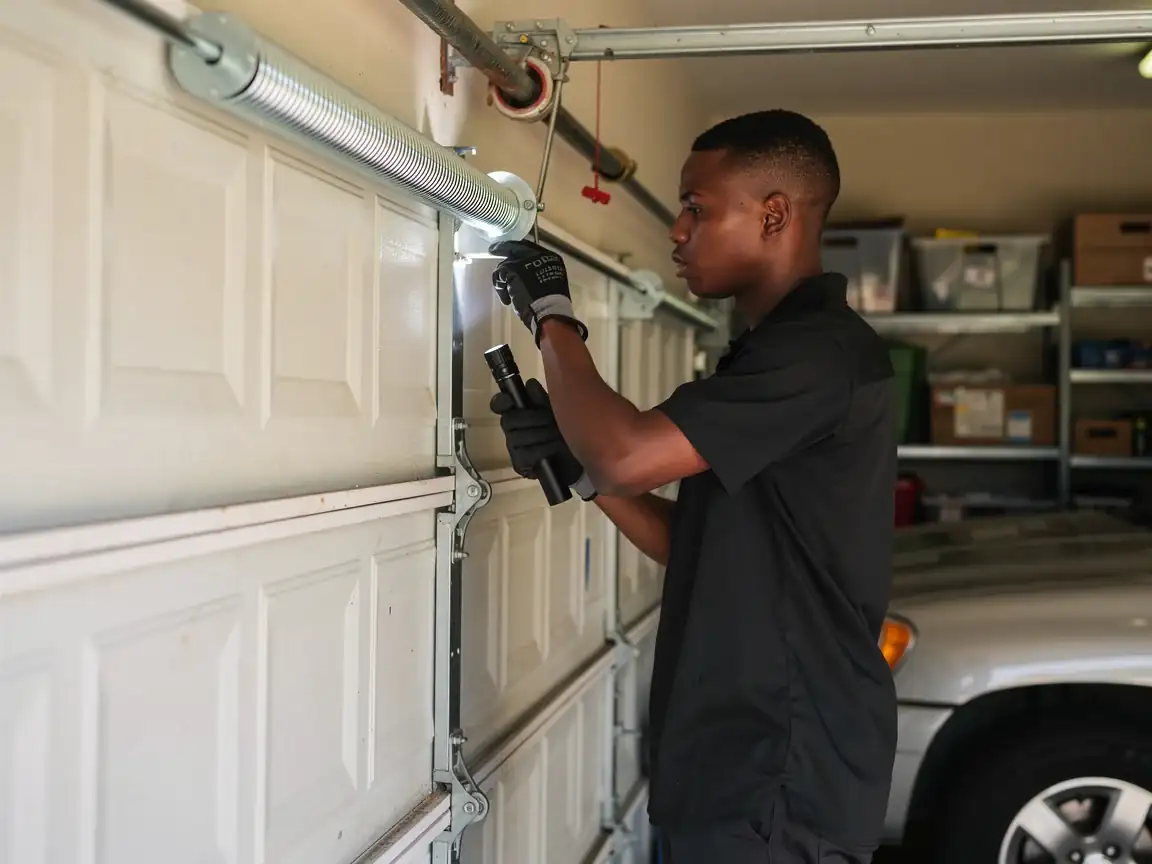
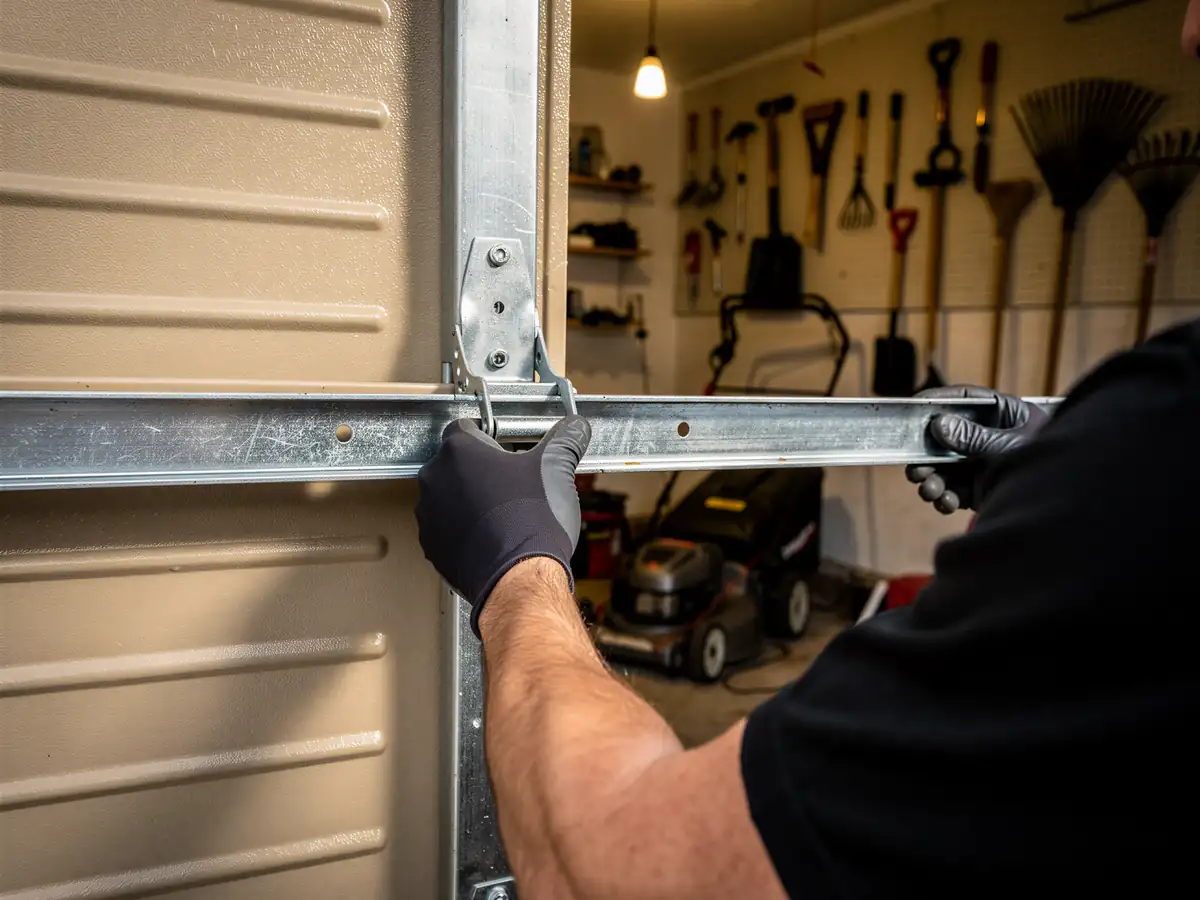
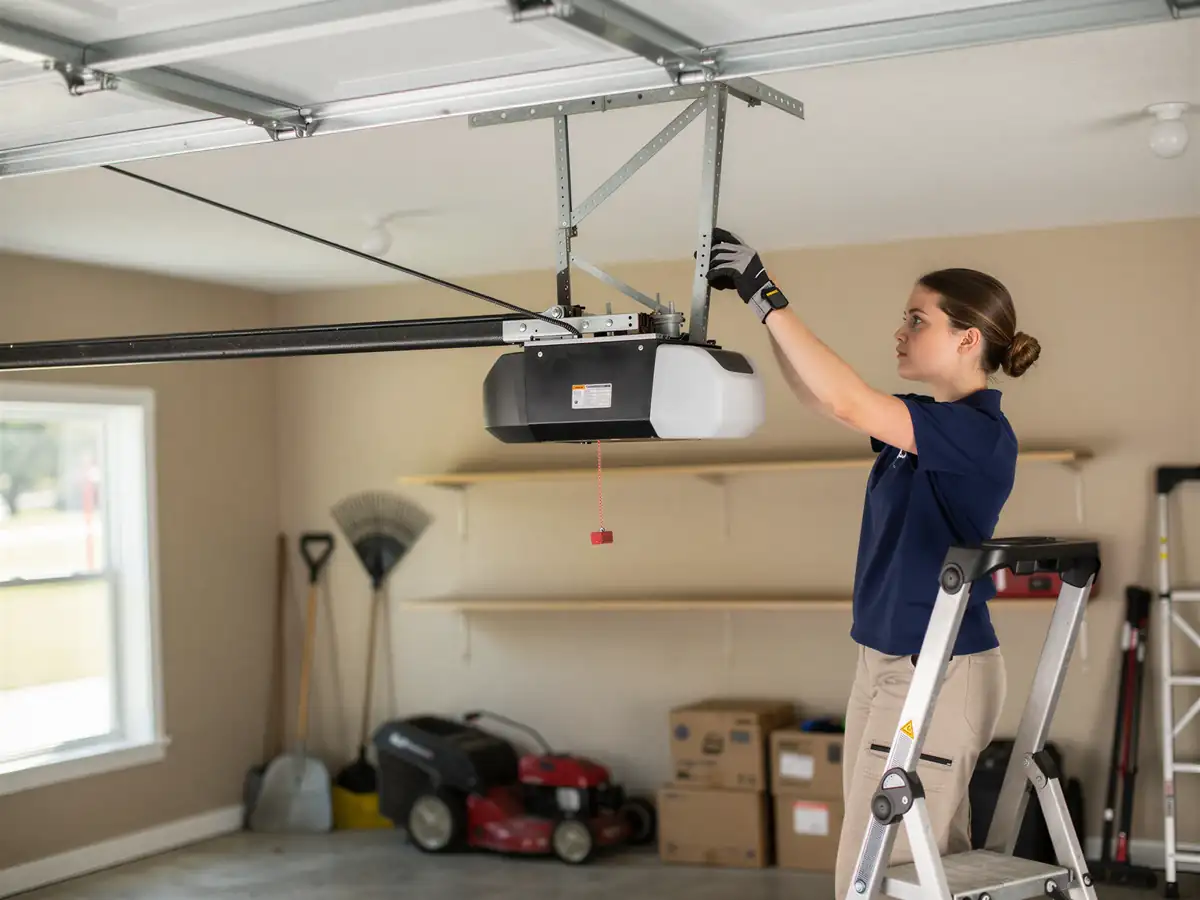
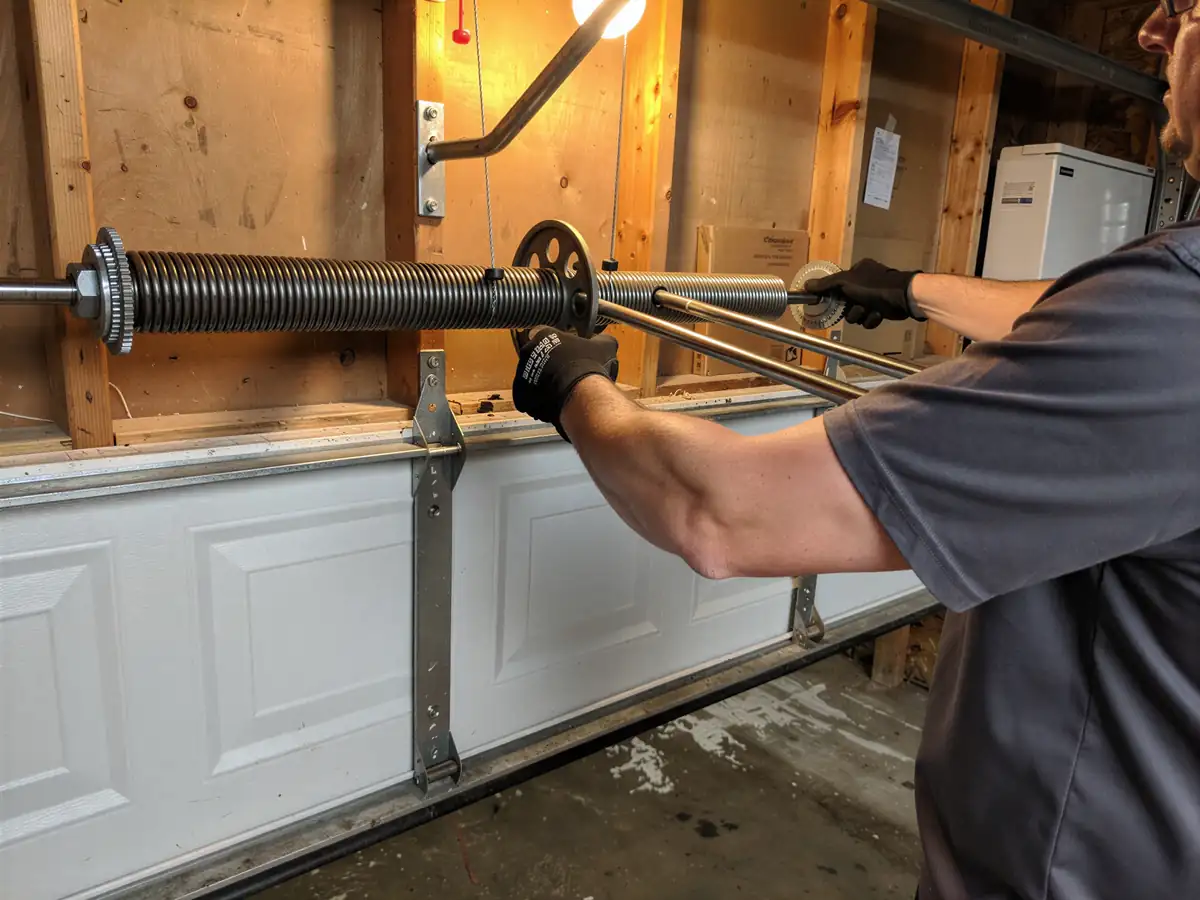
Swapping rollers is one of the more doable DIY jobs on a garage door, but it depends on what door you've got. A lot of North Decatur houses date to around 1974, and that median build year means a good share of doors out here are still steel sectional panels on steel track, with the original roller stems set into brackets that have had forty-plus years to rust tight. If your door is on a torsion spring system, pulling the bottom roller means working near a loaded spring, and that's where DIY stops making sense. If it's a lighter door with extension springs overhead and you're only replacing rollers on the middle and top sections away from the spring anchor, a careful homeowner with the right socket set can do it in an afternoon. The honest limit: once a bracket is bent or a track section is bowed from years of a dragging roller, you're not swapping a part anymore, you're rebuilding a section of the system, and that's a call for someone who does it daily.
What Causes It Around Here
Across this part of the service area, housing runs from the early 1950s up through the 2000s, with most of it concentrated in the 1980s and 90s, but North Decatur sits closer to the early end of that curve at a 1974 median build year. That matters for rollers because doors from that period were built with steel wheels on steel track as standard, no plastic bushing, no nylon anywhere. Steel-on-steel runs fine for a long time but it doesn't forgive moisture. This region sits in a moderate cold climate band, not harsh, but enough seasonal humidity and temperature swing to work rust into a roller stem bearing over a few decades without anyone noticing until the door starts hesitating. Household incomes here run higher than the wider service area average, which we mention only because it tends to mean doors get replaced or upgraded before they fully fail rather than run to total seizure, so we see more early-stage roller wear calls than late-stage track damage out this way.
How Long It Takes
A straight roller swap, all ten rollers on a standard double or single door, nylon for steel, usually runs under two hours once we're on site with the door open and the panels accessible. Add time if a bracket has to be freed with penetrating oil or replaced outright because the old steel roller fused itself into the stem, which isn't rare on a door built in the 1974 era. We travel from Roswell to reach North Decatur, about 16 miles, and we build that drive into the appointment window rather than quoting a separate trip charge, so the time you're told on the phone is the time we expect to actually be working.
How We Fix It
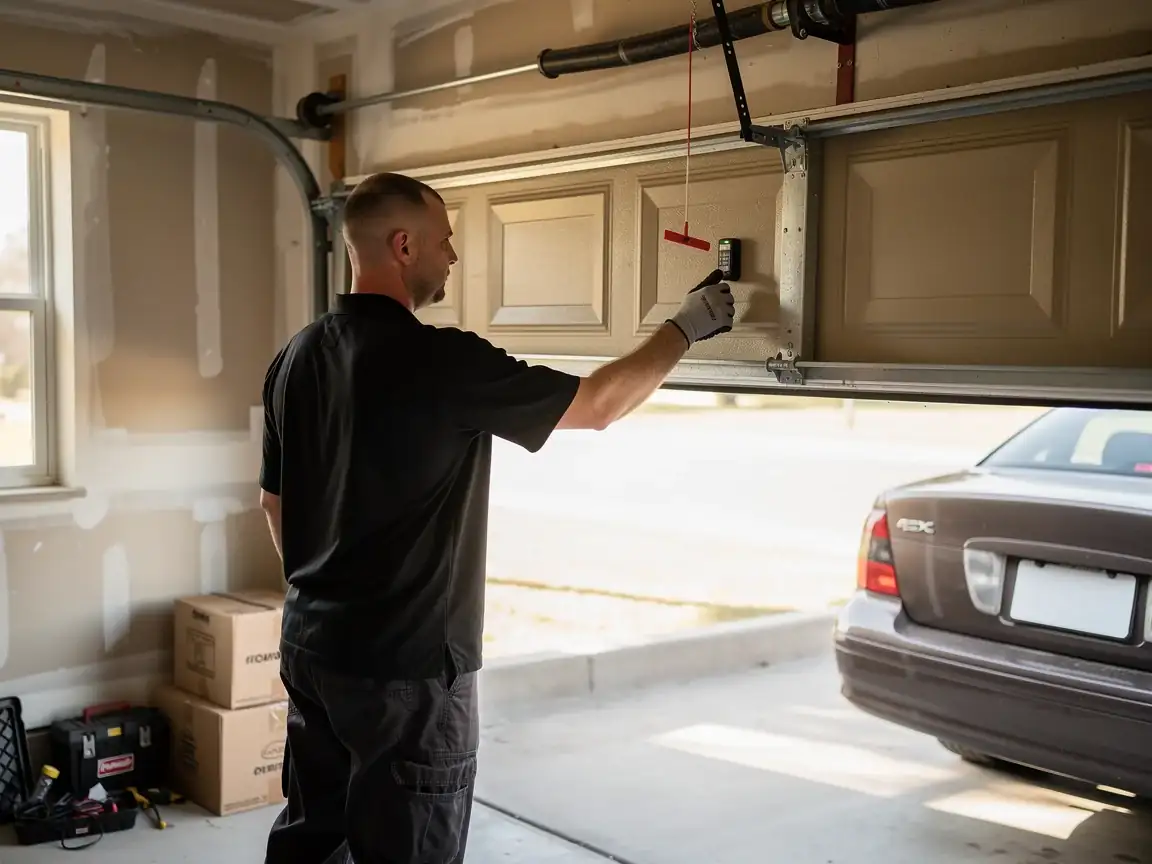
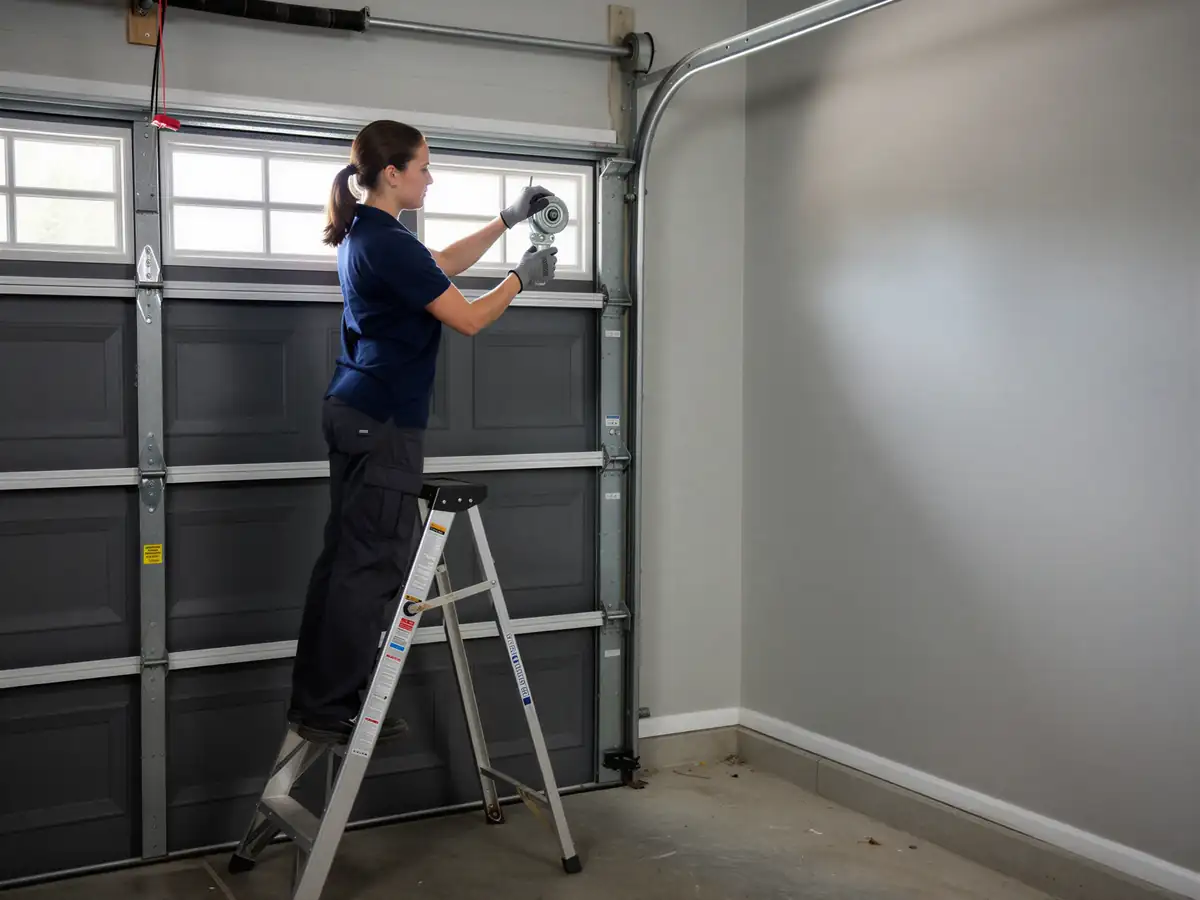
We start by cycling the door a few times to find exactly which roller is catching and whether the track itself has taken damage, because swapping a roller into a bent track just repeats the failure in a few months. Brackets come off one at a time, not all at once, so the door stays supported on the track the whole time. Old steel rollers come out, bearings and stems get checked, and nylon goes in. Before we call it done we run the door a dozen cycles and check that it's quiet and even top to bottom, not just fixed at the one spot that was catching.