Can You Do This Yourself
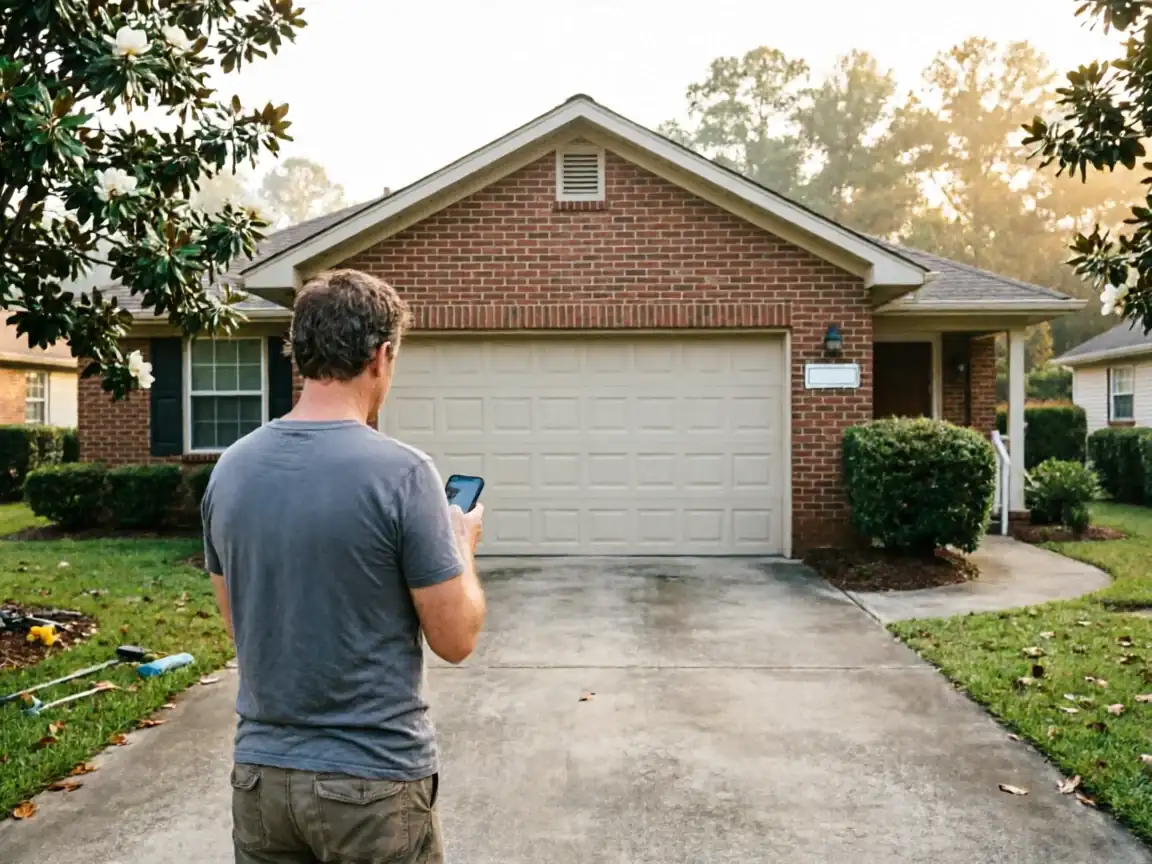
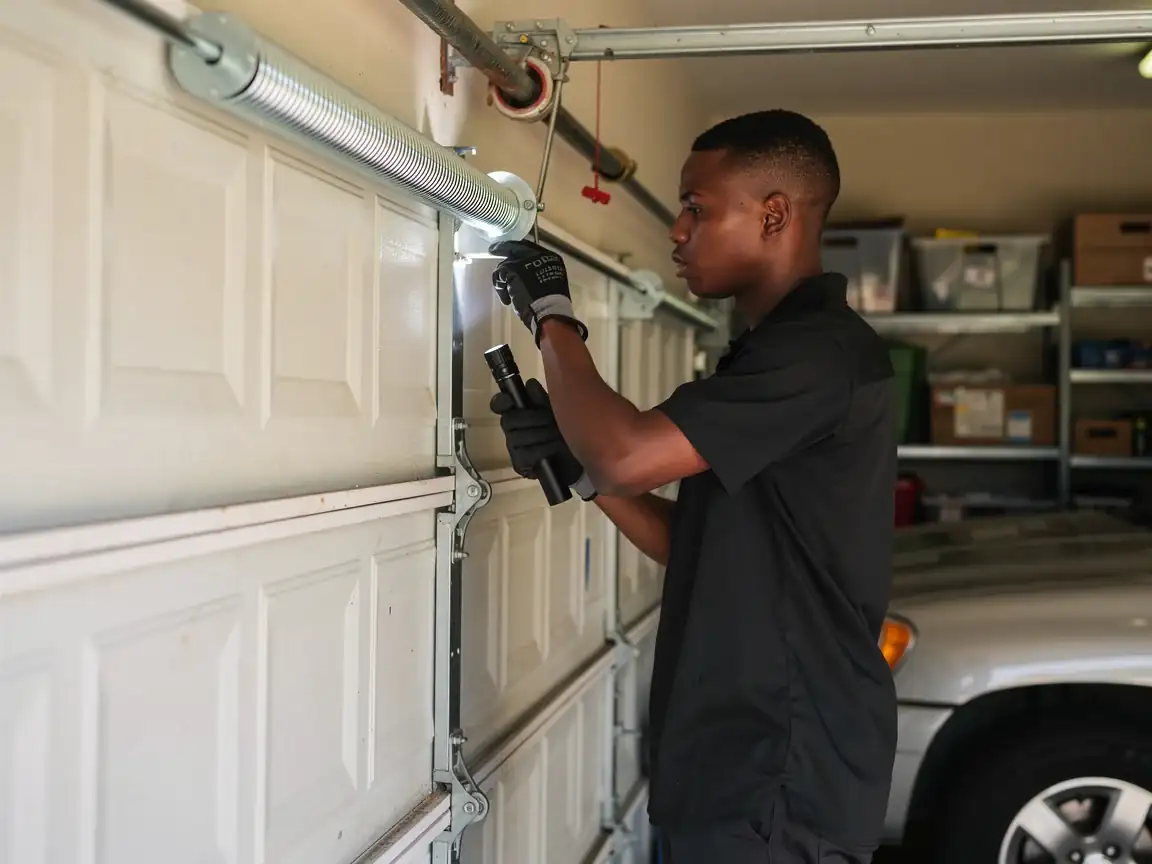
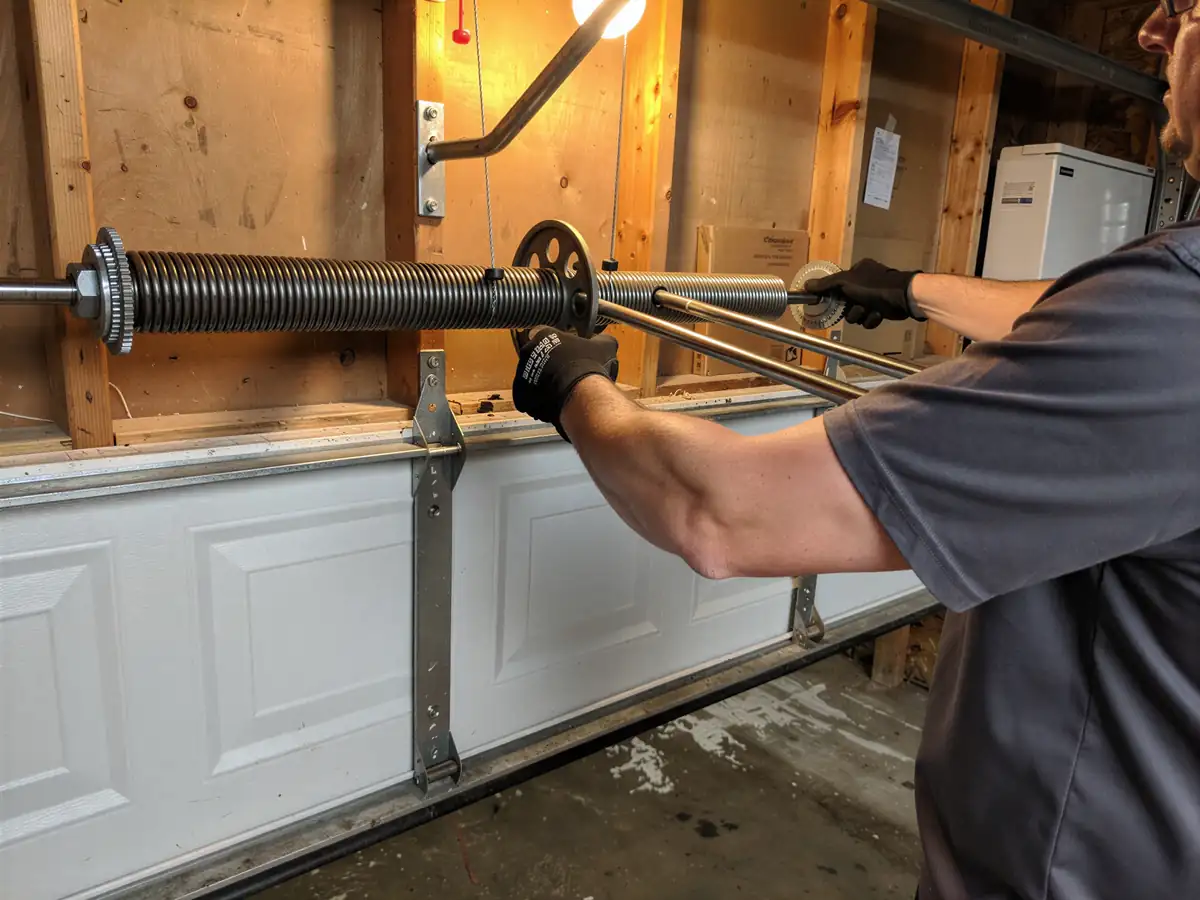
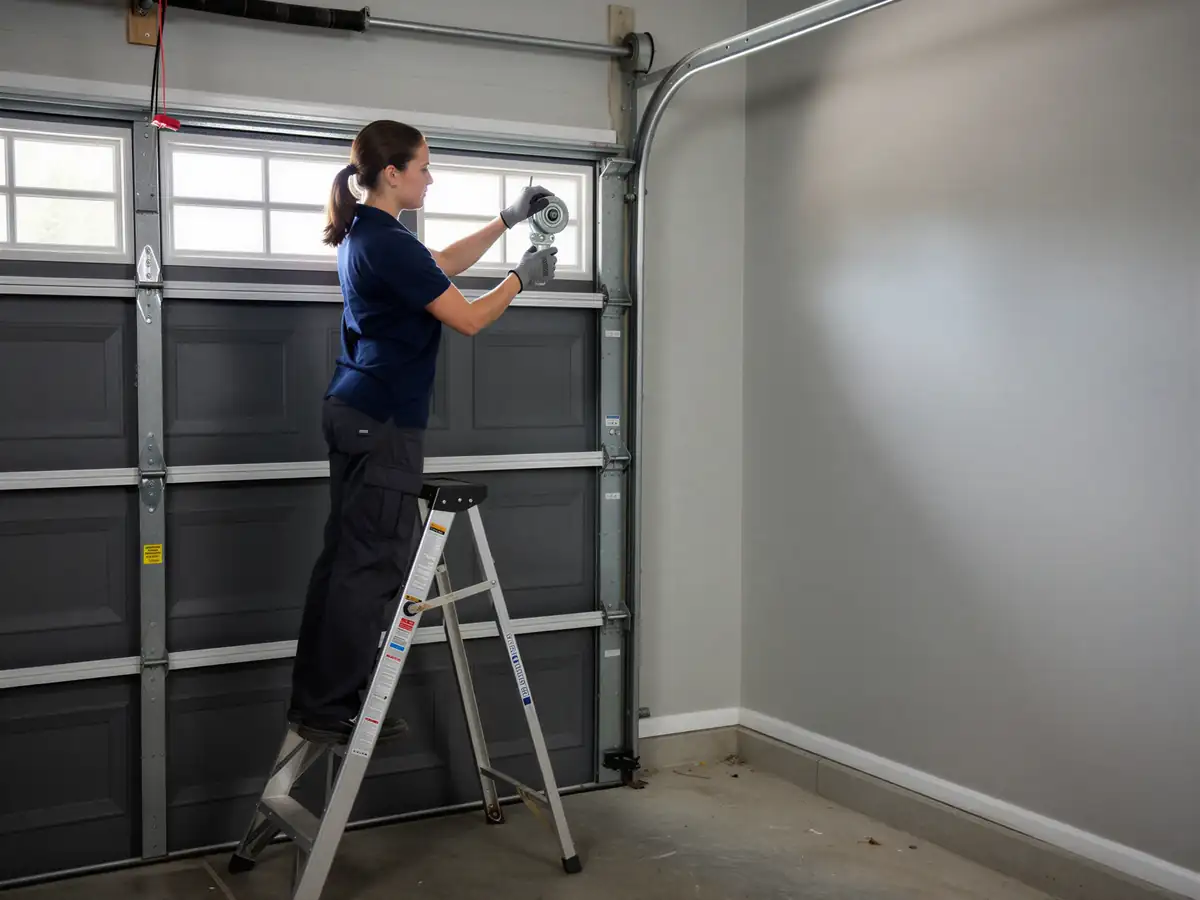
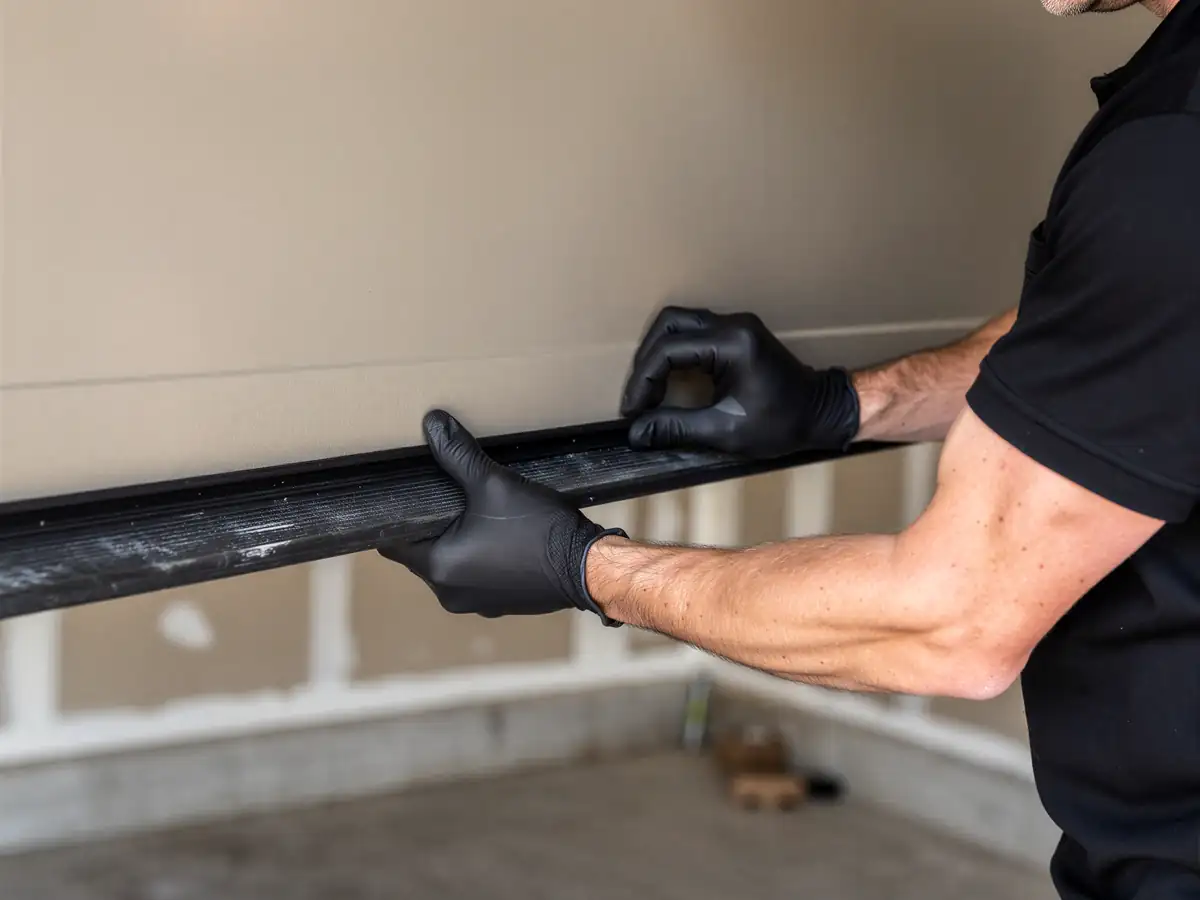
Lubricating hinges and rollers, wiping down tracks, and checking that the auto-reverse sensors still trip when something passes under the door are jobs any homeowner can do with a stepladder and twenty minutes. What you shouldn't touch is the torsion spring or anything carrying tension - on a house built around 1974 like most of North Decatur's stock, that spring has had fifty years of cycles behind it, and a spring under load that lets go while you're adjusting it can break a wrist or worse. We're honest about that line: DIY the easy stuff, call for anything with tension in it. We travel the 16 miles out from Roswell for the tension work; there's no local branch here, so we schedule it as a dedicated visit rather than a drop-in.
What Causes It Around Here
The climate band here is cold-moderate, which means winter swings tight up the lubricant on steel rollers and cables without the deep-freeze cycling you'd get further north. On a door installed when this neighborhood was built, that slow seasonal tightening adds up over fifty years in a way it hasn't had time to on a house from 1990 or 2000. We also see galvanized hardware that's simply reached the end of its service life - not rusted through, just worn smooth at the pivot points where rollers meet the track. That's an age problem, not a damage problem, and no amount of lubricant fixes it once the metal itself has worn thin.
How Long It Takes
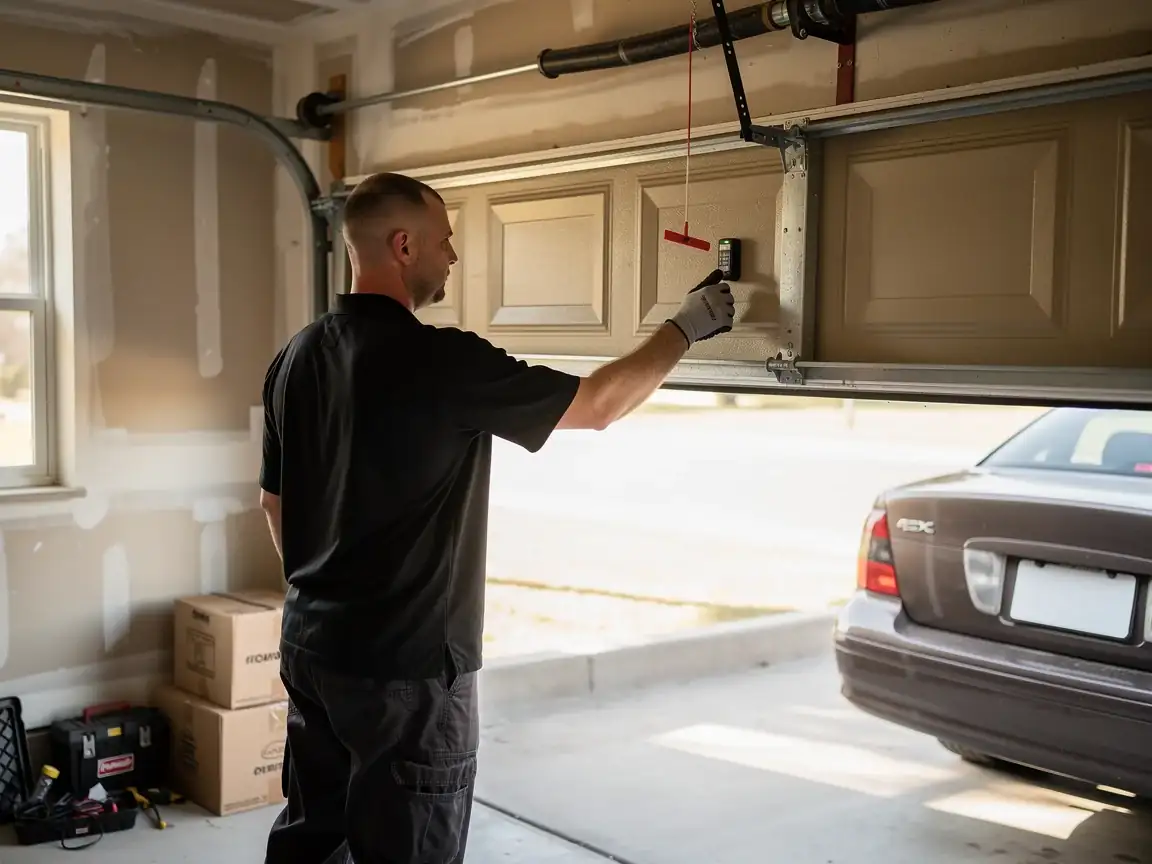
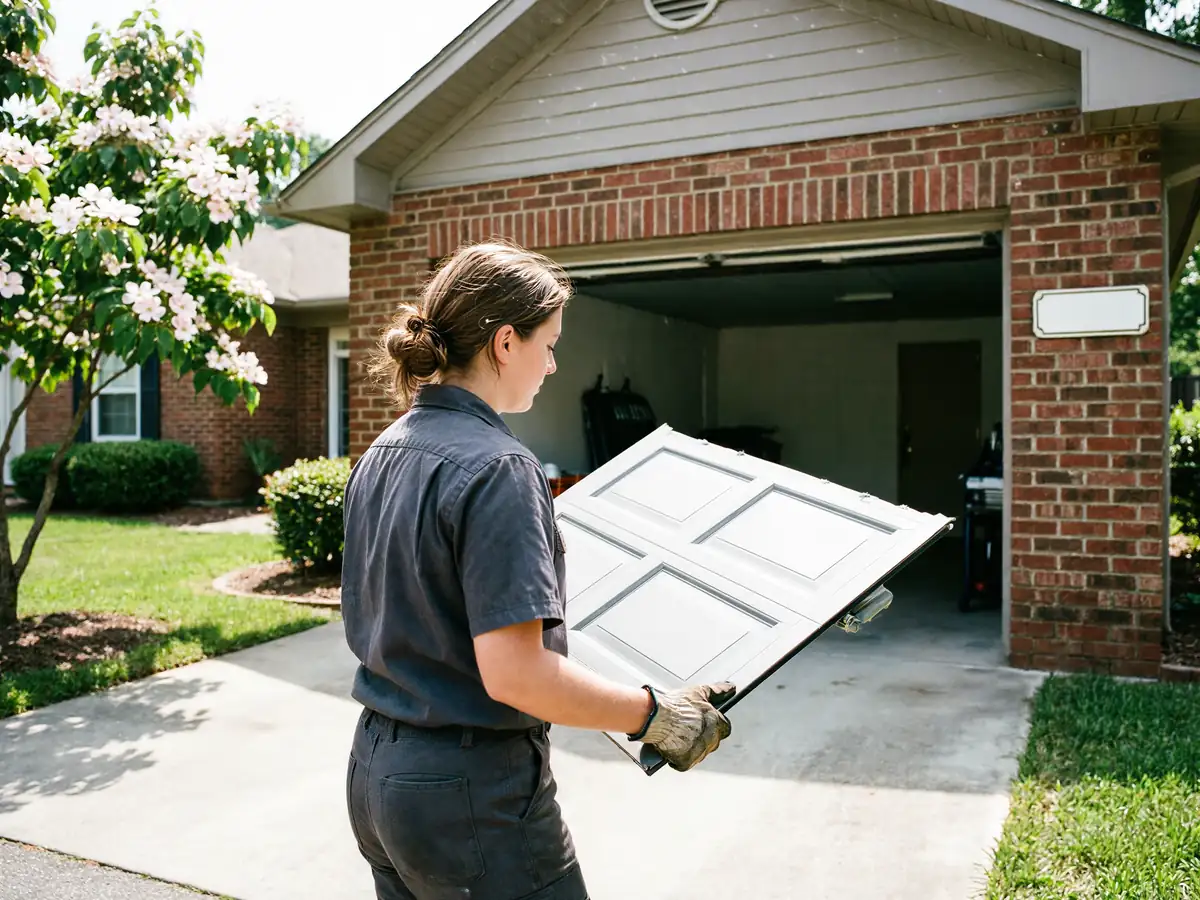
A standard maintenance visit - inspection, lubrication, hardware tightening, balance check, sensor test - runs the same regardless of the house's age. What changes on a 1974-era door is whether we find something during that inspection that needs a follow-up visit, because older hardware sometimes isn't a stock part we carry on the truck. We'll tell you on the spot if that's the case rather than guessing at a fix. Given the 16-mile drive from Roswell, we try to flag anything that needs a return trip during the same appointment so you're not waiting on a second scheduling call.
How We Fix It
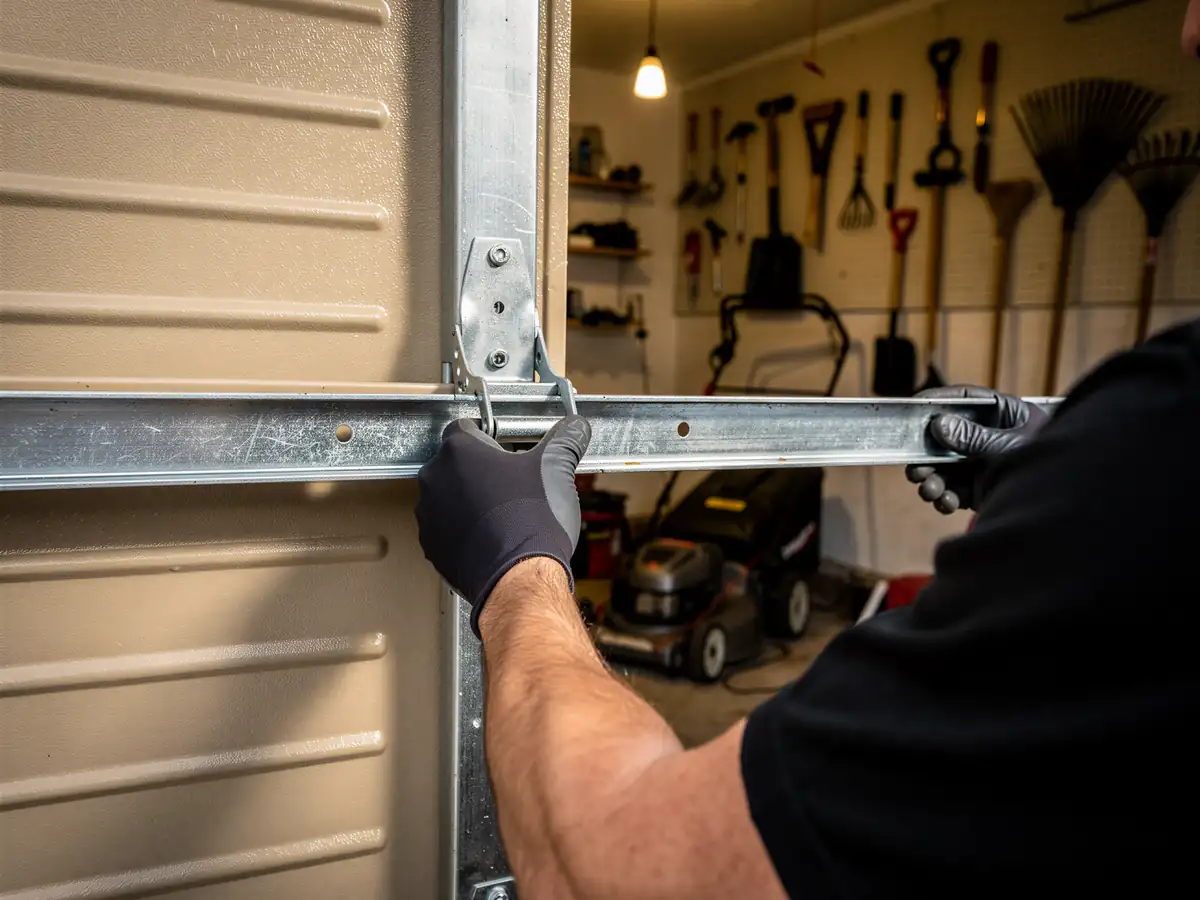
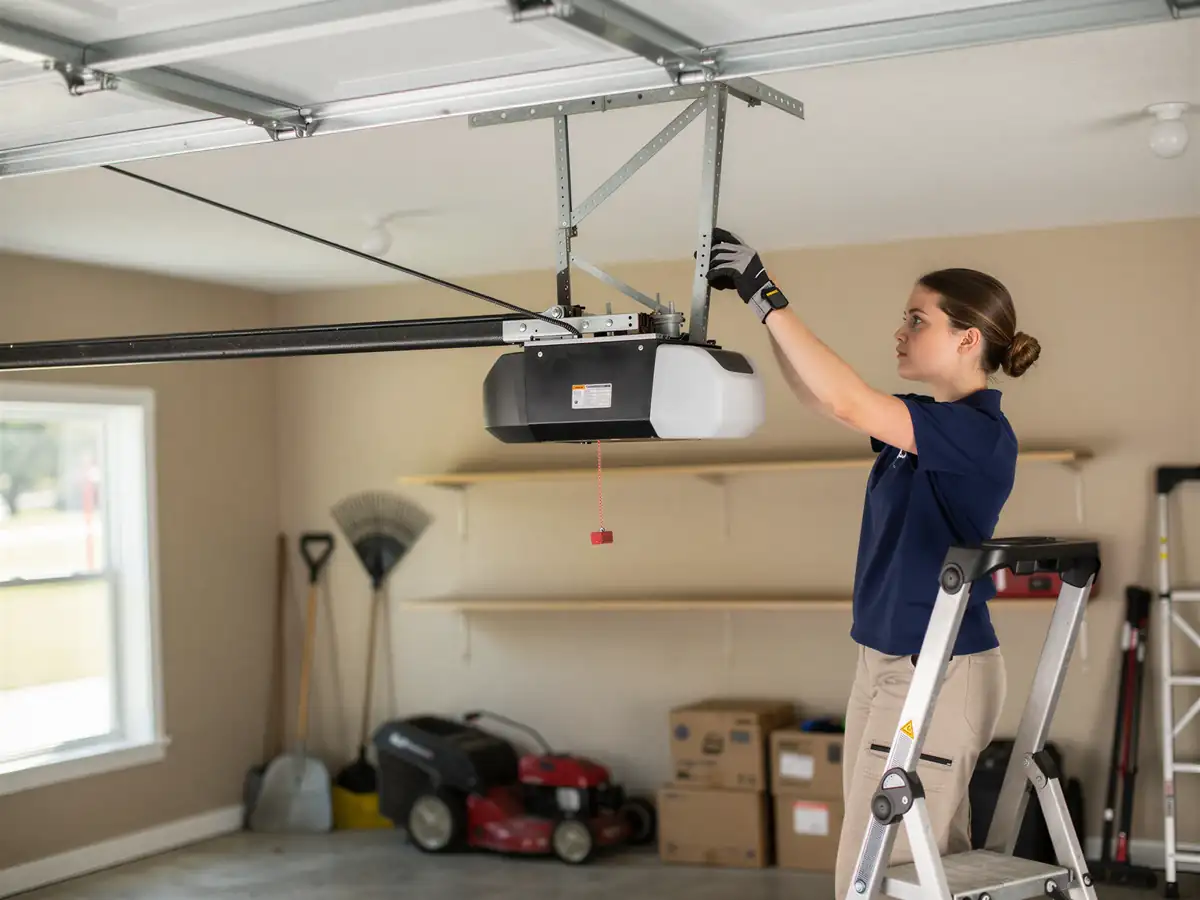
Maintenance on an older door starts with the balance test - disconnect the opener, lift the door by hand, see if it holds position at waist height. A door from this era that doesn't hold balance usually means the spring has lost tension over the years, which we adjust or replace depending on what we find. From there we check every roller for wear, tighten the track brackets that flex loose over time, and test the opener's force settings, since a motor straining against a door that's gotten heavier with age is often what's chewing through that noisy gear you've been hearing. Across North Decatur's roughly 8,142 households, that combination - aging spring, worn rollers, an opener compensating for both - is the pattern we run into most.