Can You Do This Yourself
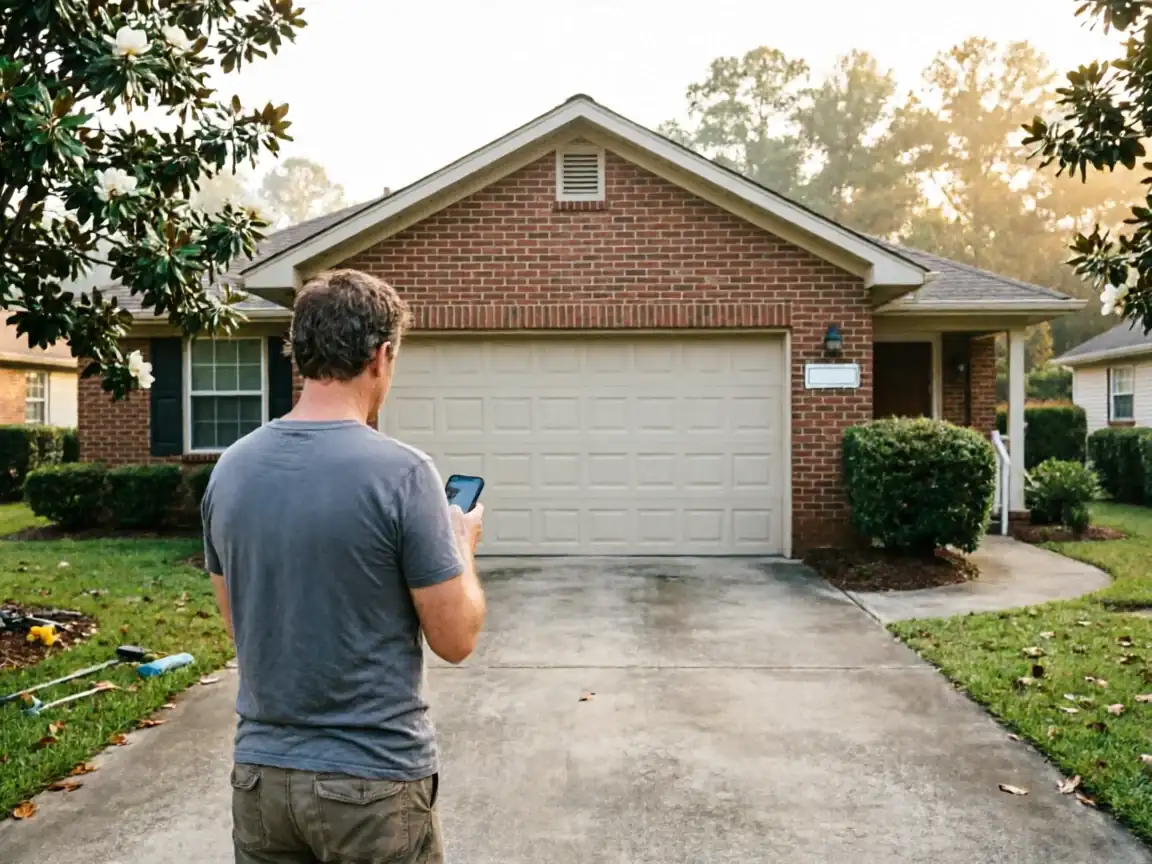
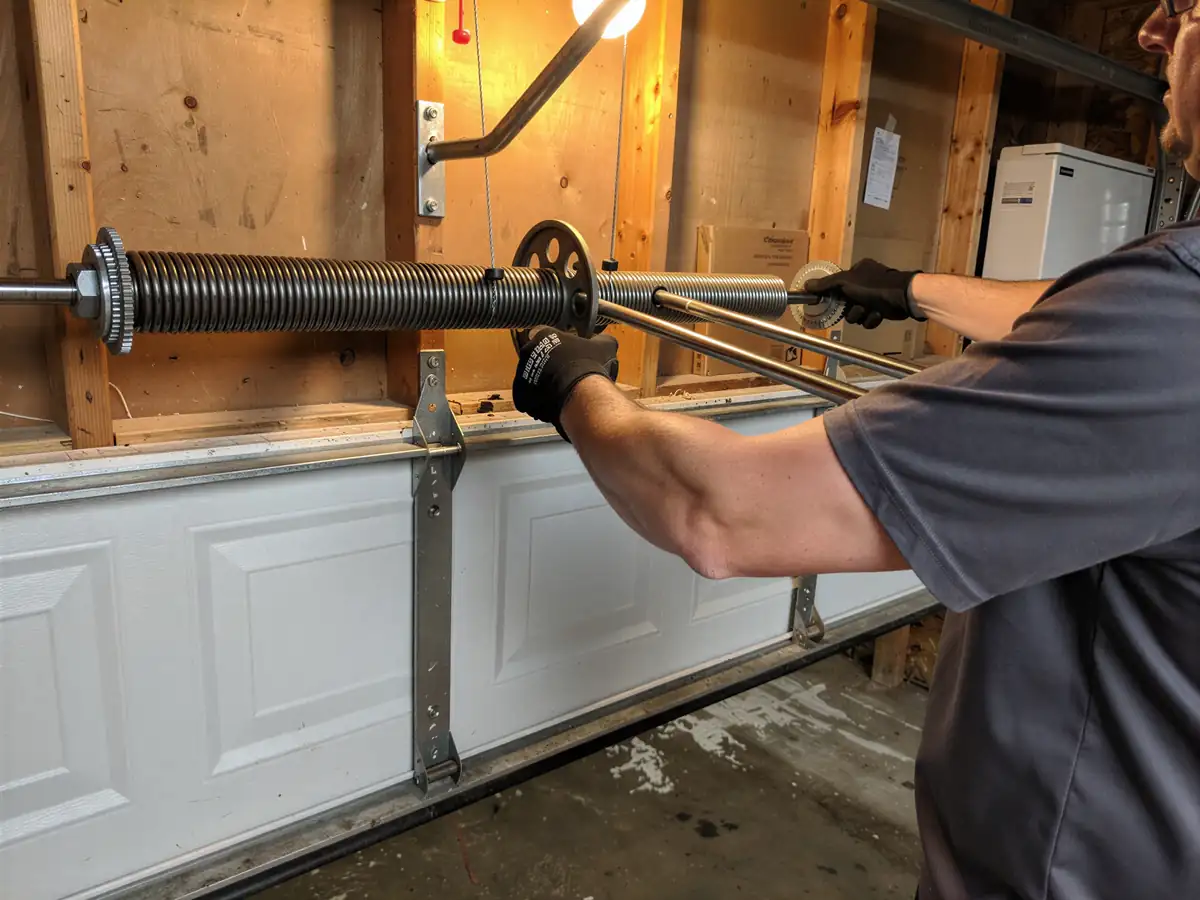
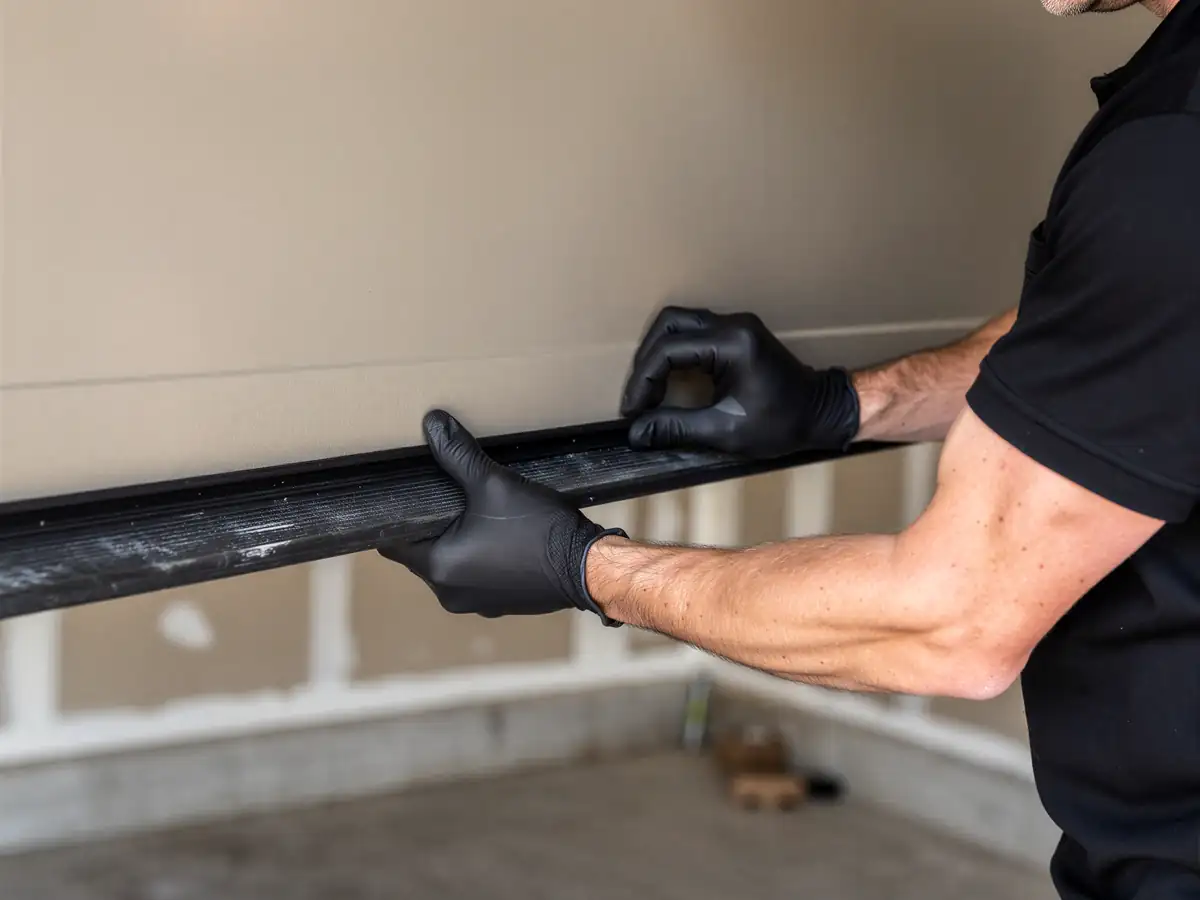
A garage door install isn't a weekend project, and that's truer here than it sounds. North Decatur's median household income sits at $110,366, well above the $91,308 median across our wider service area, and at that income level the math usually favors a clean replacement over patching an old door along. That's the context - but the labor itself is the same regardless of income. A torsion spring under load can break a wrist or worse if you don't know how to wind it. Lifting a 1970s-era wood-core panel door off its track without a second set of hands is a two-person job minimum, and the track alignment on a new install has to be exact or the opener will fight the door for years. We'll say plainly what we won't do: we don't sell kits for homeowner self-install, and we don't walk people through spring tensioning over the phone. If you're comfortable swapping weatherstripping or tightening hinge bolts, do that yourself. The spring system, the track plumb, and the opener mount are where we draw the line.
What Causes It Around Here
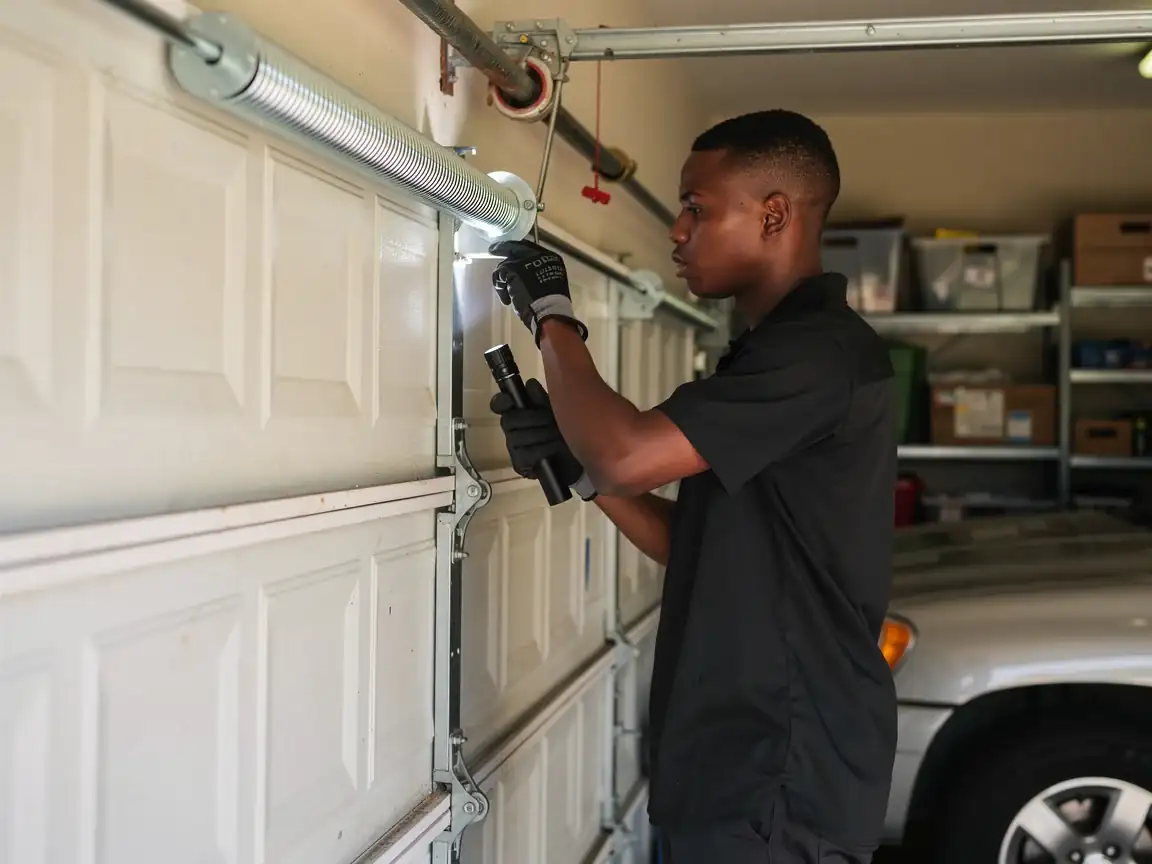
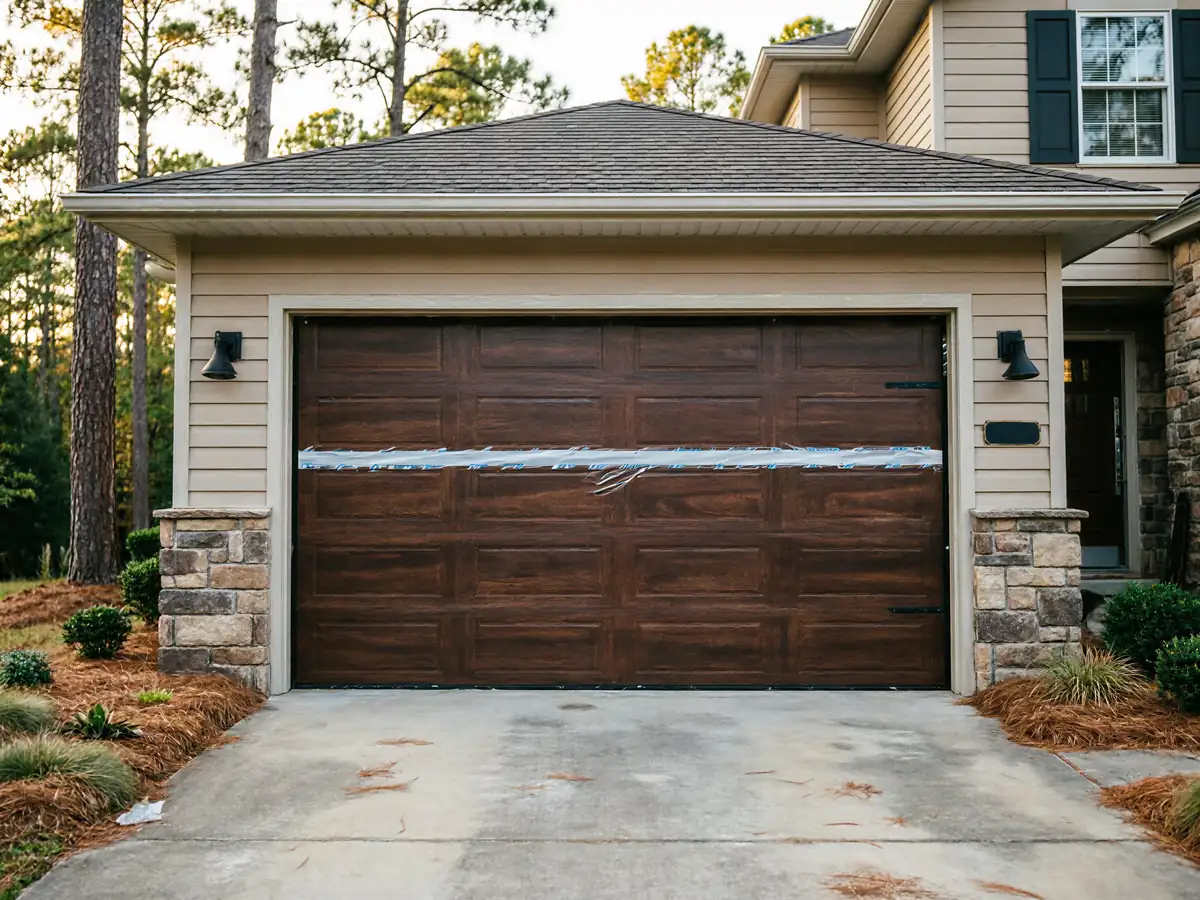
The service area runs a cold moderate climate band, and a door built in 1974 without a foam core wasn't engineered against that. Older single-layer steel and bare wood-core doors swell and bind during winter humidity swings, then dry out and loosen in summer, and that cycle repeats every year a door stays in place past its design life. Combine that with North Decatur's housing stock predating the broader area's 1984 median build year by a decade, and you get doors that are, on average, older than what we see installed elsewhere in the territory. Track hardware from that period is also lighter-gauge than what's standard now, which matters once a heavier insulated replacement door goes up - the old track often can't carry it. None of this means every older door is a lost cause. Plenty of 1970s doors are still structurally sound and just need balance work. But when the door itself is failing - cracked panels, delaminating wood, rust through the bottom seal track - replacement stops being optional and becomes the only honest answer.
How Long It Takes
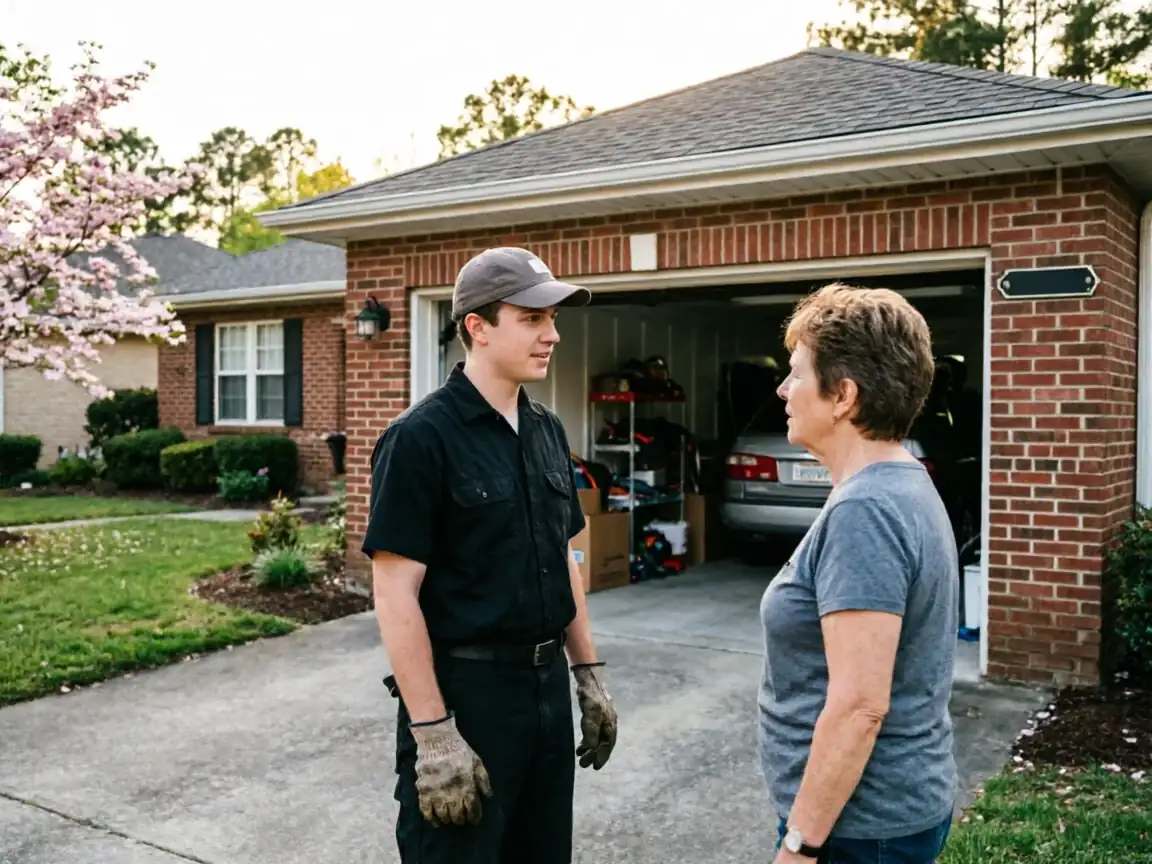
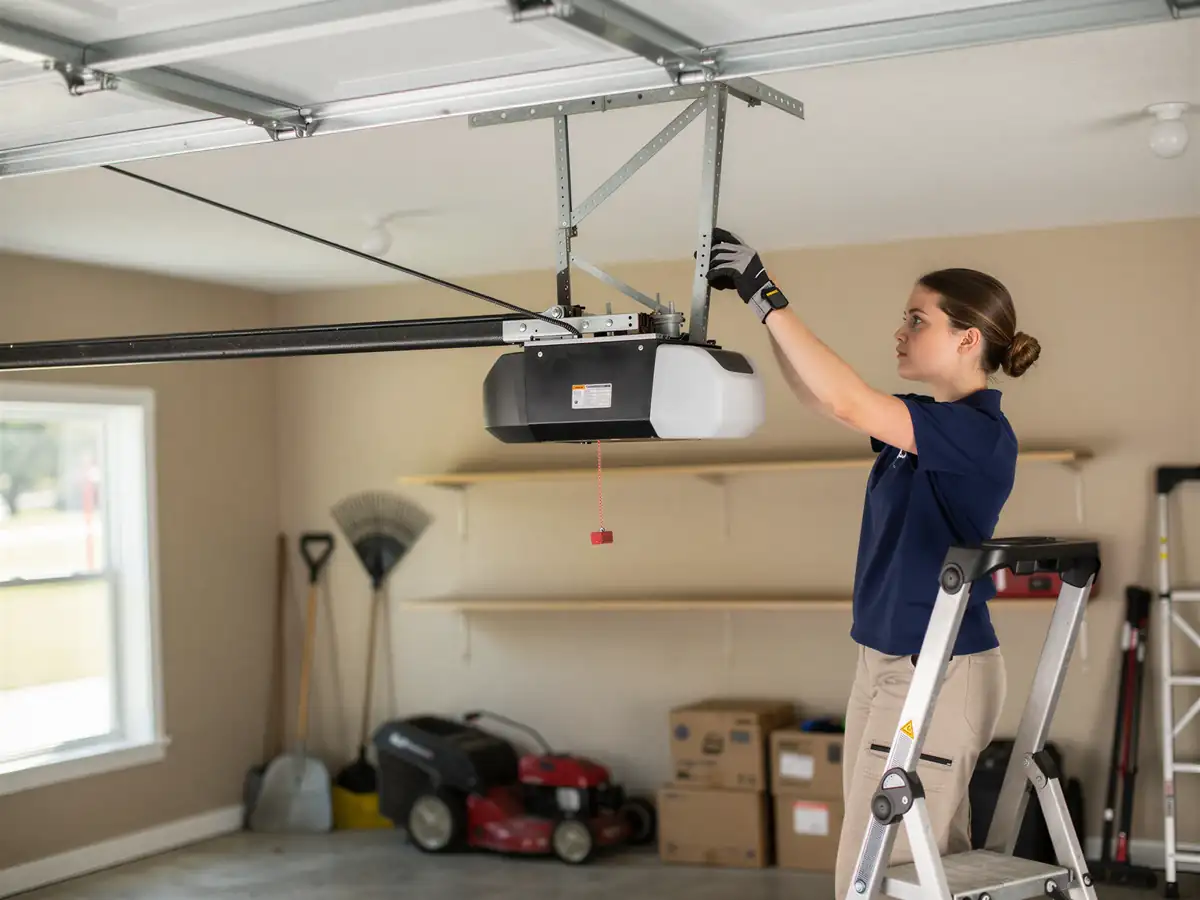
A standard single-door install, once we're on site, typically runs a few hours door-to-door including removal of the old unit, track and hardware swap, and opener reconnection. Double doors take longer, and anything requiring a header reinforcement because the old 1970s framing wasn't built for a heavier insulated door adds time on top of that. We travel from our Roswell shop, about 16 miles out to North Decatur, so scheduling accounts for that drive - we're not a branch located in the neighborhood, and we won't pretend otherwise. What we can tell you is that most jobs here are scheduled, not same-day emergency work, because a full install needs the right door on the truck, not a stock panel grabbed last minute. If a spring breaks and the door won't move at all, that's a different, faster call than a full replacement scheduled in advance.
How We Fix It
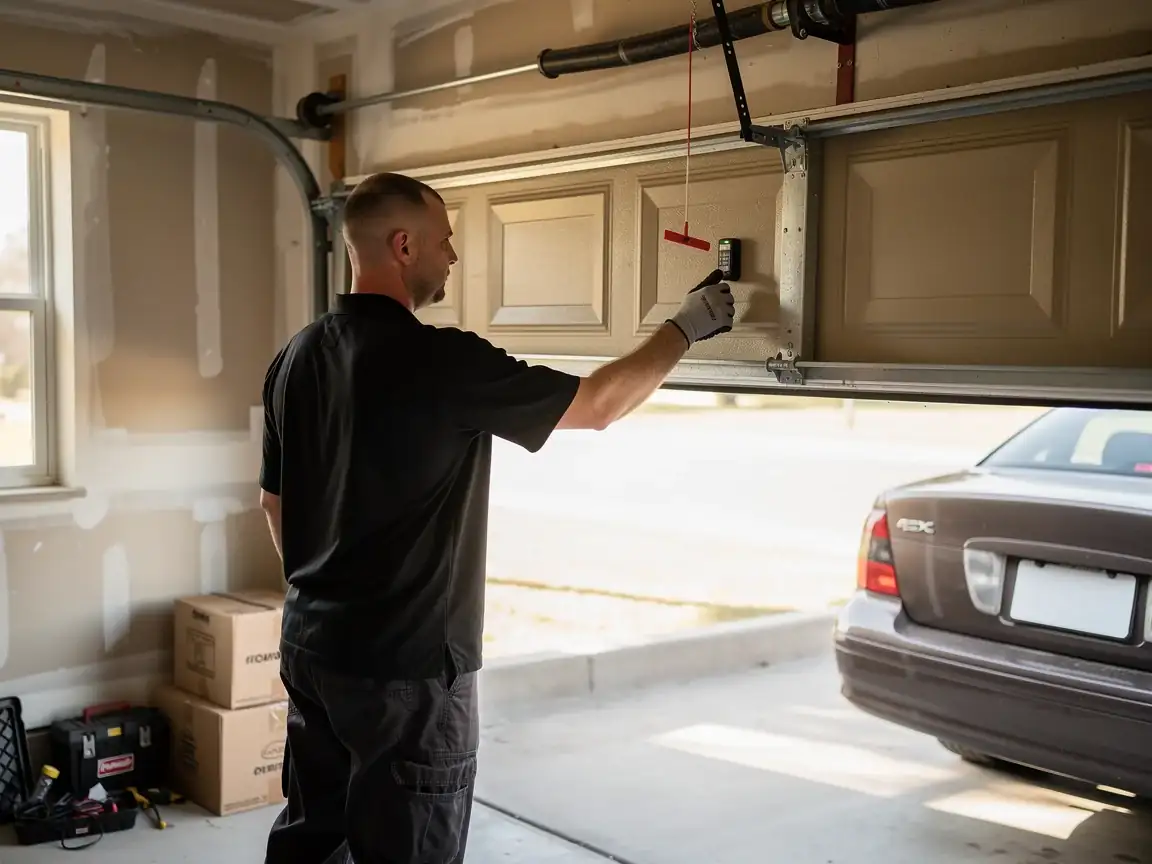
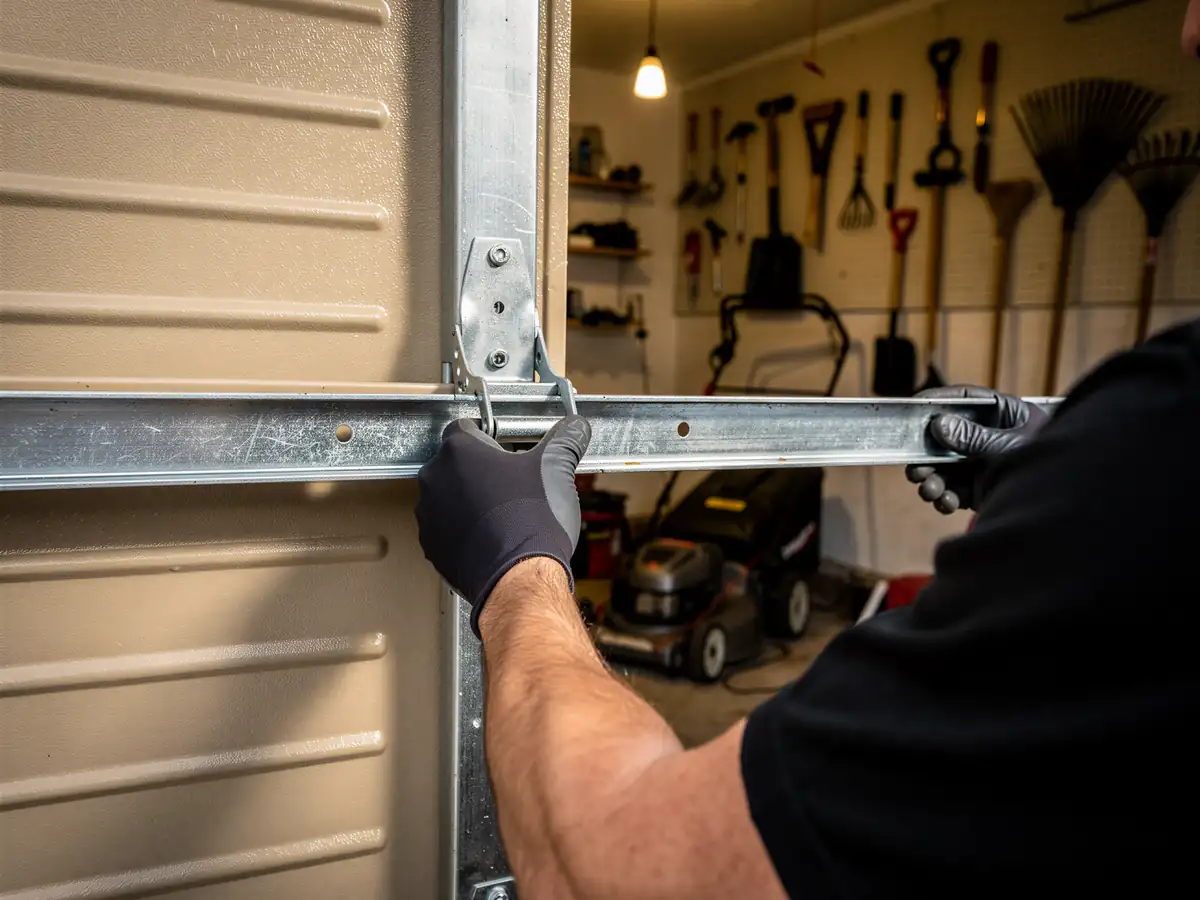
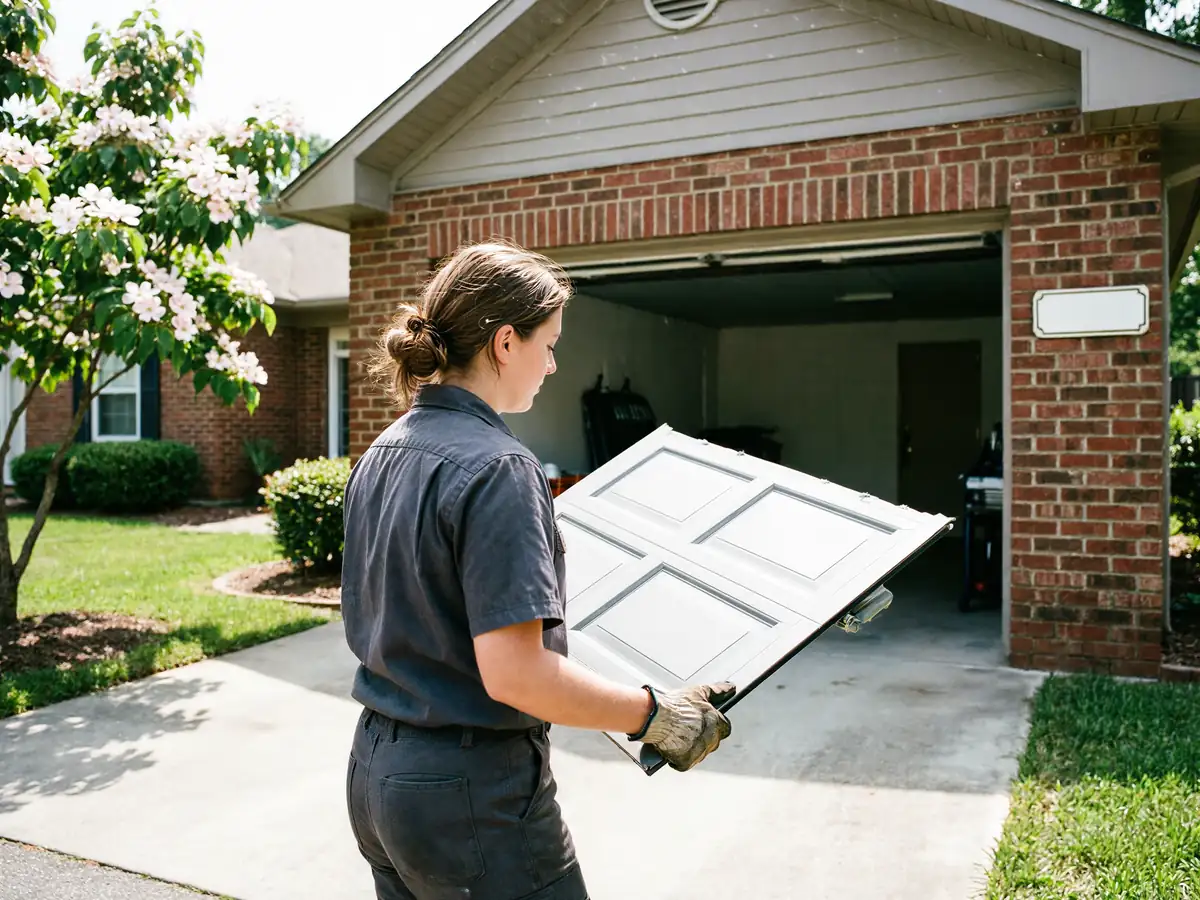
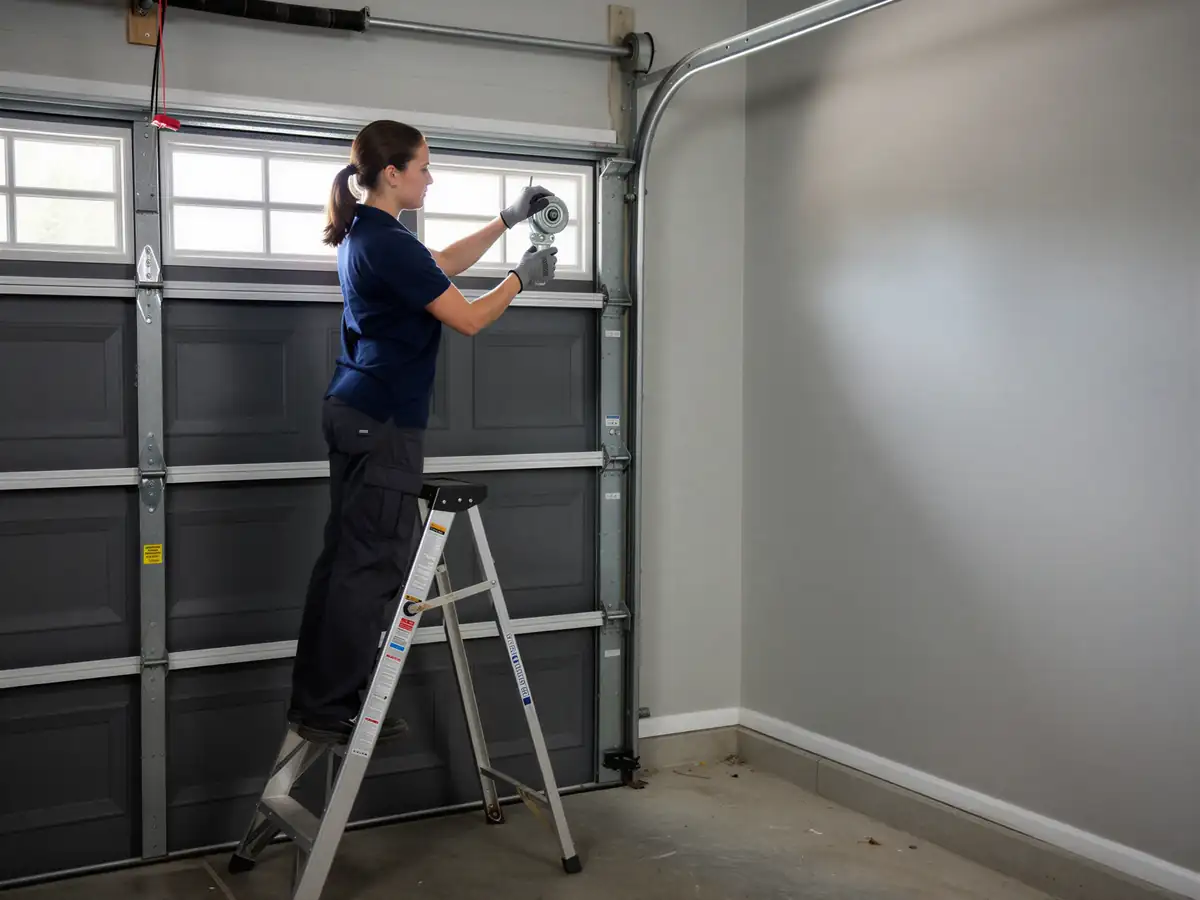
We start with a walk-through of the existing door and opener, checking header clearance, track condition, and whether the spring size matches the door weight - a mismatch that's common on homes where the door's been swapped once already but the spring wasn't resized. From there we remove the old door and track as one job, not piecemeal, because reusing old track under a new heavier door is usually a mistake we won't make twice. The new door goes up plumb, springs get set to the door's actual weight, and the opener gets force and travel limits set by hand, not just the factory default. We test full-cycle before we leave, both manual release and opener-driven. If your home's framing can't take a heavier insulated door without reinforcement, we'll say so before the order goes in, not after the door's already on the truck.