Can You Do This Yourself
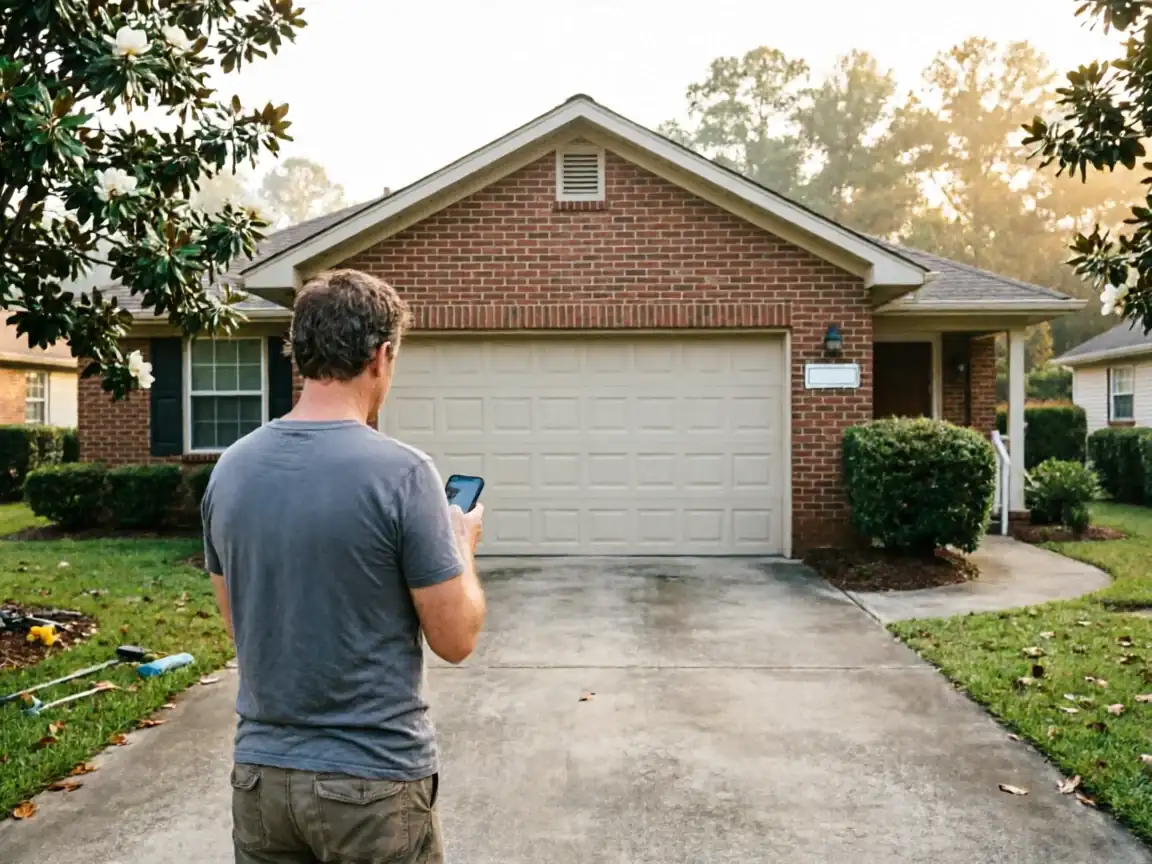
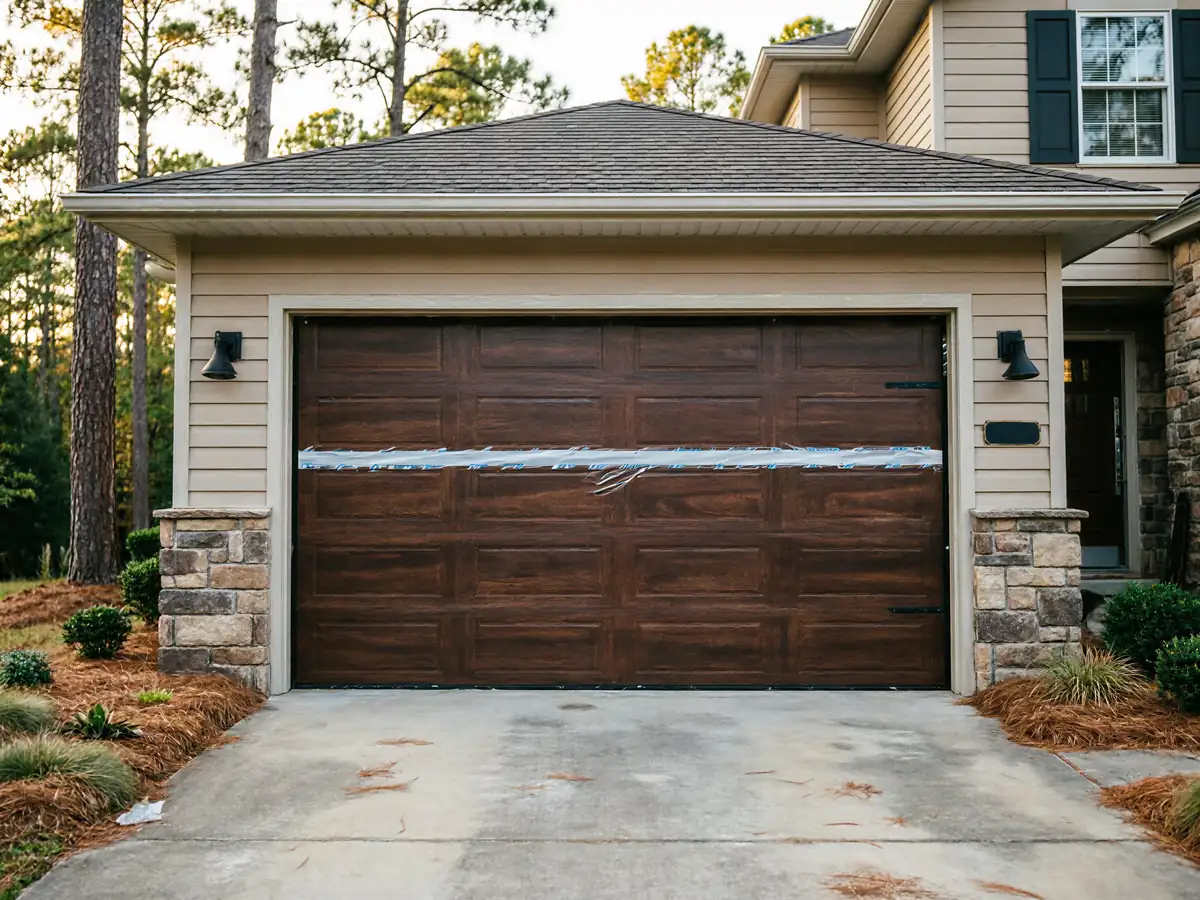
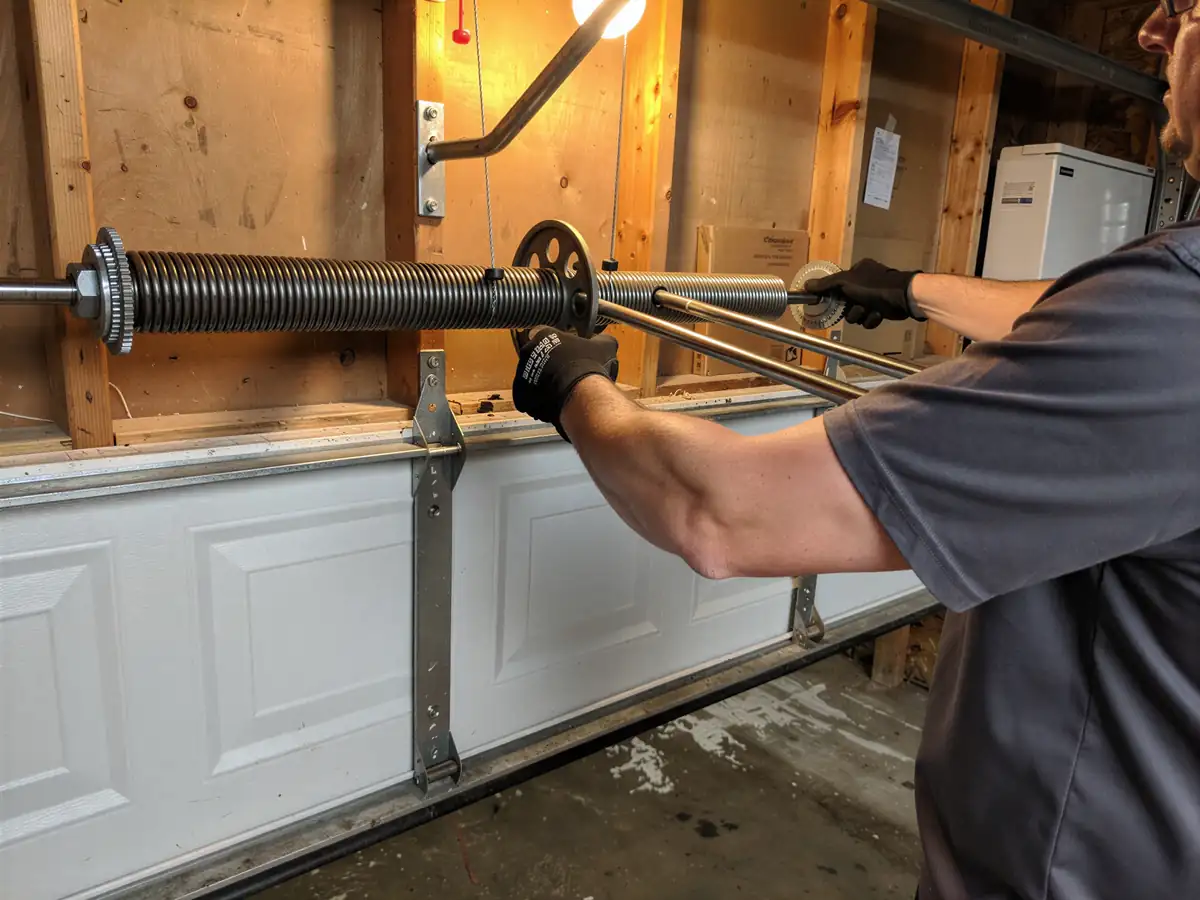
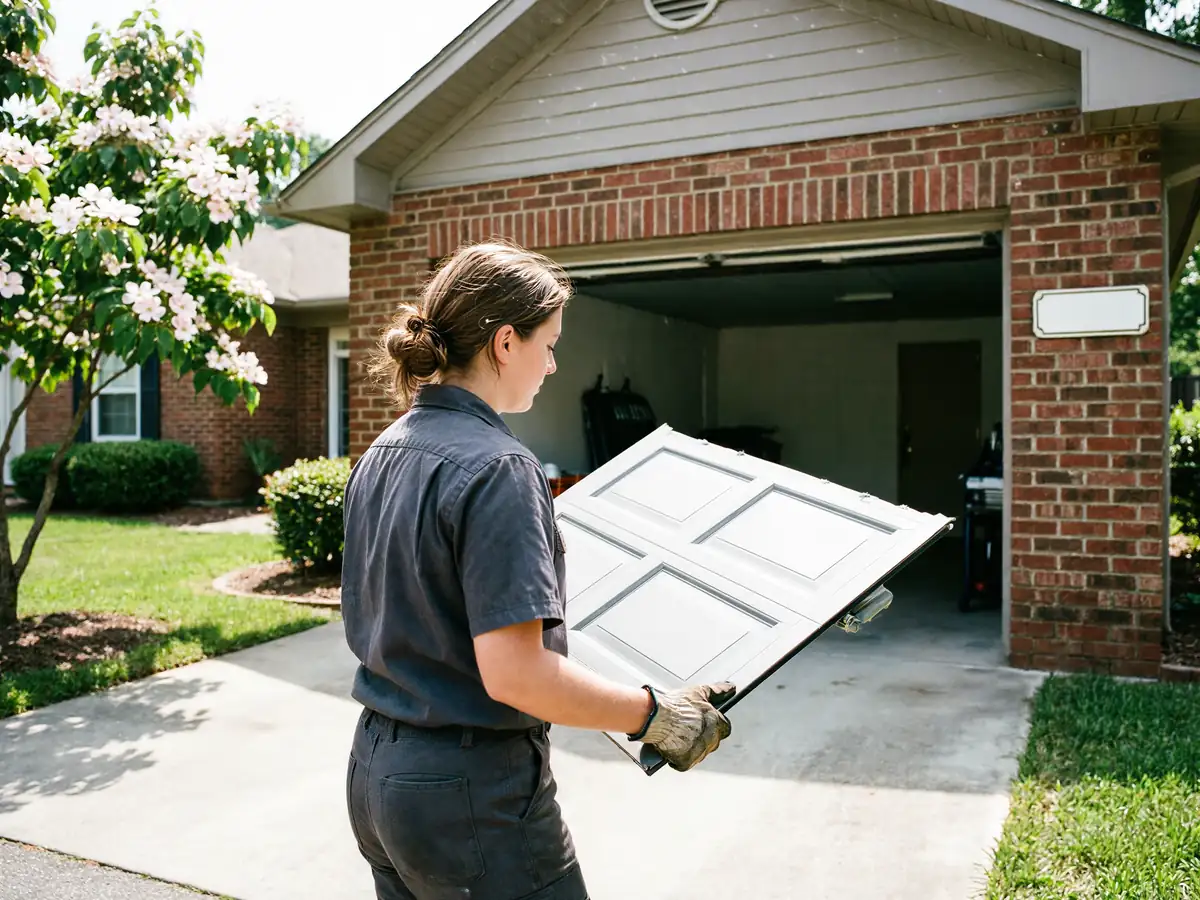
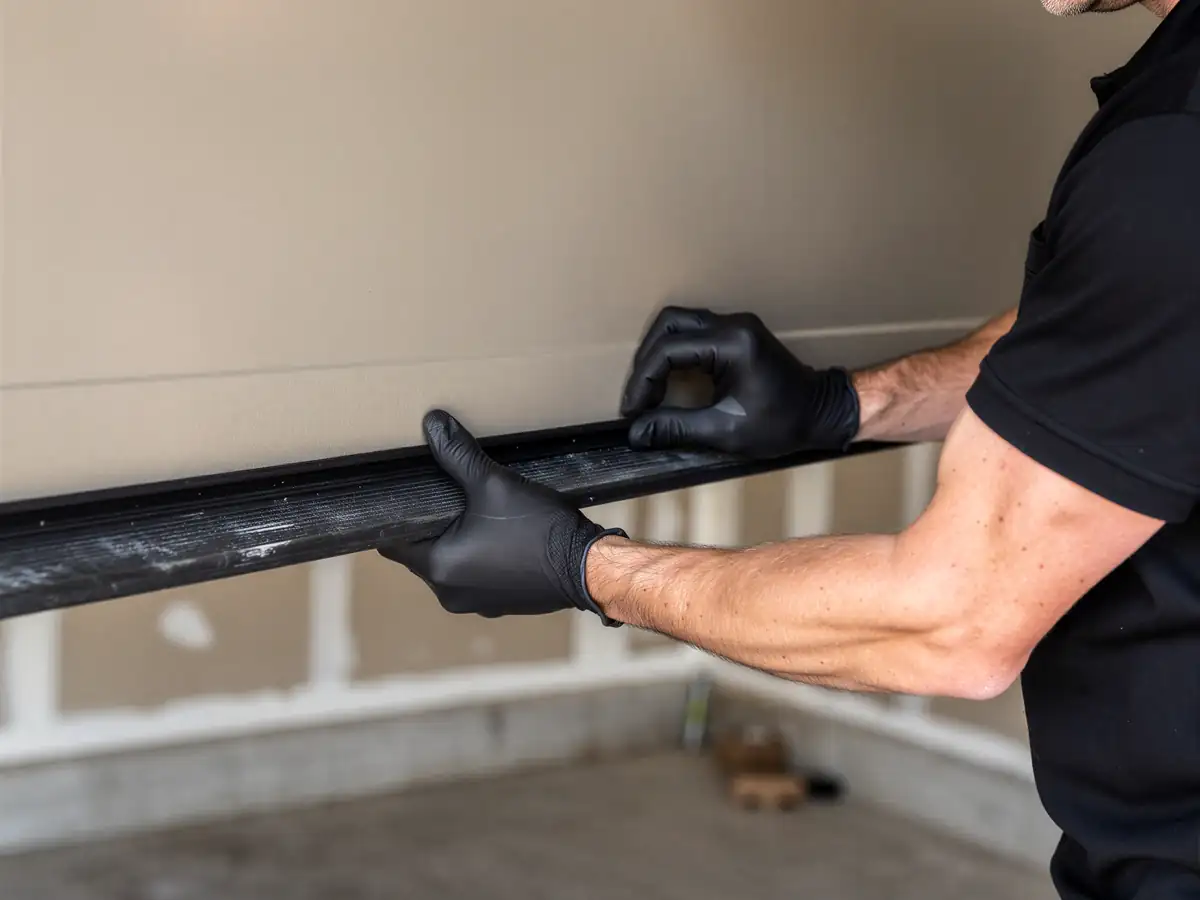
A loud door or a opener that won't close is tempting to chase with a wrench on a Saturday, and some of it is fair game. Lubing hinges, tightening loose bolts on the track brackets, replacing worn weatherstripping - that's homeowner work. A broken torsion spring is not. On a door that's original to a house built around 1974, the spring is older, the winding cones may be rusted, and the hardware wasn't engineered with today's safety standards in mind. We'd rather get a call before you're under a door holding itself up on a vise grip than after. If your opener is original to the house too, don't force it past a point of resistance - that's usually the gear set or the drive mechanism telling you it's done, and pushing it further just turns a $200 fix into a full replacement.
What Causes It Around Here
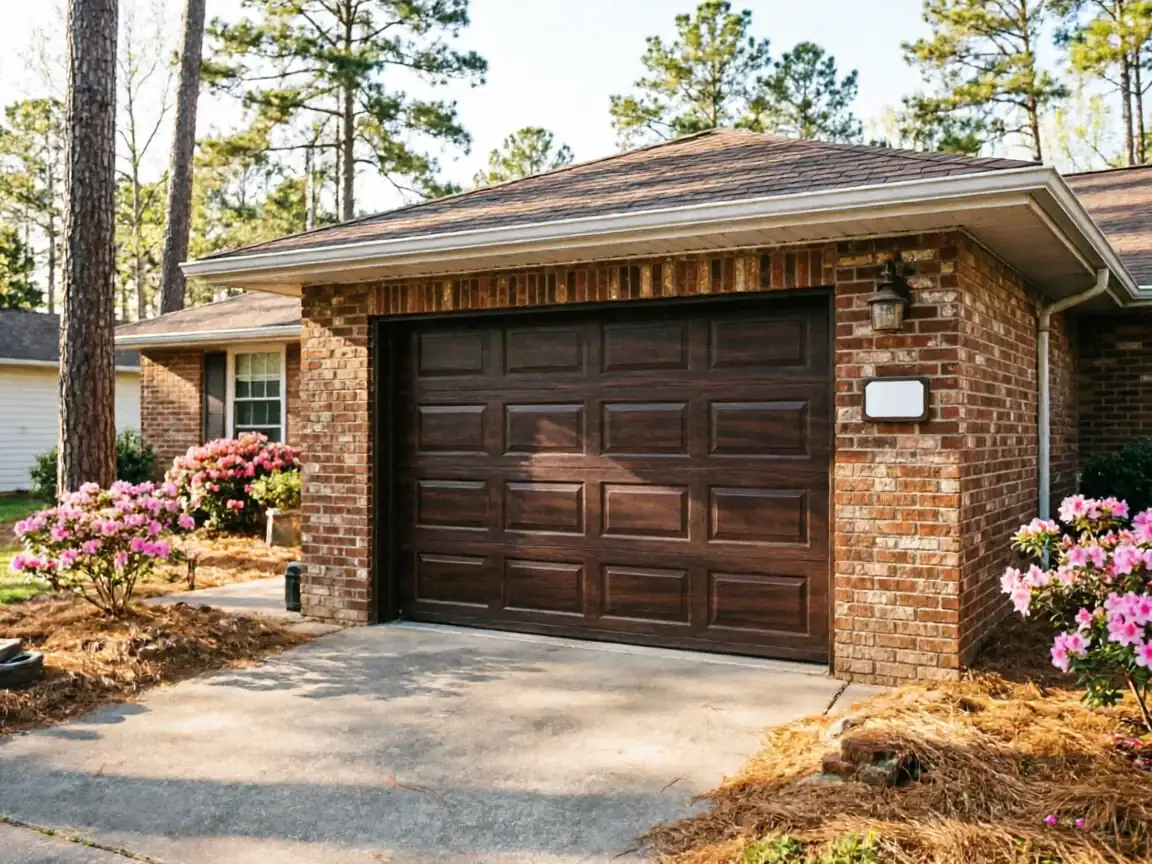
The service area sits in a cold-moderate climate band, which means real seasonal swing - cold snaps that tighten steel coils and thicken old grease, followed by humid stretches that work moisture into any bare metal. On a door and hardware set that's been in place since the Ford administration, that cycle has had fifty winters to do its work. Original torsion springs lose tension gradually and nobody notices until the day they don't lose it gradually anymore. Track brackets that were shimmed once during the original install work loose over decades of door cycles. None of this is unique to one house - it's what happens to steel and wood on a house built around 1974 that hasn't had the garage touched since.
How Long It Takes
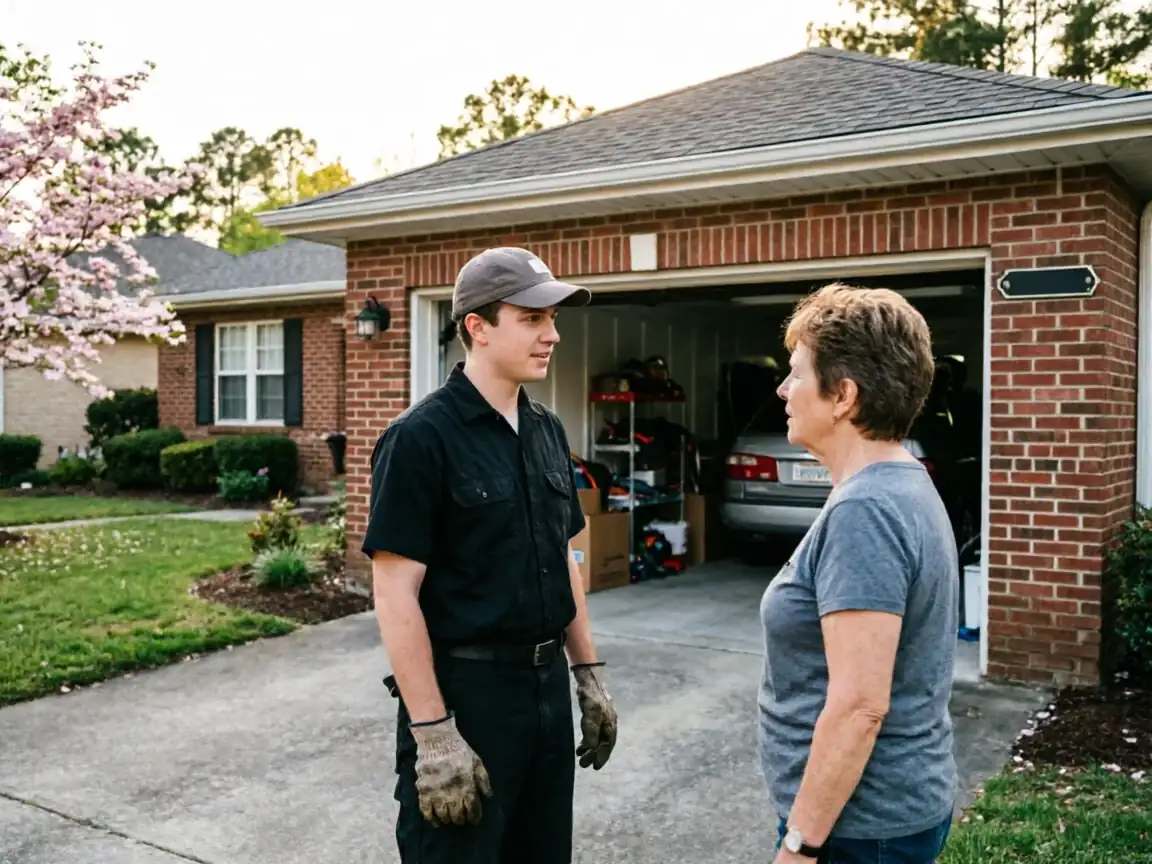
We're honest about this: we're coming from Roswell, about 16 miles out, so there's drive time built into every job here that a company with a depot closer wouldn't have. We don't promise a same-hour window for North Decatur the way we might for a street five minutes from our shop. What we can tell you is that most spring and cable repairs on a standard door are a single visit once we're on site - it's the parts for older, less common hardware that sometimes need a day or two to source, since a lot of what's original to a 1970s-era door isn't something every supply house stocks on the shelf. If your opener needs a part specific to an older model, we'll tell you upfront rather than guess.
How We Fix It
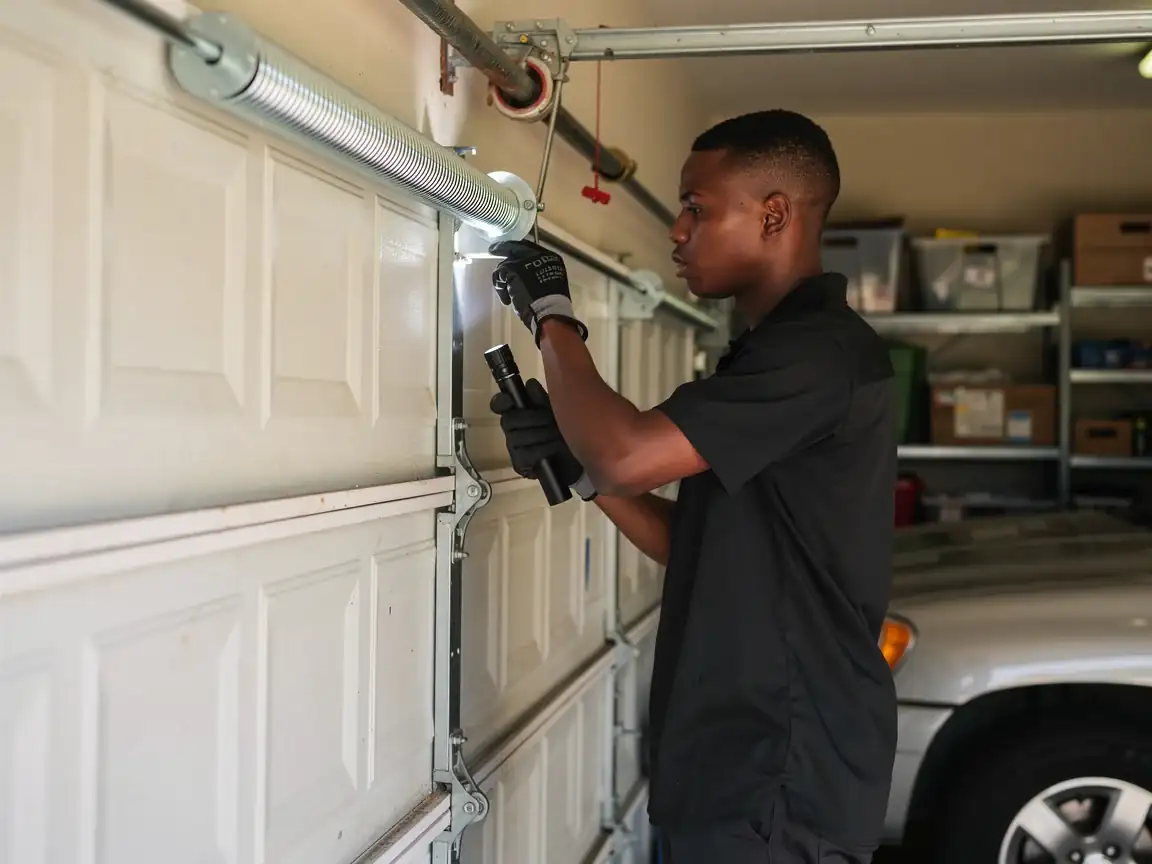
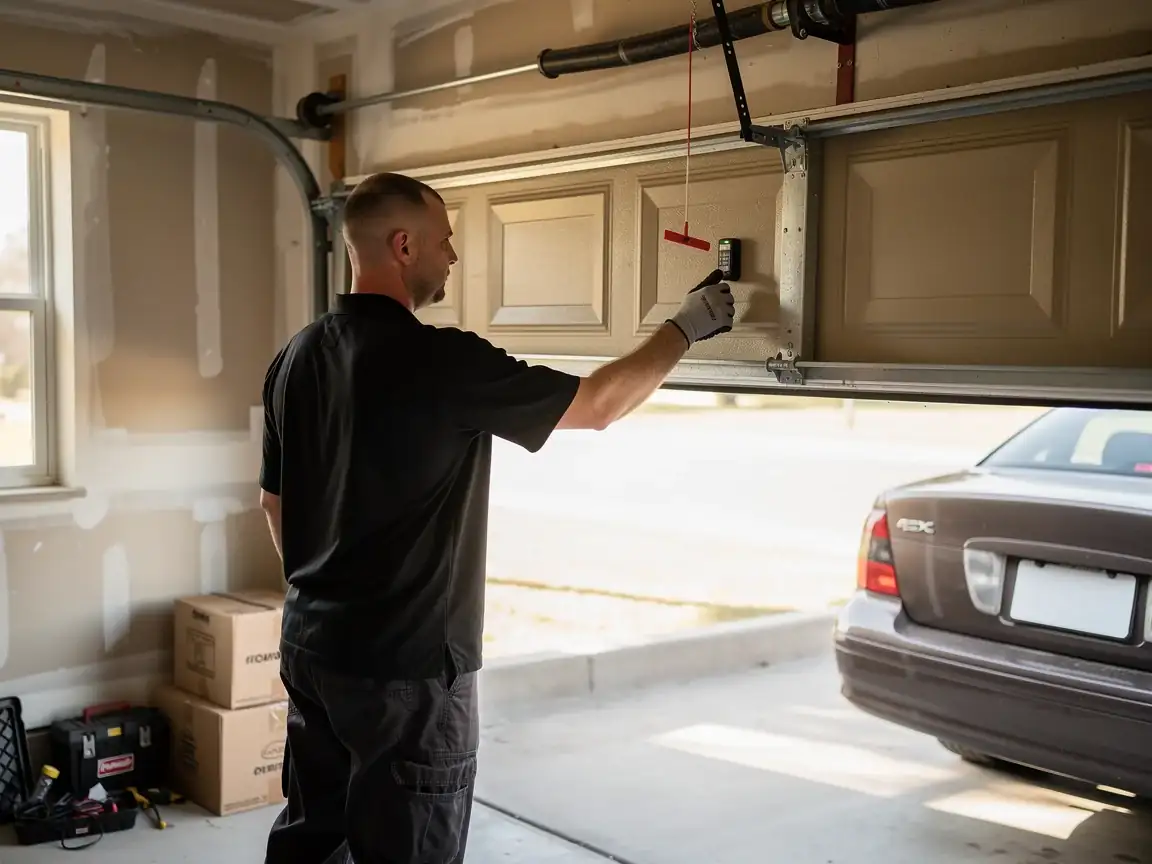
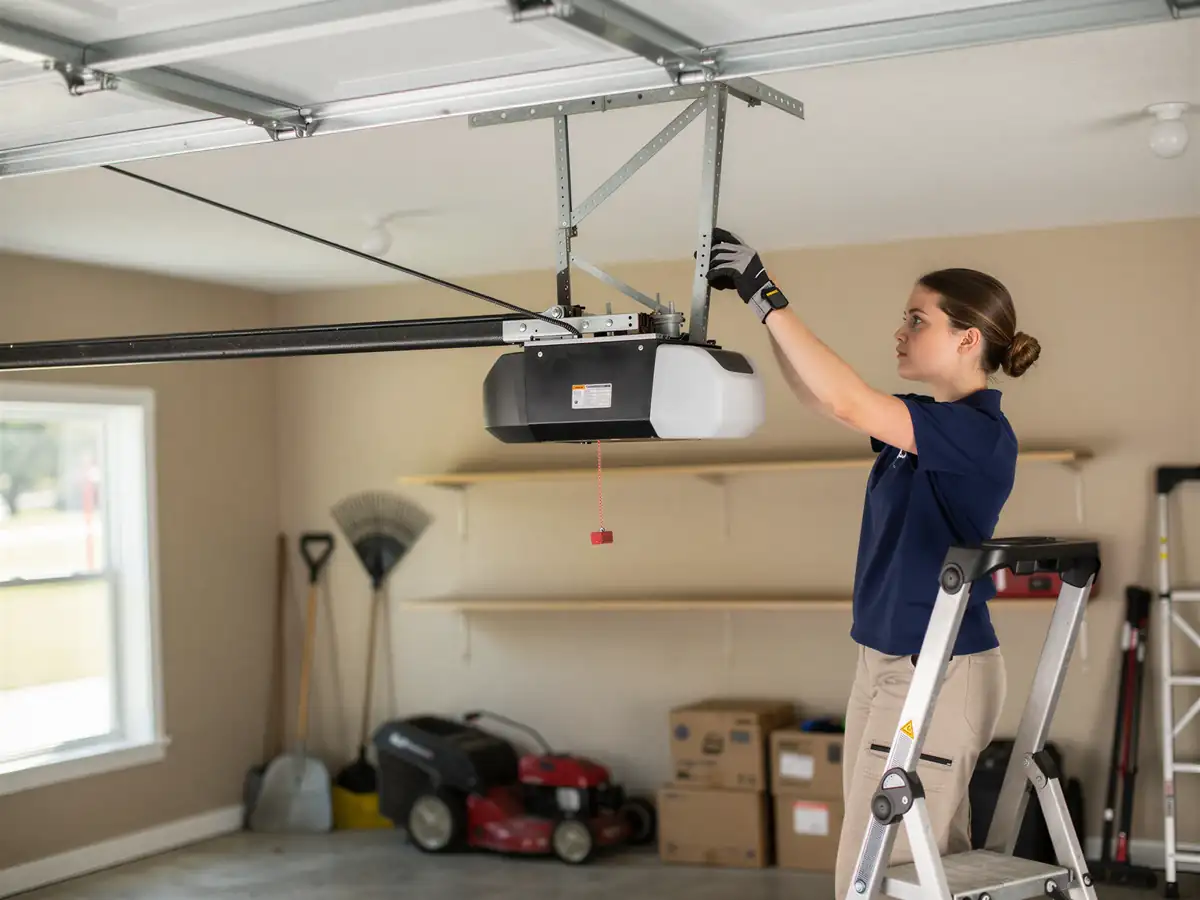
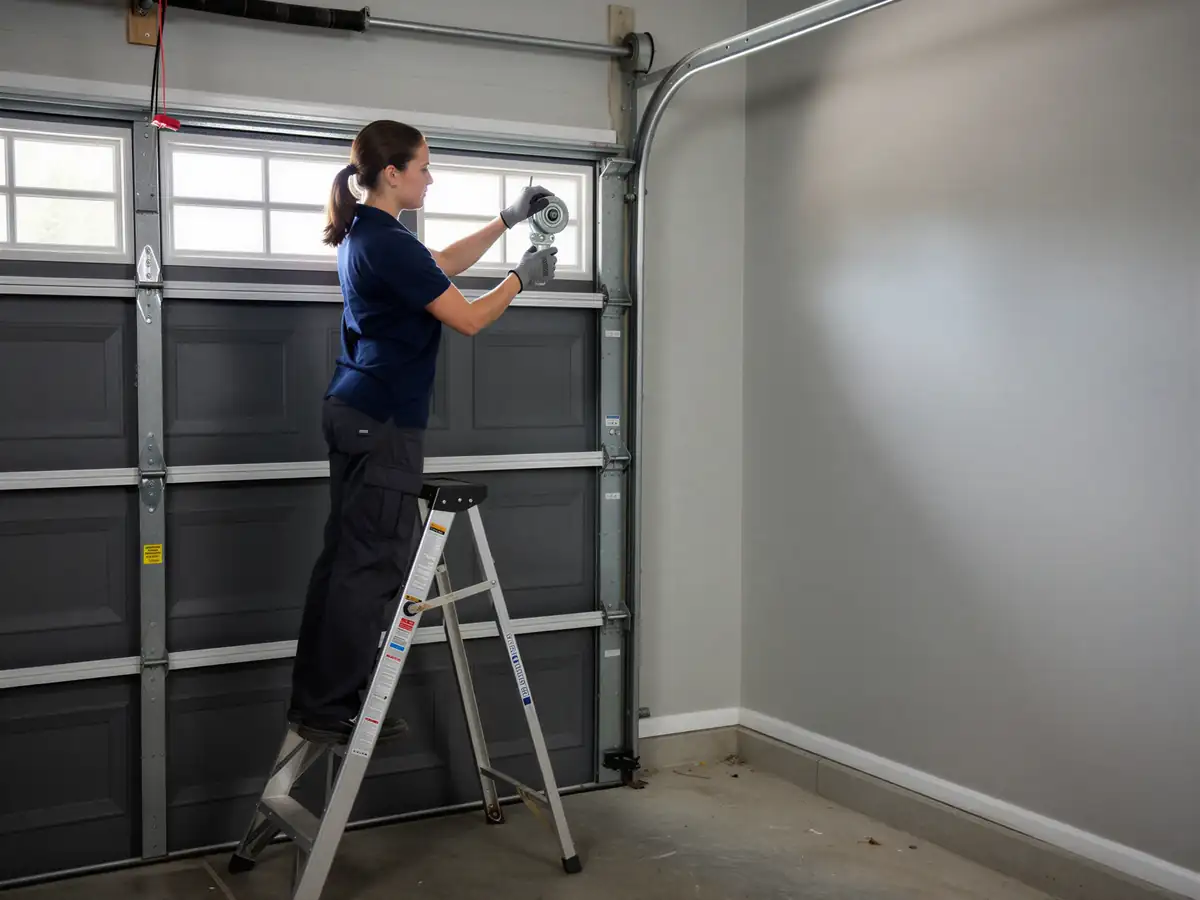
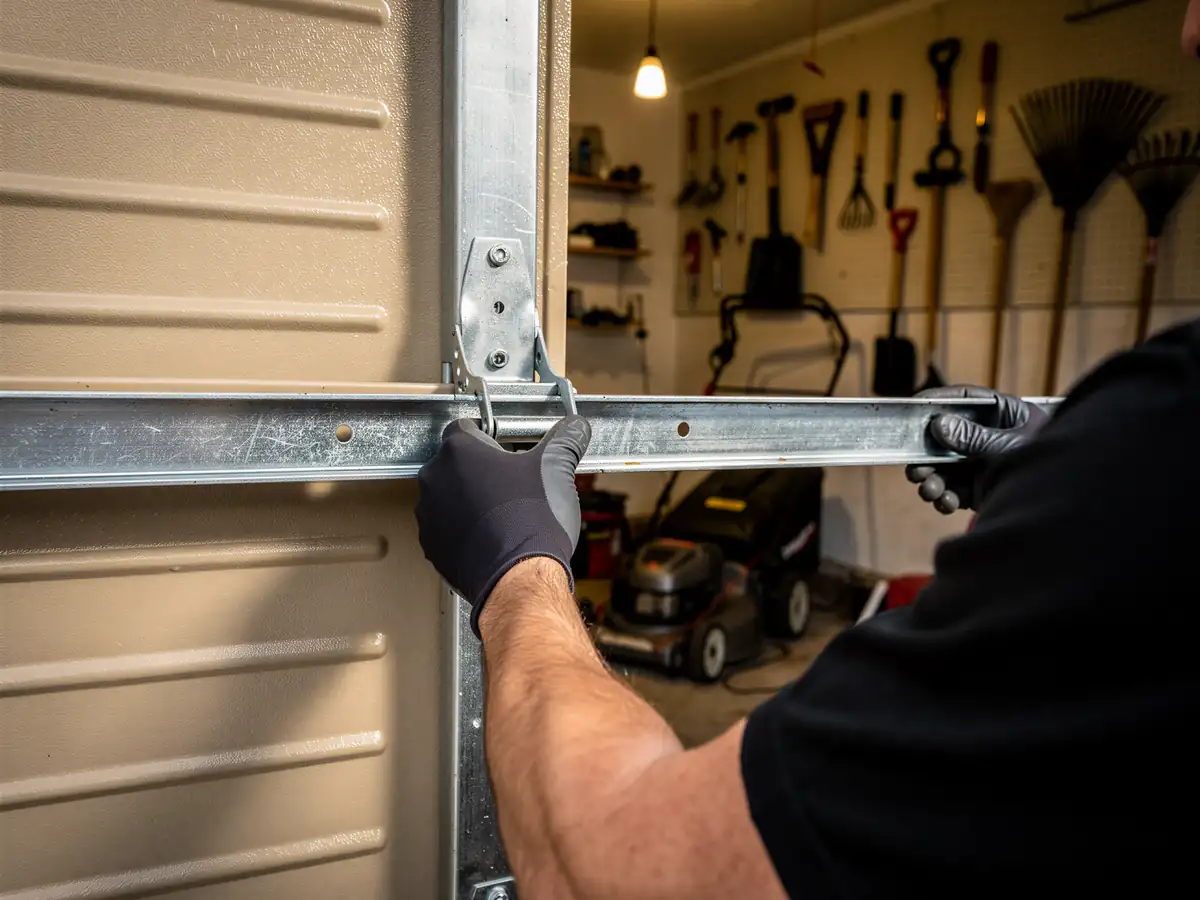
We start by checking the door balance and the condition of the track and hardware before we touch anything electrical, because on an older door the spring and the opener problems often look the same from the outside but aren't. If it's a spring, we replace it to match the door's weight and cycle count rather than just swapping in whatever was there. If it's the opener, we check whether the existing unit can be safely updated with modern sensors or whether the gear set itself has had enough. We're not going to talk you into a full door replacement if a repair gets you another decade of use - but we'll also tell you straight if the door's original hardware is past the point where parts and labor make sense over a new unit.