Can You Do This Yourself
North Decatur is a small pocket - 8,142 households, compared to the 139,077 across the full area we cover out of Roswell. That size matters less for whether you can DIY a fix and more for what kind of fix you're facing, since a smaller, older section of houses tends to throw the same handful of problems over and over rather than a wide mix.
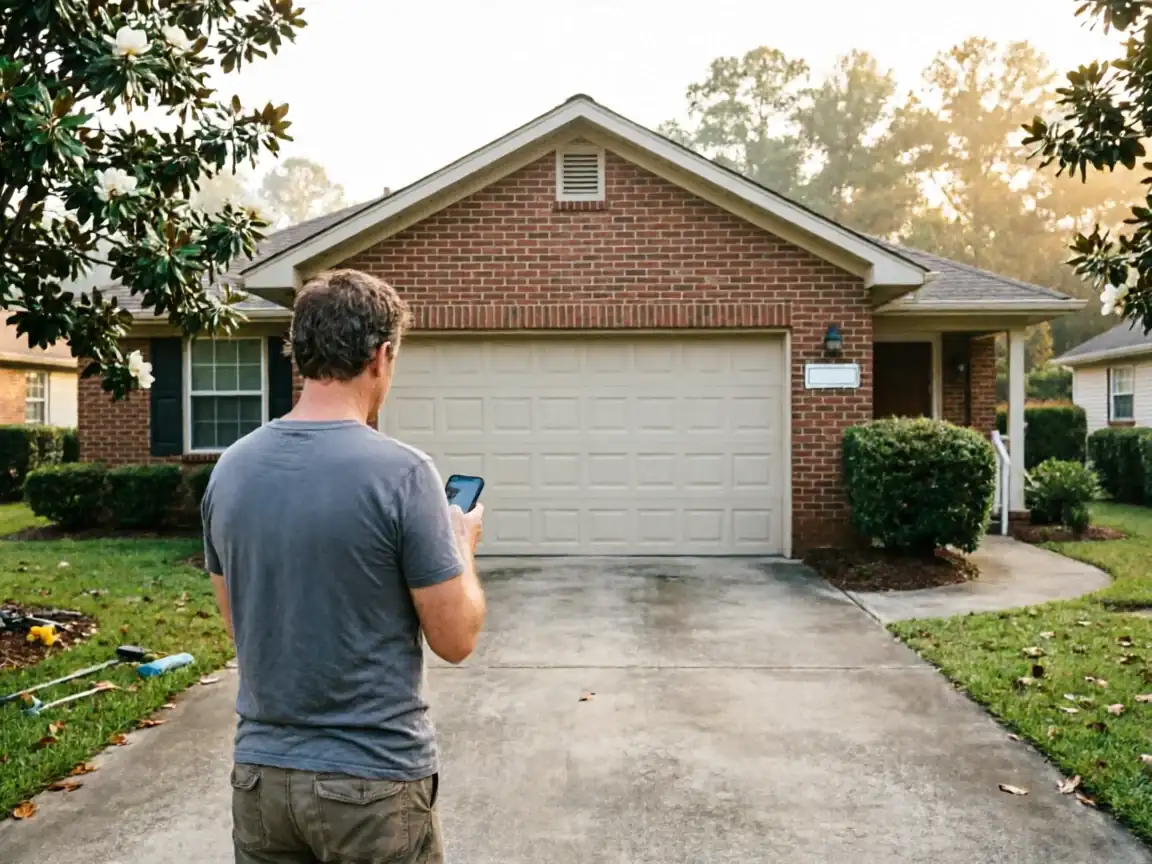
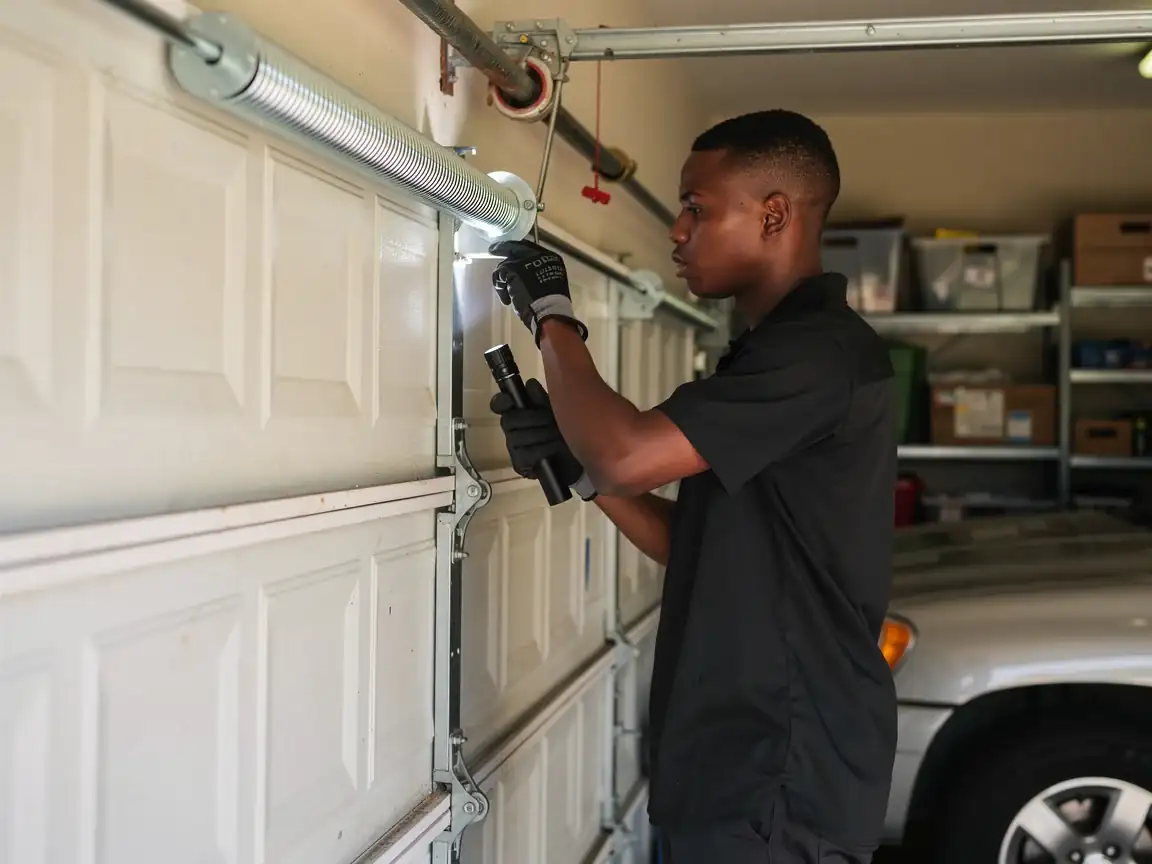
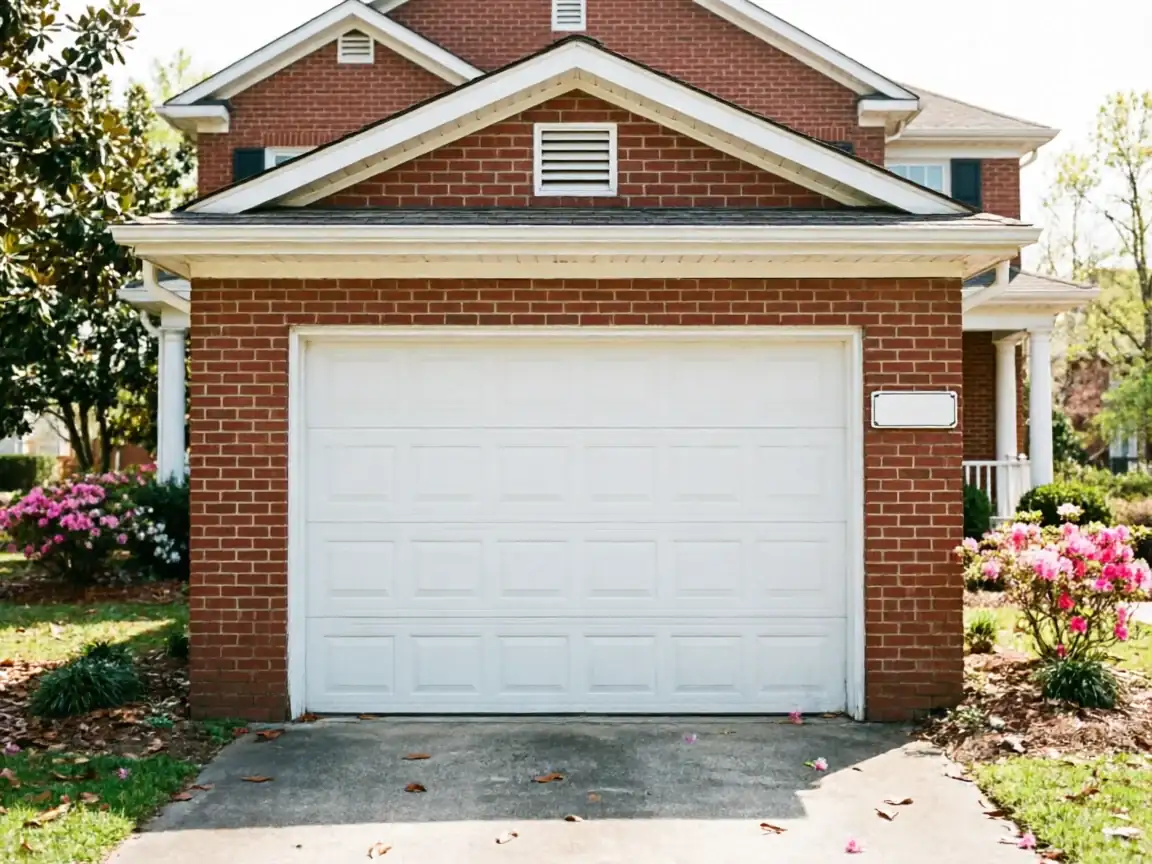
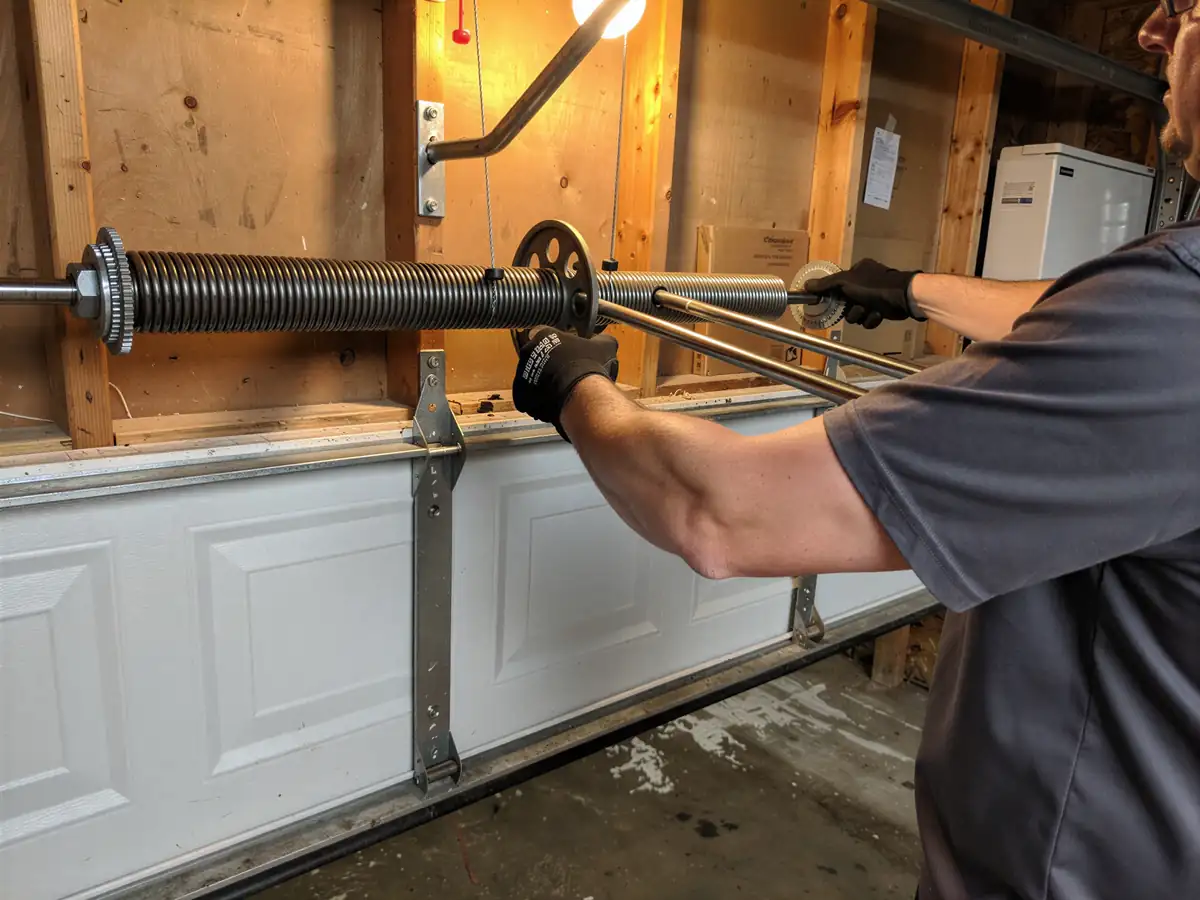
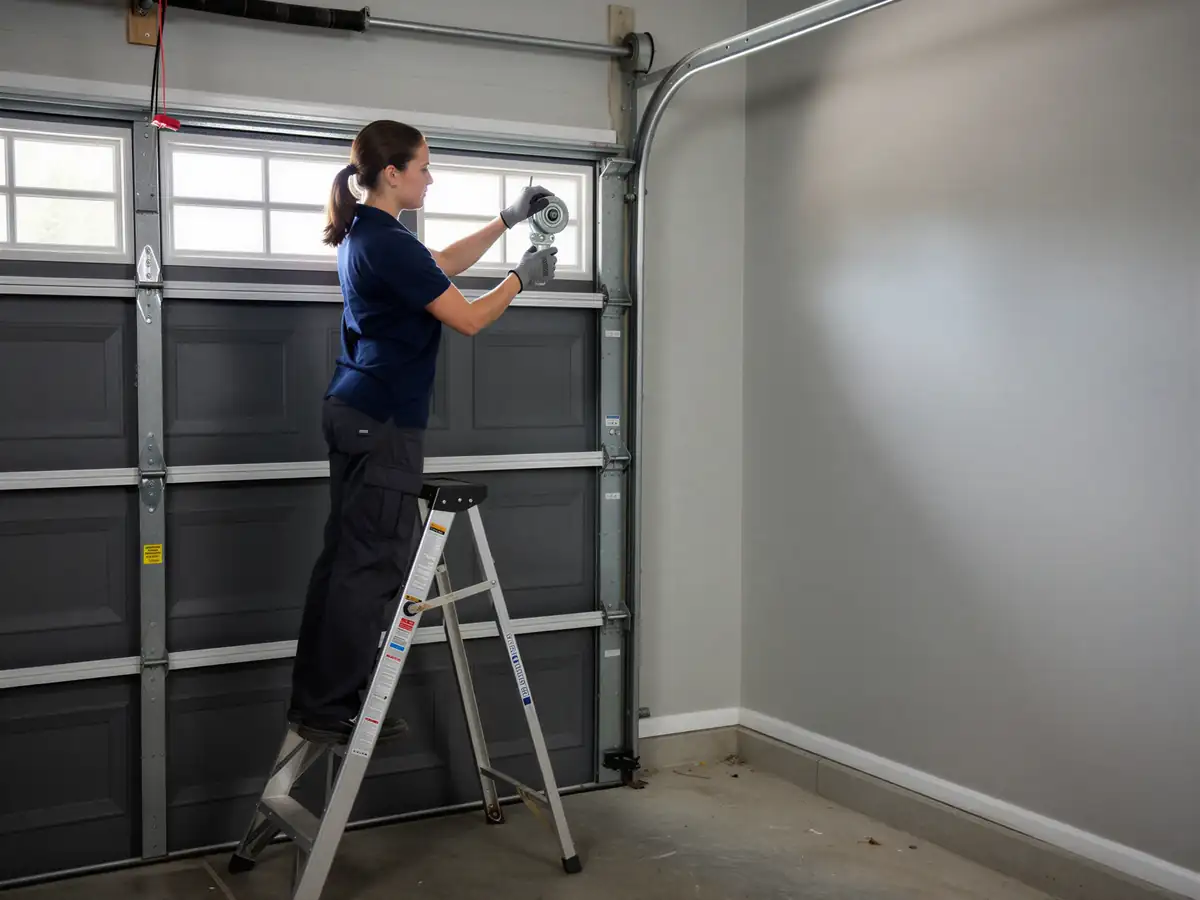
Some things are fine to handle yourself: lubricating hinges and rollers, tightening loose bolts on the track, replacing a worn weatherstrip. A torsion spring is not one of them. It's under enough tension to break a bone or worse, and the tools for winding one safely aren't something most garages have lying around. If your door won't open, or opens unevenly, or the cable looks frayed, that's a call, not a project.
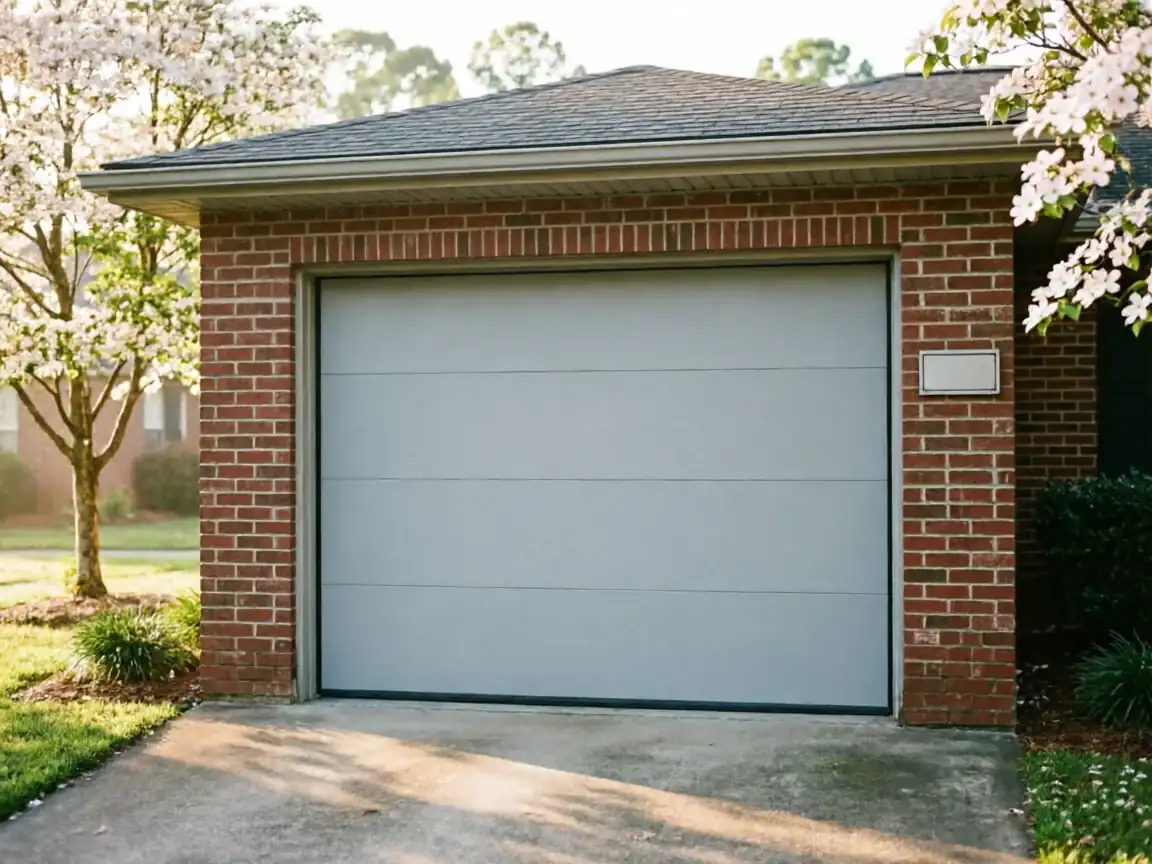
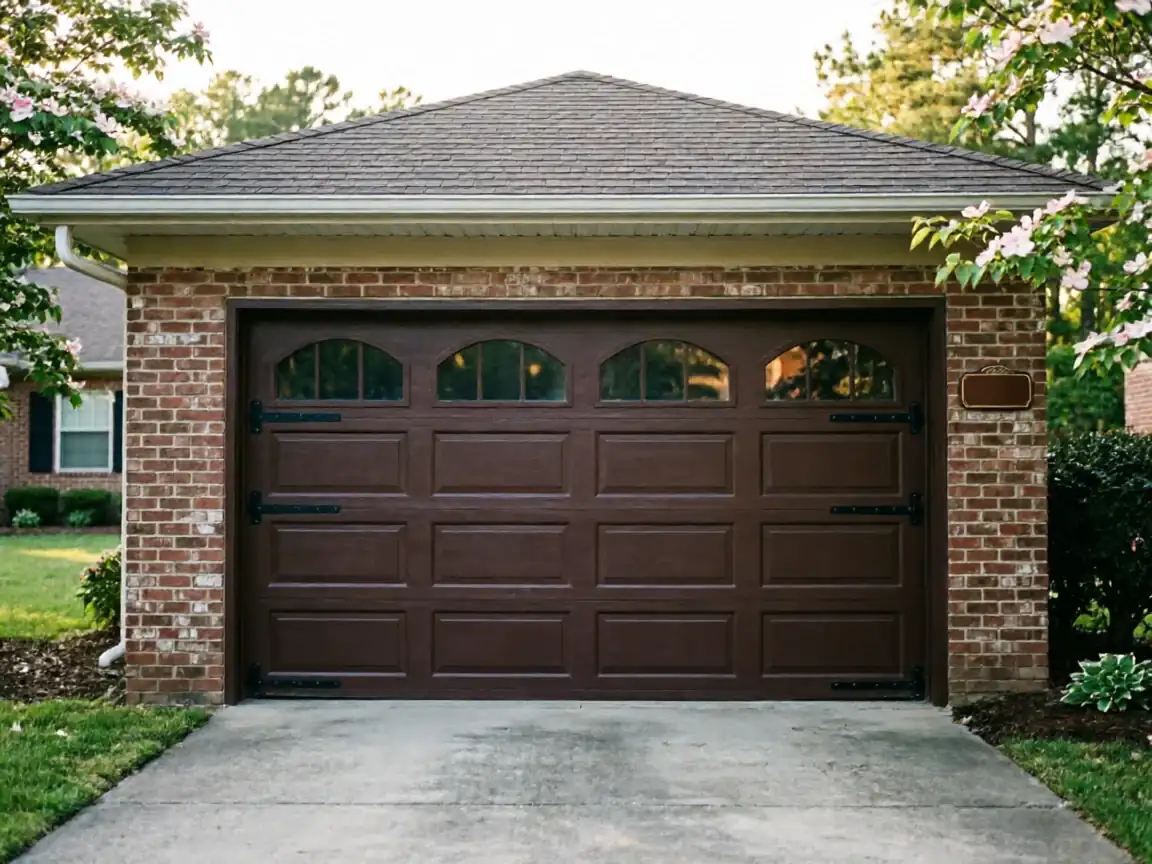
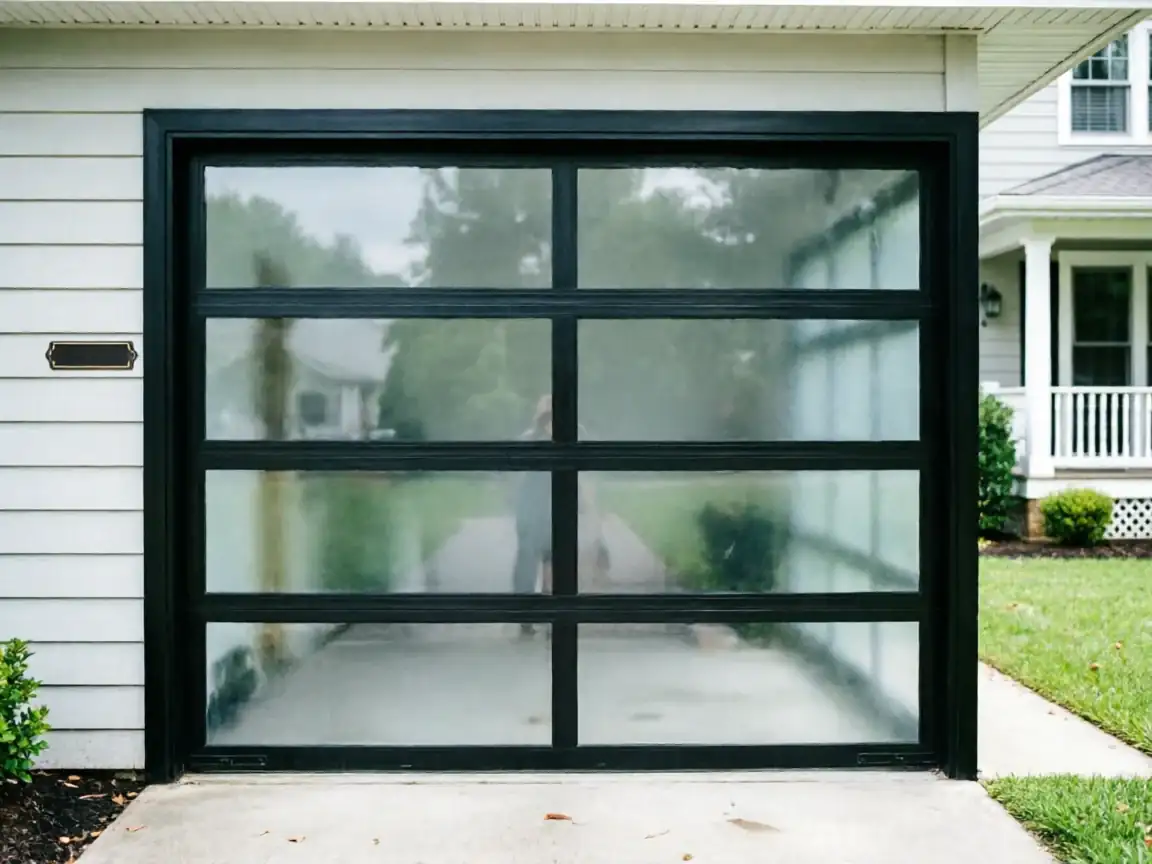
We'll also say plainly: if a door is original to a house built in the early 1970s, patching it piece by piece sometimes costs more over a year than replacing the unit outright. We'll tell you which one you're looking at before we start charging for parts.
How It Shows Up
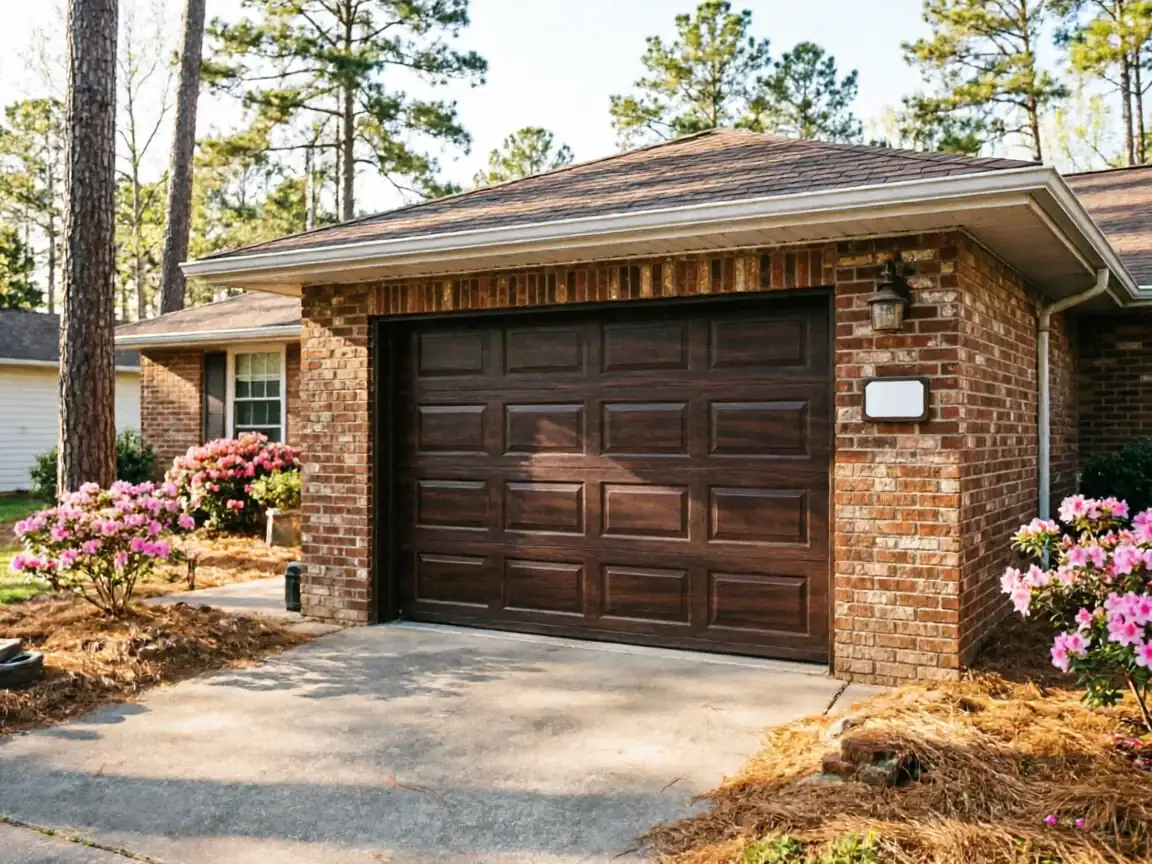
Houses in North Decatur mostly went up around 1974
A decade before the 1984 median build year across the wider service area we work. That gap shows up as specific symptoms: doors that sag at one corner because the original track hardware was never upgraded, openers original to the house that strain and stall on cold mornings, and torsion springs that have simply outlived their wind count.
You'll often hear it before you see it
A grinding or popping sound as the door travels, or a door that reverses itself partway up. On older single-car doors without an opener at all, the symptom is simpler: it gets harder to lift by hand every month, which usually means the spring is losing tension unevenly rather than failing all at once.
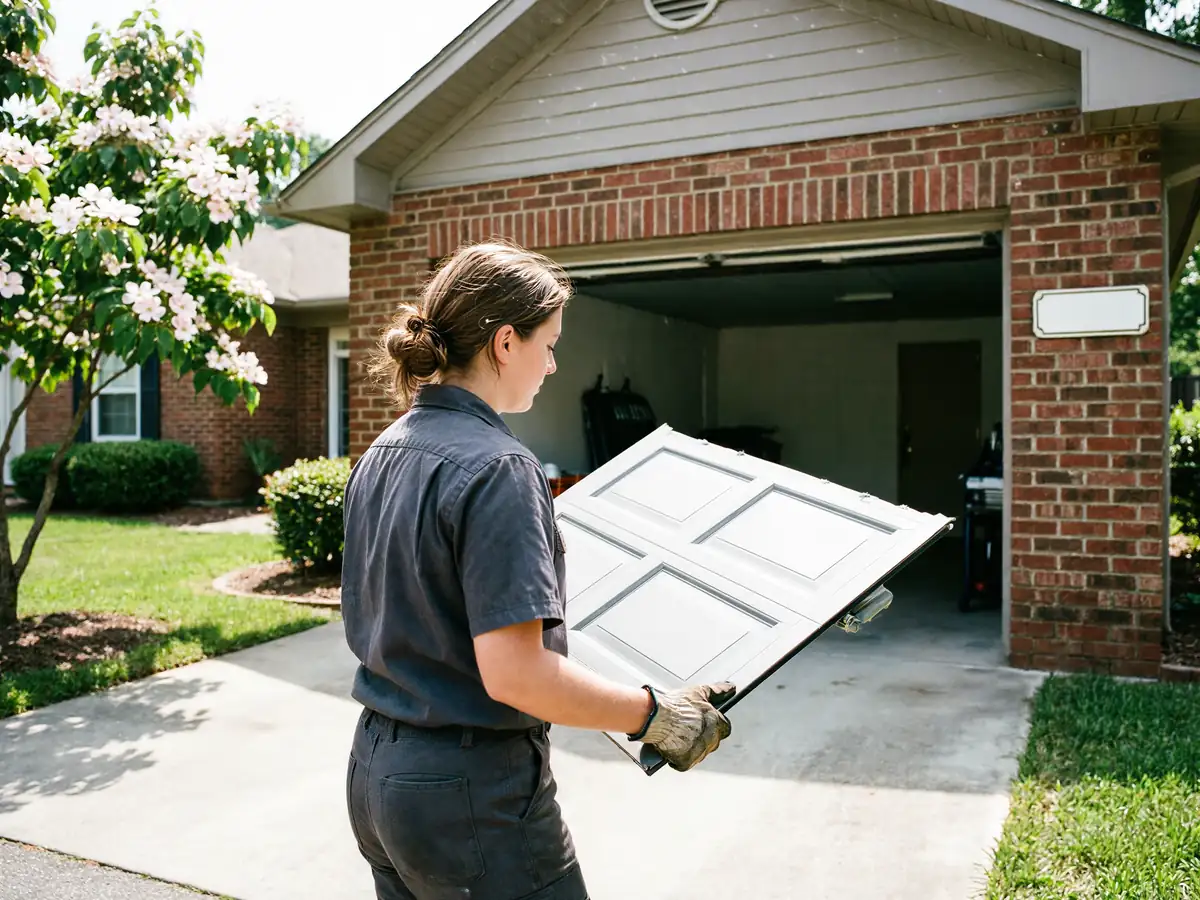
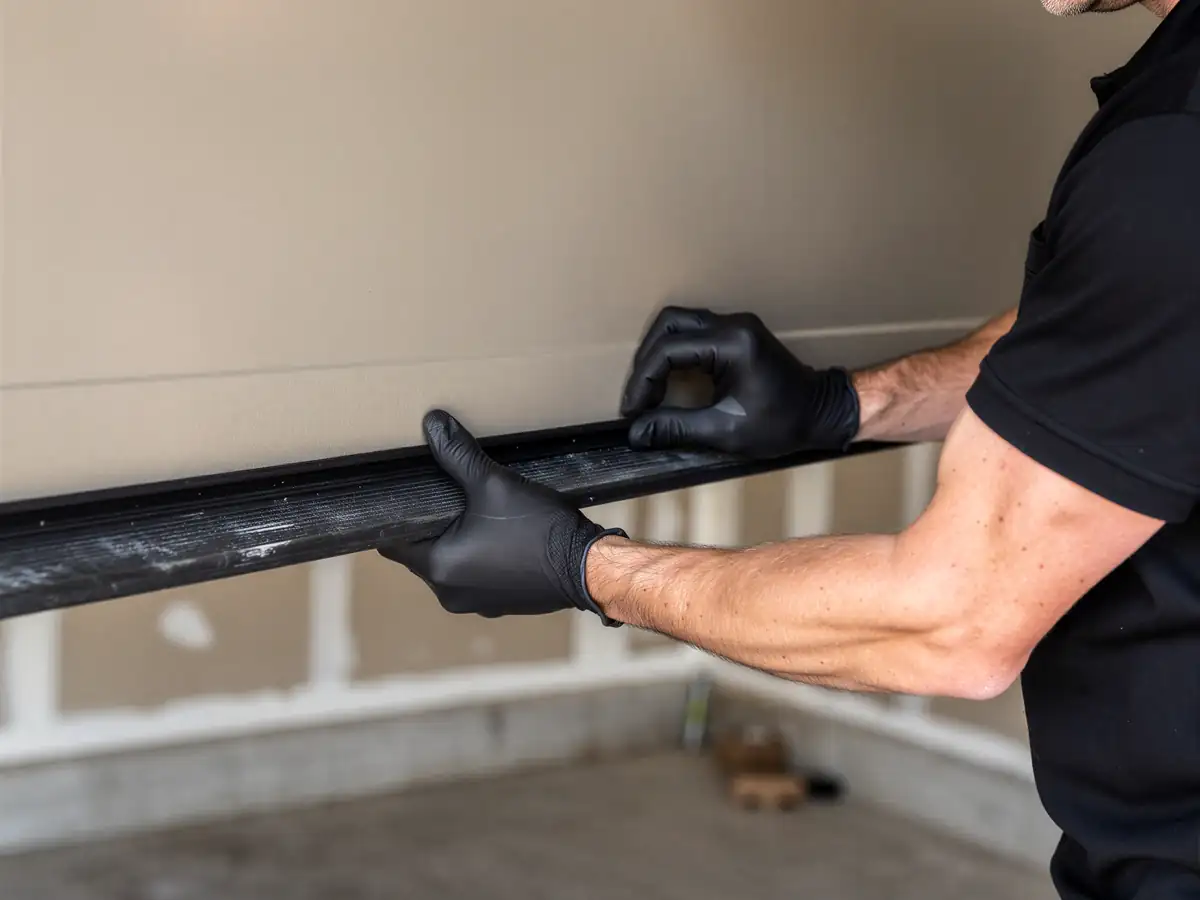
We also see steel panels from this era that have started to flex or dent along the bottom rail
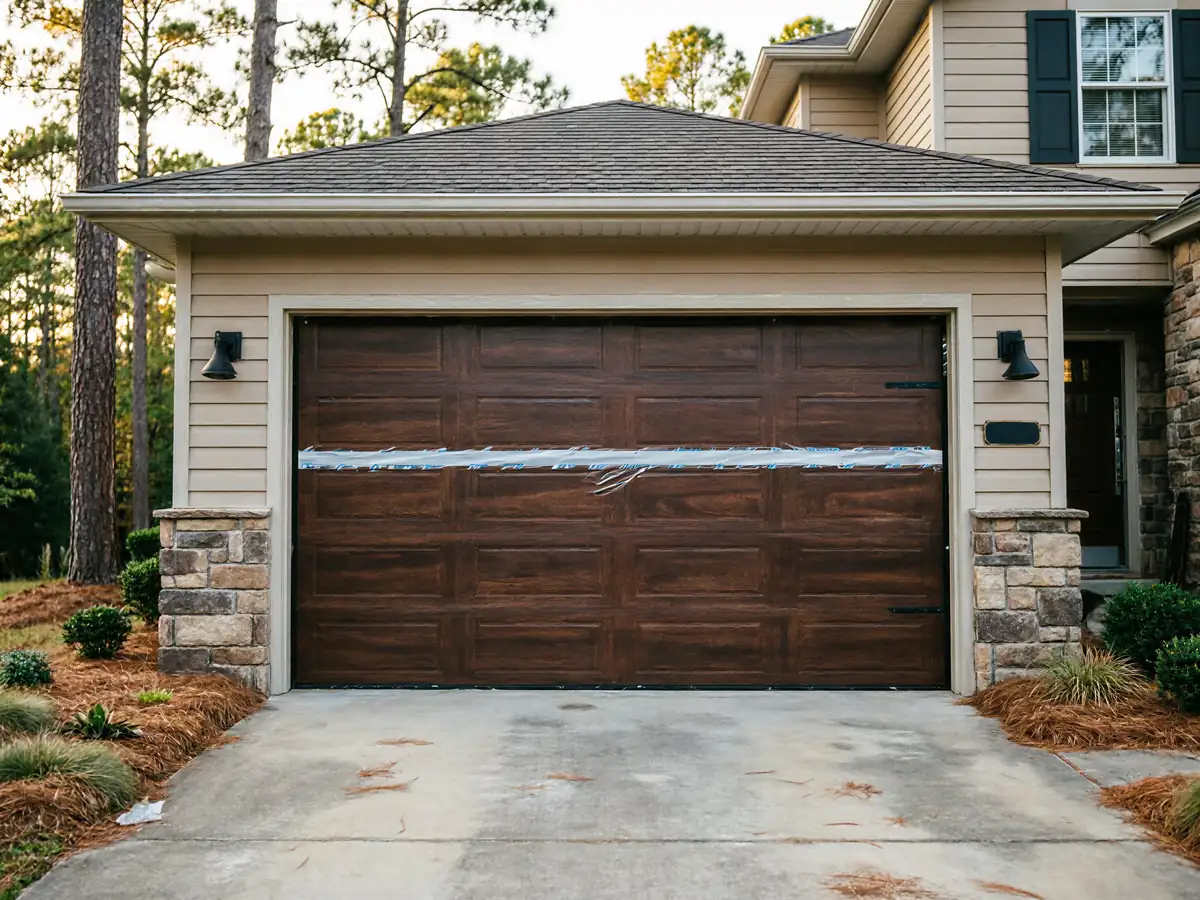
Since the gauge of steel used in the 1970s was often lighter than what's standard now.
What Causes It Around Here
Two things compound here: age and climate. This area sits in a cold-moderate climate band, and a door built in the early 1970s wasn't engineered with the same weatherstripping or insulation standards used today. Combine that 1974-era housing with the area's cold-moderate climate and the torsion springs installed when these houses were built are reaching the end of their rated cycles about now - they weren't made to last indefinitely, and nobody in North Decatur has had reason to touch them until something finally gives.
Income here runs higher than the broader area average - $110,366 median household income in North Decatur against $91,308 across the full service footprint - which usually means owners replace rather than patch once a door is clearly failing, but it doesn't change the physics of a 50-year-old spring losing its temper.
We don't see a lot of storm-related failures here the way we might in more exposed spots. It's mostly wear, mostly age, and mostly hardware that was fine for decades and is now simply done.
How Long It Takes
North Decatur sits about 16 miles out from our Roswell base, on the farther edge of where we run jobs day to day. We're not going to promise a specific arrival window here - that's not something we can commit to without knowing your day's schedule and the rest of the route - but the distance is worth knowing if you're comparing us to someone closer.
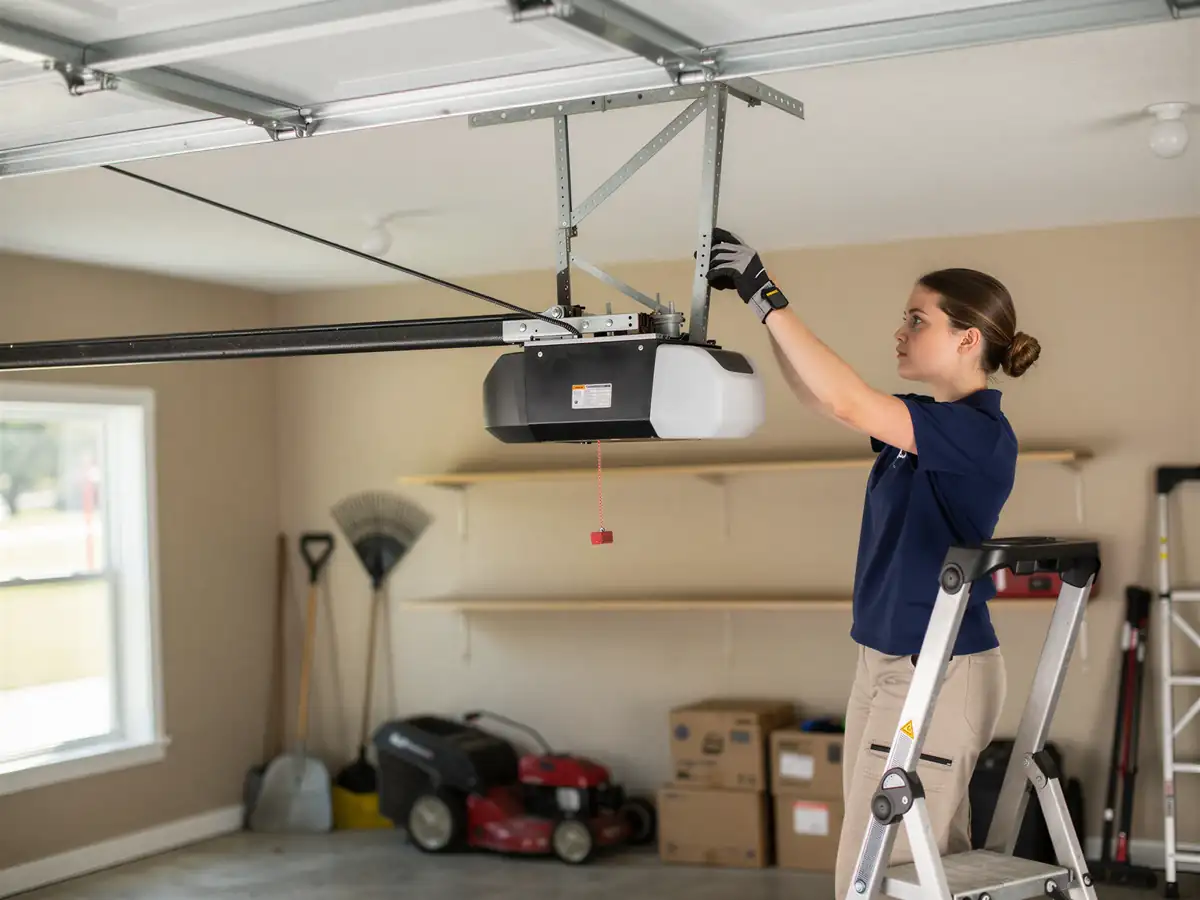
Once we're on site, the actual repair time depends on what we find. A spring replacement on a single door is usually a same-visit job. A full opener swap on an older 1970s unit sometimes takes longer because the original wiring or mounting doesn't match current hardware, and we have to adapt the bracket rather than bolt a new one straight on.
Parts We Carry
Because North Decatur's housing stock runs older than much of the rest of the area
We carry torsion springs sized for the shorter, lighter doors common to early-1970s construction, not just the heavier-gauge springs that fit newer builds elsewhere in the service area. We also stock standard rollers, cables, and hinges that fit both the original hardware from that era and the retrofit track systems that have replaced it in some homes since.
What we don't keep on the truck is anything proprietary to a specific opener brand's discontinued model
If your opener is original to a 1970s build, parts for it sometimes have to be special-ordered, and we'll tell you that cost and lead time up front rather than quote a repair we can't actually complete that day.
How We Fix It
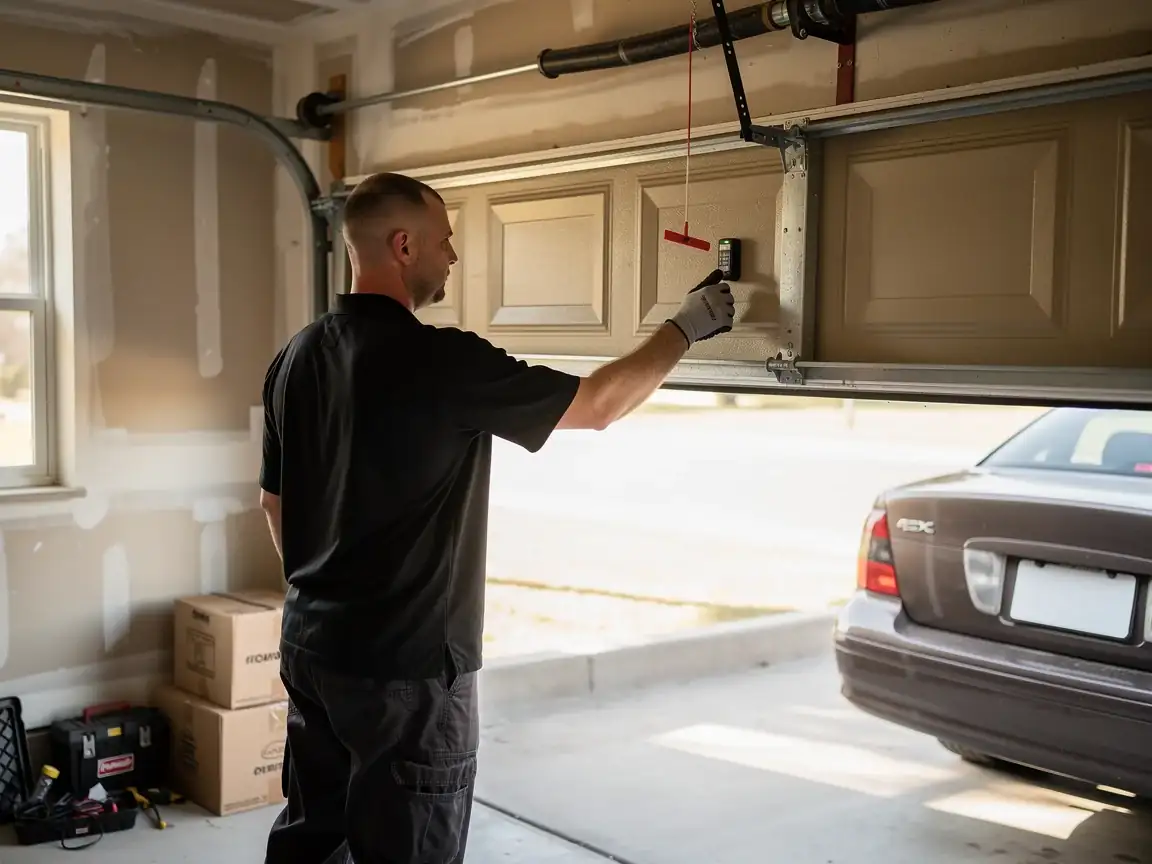
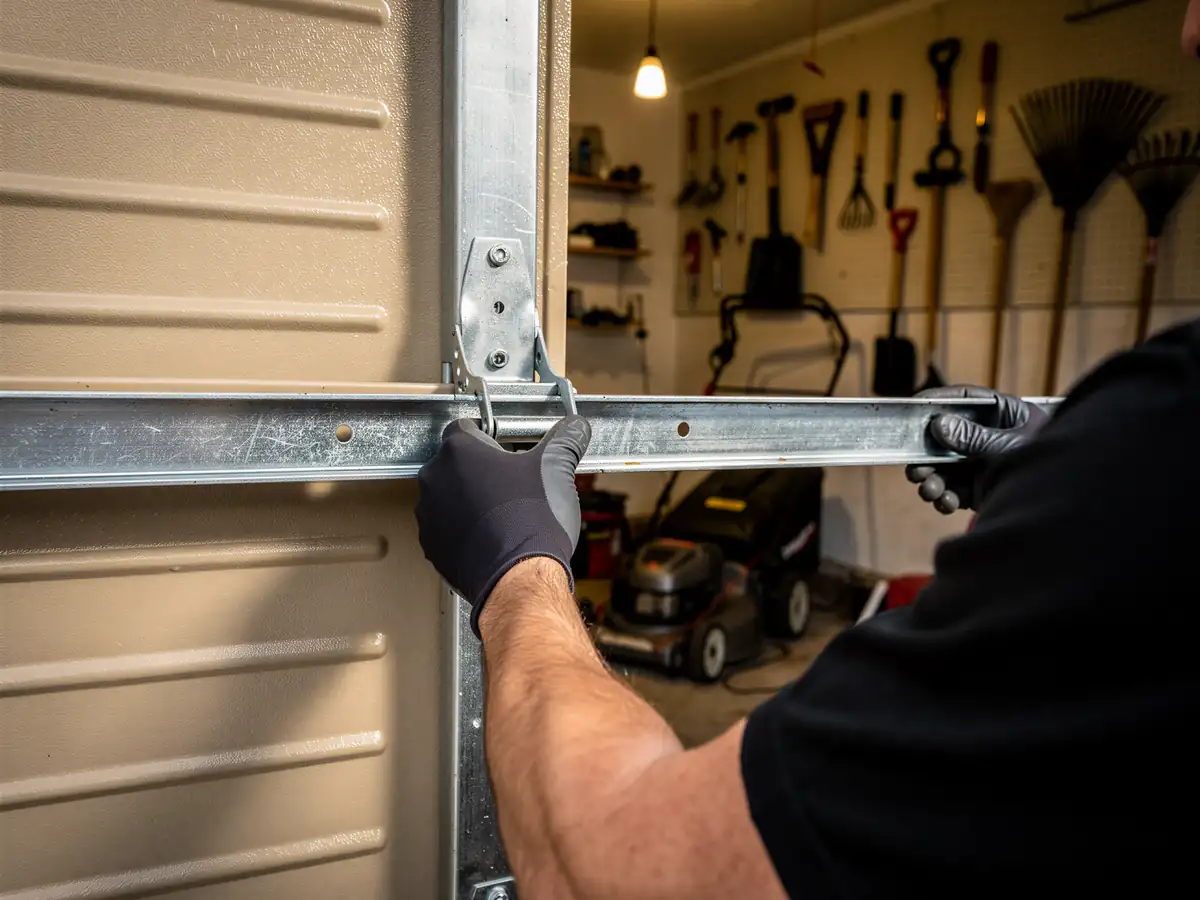
We start by testing the door under its own power before touching anything, because a door that's hard to lift could be a spring problem, a track alignment problem, or an opener problem, and those three get fixed three different ways. On older 1970s-era doors, we check the track mounting first, since decades of settling in the framing can throw it out of square even when the spring itself is fine.
If it's a spring, we replace it to match the door's actual weight rather than reuse whatever size came off, since the original install sometimes wasn't matched correctly to begin with. If the opener itself is the point of failure, we'll walk through whether a straight replacement makes more sense than trying to source parts for a decades-old unit. Either way, you get a plain answer on what's broken and what it costs before we start the work, not after.