What Can Go Wrong
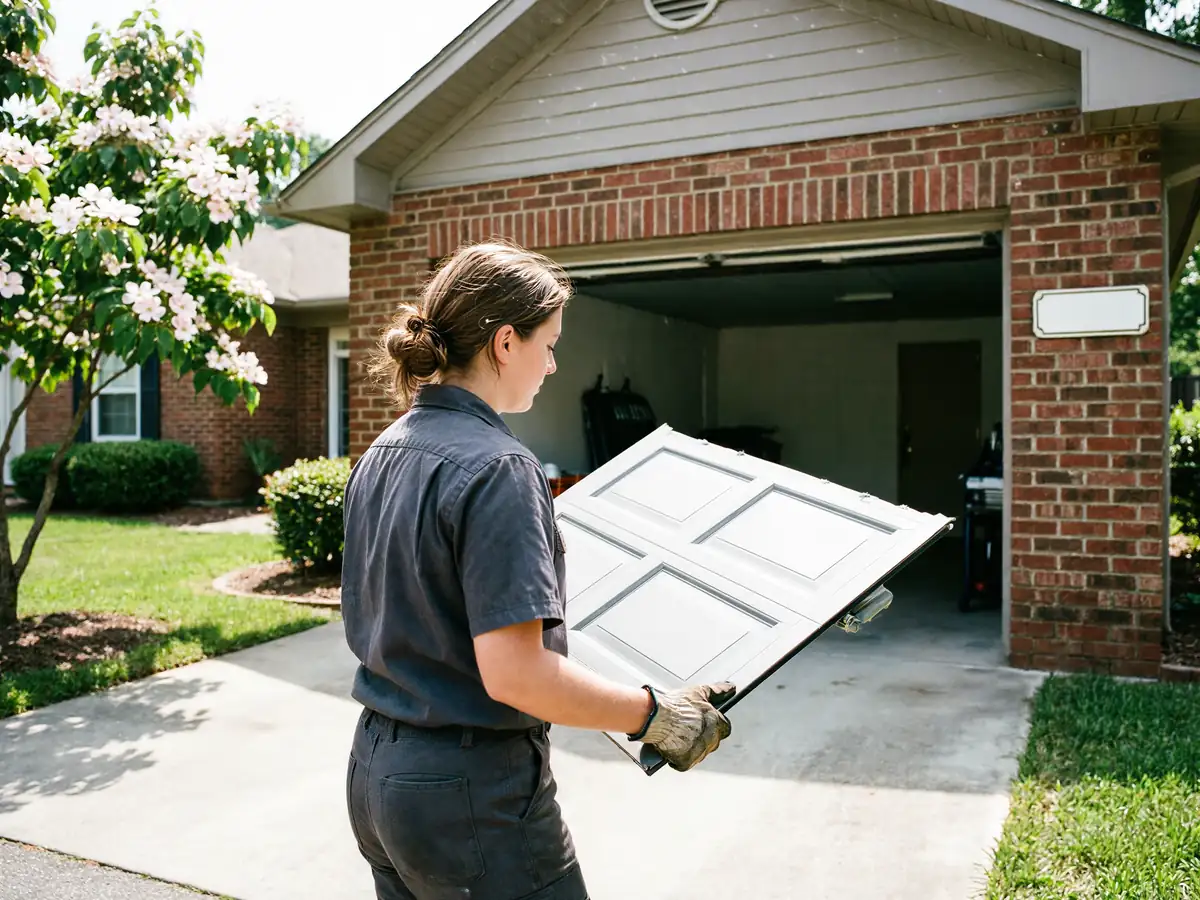
Mableton sits about 20 miles out from our Roswell shop, which is the farthest reach of our service area. That distance doesn't change what breaks on your door, but it does change how we plan the trip - we're not running back for a part we forgot, so the truck gets loaded with the roller sizes and track hardware that actually fit houses built around here before we head out.
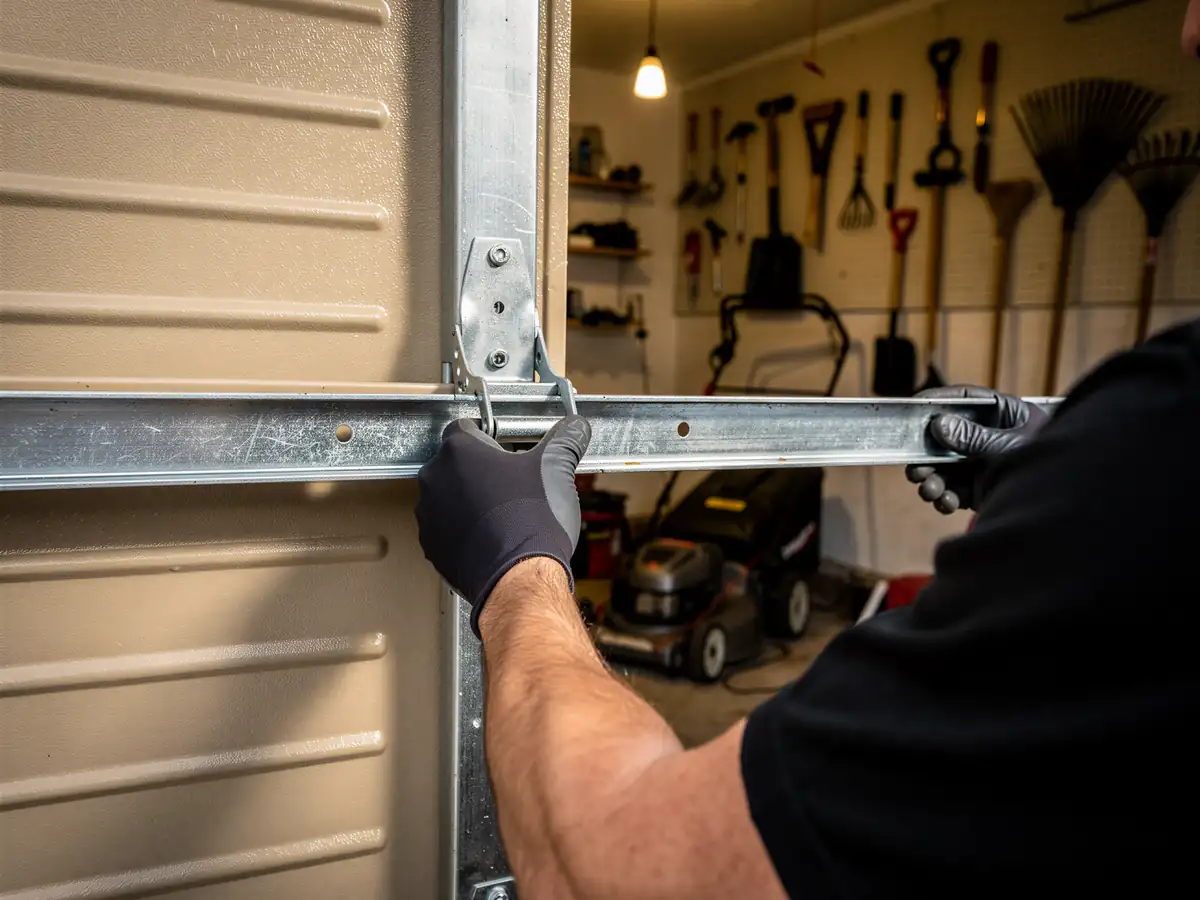
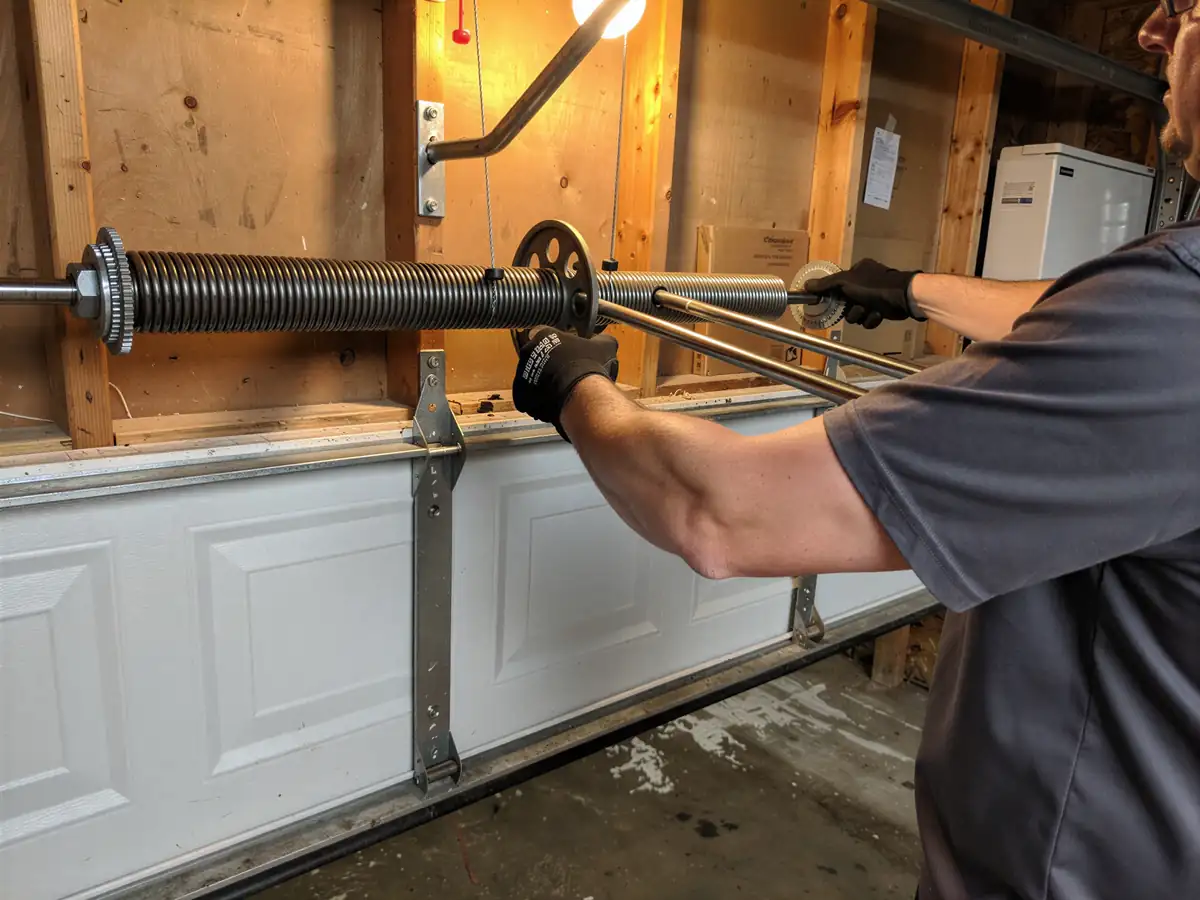
Most of the garage doors we see in this part of the county went up around 1985, which lines up with the broader 1980s-to-90s housing stock across the service area. Doors from that era usually came with steel rollers riding in galvanized track, and after three-plus decades those rollers wear oval, crack at the stem, or seize in the bearing. You'll feel it as resistance, hear it as grinding, and eventually watch a panel bind sideways in the track instead of rolling smooth. On double doors especially, one bad roller near the bottom corner puts uneven load on the whole track run.
How We Fix It
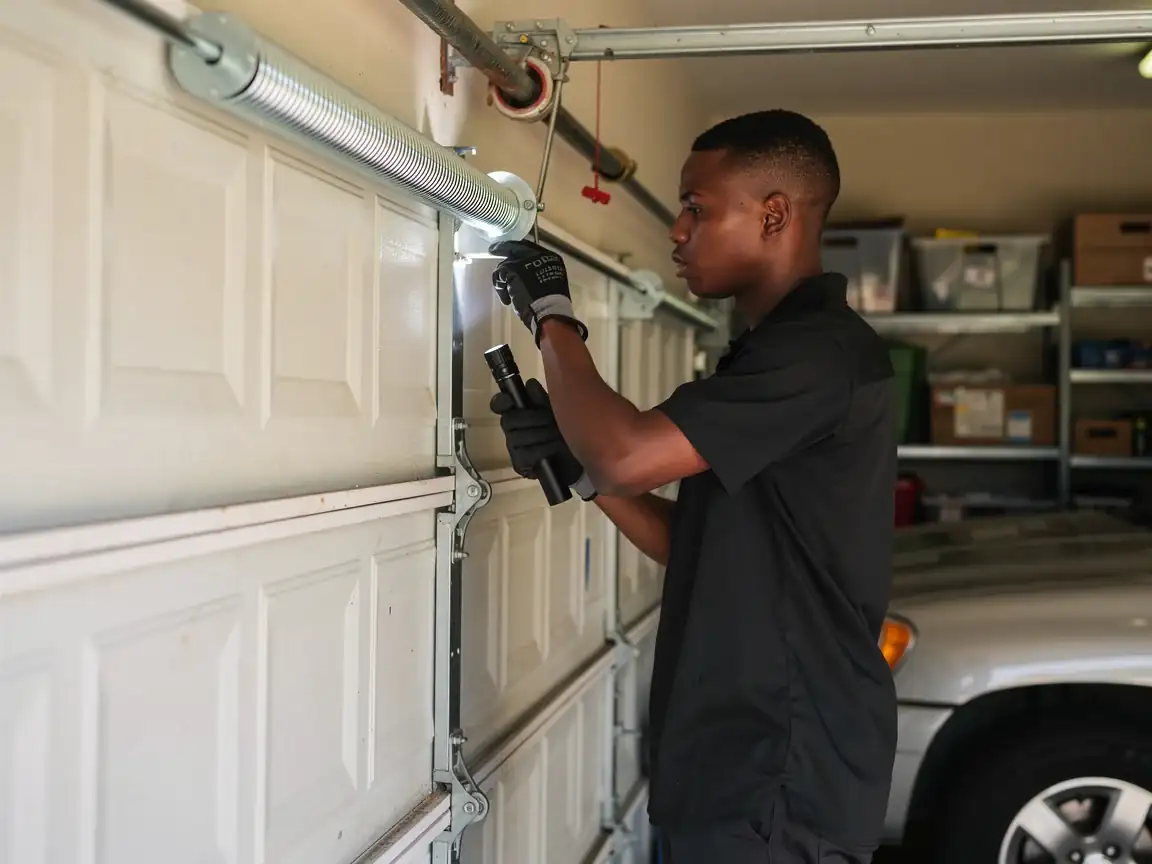
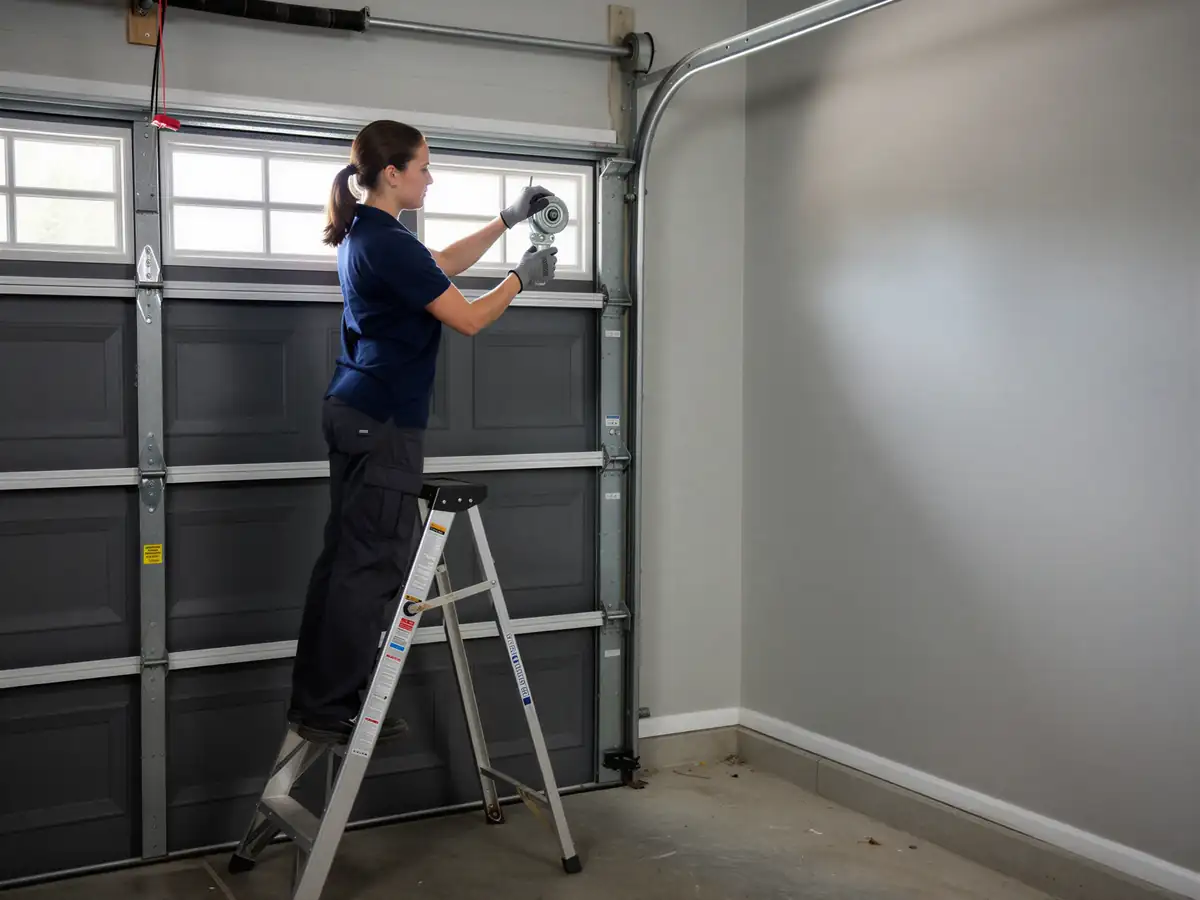
We pull the worn rollers one at a time rather than dropping the whole door off the track
Which keeps the panels aligned and avoids knocking the brackets out of square. Steel rollers get swapped for nylon rollers with sealed bearings - quieter, and they don't wear the track groove the way old steel does.
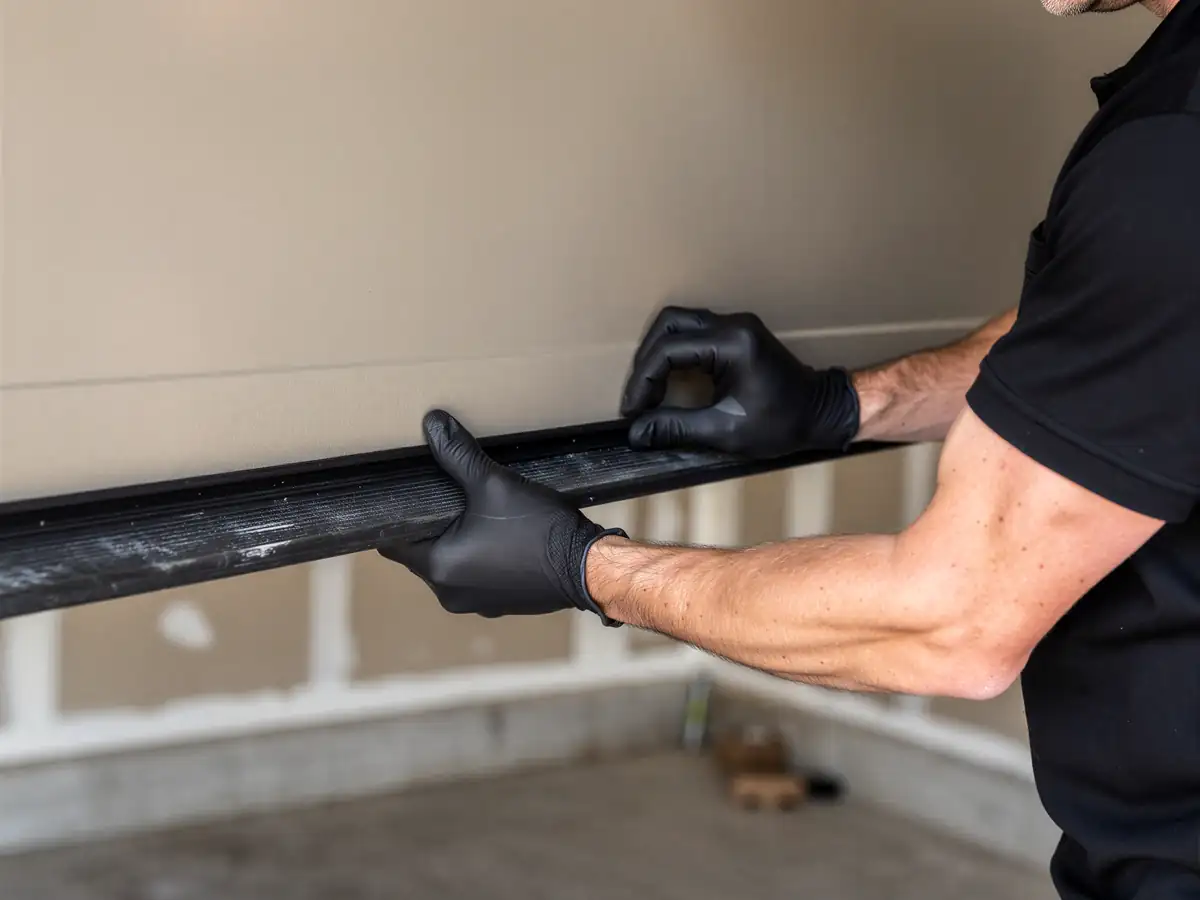
While we're in there we check the track itself
On a door running since the mid-1980s, the track has usually taken some flex over the years, and a bent or widened section will chew through a brand-new roller in a season if we don't straighten or replace it. We true up the track, reset the rollers, and run the door through a full cycle before we call it done. If a cable or hinge is also worn past the point of trusting it, we'll say so - but we don't replace parts that don't need it just because we're already there.
Getting It Booked In
Because the drive from Roswell to Mableton runs close to 20 miles, we schedule roller jobs out this way in a block rather than as a one-off, so the trip makes sense for both of us. When you call, tell us what the door is doing - grinding, sticking, jumping the track - and we'll get a sense of whether it's a roller job or something else before the truck leaves.
We don't keep a branch or a dispatch point in Mableton itself; every job here runs from the Roswell shop, so the appointment window accounts for that drive. It's worth having the door open and the area clear when we arrive, since a full roller swap on a two-car door means working both tracks top to bottom.
How It Shows Up
The first sign is usually sound, not a stuck door - a rhythmic squeak or grind that gets worse as the roller wears flatter on one side. Next comes a jerk or hesitation as the door passes the bad roller's spot in the track, which you'll feel through the wall switch or remote as a stutter rather than a smooth glide.
Left alone, a worn roller eventually jumps the track or cracks enough that the wheel separates from the stem mid-cycle, which can jam the door open or shut. On houses from the 1985 era common around Mableton, we also see rollers that have simply outlasted their lubrication - the bearing's fine, but decades of dry grit have worn the race down. That's a cheaper fix than a cracked roller, which is why we check before assuming the worst.
What Causes It Around Here
placeholder