What Can Go Wrong
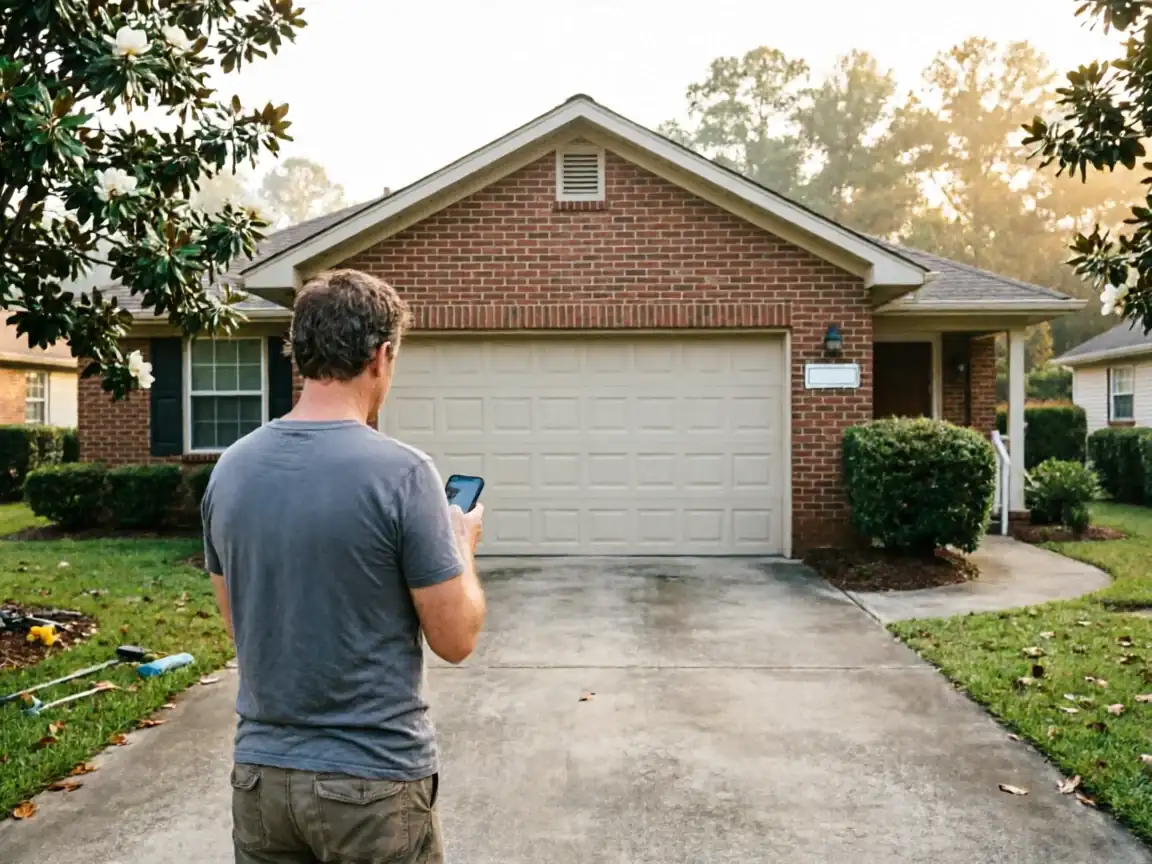
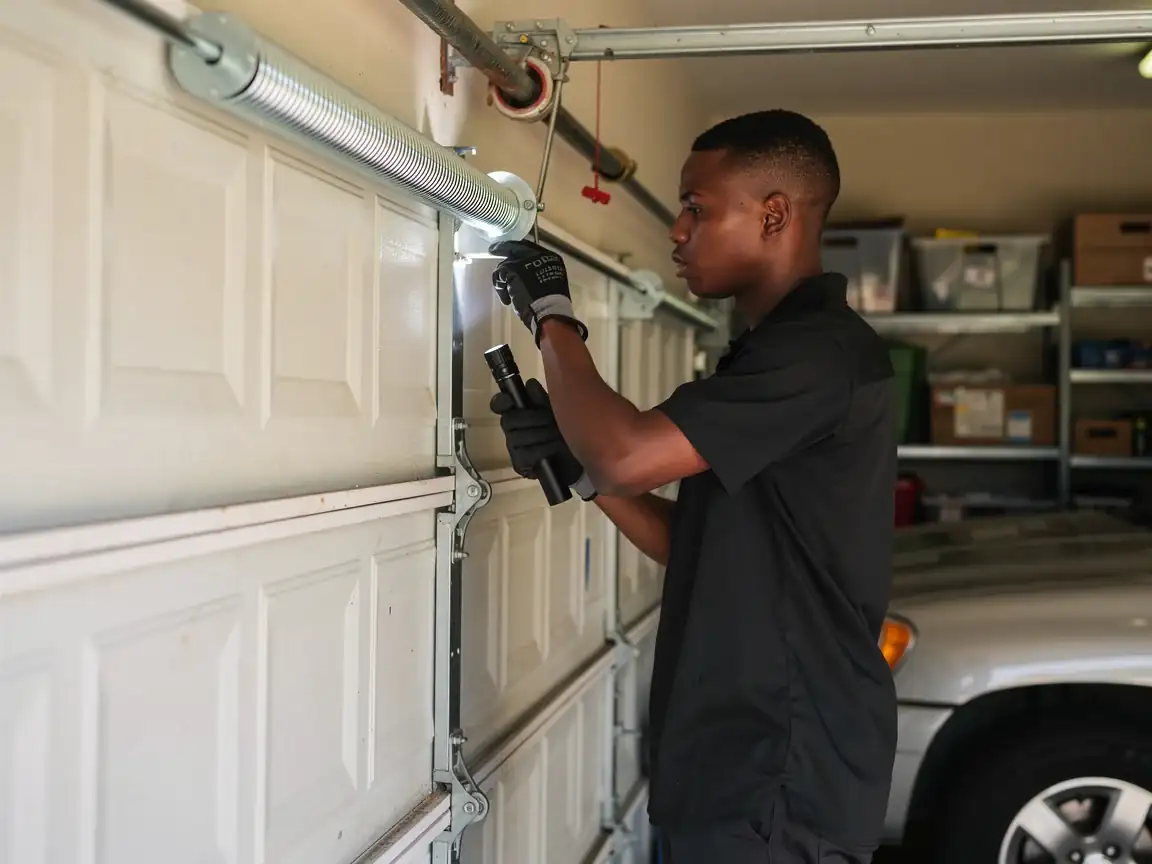
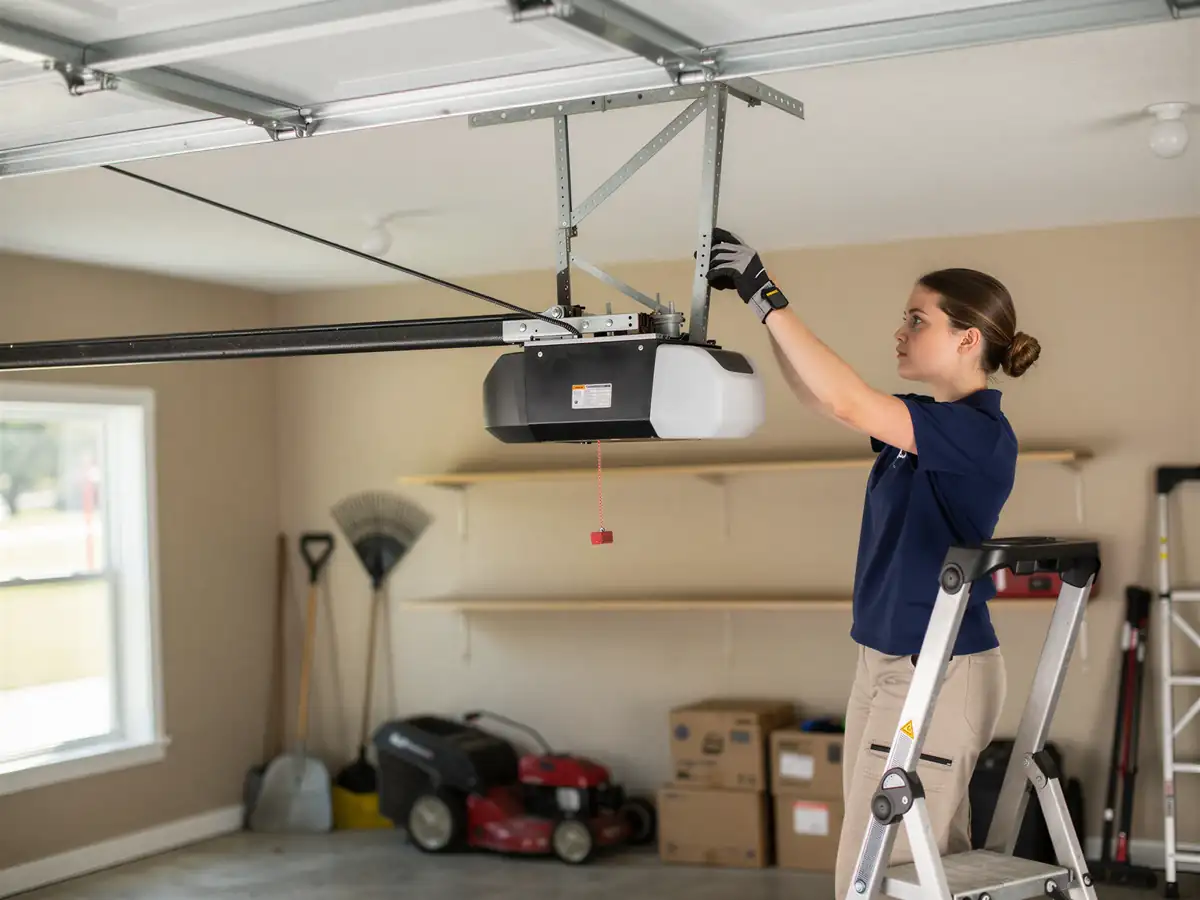
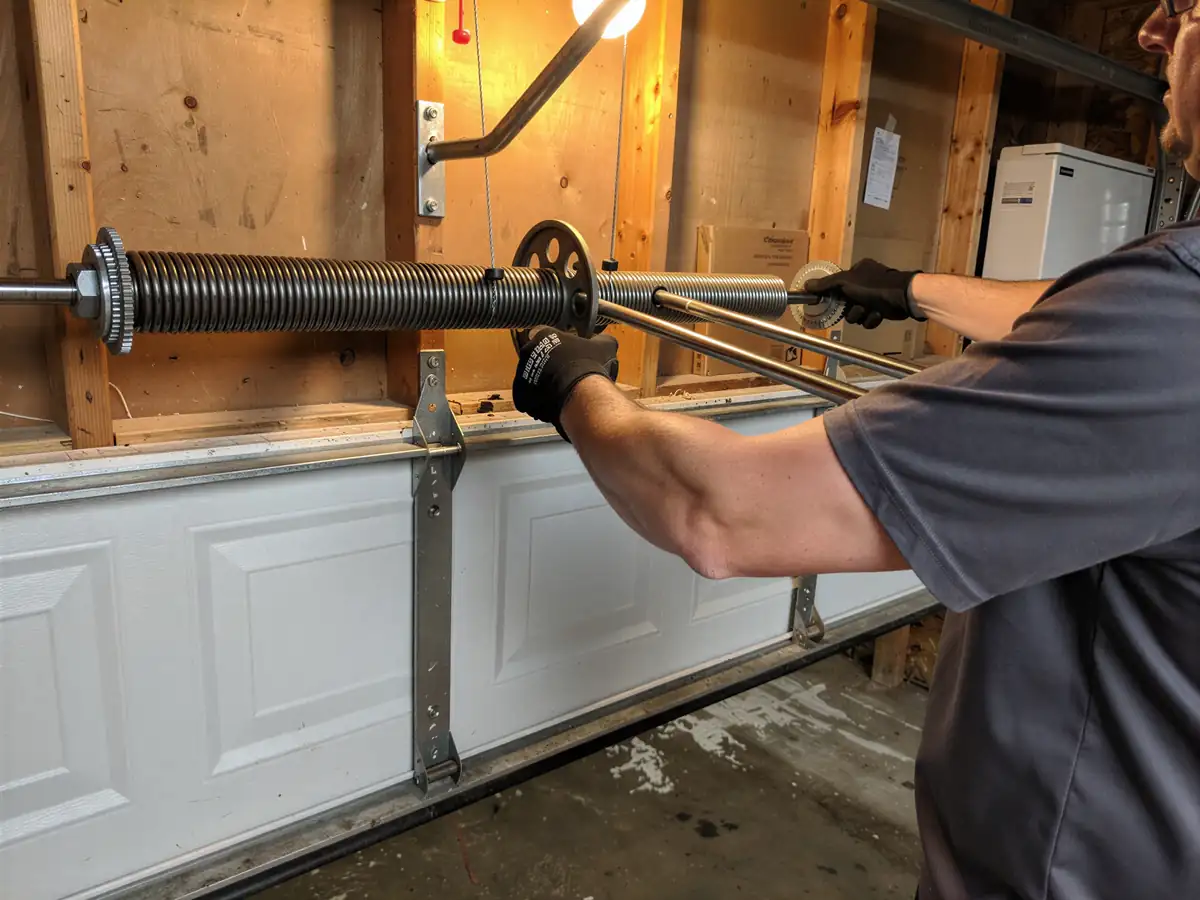
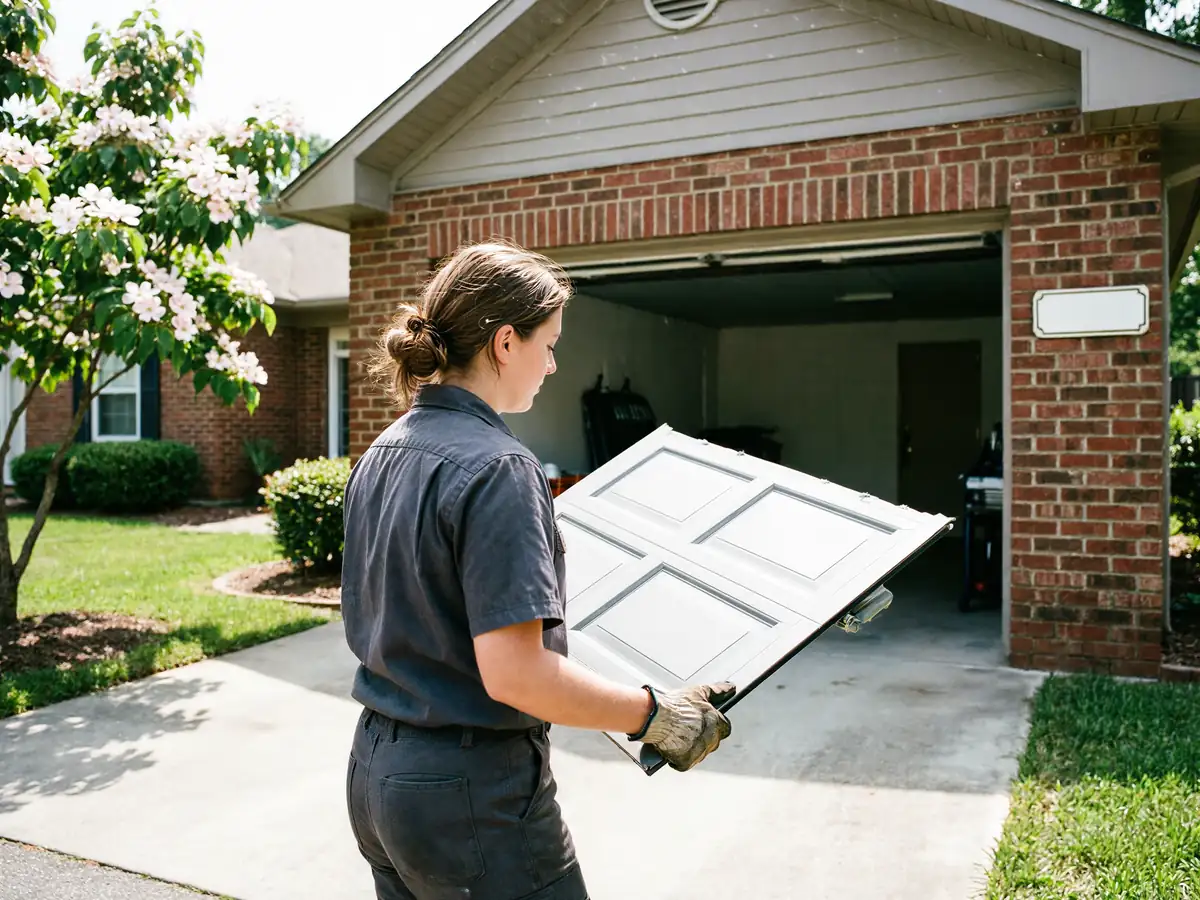
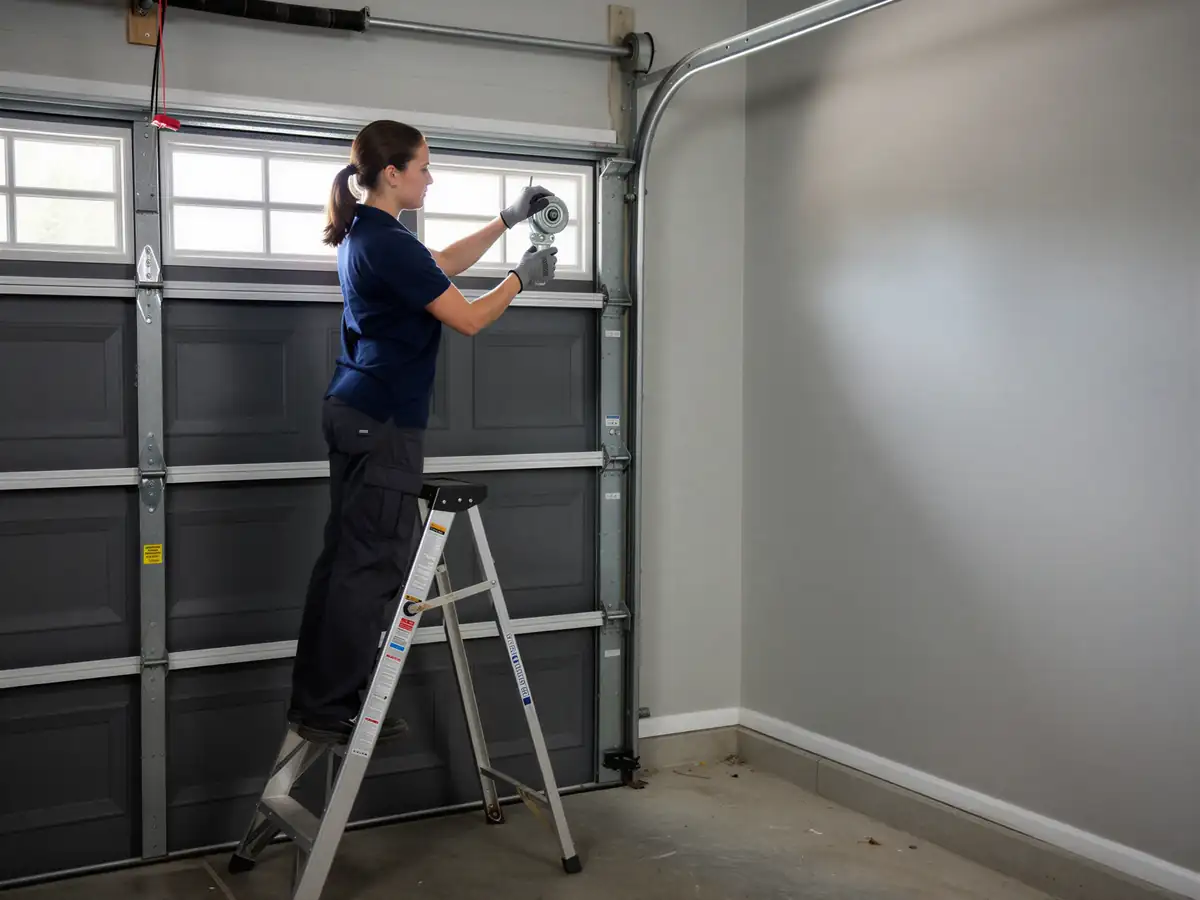
Mableton's median household income sits at $84,662, a notch below the $91,308 median across the wider service area this company covers from Roswell. That gap matters because it's the number that decides whether a repair bill makes sense or whether you're better off replacing the door outright. On a door installed when most Mableton houses went up - right around 1985, per the housing data for this area - you're usually looking at a torsion spring nearing or past its rated cycle count, an opener motor old enough that parts are getting scarce, or steel tracks that have taken enough small hits to bend out of true. None of those are catastrophic on their own, but a 1985-era door often has two or three of them going at once, which is where a repair quote can climb close to replacement cost. We'll tell you straight when that's the case rather than stack repairs on a door that's done.
Getting It Booked In
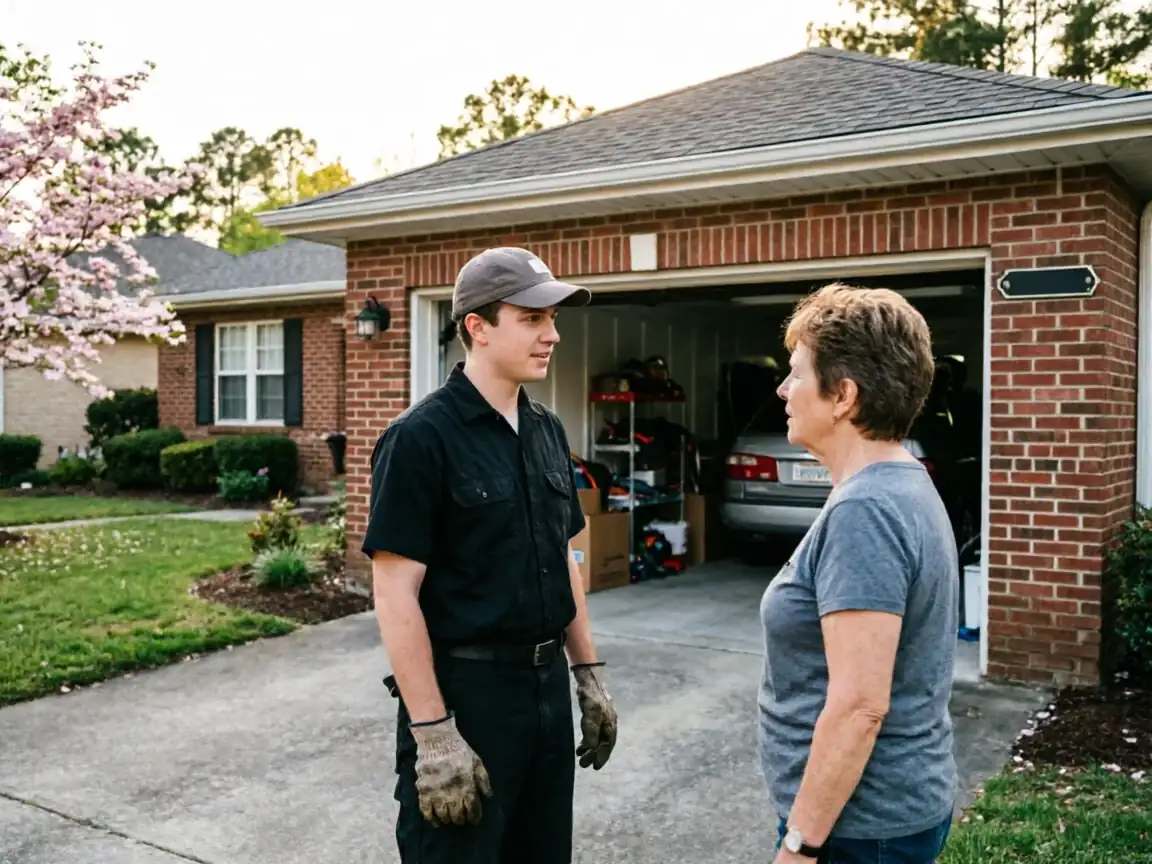
We run this job out of Roswell, about 20 miles from Mableton, so we ask that you book rather than expect a drive-by look. There's no branch office in Mableton itself - the truck comes from Roswell, which means we schedule the visit rather than offer a walk-in option. Tell us the door's age and what it's doing (won't open, makes noise, hangs unevenly) when you call, and we'll bring the right spring stock and tools for a 1980s-era door rather than show up guessing.
How It Shows Up
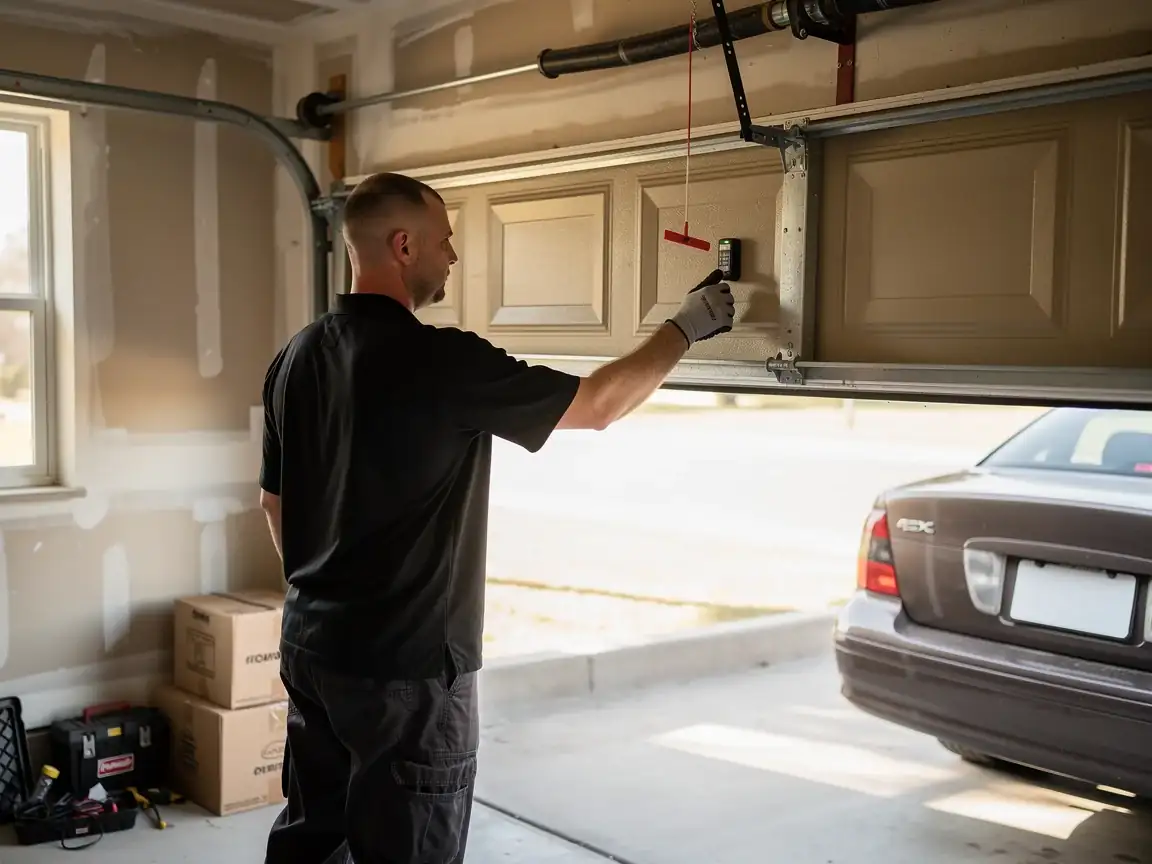
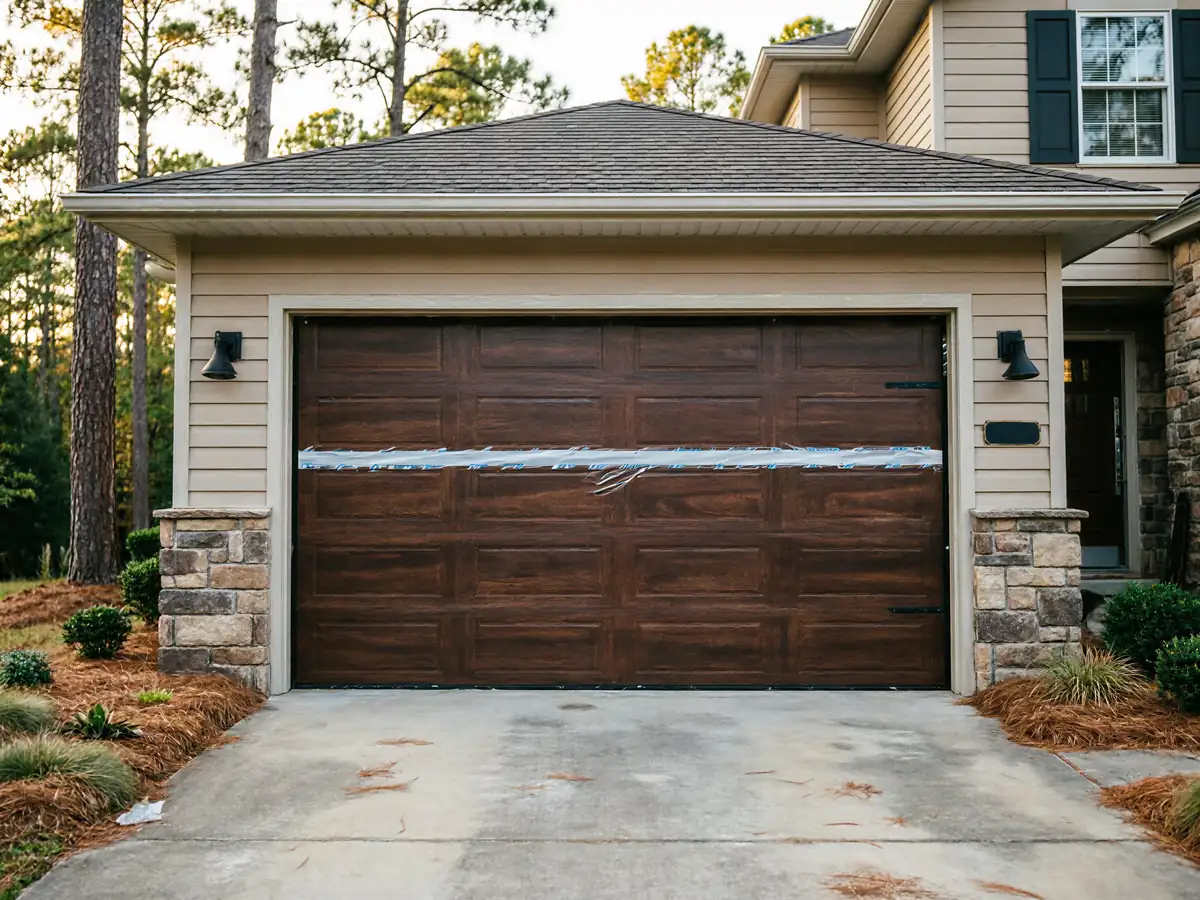
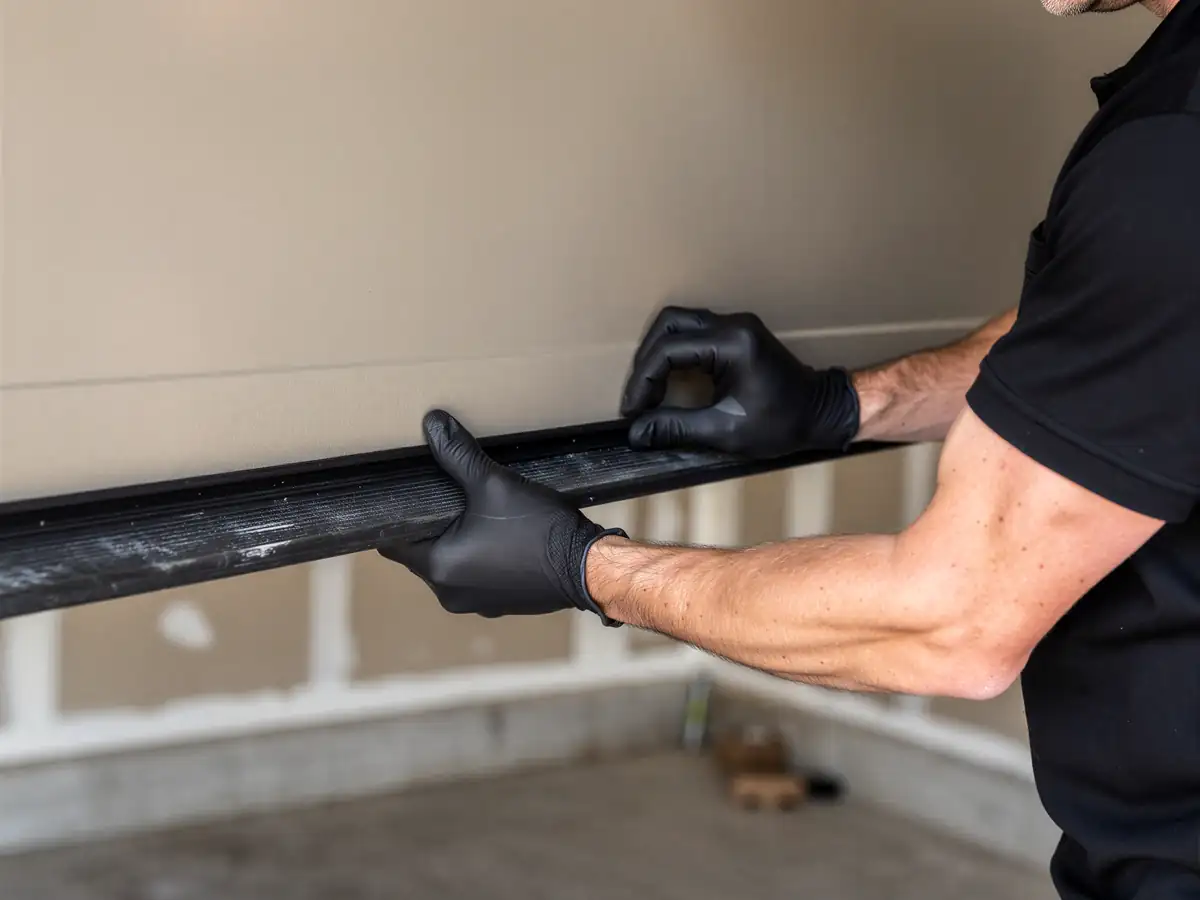
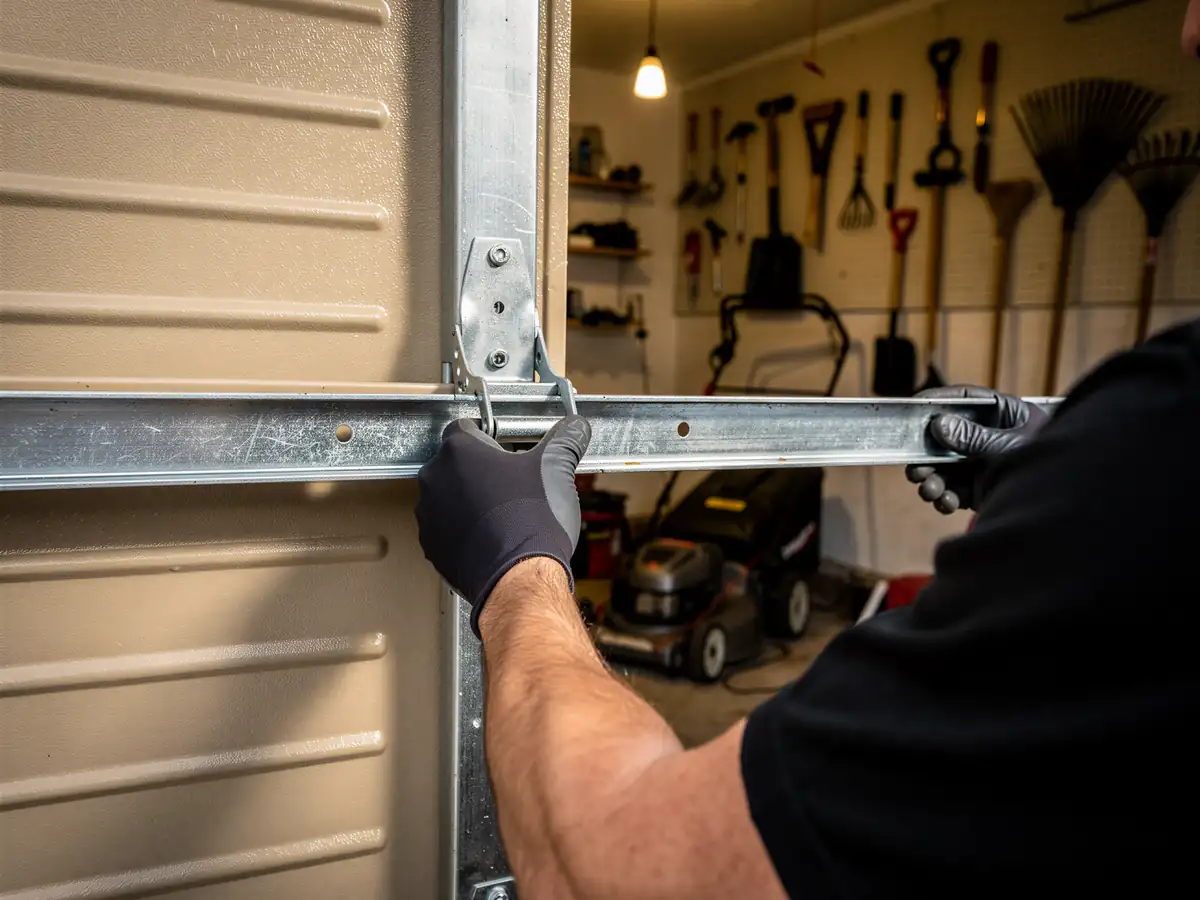
On a door from this build era, the most common complaint is a door that won't budge and a loud bang beforehand - that's a torsion spring letting go. Second most common: the opener runs but the door barely moves, which usually means the spring is weakening gradually rather than snapping outright, and the opener motor is doing work it was never built to do. A door that drifts to one side as it closes points to a bent track or a cable that's stretched unevenly, both more likely once a door and its hardware have put in close to 40 years.
What Causes It Around Here
The climate here is a cold-moderate band - real winter cold, but nothing extreme year-round - which is milder on hardware than deep-freeze climates but still enough to stiffen grease and tighten metal on cold mornings, which is when older springs are most likely to snap. Combine that with a housing stock largely built in the 1980s and 1990s across this part of the service area, and what you get is original torsion hardware reaching the end of its practical life around the same calendar window for a lot of these houses - not a coincidence, just age catching up with the door all at once.