What Can Go Wrong
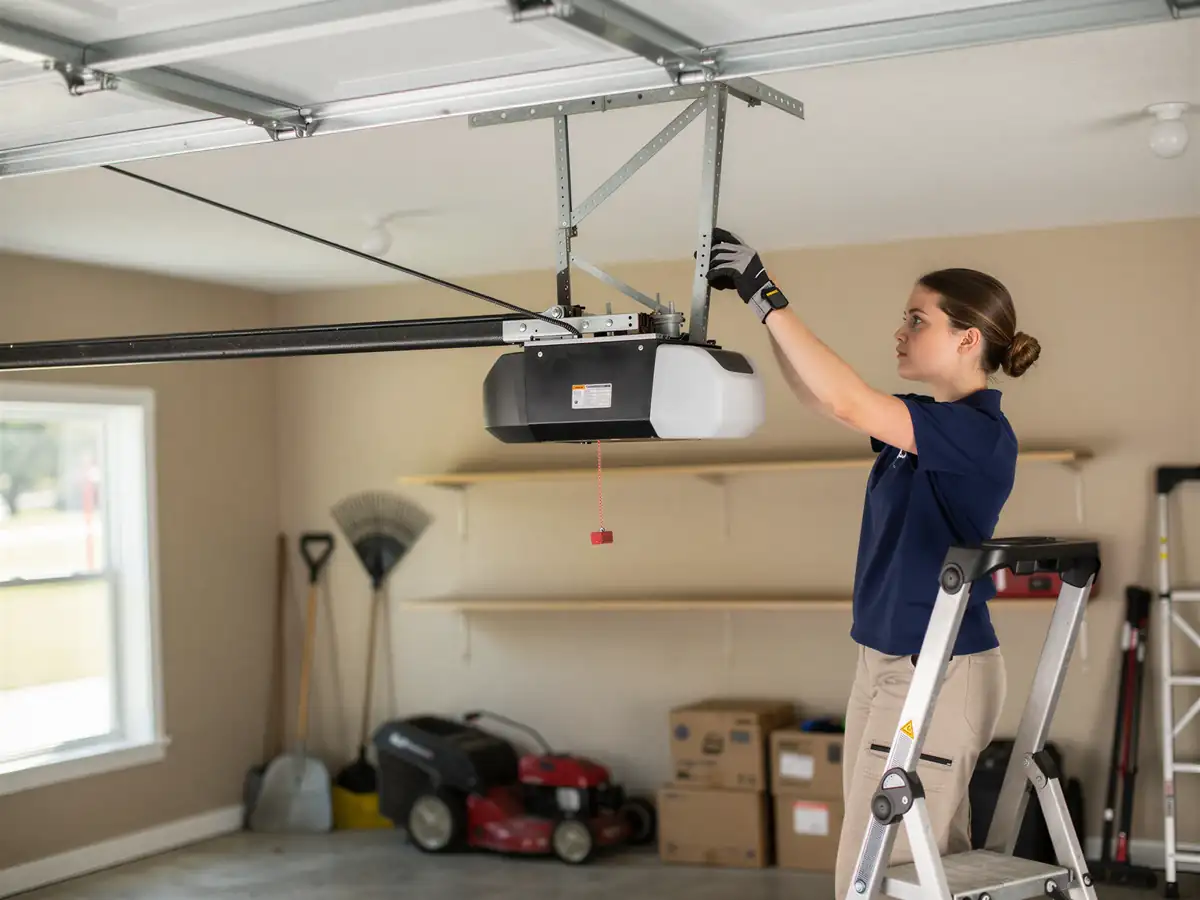
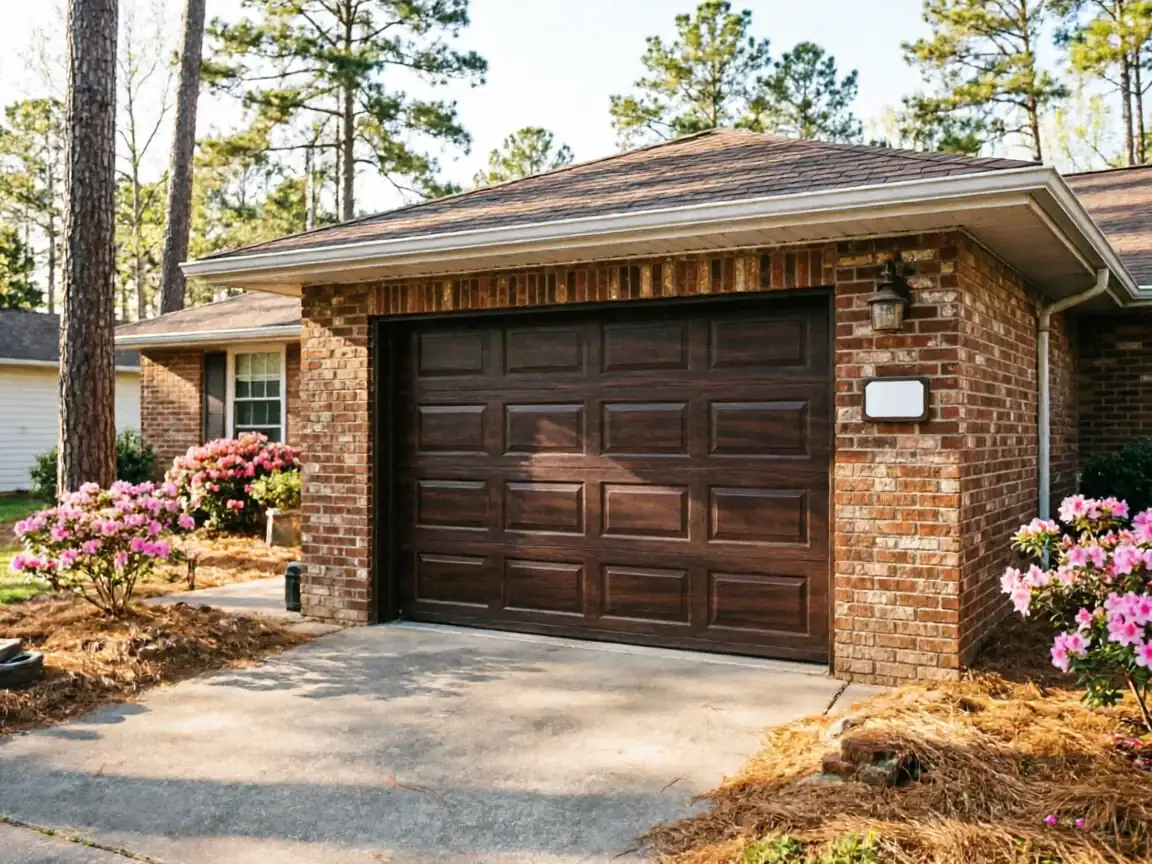
Mableton sits at the far edge of the service area, about 20 miles from Roswell, and the housing stock here runs close to the service area's overall pattern of homes built between 1951 and 2007 with a median year of 1984. Mableton's own median lands at 1985 - a single year off, but it means the doors going bad right now were mostly installed during the same wave of steel-panel, torsion-spring builds as the rest of the area, not the older postwar wood-panel doors you'd find closer to the center. Expect springs reaching the end of their cycle count, openers from the 90s and 2000s with worn gears, and rollers that have logged thirty-plus years of up-and-down. Track misalignment shows up more here too, since a lot of these doors were set once at construction and never serviced again. None of this is exotic - it's ordinary wear hitting a whole neighborhood's doors around the same time because the houses went up around the same time.
Getting It Booked In
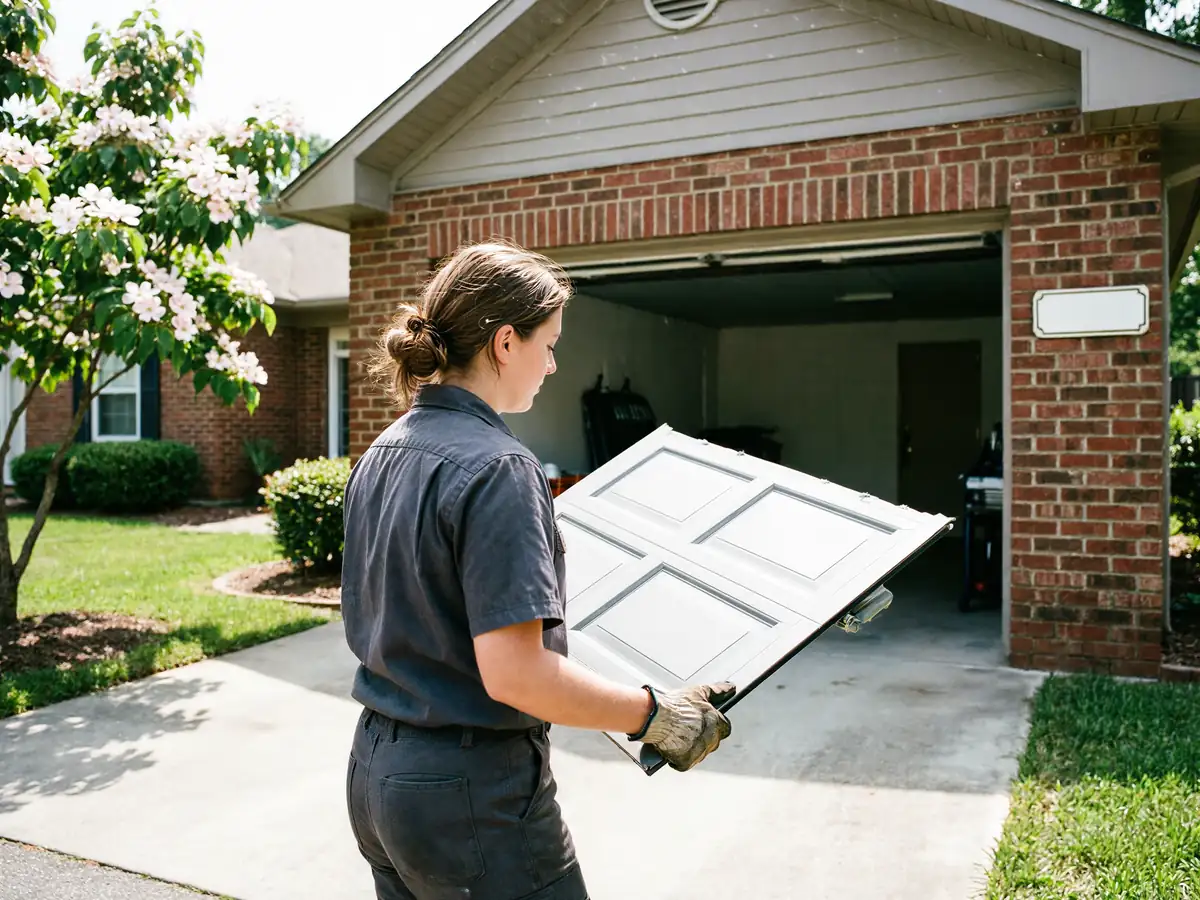
Because Mableton is the farthest point this crew covers, a job here gets slotted into the day's route from Roswell rather than treated as a standalone stop - which means scheduling works best when you can give a window rather than an exact hour. There's no branch or staged truck out this way; every visit starts the drive at the shop. That's worth knowing up front so the appointment time reflects the distance honestly instead of promising something closer-in customers get. Once it's on the schedule, the visit itself runs the same as anywhere else in the service area - diagnosis, quote before work starts, and the job done in one trip when parts are on the truck.
How It Shows Up
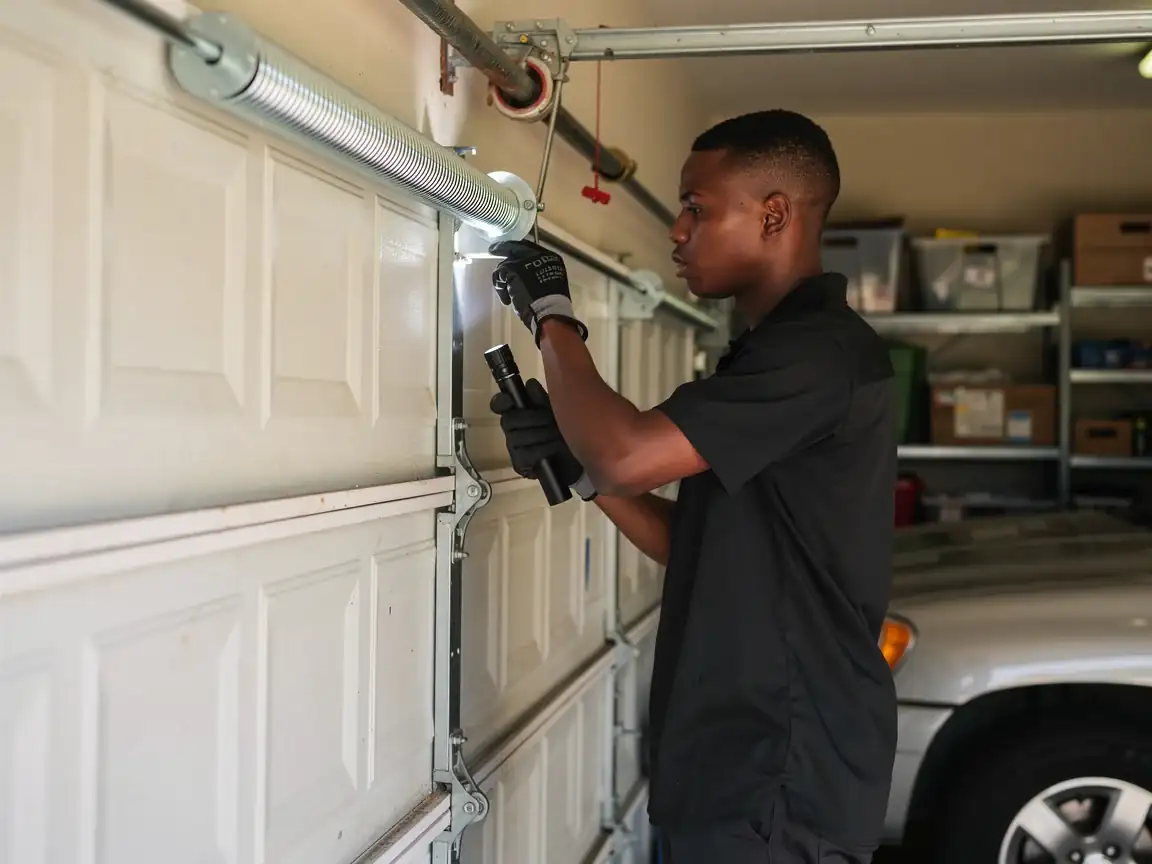
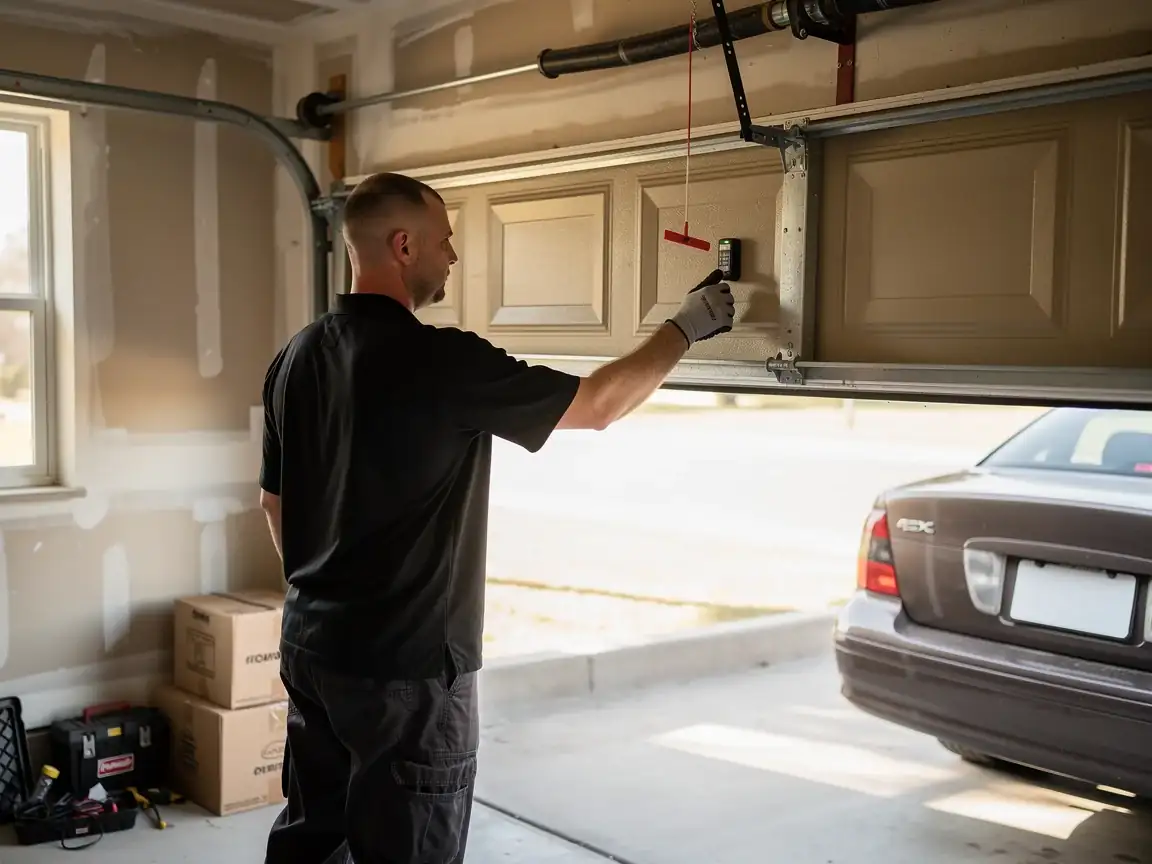
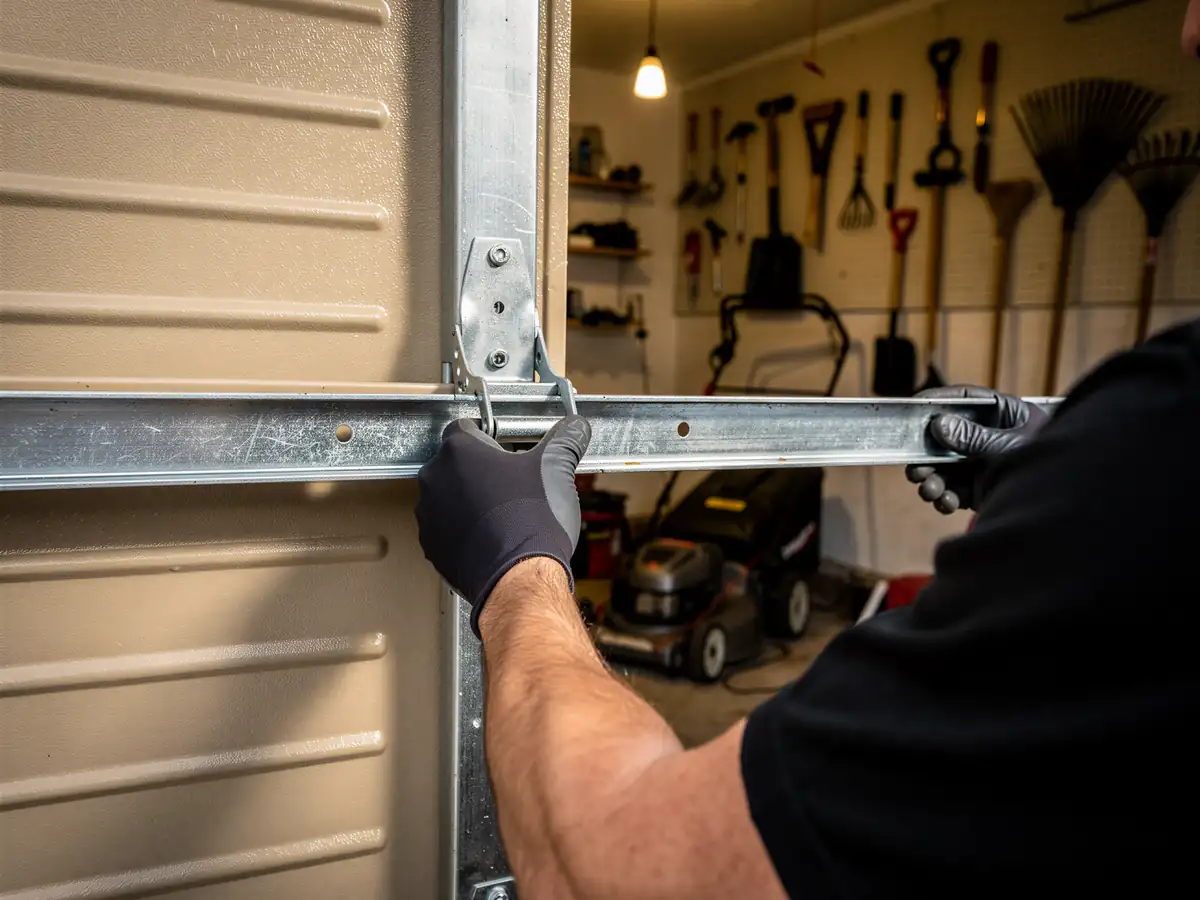
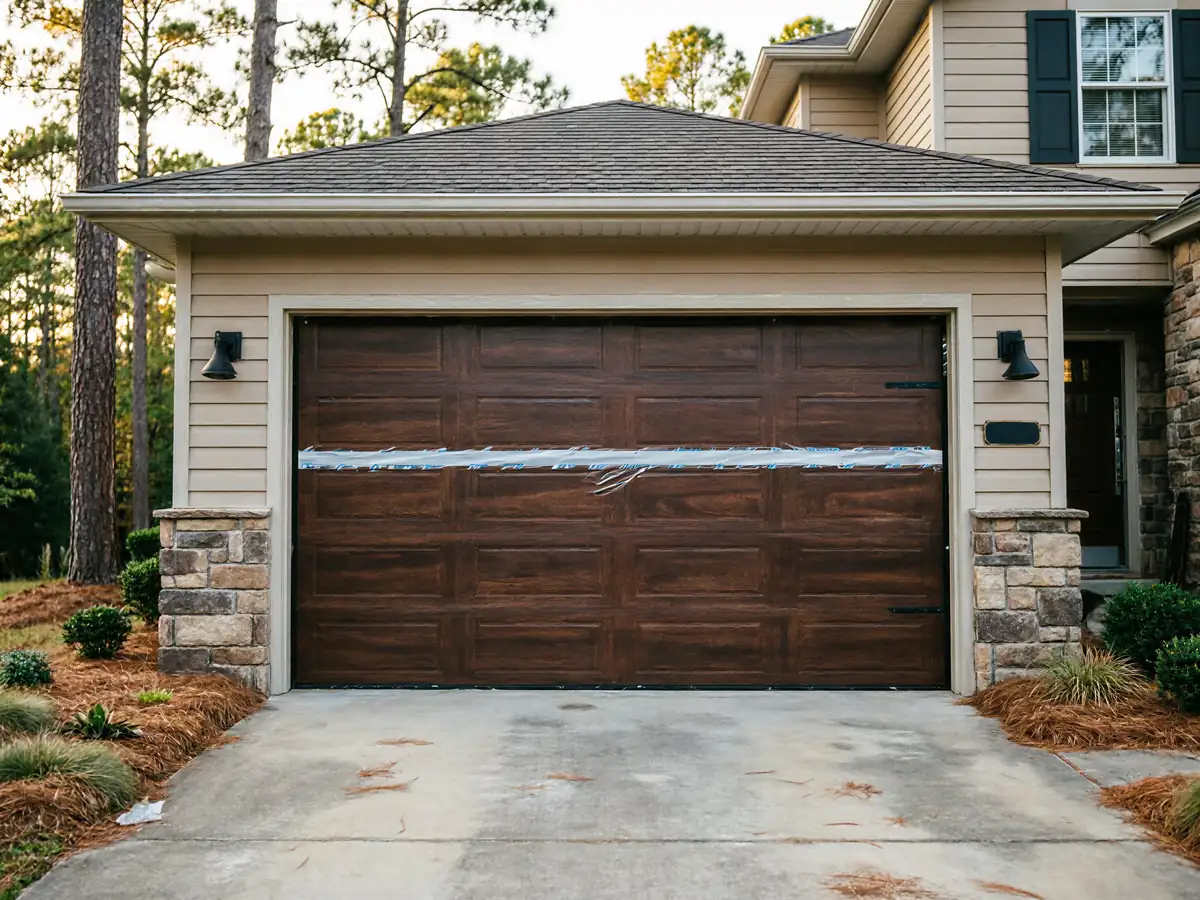
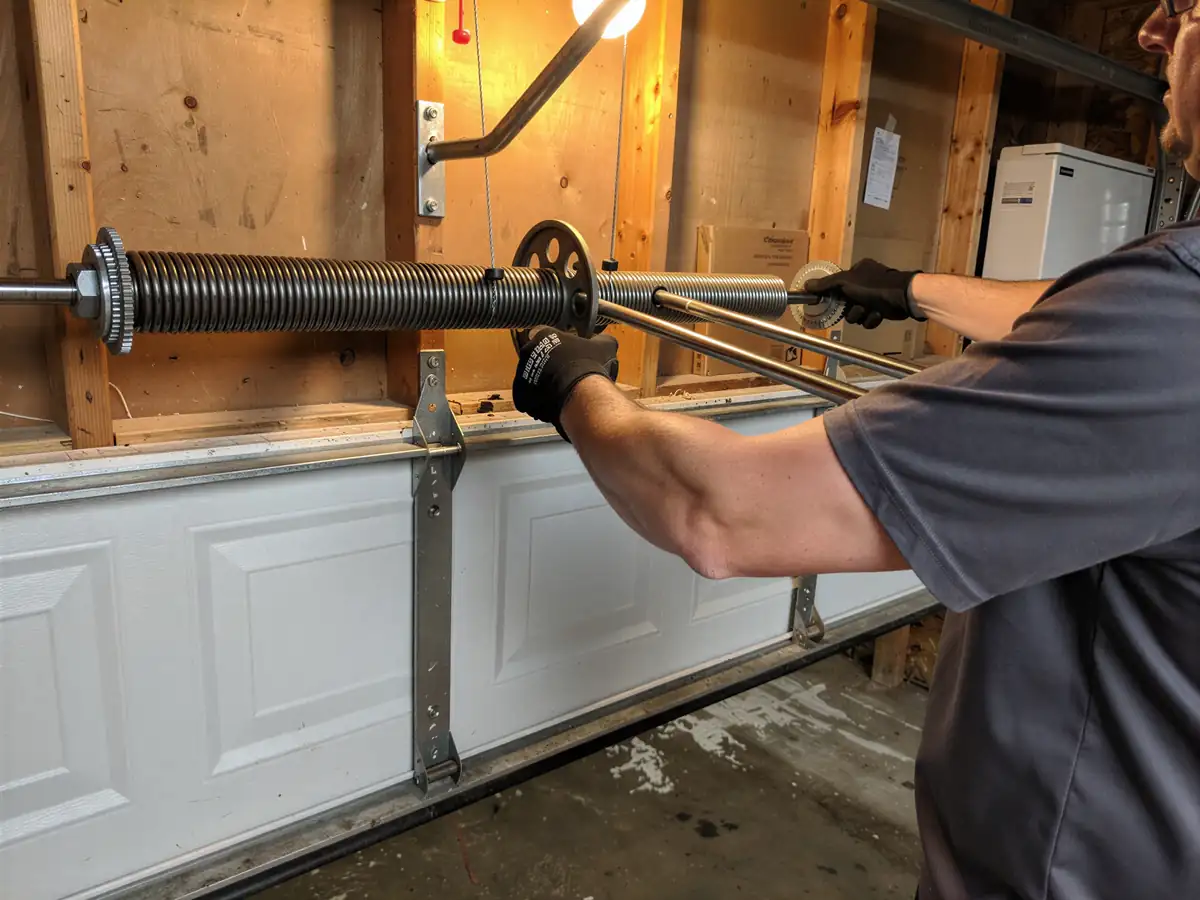
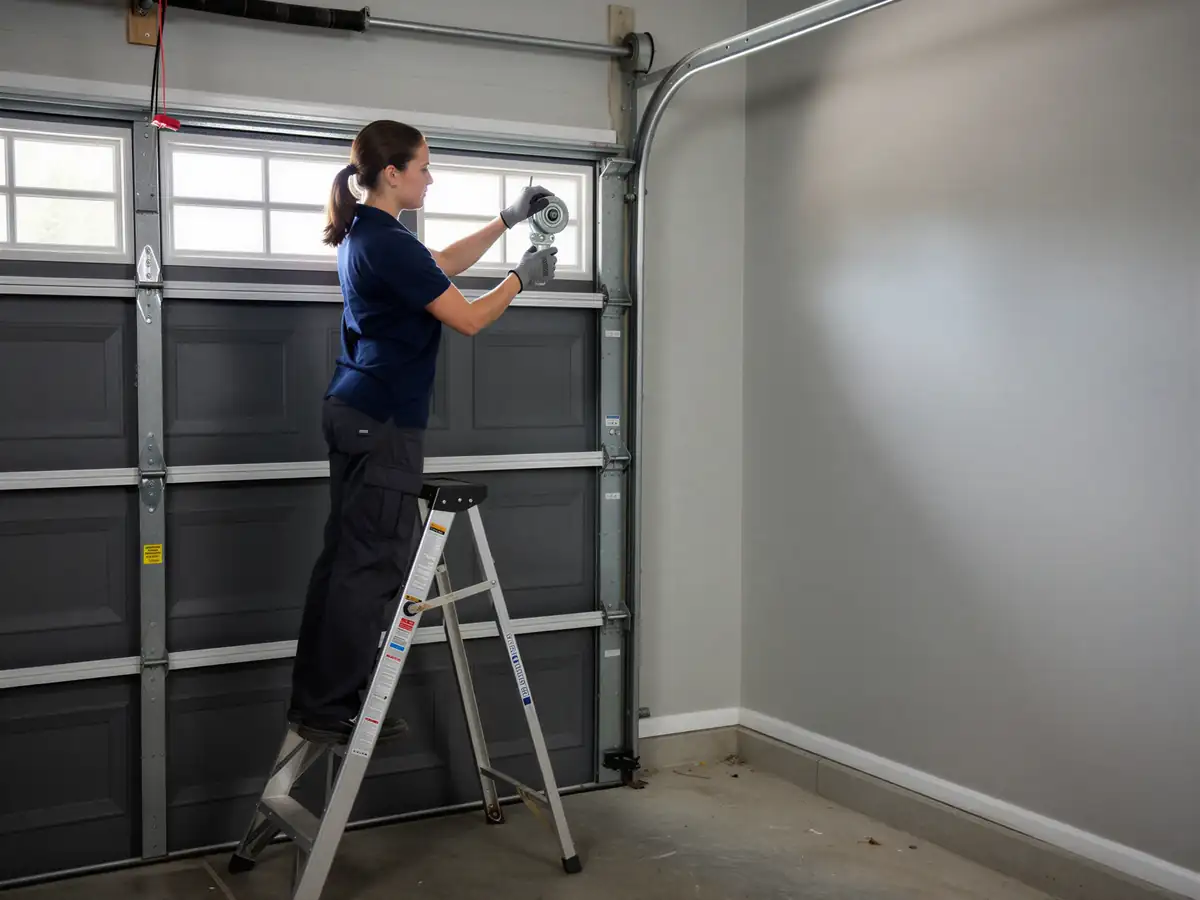
On a 1980s-stock door, failure usually looks like a slow grind before it looks like a full stop - an opener straining longer than it used to, a door that shudders at the top of travel, or a spring that visibly sags with a gap in its coils. In this climate band, cold mornings make tired springs and dry rollers worse before they get better; metal contracts and hardware that was already loose on a sun-warmed afternoon tightens up and binds. A door that's fine at noon and sticky at 7am isn't a different problem - it's the same worn part reacting to the temperature swing. Cables showing individual broken strands near the bottom bracket are a sign to stop using the door until it's looked at, not a cosmetic issue to put off.
What Causes It Around Here
With most homes in this area dating to the mid-1980s, the root cause of most calls is simple age meeting original-spec hardware. These doors weren't built with a service life of forty-plus years in mind, and that's exactly how long some of this stock has been running. Mableton has 15,343 households, a smaller slice of the 139,077 households across the full service area, so it's not the busiest part of the map, but the age profile of its garage doors matches the broader pattern closely. Add the cold-moderate climate swings through this region - temperature drops that stiffen lubricant and tighten metal clearances overnight - and springs rated for a certain cycle count under stable conditions wear out faster than the sticker on the box would suggest.