What Can Go Wrong
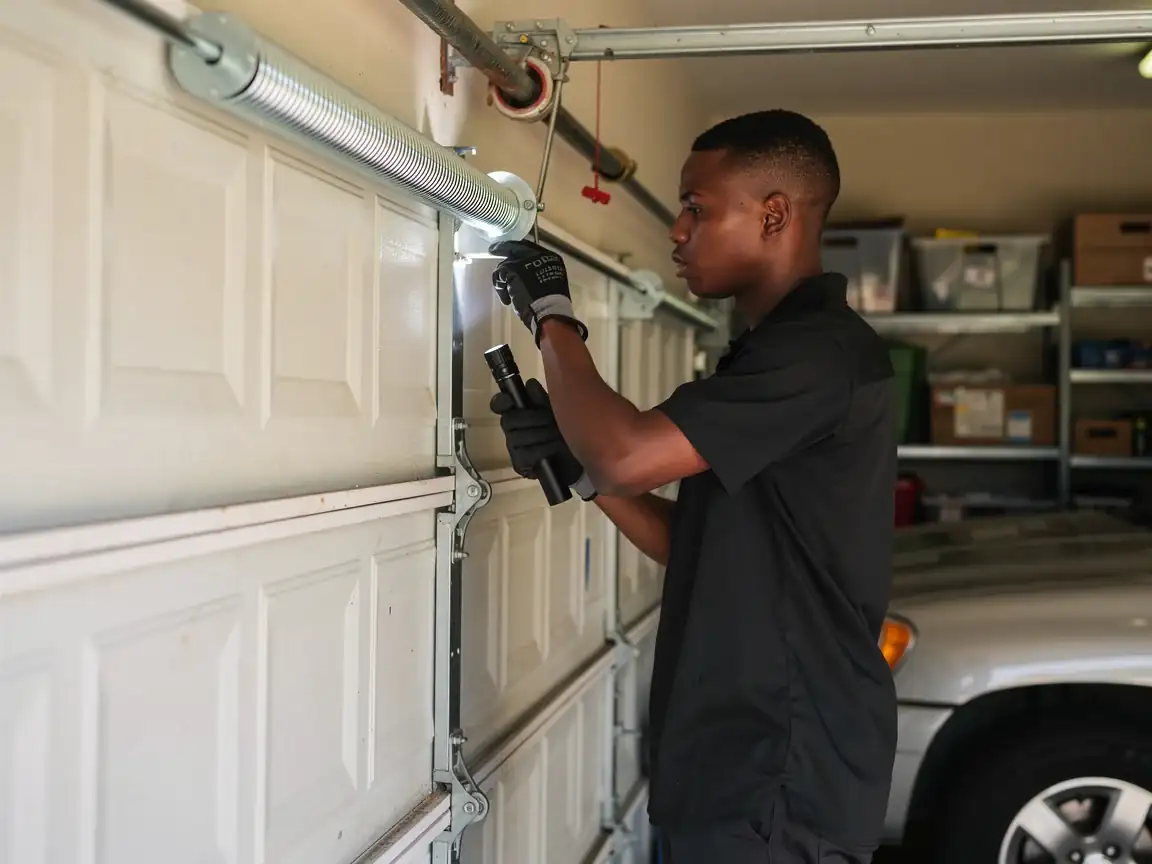
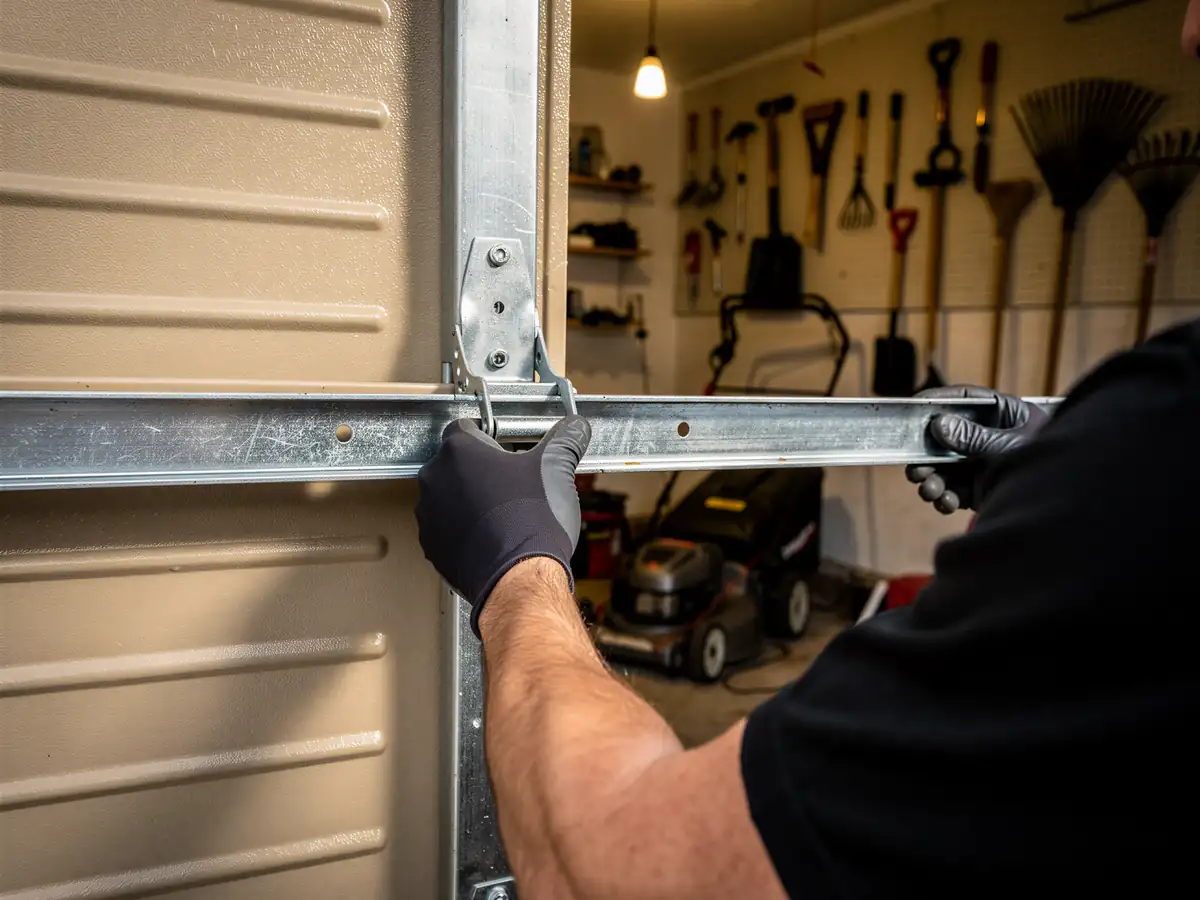
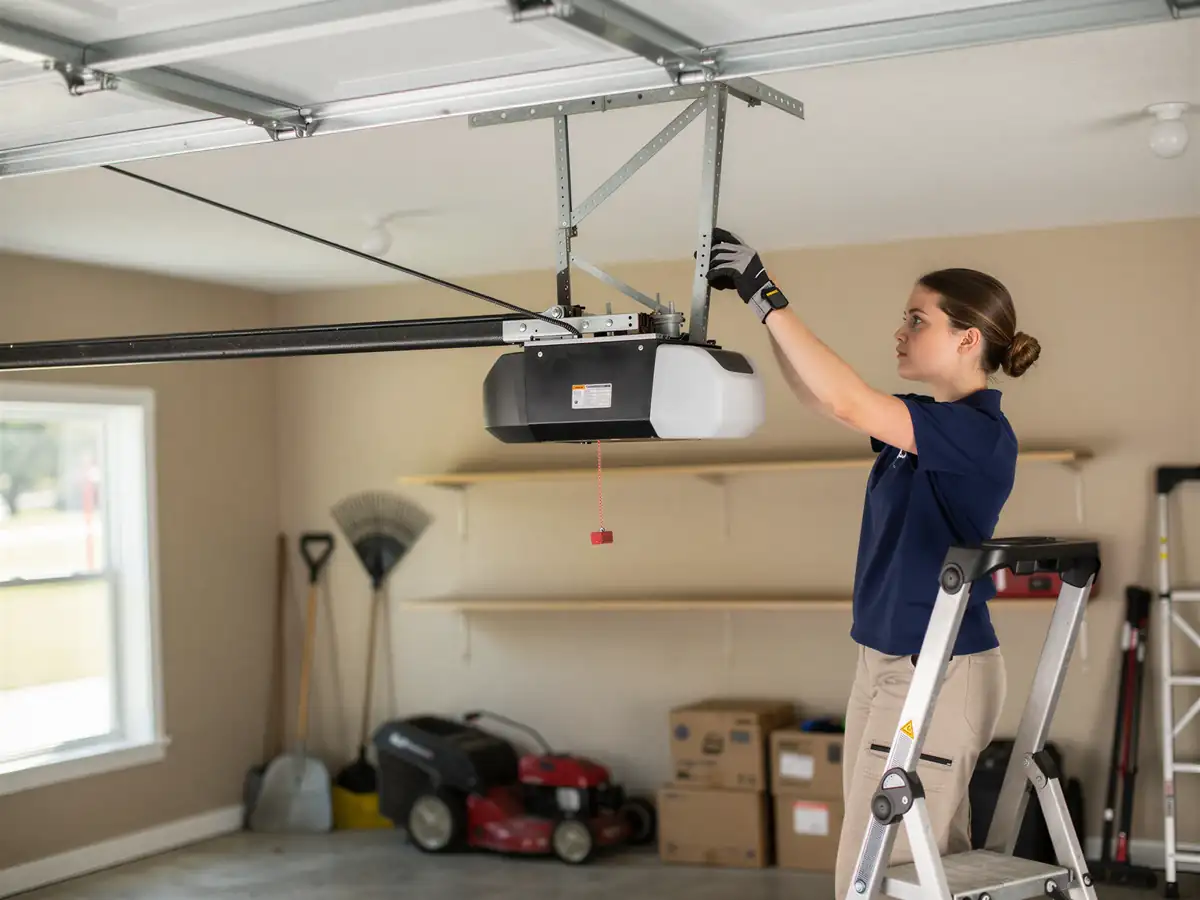
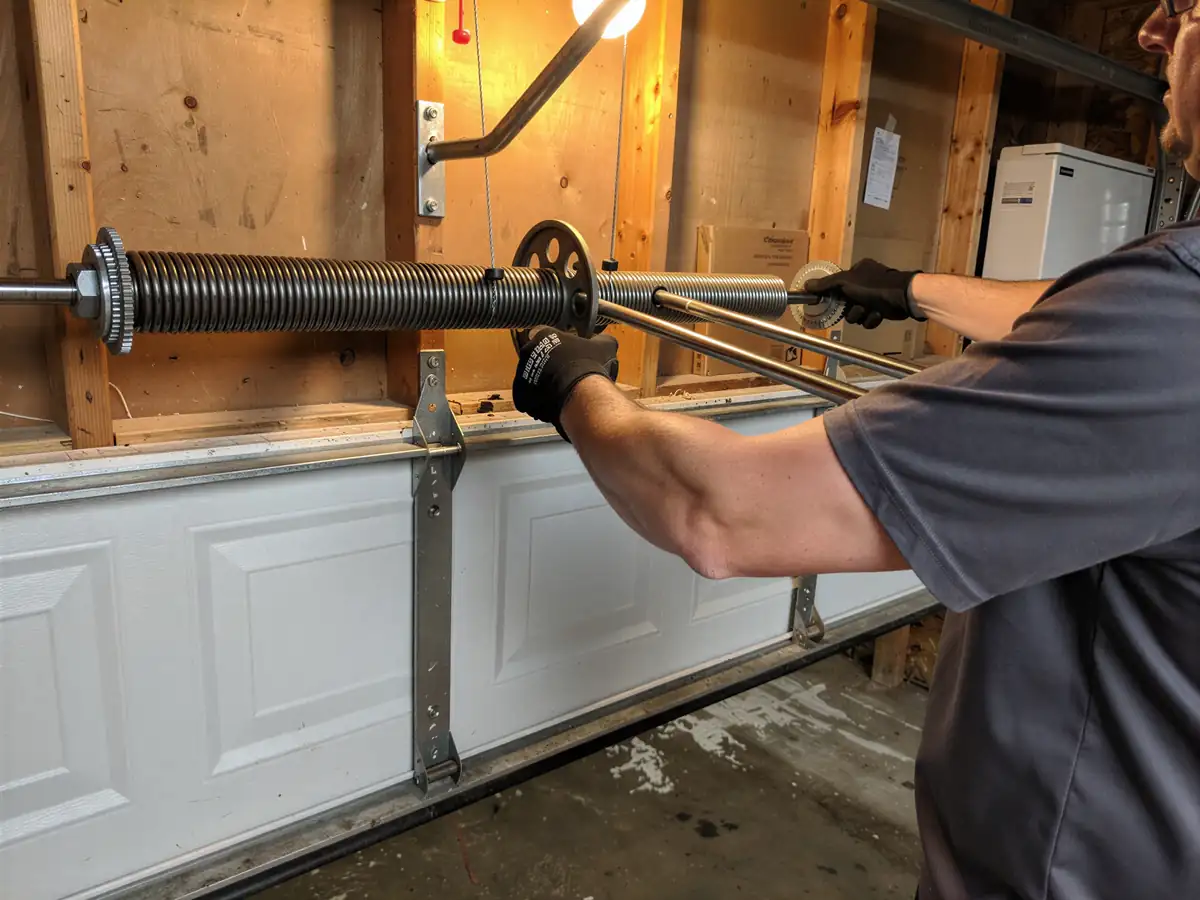
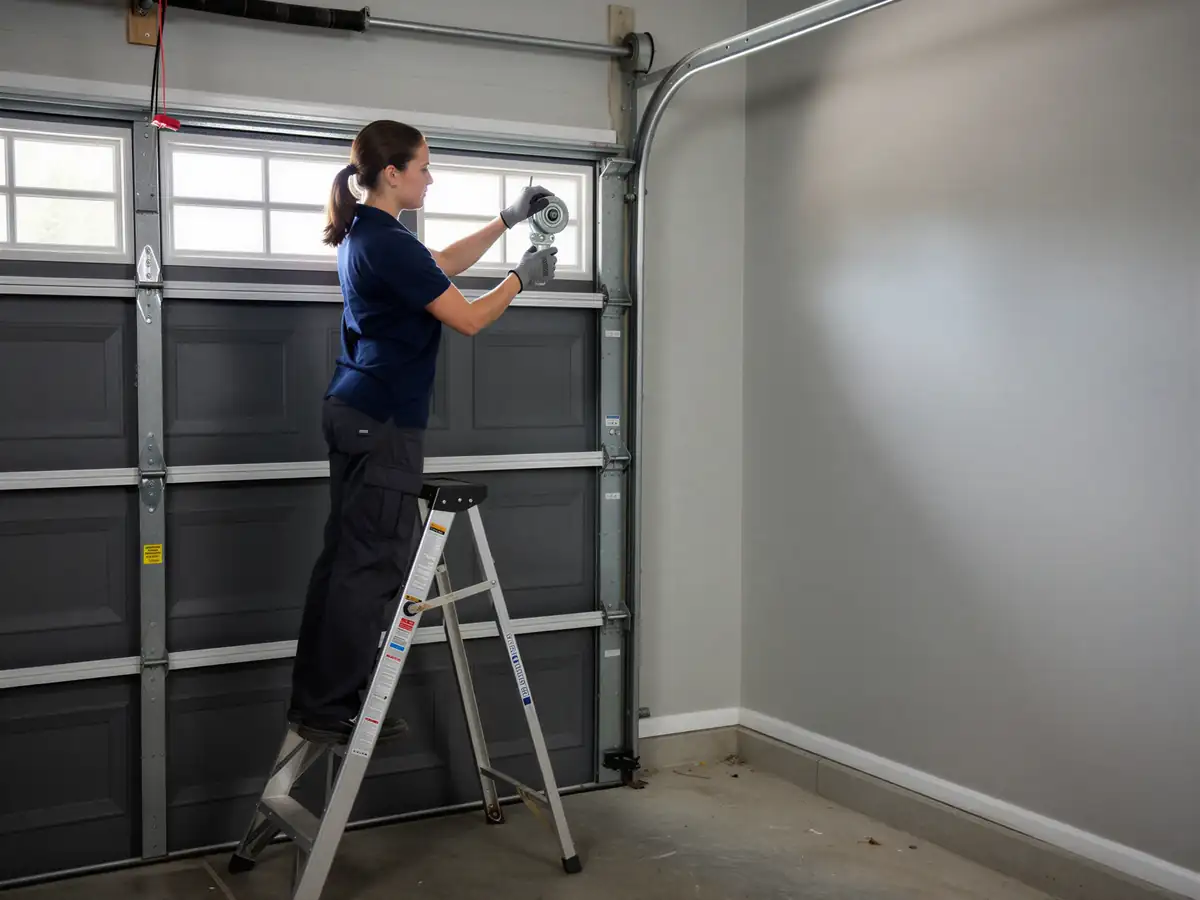
Mableton's typical house went up around 1985, which puts a lot of original hardware still hanging in these garages - the factory springs, the first set of rollers, sometimes the original opener drive gear. None of that is designed to last forty years without attention, and a surprising number of these doors have had zero service calls in their life. The spring is usually the first thing to go: torsion springs are rated for a number of open-close cycles, not a number of years, and a door that's been used daily since the Reagan administration has probably burned through its rated life more than once. Rollers from that era are often steel without nylon sleeves, which means more noise and more wear on the track over time. Cables fray where they wrap the drum, especially if the door's ever been painted or power-washed without anyone checking the hardware underneath. None of this shows up as a sudden failure - it shows up as a door that's gotten louder, heavier to lift by hand, or slightly crooked when it closes. By the time it's obviously broken, the spring or cable has usually been one stress cycle from snapping for a while.
Getting It Booked In
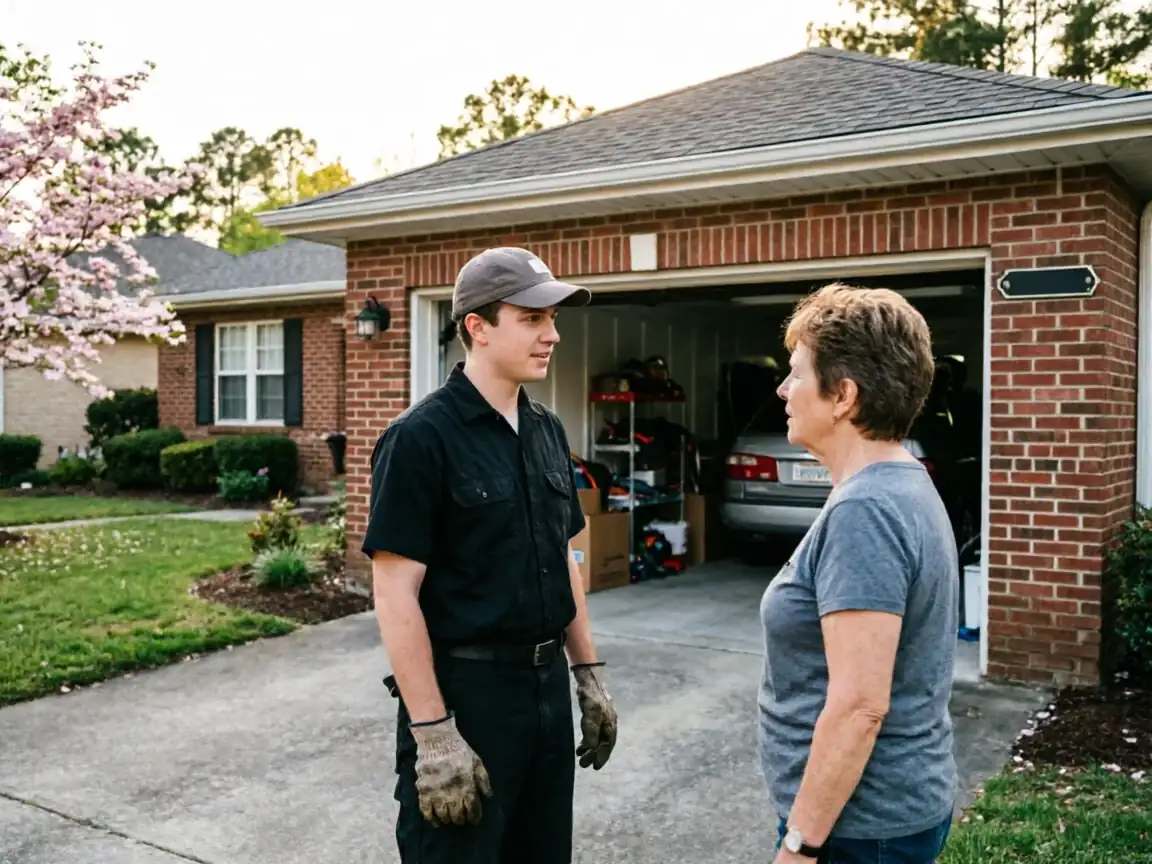
We run maintenance visits in Mableton out of our Roswell shop, about 20 miles out, so we schedule these as planned appointments rather than same-day drop-ins. Tell us the rough age of your door and whether it's ever had a service call - for a house built mid-1980s, that answer is usually no, and it changes what we check first. We'll walk through what we found with you before doing anything beyond the inspection, so you know whether you're looking at a tune-up or a part that needs replacing.
How It Shows Up
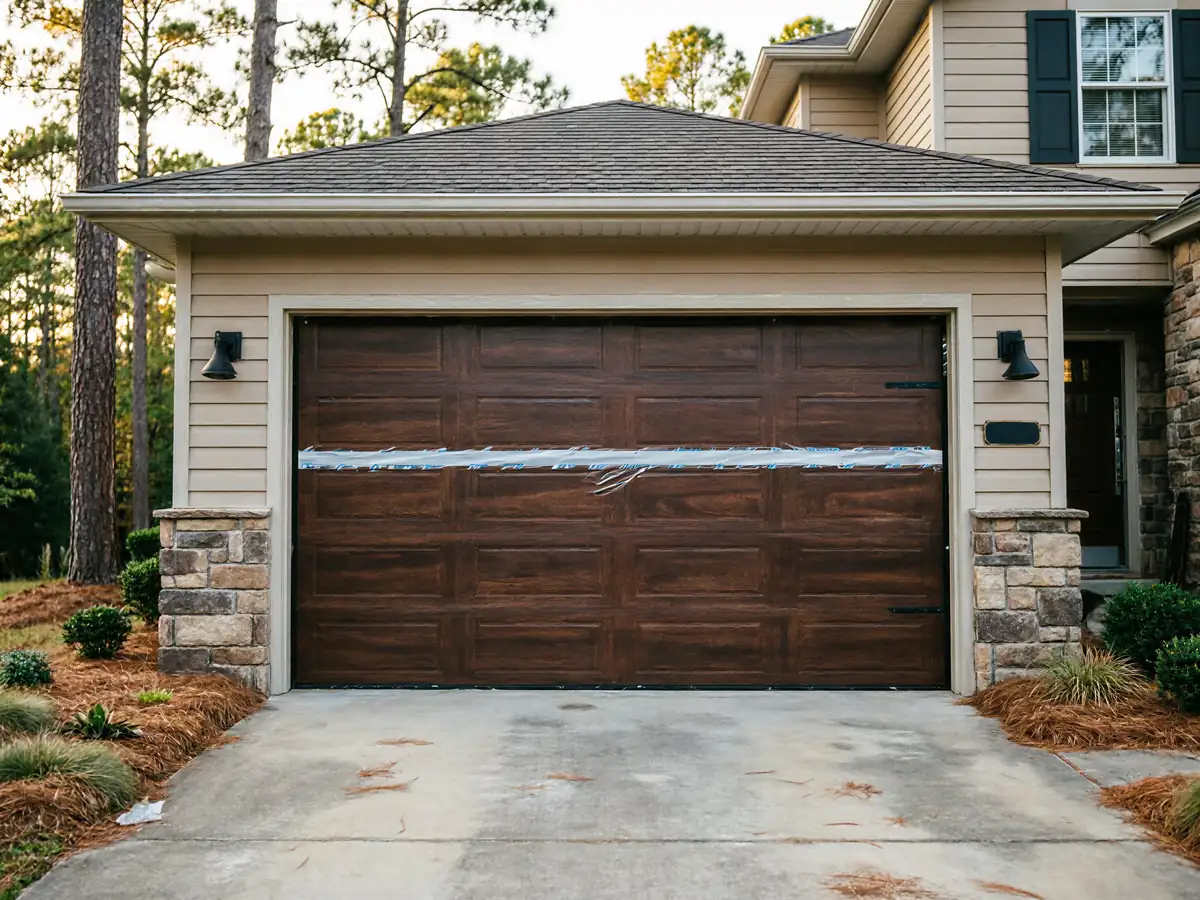
On original 1980s hardware, the first sign is almost always sound - a grinding or popping from the spring area, or a rumble from rollers that have lost their coating. A door that used to lift with one hand and now takes real effort is telling you the spring has lost tension, which on an original spring usually means it's near the end of its rated cycles rather than just needing adjustment. Uneven closing, where one side hits the floor before the other, points to a cable or roller issue on that side rather than the opener. None of these are emergencies on day one, but all of them get worse, and a door that's left to grind for months puts extra strain on the opener trying to compensate.
What Causes It Around Here
The area sits in a cold-moderate climate band, which means garage hardware here deals with real temperature swings across the year rather than constant heat or constant cold - metal expands and contracts, lubricant thickens in cold snaps, and rubber seals harden faster than they would somewhere milder. Combined with hardware that's mostly original to a mid-1980s build, that cycling is a big part of why springs and seals in this area show their age earlier than the door's overall condition would suggest. It's less about any one weather event and more about four decades of ordinary seasonal change working on parts that were never meant to go unreplaced this long.