What Can Go Wrong
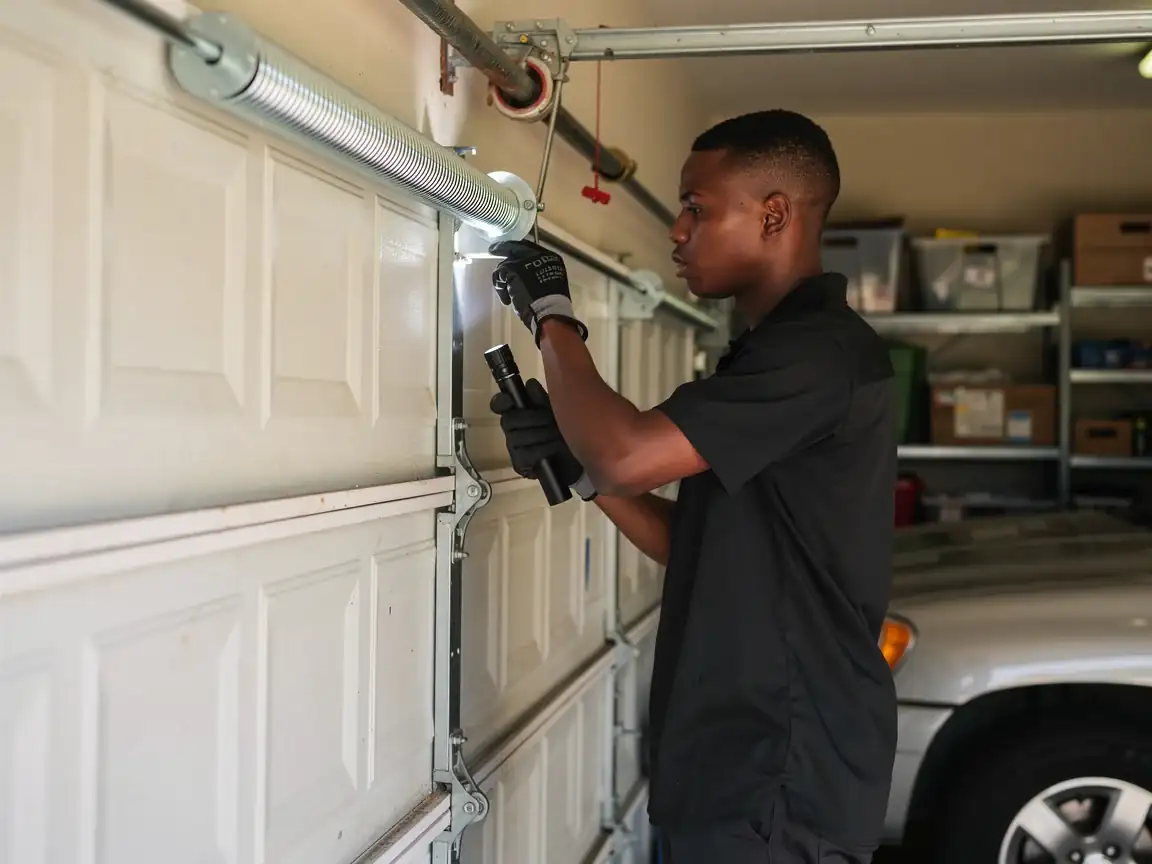
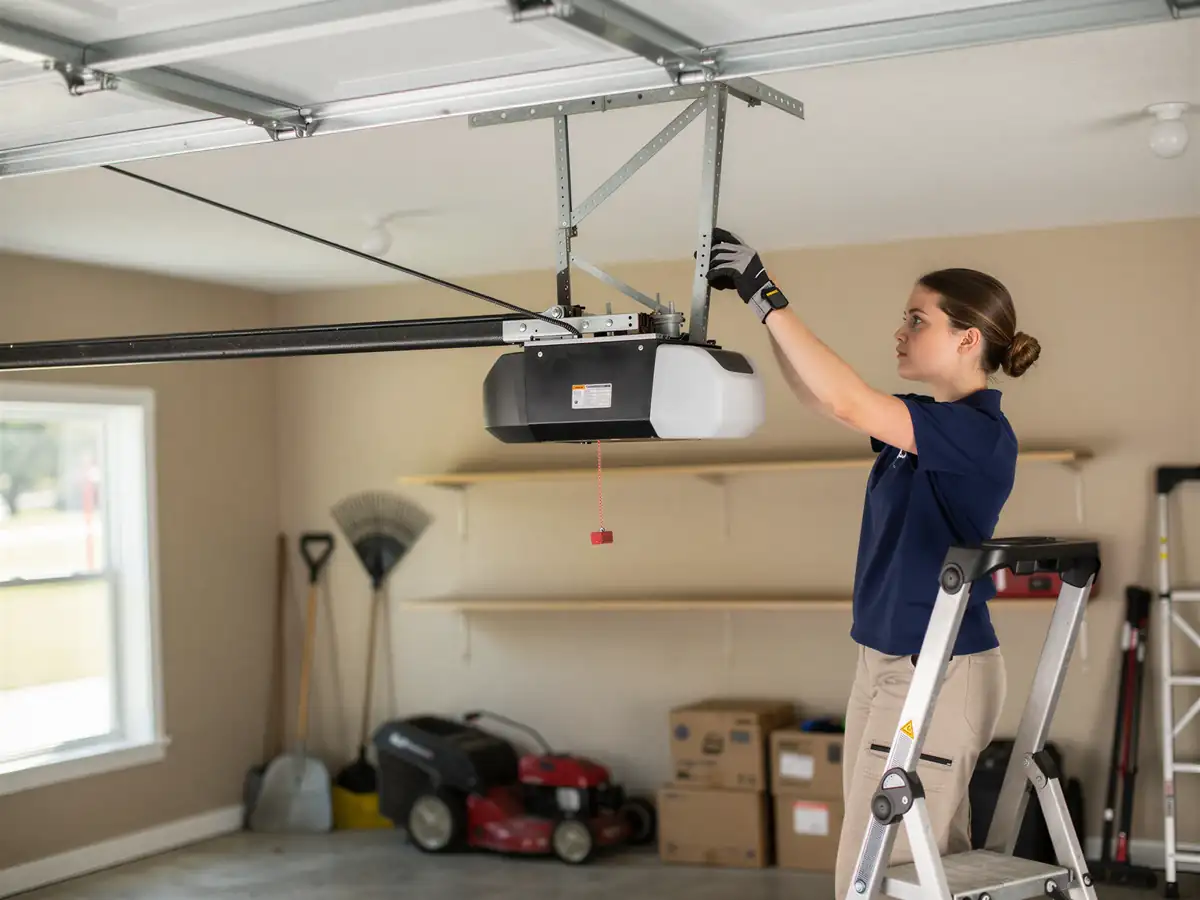
Mableton's housing stock centers on 1985, which puts most openers here squarely in the chain-drive era - either the original unit from when the house was built or a straightforward swap done sometime in the 90s or 2000s. These are heavier, noisier machines than what's sold today, built around a 1/3 or 1/2 horsepower motor turning a metal chain instead of a belt. The gear inside that housing is nylon, and after fifteen or twenty years of Georgia humidity it's usually the first thing to strip out. You'll also see worn drive sprockets, capacitors that have given up, and logic boards that still run on dip-switch codes instead of rolling security. None of that is a flaw in the house - it's just what a 1985-built opener looks like forty years on. The fix depends entirely on which part failed, not on replacing the whole unit out of habit.
Getting It Booked In
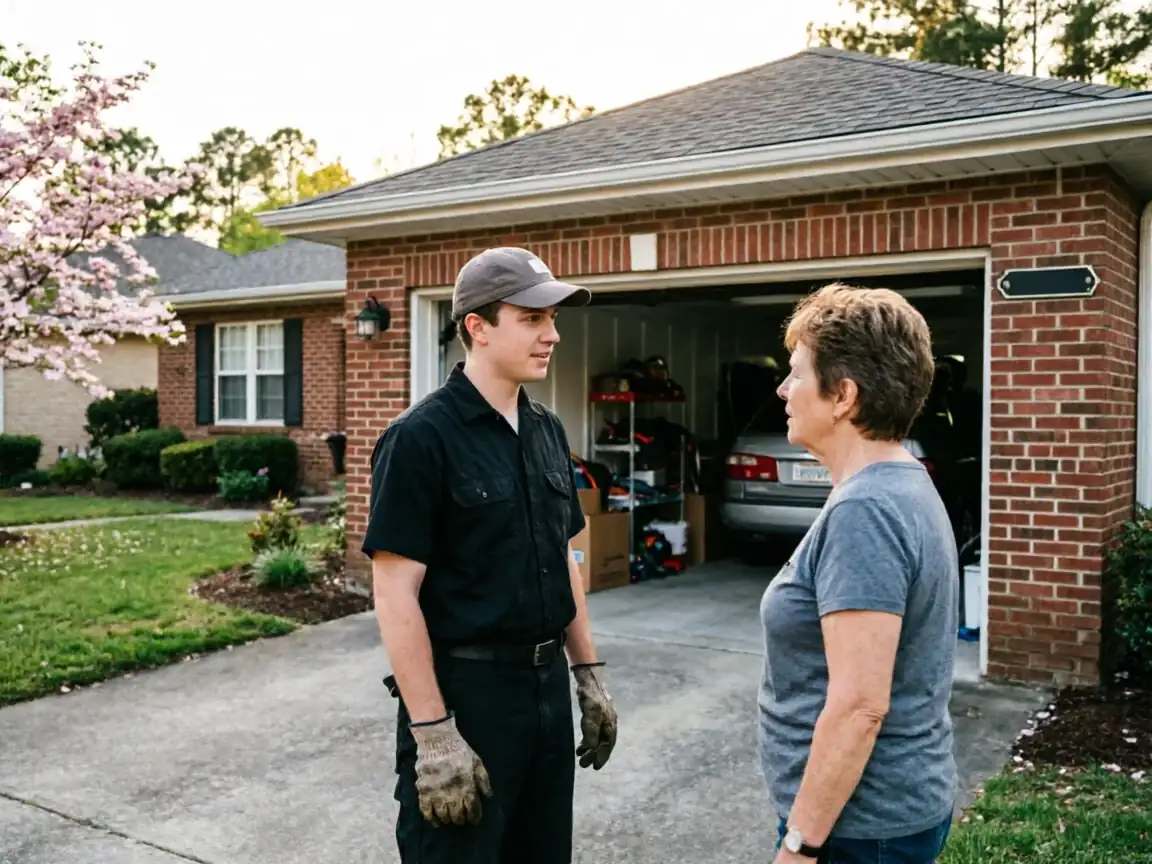
We're based out of Roswell and drive the 20 miles to reach Mableton, so we schedule opener calls here as a set trip rather than a drop-in - tell us what the opener is doing (grinding, humming, dead remote, light blinking) when you call, and we'll bring the parts most likely to fix that symptom on the first visit. Have the model number if you can find it on the motor housing; it saves a second trip if your unit turns out to be one of the harder-to-source boards. For more on what we cover in opener and door work across the area, see our Mableton garage door page.
How It Shows Up
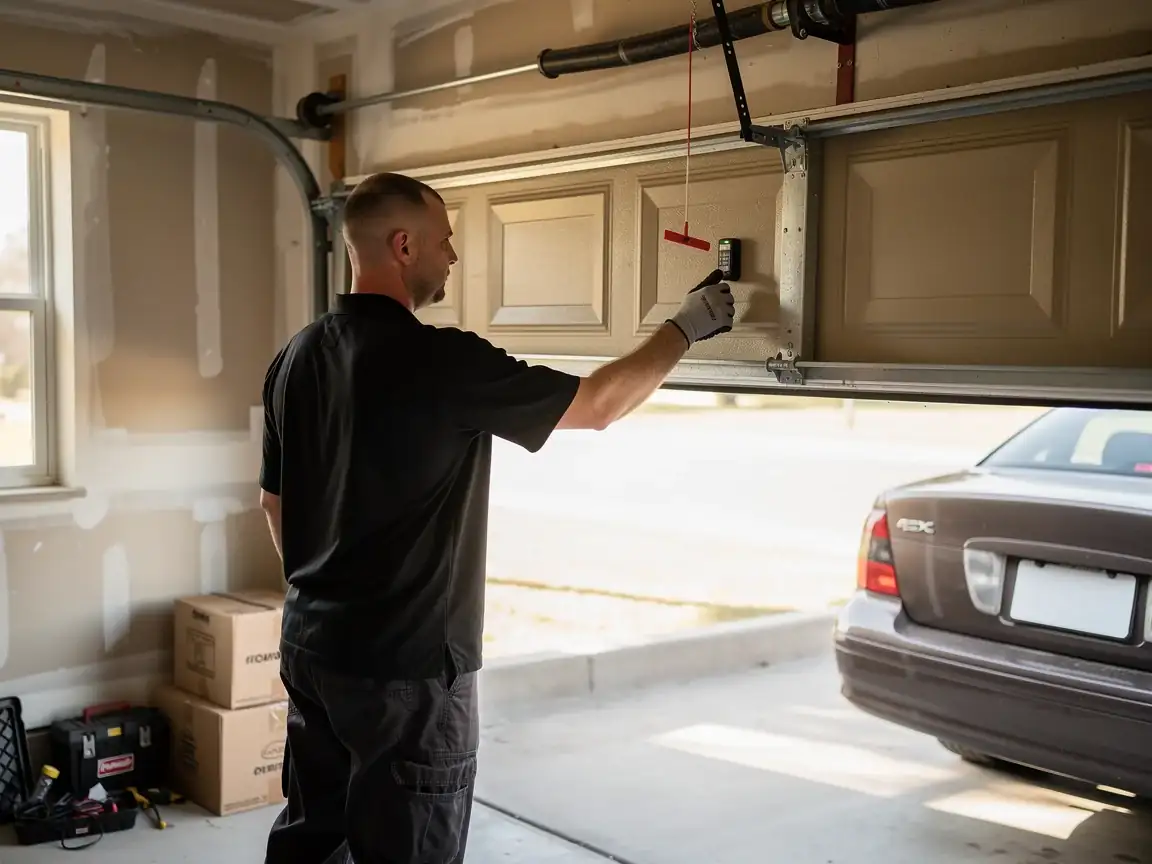
The most common call is a door that won't move at all but the motor is clearly running - that's the stripped gear, and it's a quiet failure that creeps up over a few weeks as the gear teeth shave down a little more each cycle. Second most common is a remote that's stopped working while the wall button still opens the door, which usually means a dead battery, a receiver that's lost its code, or - on the oldest units - a board that's finally failed outright. Third is a door that reverses halfway up or down, which is a limit or force setting that's drifted out of adjustment, not a sign the opener is dying. Each of these points to a different fix, and none of them require replacing the whole unit unless the motor itself has burned out.
What Causes It Around Here
Georgia's climate sits in the moderate-cold band rather than anything extreme, but humidity and the swing between summer heat and winter cold still take a toll on plastic gears and circuit boards over four decades. In a household base of 15,343 with a median income of $84,662, a lot of these openers are original equipment that's simply aged out rather than been abused - these aren't high-cycle commercial doors, they're household units that have run twice a day for thirty-plus years. That steady, moderate use is actually why so many of them fail gradually, one gear tooth at a time, instead of all at once.