What Can Go Wrong
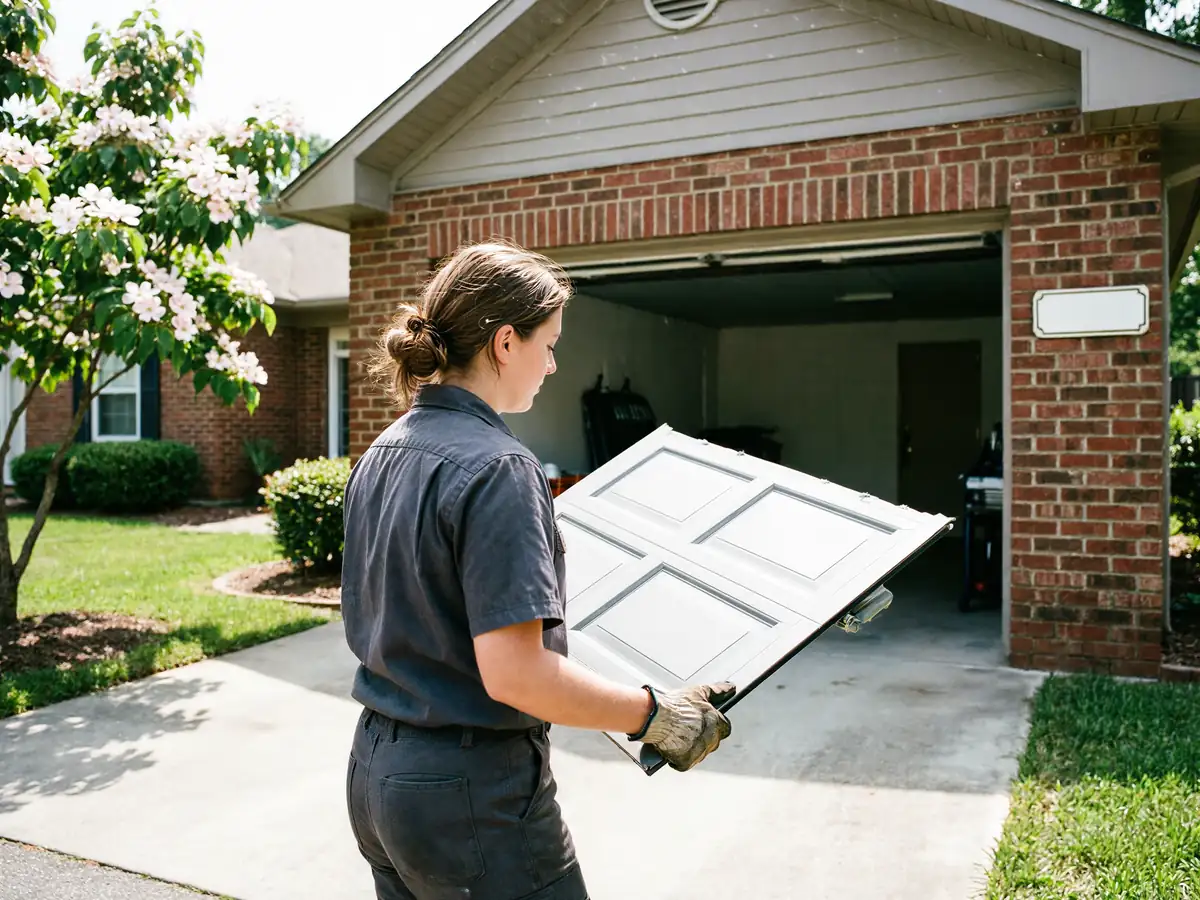
Most new-install calls here aren't about a dead opener - they're about a single-layer steel door that's warped out of square, with the bottom panel rusting through and hinges pulled loose from years of an unbalanced spring doing the lifting work alone. By the time a homeowner calls for a replacement rather than a repair, the door's usually been dragging on one track for months.
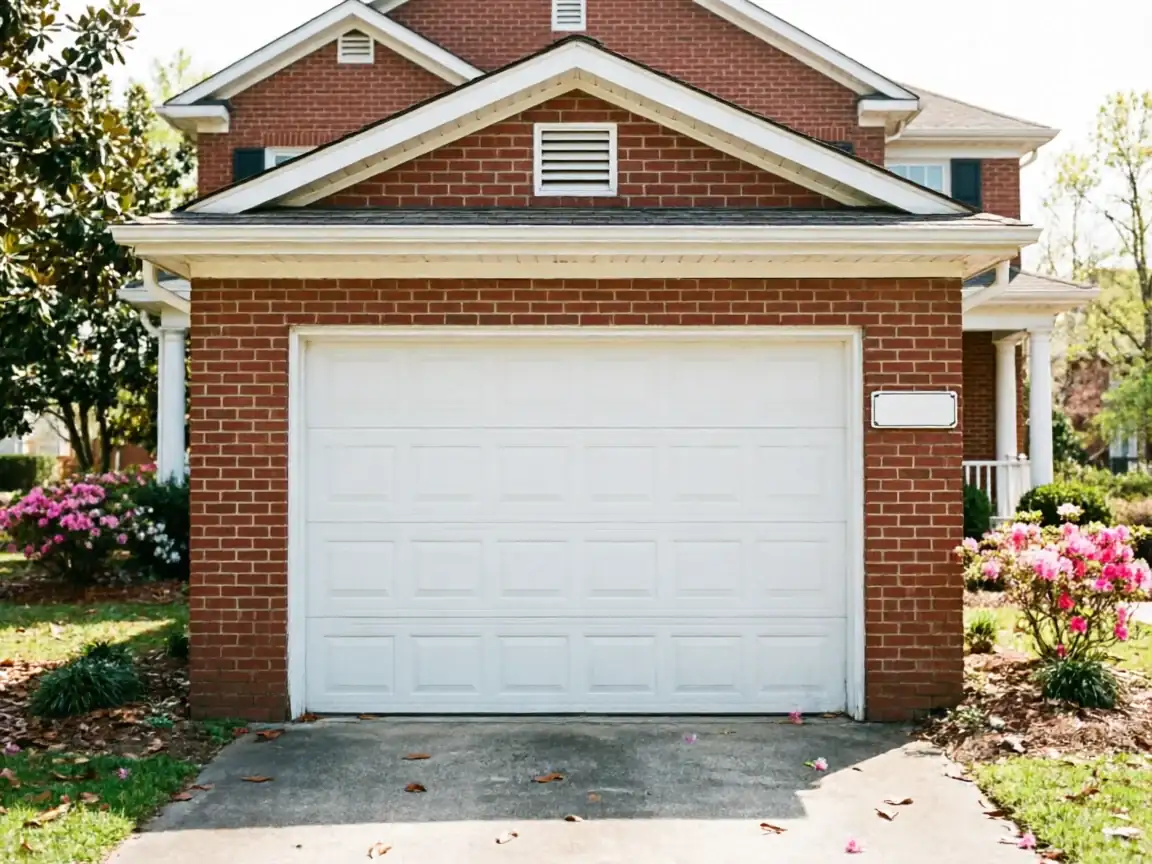
Mableton's housing stock centers on 1985, inside the broader 1980s-90s wave across the Roswell service area, which means a lot of these doors came in during the building boom that put up most of this suburb at once. The doors from that run are uninsulated hollow steel, hung on thin steel track from before polyurethane-filled panels became standard. That hardware is 35-40 years old, and the springs most of those builders used were sized for a lighter door than what's getting put back in today.
How We Fix It
When we put a new door in here, we're pulling the whole old system
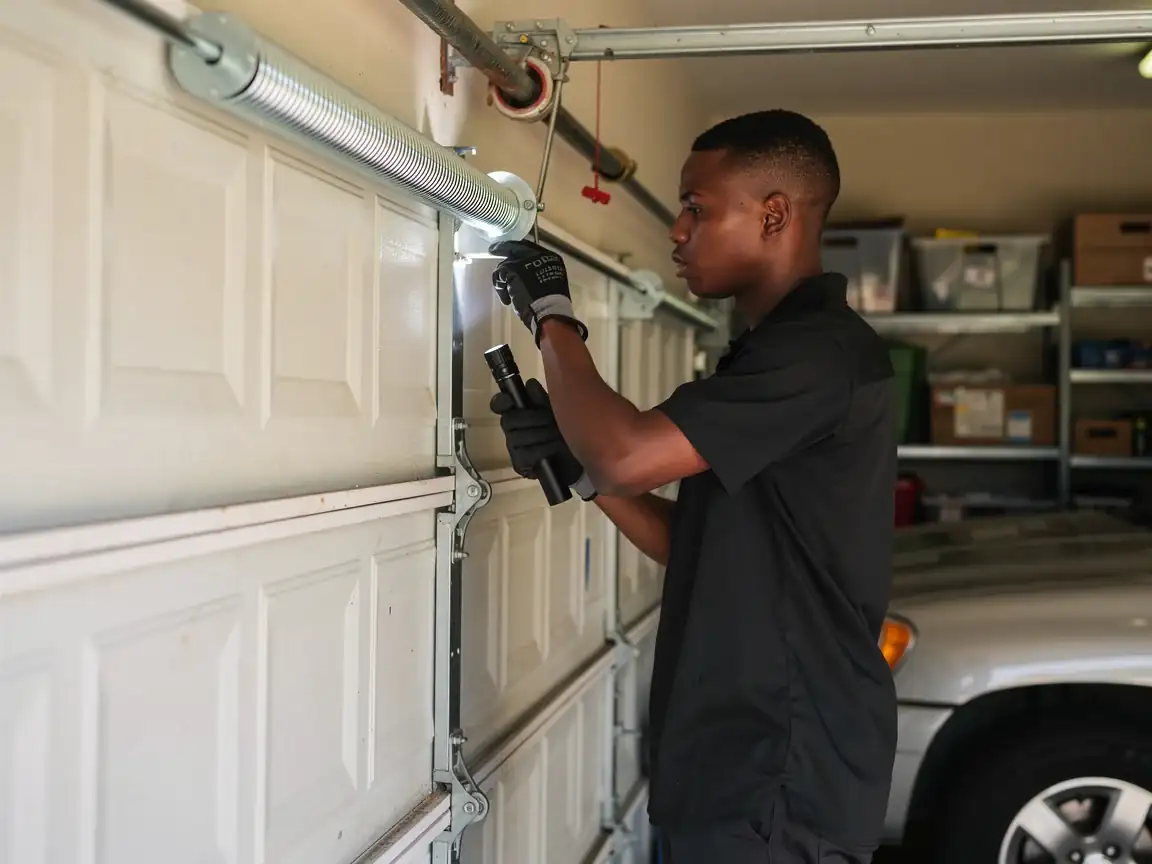
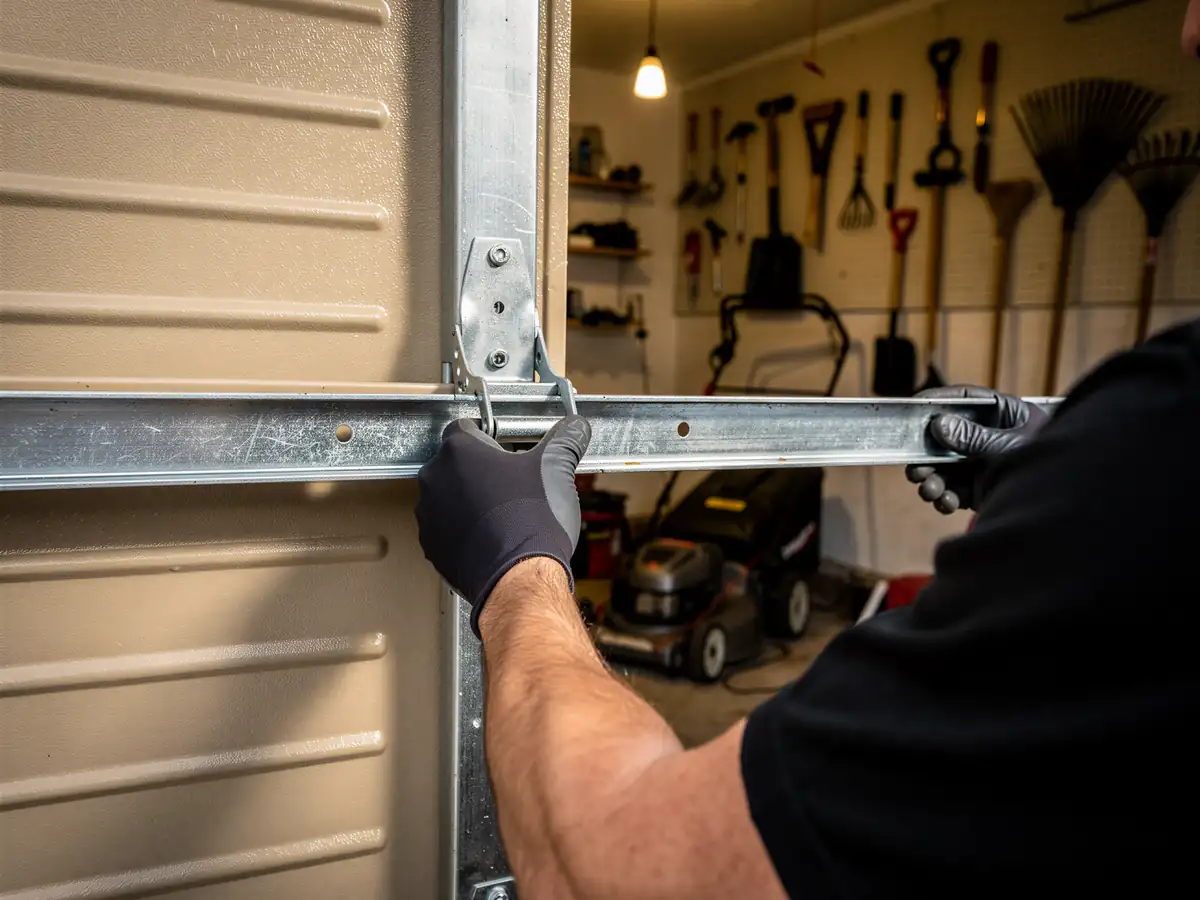
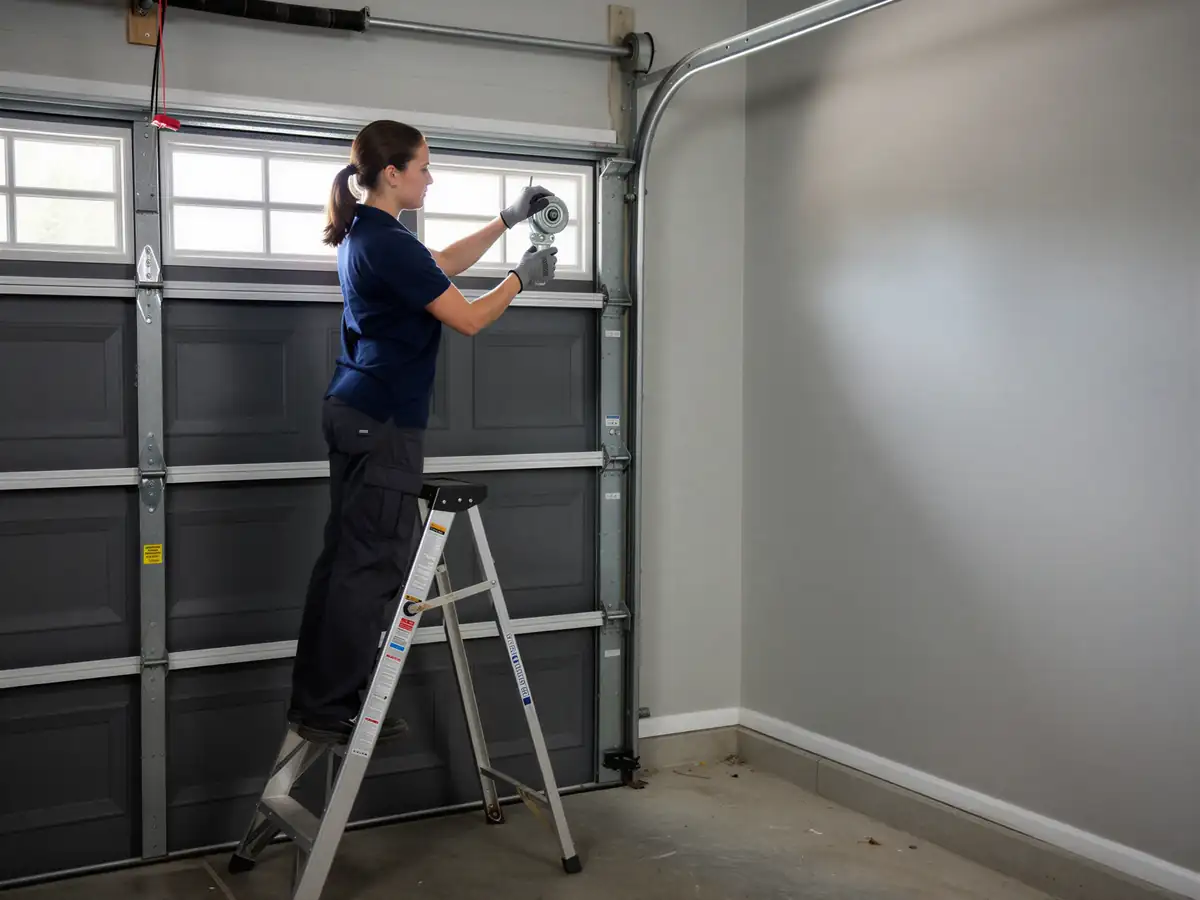
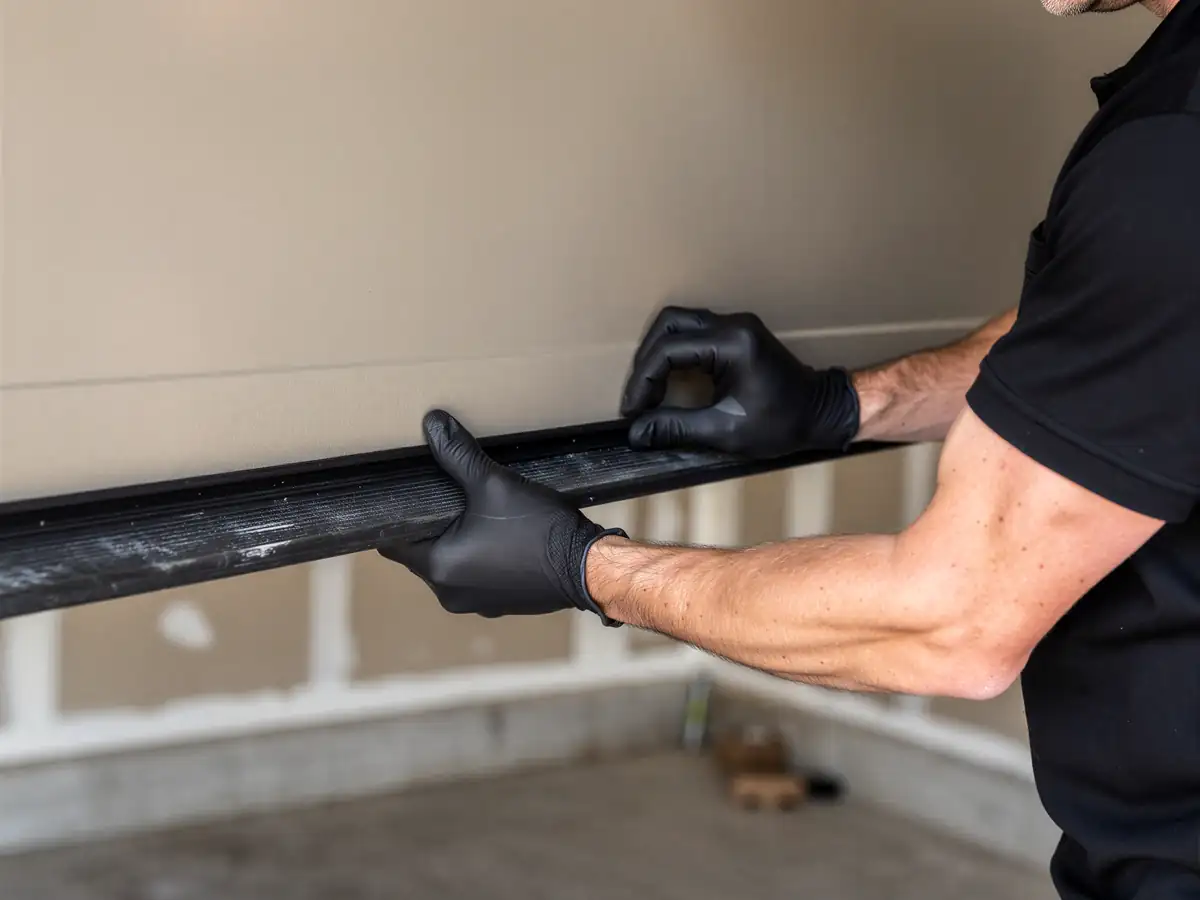
Door, track, springs - not just swapping panels. That means resetting the track plumb against whatever the stud layout gives us, which on 1980s construction is usually standard framing but occasionally has shimmed jambs where the original builder was in a hurry.
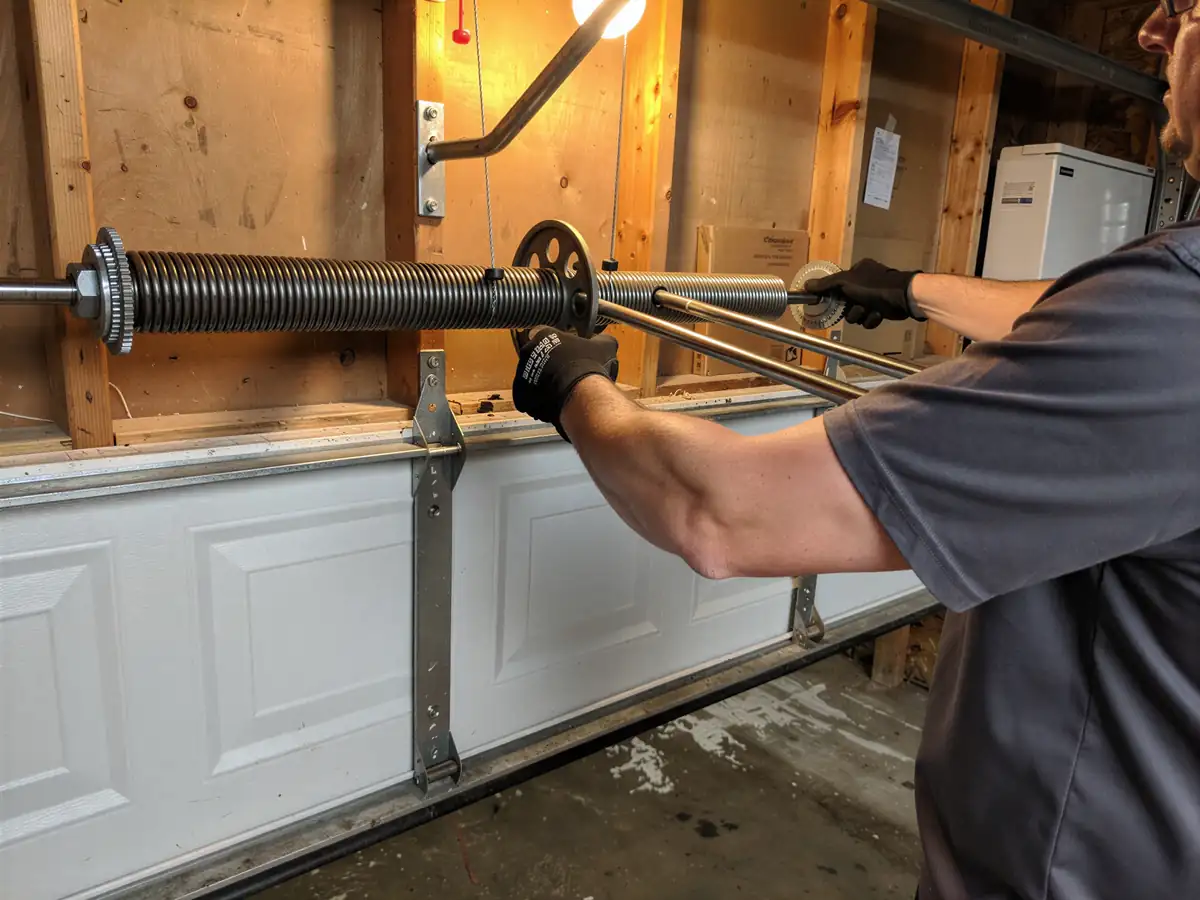
We size the torsion spring to the actual weight of the door going in, not whatever was in there before
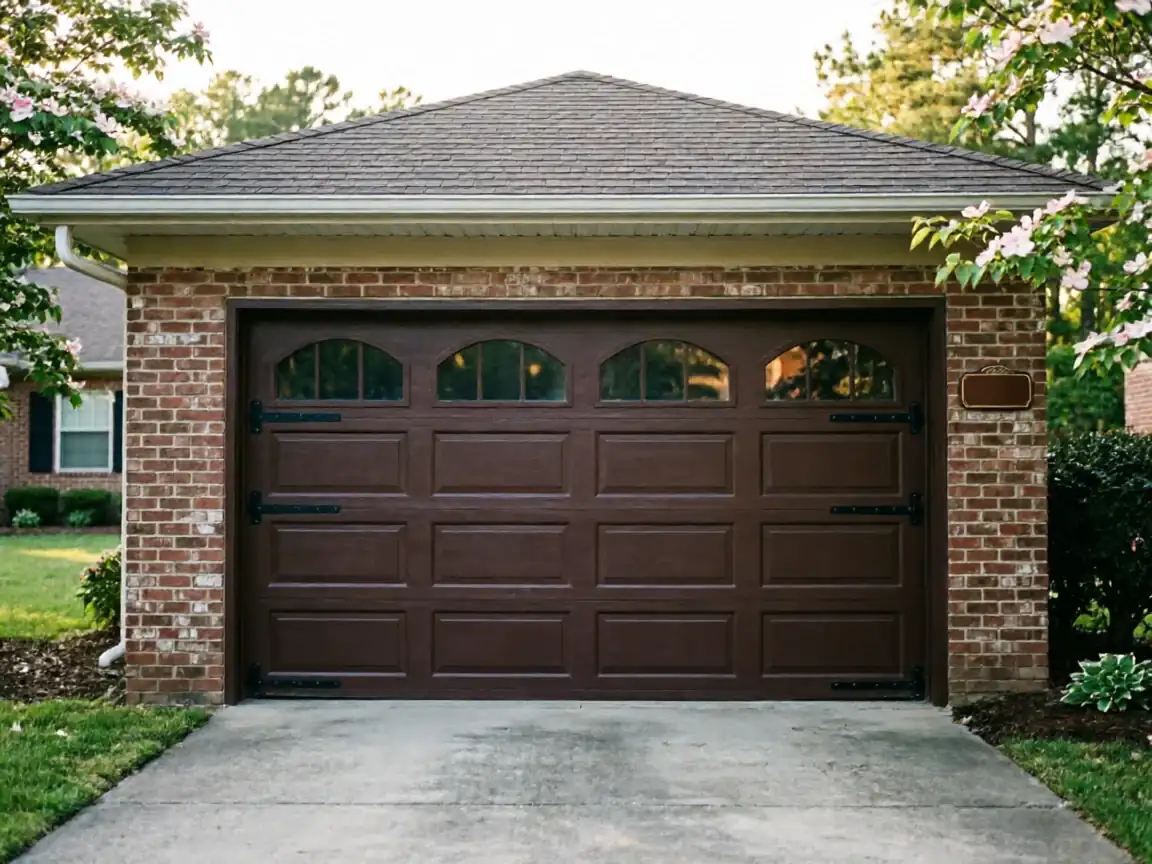
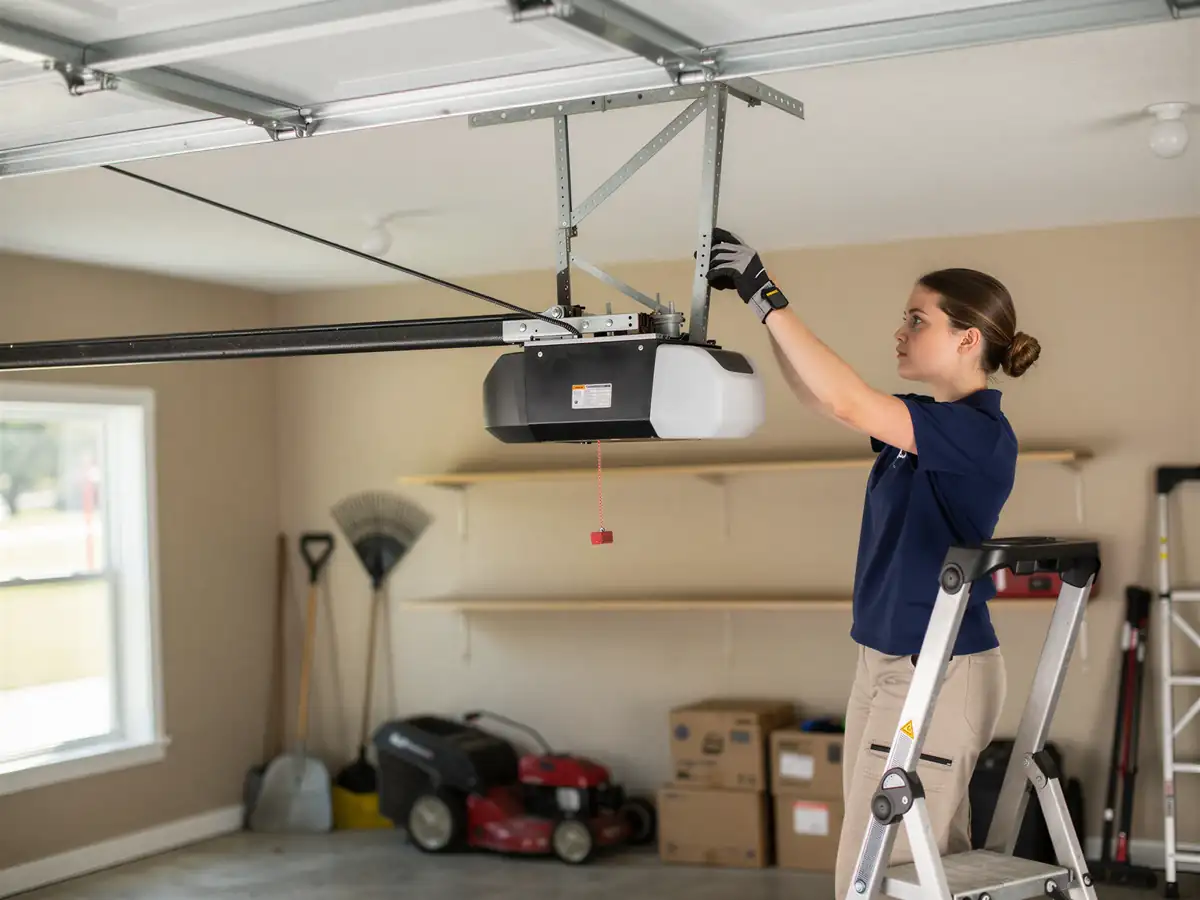
And we set the opener with today's safety reversal and auto-lock features, since a lot of what's coming out doesn't have either. If the old track is pitted steel, we replace it instead of hanging a brand new door on worn rail. We don't push insulated doors on every job - if the bay isn't heated or cooled and the budget's tight, a single-layer replacement is a fair call too.
Getting It Booked In
We're coming from Roswell, 20 miles out, so an install here gets scheduled as a dedicated trip, not a drop-in between other jobs. We measure the opening, confirm headroom and track type, and order the door before we set the install date, since insulated sections and torsion springs aren't stock items we carry pre-cut for every opening.
Expect the quote visit and the install to be two separate trips - we don't carry enough door sizes on the truck to install sight-unseen. That's the honest trade-off of covering a suburb this far from the shop: slower to book, but the door that shows up is the one actually measured for your opening, not a close guess.
How It Shows Up
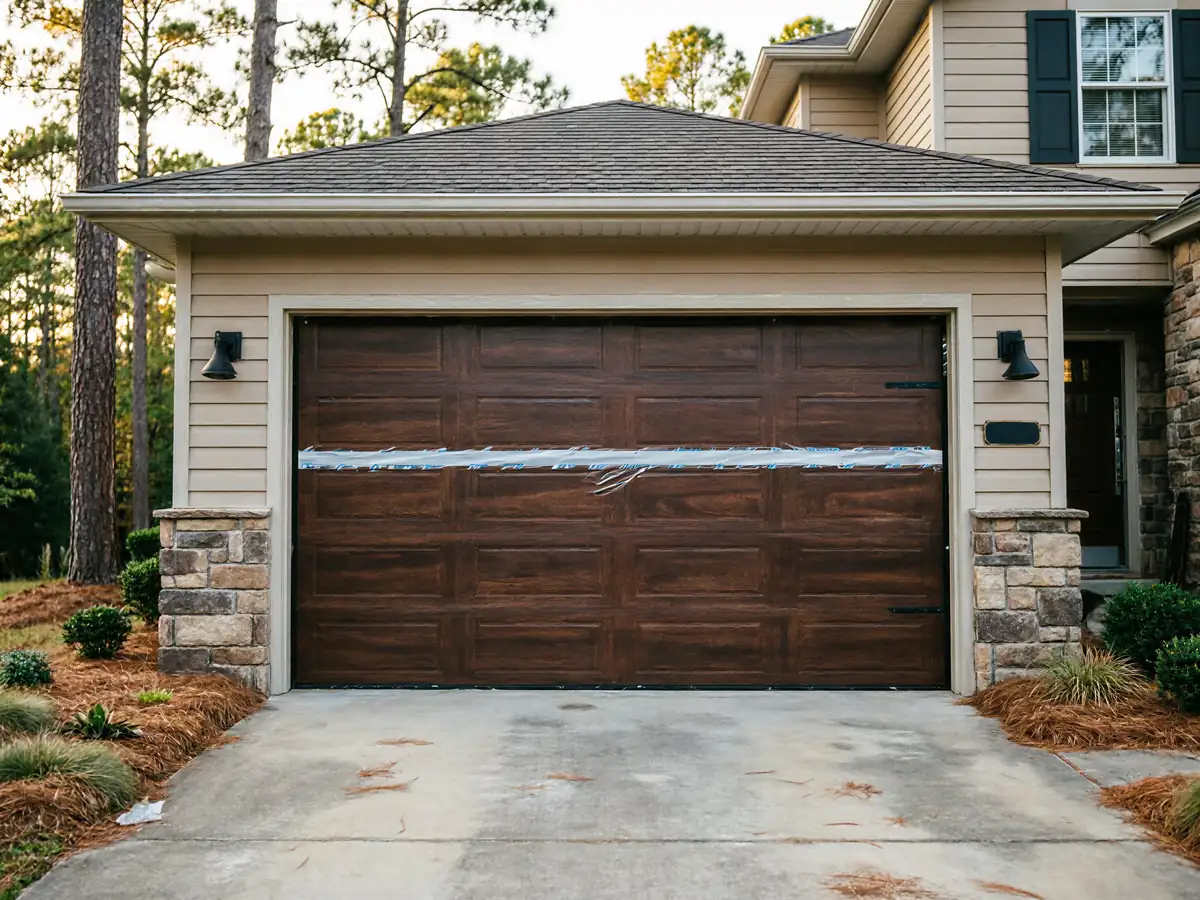
A door that needs replacing here usually tells you before it quits outright. Bottom panel rust that's gone past the paint and into the steel. A door that catches and jerks instead of gliding, because the spring's lost tension gradually rather than all at once. Panels that don't sit flush when closed, so light shows at the bottom corner.
On the 1980s stock common through here, you'll also see a single bottom corner sagging where decades of settling have pulled the frame slightly out of square. None of that means the opener's bad - it usually means the door and track are at the end of their run, and the opener's just straining to compensate.
What It Costs
We can't post a number here that would hold up
Door size, insulation level, opener class, and whether we're also replacing track all move the price, and none of that is fixed until we've seen the opening.
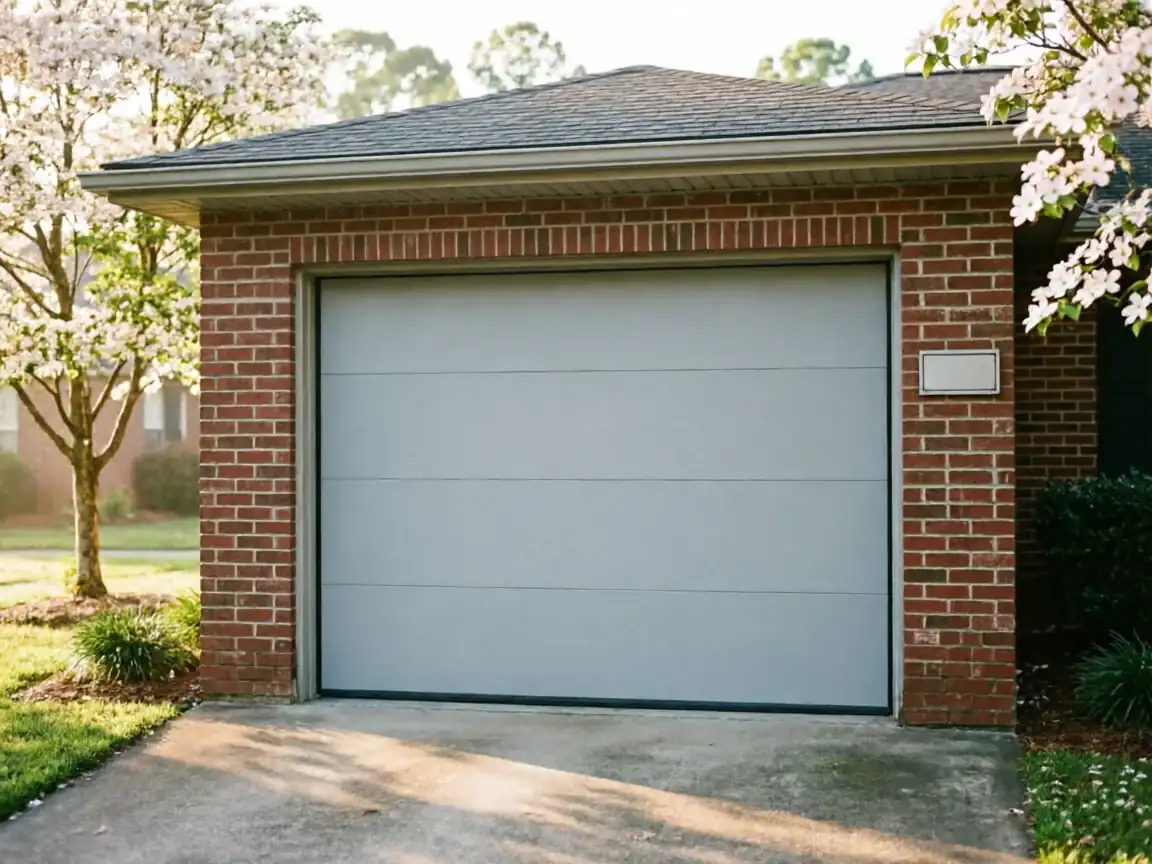
What we can say is that insulated steel costs more up front than the bare single-layer doors common in the 1980s build-out
And that difference pays back over the Georgia summer-to-winter swing in a way the old doors never did. If budget's the driver, we'll tell you plainly when a repair is the better call instead of a full swap - replacing a whole door over one bent panel usually isn't worth it.
What Causes It Around Here
The cold-moderate swings this part of Georgia gets - hot, humid summers into cooler winters - aren't brutal, but they're enough to rust out an unprotected bottom panel over four decades.
With 15,343 households in Mableton, most of them owner-occupied single-family homes from that same 1980s build-out, replacement work here tends to be like-for-like swaps rather than custom cuts. The failures we see track the build year more than anything else: doors and track that went in during the same several-year stretch tend to fail in the same several-year stretch, too.