How It Shows Up
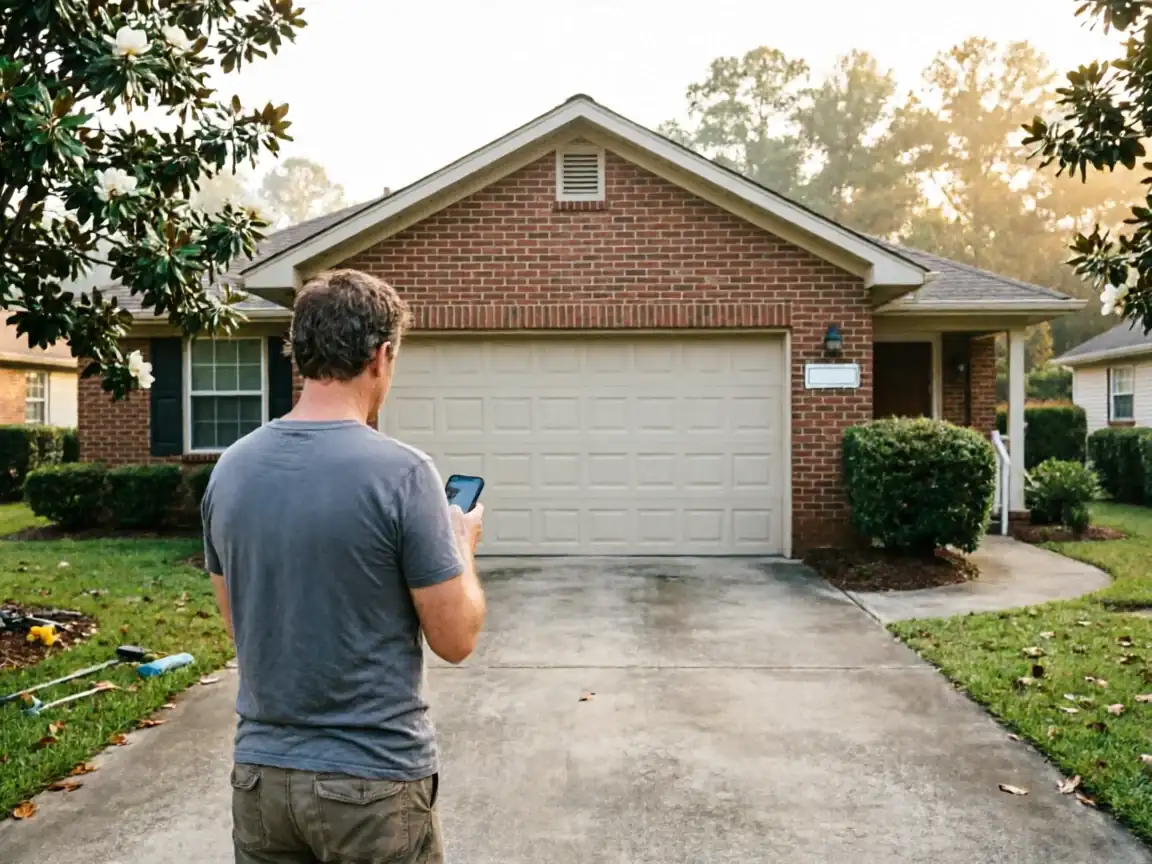
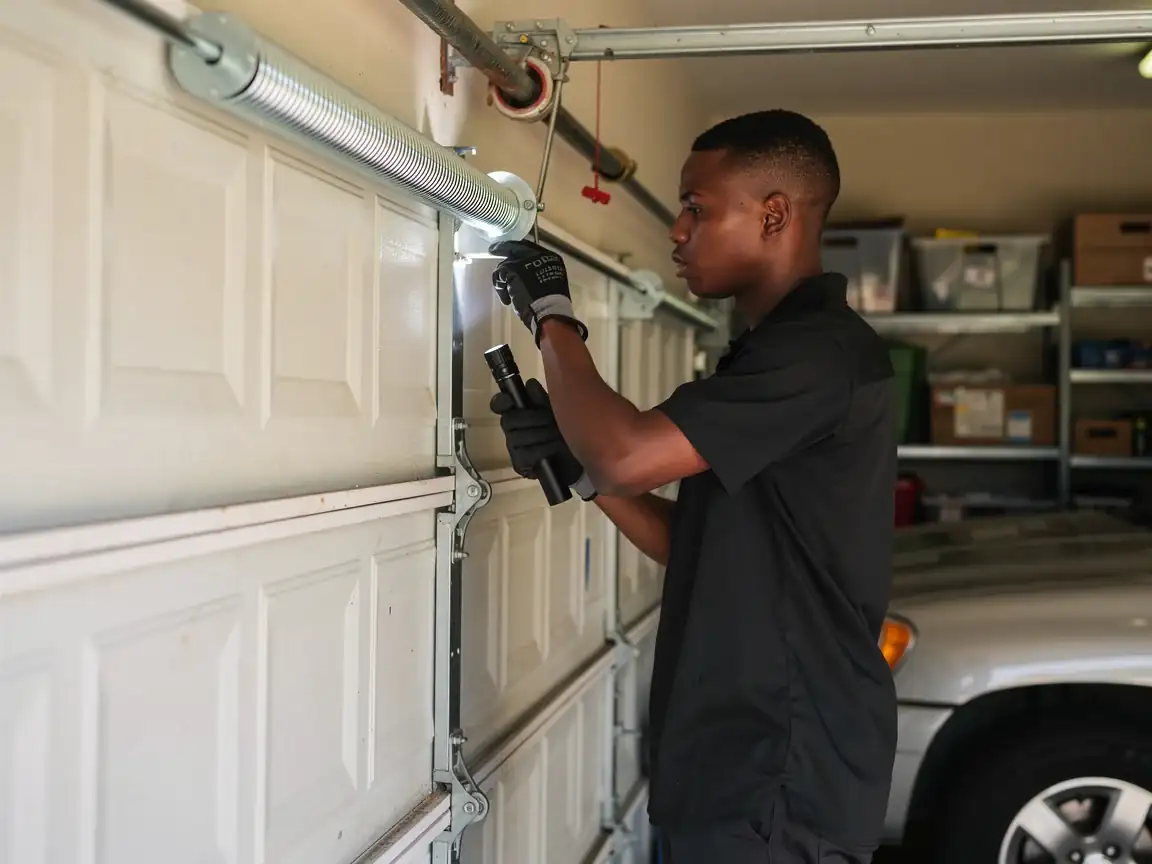
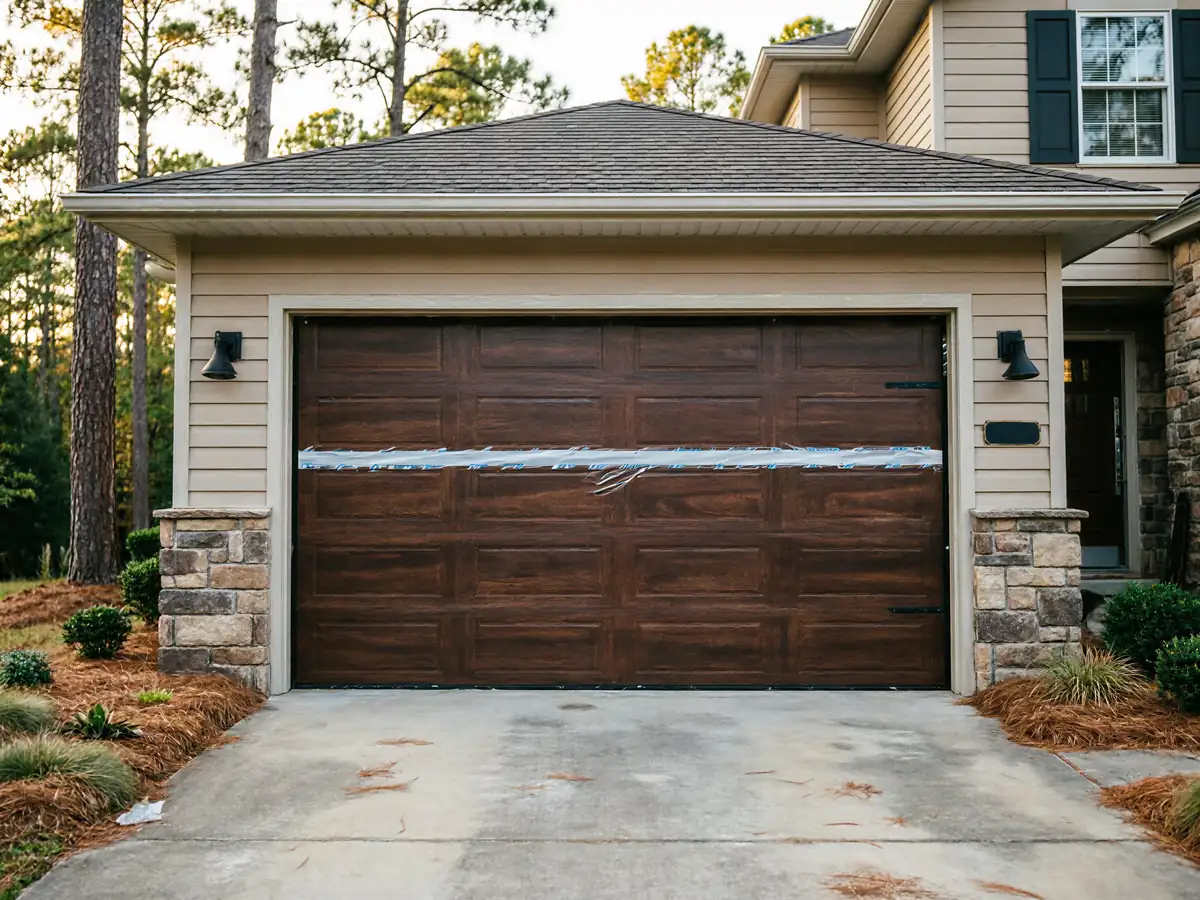
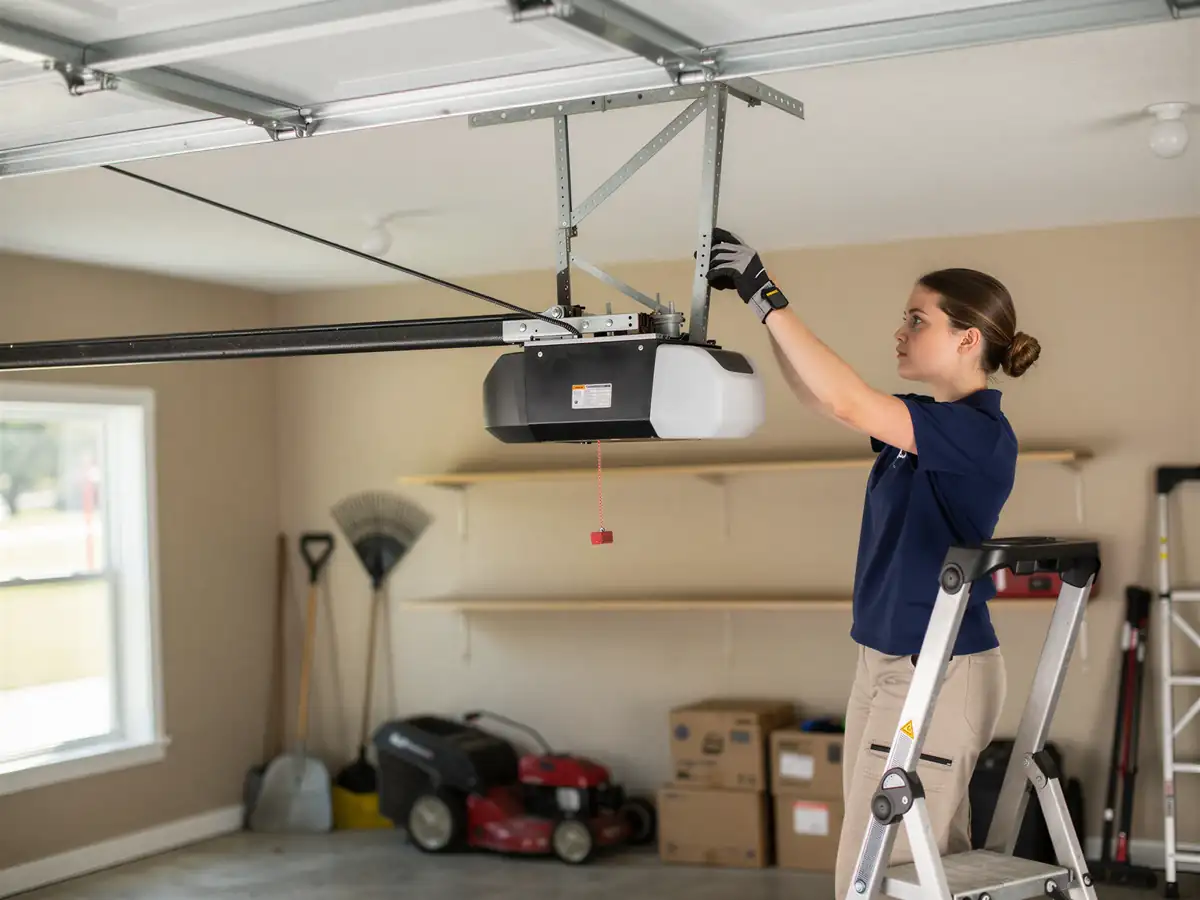
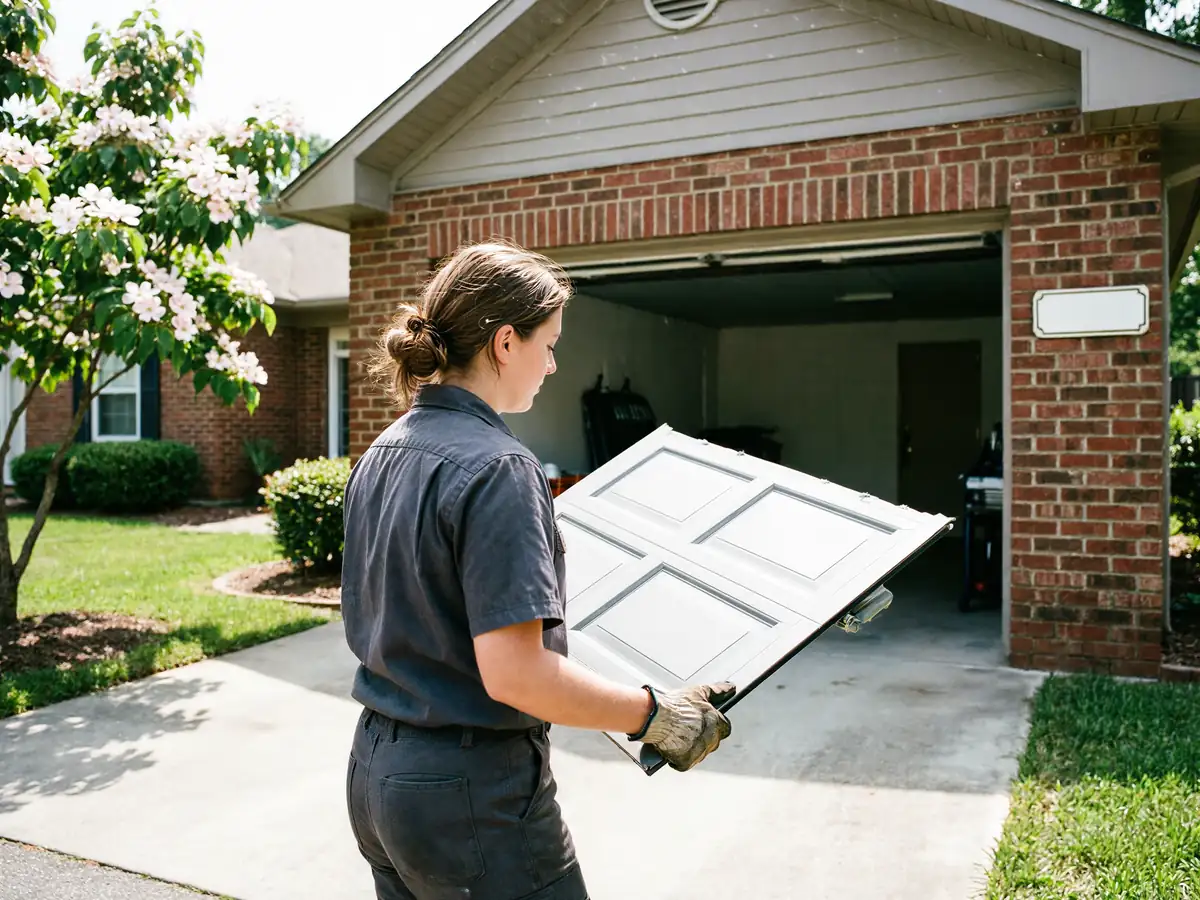
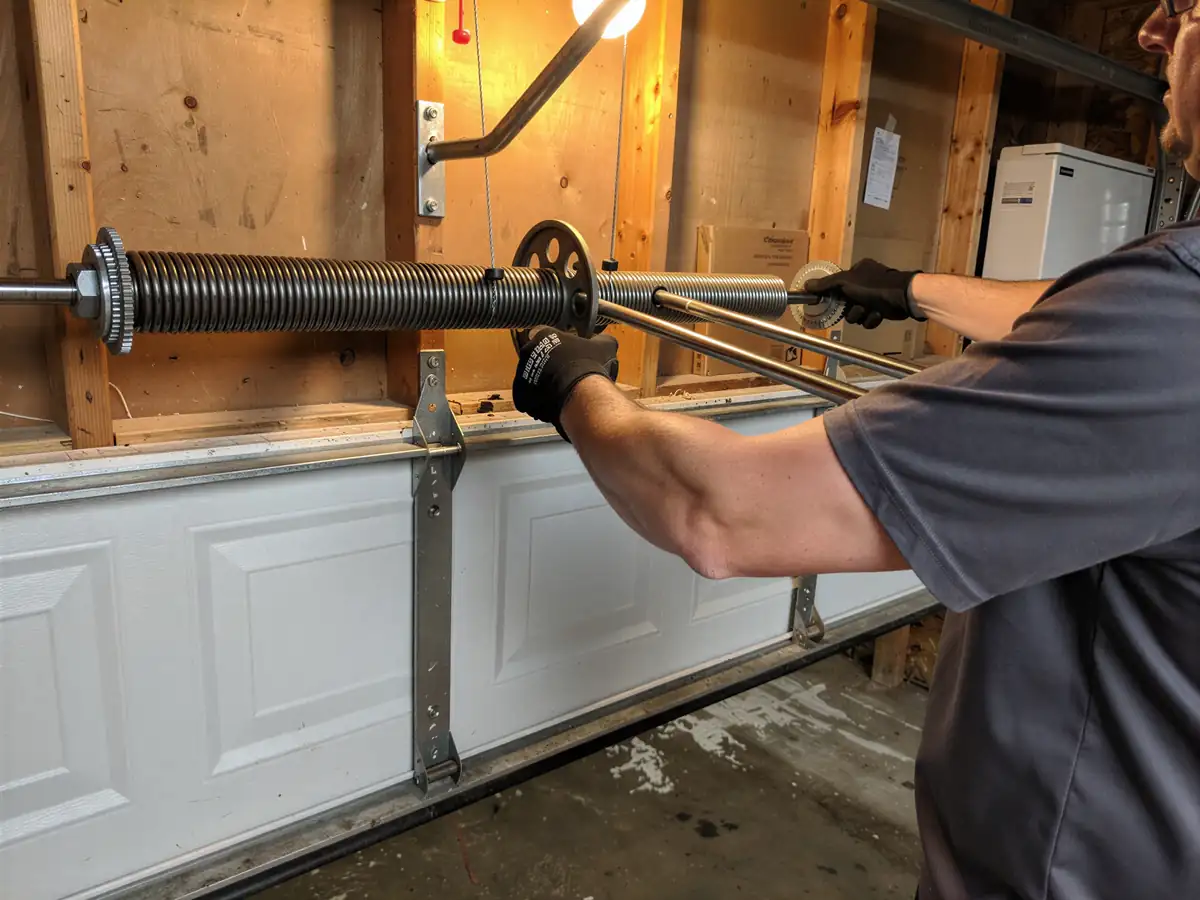
Mountain Park's median household income sits at $95,678, which changes the math on a lot of spring calls before we even open the door. At that income level, a straightforward torsion spring swap is almost always worth doing - it's a parts-and-labor job, not a decision that needs much agonizing. The door usually tells you first: it won't stay up on its own, or it slams the last foot of travel instead of settling. Sometimes it's a loud bang from the garage, which is the spring letting go rather than something failing slowly. On older setups you'll also see the opener straining, trying to lift a door that no longer has spring tension helping it. We've seen both failure modes plenty of times, and neither one means you need a new door - usually just new springs and a look at the rest of the hardware while we're in there.
What we won't do is guess at a response time for Mountain Park specifically. We run this call from our Roswell shop, about 18 miles out, so we schedule it rather than treat it as a walk-up job.
Parts We Carry
We stock standard torsion springs sized for the lighter residential doors common on homes built in the late 1970s
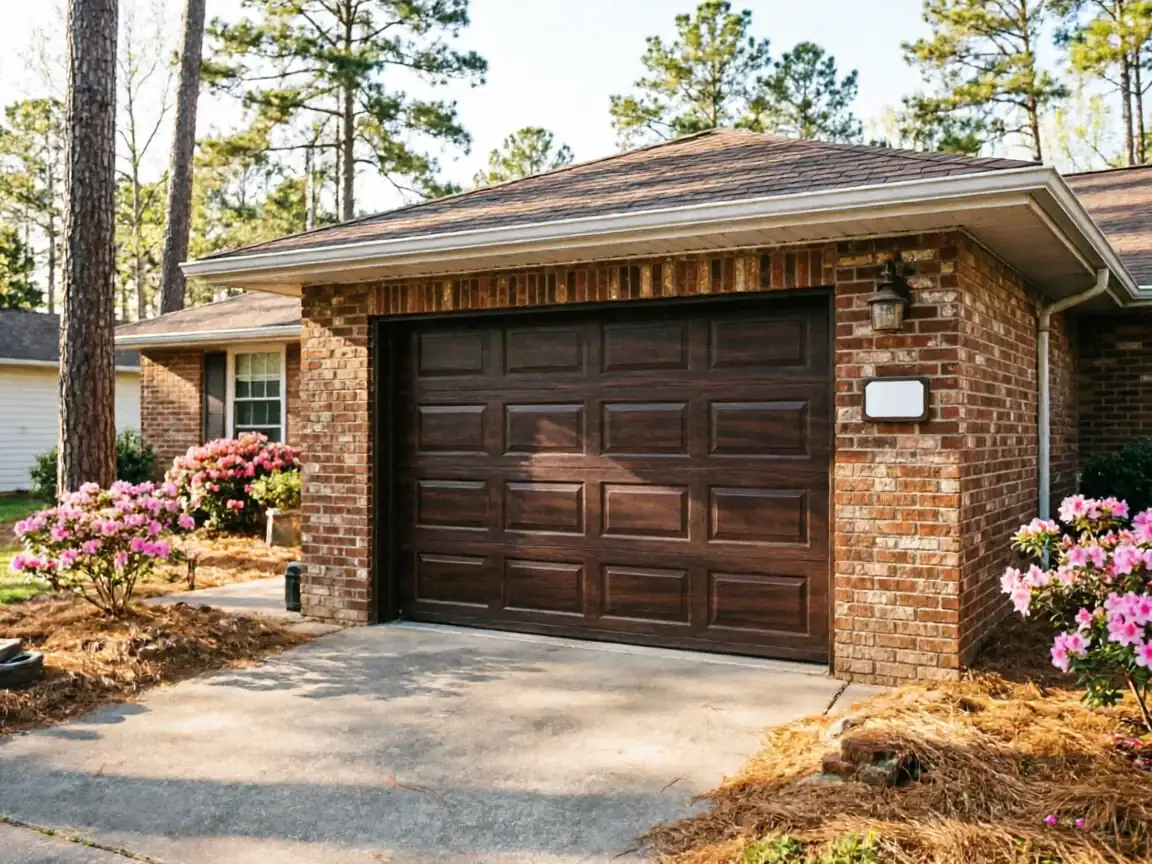
Which covers a lot of Mountain Park's housing - the median build year here is 1979, a decade or so older than the broader service area's median of 1984. Doors from that era tend to run on simpler torsion hardware without the extension-spring oddities you find on some 1950s-60s stock, which is a plus: parts are easier to match and we don't have to special-order unusual spring lengths.
What we carry on the truck covers the common sizes and wind patterns for this age of door
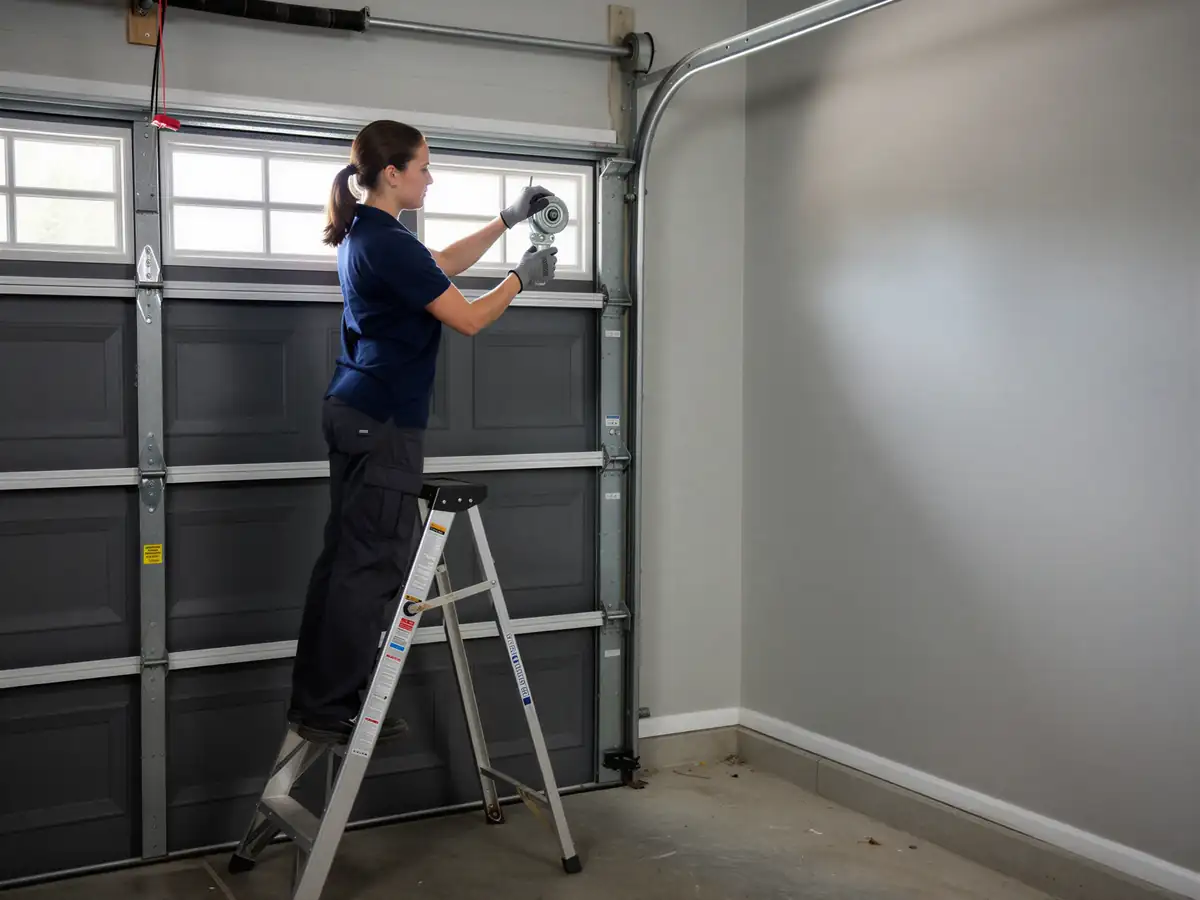
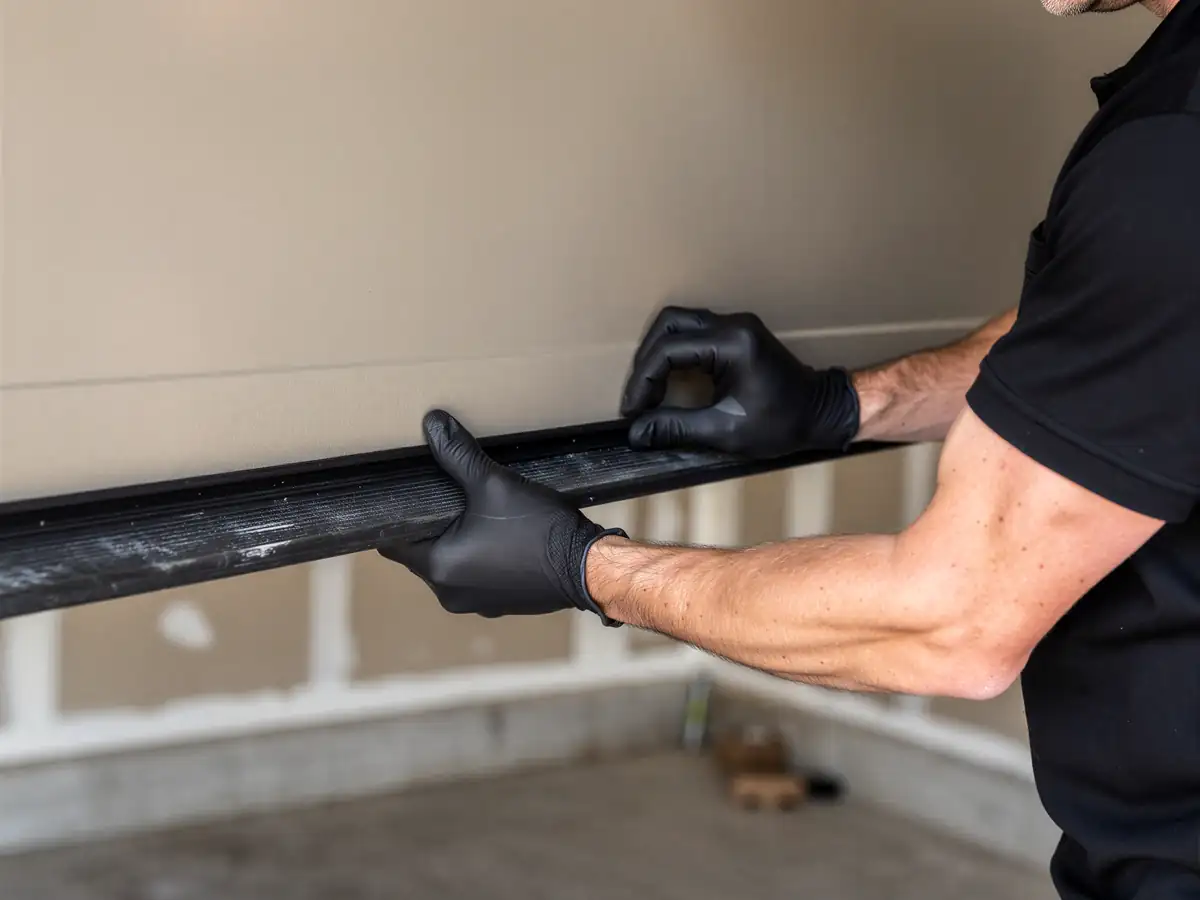
Where we run into trouble is a door that's been modified or upgraded with an insulated panel replacement at some point - that can mean a different spring rating than what the original door shipped with, and we'll measure rather than assume. Cables, end bearings, and center bearing plates are the other parts that tend to go at the same time as springs on a door this age, since they've all been under the same cycle count since the house was built.
How Long It Takes
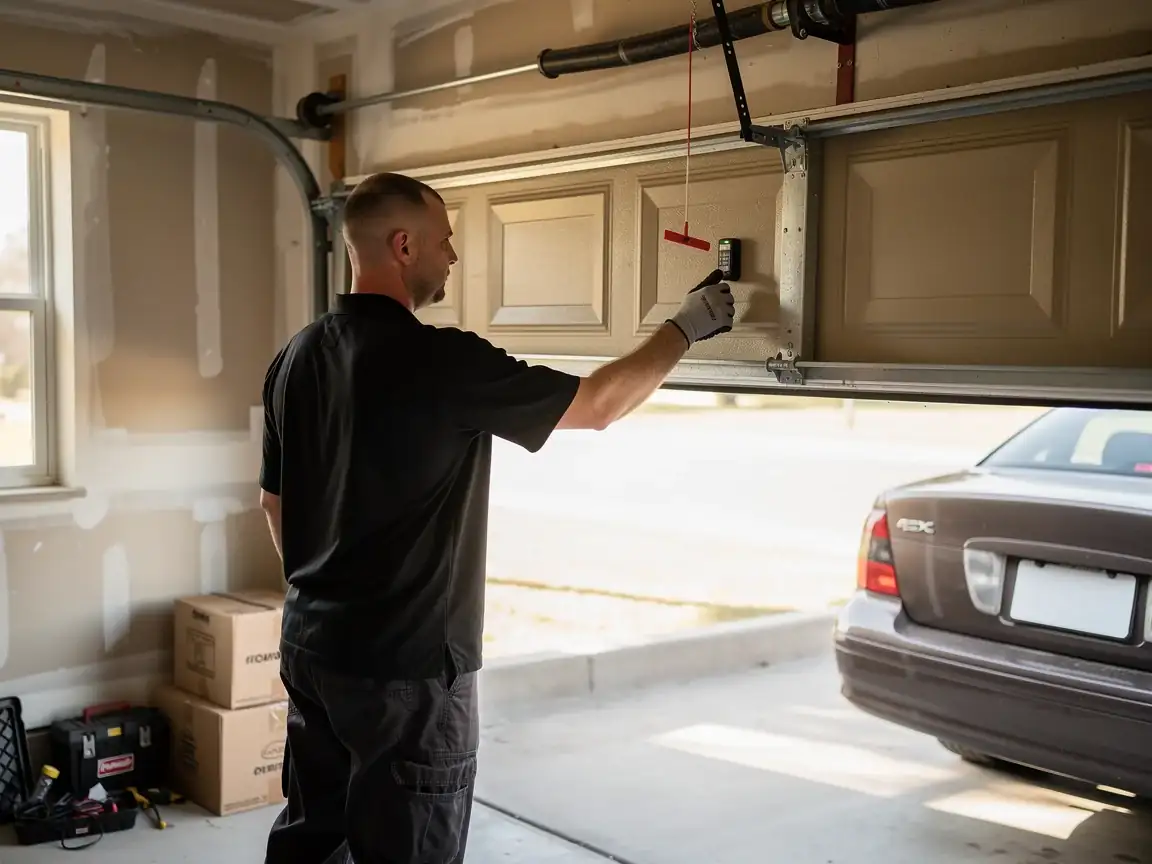
A single torsion spring replacement is typically a same-visit job once we're on site - it's the kind of repair that doesn't need a second trip or a special order for most door sizes. Where the timeline stretches is if both springs need replacing and the door has non-standard dimensions, or if the bearings and cables are worn enough that we're replacing more than just the spring itself.
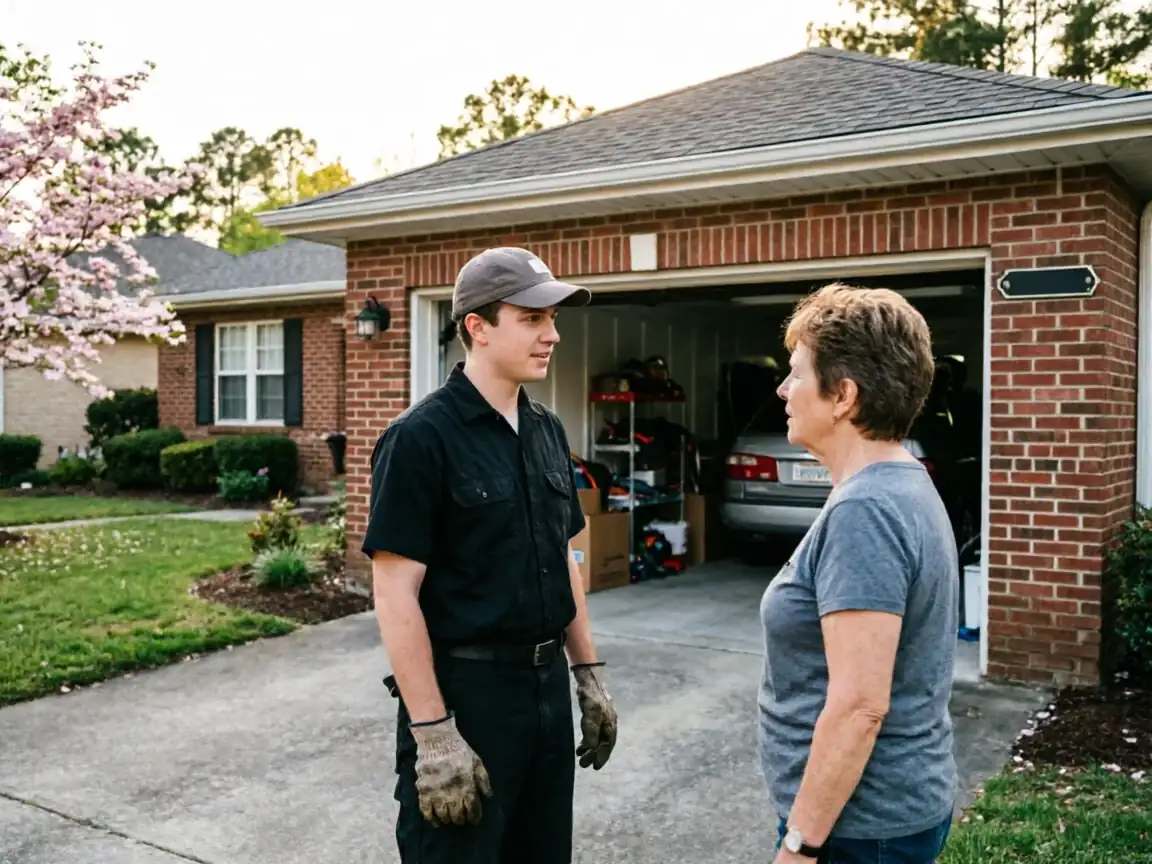
Because we're traveling from Roswell, about 18 miles to reach Mountain Park, we build the drive time into the appointment window rather than promising a specific arrival time down to the minute. That's the honest tradeoff of covering a suburb this far out: we're not sitting on a truck around the corner, so we schedule the visit properly instead of treating it as an emergency drop-in. If you're dealing with a door that won't open at all and you need the car out, say so when you call - we'll tell you straight whether that's a same-day fit.
What Causes It Around Here
Georgia's climate band is cold-moderate, which isn't brutal but it's enough freeze-thaw cycling over a year to work on metal fatigue, especially on springs that have already seen 40-plus years of cycles on a house built around 1979. Cold mornings make steel more brittle right at the moment a spring is under the most tension - first lift of the day, full weight of the door, metal that hasn't warmed up yet. That combination is a common trigger for a spring finally snapping rather than wearing out gradually.
Age is still the bigger factor than weather, though. A spring rated for a certain number of open-close cycles doesn't know what year it is - it just counts lifts. Houses from this era have had four decades to run that count up, and most original springs on a 1979-built home are well past where we'd recommend proactive replacement rather than waiting for the break.
What Can Go Wrong
The spring itself breaking is the obvious failure
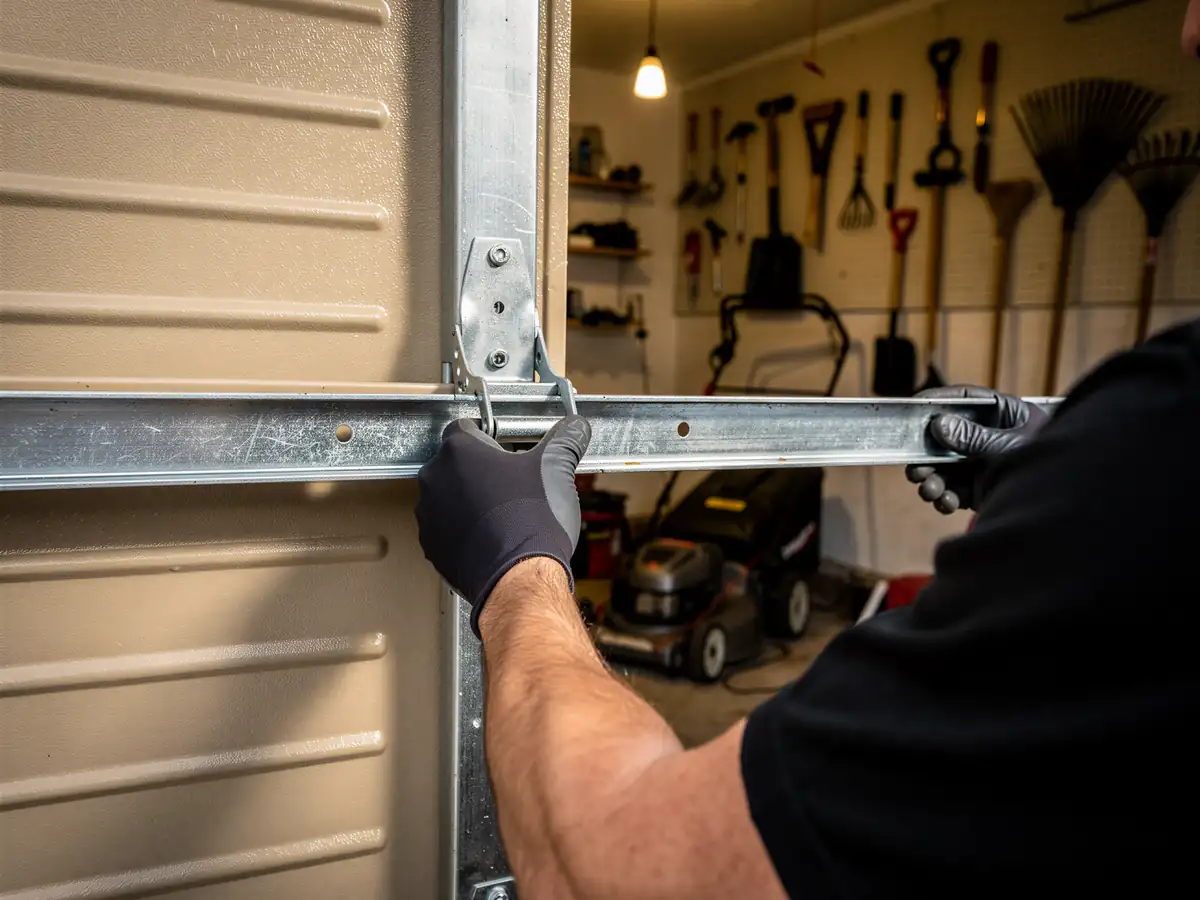
But it's rarely the only thing wrong once we're looking at a door this age. Cables fray under the same load the spring was carrying, and a cable that lets go while a door is halfway up is a different and more dangerous problem than a spring snapping with the door closed. We also see bent or worn end bearing plates on doors this old - they've carried the torsion bar's rotation for the same decades the spring has.
One limitation worth being honest about
If the drum or torsion bar itself is bent or the track is significantly out of alignment, a spring swap alone won't fix the door, and we'll tell you that rather than replace springs on a door that needs more structural work. We'd rather walk you through what else is actually wrong than send a truck out twice for the same complaint.