How It Shows Up
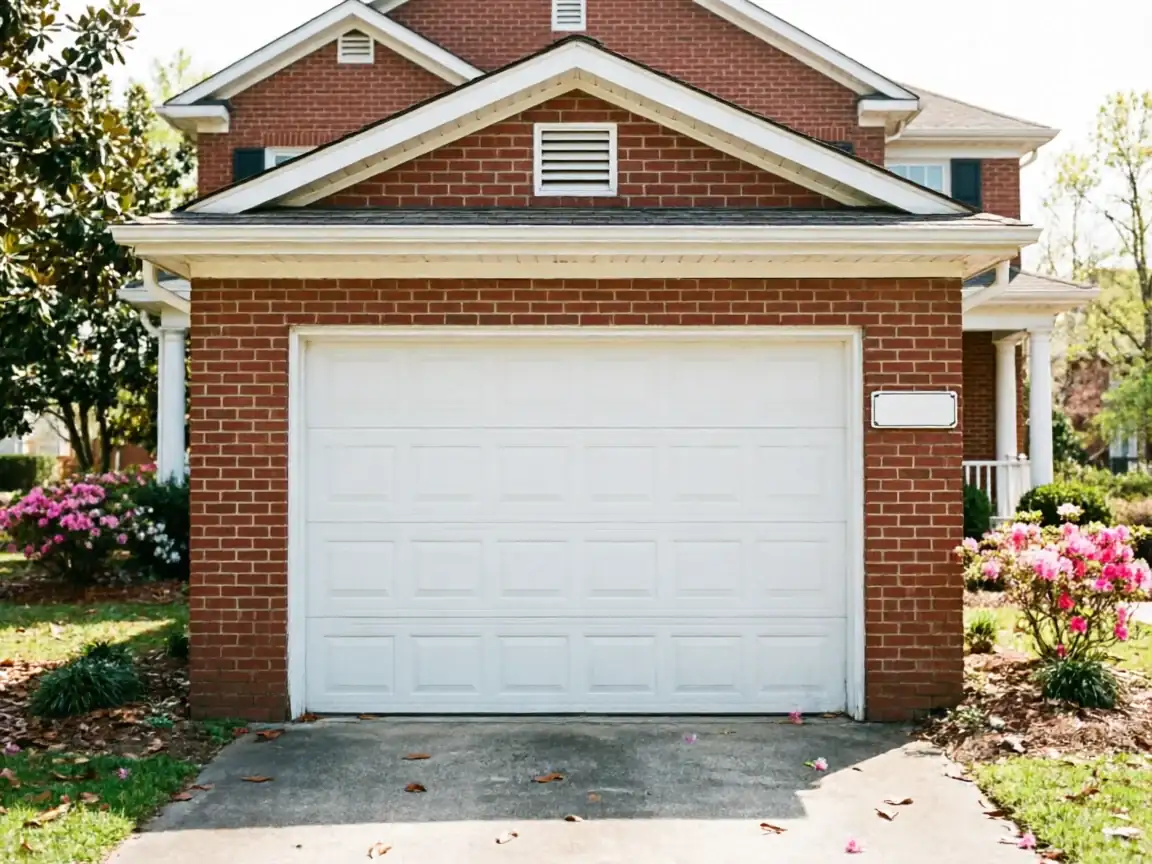
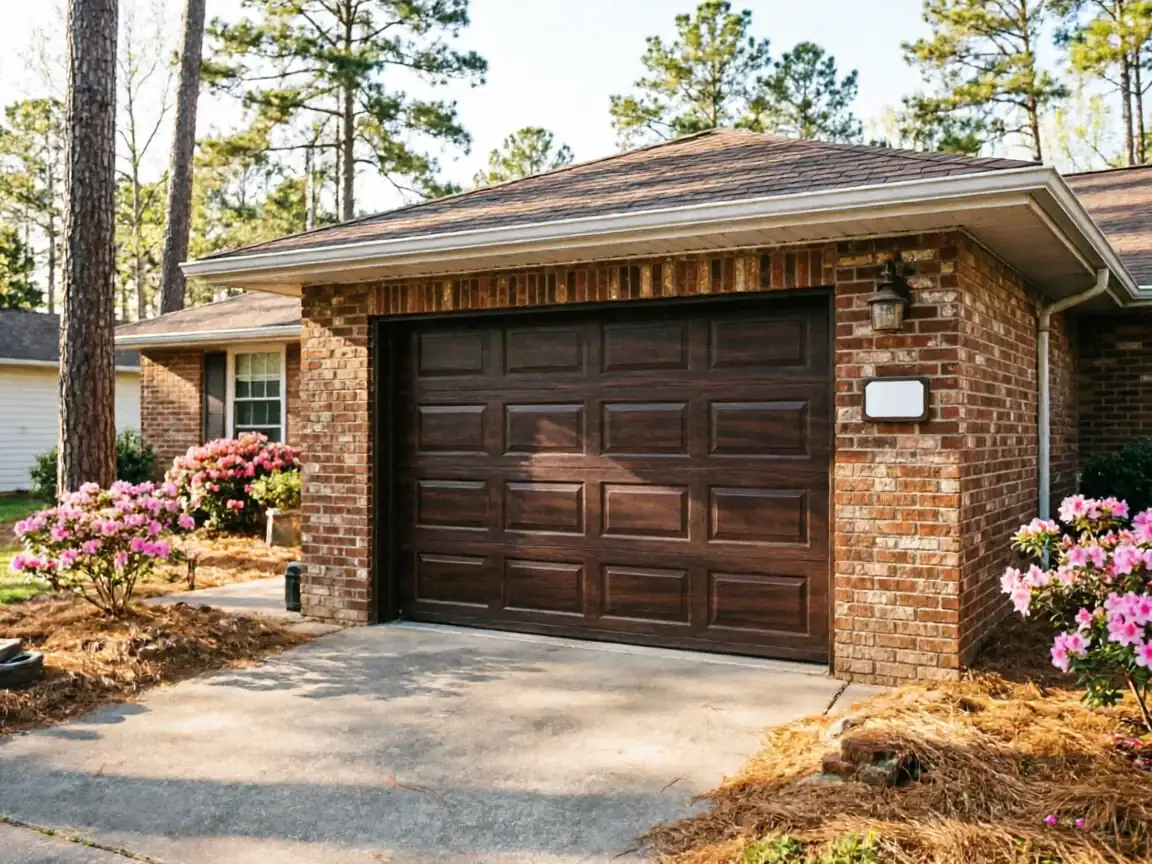
Mountain Park sits about 18 miles from our Roswell shop, and the housing here skews older than the service area average. The typical home went up around 1979, ahead of the broader 1951-2007 range we see across the territory, where the median build year lands closer to 1984. That five-year gap matters more than it sounds. A door and opener installed in the late 1970s was built to a different spec than one from the mid-80s - lighter gauge steel, older-style extension springs instead of torsion, and openers that predate modern safety reversal sensors entirely.
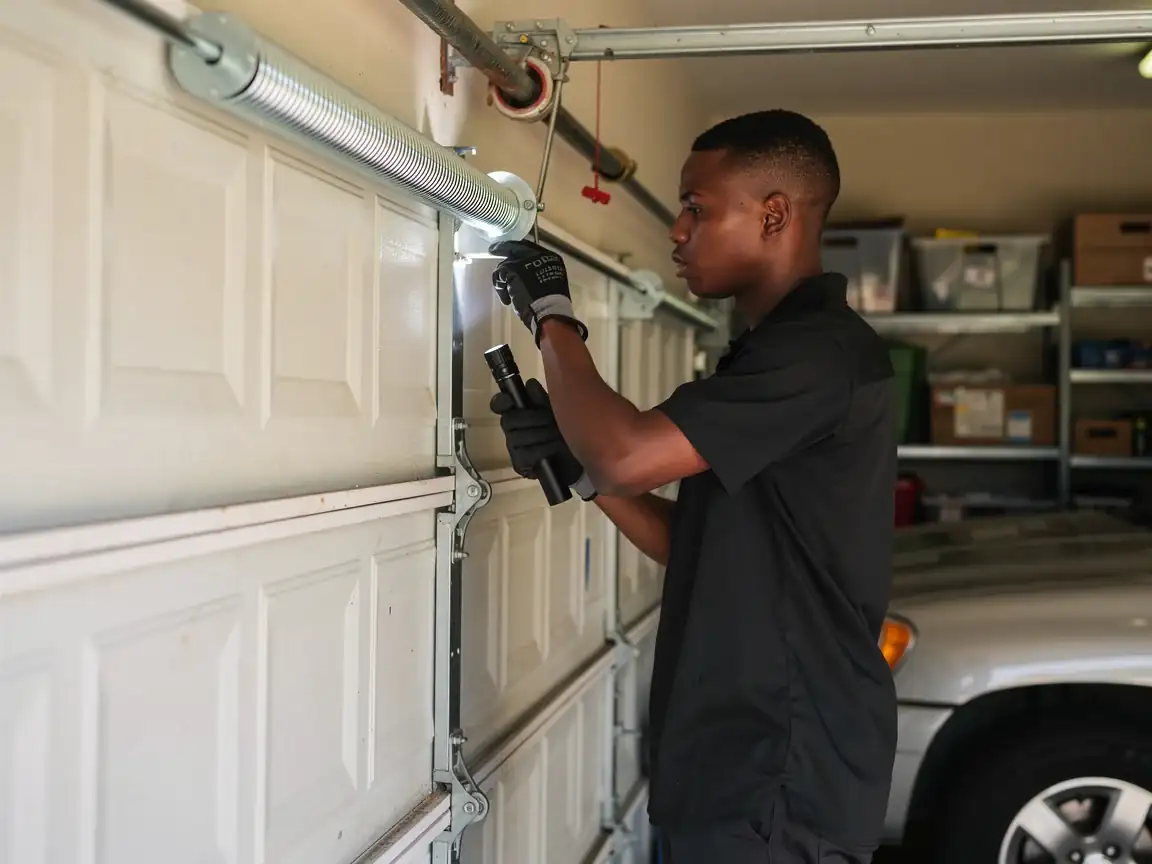
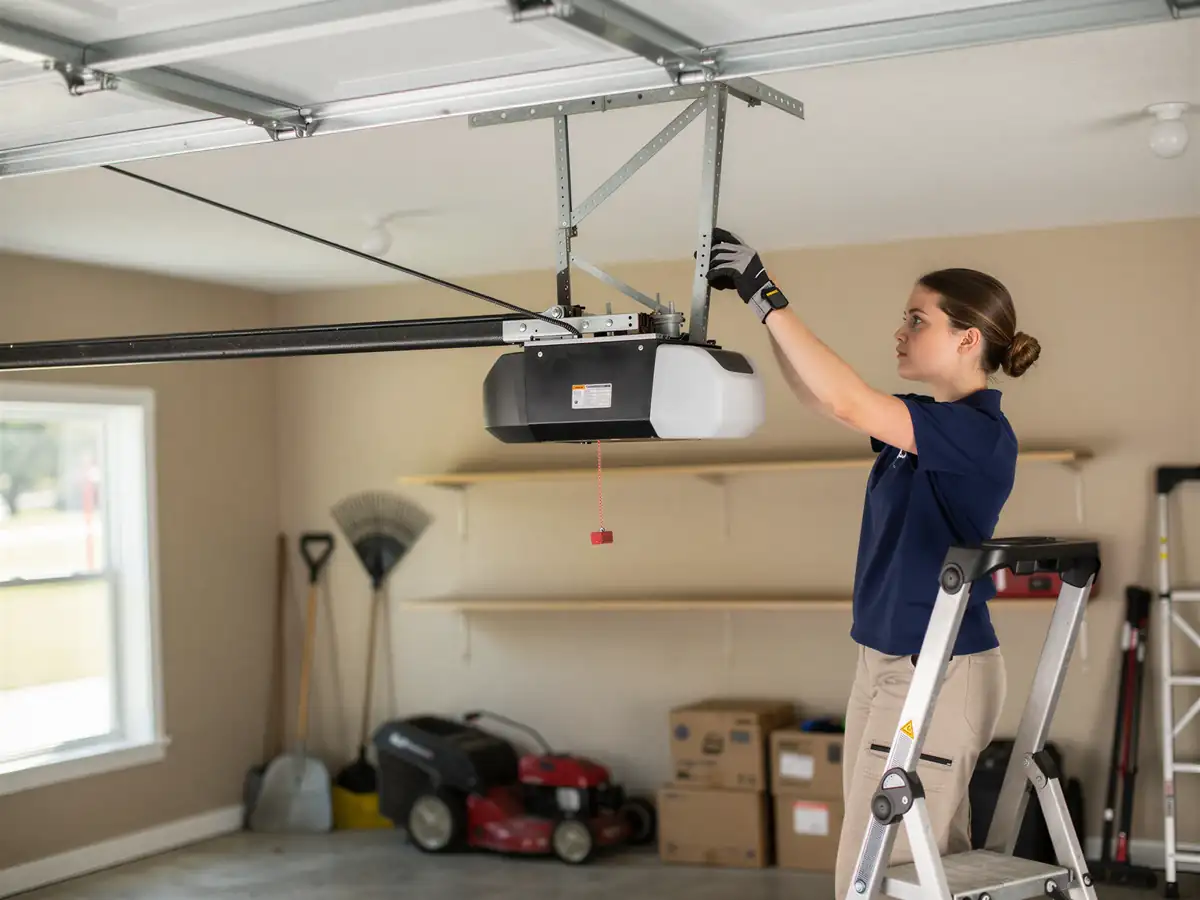
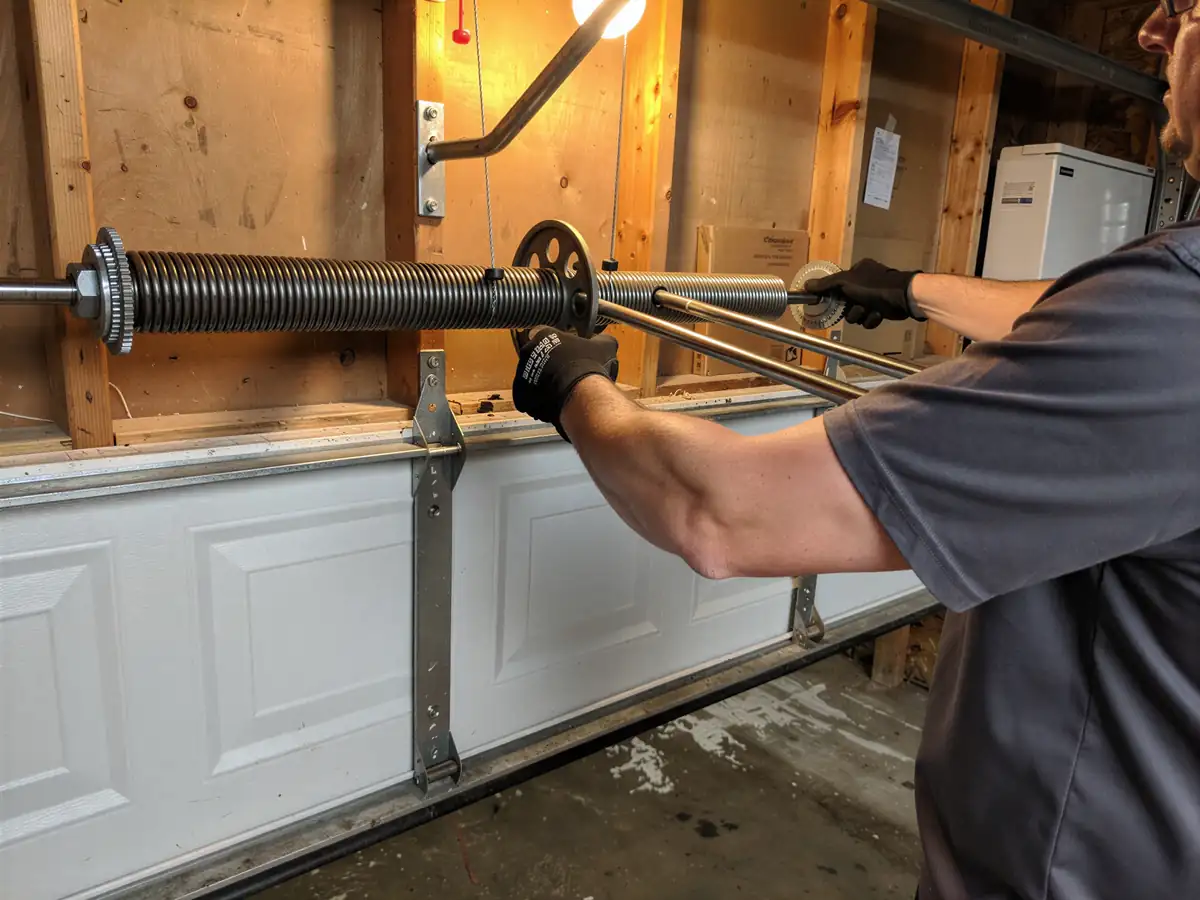
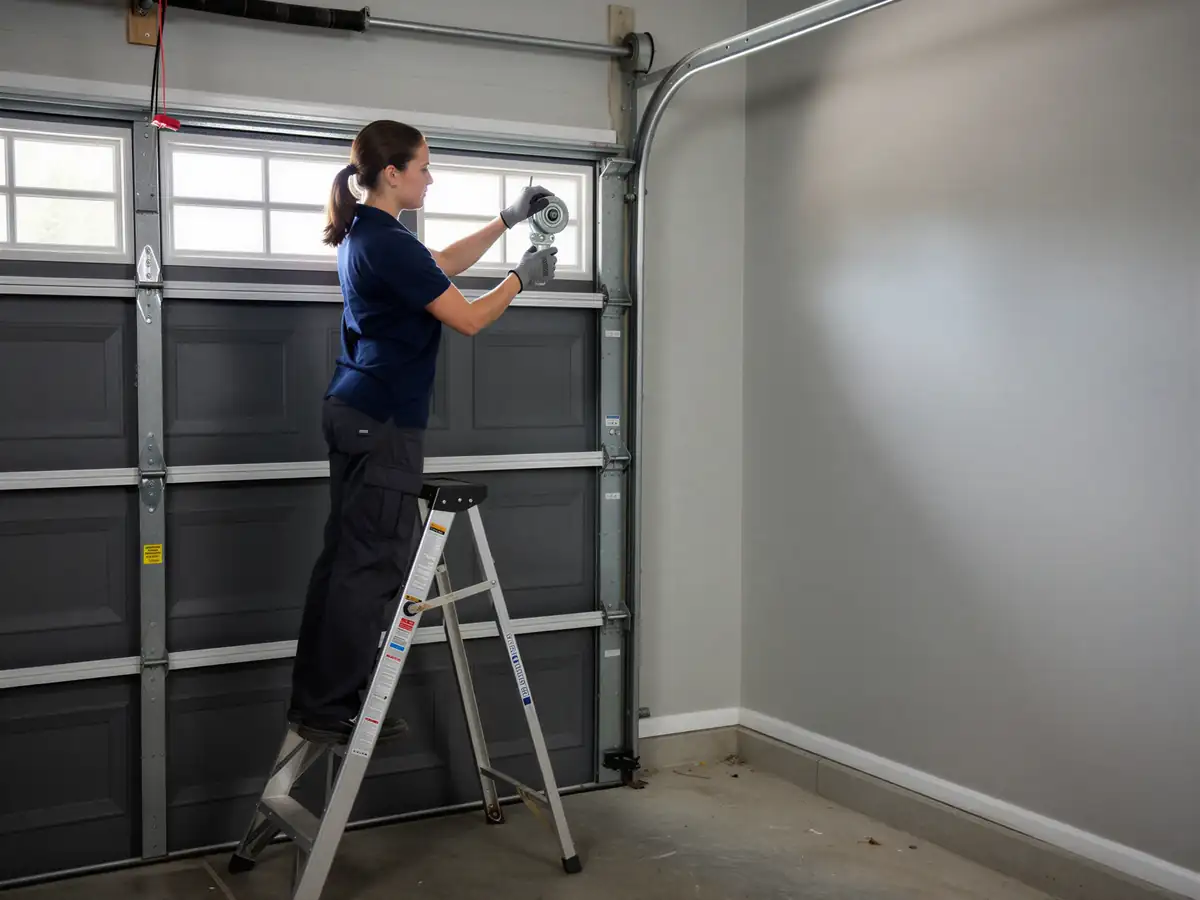
What that means on a service call: the door doesn't fail the way a newer one does. Instead of a worn circuit board, we're more often looking at a stretched or rusted extension spring, a bent track from decades of manual adjustment, or a drive gear that's just worn to dust. If your door has gotten loud, heavy to lift by hand, or slow to close over the last year or two, that's consistent with hardware pushing 45 years old rather than something that broke overnight.
Parts We Carry
Because a chunk of Mountain Park's housing stock predates the service area's 1984 median build year
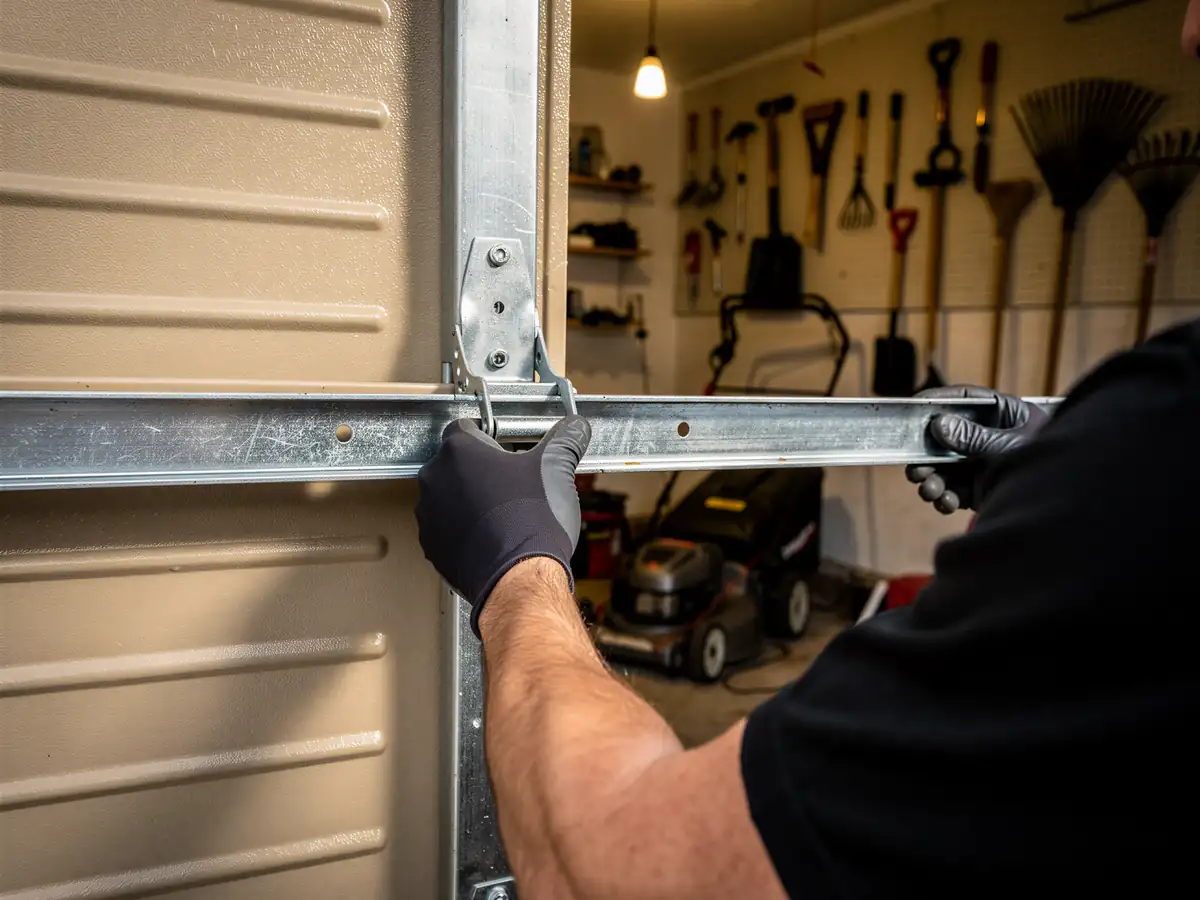
We stock extension spring sets and older-pattern track hardware alongside the torsion springs and modern opener boards we use on newer builds elsewhere in the territory. Rollers, cables, and hinges are universal enough that we carry them regardless of a home's age.
Where we run into limits
Openers from the 1970s sometimes used proprietary drive systems that the manufacturer stopped supporting years ago. If your unit falls into that category, we'll tell you straight - replacing the opener is usually cheaper and more reliable than hunting down a discontinued part, and we won't pretend otherwise just to keep the job on the books.
How Long It Takes
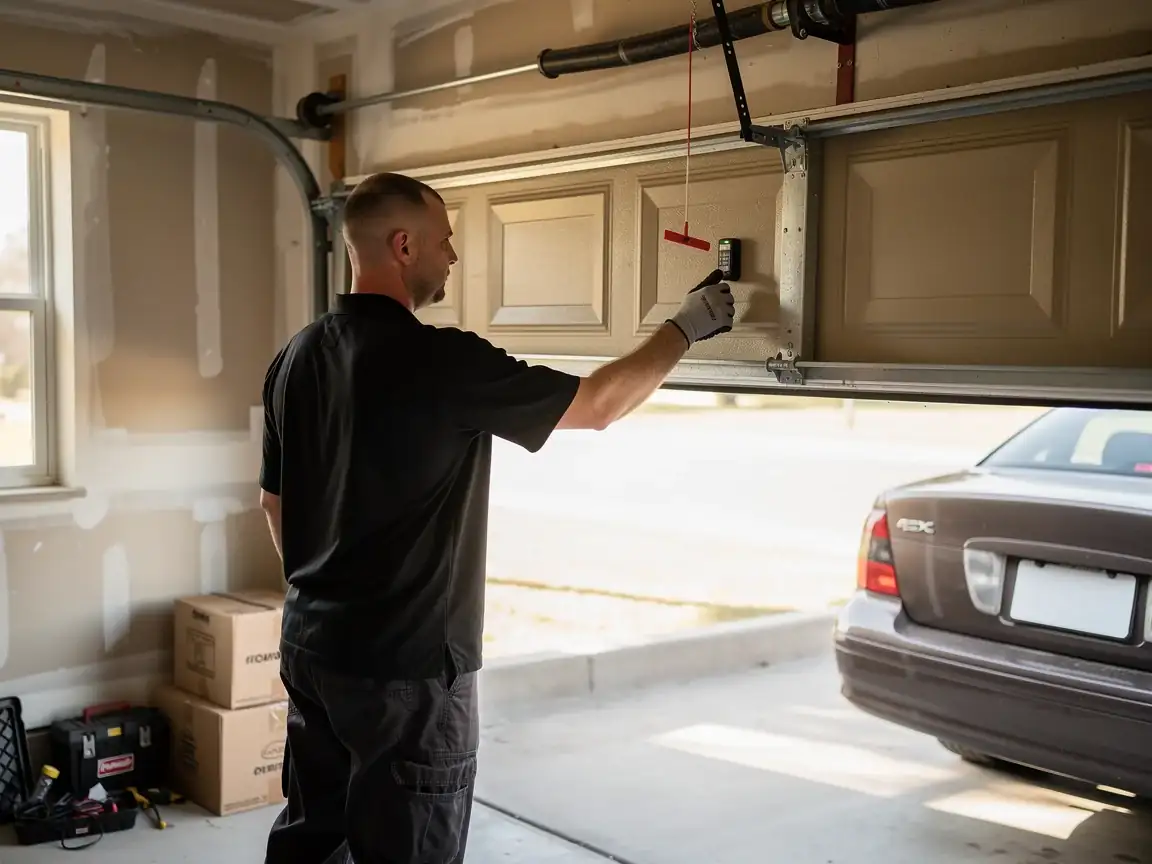
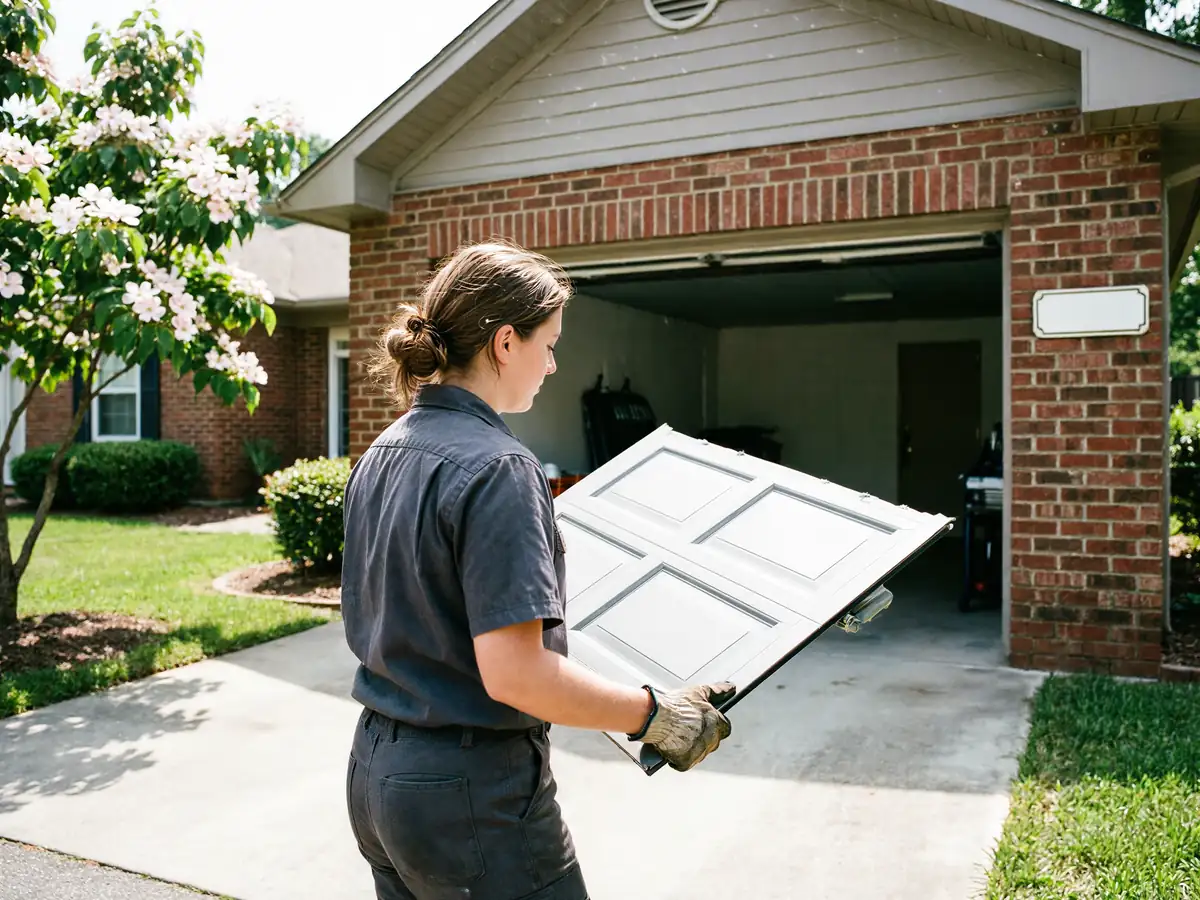
We travel from Roswell for every call here, so the job itself - once we're on site - runs the same as anywhere else in the territory: a spring swap, cable replacement, or track realignment is typically a single visit. What can stretch things out is parts availability on older systems. A common torsion spring size is usually on the truck. An extension spring matched to a 1970s door, or a part for a legacy opener, sometimes means a short order delay before we come back to finish the job.
We'd rather tell you that up front than promise a same-visit fix and miss it.
What Causes It Around Here
Georgia's winters aren't brutal, but the service area sits in a cold-moderate climate band, and that still means freeze-thaw cycling through the colder months. On a door pushing 45 years old, that cycling works on metal fatigue that's already well underway - extension springs that have lost tension over decades of use are more likely to finally give out during a cold snap than a torsion spring with another decade of life left in it.
The other factor is simple use. A median household income of $95,678 across the broader area, and roughly 4,667 households in Mountain Park itself, points to a mix of long-settled homes where the garage door has been part of daily routine for a long time - openings and closings add up faster than most owners realize.
What Can Go Wrong
On the older end of Mountain Park's housing stock
The failure we see most is a snapped extension spring on a door that's been slow and noisy for months beforehand - the warning signs were there, they just got ignored. Second most common is a drive gear or sprocket stripped on an opener that's outlived its design life, which usually shows up as a motor that runs but a door that doesn't move.
Less common, but worth naming
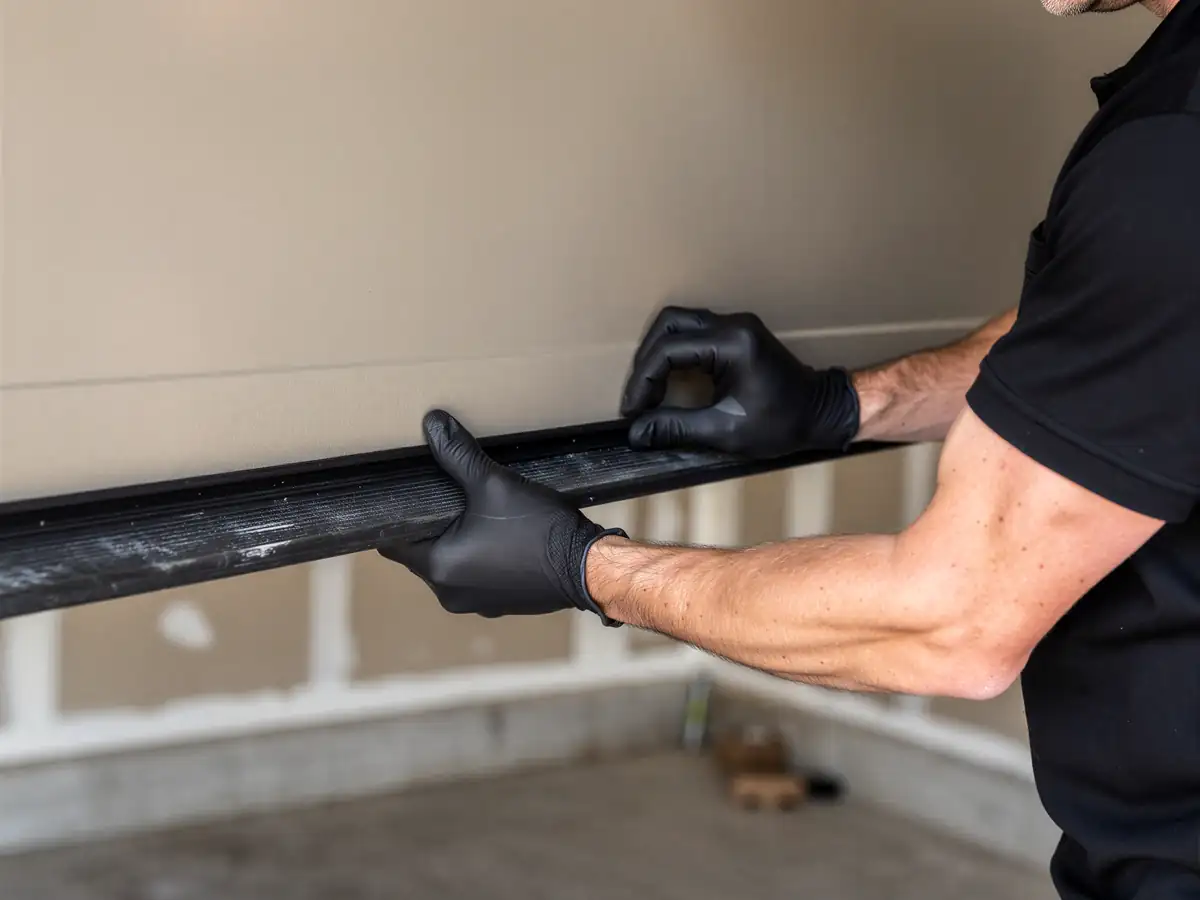
A bent track from someone forcing a stuck door by hand, which can bind rollers and eventually pull the door off its rail entirely if it's not caught early. None of these are reasons to panic, but none of them get better by waiting, either.