How It Shows Up
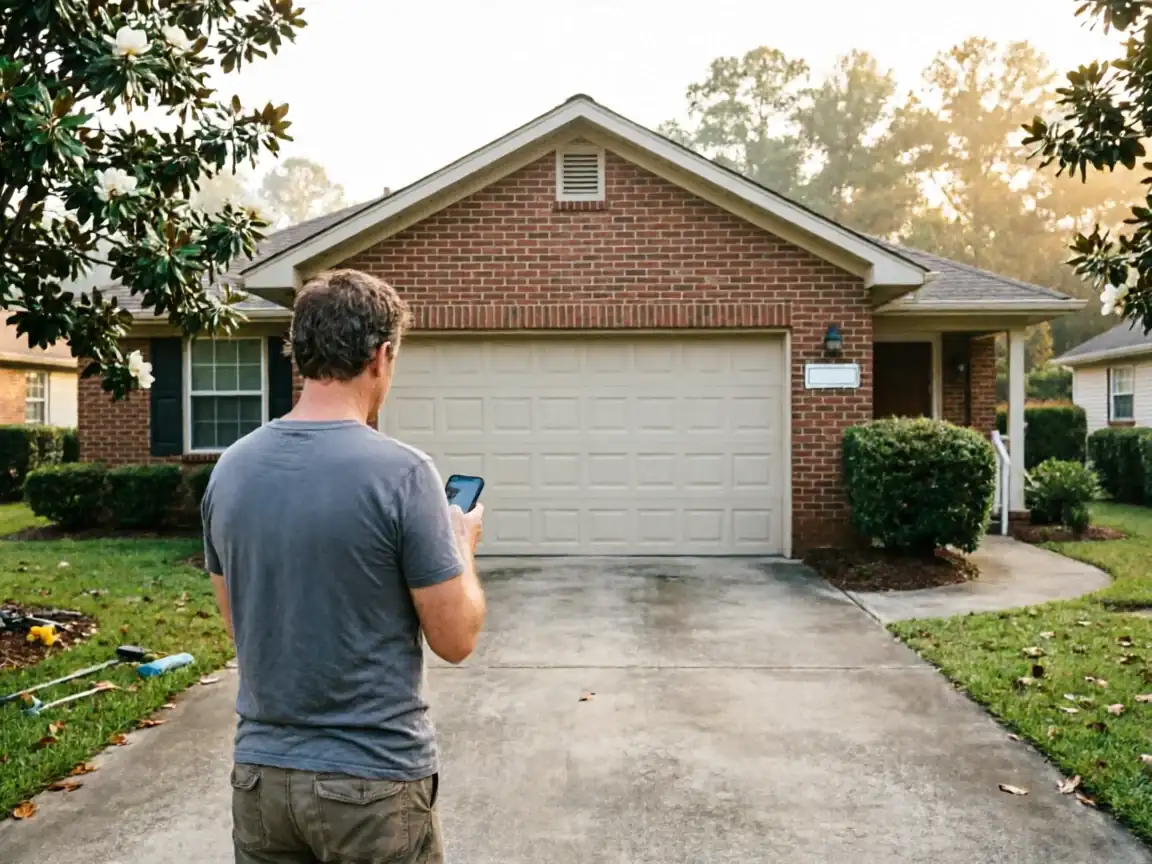
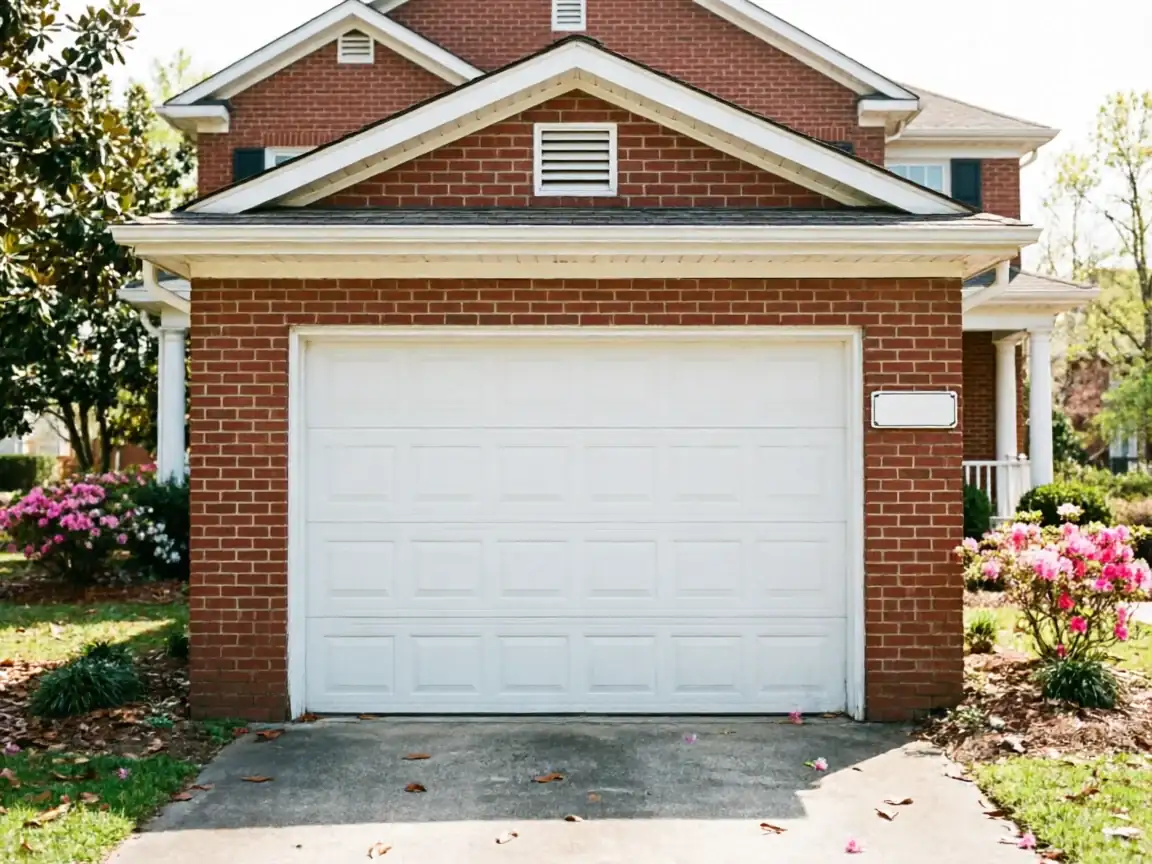
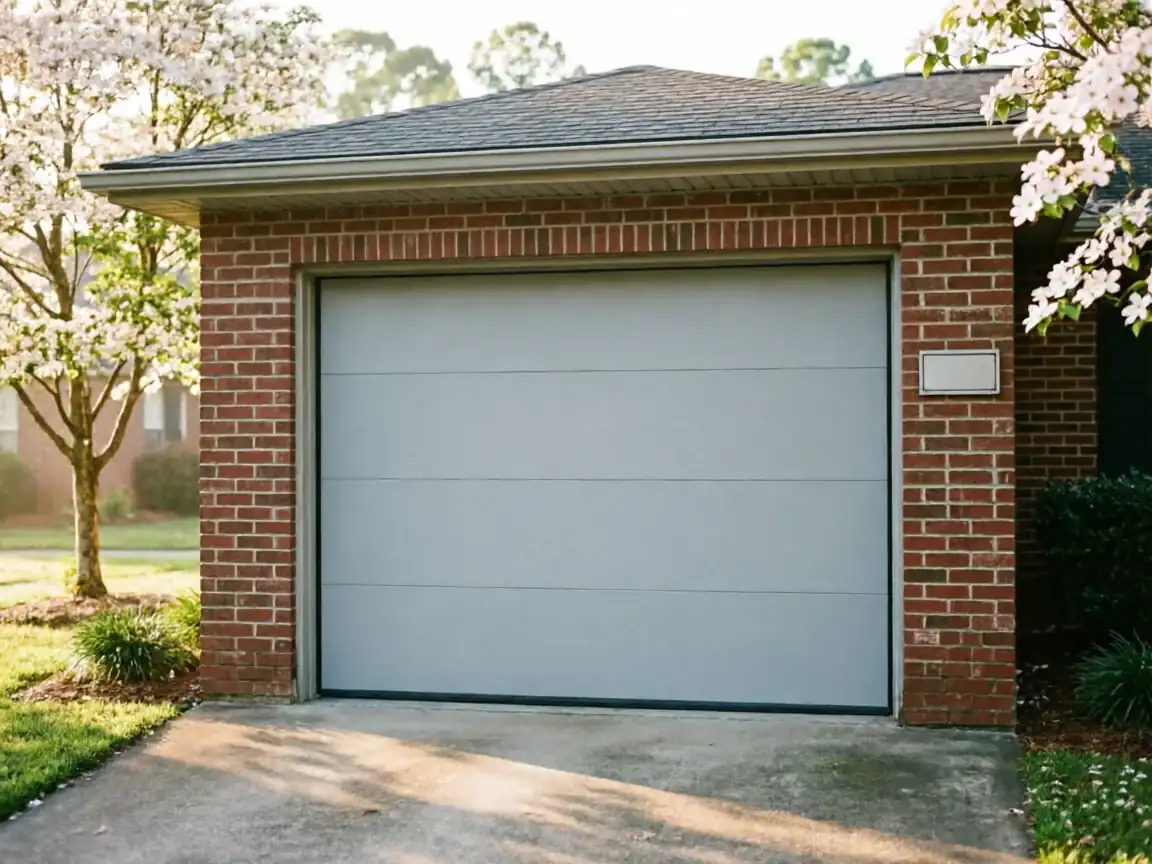
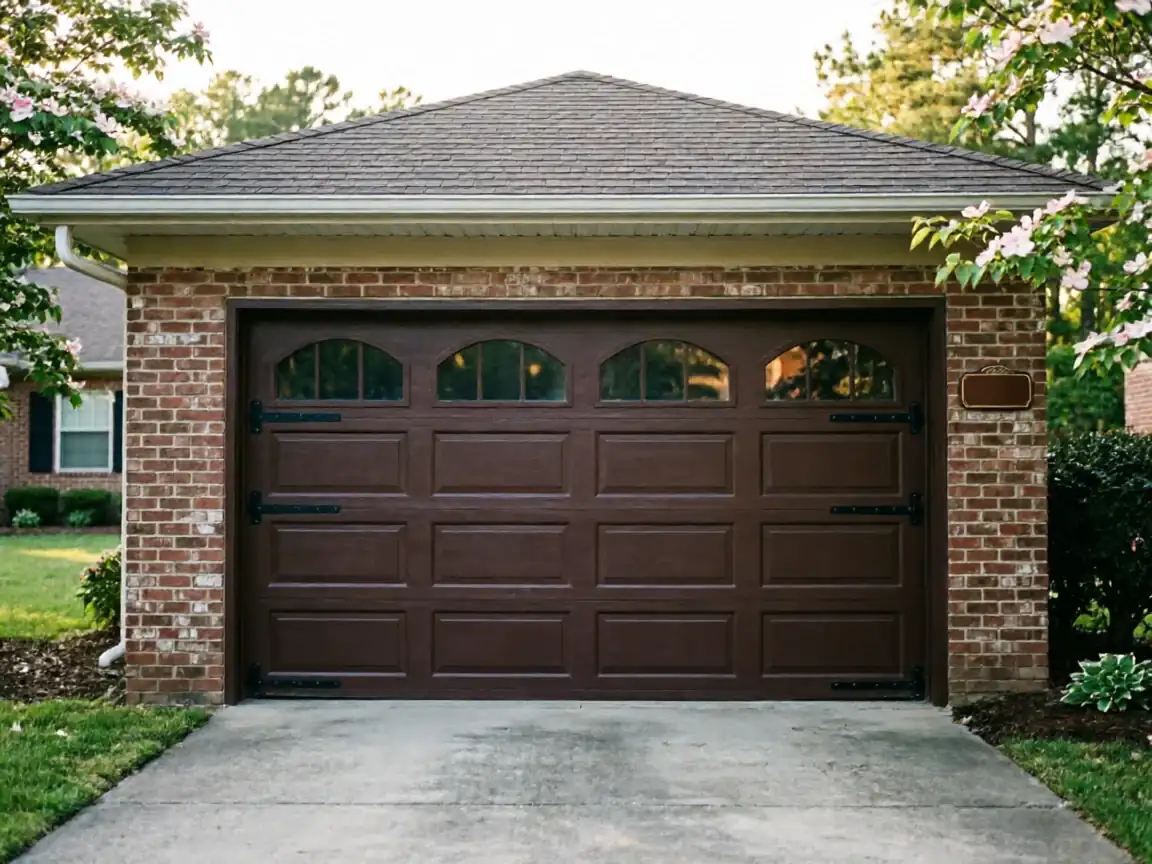
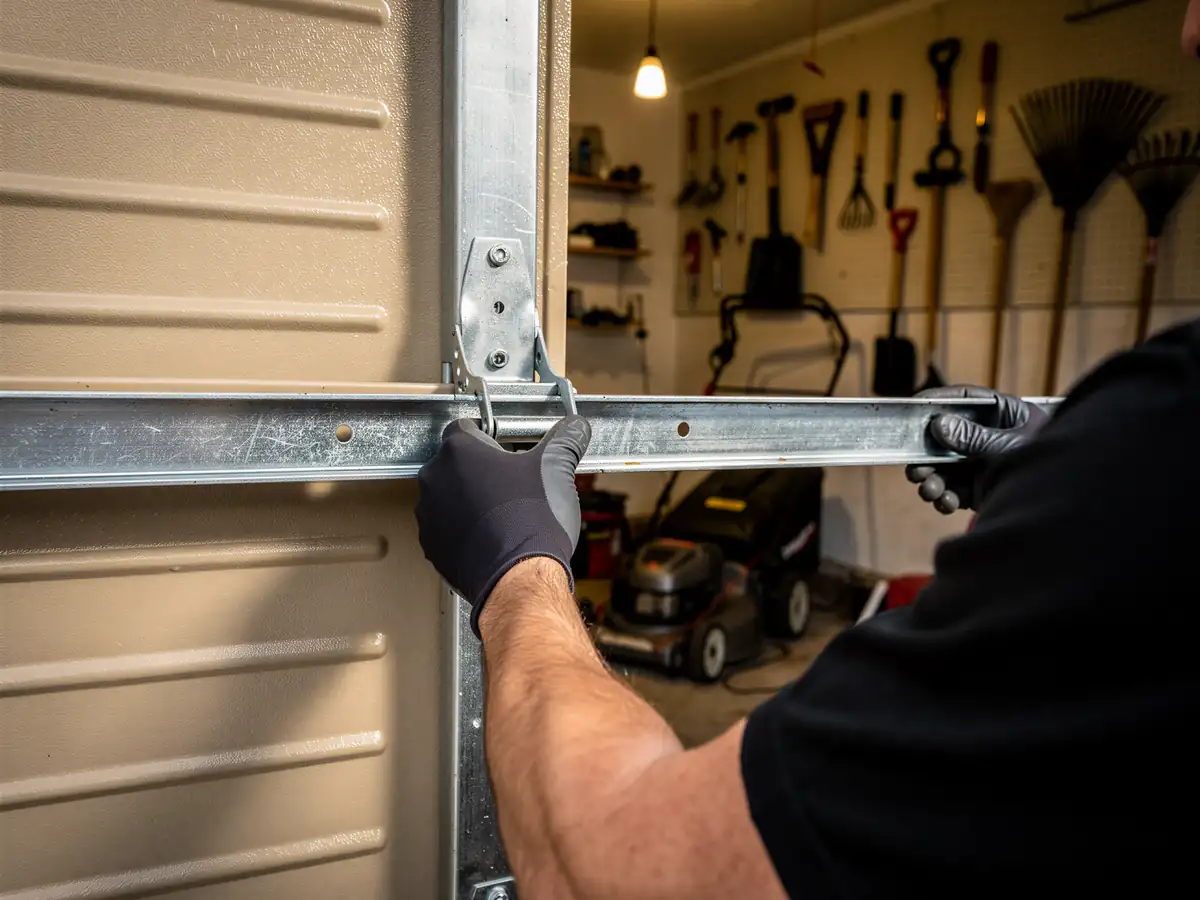
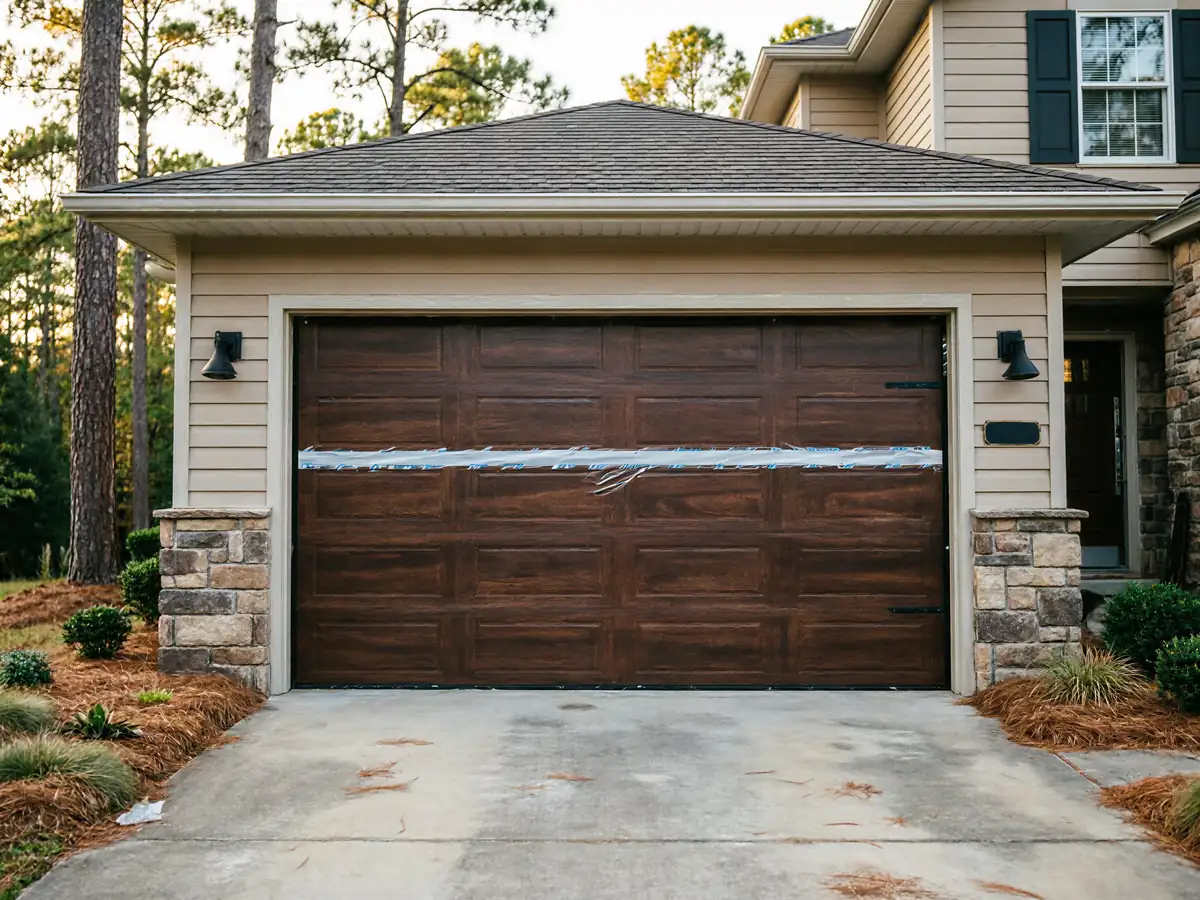
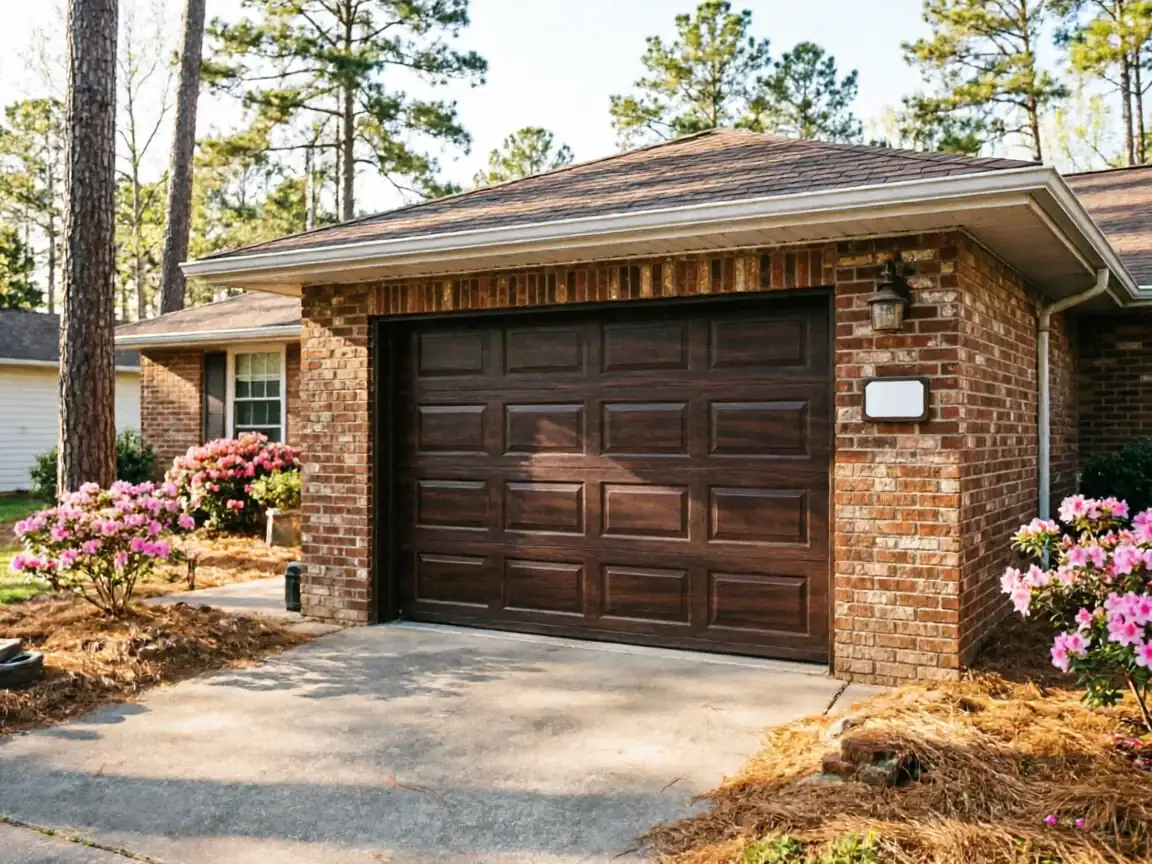
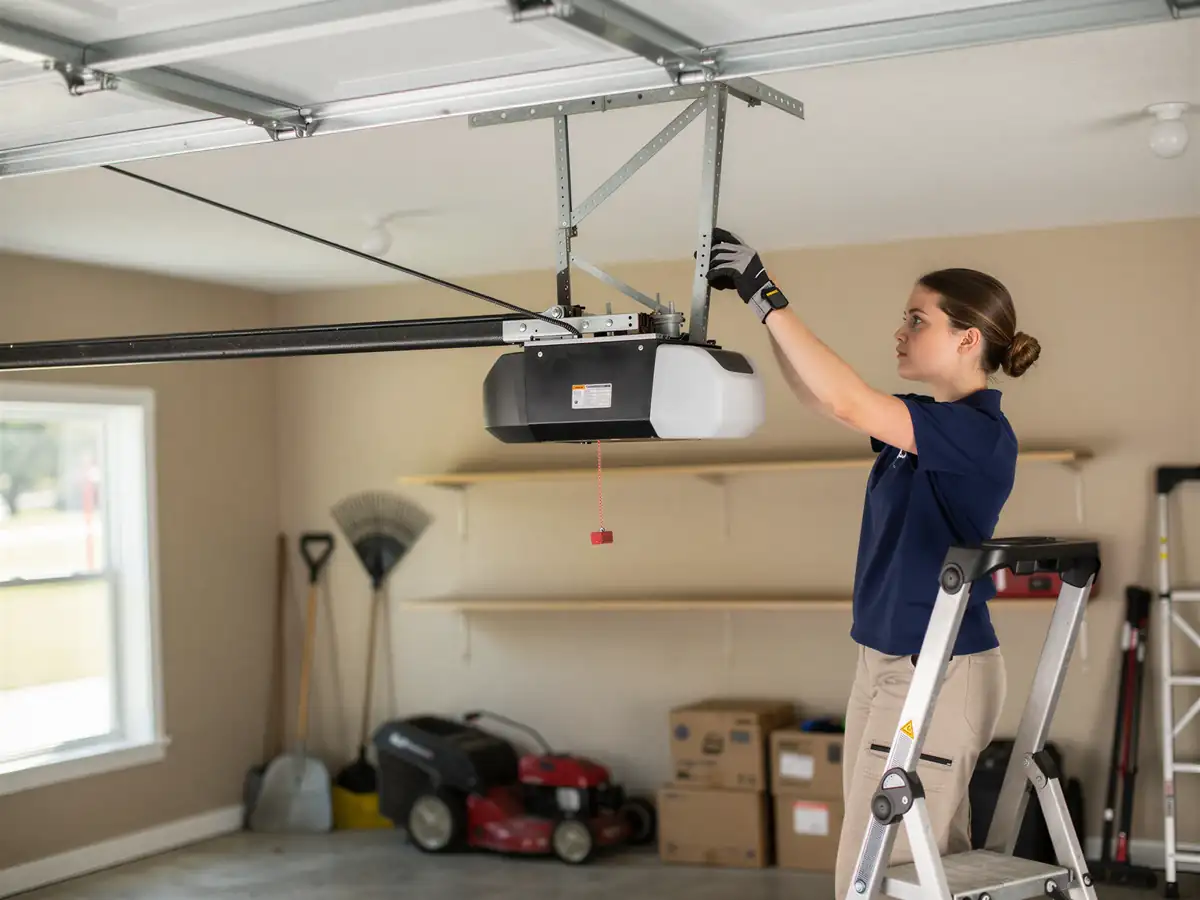
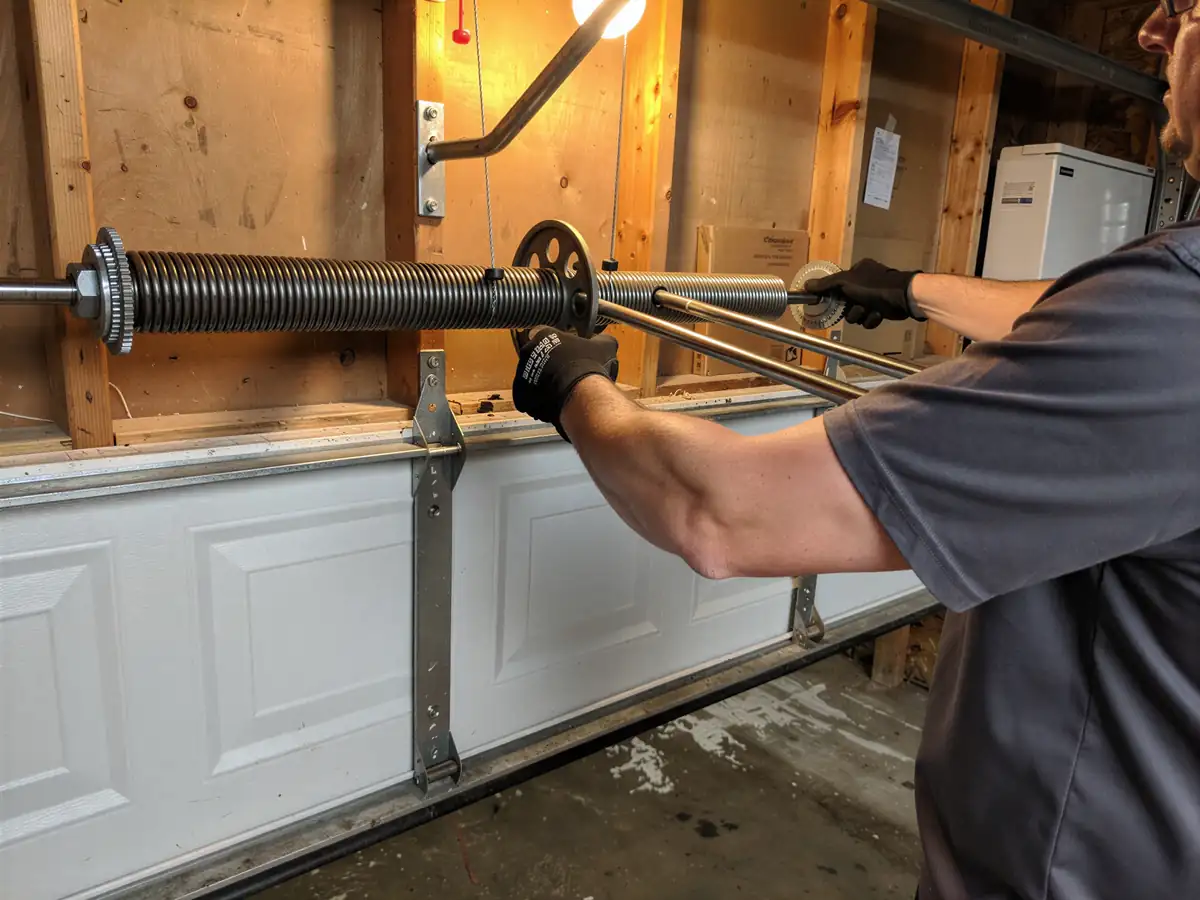
The typical door in Mountain Park went up around 1979, which puts most of them on steel sectional panels with torsion springs mounted on a single center shaft - standard for that build era, but old enough now that the springs and the stamped-steel hinges are well past their rated cycle count. What you notice first usually isn't the door failing outright. It's a groan on the way up, a jerk partway through the cycle, or the opener motor straining longer than it used to before the door catches. On a double-wide door - common in this part of the county - that strain shows up sooner because the span is wider and the spring is doing more work per cycle. None of that means the door is done. It means the hardware hasn't been checked in a while, which is common for houses built in this window, since the original springs were never designed to last the life of the house.
How Long It Takes
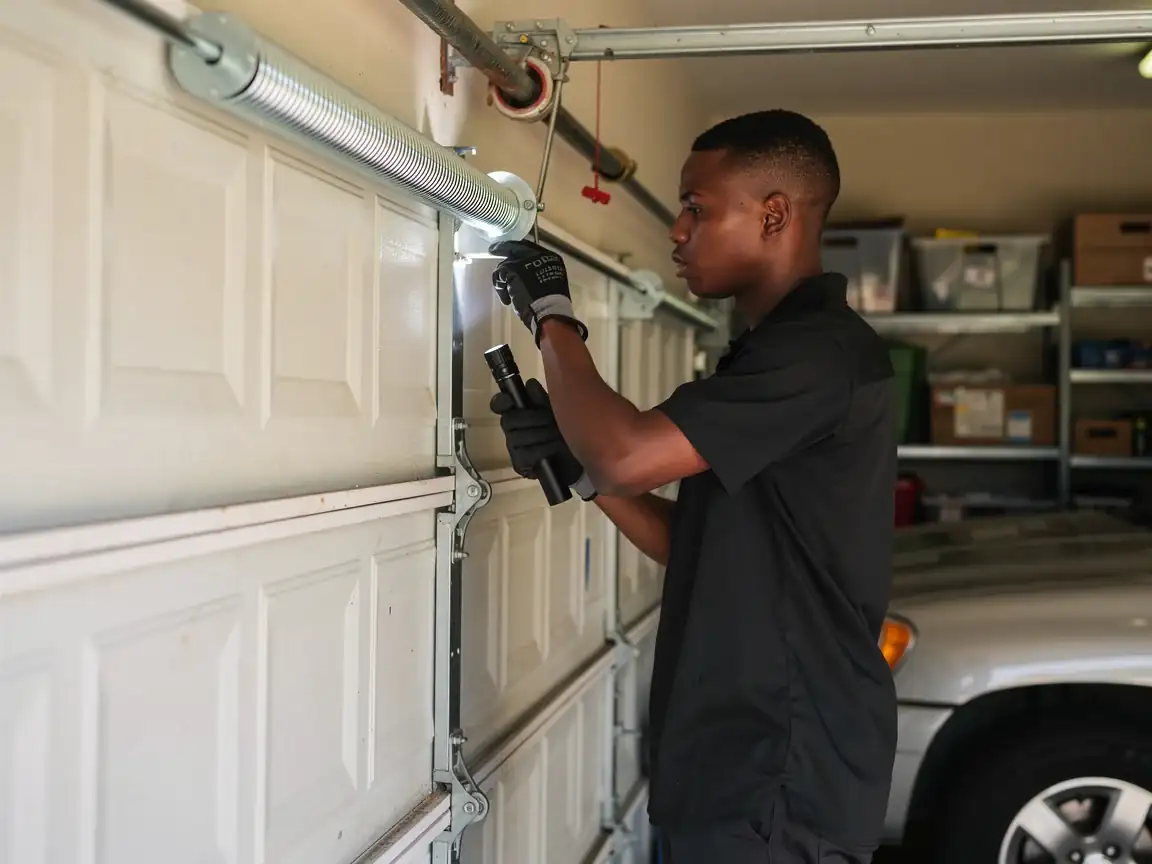
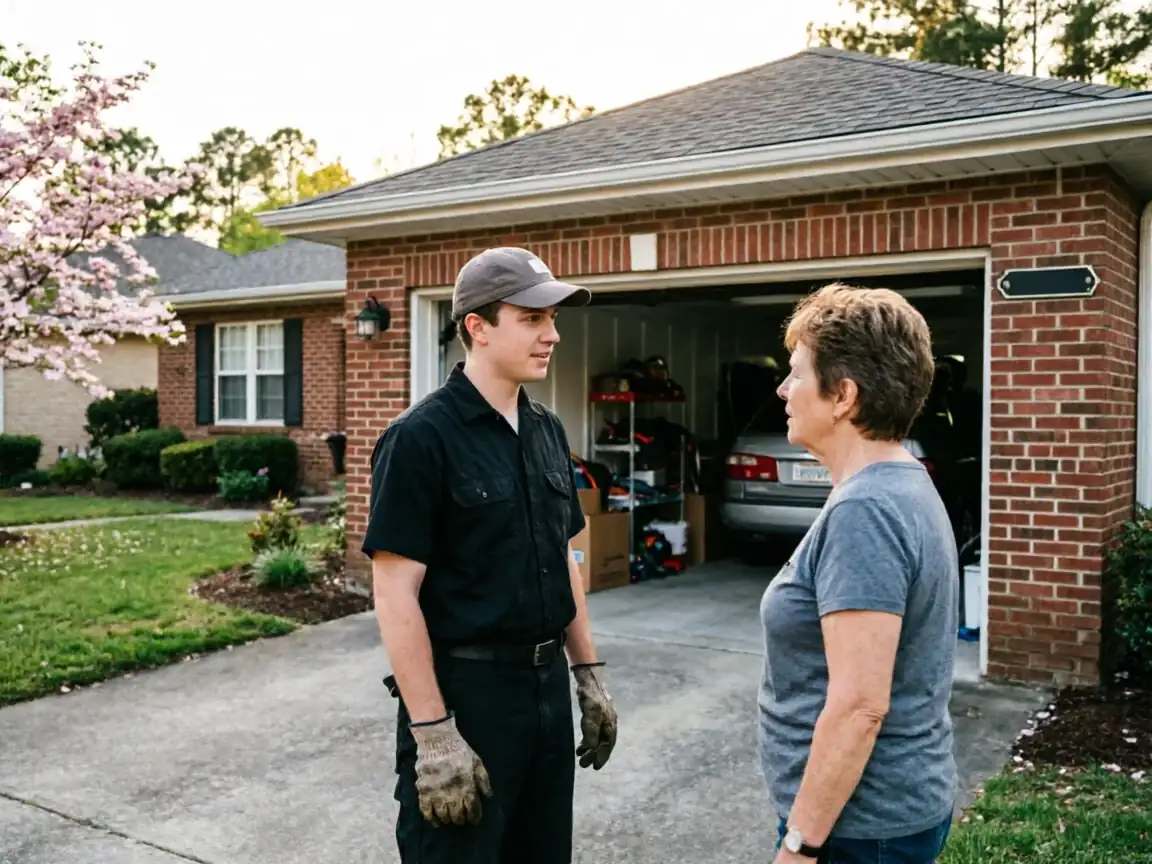
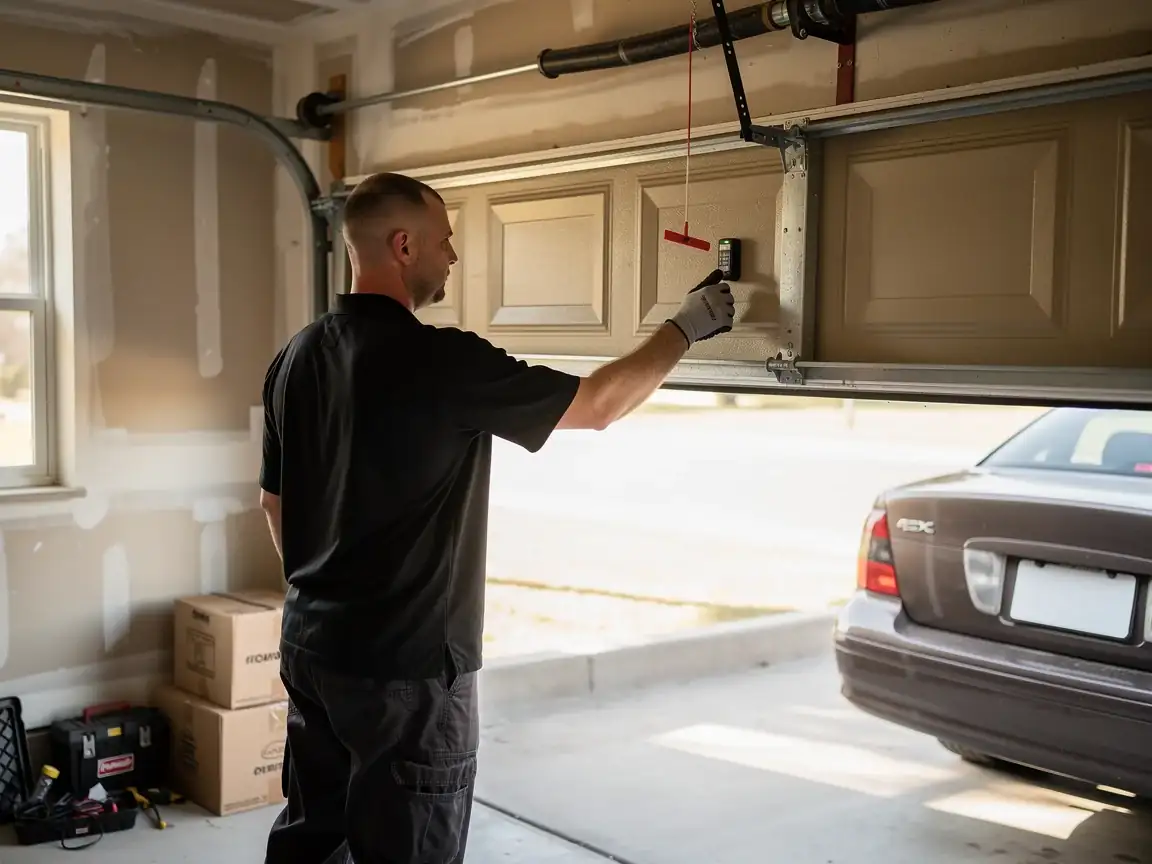
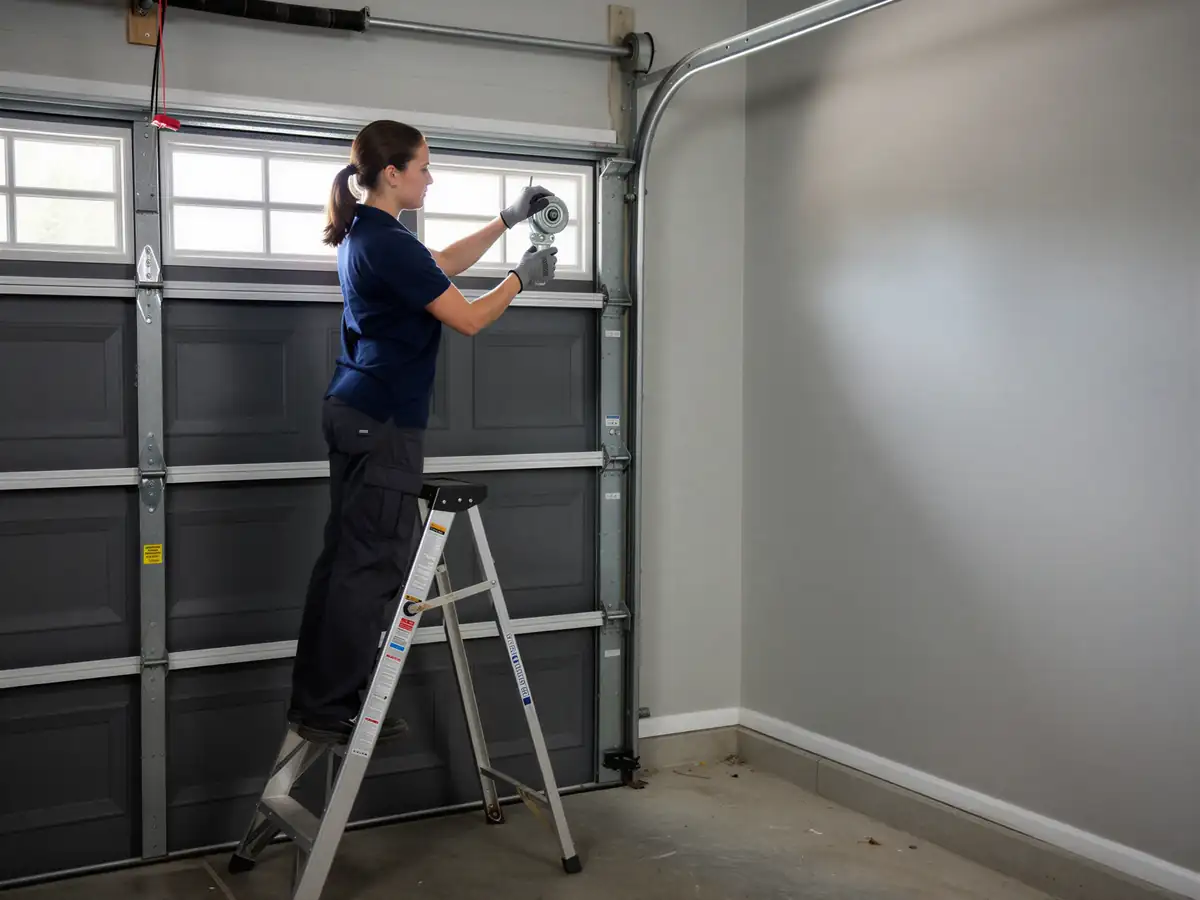
A standard tune-up - lubrication, hardware check, spring tension, track alignment, opener calibration - runs about the same whether the door is in Mountain Park or back at the shop in Roswell, since the work itself doesn't change with the drive. What changes is the condition of what we're working on. A door built in 1979 that's never had the torsion spring adjusted often needs more than lubrication; we're retensioning hardware that's held the same spring for over four decades of temperature swings. Since we're driving out from Roswell, about 18 miles each way, we book maintenance visits in a window rather than an exact hour, so plan for a morning or afternoon slot rather than a fixed time.
What Causes It Around Here
This area sits in a cold-moderate climate band, which means the garage sees real swings between summer heat and winter cold - not extreme by national standards, but enough to work steel springs and tracks through repeated expansion and contraction every year. On a door that's roughly 45 years old, that cycling adds up faster than it would on a newer door with modern coated springs. Humidity swings do the same thing to steel hinges and rollers that were never sealed against moisture. None of this is unique to one house - it's the shared condition of a housing stock that's older here than in the newer subdivisions nearby, and it's the reason maintenance intervals matter more in Mountain Park than they would in a neighborhood built in the 2000s.