How It Shows Up
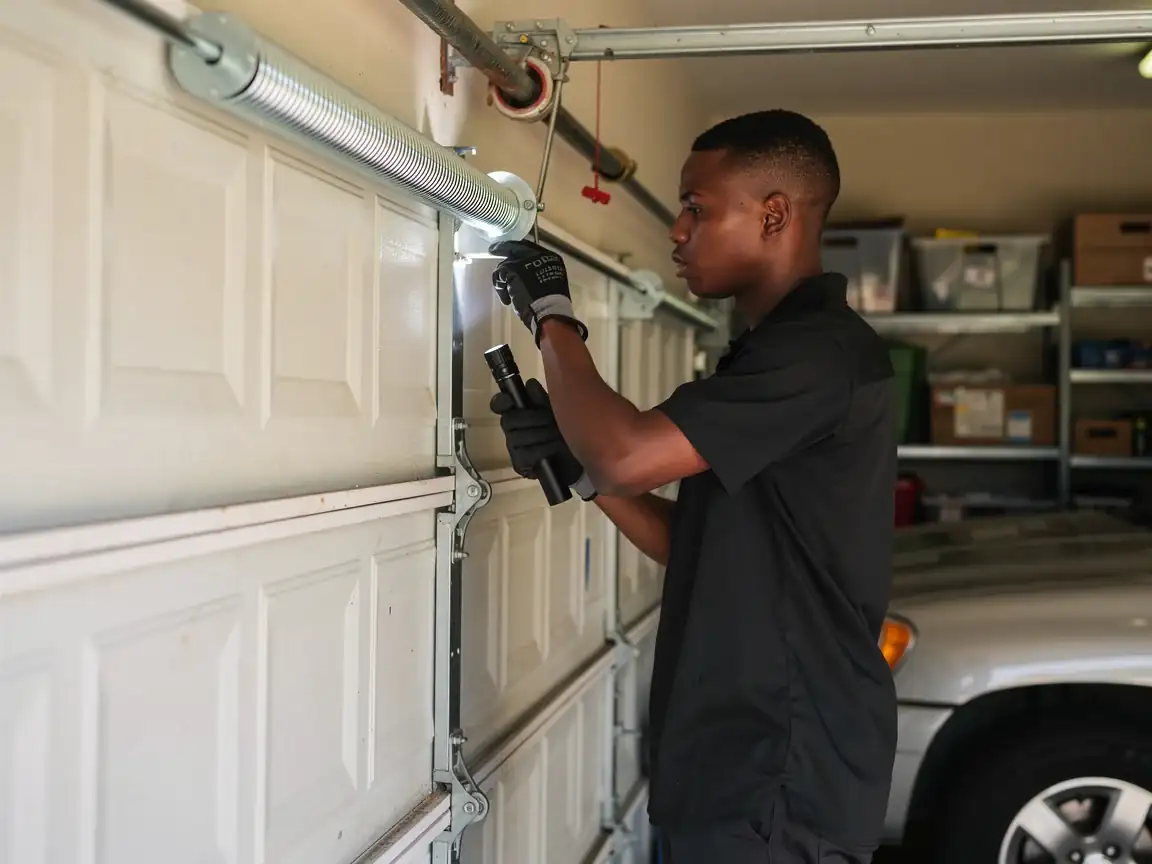
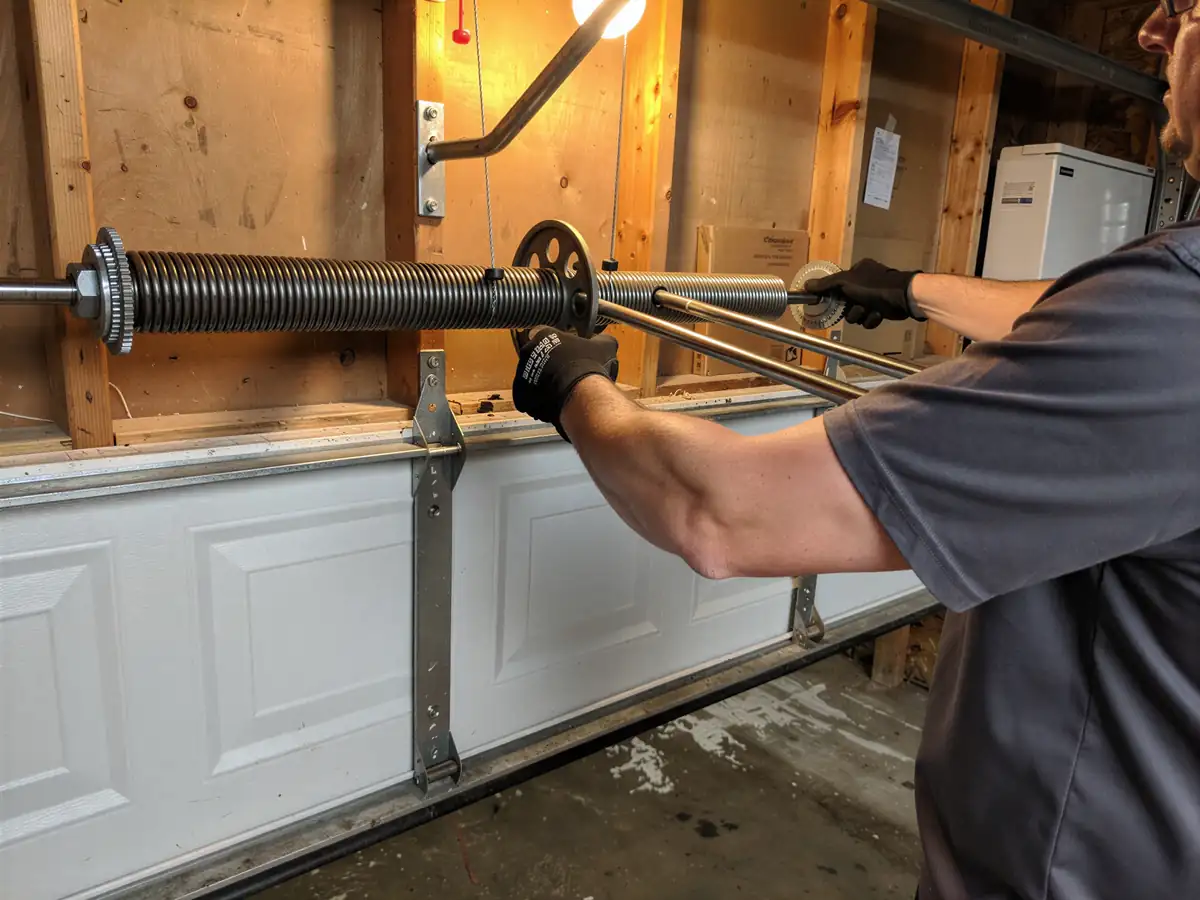
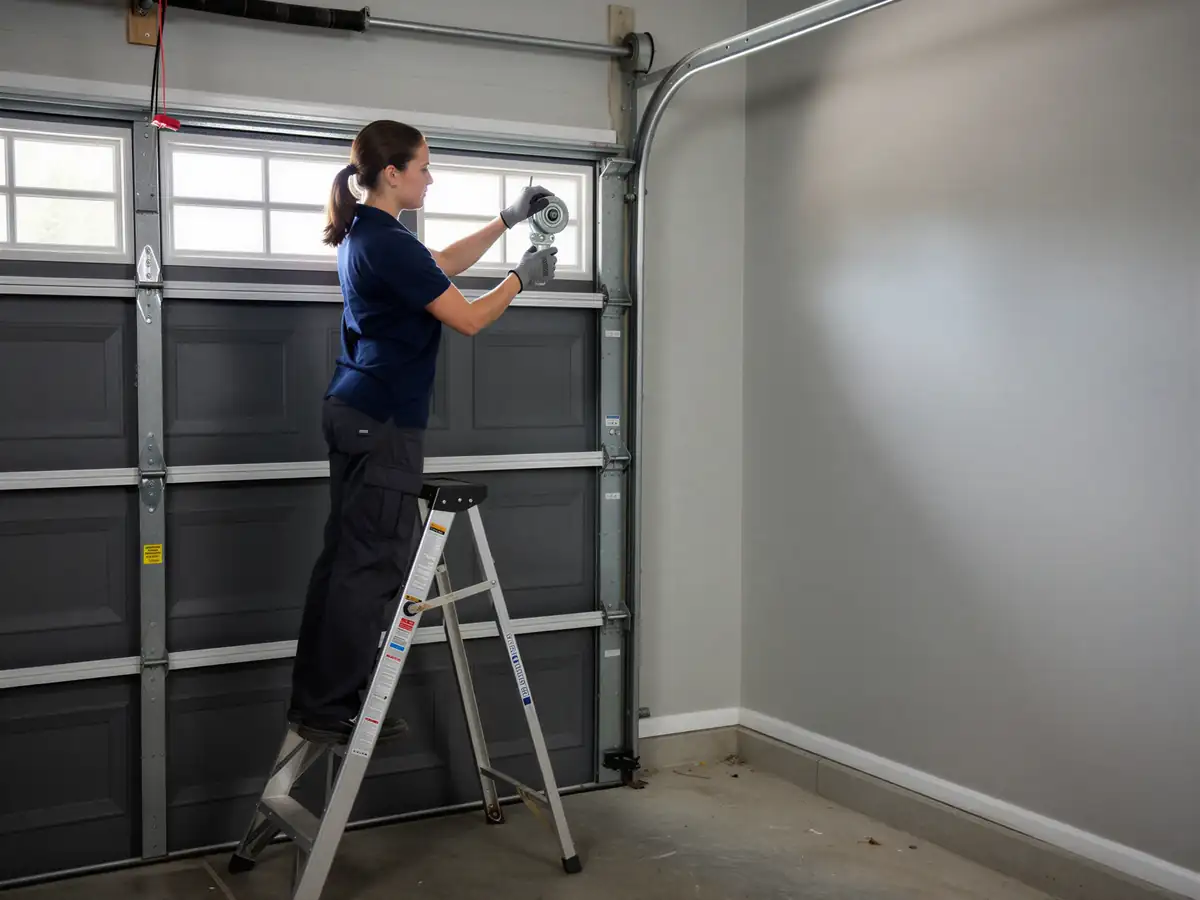
The call we get most from this side of our service area is a door that's gone heavy on one side, or a spring that let go with a bang loud enough that the owner thought something in the attic gave out. Mountain Park's housing stock centers on 1979, which puts a lot of these doors well past the point where the original torsion spring was rated to last. A spring wound for a 1979-era door, cycled for over forty years, doesn't fail politely - it usually snaps when the door is halfway up, and the door drops fast.
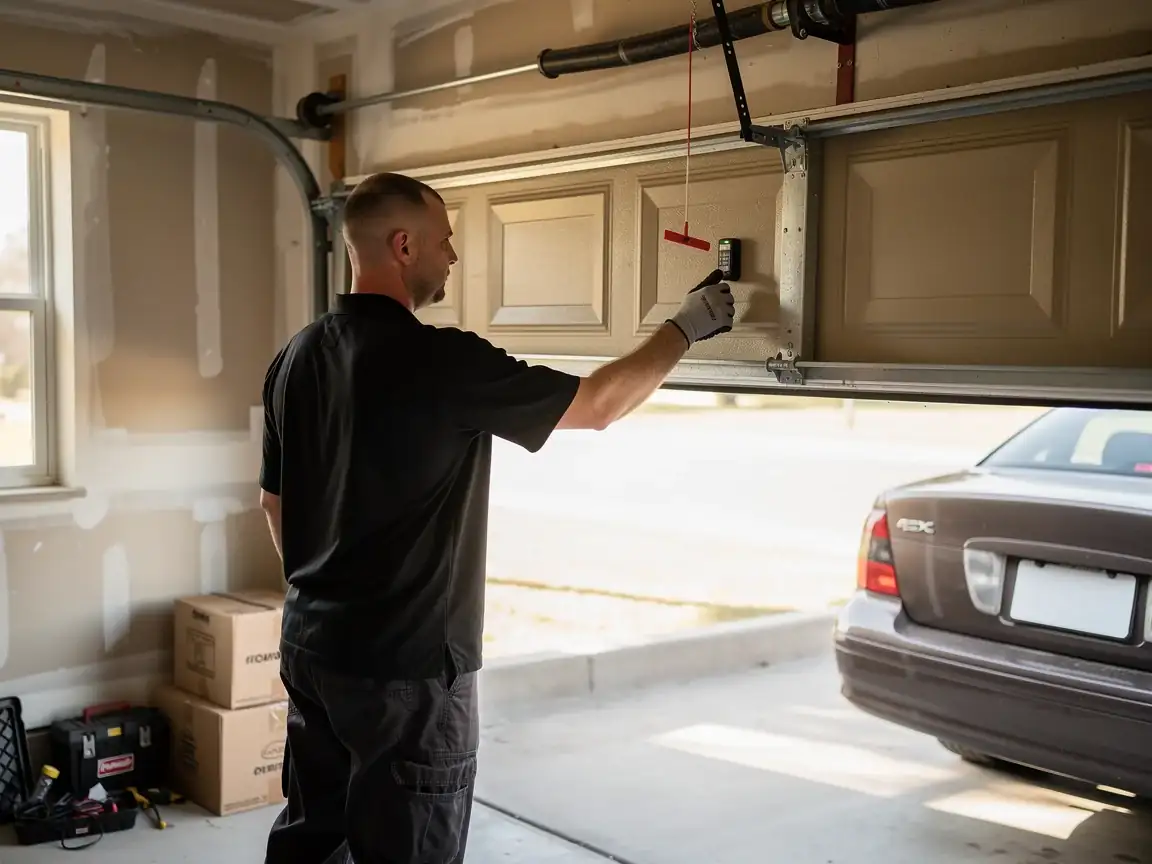
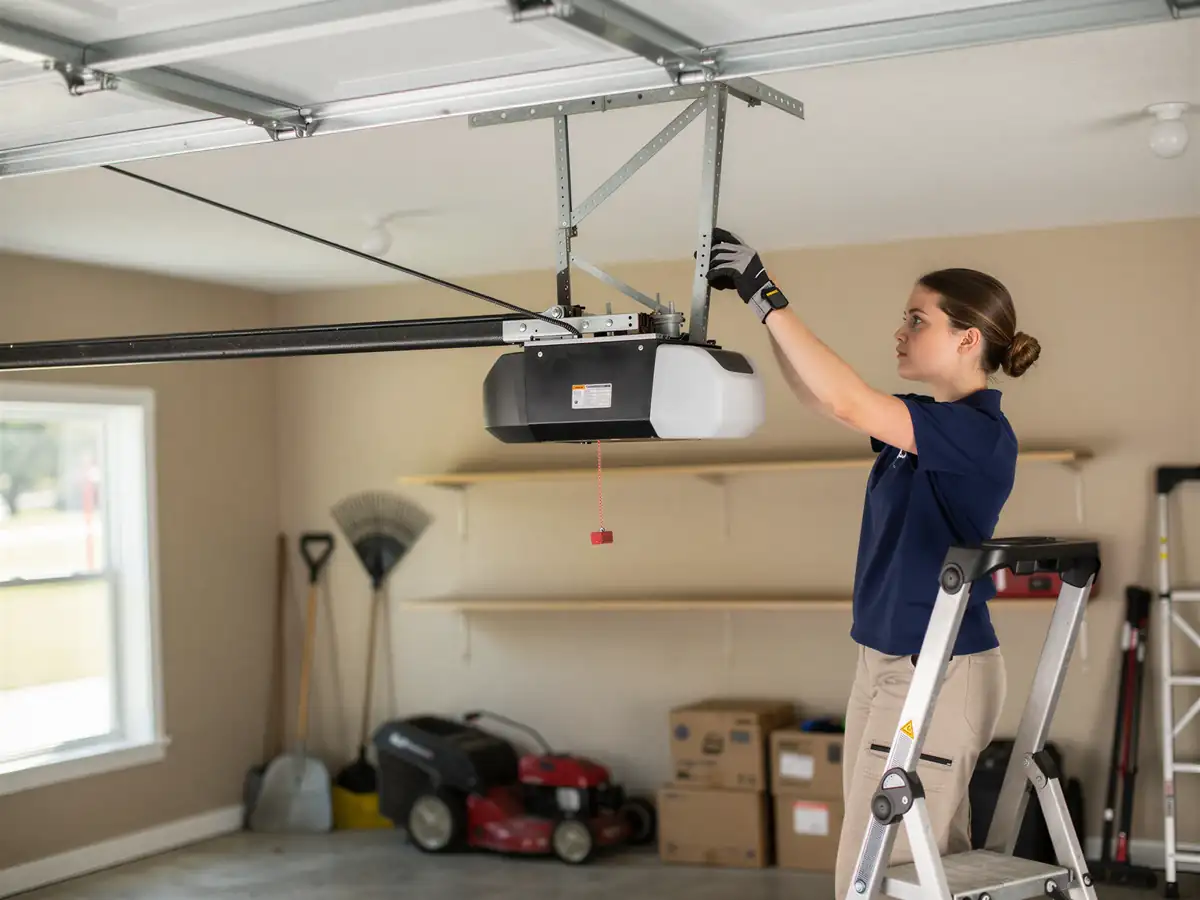
We also see openers that are original or close to it, chain-drive units with worn sprockets and gears that have started skipping teeth. That shows up as a door that stutters on its way up, or an opener that runs but the door doesn't move. On a house built the same year as most of its neighbors, this isn't a one-off - it's the whole block, give or take a few years, hitting the same failure point around the same time.
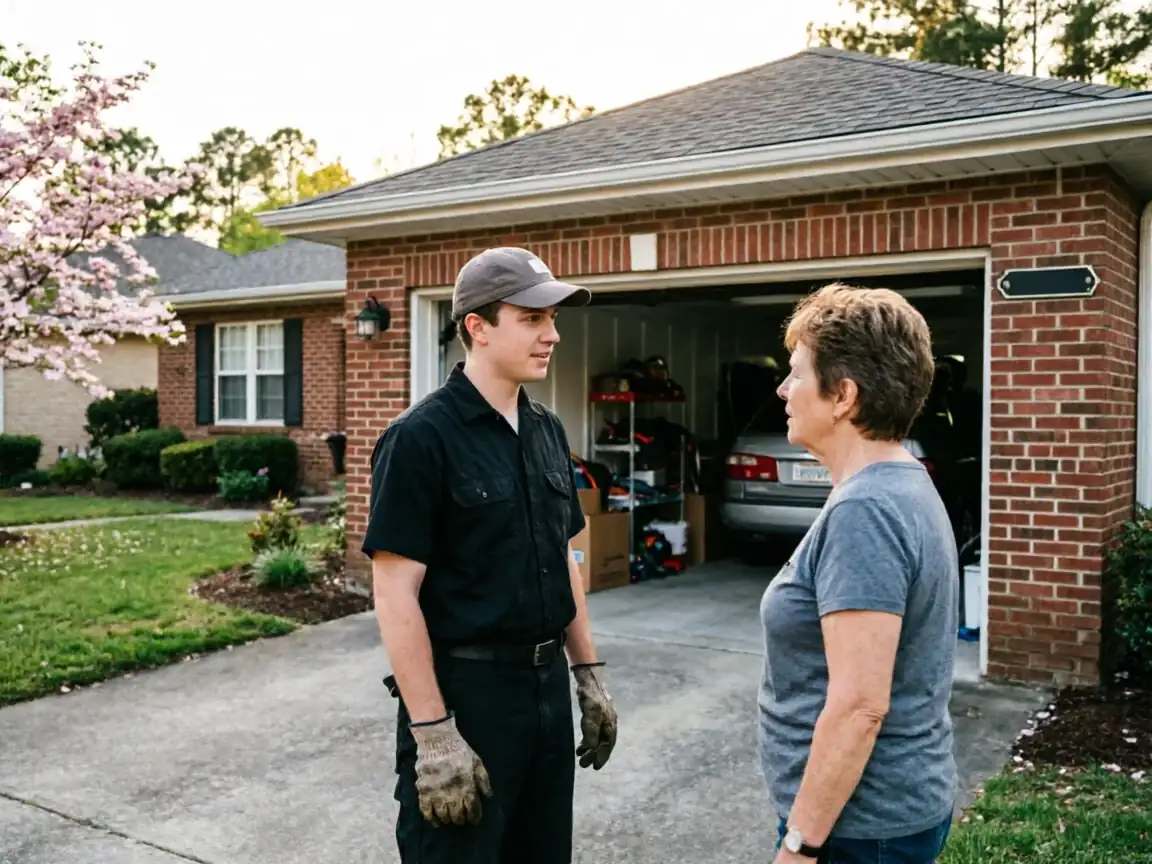
We travel the 18 miles out from Roswell for this work. We don't keep a branch or a dedicated crew in Mountain Park, so we schedule the trip into the route rather than promising a same-hour arrival.
Parts We Carry
For a 1979-vintage door, the spring and the track hardware are usually sized the same way most torsion setups from that era were
Steel springs wound to the weight of a standard steel panel door, not the lighter aluminum or insulated steel doors that came later. We stock standard torsion springs in common wind sizes and weight ratings, along with steel rollers and galvanized lift cable, which cover the bulk of what these doors need.
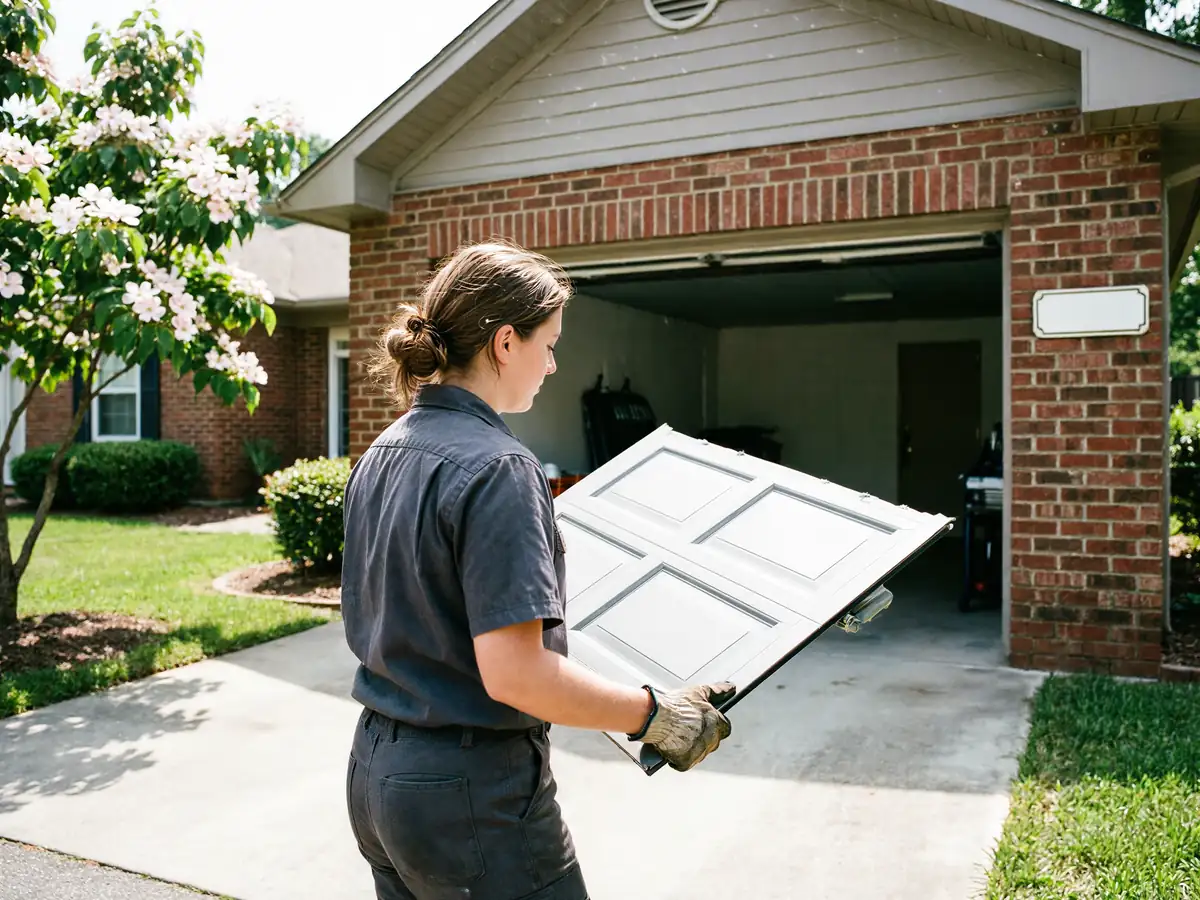
What we don't always have on the truck is an exact panel match if the original door was a model that's since gone out of production
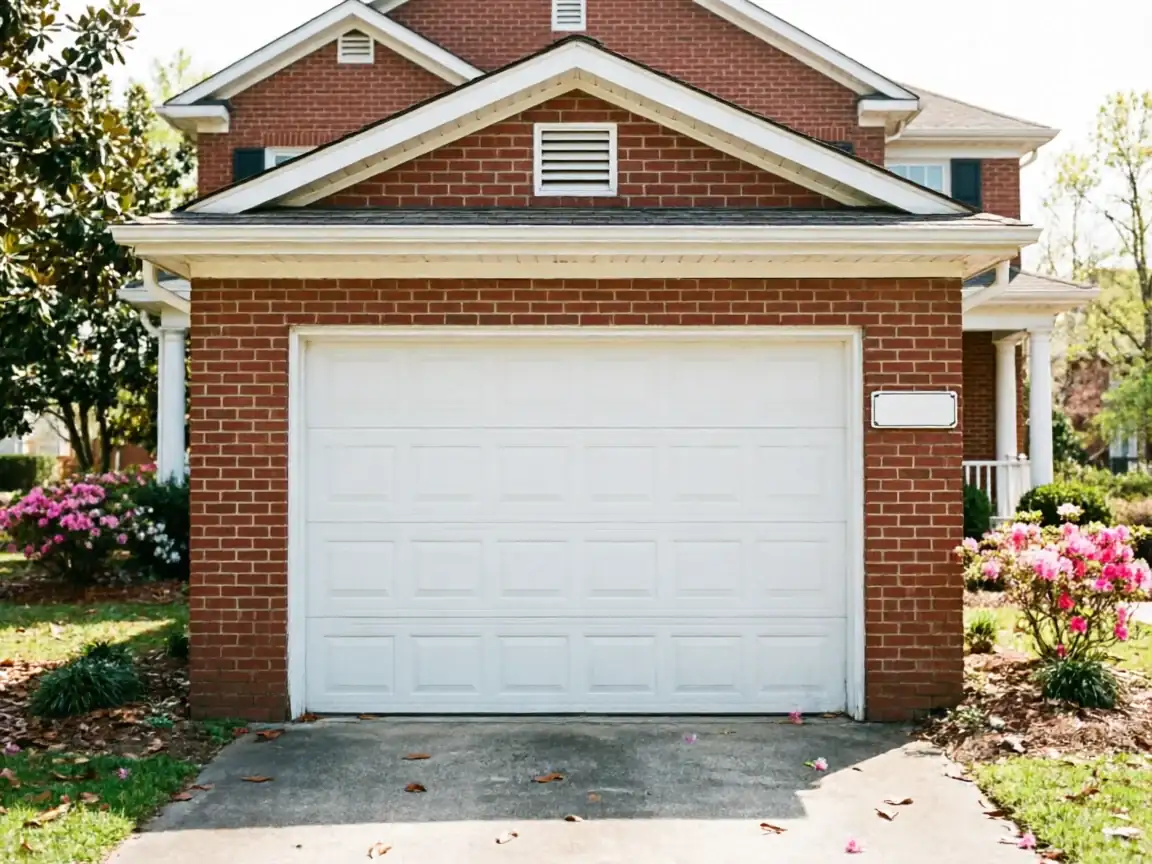
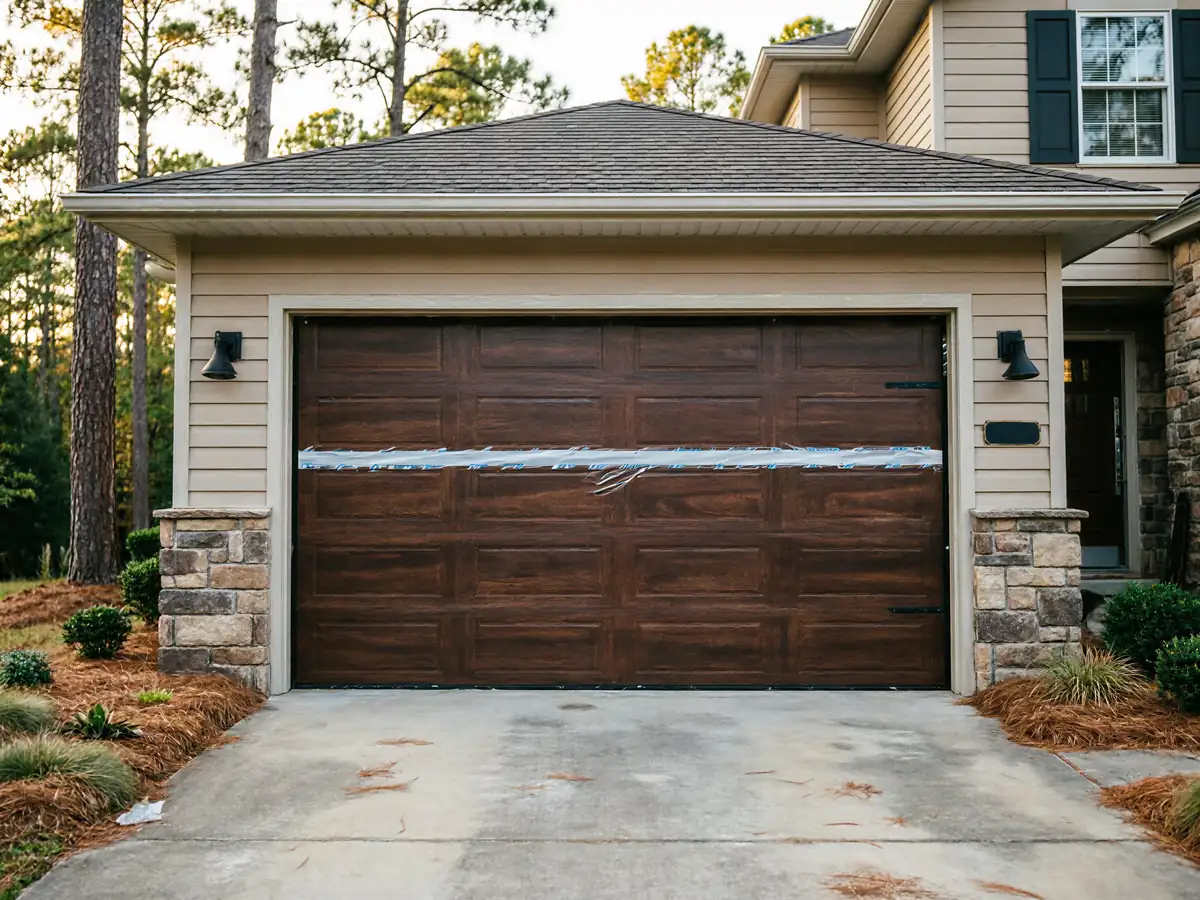
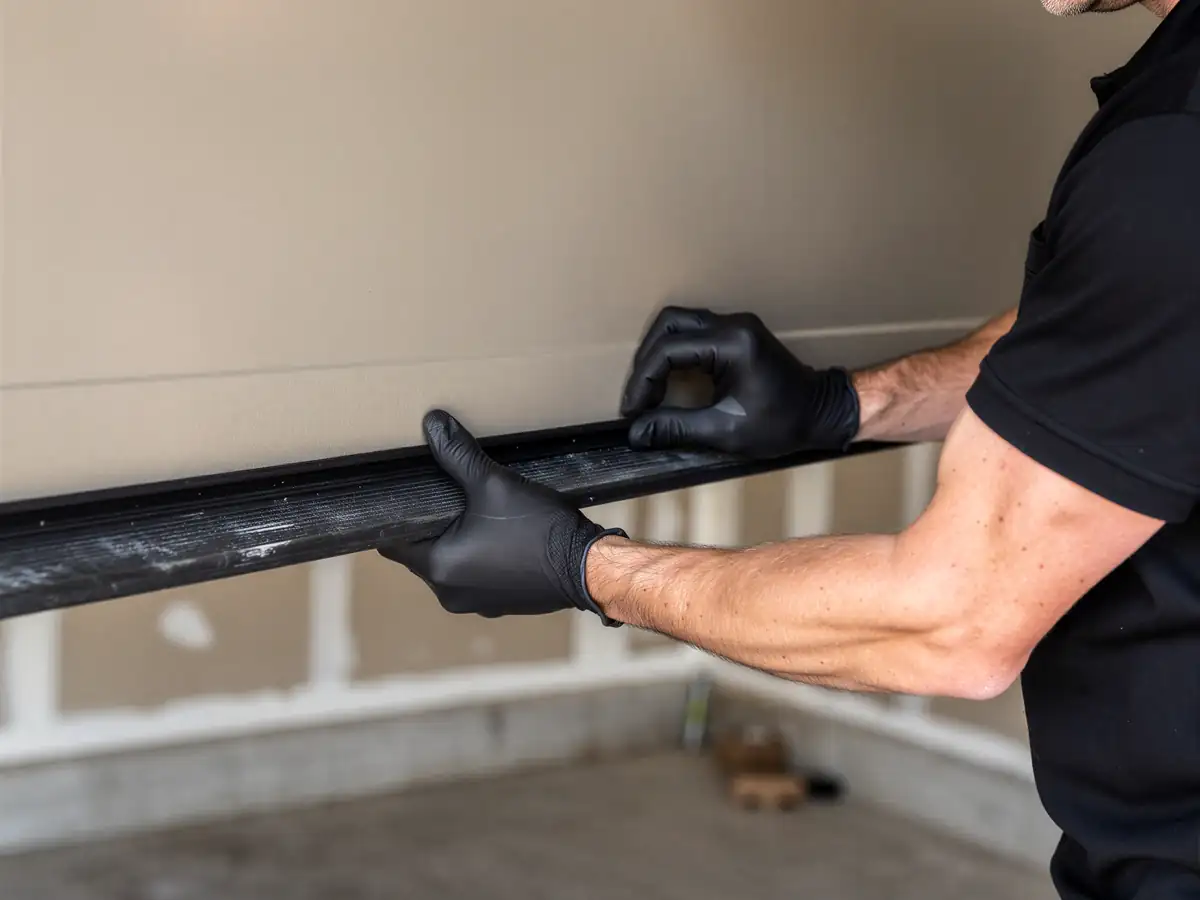
And on a house this age, that's common. If a single panel is cracked or dented, we'll check what's available before promising a patch job; sometimes the honest answer is that replacing the section isn't possible and the better move is a new door rather than chasing a part that doesn't exist anymore.
Opener parts are more straightforward
Gear kits and sprocket assemblies fit a wide range of chain-drive units regardless of age, so an opener from this era is usually repairable rather than a forced replacement, unless the circuit board itself has failed.
How Long It Takes
A spring replacement on a standard door is a single visit, start to finish, once we're on site - the work itself doesn't take long, it's the drive out from Roswell that adds to the clock. Same goes for cable and roller work.
Where it slows down is parts availability for anything non-standard. If a 1979-era panel needs matching and the manufacturer's long gone, we have to source what's close or talk through a full door swap instead, and that conversation takes longer than the repair would have.
Opener gear kits are usually in stock, so a worn gear or sprocket is typically resolved same visit. A dead circuit board sometimes means ordering the part first, which pushes the job to a second trip.
What Causes It Around Here
Climate here runs cold-moderate rather than severe, so we're not dealing with extreme heat-cycling or the kind of humidity swings that warp wood doors fast. The bigger factor is just age catching up with hardware that was never designed to last fifty years. A torsion spring has a rated cycle count, and a door going up and down twice a day since 1979 has put a lot of wear on steel that was wound once and never touched again.
Household income in this part of the service area runs higher than some nearby pockets, and we see that reflected less in the door itself and more in the opener - a fair number of these houses have upgraded to newer openers over the years even while keeping the original door and track, which means the mechanical side (opener) is often younger than the structural side (door and spring). That mismatch is worth knowing before a repair call: the opener might be ten years old while the spring is forty.
What Can Go Wrong
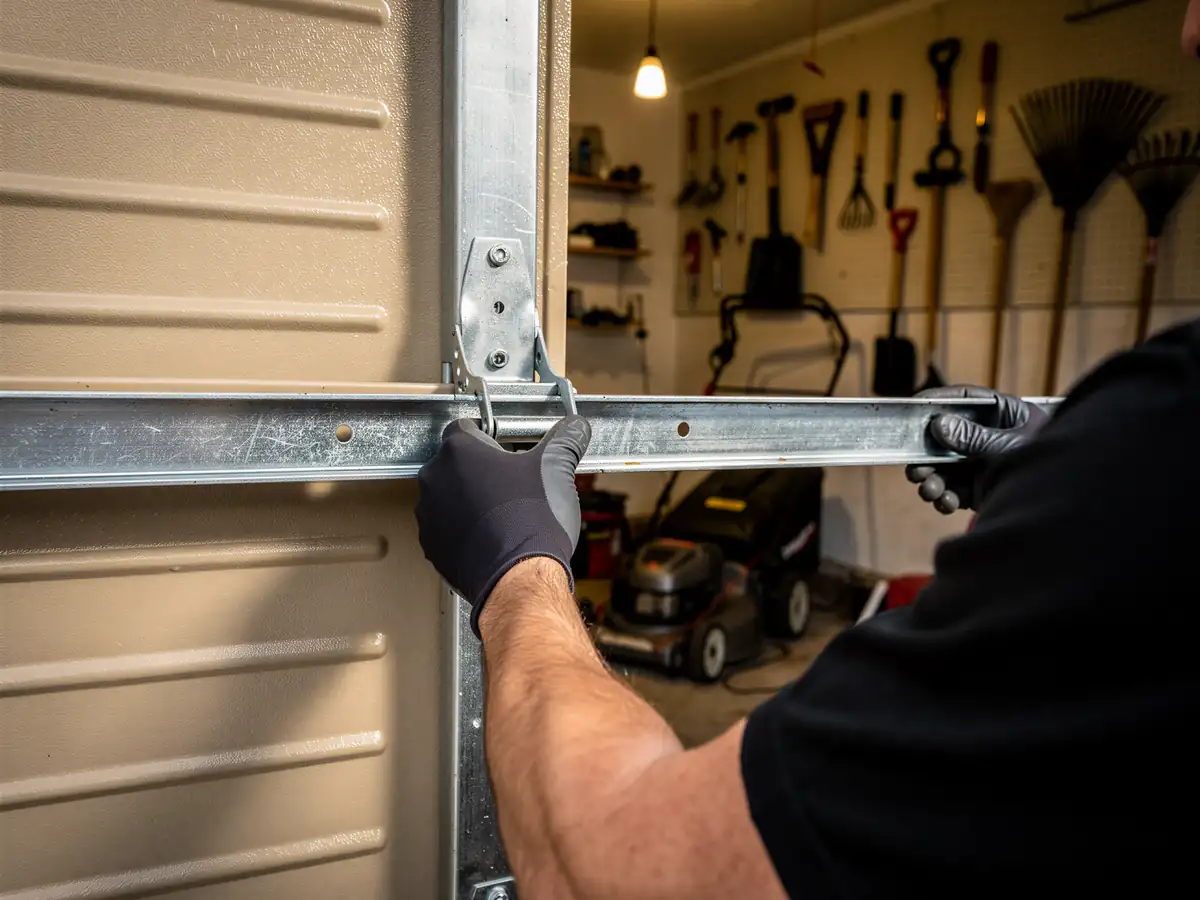
On a door this age, the risk isn't just the spring - it's the track
Original steel track from 1979 has usually been bent, dented, or realigned at least once over four decades, and a slightly out-of-plumb track puts uneven strain on rollers and cable that otherwise look fine. Replacing a spring without checking track alignment on a door this old is a common shortcut that leads to a second service call within the year.
We also see owners try to replace a snapped spring themselves
Which on a torsion system under this much tension is a genuinely dangerous repair - not a scare tactic, just the physics of a wound spring under load. We won't talk anyone out of calling us for that reason alone, but it's worth saying plainly.
The honest limitation
If your door's panel is a discontinued profile and the frame's taken damage too, we may tell you a repair isn't worth chasing and a full replacement is the better dollar-for-dollar move, even though that's not the appointment you called for.