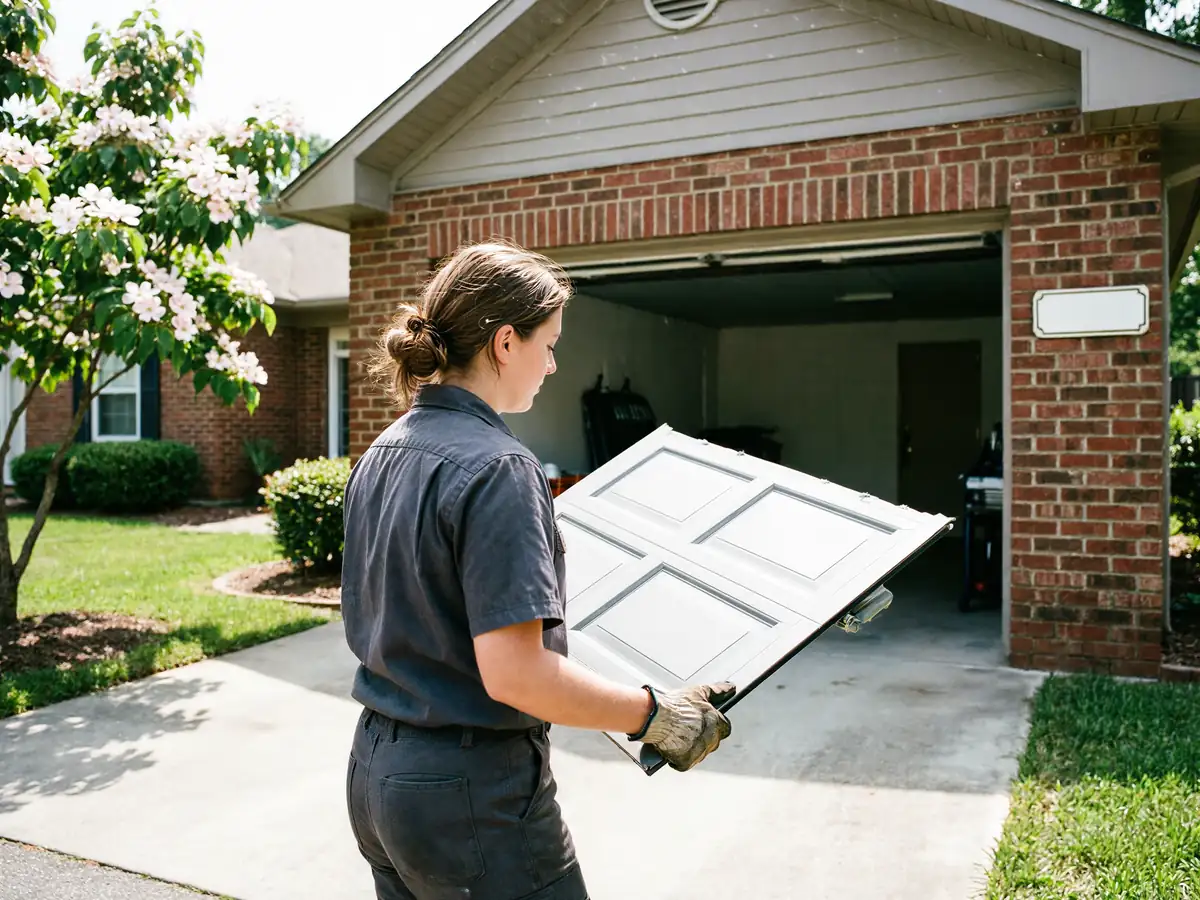
How It Shows Up
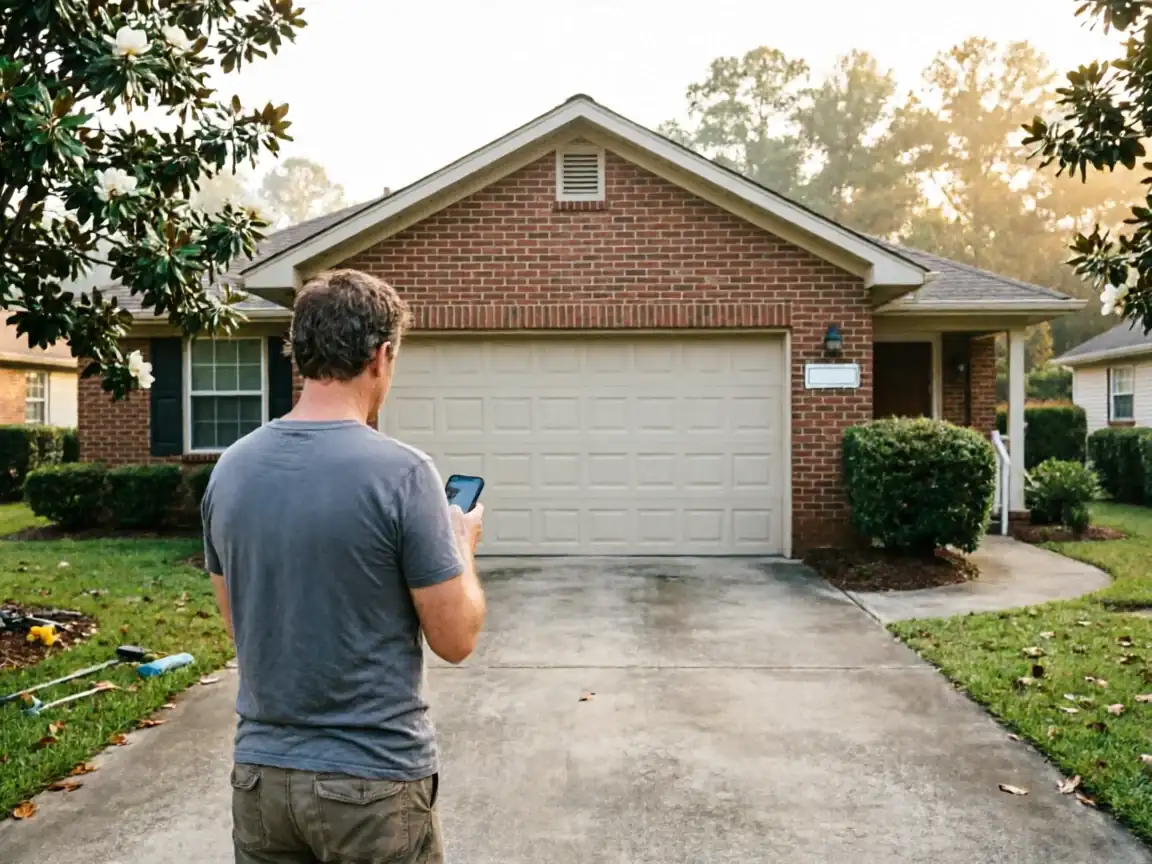
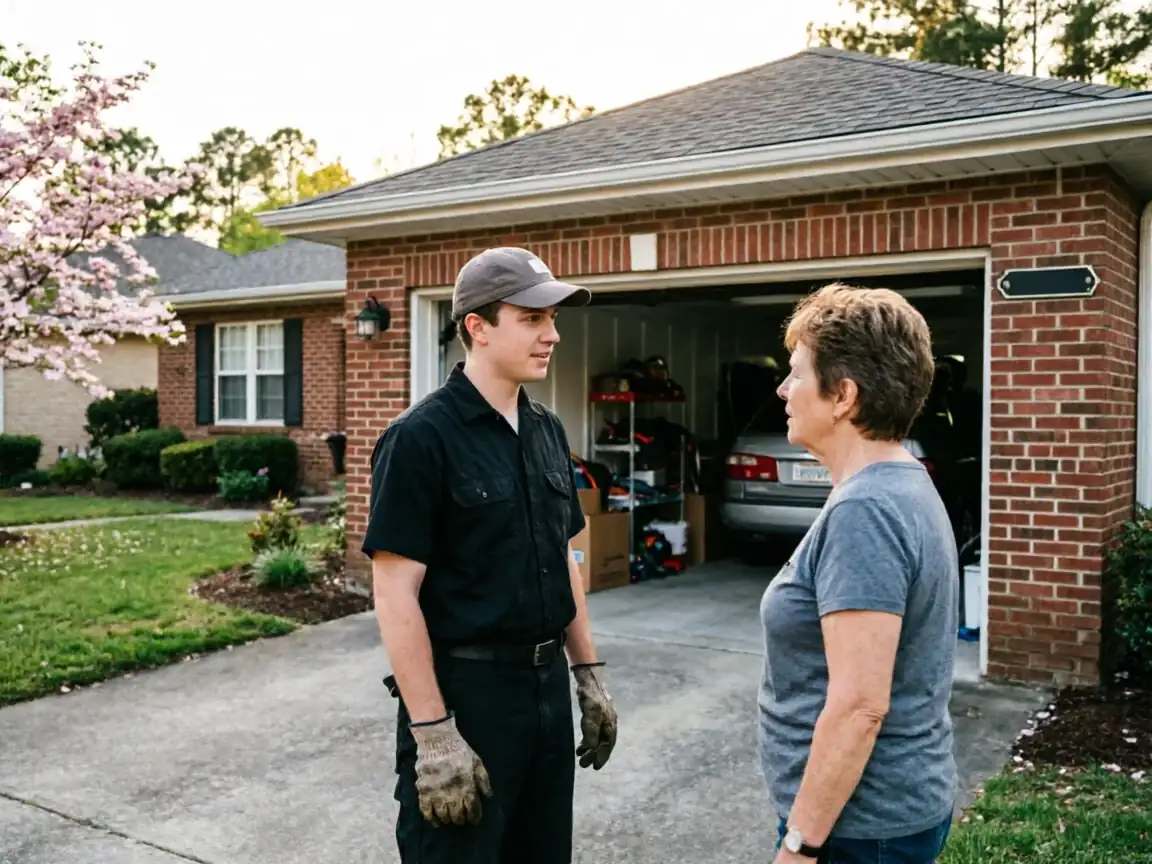
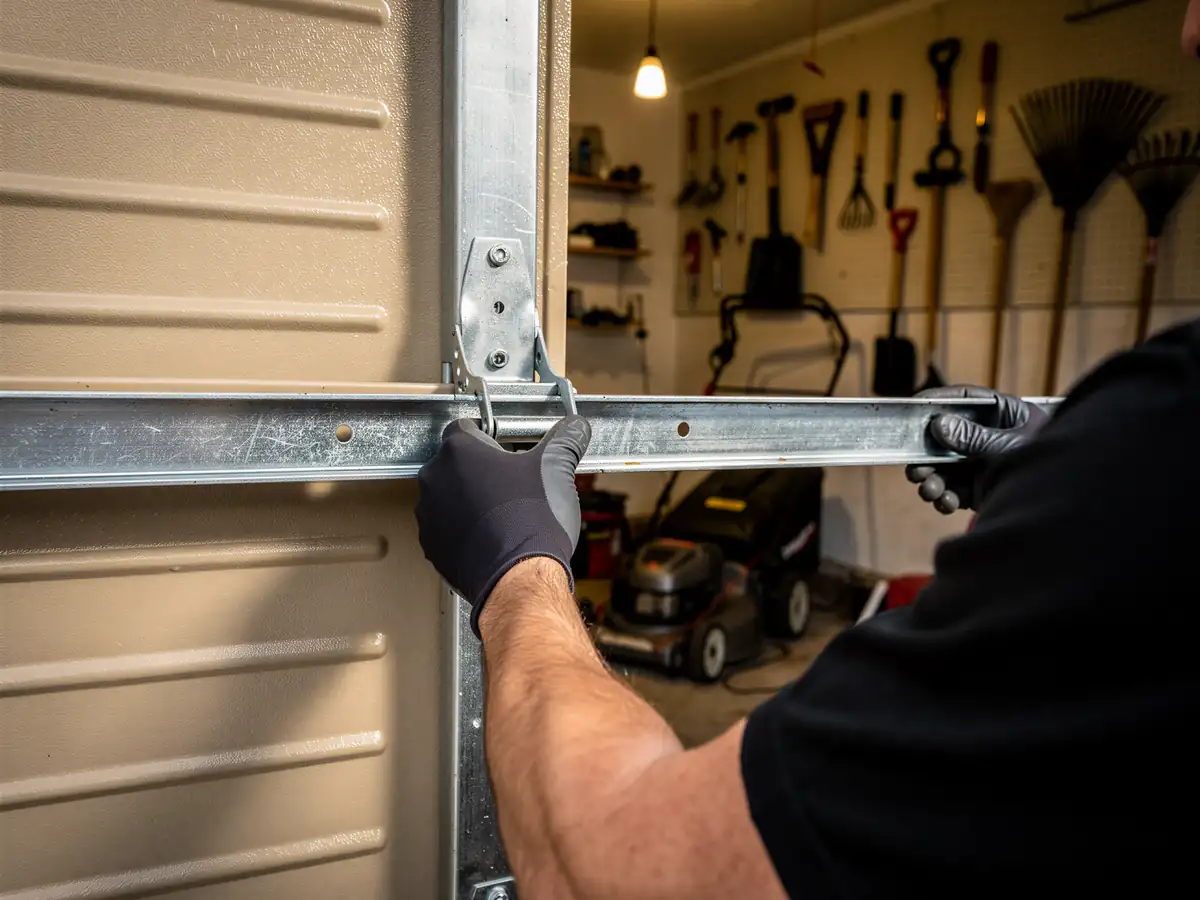
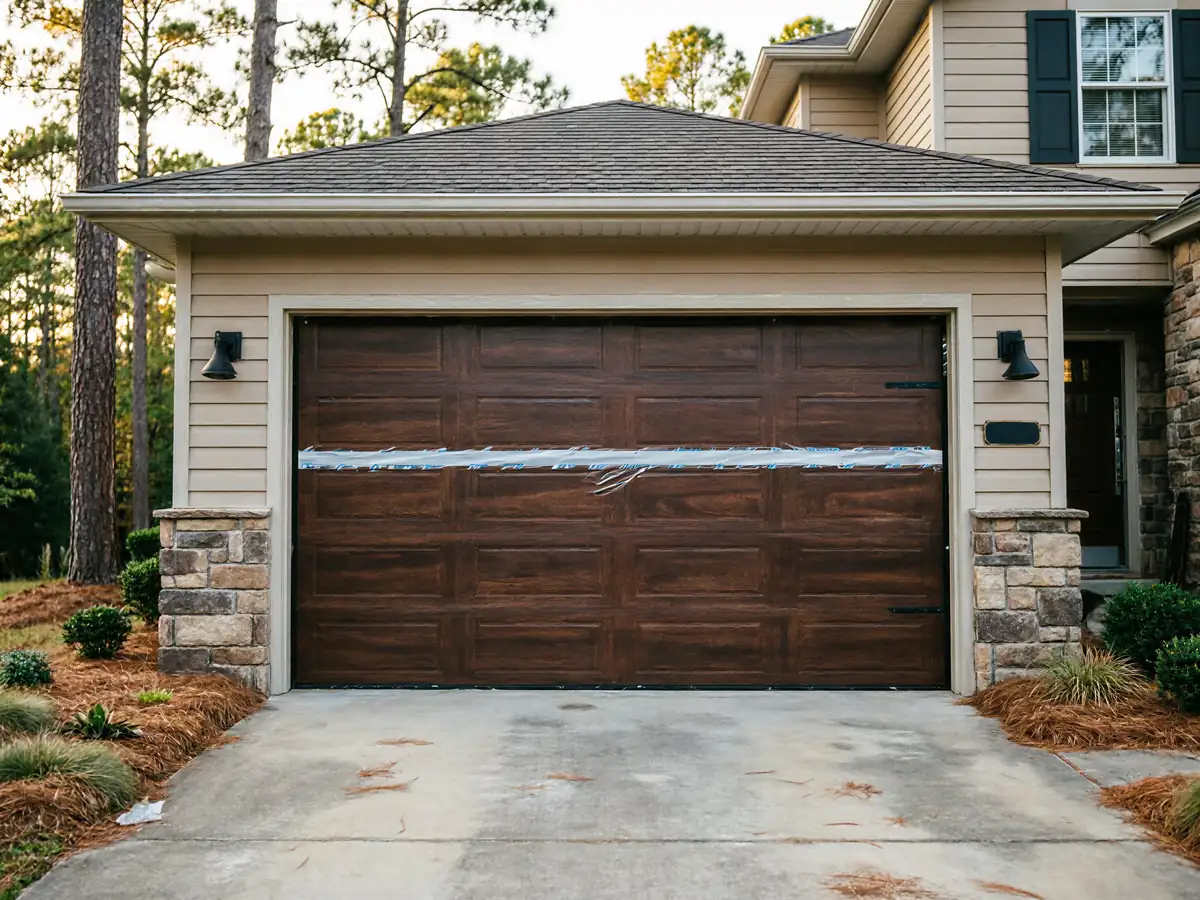
Mountain Park sits about 18 miles from our Roswell shop, which changes how a panel job runs here compared to closer stops. We don't keep a branch in town, so when you call about a dented or cracked panel, we're loading the truck with the right stock before we leave, not guessing once we arrive. That 18-mile stretch means we ask more questions up front - door brand, approximate age, how many panels, whether the track is bent too - so the first trip is the only trip.
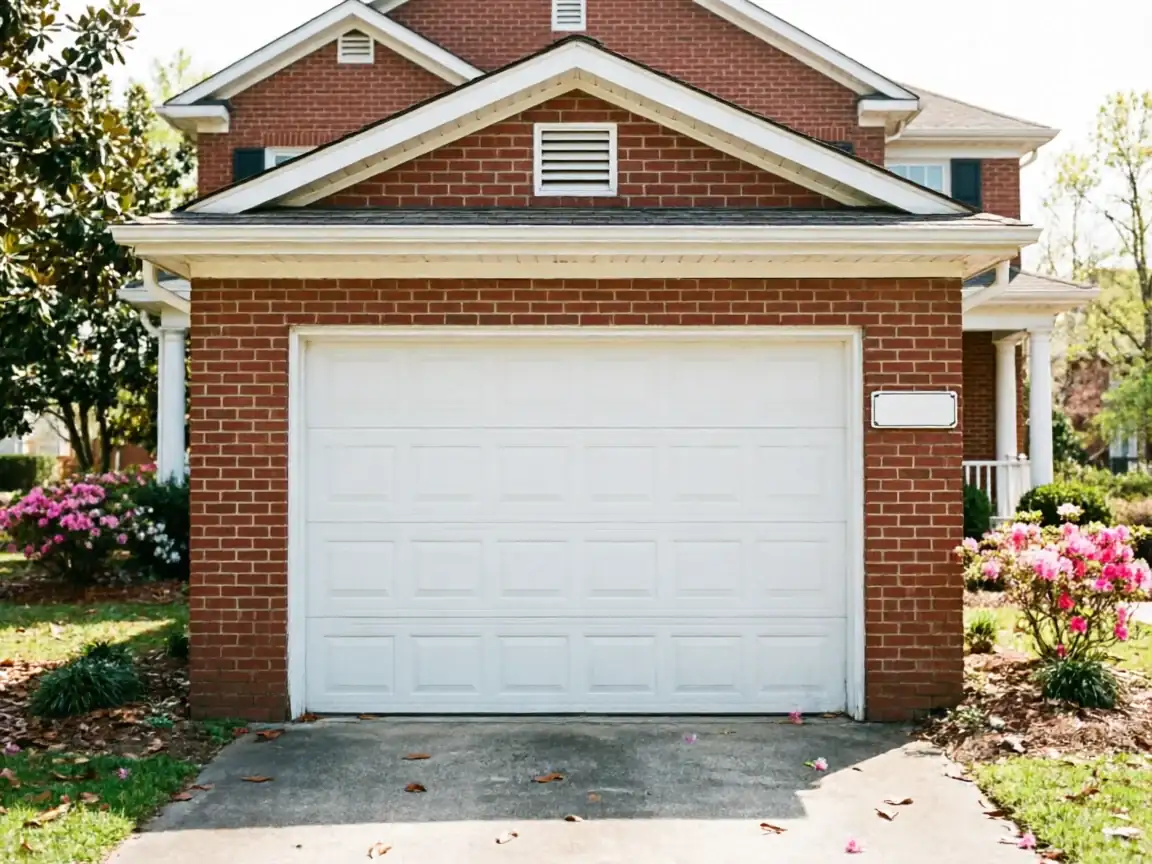
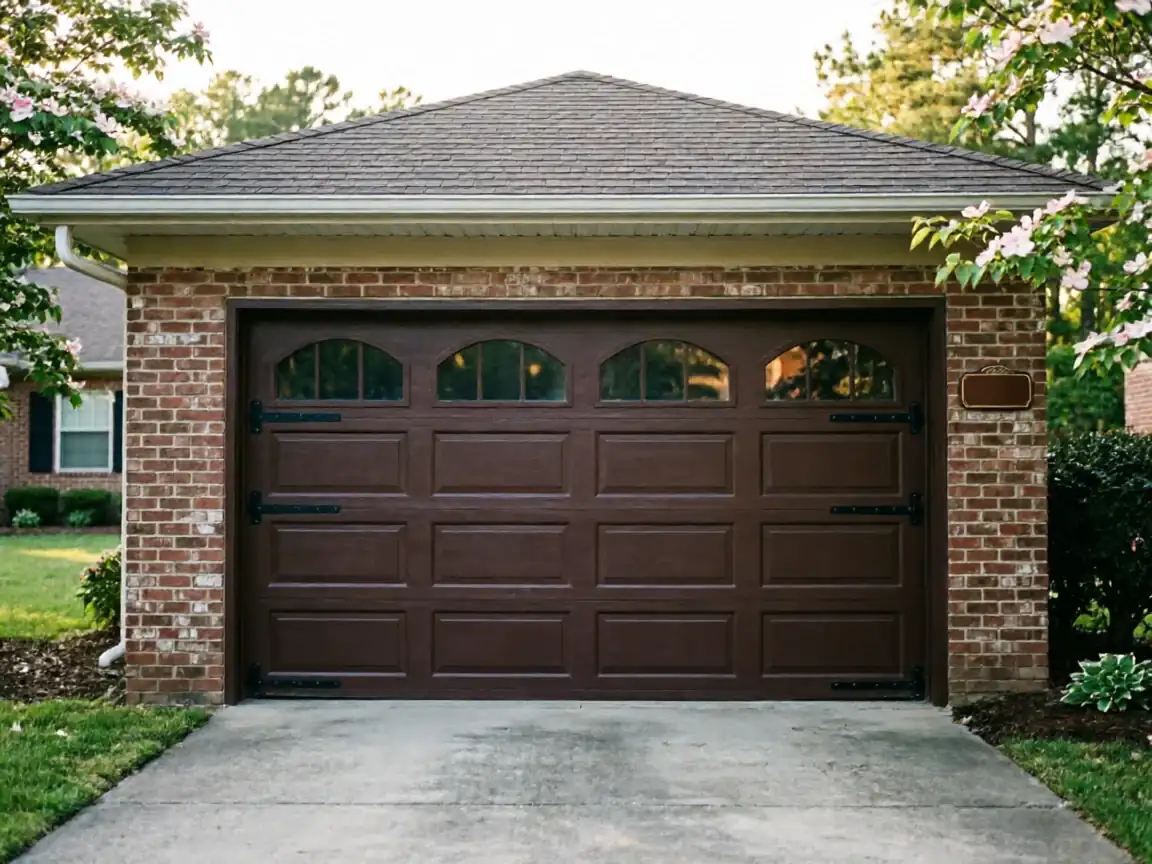
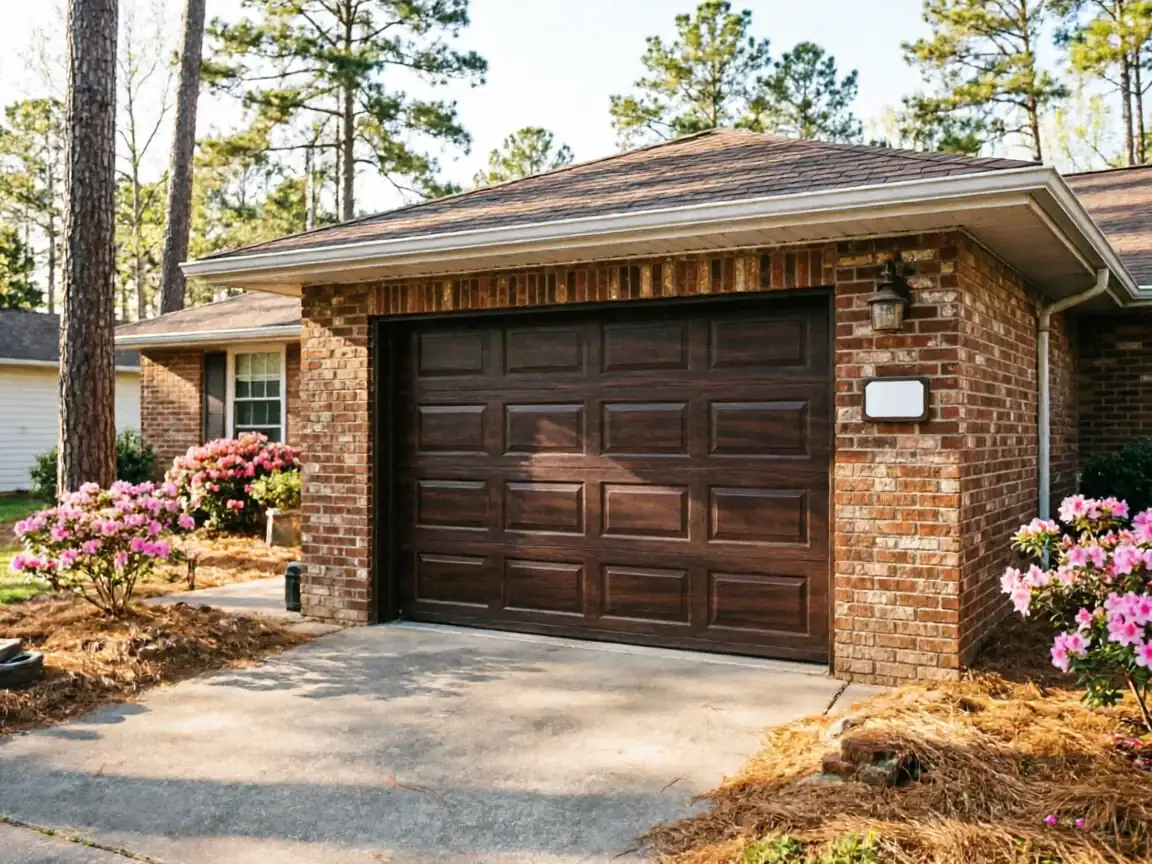
The damage itself tends to follow a pattern tied to the neighborhood's age. With a median year built of 1979, most doors we see here are either original steel sectional units from that era or a replacement installed sometime in the decades since. Panels on the oldest doors are often a gauge of steel nobody stamps anymore, which means a full-door swap sometimes beats hunting for a matching single panel. We'll tell you straight which situation you're in before we quote anything.
Parts We Carry
We stock common panel sections and end stiles sized for the steel sectional doors that match 1970s and 1980s construction
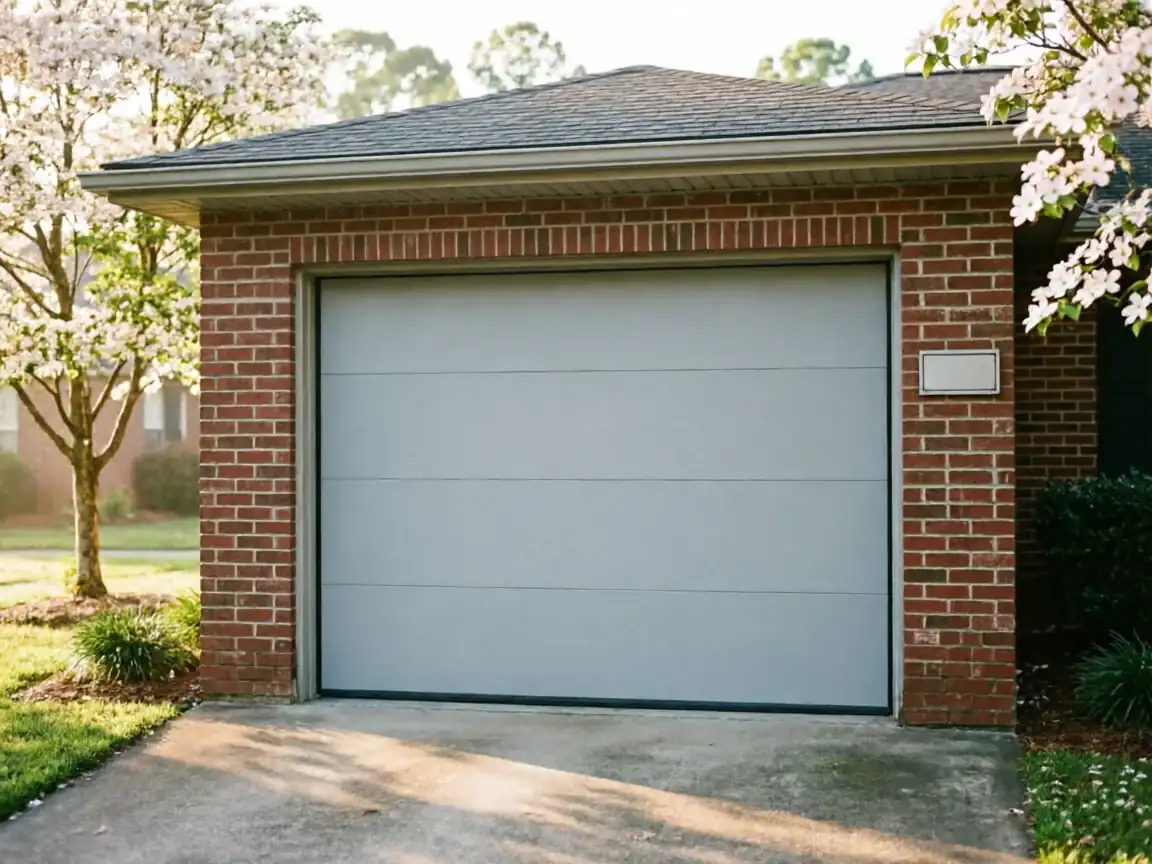
The kind that make up most of what's standing in Mountain Park. For doors that have already been replaced with a newer insulated model, we carry matching foam-core panels in the sizes that turn up most often on service calls in this part of our territory.
What we don't carry on the truck
Panels for discontinued or import door lines that were never common stock here. If your door is one of those, we'll tell you on the first visit rather than string out a part order you didn't sign up for. Given the drive out, we'd rather confirm the panel profile over the phone with a photo first, so the trip isn't wasted on a part that has to be special-ordered anyway.
How Long It Takes
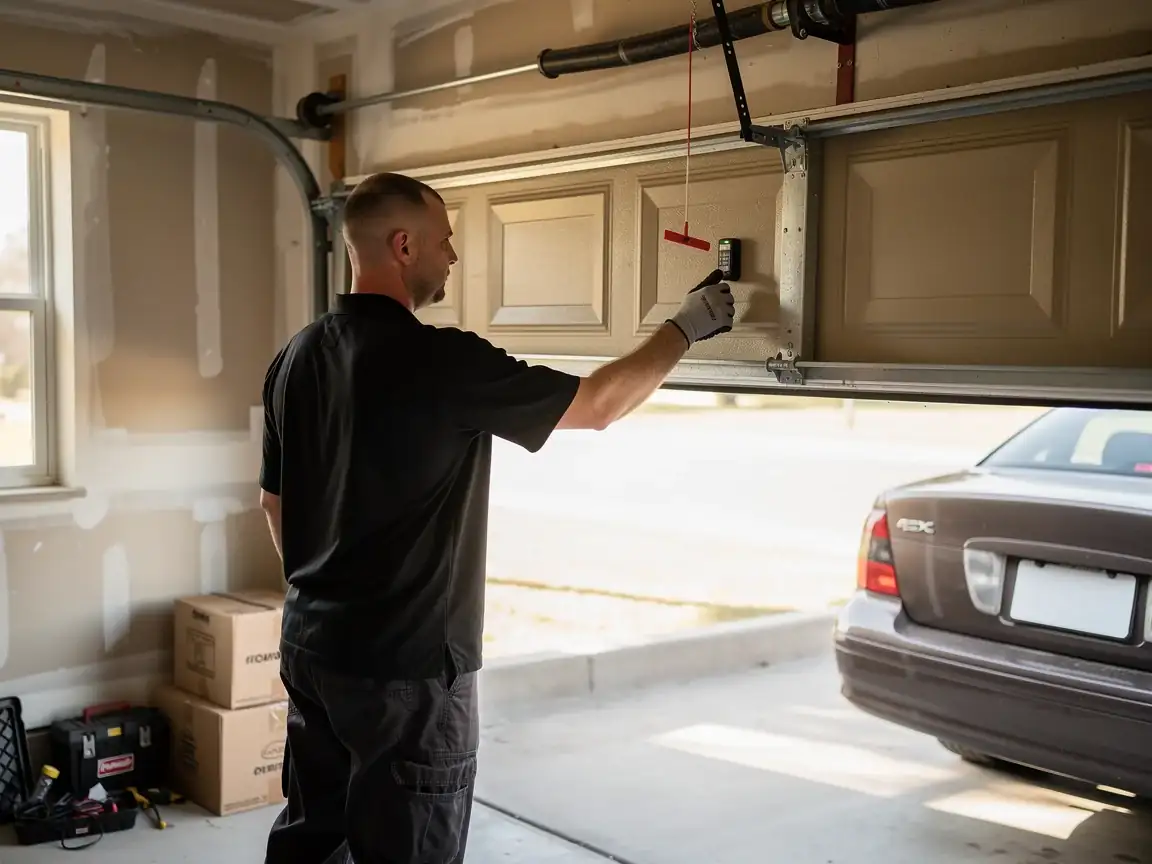
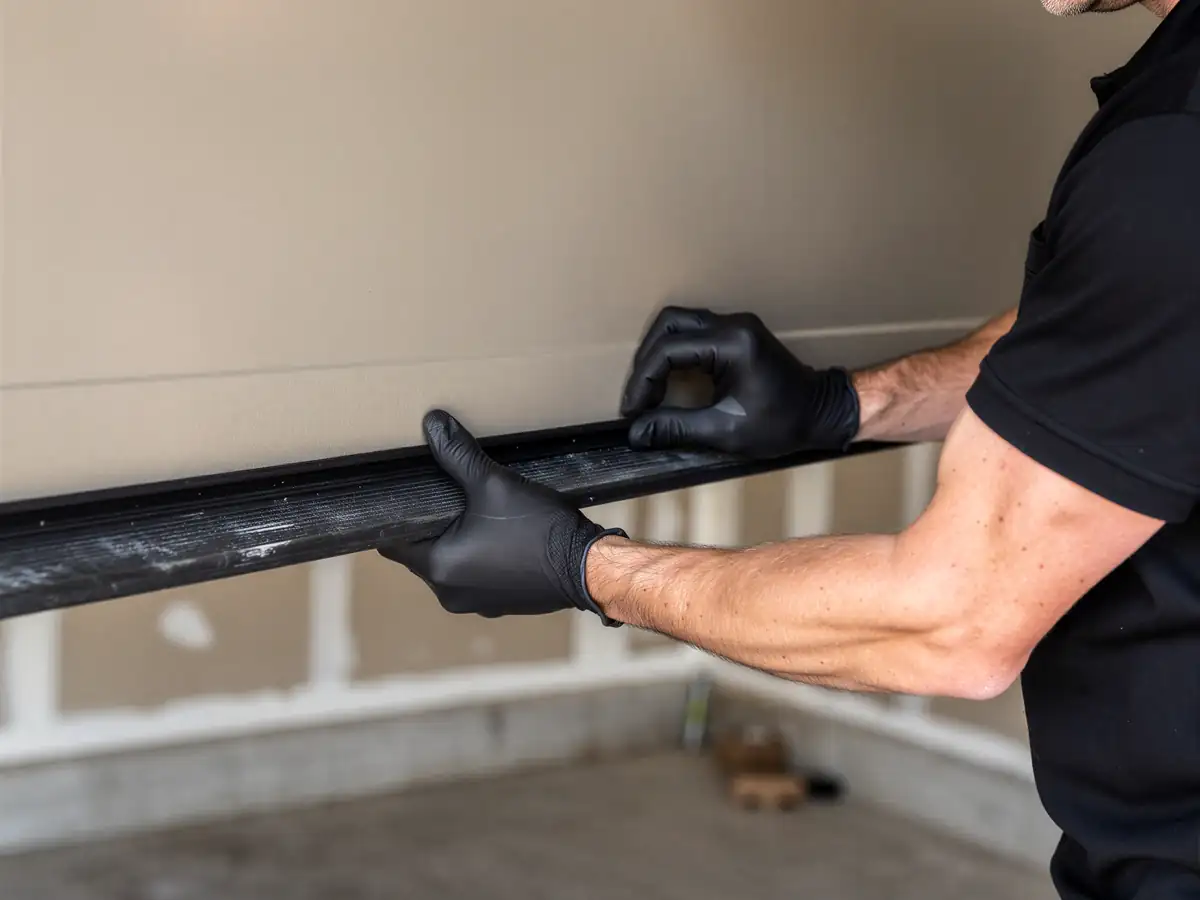
A single matched panel, when we're carrying stock that fits, is usually a one-visit job once we're on site - most of the time on a job like this goes into the drive, not the wrench work. Where it slows down is color and texture matching on an older door; steel sectional panels from the late 1970s and early 1980s don't always match a faded factory finish, and we won't pretend a close match is an exact one.
If the panel size or profile isn't something we have on the truck, expect a return trip once the part is in, which adds the 18-mile drive a second time. We'll always tell you that up front rather than let you assume same-day.
What Causes It Around Here
With a median year built of 1979, a lot of the panel damage we see in Mountain Park isn't from a single hard hit - it's decades of steel fatigue, old hardware working loose, and tracks that have shifted slightly out of alignment over 40-plus years. A panel that looks dented from a backed-into-it moment is sometimes actually buckling because the track behind it has been pulling it out of plane for years.
The area's climate band is cold-moderate, which over that many winters means expansion and contraction cycles on steel panels, especially on the bottom section that takes the brunt of ice scraping and road salt runoff in driveways. That's a slower kind of damage than a single collision, but it shows up the same way: a bowed or buckled panel that won't seat right against the weatherstrip anymore.
What Can Go Wrong
Replacing one panel on an older door can expose a second problem
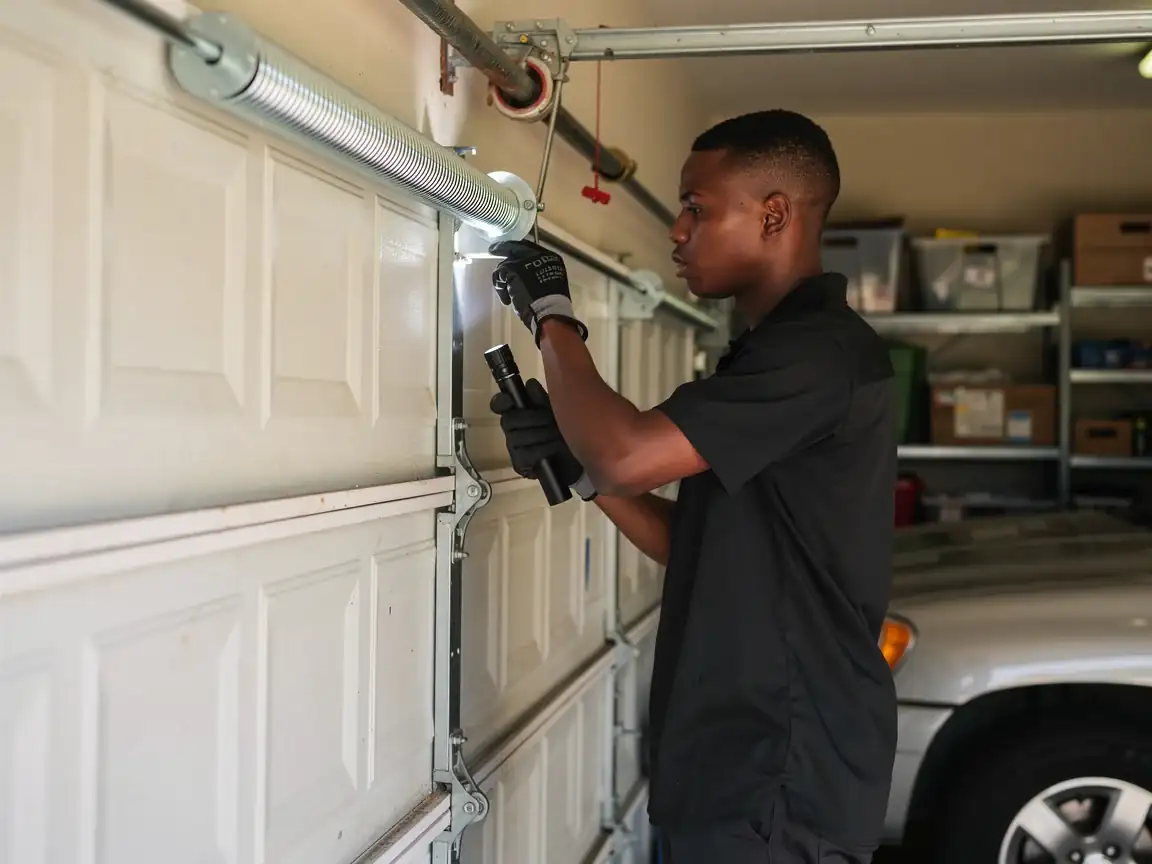
The track or hinges holding the rest of the door together were never rated for the stress of a one-panel swap and start failing within a season. We've seen it happen enough on doors from the 1979-era stock that we check hinge and roller condition before we commit to spot-replacing a single section rather than the whole door.
Our honest limitation here
If your door is old enough that the panel profile is discontinued, we're not going to manufacture a custom match. Full-door replacement is sometimes the more honest answer, even though it costs more than a single panel swap, and we'll say so instead of forcing a part that won't sit flush.