How We Fix It
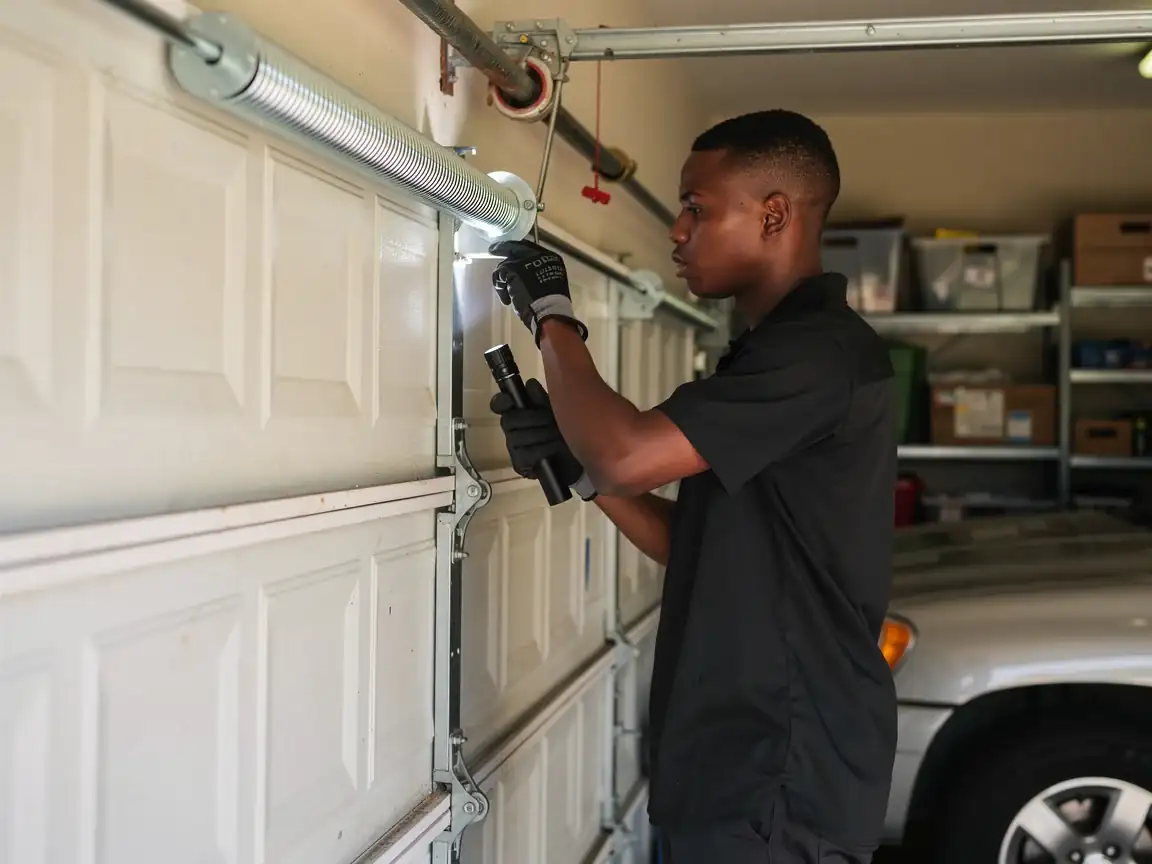
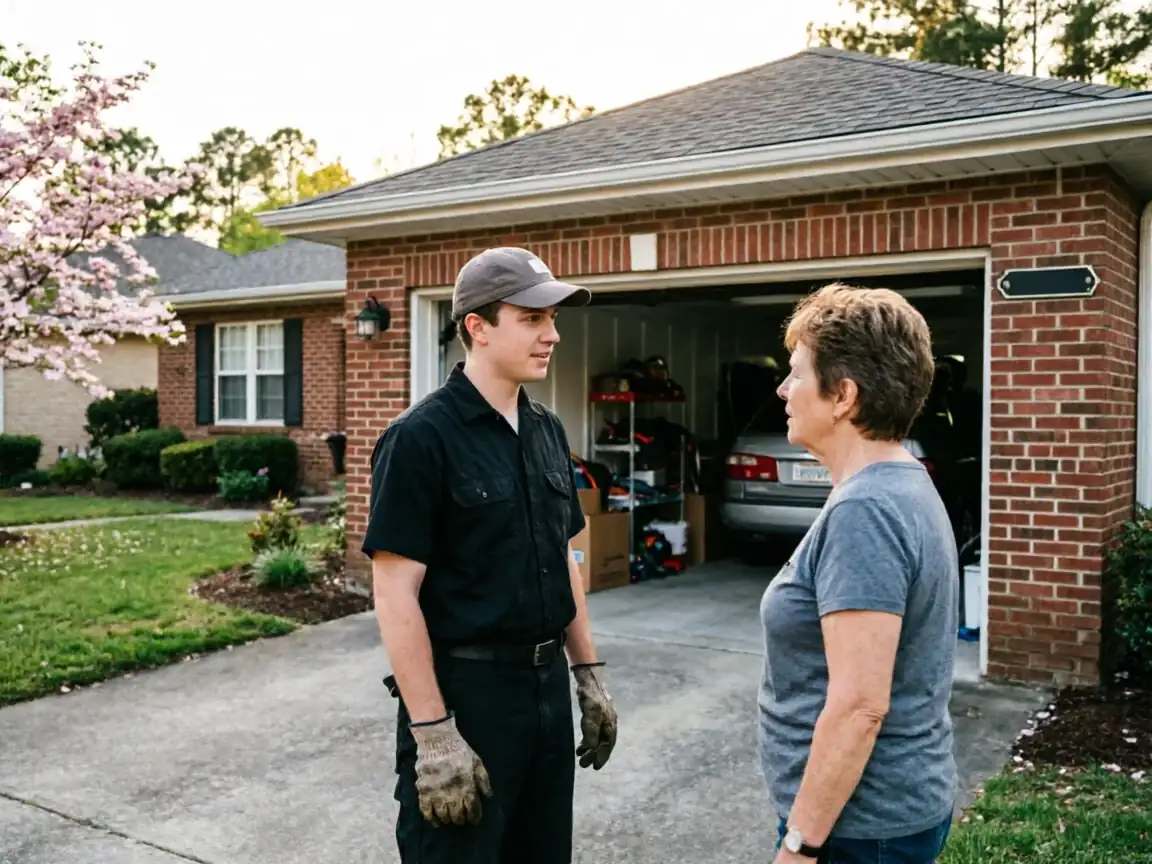
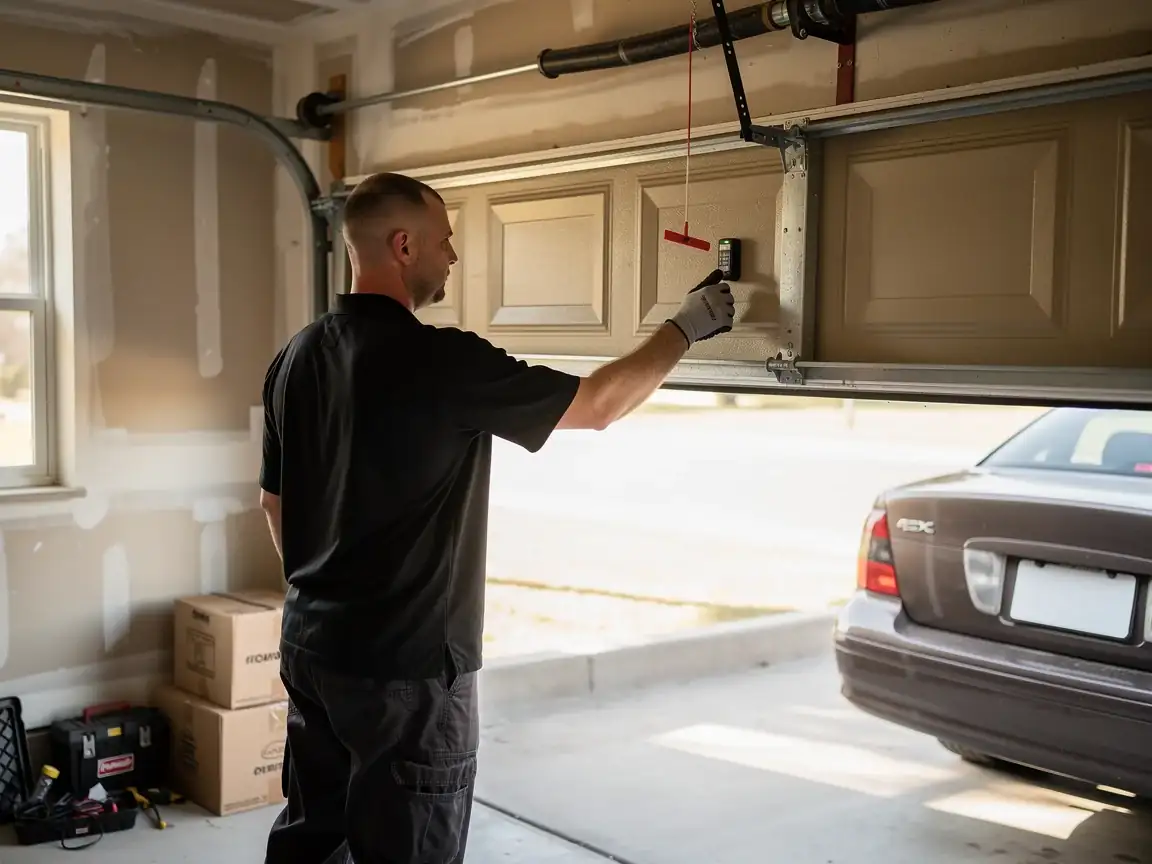
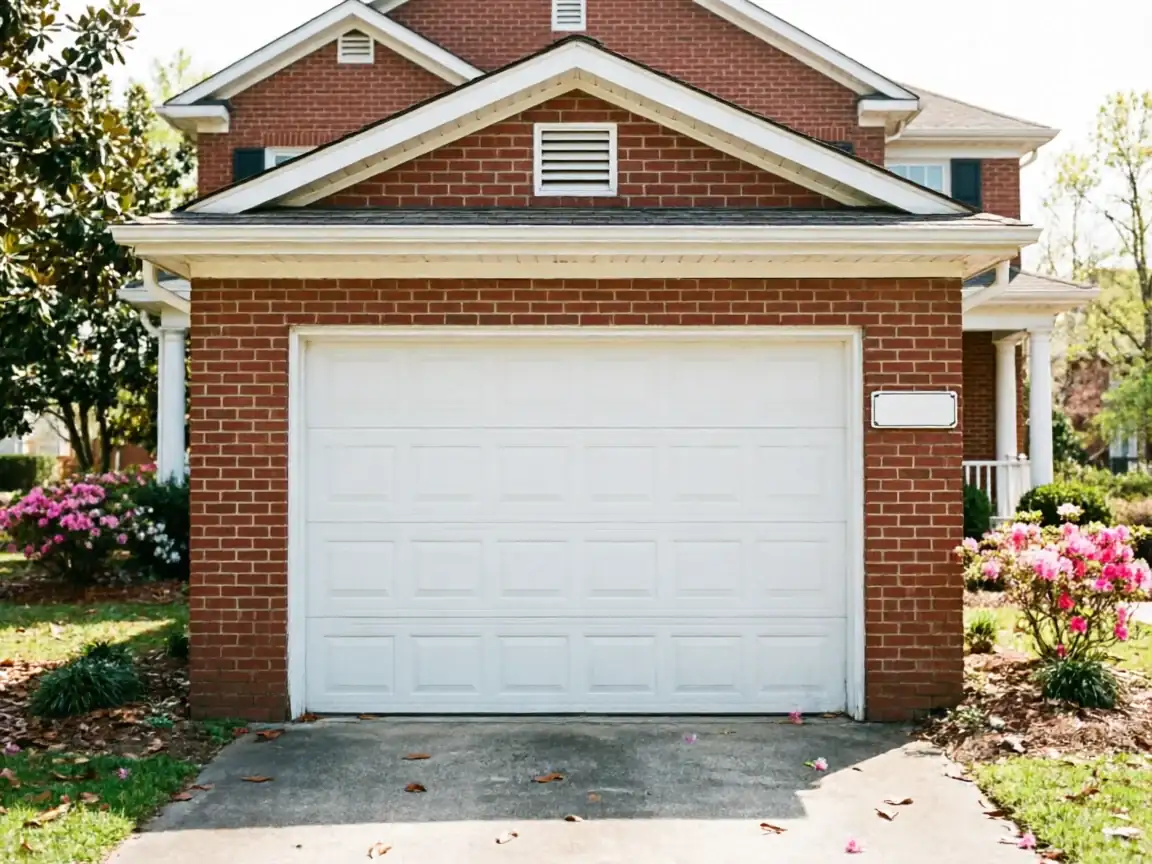
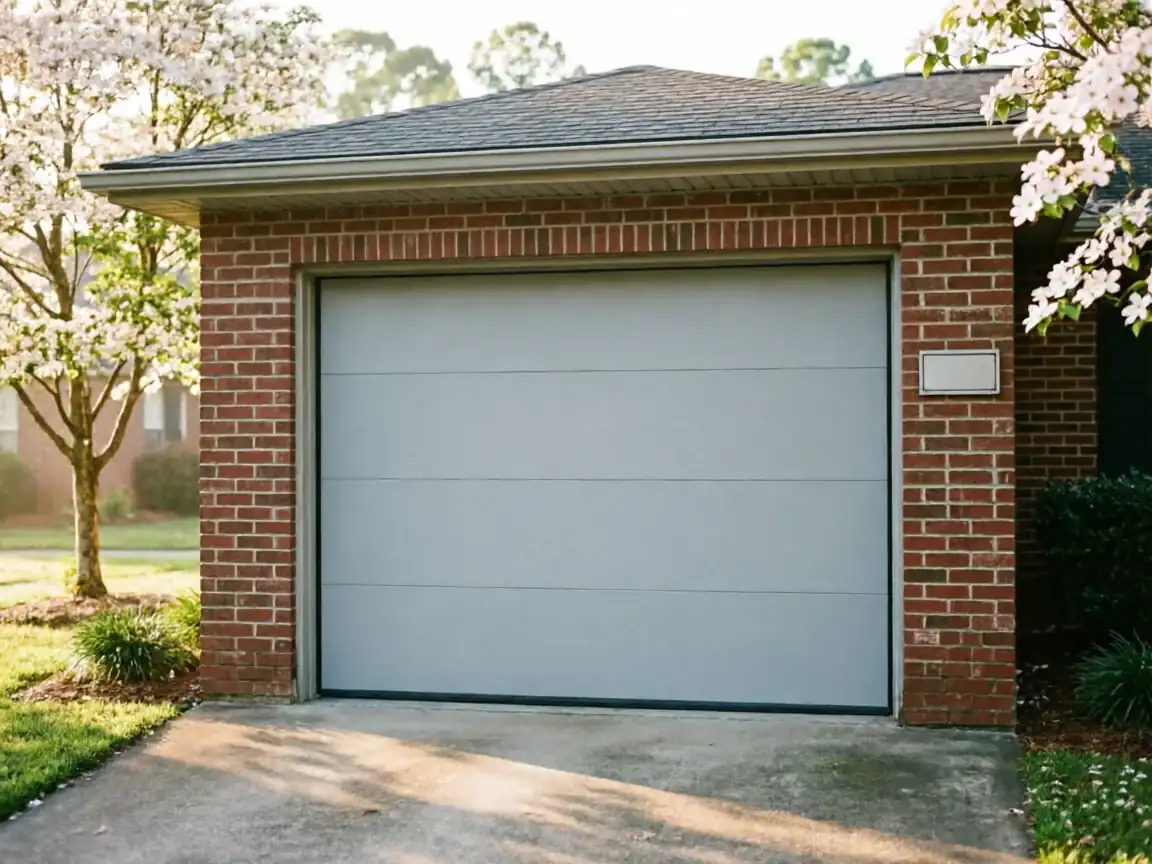
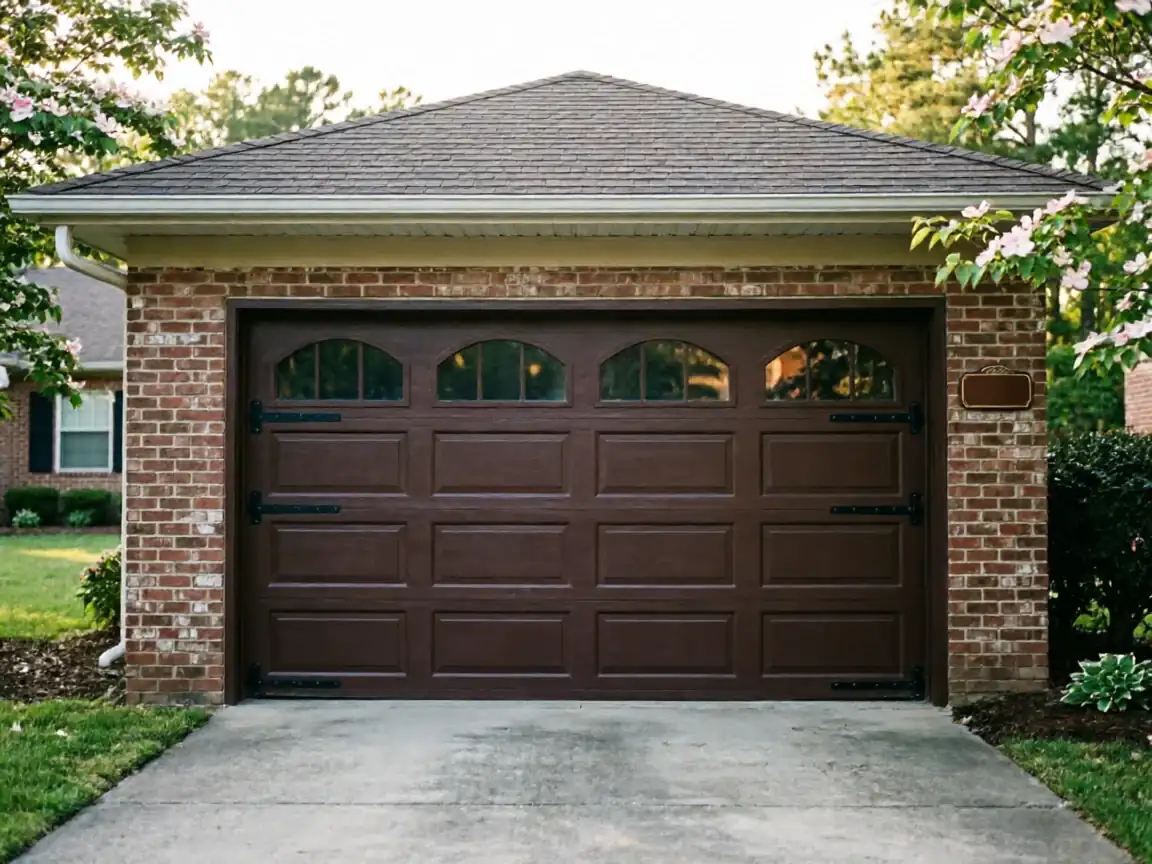
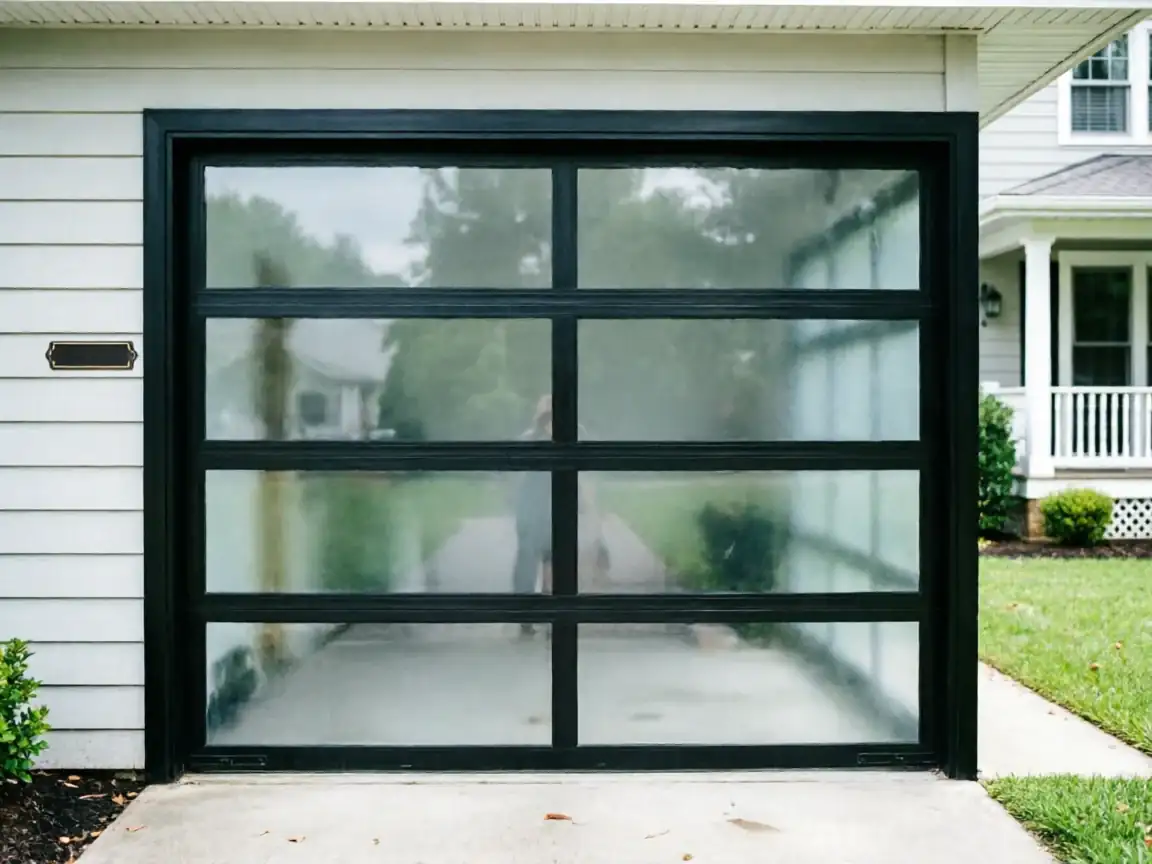
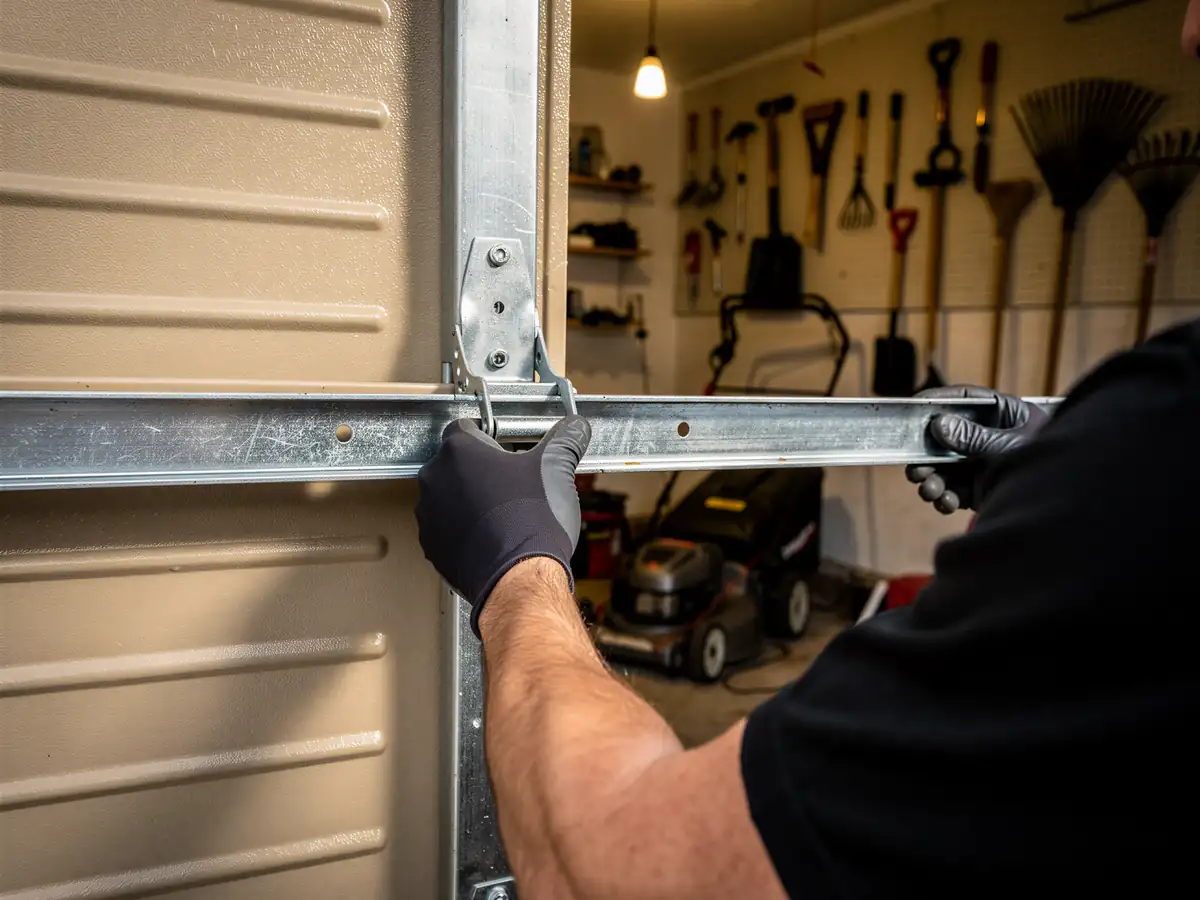
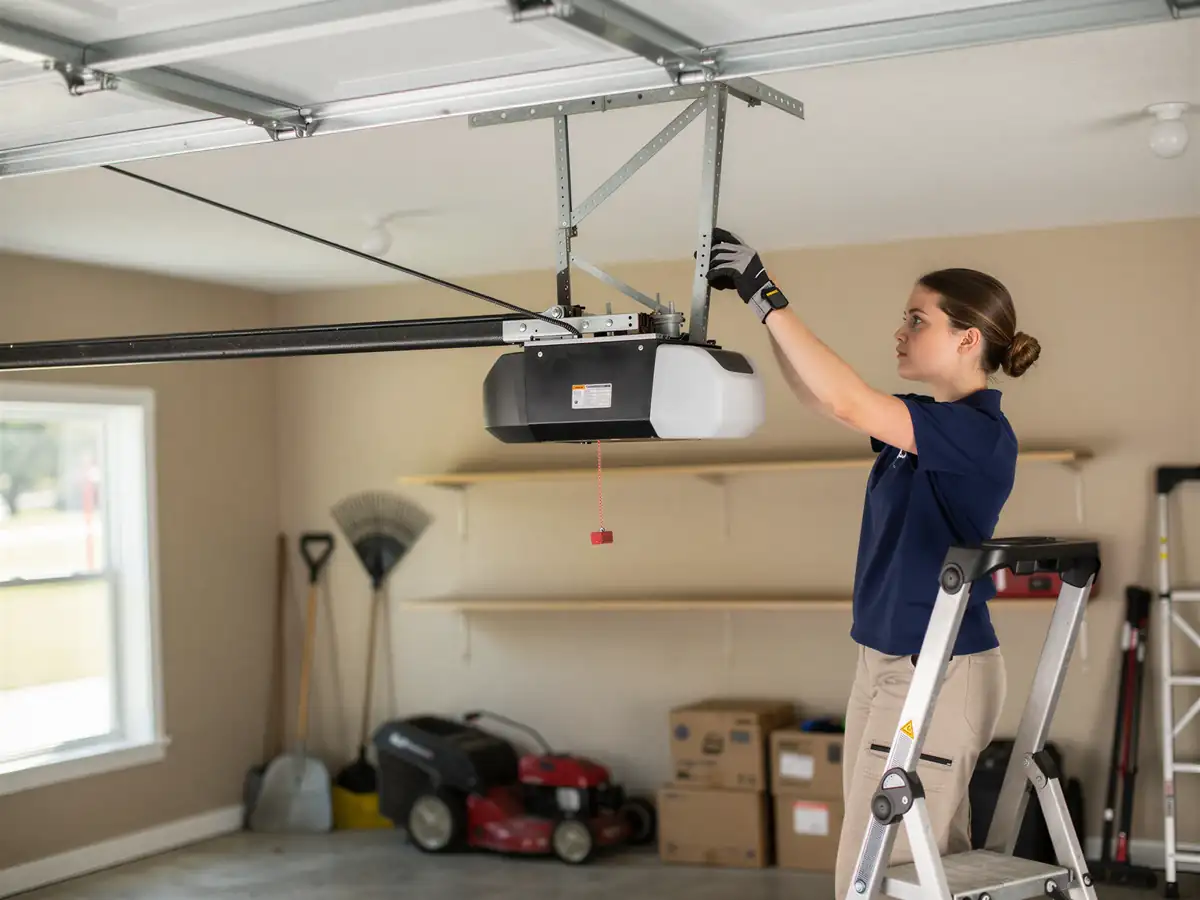
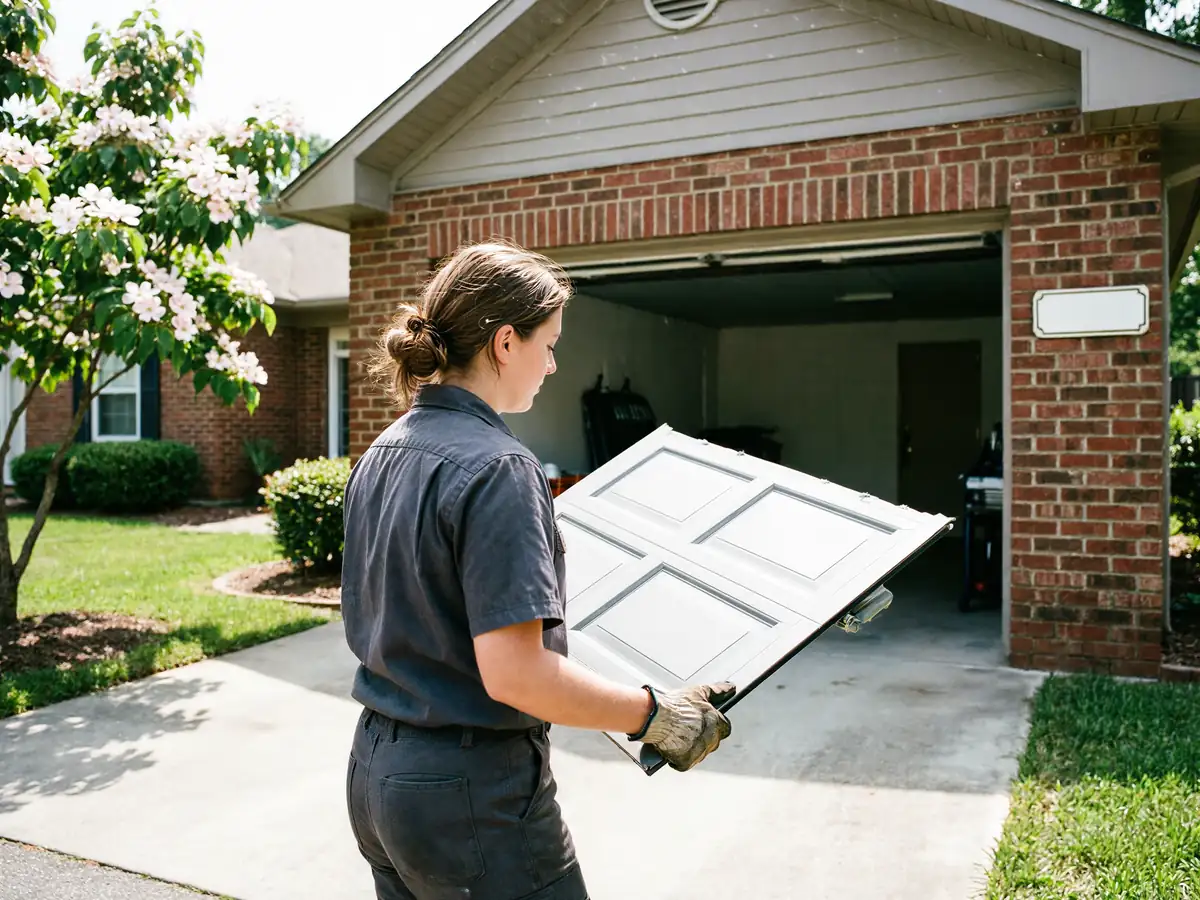
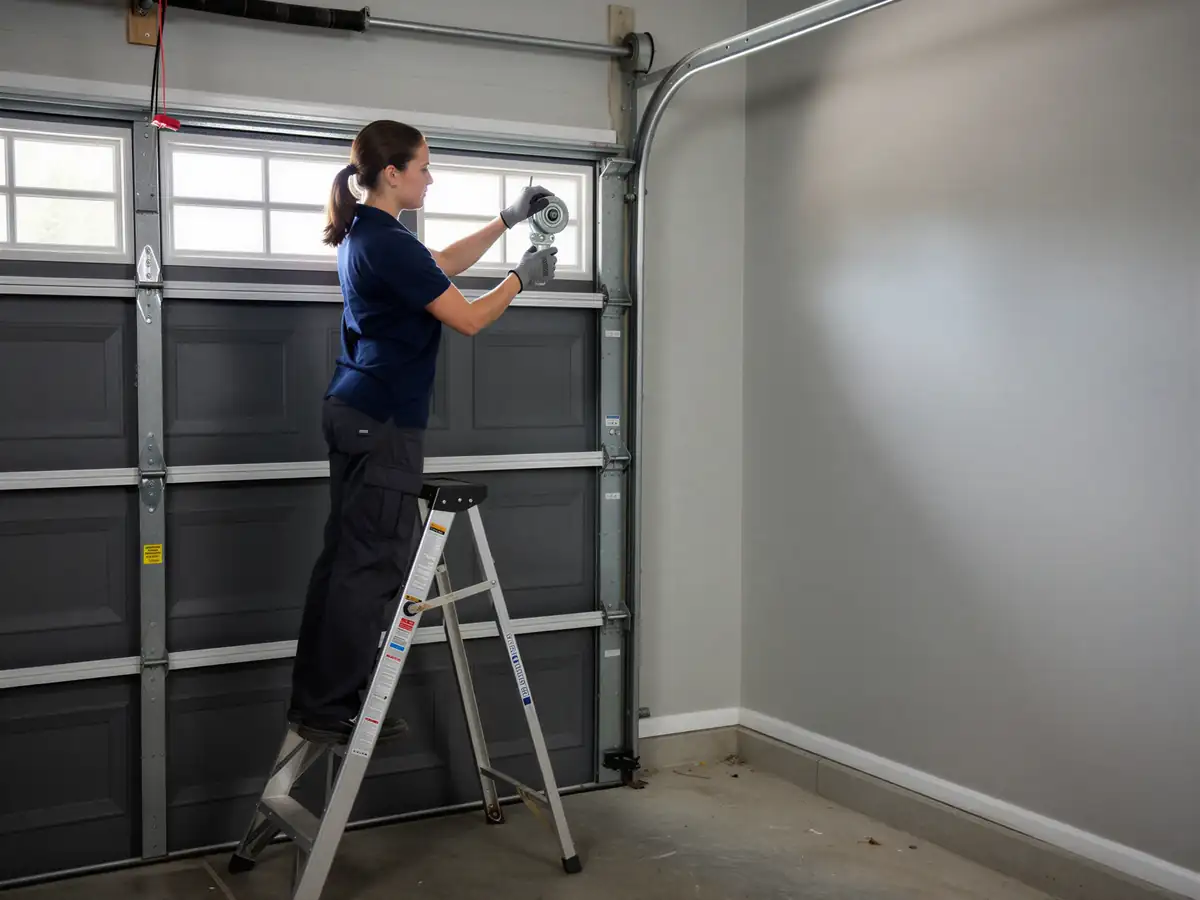
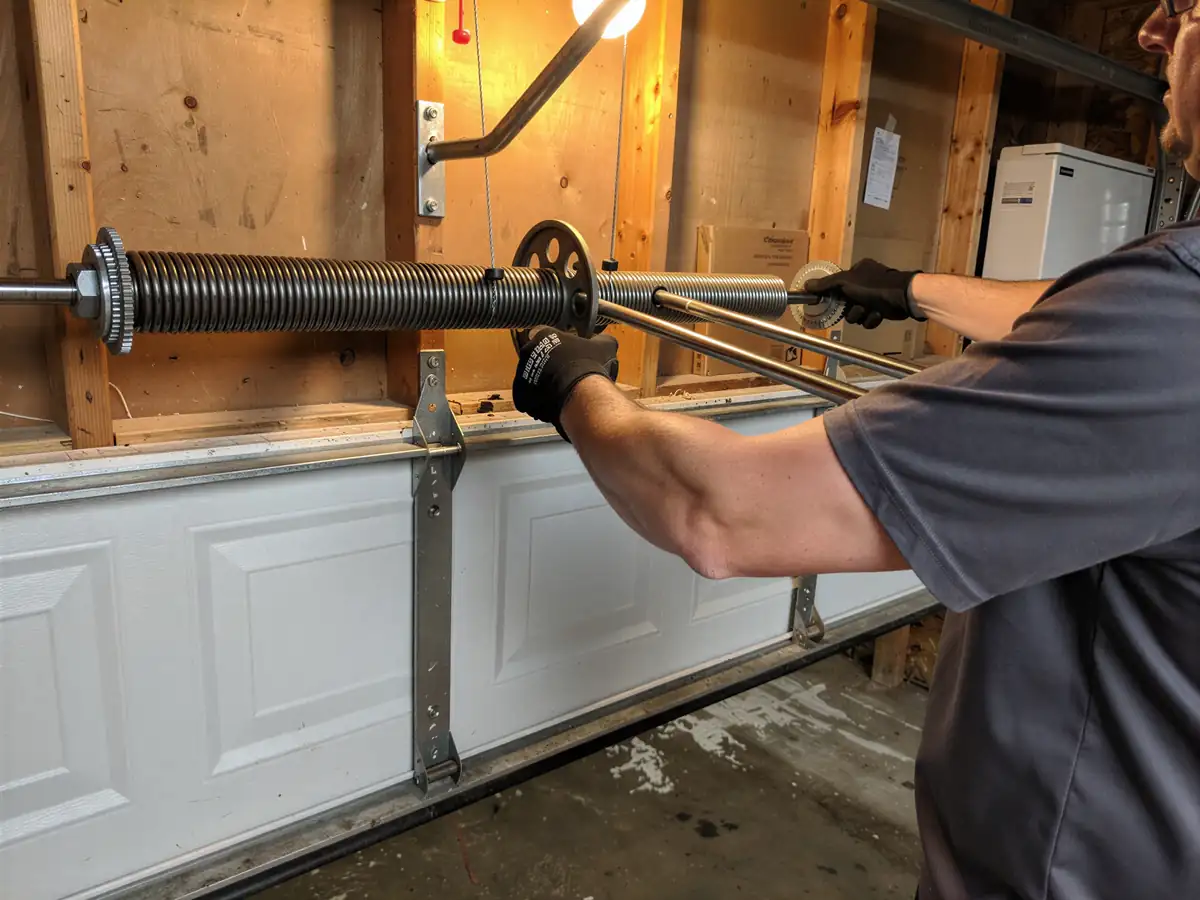
Holly Springs sits 12 miles out from our Roswell shop, which changes how a spring call here actually runs. We don't stock a second set of trucks out this way, so when a spring goes on a Tuesday afternoon, the job gets loaded before we leave Roswell rather than sorted out in your driveway. That means knowing the door first: most homes in Holly Springs were built around 2007, so we're almost always dealing with standard torsion springs on a factory-set opener, not the older extension-spring setups you find on houses from the 1980s. We measure the broken spring's wire size and wind, pull a matched pair off the truck, and replace both sides even if only one let go, because the other is carrying the same years of cycles and is close behind it. On a double door we balance the new springs against the opener's travel limits before we leave, so the door doesn't short-cycle or drift once we're back on the road to Roswell. We don't carry every spring size ever made, so if your door uses an odd wind or an oversized wire, we tell you that on the phone before the drive, not after.
What Causes It Around Here
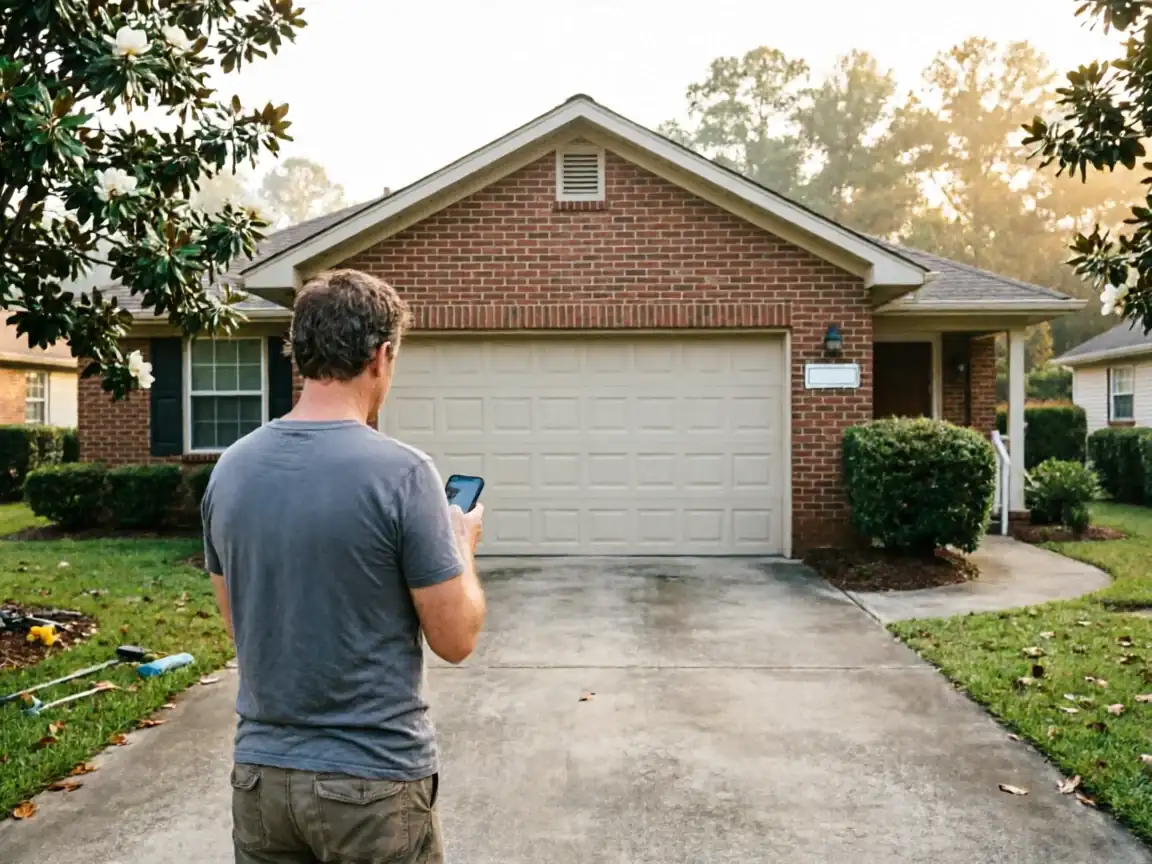
Housing in Holly Springs is newer than a lot of what we cover out of Roswell, with a median build year around 2007. That's good news on hardware age, but it means the springs on most of these doors are first-generation, original to the house, and now into the range where torsion springs start fatiguing regardless of brand. A spring is rated for a number of open-close cycles, not years, and a household that runs the garage door several times a day for close to two decades is working through that count. We're also in a cold-moderate climate band here, so winter mornings stiffen the coil and add load right as the metal is already near the end of its life, which is often when the last few coils give out.
Can You Do This Yourself
Torsion springs store enough force to break fingers or worse if the winding bars slip, and the tools to do it safely aren't something most homeowners keep in the garage. We're not going to tell you to attempt it. What you can check yourself: whether the spring is visibly separated on the shaft above the door, whether the opener is straining on a door that used to move quietly, and whether the release cord lets the door drop fast when pulled with the opener disconnected. Any of those, call it in rather than force the door open and closed on a half-dead spring, which usually just drags the cables and track into the failure with it.
What Can Go Wrong
Even with a matched spring and a balanced door, a few things can bite you after the fact. If the cables were already fraying when the spring broke, a new spring under tension can finish them off within a few cycles, so we check cable condition as part of the job, not as an upsell afterward. If the opener's force settings were compensating for a weak spring for months before it broke, those settings sometimes need resetting once the new spring is doing its job properly, or the door slams on close. And on a 2007-era build, we occasionally find the original hardware was sized light for the door panel it's lifting, which shows up as repeat spring failures faster than the cycle count alone would explain.