How We Fix It
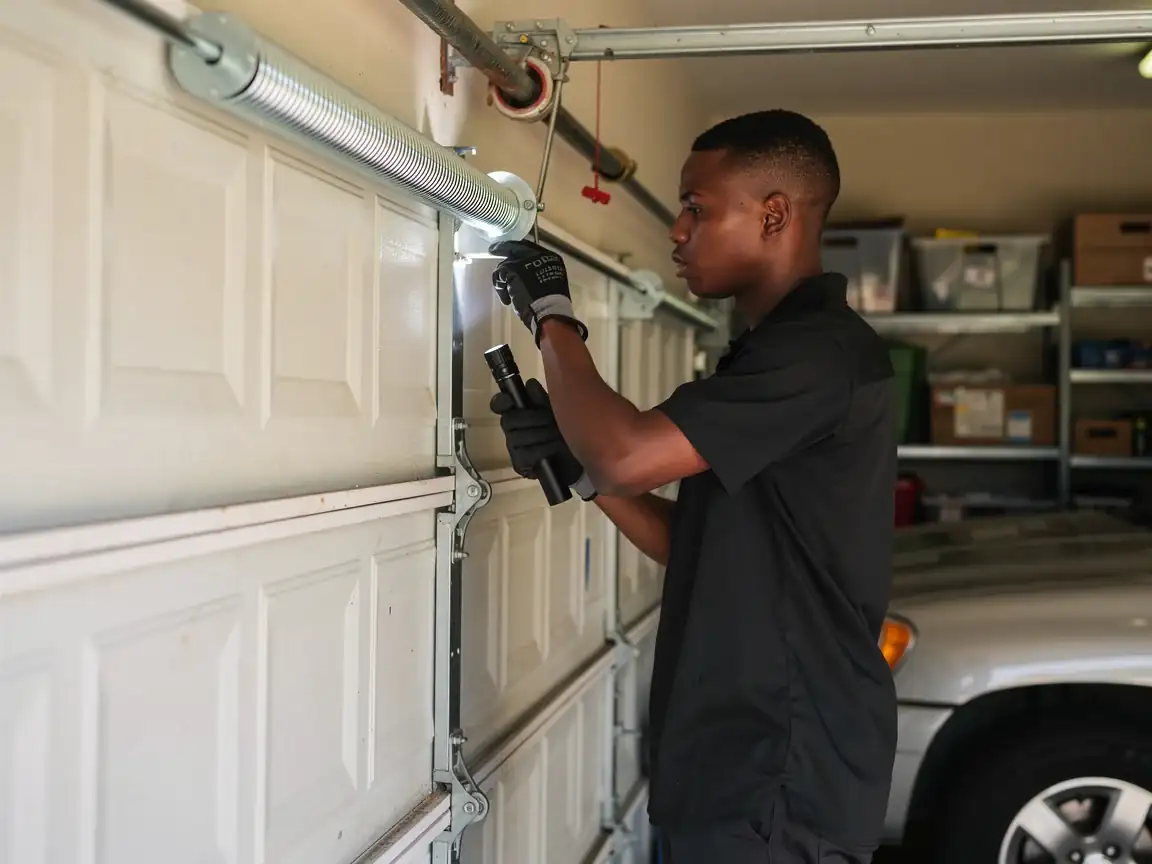
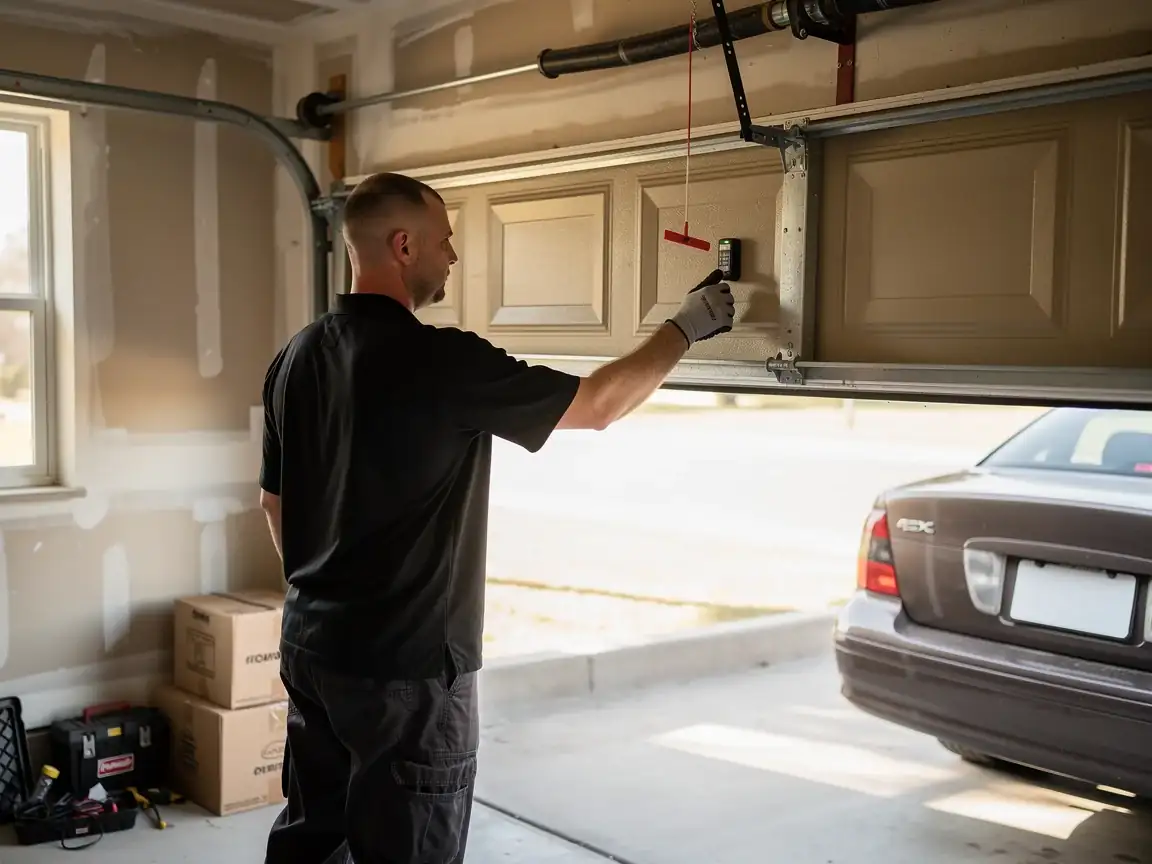
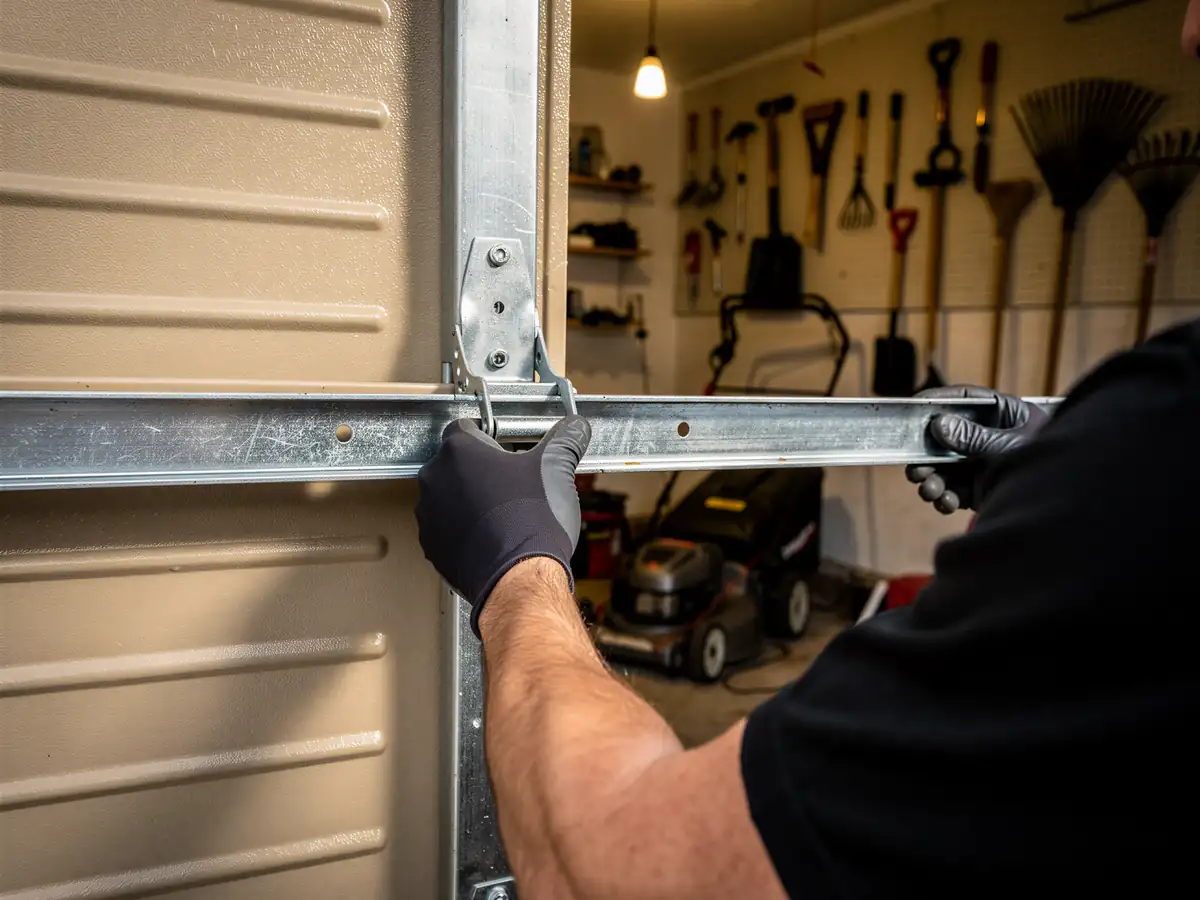
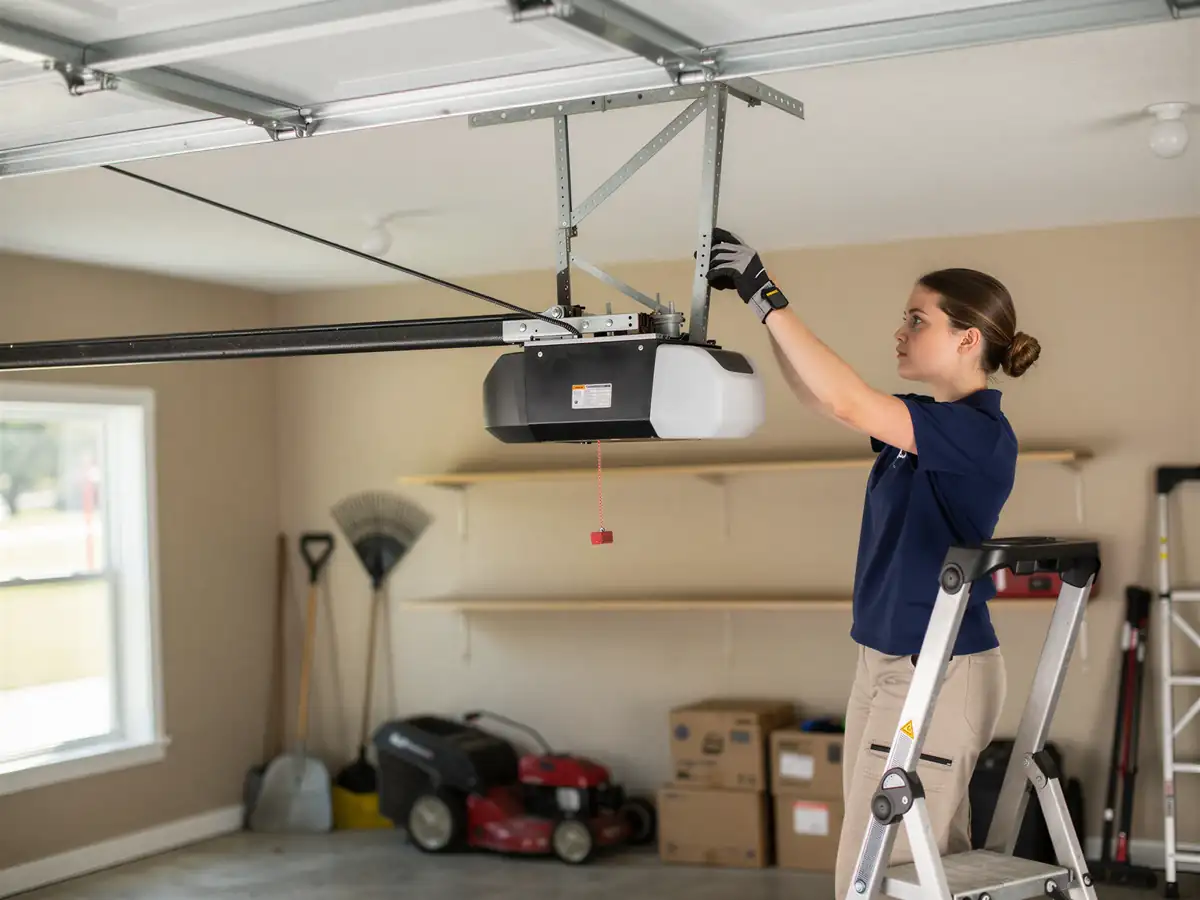
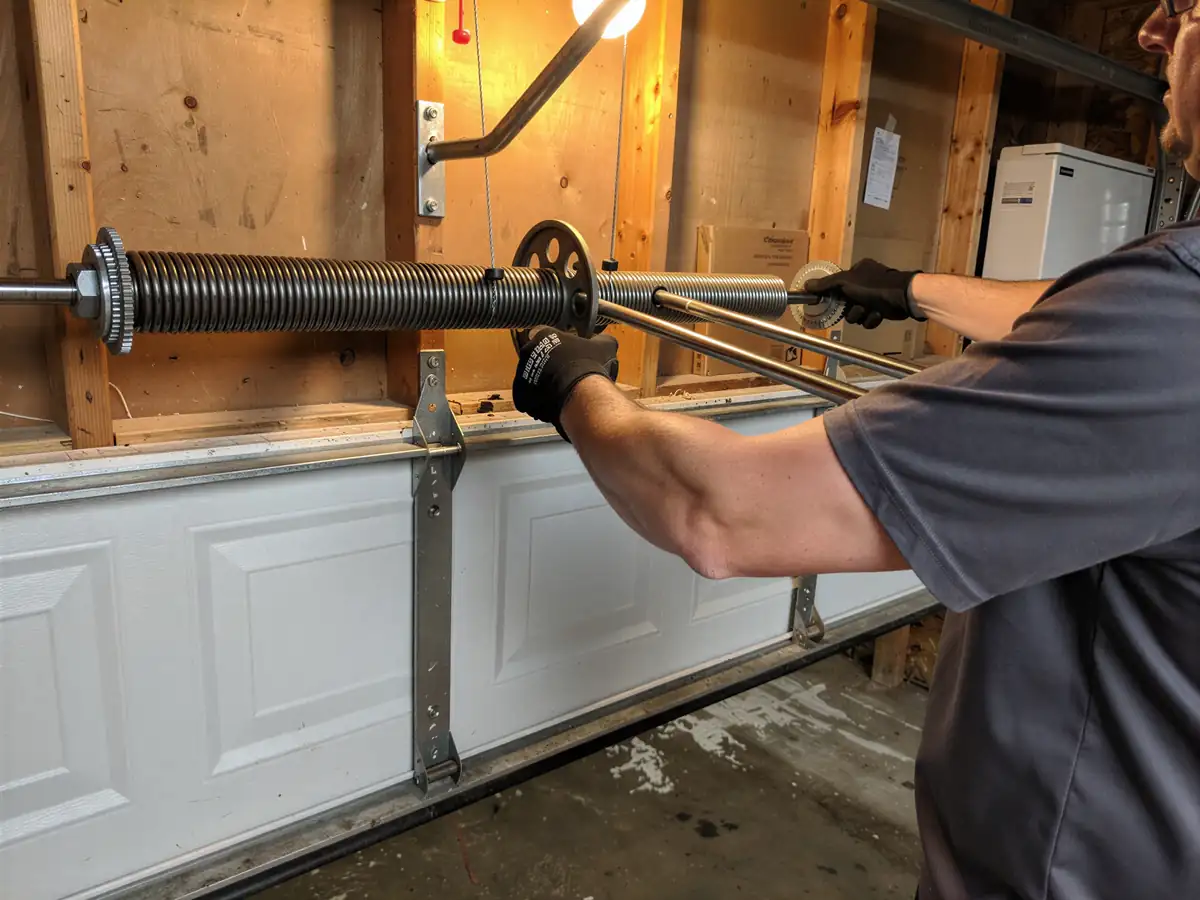
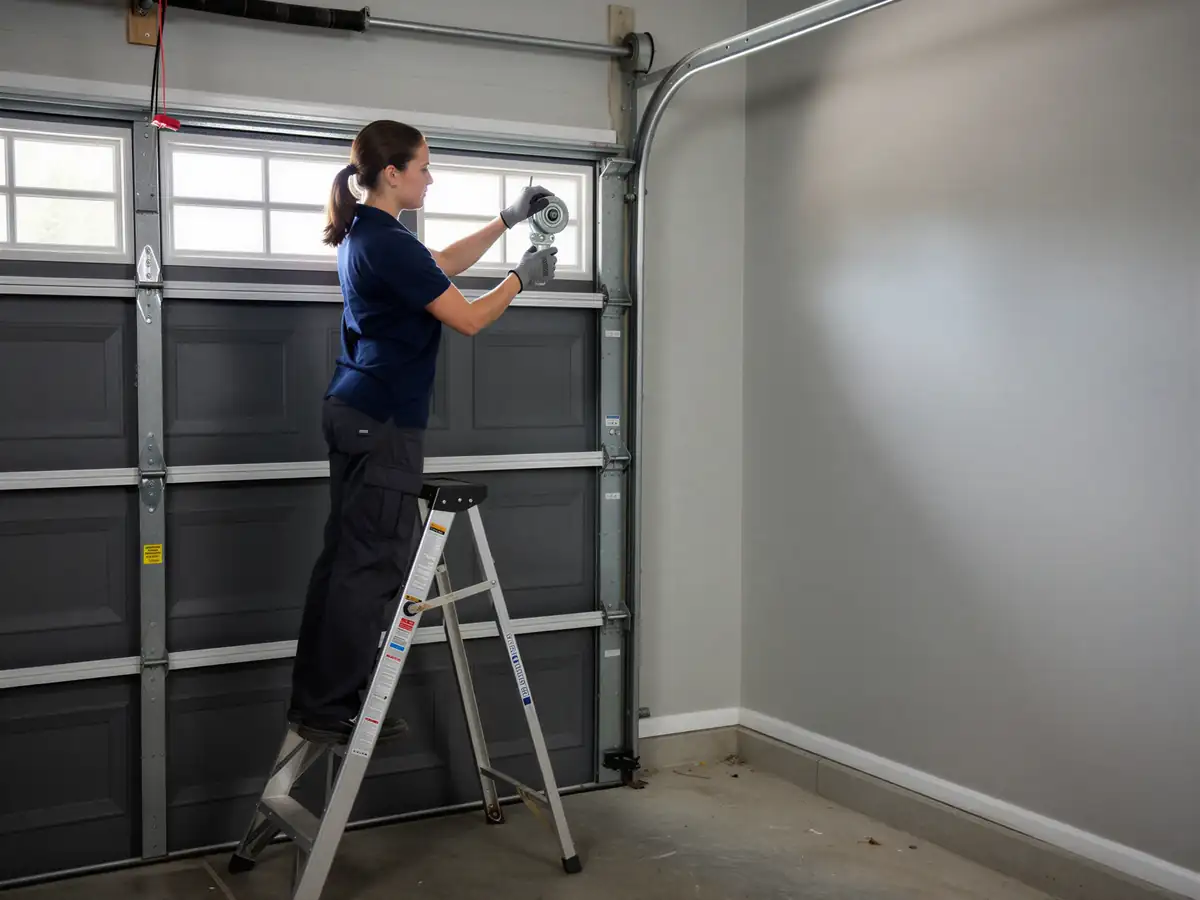
On a service call out to Holly Springs we're mostly working on doors and openers installed between roughly the late 1990s and 2007, which is the tail end of the build-out here. That means steel rollers have usually already been swapped for nylon by the builder, the opener is chain or belt drive with plastic ring gears, and the spring system is almost always torsion, not the older extension-spring setup you'd find on an original-stock Roswell door from the 1960s. Maintenance on this hardware is less about replacing worn-out original parts and more about catching the plastic gear wear, the drifting opener force settings, and the track alignment that builder-grade installs tend to lose a few years in. We check spring tension against the door weight, lube the track and hinges with the right product (not WD-40, which washes grease out of bearings), tighten the hardware that vibration loosens, and test the opener's force and travel limits. If a gear's already stripped, we say so rather than lube around it.
What Causes It Around Here
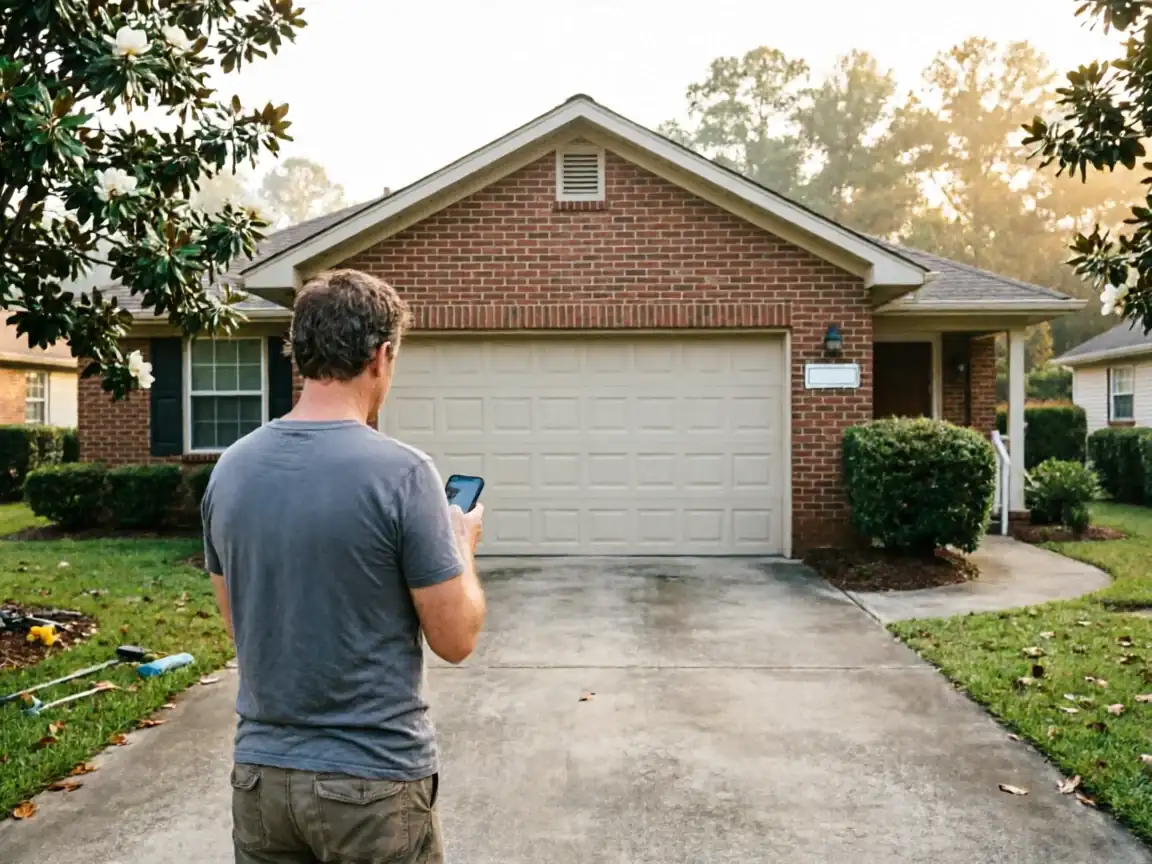
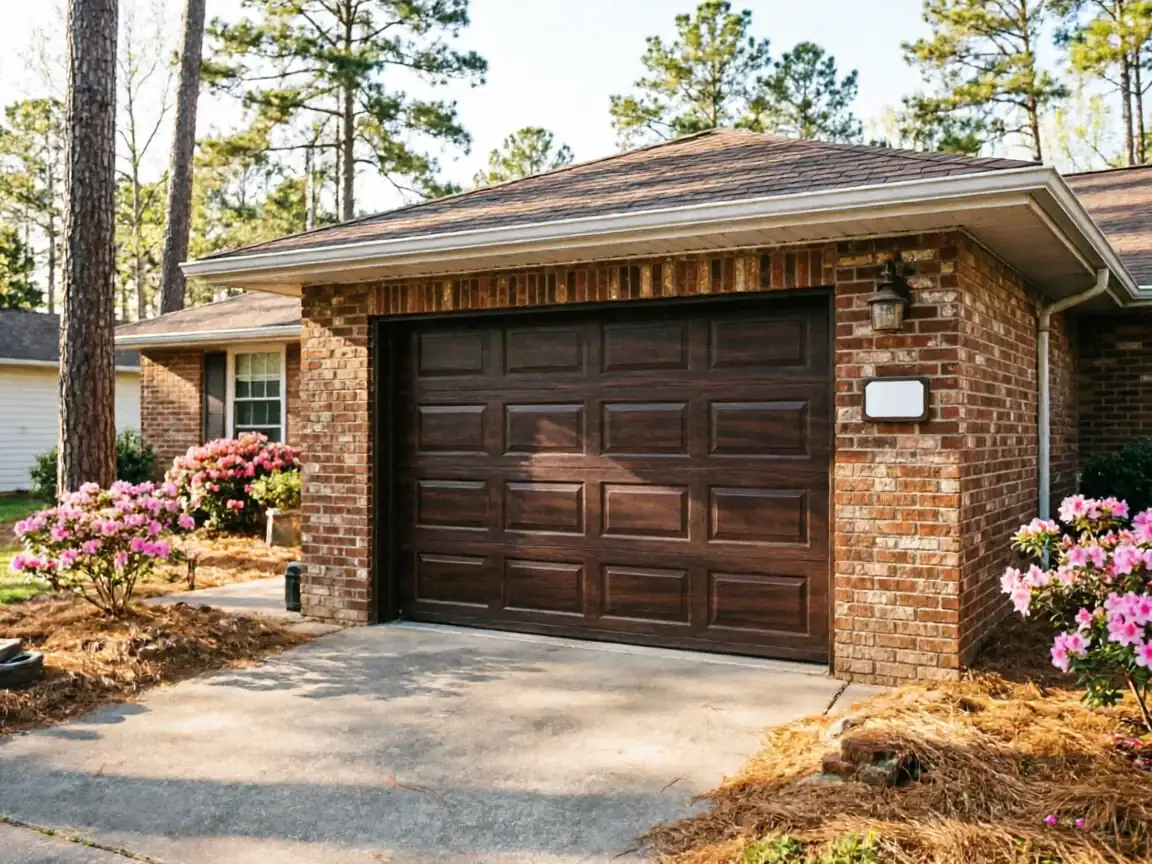
Holly Springs houses skew newer than the rest of the territory we cover out of Roswell, with a median build year around 2007, which puts almost the whole neighborhood inside a fifteen-year hardware life cycle rather than a fifty-year one. The parts installed at construction were picked for cost, not longevity, so plastic opener gears and lighter-gauge rollers are the norm. Georgia's cold-moderate climate band doesn't bring extreme freeze, but the swing between damp summer humidity and winter cold still dries out factory grease faster than people expect, and a door that's never been relubed after ten-plus years starts showing it. None of this is damage from misuse. It's just what happens to builder-grade hardware on a schedule nobody wrote down.
Can You Do This Yourself
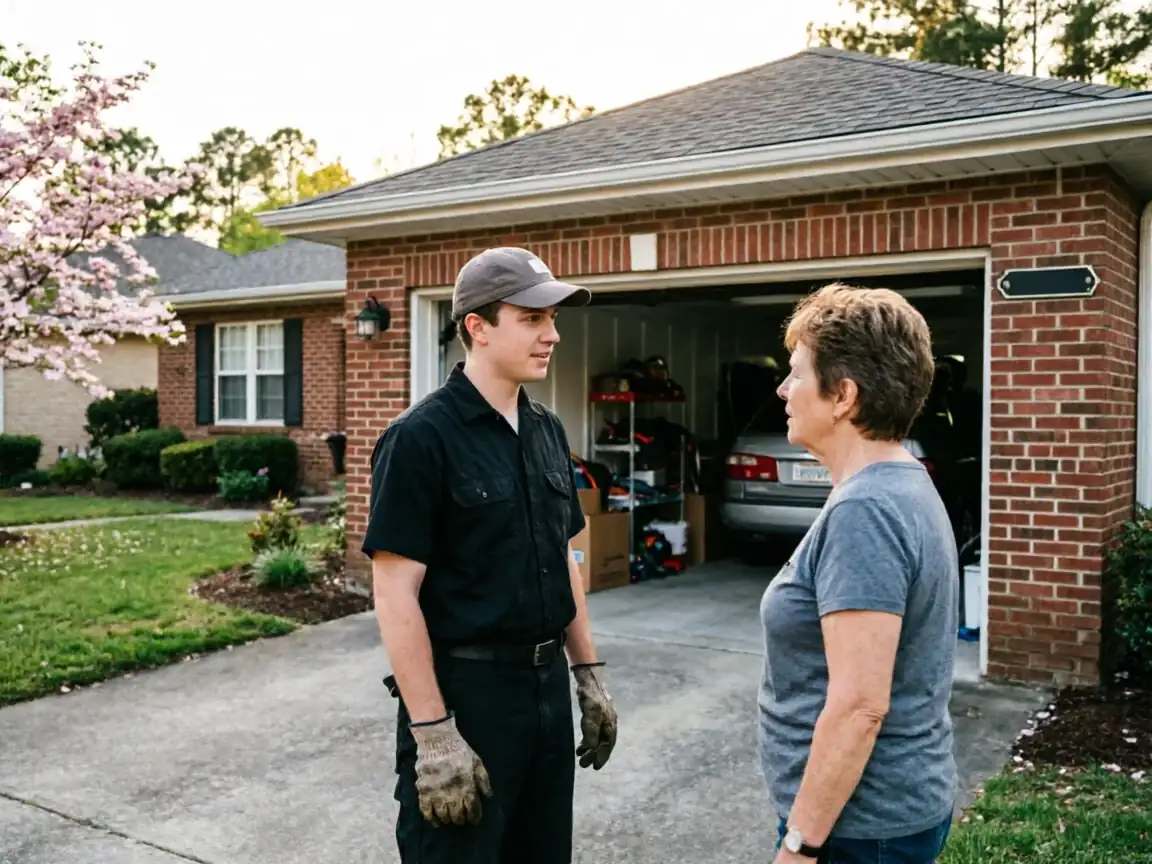
Visual checks are worth doing yourself: look at the cables for fraying, check that the door doesn't hang crooked when disconnected from the opener, and listen for new grinding sounds. Lubricating hinges and rollers with a garage-door-specific lube is a reasonable DIY task too. What we don't recommend doing yourself is touching the torsion spring or adjusting the opener's force settings past what's in the manual, since a torsion spring under tension can cause real injury and a badly-set force limit turns the opener into a hazard against whatever's underneath the door when it closes. If a repair needs new gears inside the opener housing or spring work, that's a call for us, not a weekend project.
What Can Go Wrong
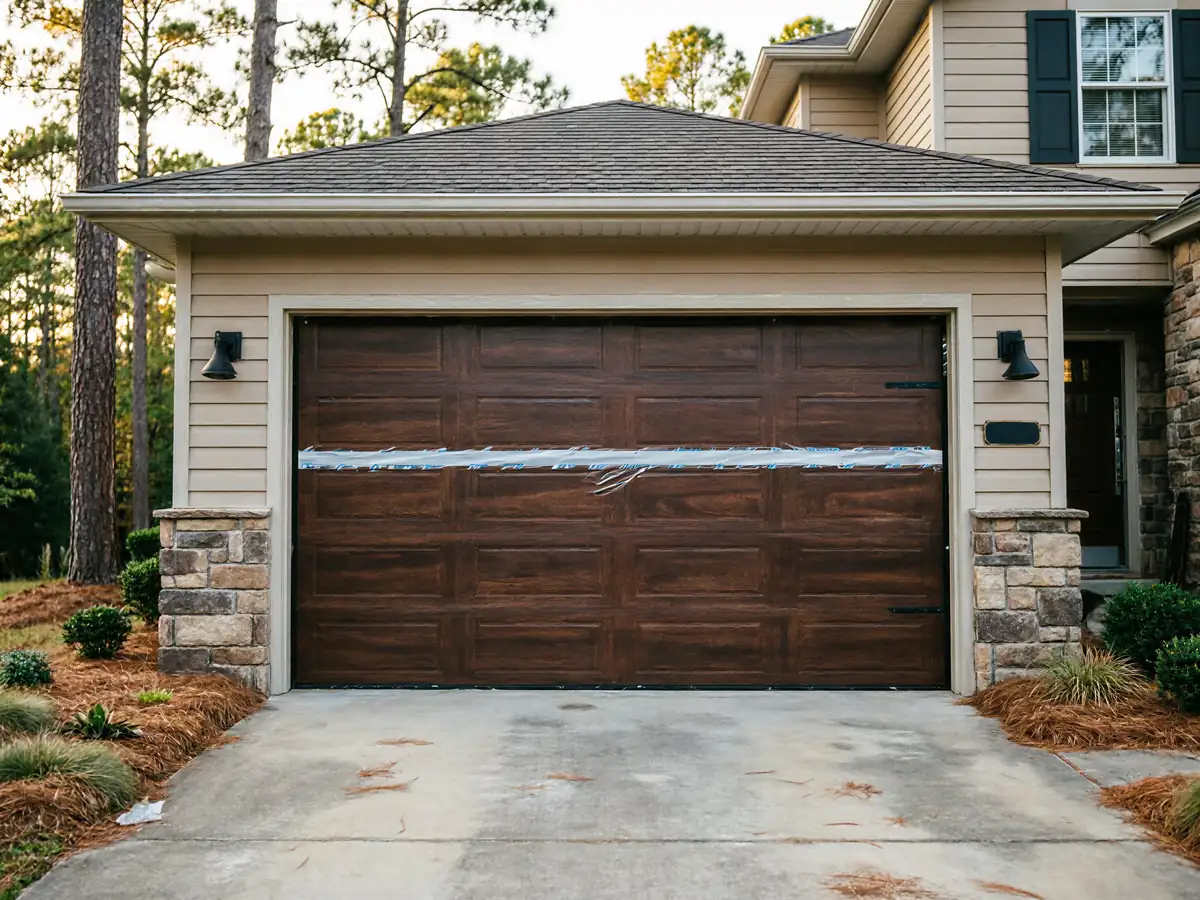
Left alone, a worn opener gear eventually strips all the way through, and the door just stops responding to the remote while the motor still hums. That's an opener repair or replacement, not a spring job, and it's common enough in this newer housing stock that we see it regularly. A drifted force sensor that goes unchecked can mean the door doesn't reverse when it should, which is a safety issue, not just an inconvenience, especially in households with kids or pets around the garage. And a torsion spring that's never been checked for correct tension will eventually fail outright, usually with a bang loud enough to hear in the house, at the least convenient moment rather than a scheduled one. None of these need to become true. They're just what skipped maintenance on 2000s-era hardware tends to produce.