How We Fix It
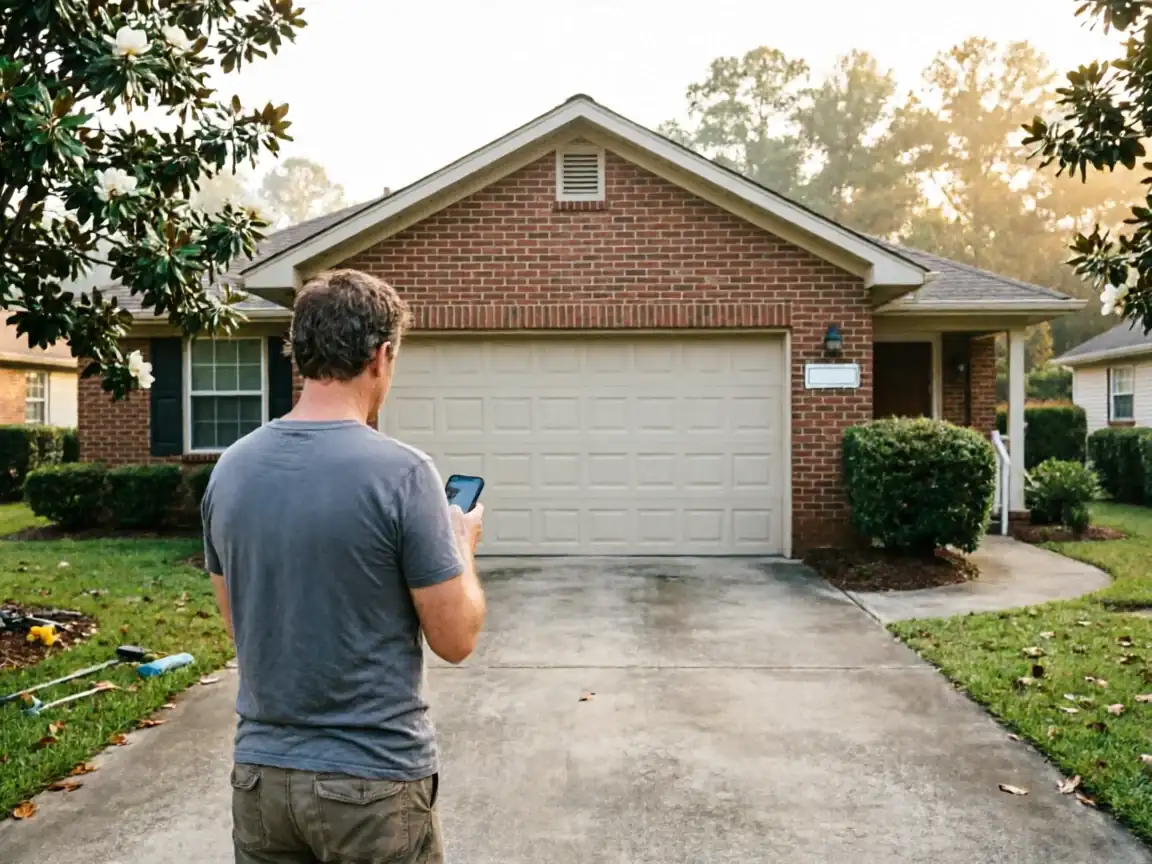
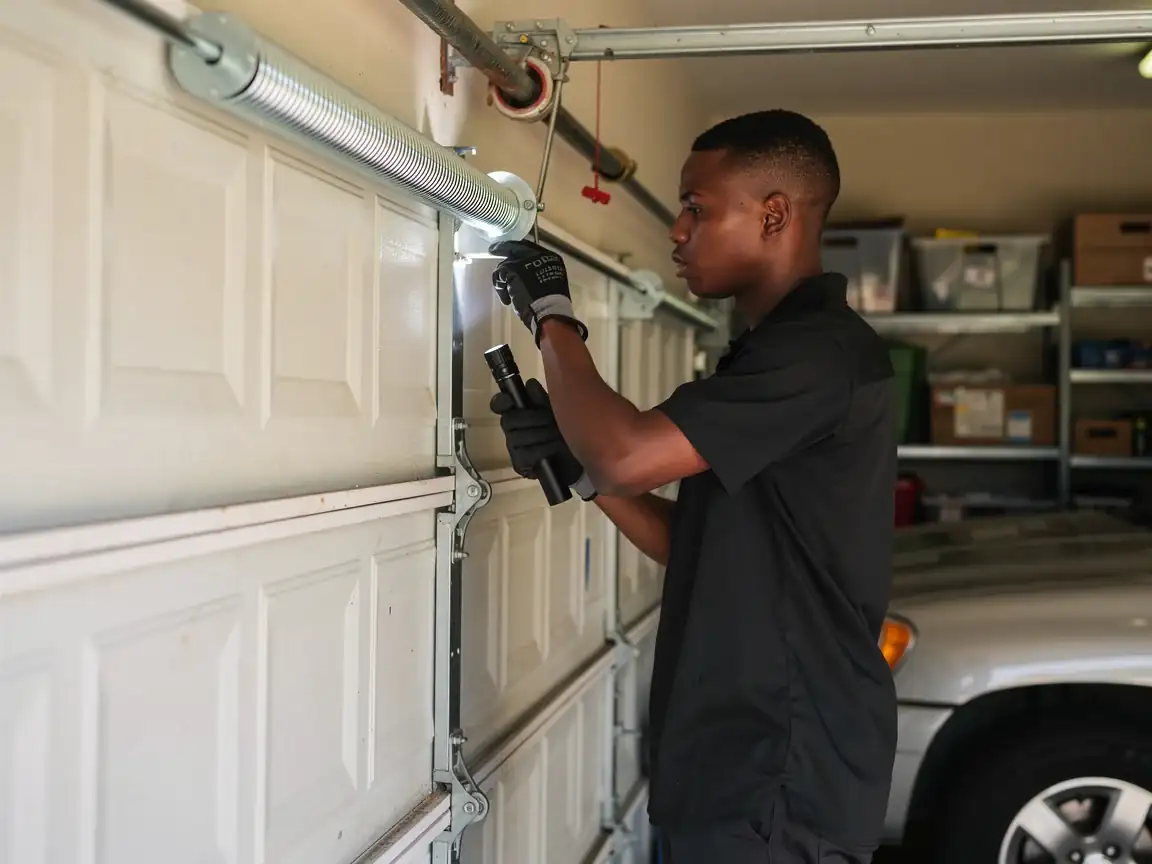
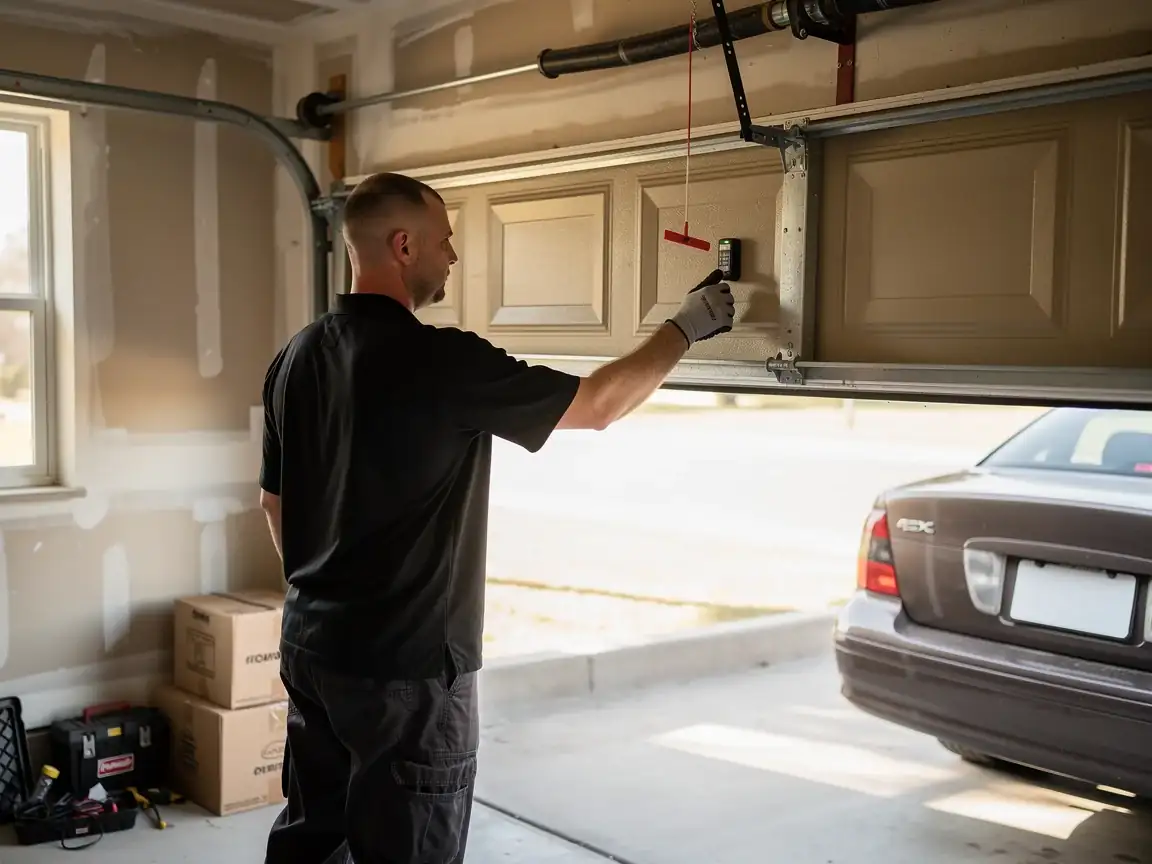
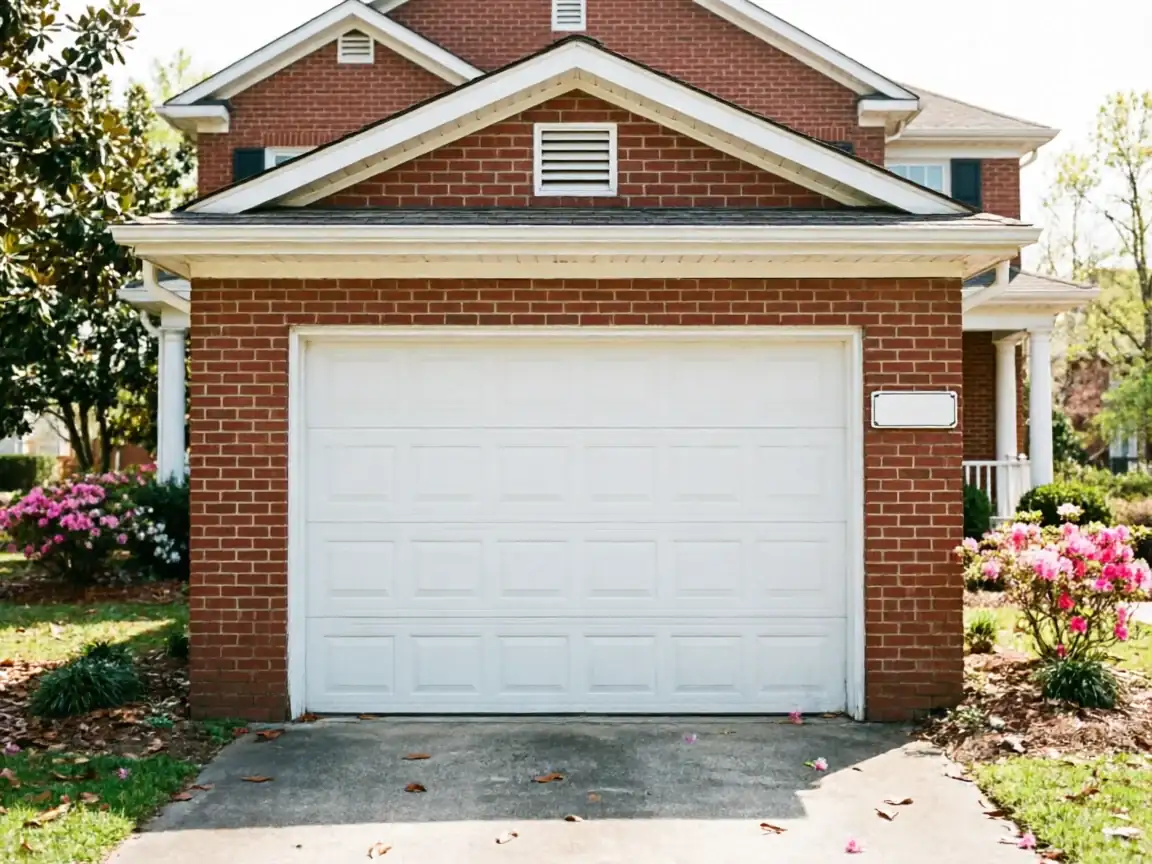
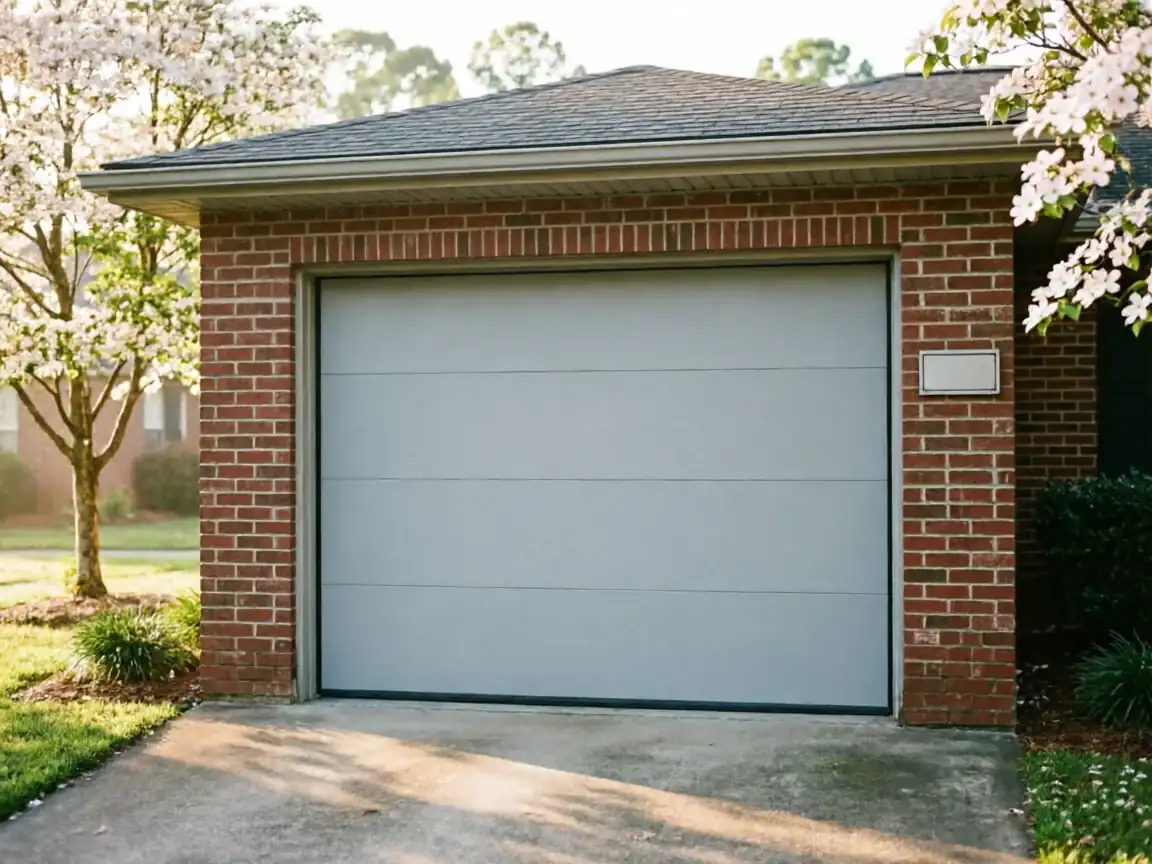
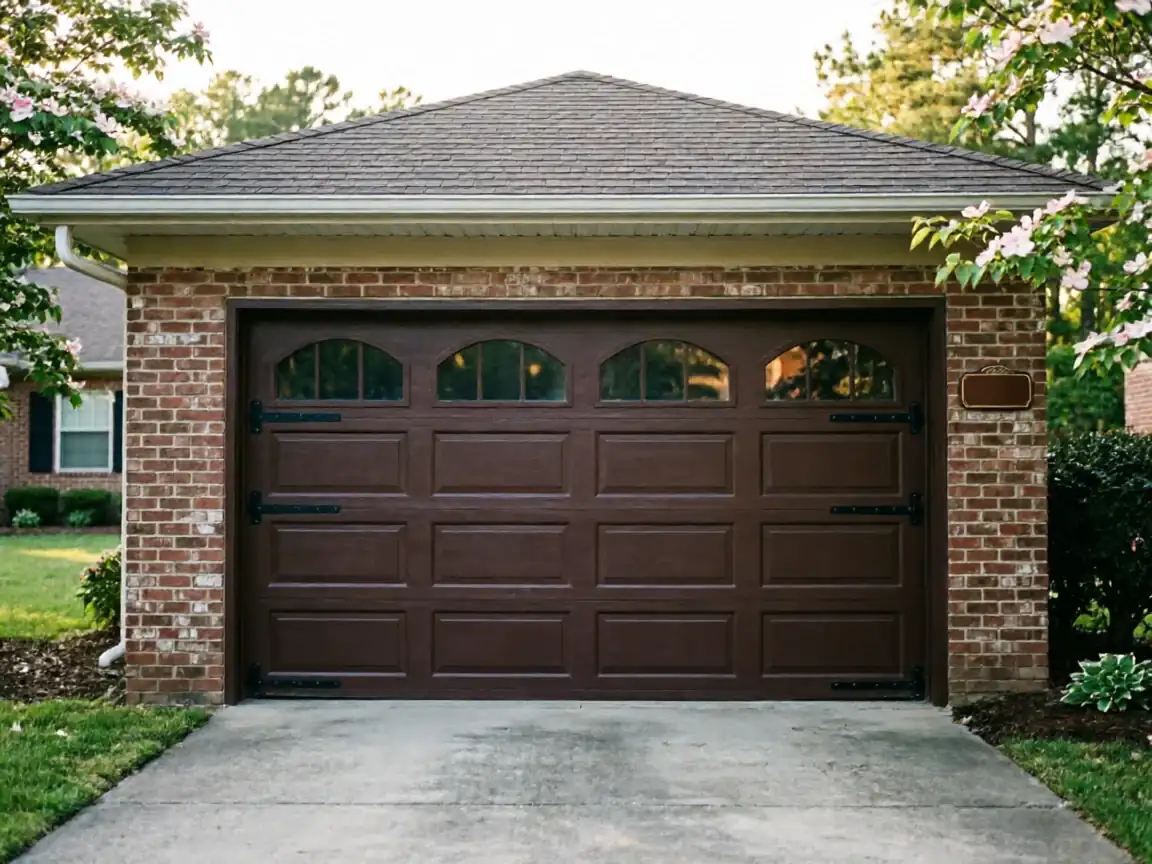
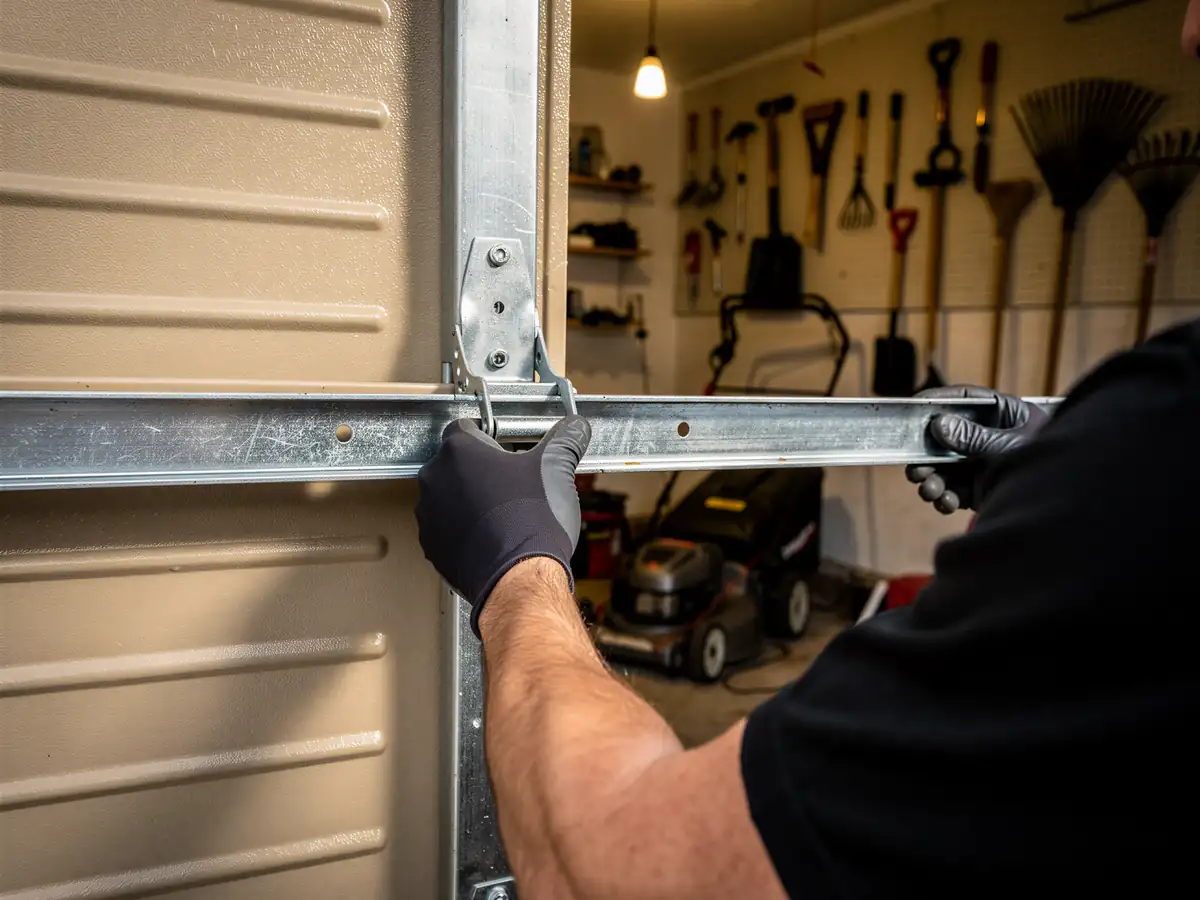
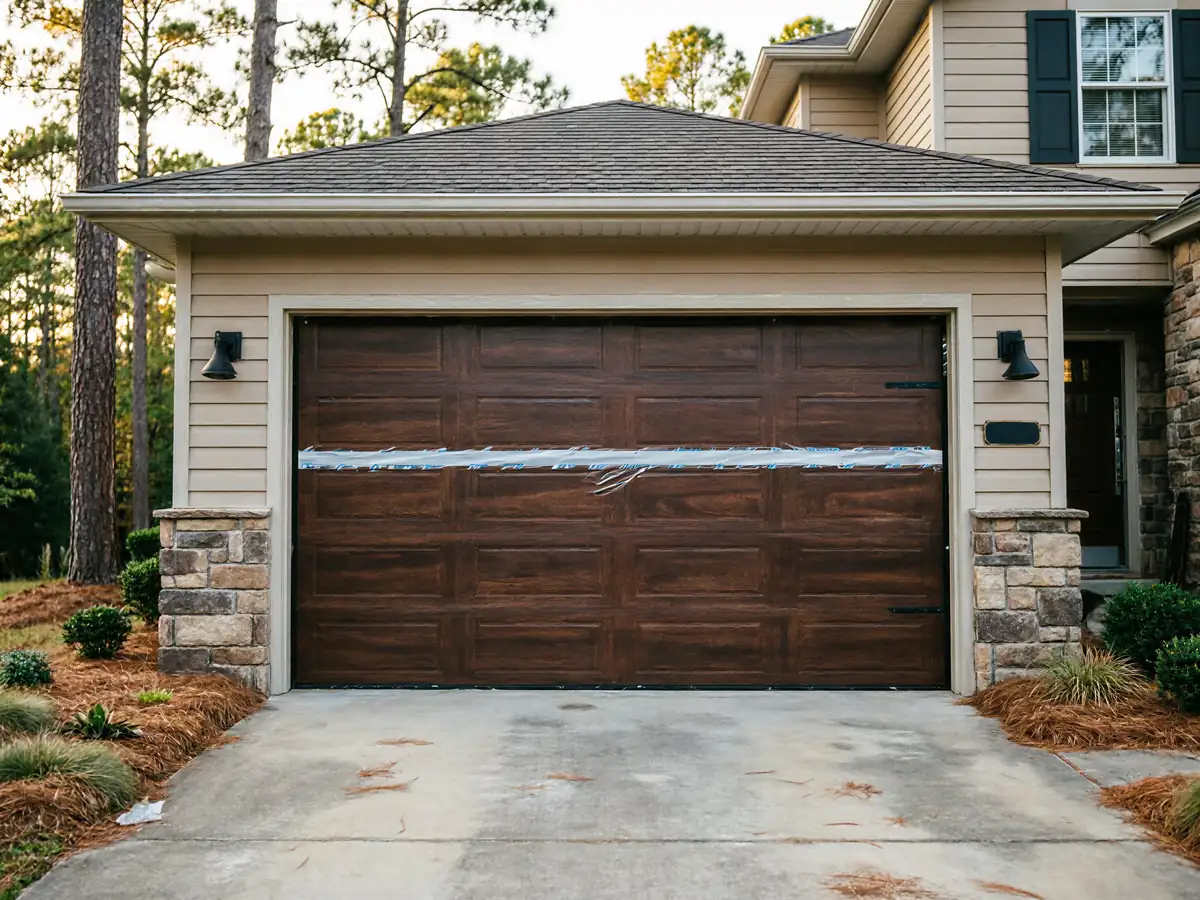
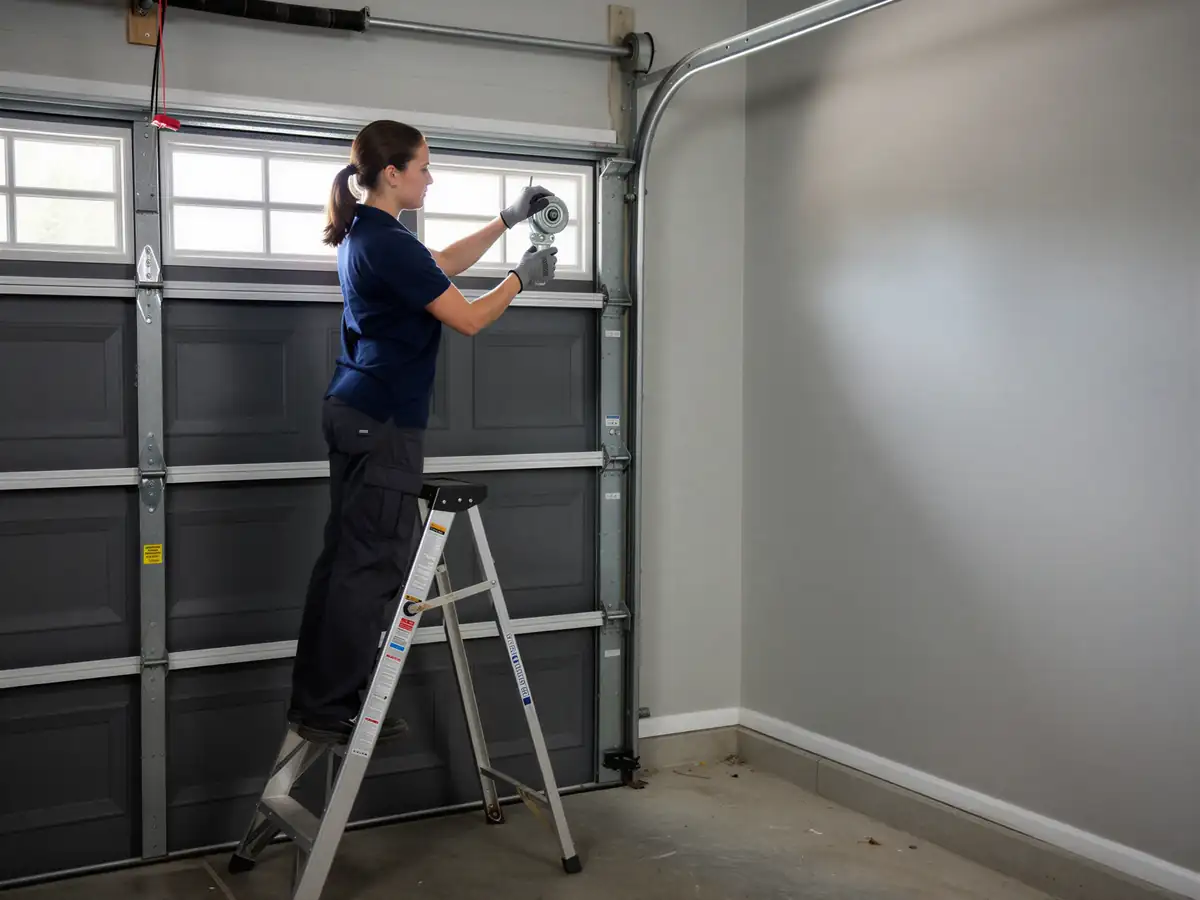
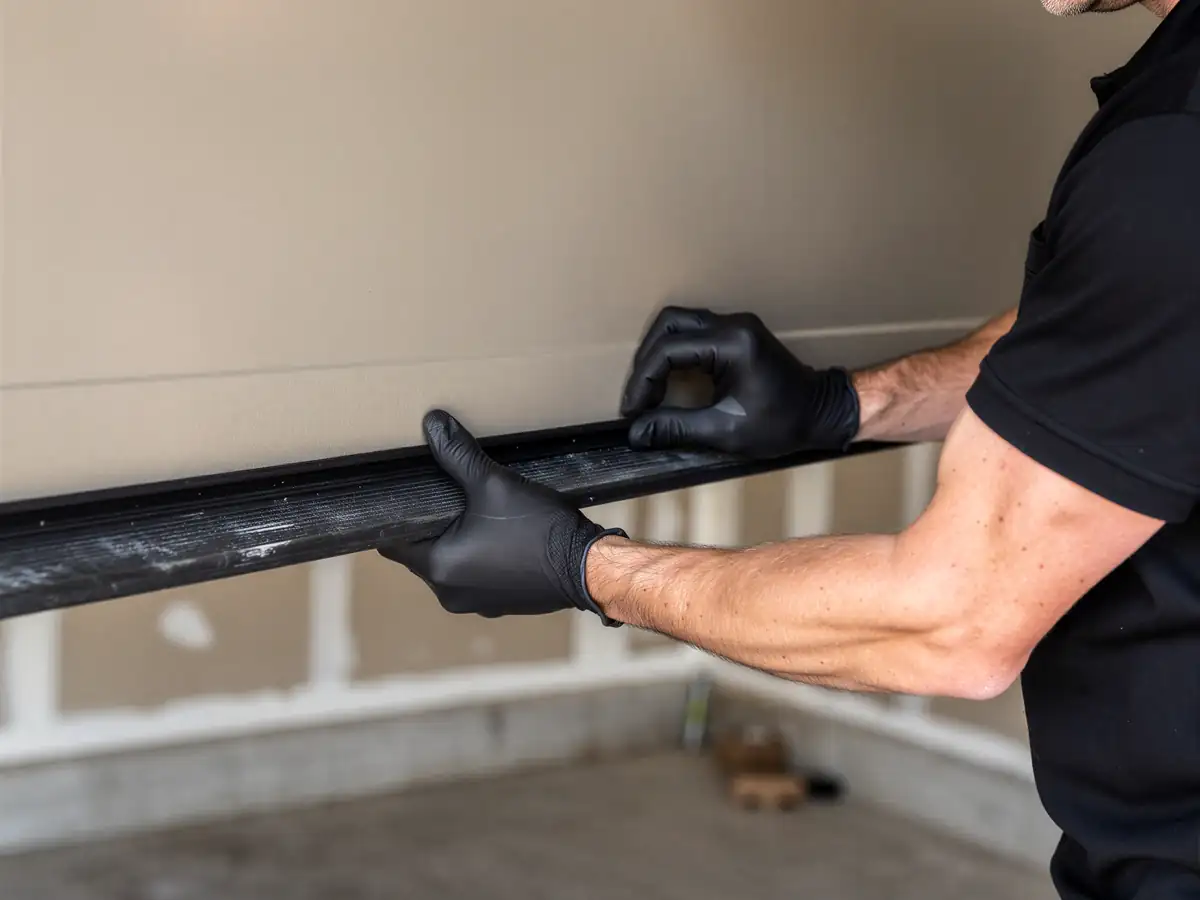
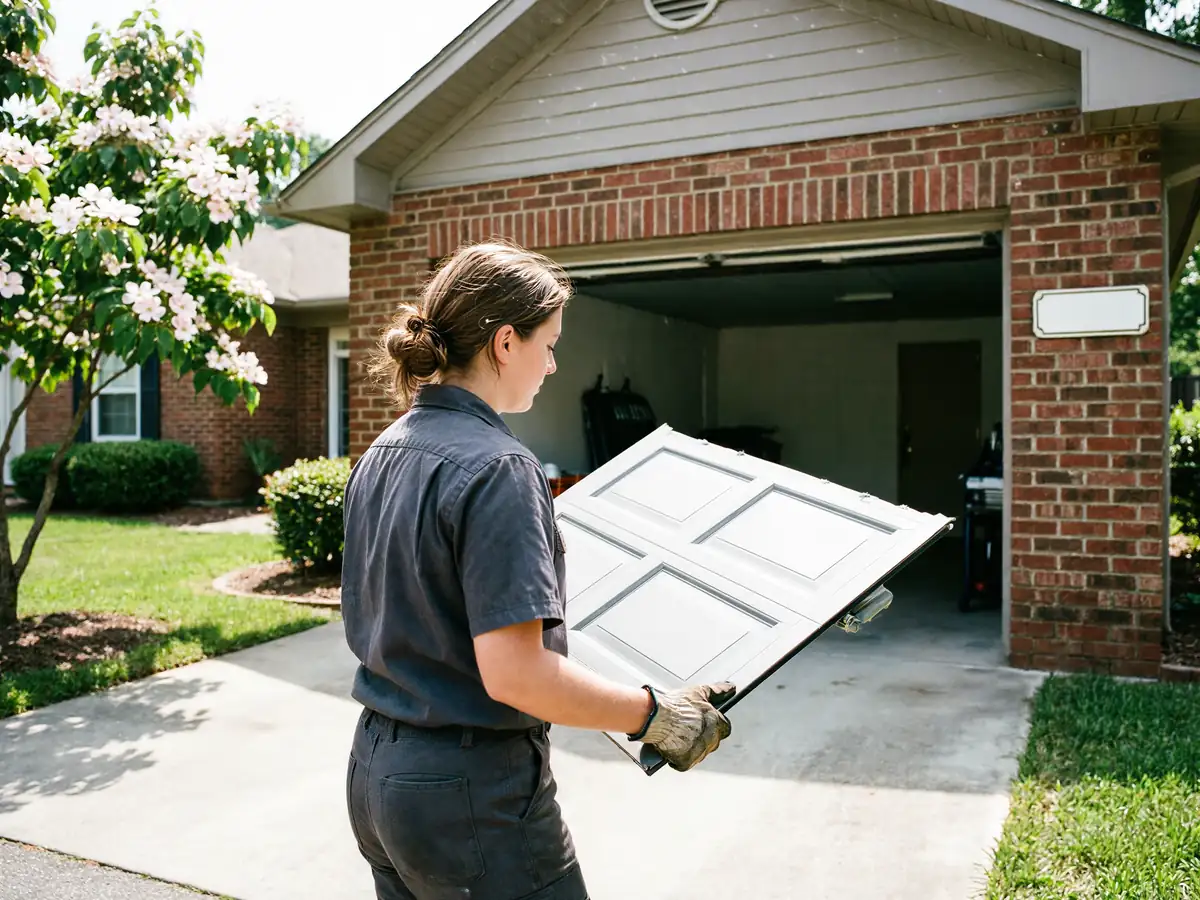
Most garage doors in Holly Springs are steel, built to the standard builder specs that were common when the neighborhood went up around 2007. That means factory-primed steel panels, usually 2-inch thick with a layer of foam insulation sandwiched inside, in the wide double-door sizes developers favored for that era - 16 feet across is typical. When one panel gets dented or cracked, we don't tear the whole door off the track. We order a matching panel section from the same manufacturer line where we can, unbolt the damaged one from the hinges and end stiles, and set the new one in without disturbing the spring or opener. If the exact profile isn't made anymore, we'll tell you that up front rather than force a mismatched panel onto your door - sometimes the honest answer is a full door instead of a patch job.
What Causes It Around Here
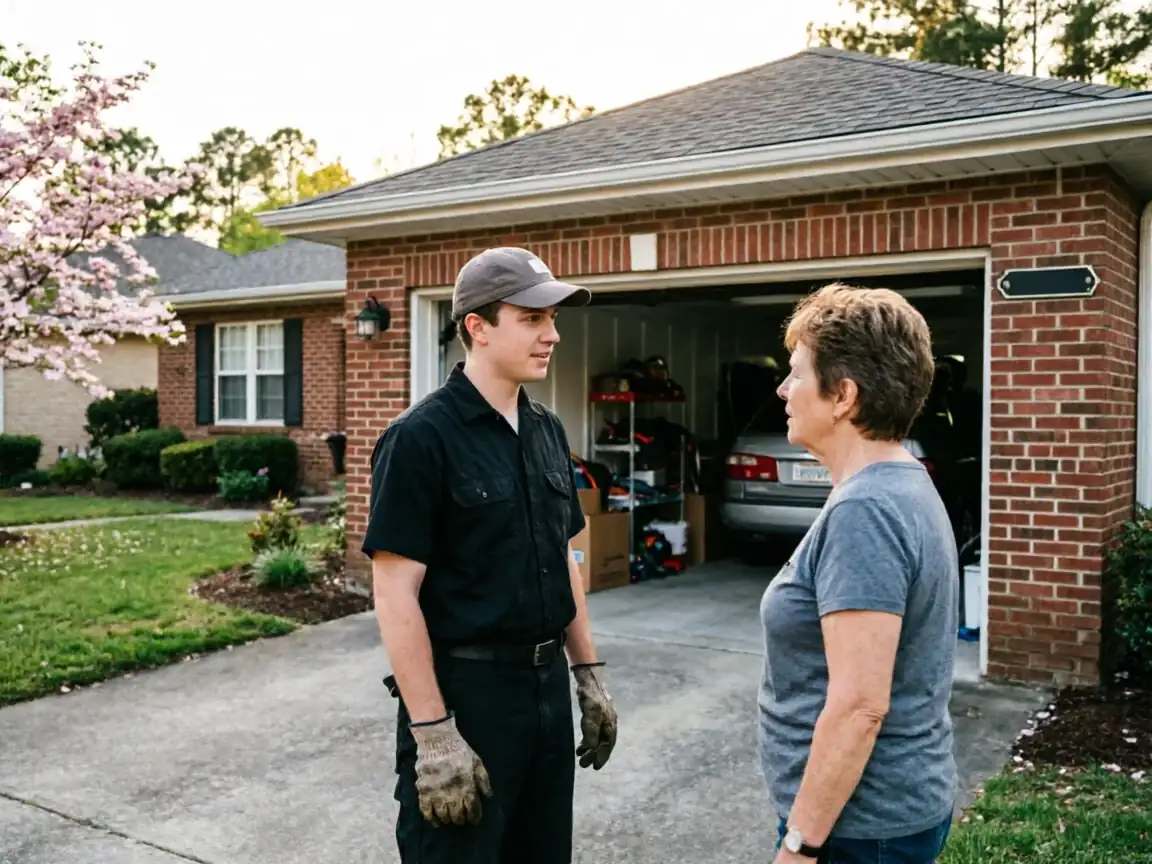
Holly Springs is a younger build pocket than a lot of the area - median construction year sits around 2007, so you're not dealing with original 1960s hardware like some of the older suburbs we cover. What you are dealing with is builder-grade steel that was specified for cost, not thickness, and doors sized for two-car garages that are wider than older stock. Wider panels flex more under impact. Add in the area's cold-but-moderate winters, where steel contracts and expands enough over a season to loosen seams that were already thin from the factory, and a minor ding from a bumper or a basketball turns into a crease that won't pop back out.
Can You Do This Yourself
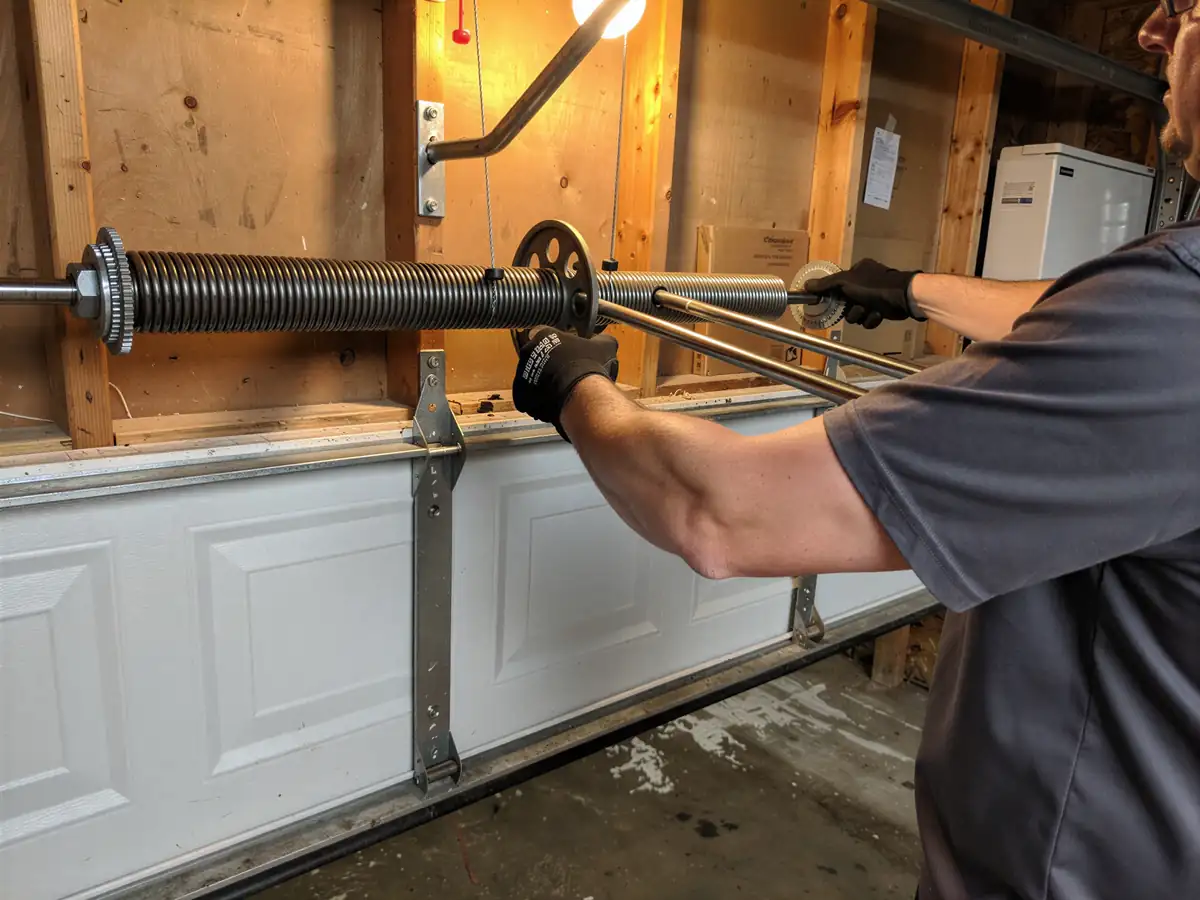
If the dent is cosmetic and the door still opens and closes square, you can sometimes pull a shallow crease out with a plunger and some patience - plenty of homeowners do. Where it stops being a DIY job is once the panel is cracked through, the track is pulling out of alignment, or the dent is on a section with the door's reinforcement strut behind it. On a wide double door, a bent strut under load can let the door rack sideways in the track, and forcing it open and shut at that point risks the cable jumping the drum. If you're not sure which situation you're in, it's worth a call before you keep running the opener on it.
What Can Go Wrong
The main risk with panel replacement on a 2007-era door is parts matching. Builder-grade doors from that period were often supplied in bulk to developers under lines that got discontinued or re-branded within a few years, so an exact color and texture match isn't guaranteed even when the panel height and width line up. We'll always check before we order, but if your door's been in the sun for over a decade, a new panel may still look slightly different until it weathers in. The other failure mode is skipping the strut check - replacing a panel without confirming the reinforcement bar behind it is straight just moves the problem to the next ding.