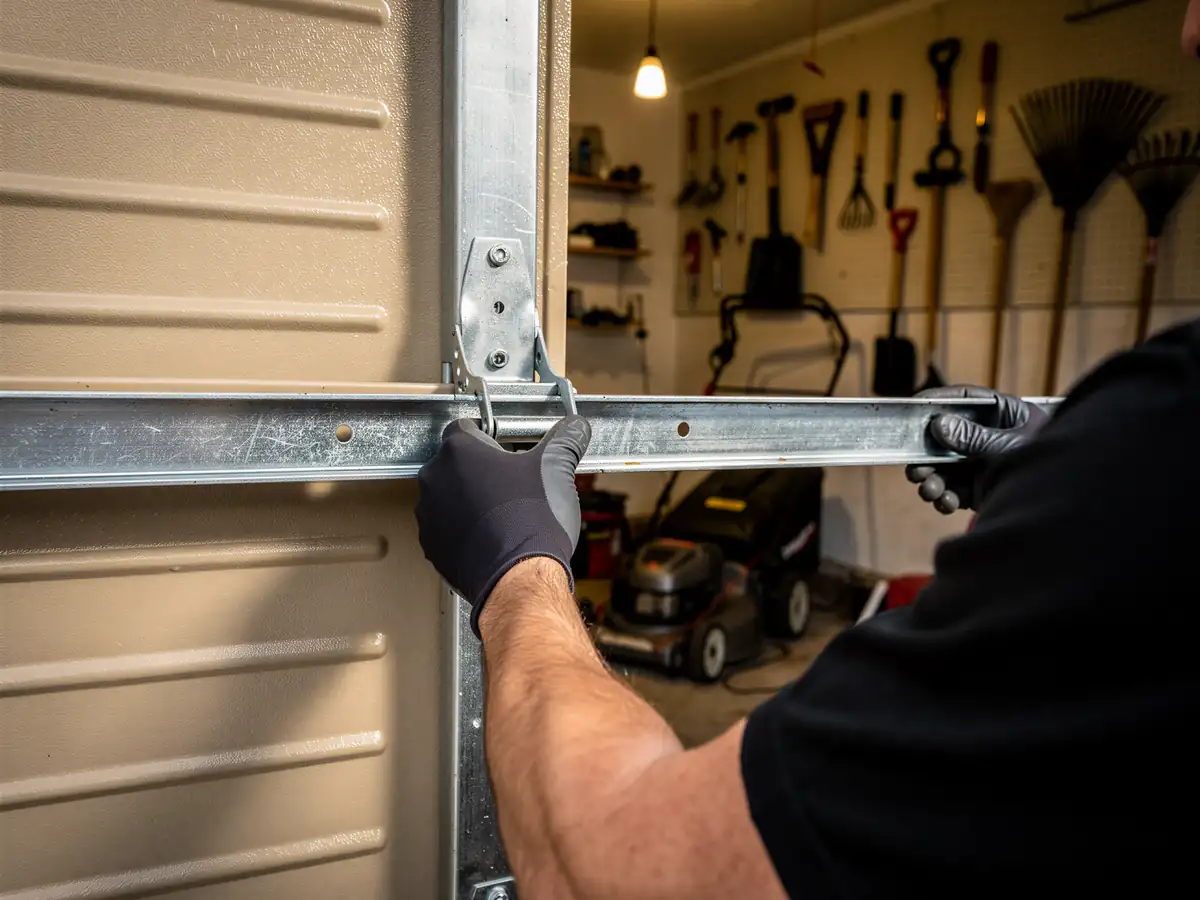
How We Fix It
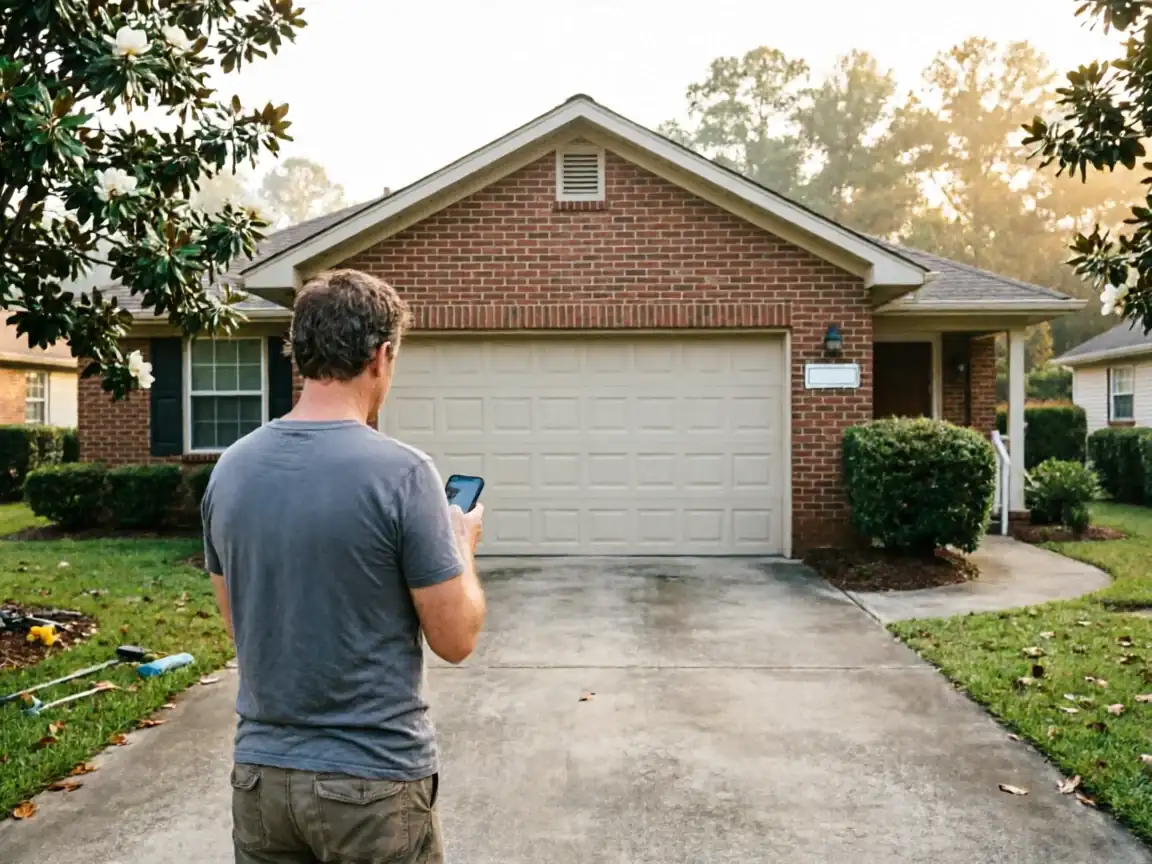
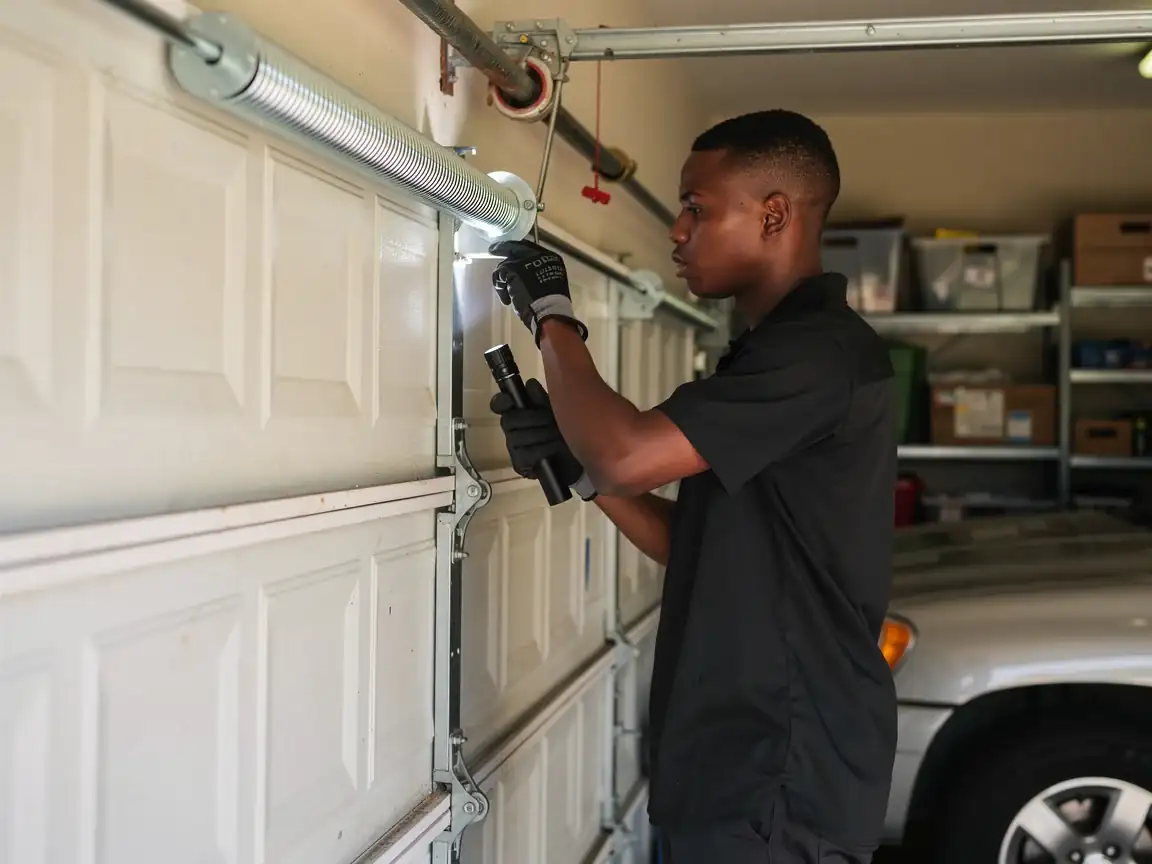
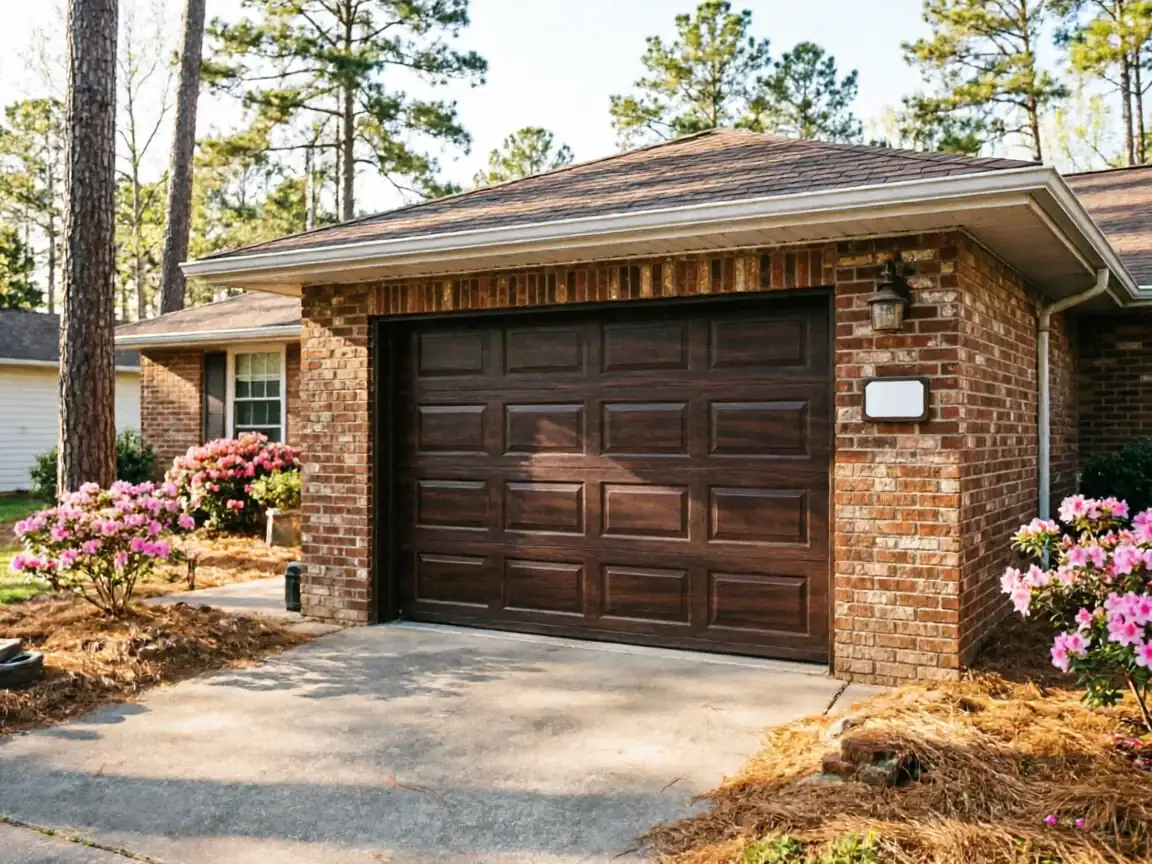
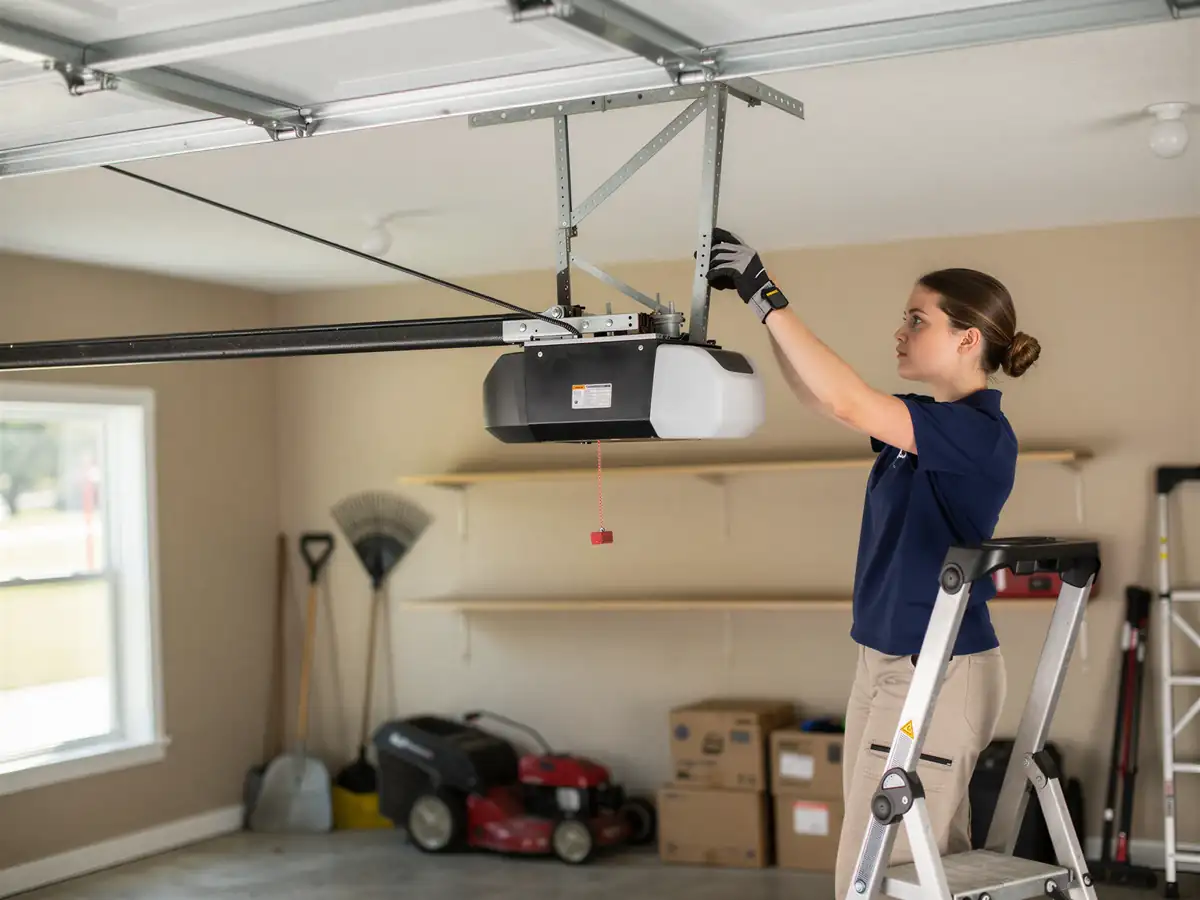
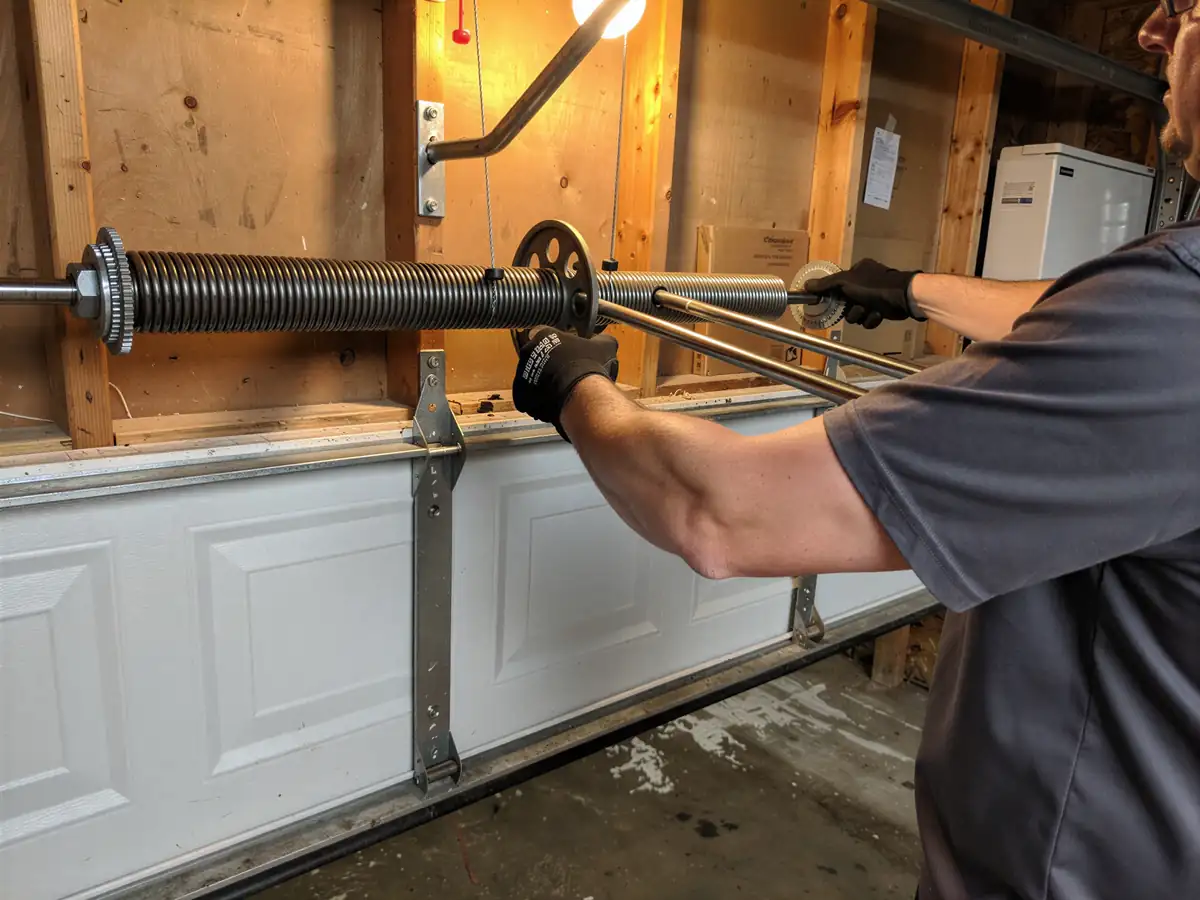
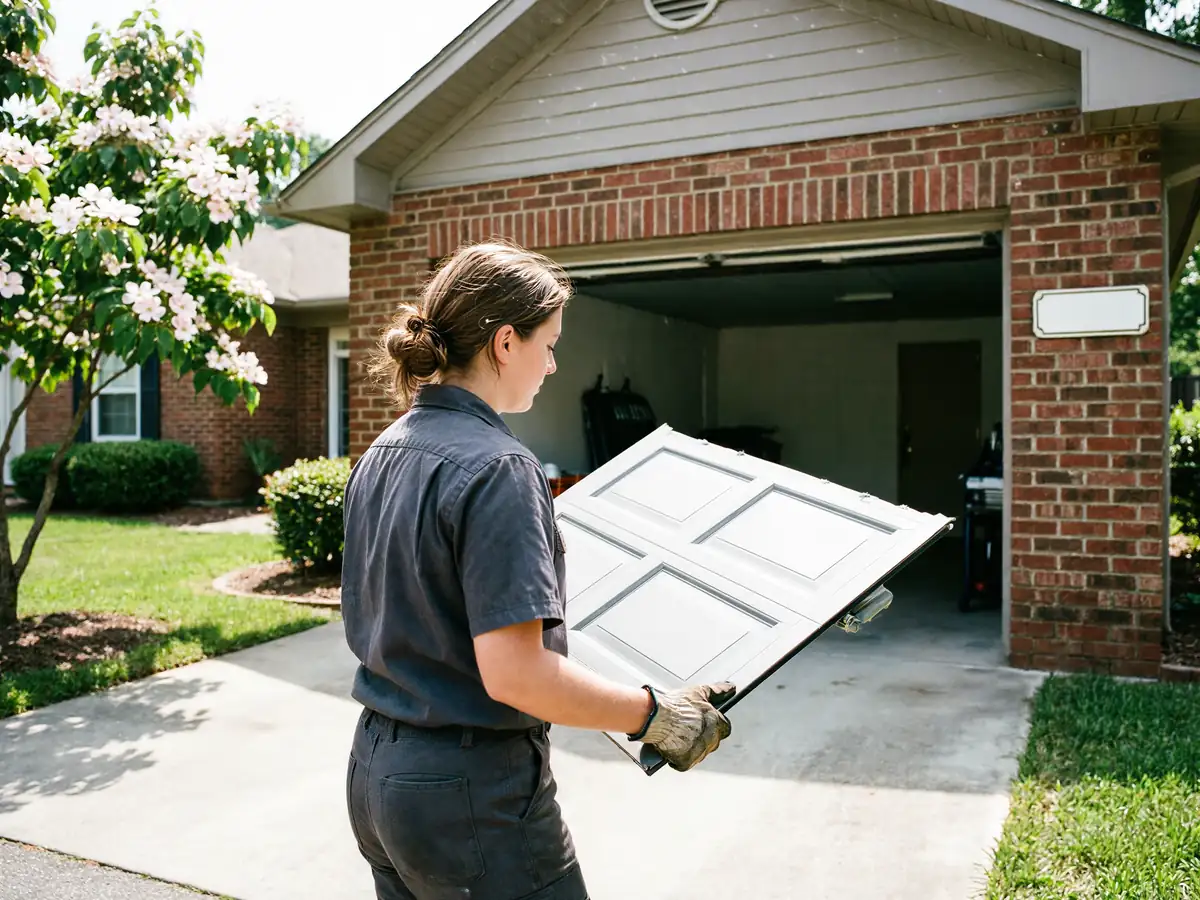
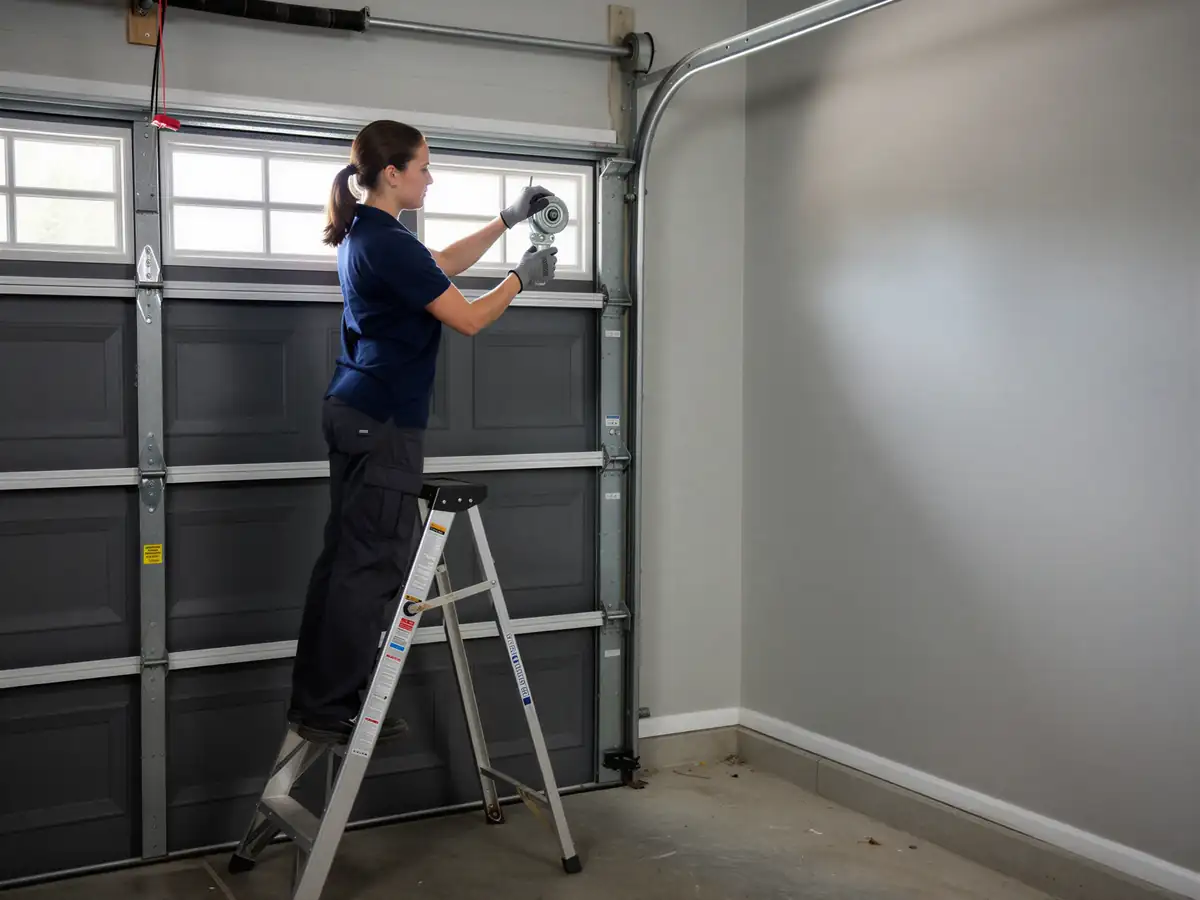
Holly Springs is a smaller pocket in our coverage area, about 6,189 households, which means the work here tends to cluster around whatever builders were putting up when most of the neighborhood went in. With a median build year around 2007, that's steel-roller doors on lighter-gauge tracks and openers with circuit boards instead of the mechanical relay units you'd find on something from the 1980s. We bring the truck out from Roswell, about 12 miles, and the first thing we check is whether the fault is the door itself or the opener logic board, since newer installs fail in different spots than older ones. On a torsion spring job we match the wire gauge and wind to the door weight rather than guessing off a standard chart, because builder-grade doors from the 2000s often run lighter springs than what's on the shelf. Cable and roller work is usually straightforward on this stock since the drums and tracks are factory-aligned and haven't had thirty years to settle or rust. We carry common opener logic boards and standard torsion springs on the truck; anything proprietary to a specific builder-installed opener brand may need to be ordered, and we'll tell you that up front rather than make a second trip look like bad planning.
What Causes It Around Here
The 2007 median build year matters more than people think. Builder-grade openers and doors installed during that stretch were specified to a price point, which means lighter gauge springs, plastic drive gears instead of steel, and sensor wiring run a little too casually along the garage ceiling. None of that is dangerous on day one, but fifteen-plus years in, the plastic gear strips, the light-duty spring loses tension faster than a heavier residential-grade spring would, and loose sensor wire gets pinched or chewed by rodents. We also see a fair number of calls where a homeowner added a second remote or a smart-opener retrofit and the wiring wasn't matched to the original board, which trips the safety reversal system intermittently. Compare that to an older 1980s house with a one-piece door and mechanical chain drive - different failure entirely, usually just worn hardware, not electronics. Holly Springs skews toward the newer end of the stock, so the fixes here lean electronic and software-adjacent more than mechanical.
Can You Do This Yourself
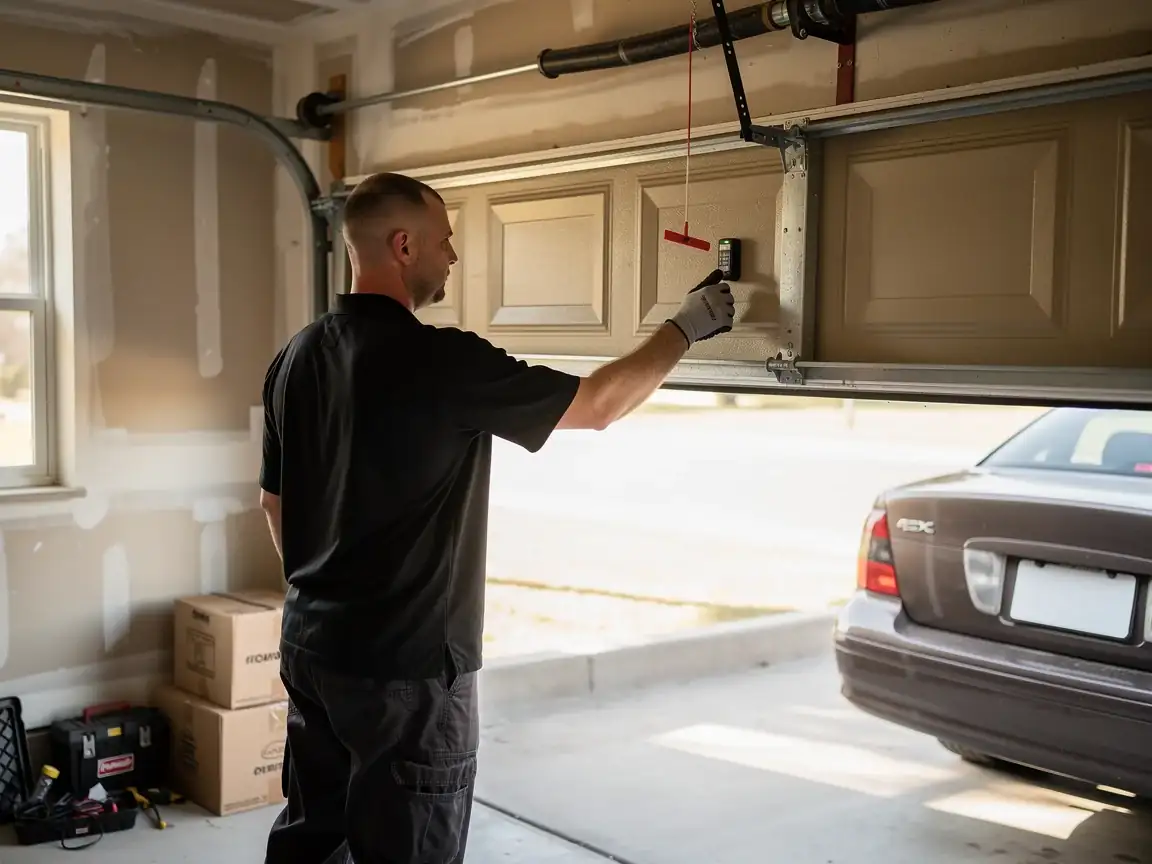
Sensor alignment you can usually handle yourself: loosen the wing nuts, line up the two eyes so the indicator light goes solid instead of blinking, and tighten back down. Remote reprogramming is also fine as a DIY job, most 2000s-era openers have a learn button and the process takes two minutes once you find the right button on the motor unit. Where we'd stop you is the spring. Even a lighter builder-grade torsion spring is wound under enough tension to break a finger or worse if the winding bar slips, and the wire gauge on these newer doors is hard to judge by eye. If the door is reversing and it's not the sensors, or if you hear a loud bang and the door won't move at all, that's a spring, and that's a call, not a weekend project.
What Can Go Wrong
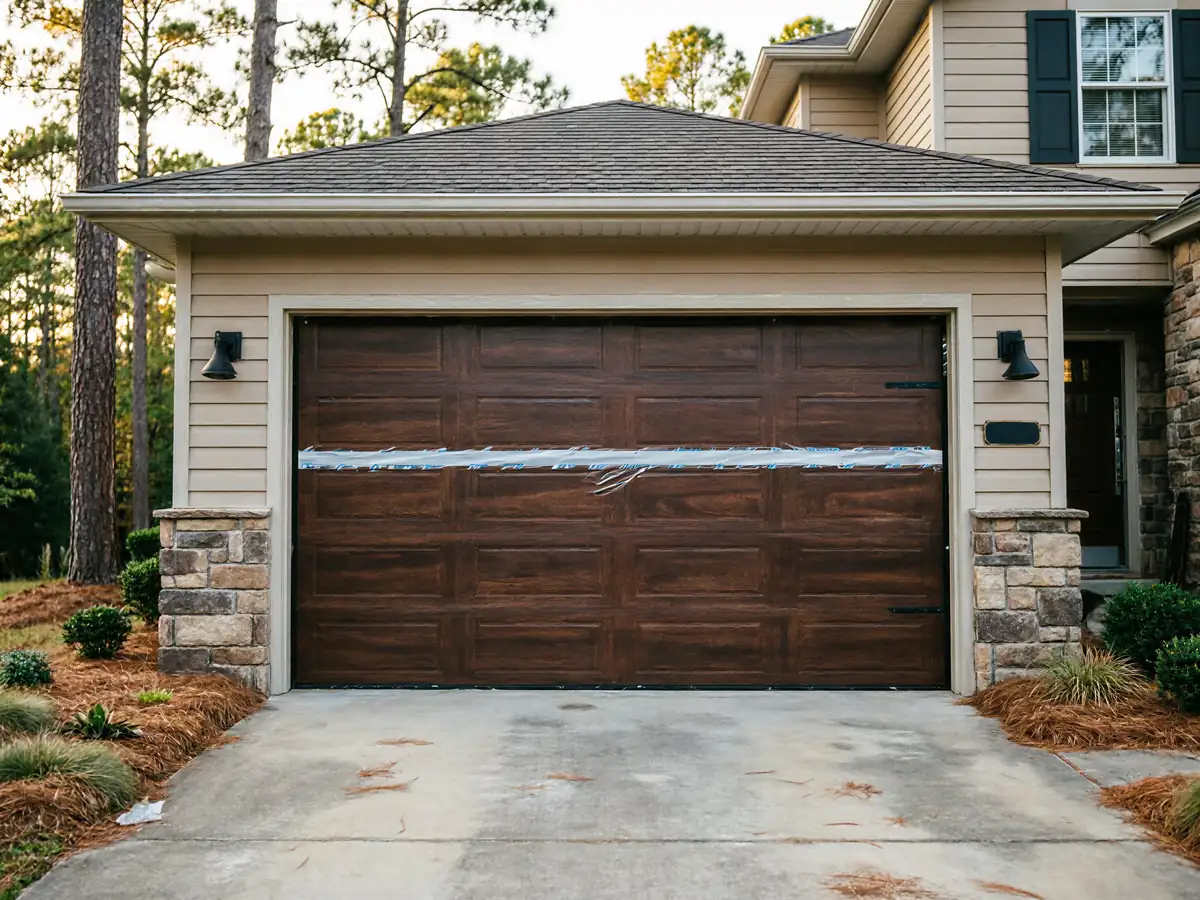
Here's the honest part: some of these builder-grade openers from the mid-2000s are discontinued enough that a replacement logic board isn't a same-visit item. We'll check what we can source, but if your specific board was made by a company that's since folded into a bigger brand, you may be looking at a full opener swap instead of a board repair, and we'll say so rather than string out a troubleshooting bill. On the door side, if a panel is dented or a track is bent beyond straightening, patching it on a 2007-era door often costs close to what a new door would run, given how proprietary some builder panel profiles are. We'd rather tell you that up front than sell you a repair that's a bad trade against replacement.