How We Fix It
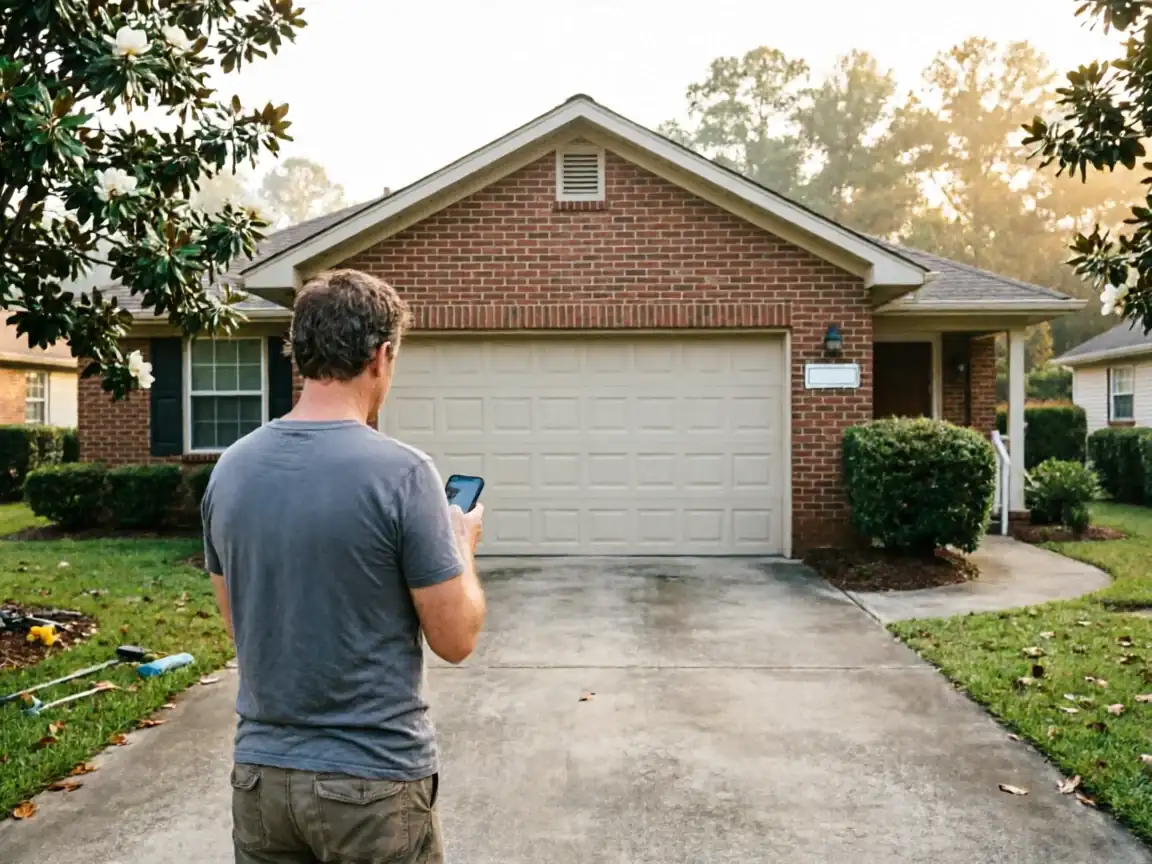
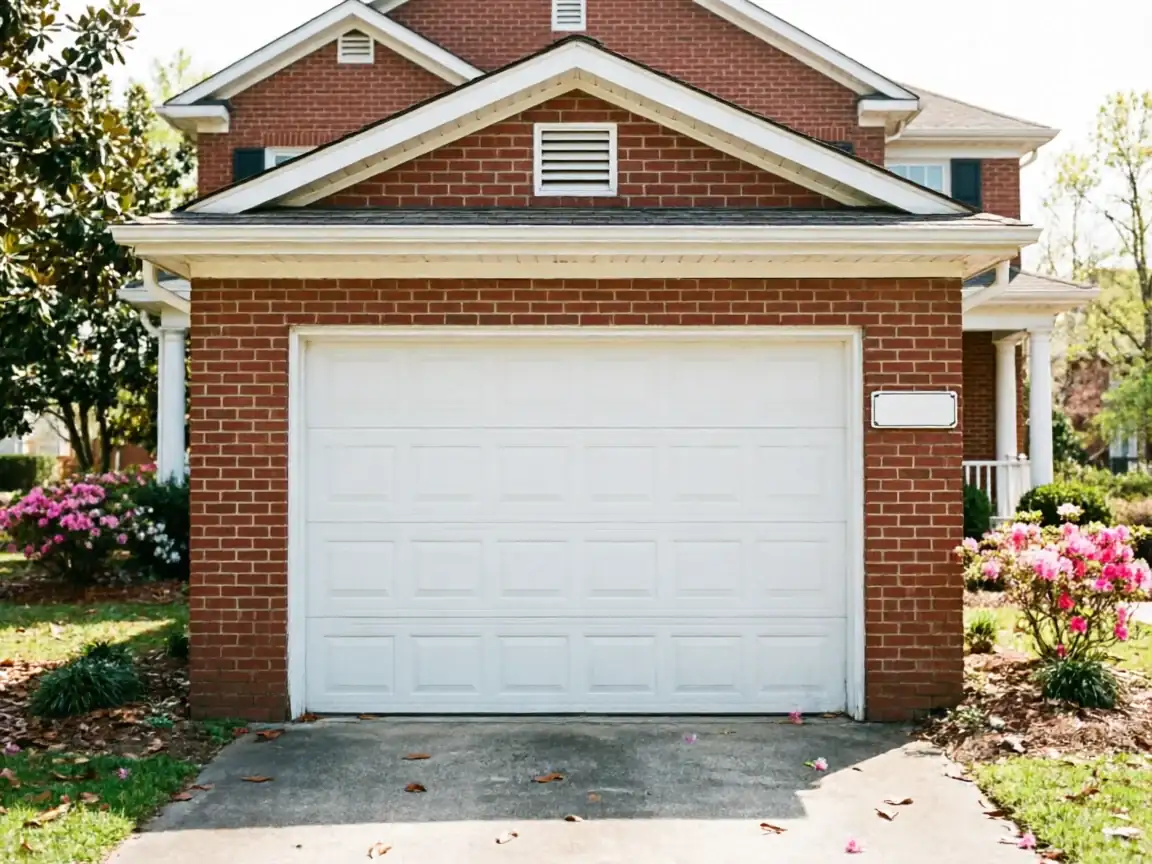
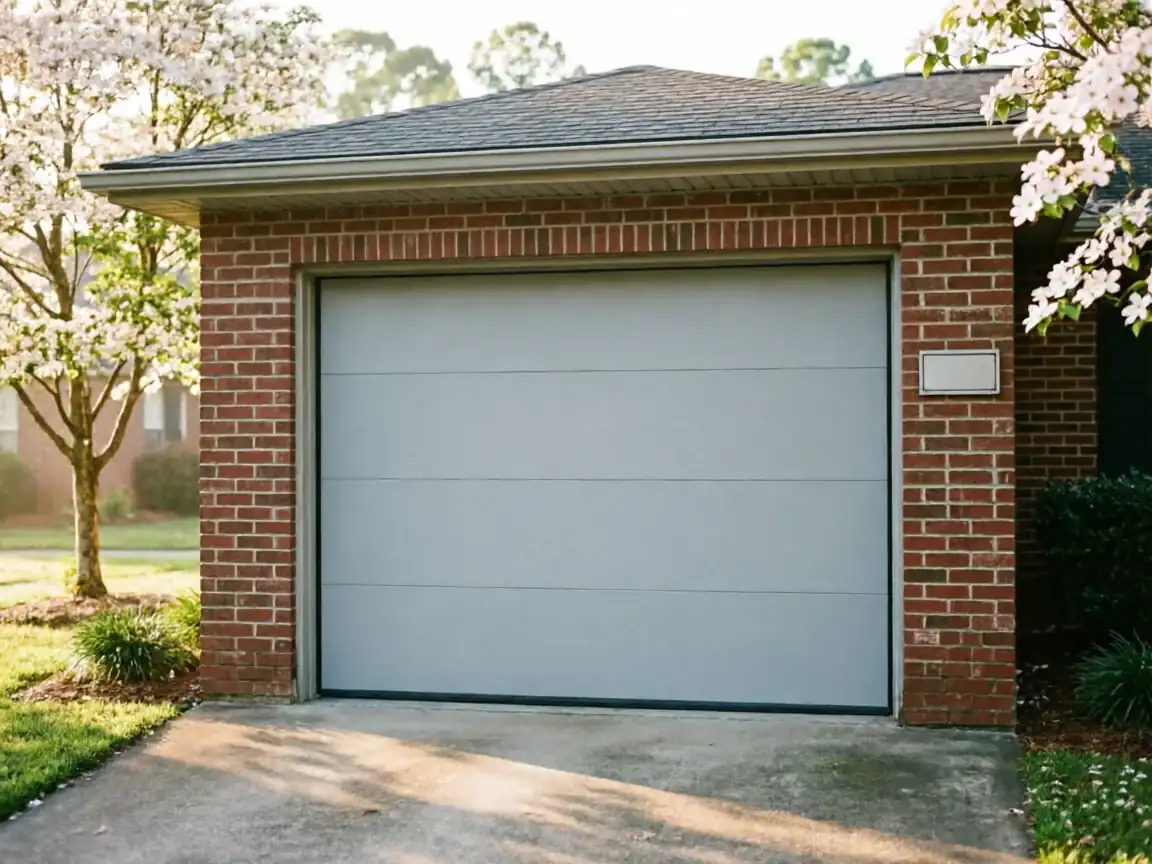
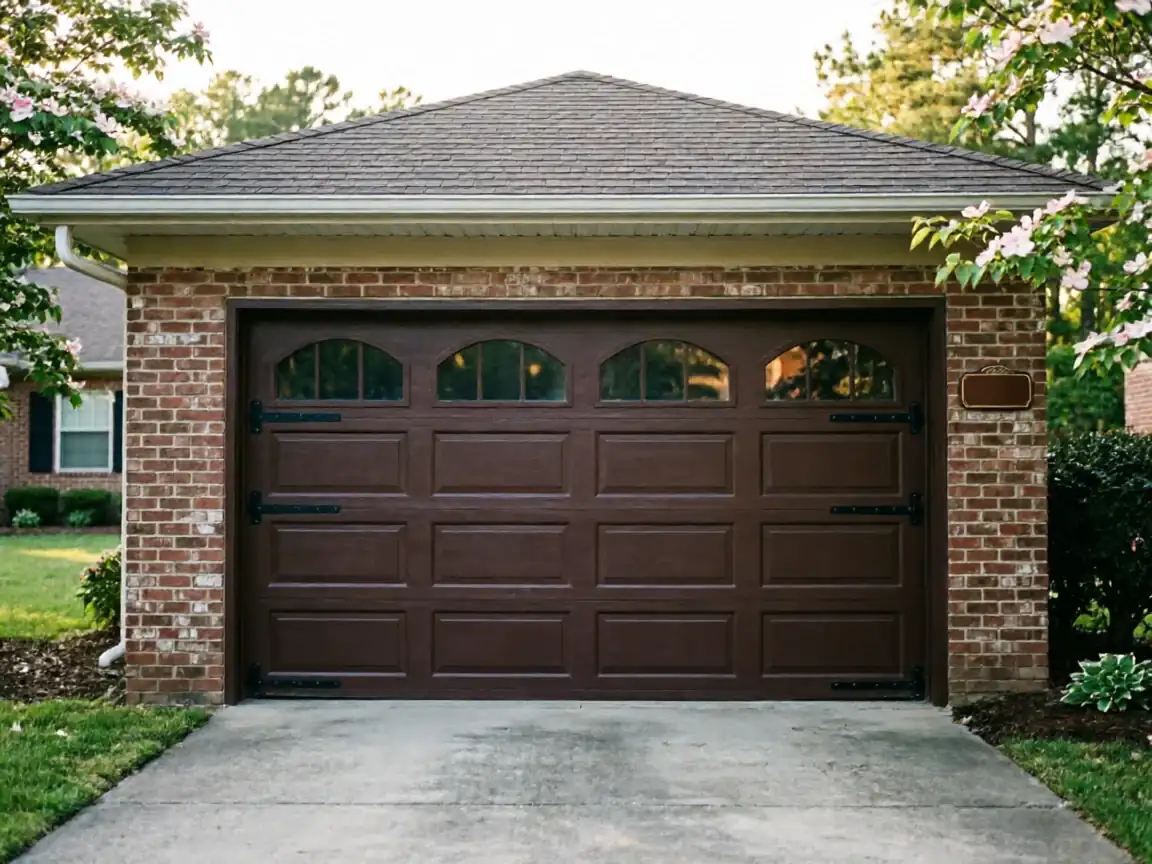
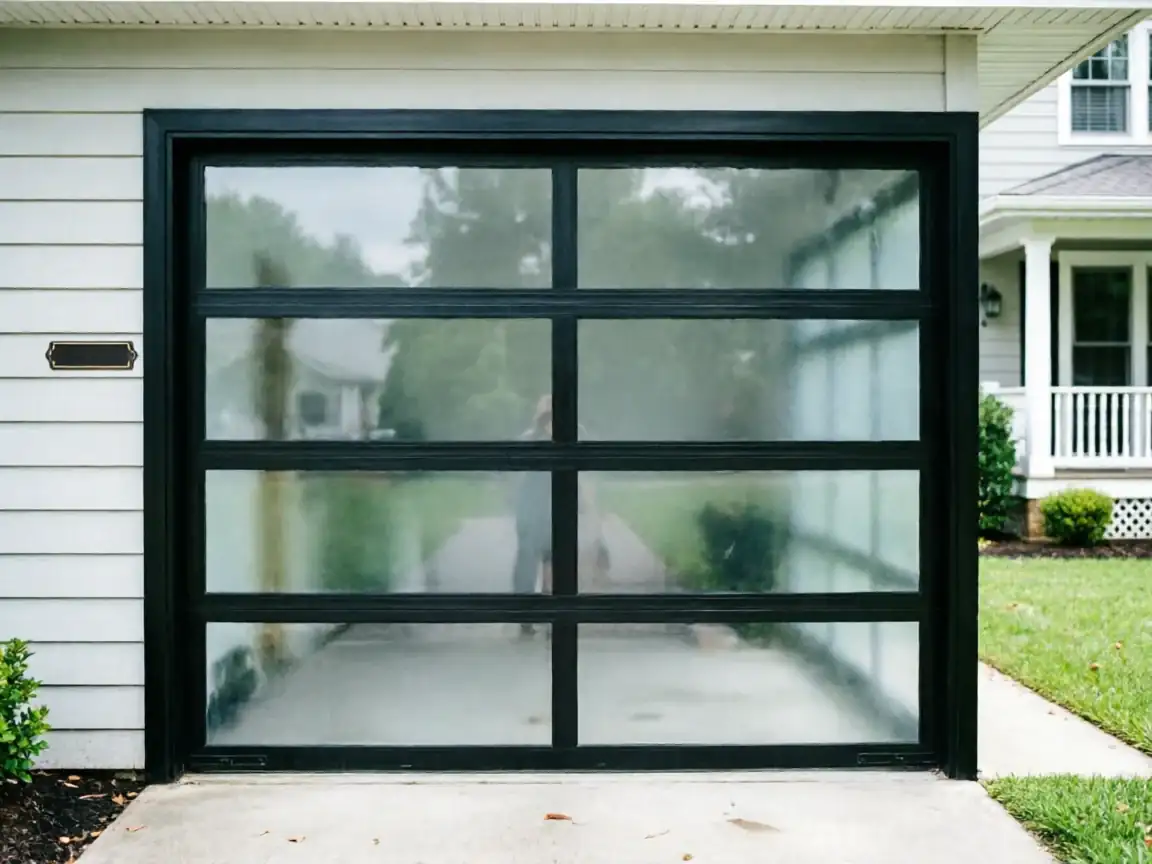
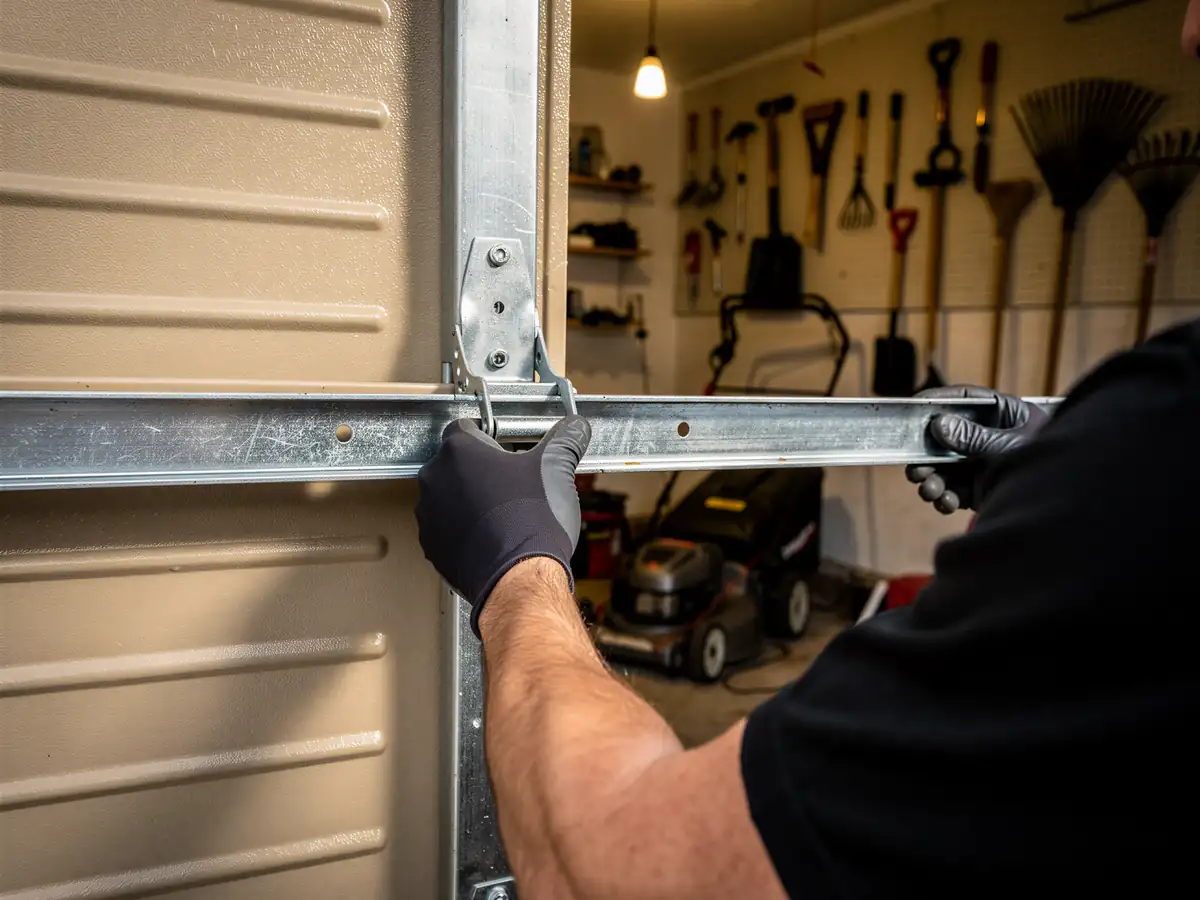
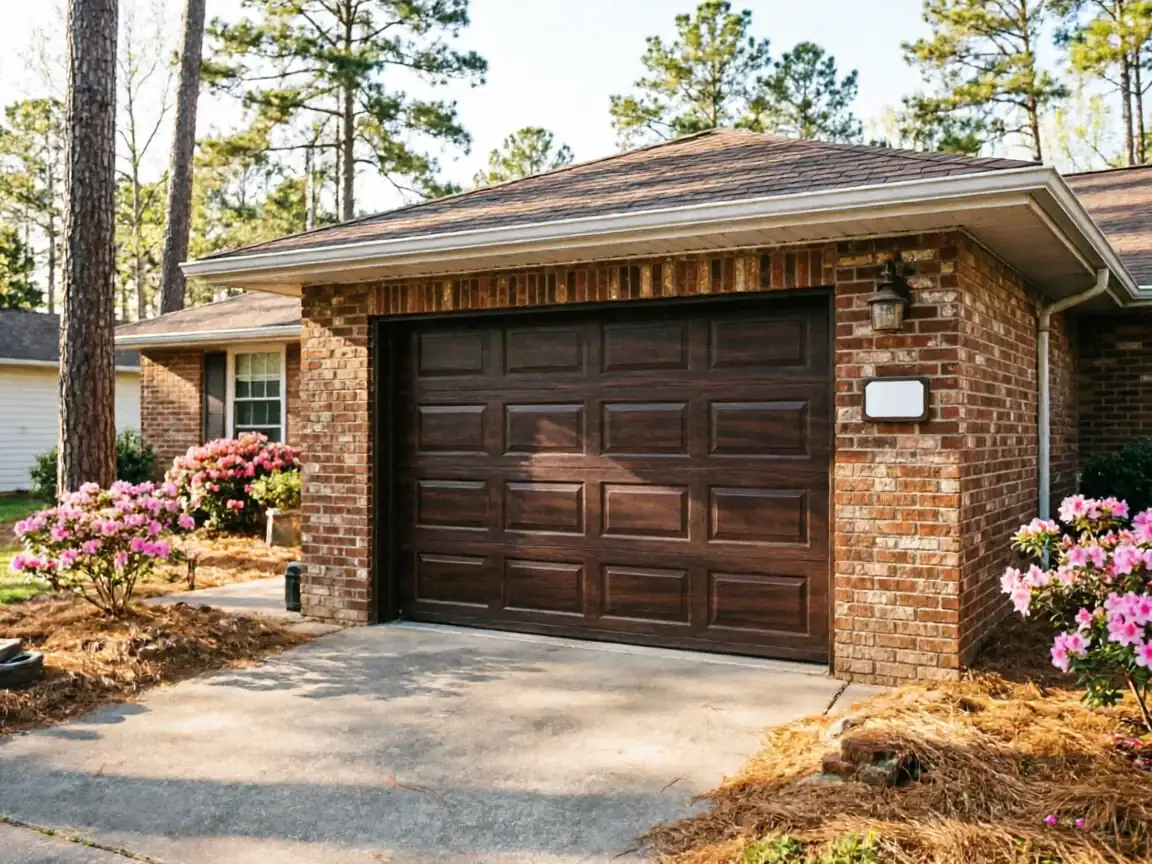
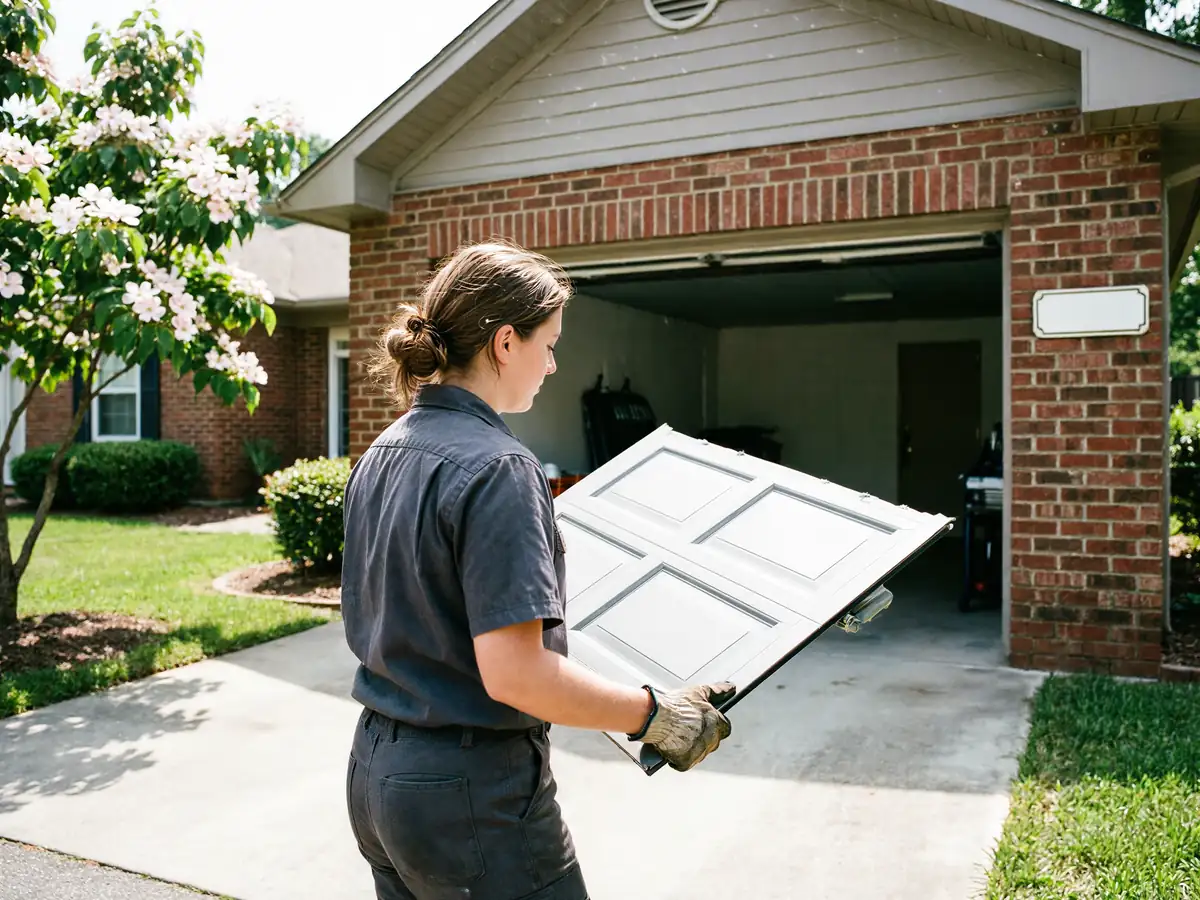
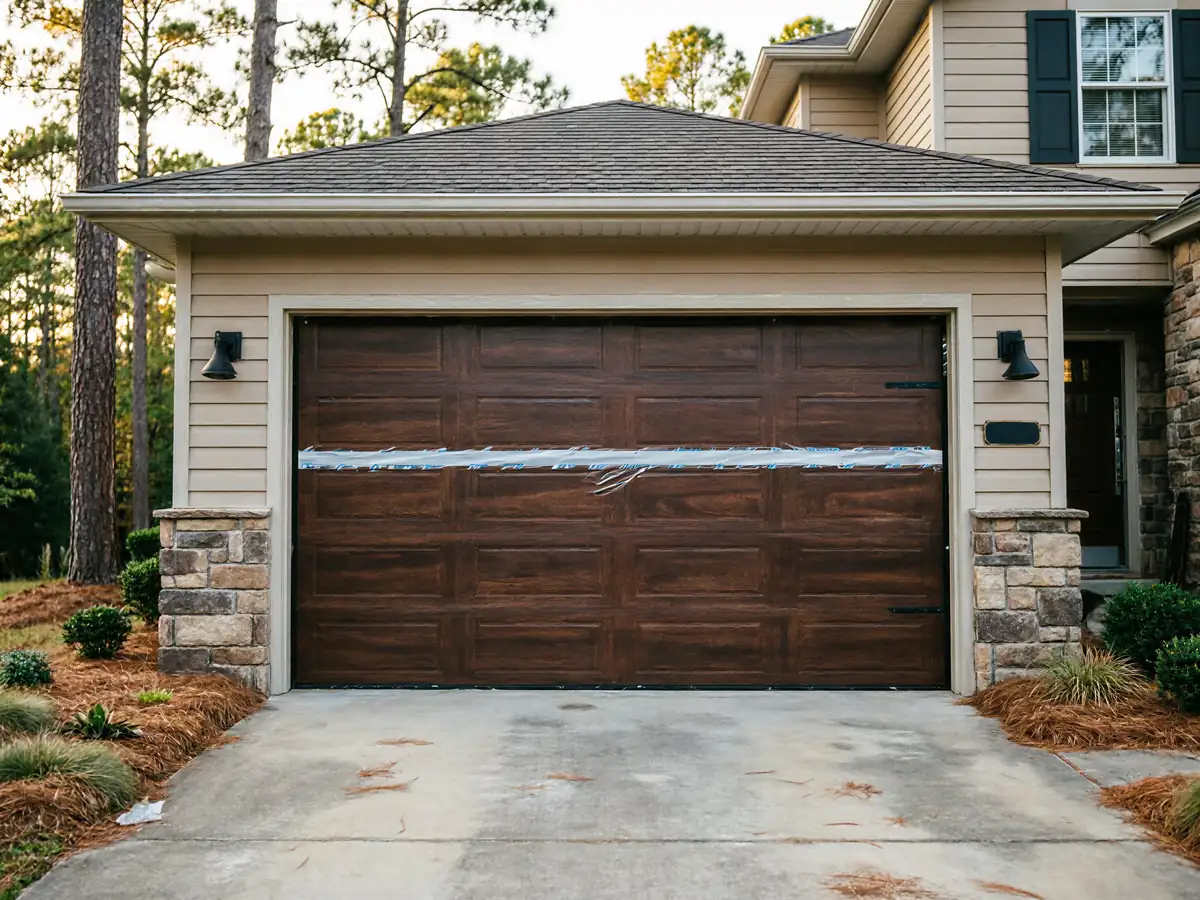
Holly Springs sits about 12 miles out from our Roswell shop, and the houses here skew newer than a lot of what we see closer in. The broader service area has homes going back to 1951 with a median build year of 1984, but Holly Springs itself centers closer to 2007. That's a different animal. A house built in the 2000s almost always has a standard 7-foot or 8-foot opening already framed to current sizing, insulated wall cavities, and an attached garage built as part of the original plan rather than bolted on later. When we install a new door here, we're not fighting a shrunken or out-of-square opening from an old hand-built garage - we're matching a door to a frame that was built to code the first time. That means less carpentry, less shimming, and a cleaner install, but it also means the homeowner has real options on insulation value and style that an older opening might not support well structurally. We measure the opening, check header height for a modern torsion spring system, and spec the door and track to what's actually there.
What Causes It Around Here
With a median household income of $111,224 in Holly Springs - notably higher than the $91,308 median across the wider service area - we see more homeowners replacing a functional-but-plain builder door purely to upgrade curb appeal and insulation, not because something broke. That's a different driver than in older housing stock, where replacement usually follows a cracked panel or a spring that's given out. Cold-moderate winters here mean an insulated door pays off in the garage itself, especially if it's attached to living space. Across roughly 6,189 households in Holly Springs, a fair number sit on houses built in the same decade-long construction wave, so when one street starts seeing new doors go in, the house next door built from the same plan often isn't far behind.
Can You Do This Yourself
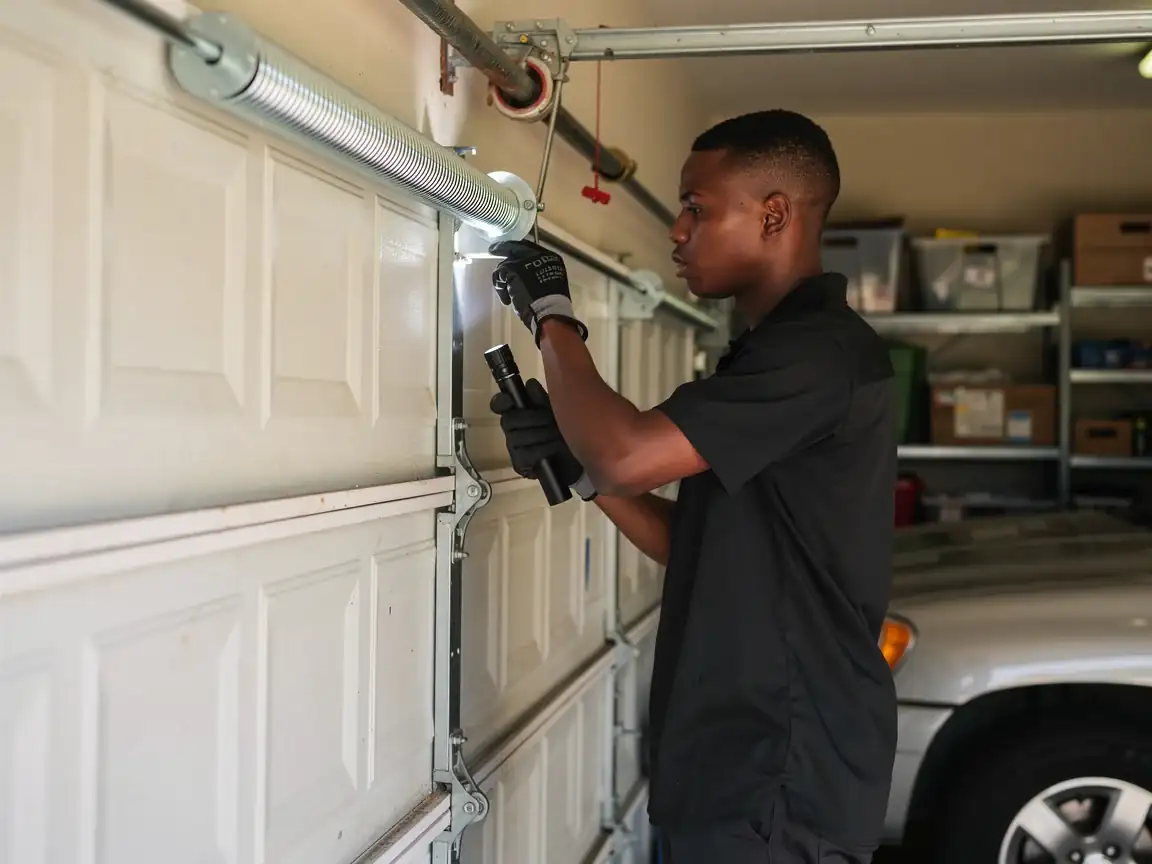
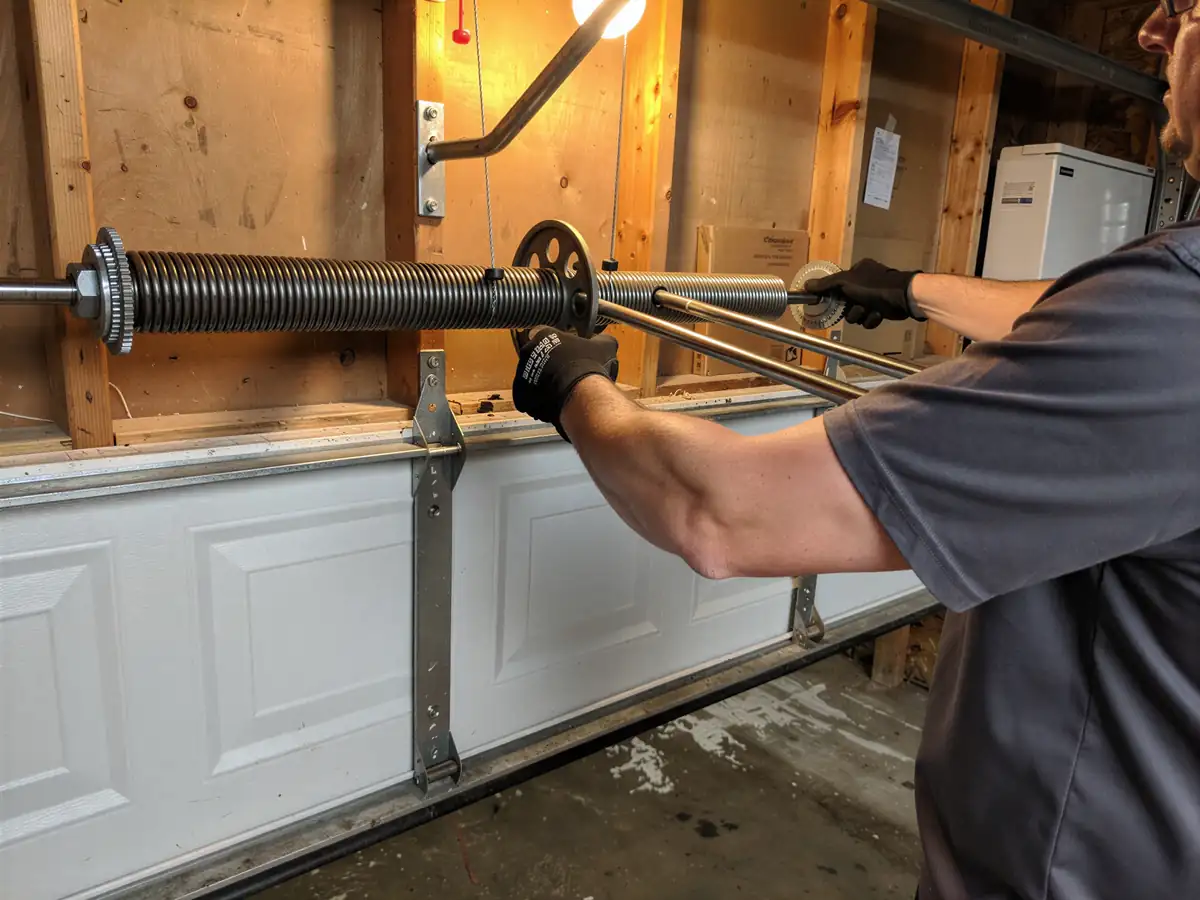
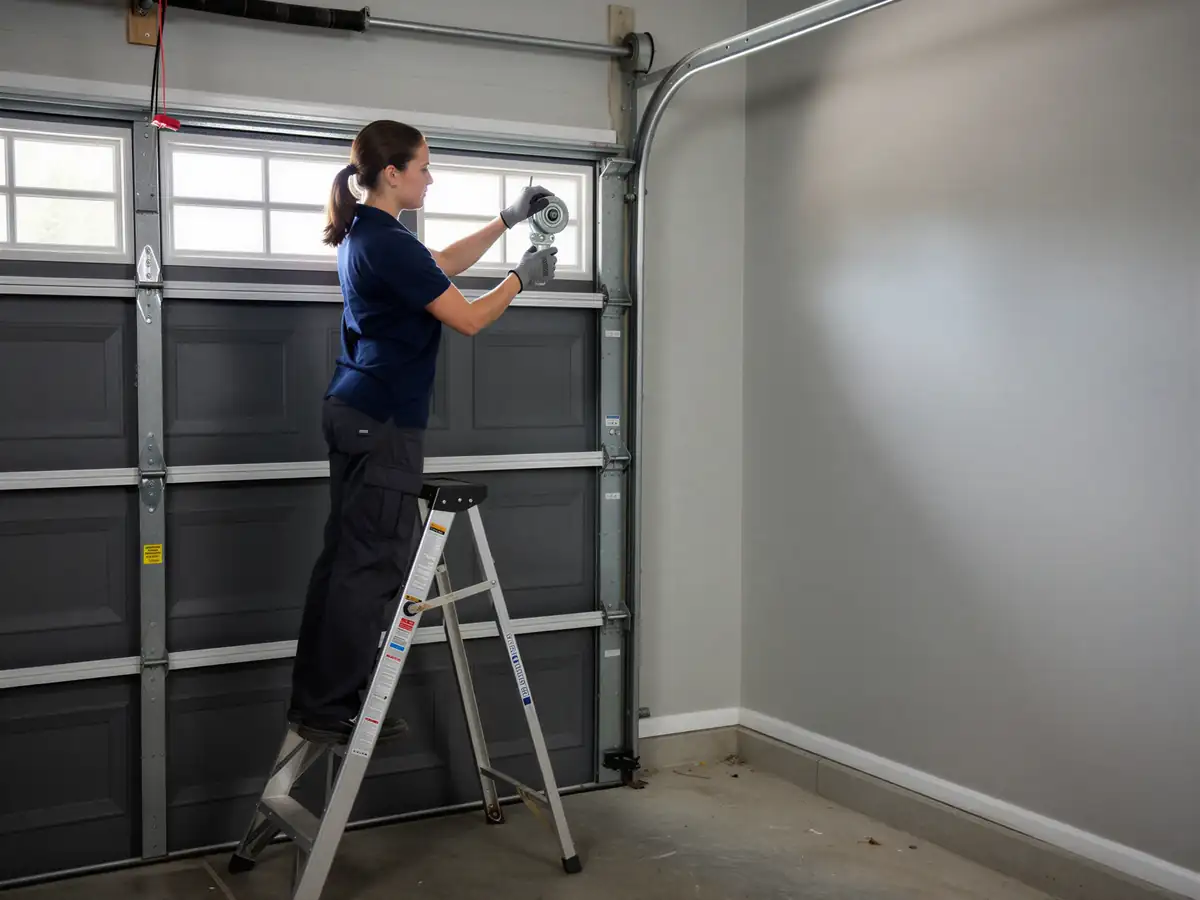
Swapping a garage door panel-for-panel on a newer house is more straightforward than retrofitting an old opening, but the spring system is still the part that hurts people. A torsion spring under tension can break a hand or worse if you don't know how to wind it down first. If you're just swapping a broken section on an otherwise sound door and the track is undamaged, a handy owner can sometimes manage it. Full new installs - sizing the door, setting new track, balancing the spring to the door's actual weight - are a two-person job with the right bars and clamps. We'll say plainly: we don't recommend DIY on the spring and cable side regardless of how new the house is. That part doesn't care how good your opening is.
What Can Go Wrong
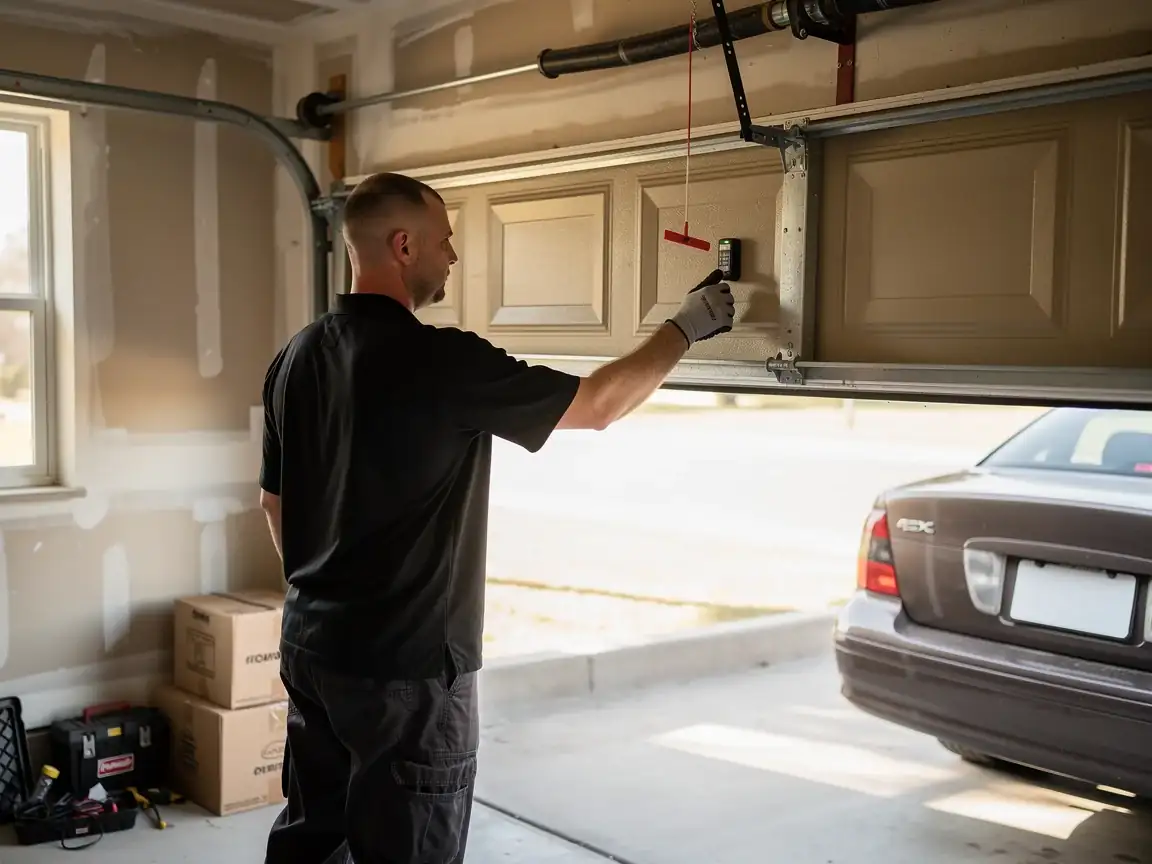
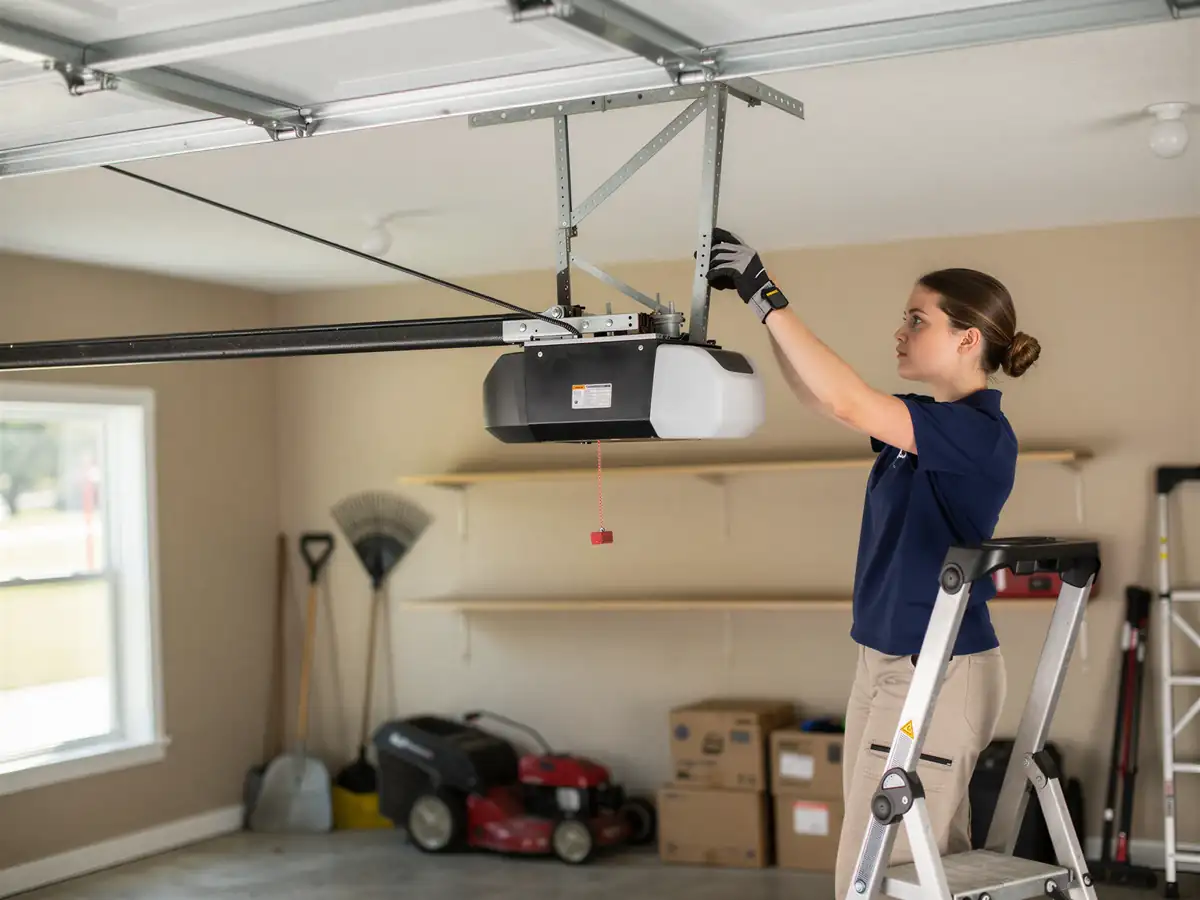
The main risk on a newer-build install isn't the opening, it's mismatching the door's weight to the existing spring and opener setup. A heavier insulated panel on an opener sized for a lightweight builder door will burn out the motor or strain the drive gear within a year or two. We size the spring and, where needed, swap the opener to match the new door's actual weight rather than assuming the old hardware will carry it. One honest limitation: if you want a custom wood door or an oversized opening cut into an existing wall, that's a bigger job with longer lead times on materials, and we'll tell you that up front rather than quote a standard timeline that won't hold.