Getting It Booked In
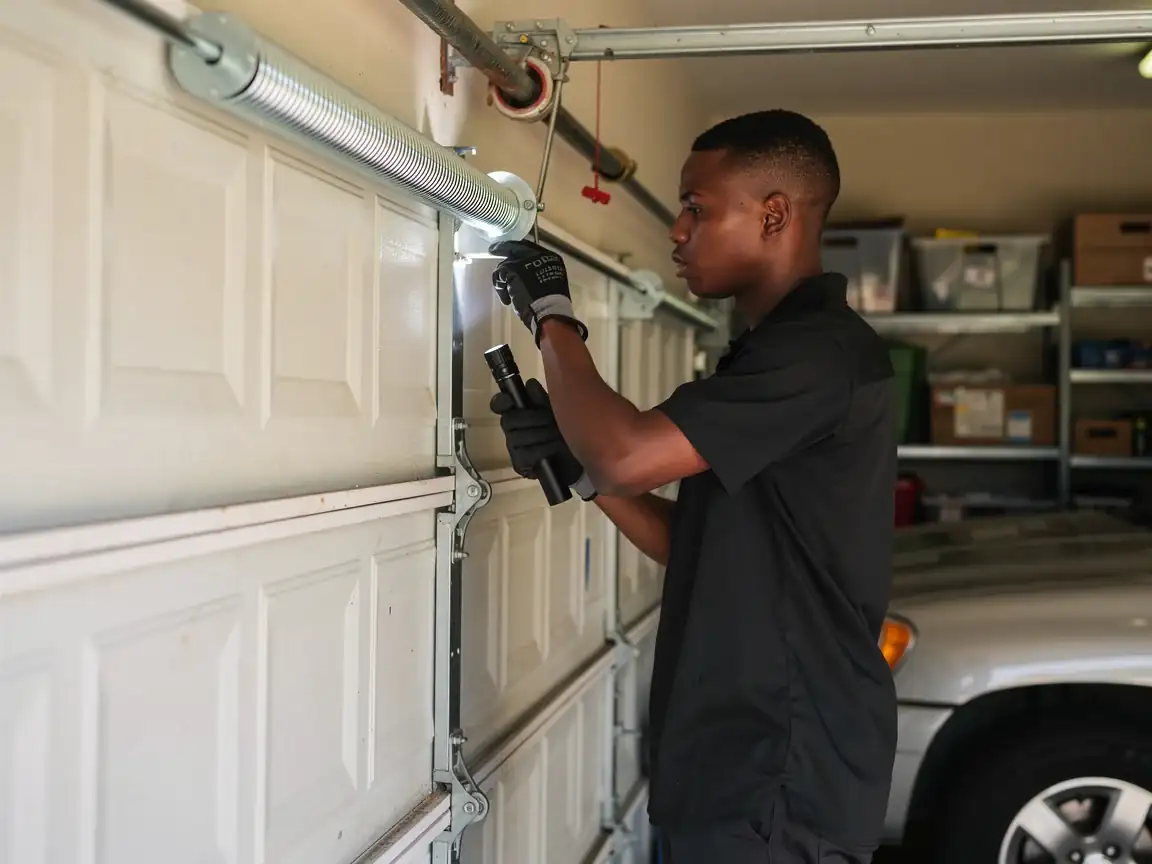
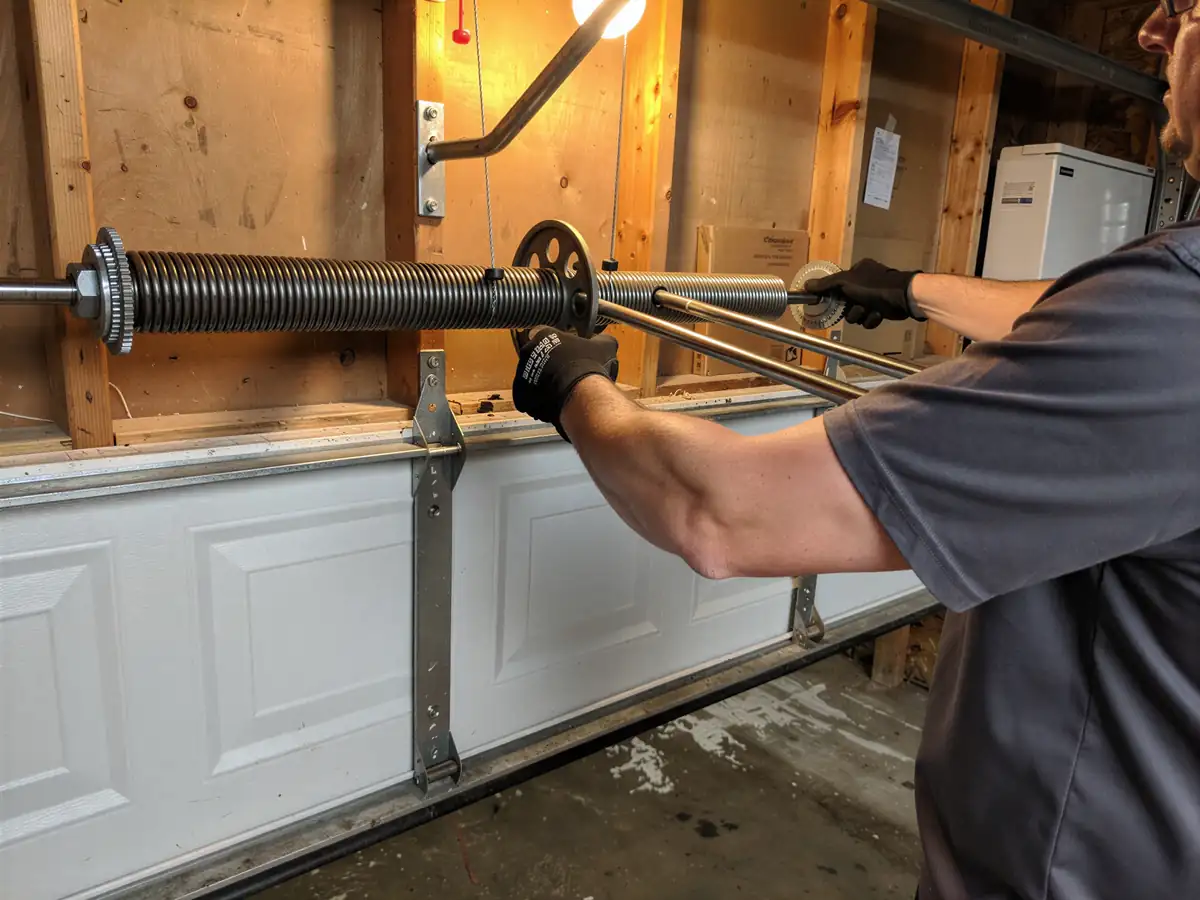
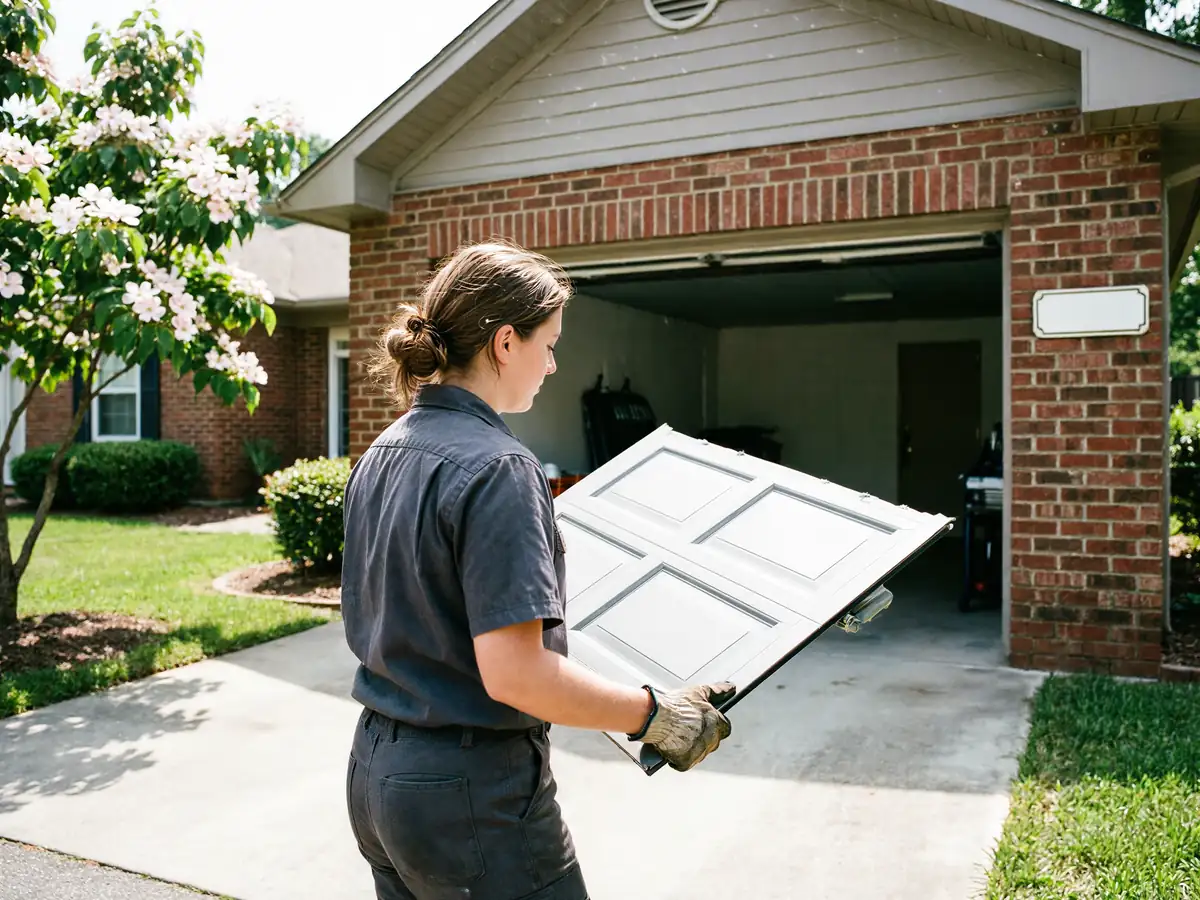
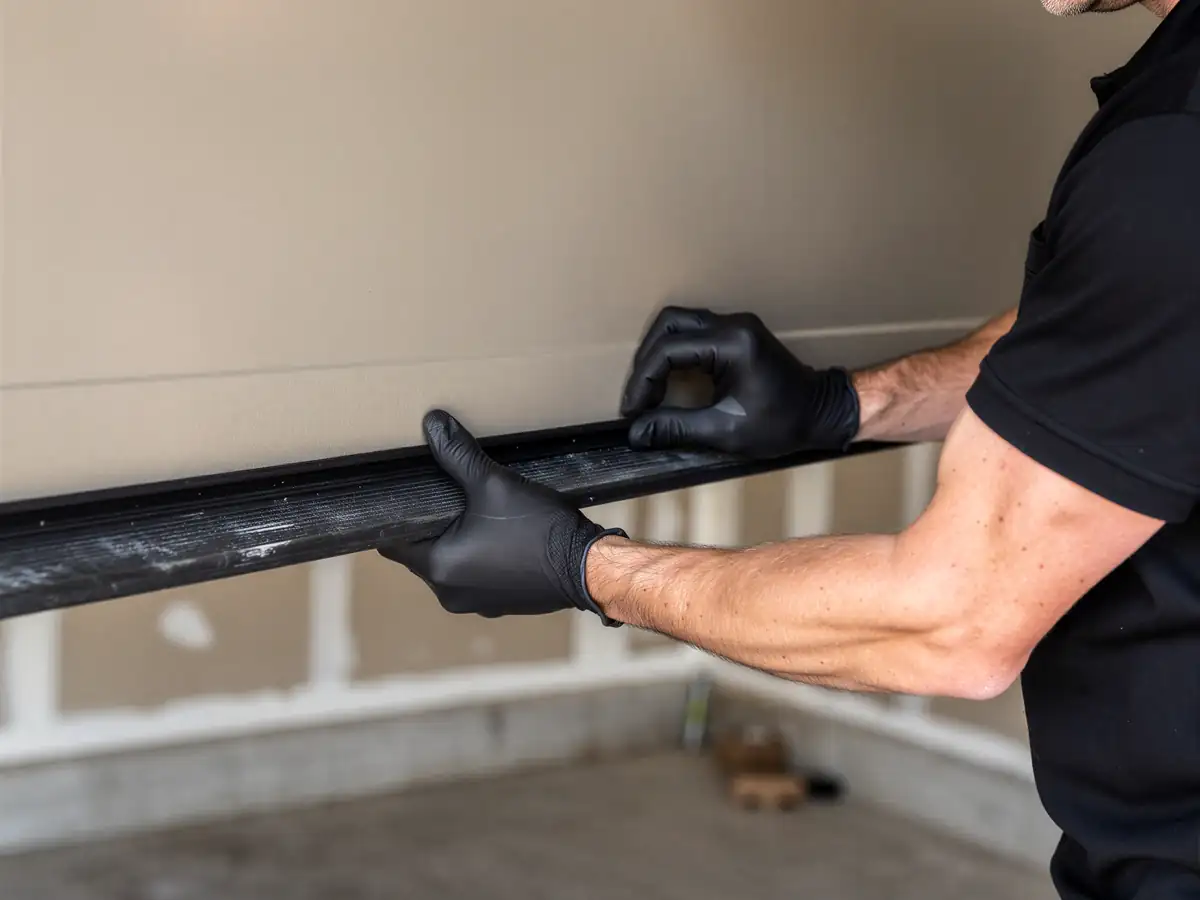
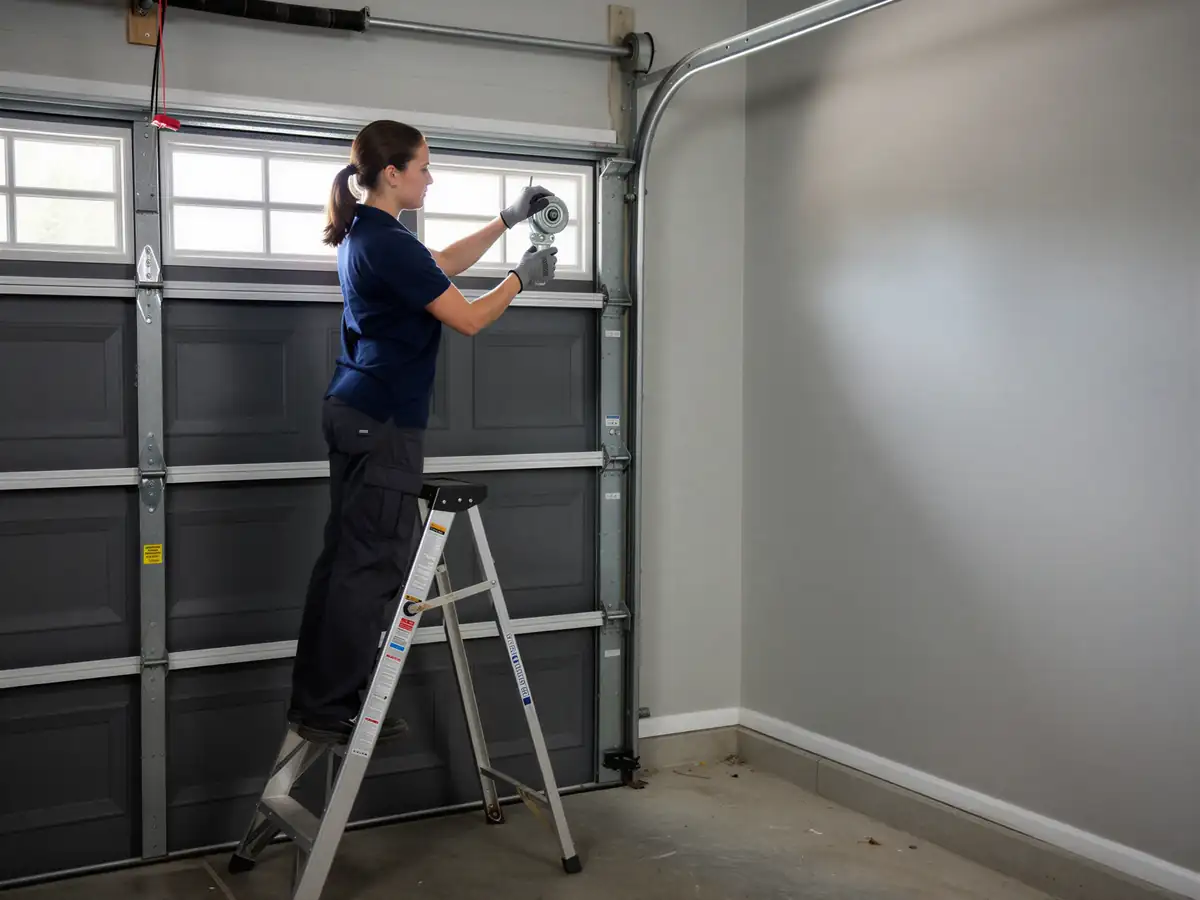
Druid Hills sits about 18 miles from our shop in Roswell, and we run a truck out there for roller jobs regularly. At a median household income of $140,466, most owners here aren't stretching to afford a repair - the real question is whether a roller job is the right repair at all. On a door built when the house went up in the mid-1960s, worn rollers are often the first sign of a track that's been slowly racking out of square for decades. We look at that before we quote anything, because swapping rollers on a track that's bent gets you a second call in six months. If the door and track are sound, roller replacement is a straightforward job and a good use of money at any income level. If the track's shot too, we'll say so rather than sell you half a fix.
How It Shows Up
On houses from this era, the complaint is almost always noise first - a rhythmic clunk or squeal every time a roller hits a bracket or a dent in the track. Cold mornings make it worse; our winters here aren't brutal, but the moderate cold swings tighten steel just enough that a roller already worn flat on one side will catch and jump instead of rolling smooth. Some owners notice the door hesitating partway up, which is usually a roller that's seized in its stem rather than turning. If you see metal shavings or rust flakes in the track, that's the roller itself breaking down, not just the finish wearing off.
Parts We Carry
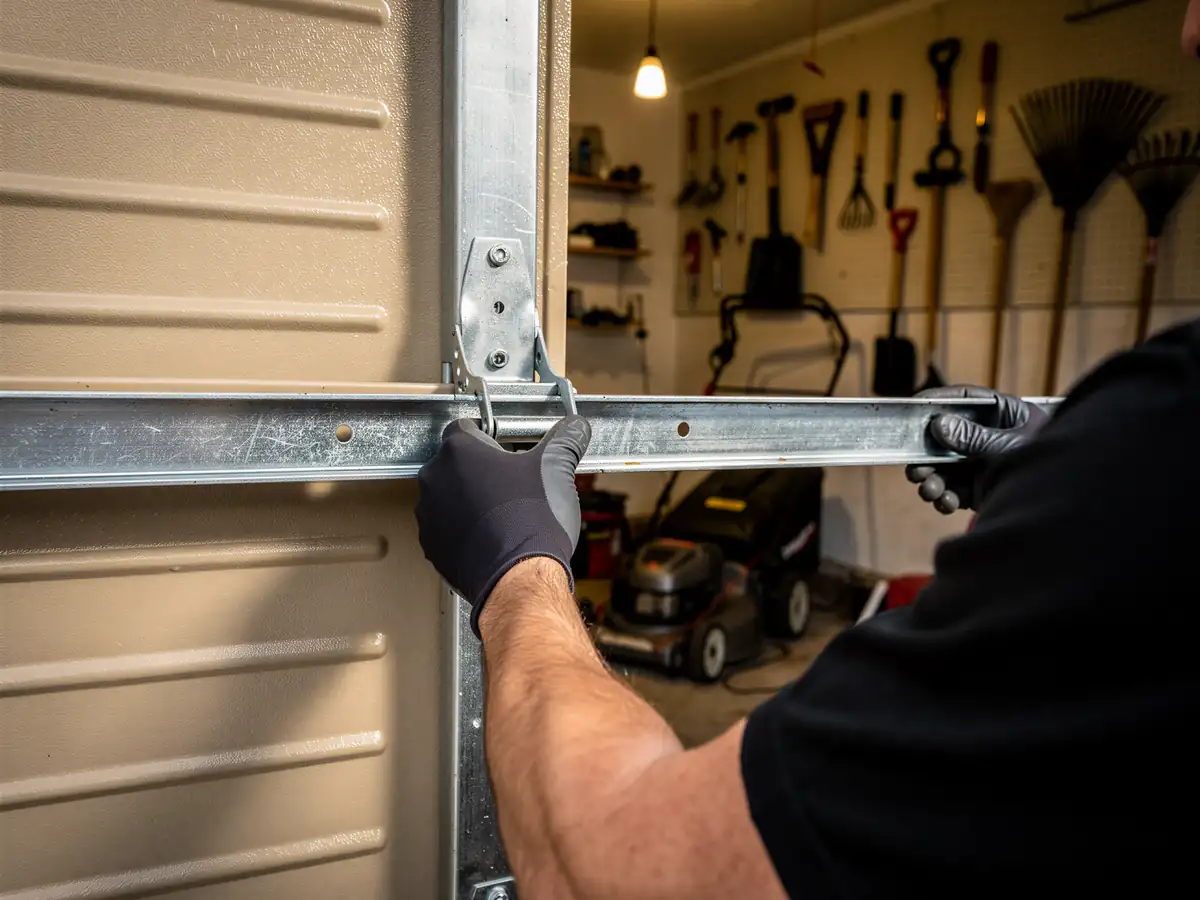
We stock sealed nylon rollers in the stem lengths that fit doors from the 1960s through the newer builds mixed into this area, along with the matching bearings and brackets. What we don't keep on the truck is replacement track sections - if your track is bent badly enough to need a full section swapped rather than realigned, that's a part we order in, and it adds a day or two to the job. We'll tell you up front if that's where your door is headed so you're not waiting on us to find out.