Getting It Booked In
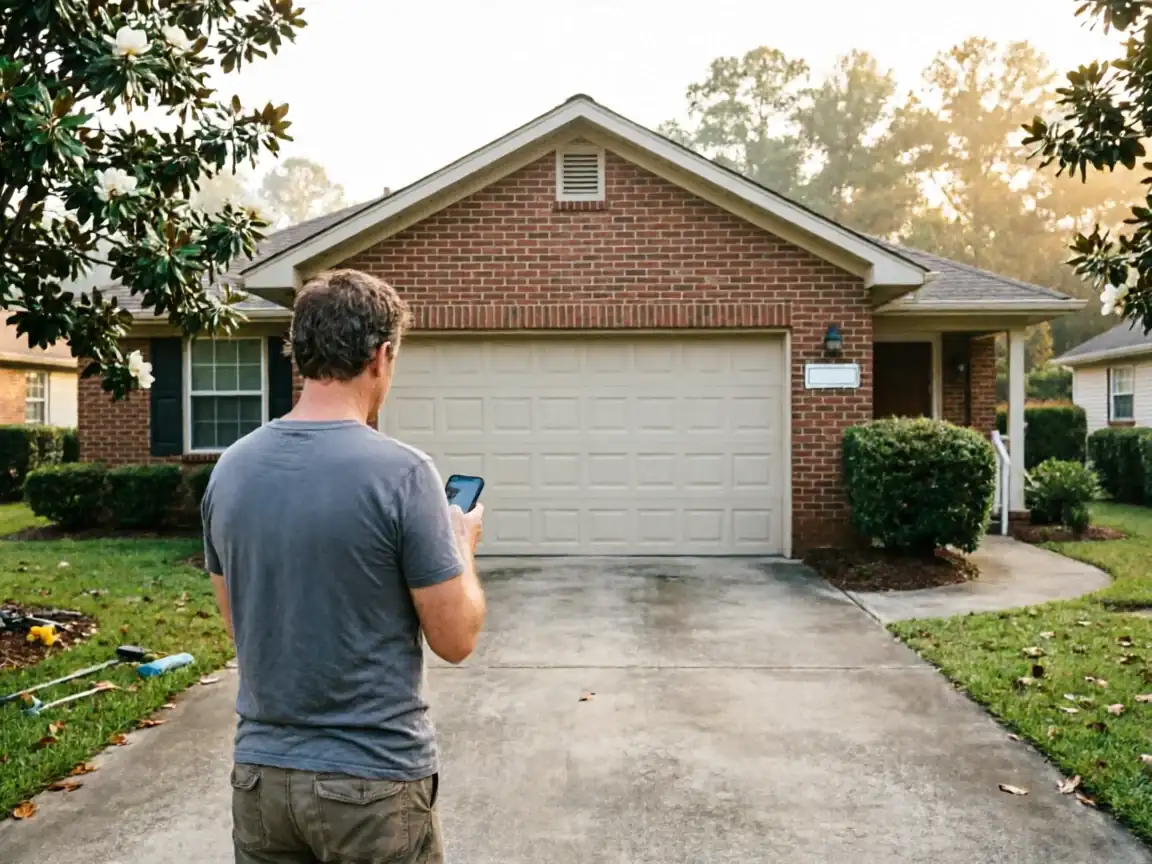
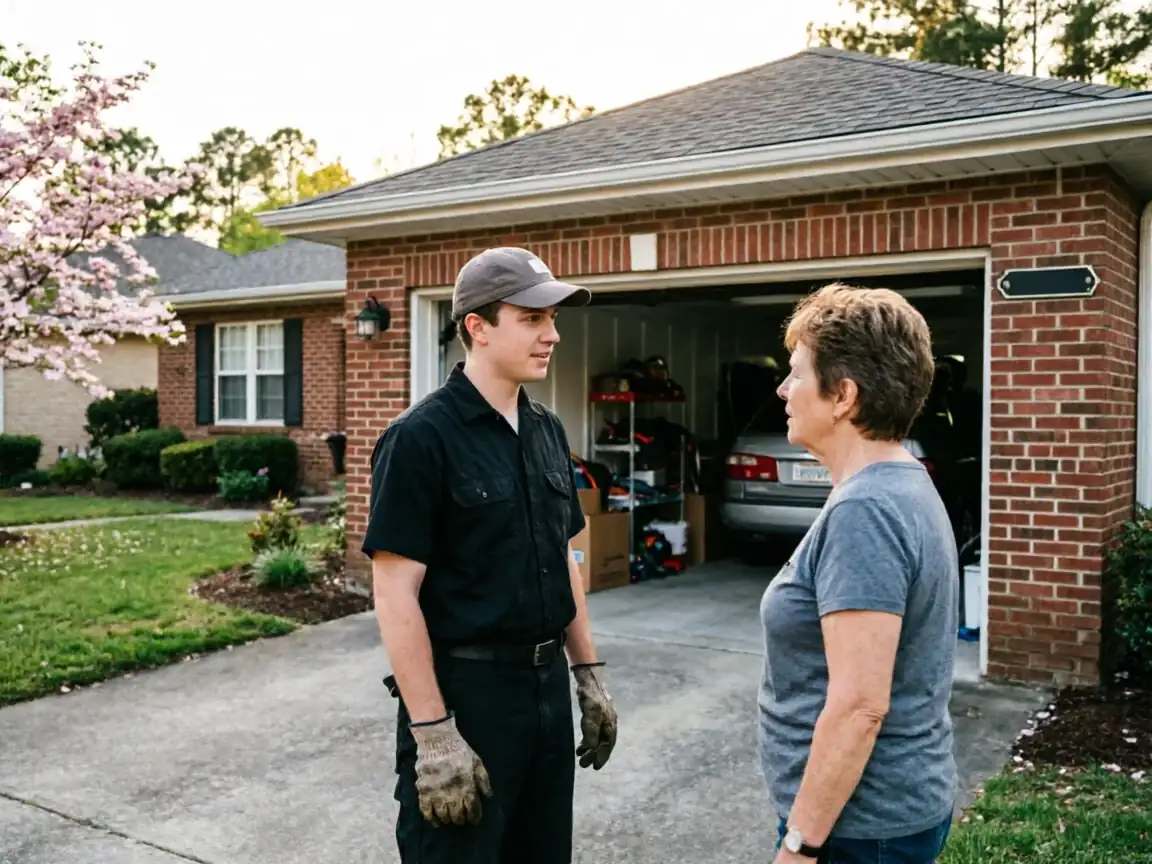
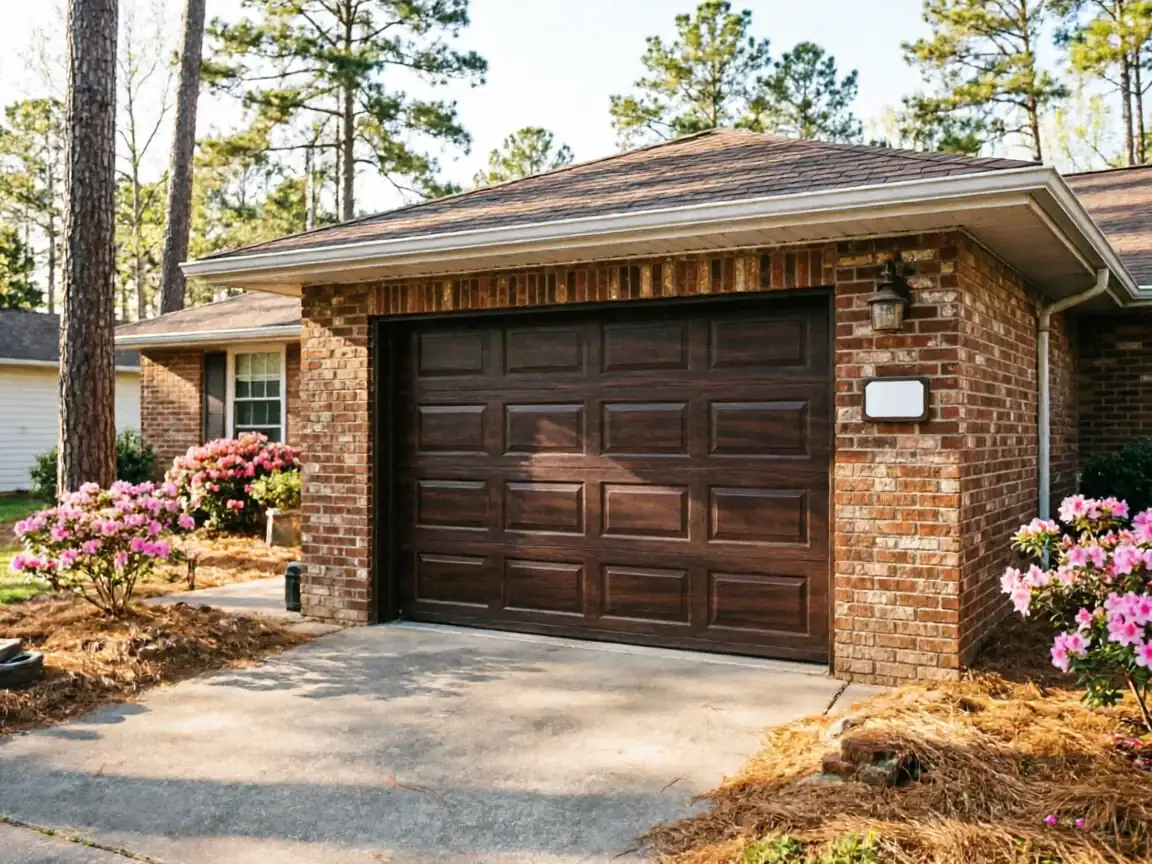
Druid Hills sits about 18 miles from our shop in Roswell, so we build the drive into the visit rather than treating it as an afterthought. Most of the houses here went up around 1964, which puts the garage door and its hardware square in the extension-spring era - long before torsion setups became the default on new construction. That matters when you call in: tell us roughly how old the house is and whether the door has ever been replaced, because the parts we load on the truck for a 1964-built home are different from what we'd bring for something built in 1995. With about 3,579 households in this pocket and a median income north of $140,000, we see a fair number of owners who've already put money into the house and want the door kept quiet and working rather than limping along until it fails outright. We don't keep a branch in Druid Hills - every job here is a trip out from Roswell - so booking ahead, even a day or two, helps us load the right springs and rollers before we leave.
How It Shows Up
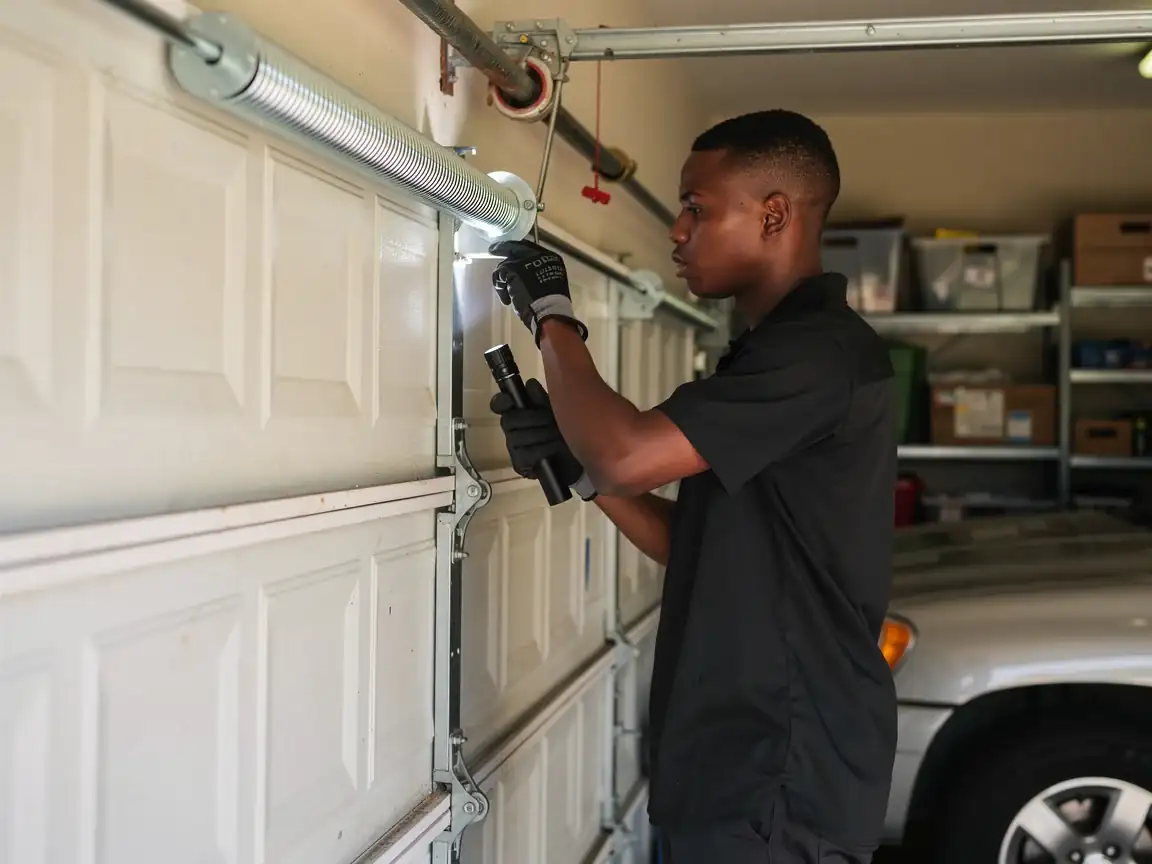
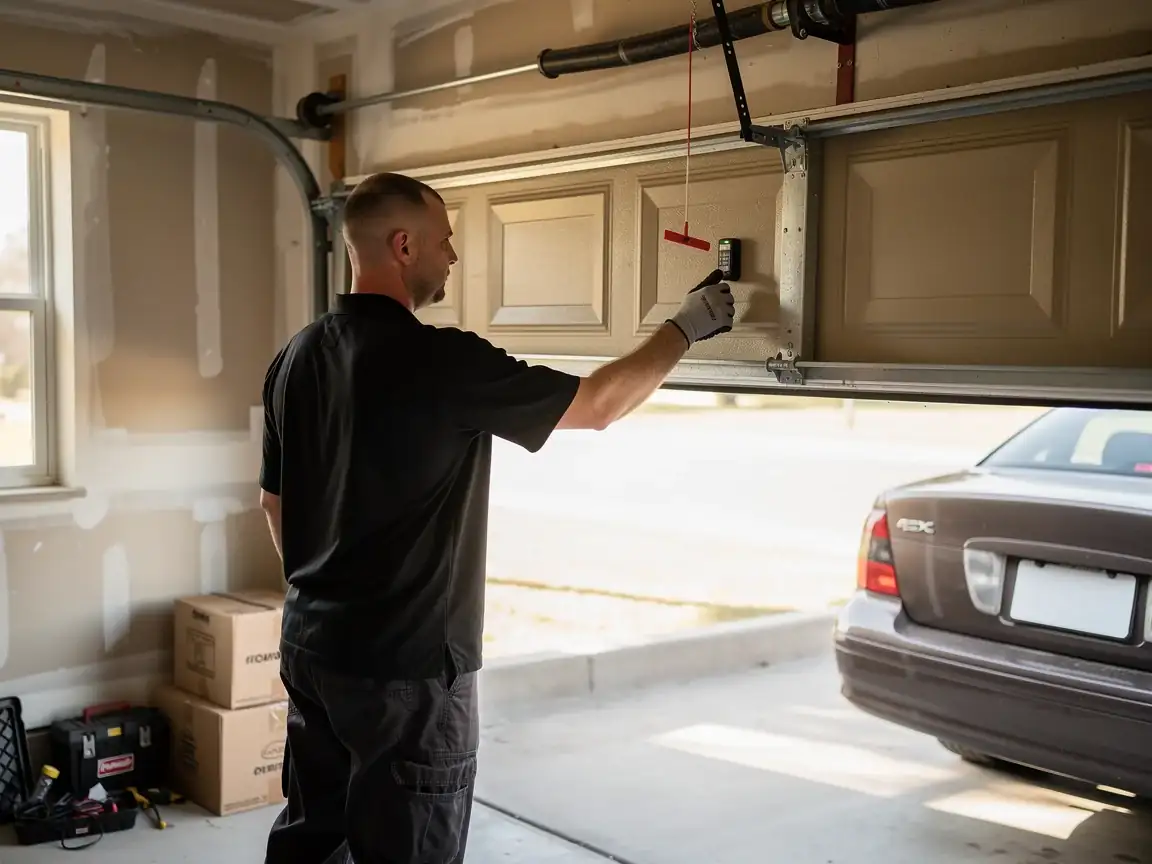
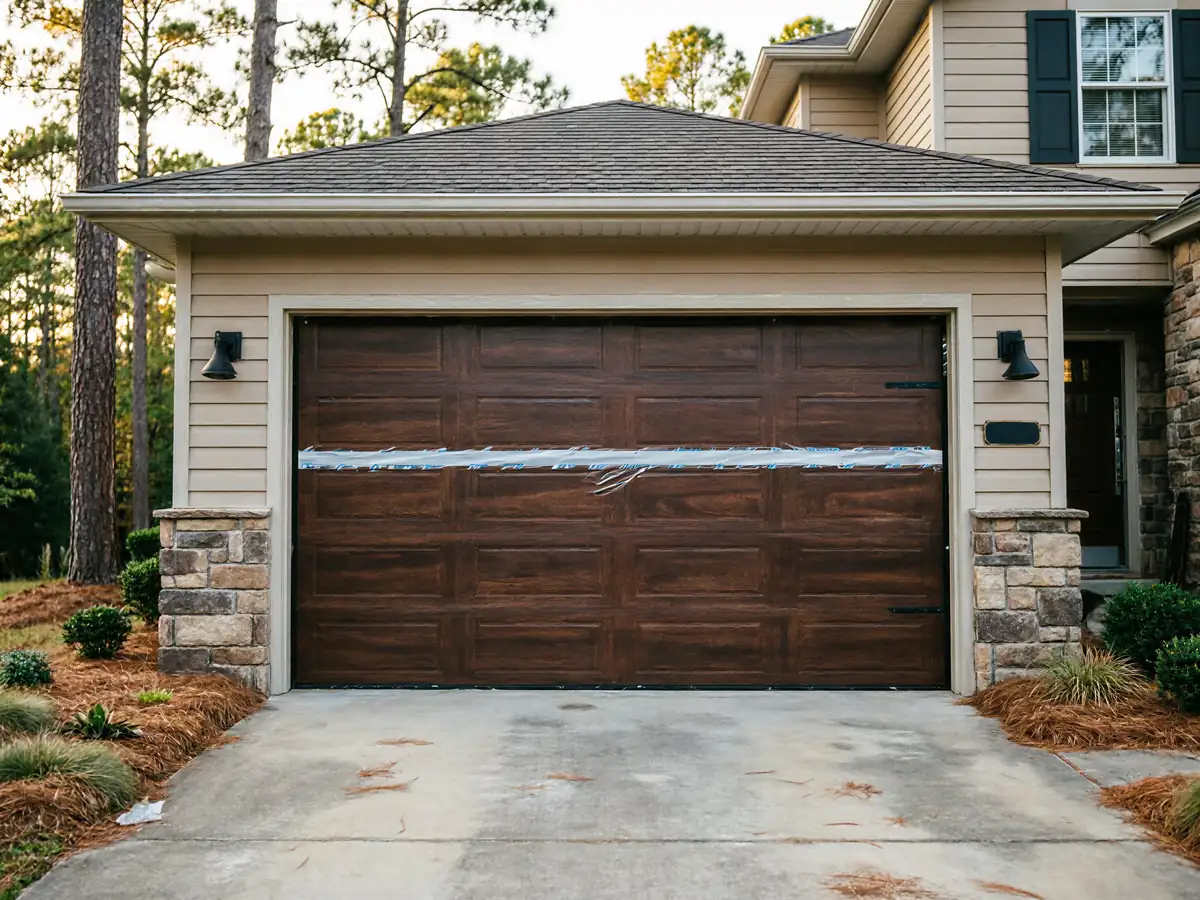
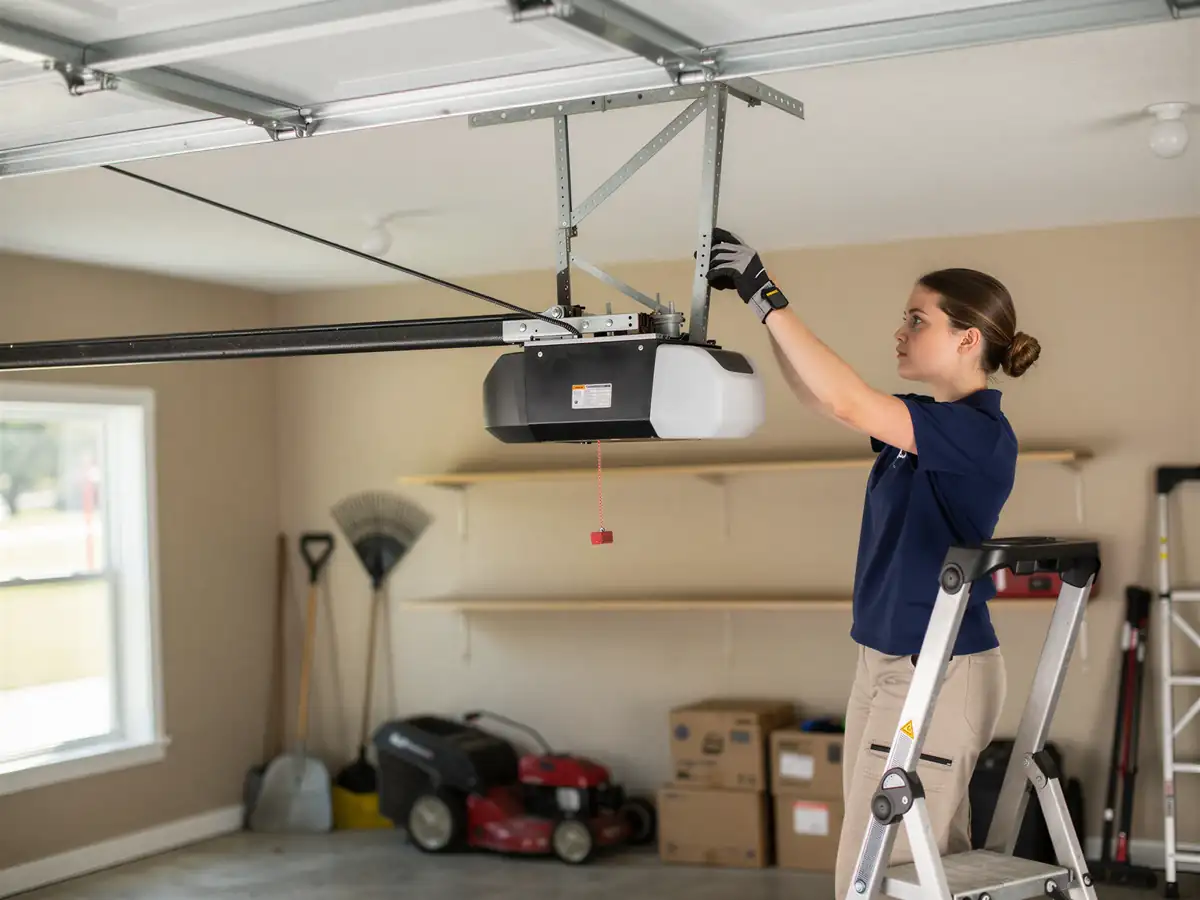
Owners usually notice the opener straining before they notice the spring is the actual problem - the motor works harder to lift a door the spring should be carrying. On these older Druid Hills houses we also see rollers that have gone from steel to nylon at some point in the door's history, which changes the noise profile and can mask a track problem until it's further along. Another common sign: the door drifts down a few inches after you stop it partway, a classic symptom of spring fatigue on a door that's 20, 30, even 50 years past its original hardware. None of this is urgent the first time it happens. It's the kind of wear that's cheap to catch early and expensive to ignore.
Parts We Carry
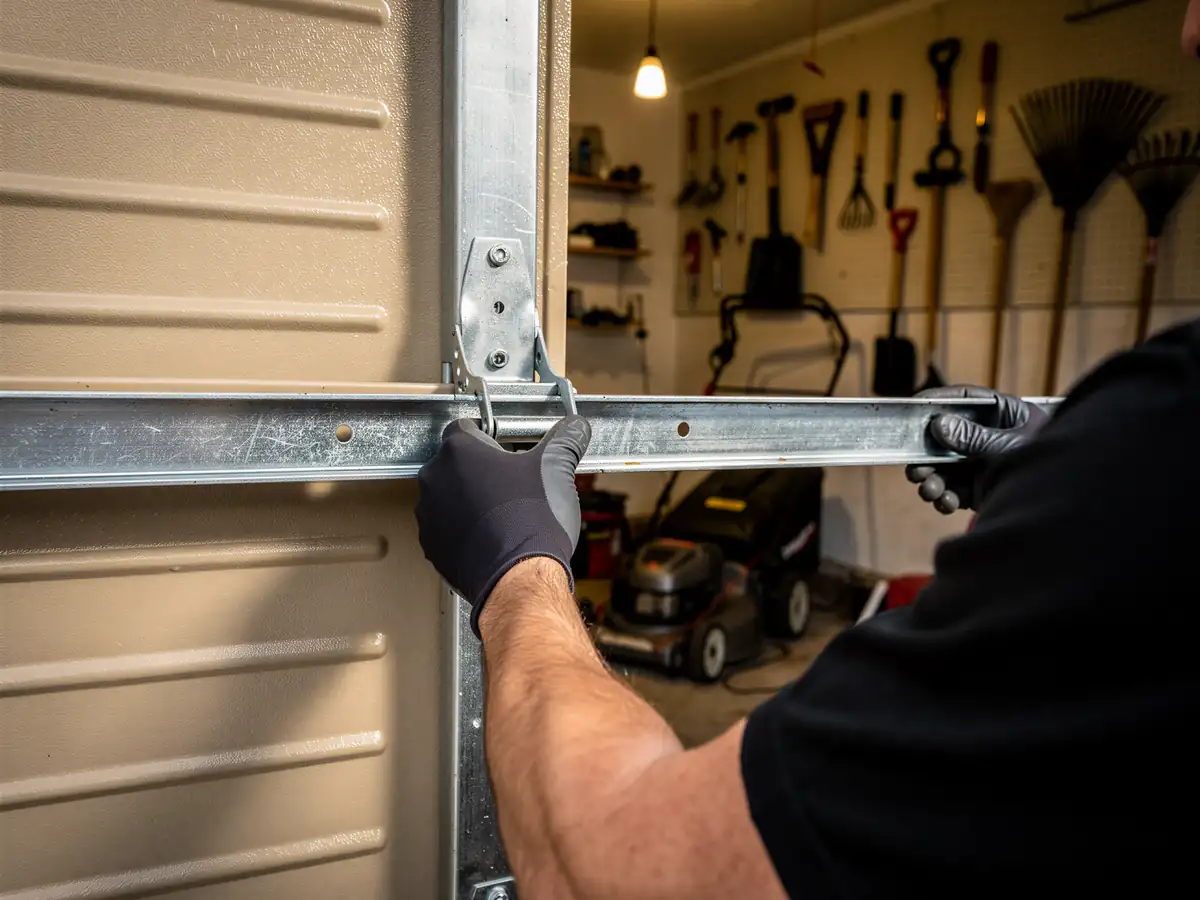
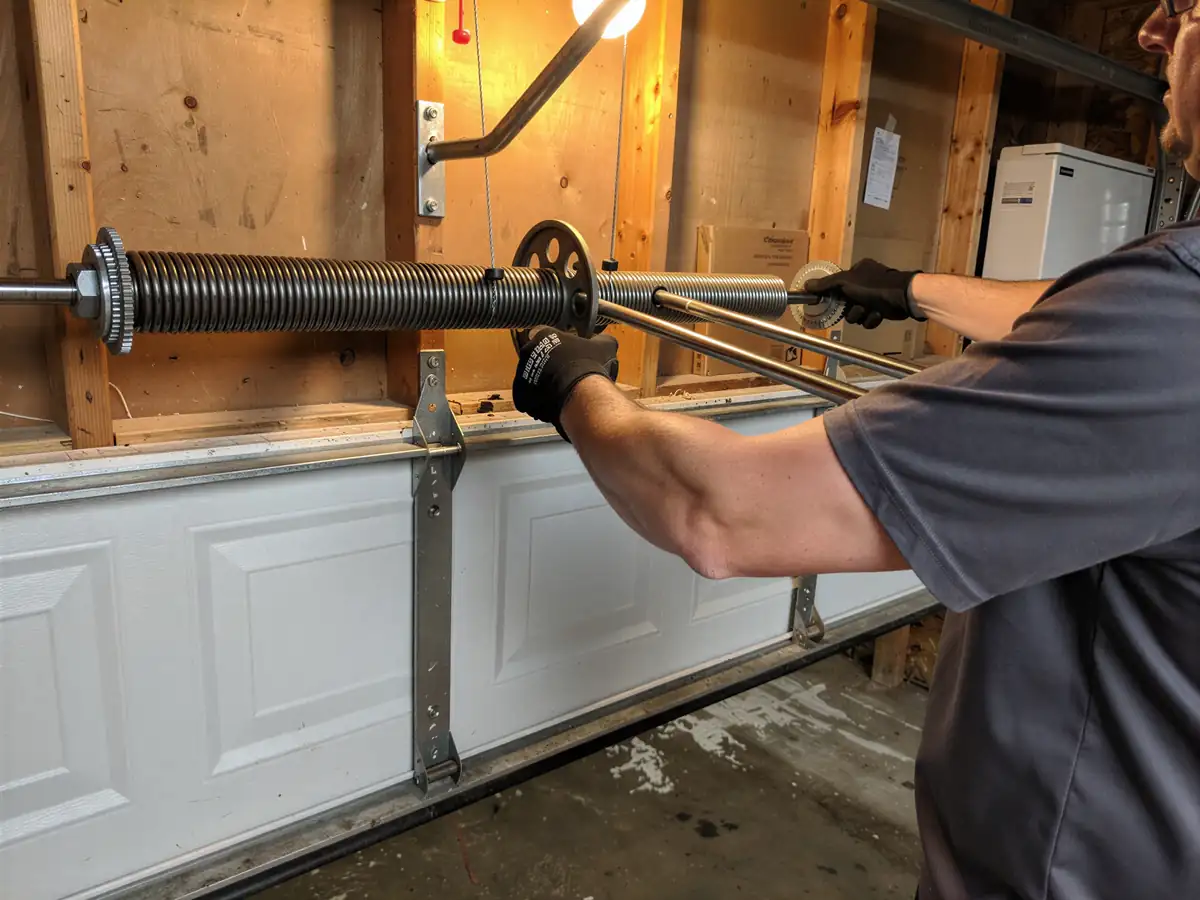
For houses from this era we stock extension springs sized for older torsion-free setups, steel and nylon rollers, and replacement cables with proper end fittings - the parts that actually fail on a door this old rather than the newer torsion-spring hardware common on post-2000 builds. We also carry standard lubricant and hinge sets. One honest limit: if a door needs a specialty panel to match an original 1960s design that's long out of production, we won't pretend to match it exactly - we'll tell you straight that a full section or full door replacement is the better call than chasing a discontinued part.