Can You Do This Yourself
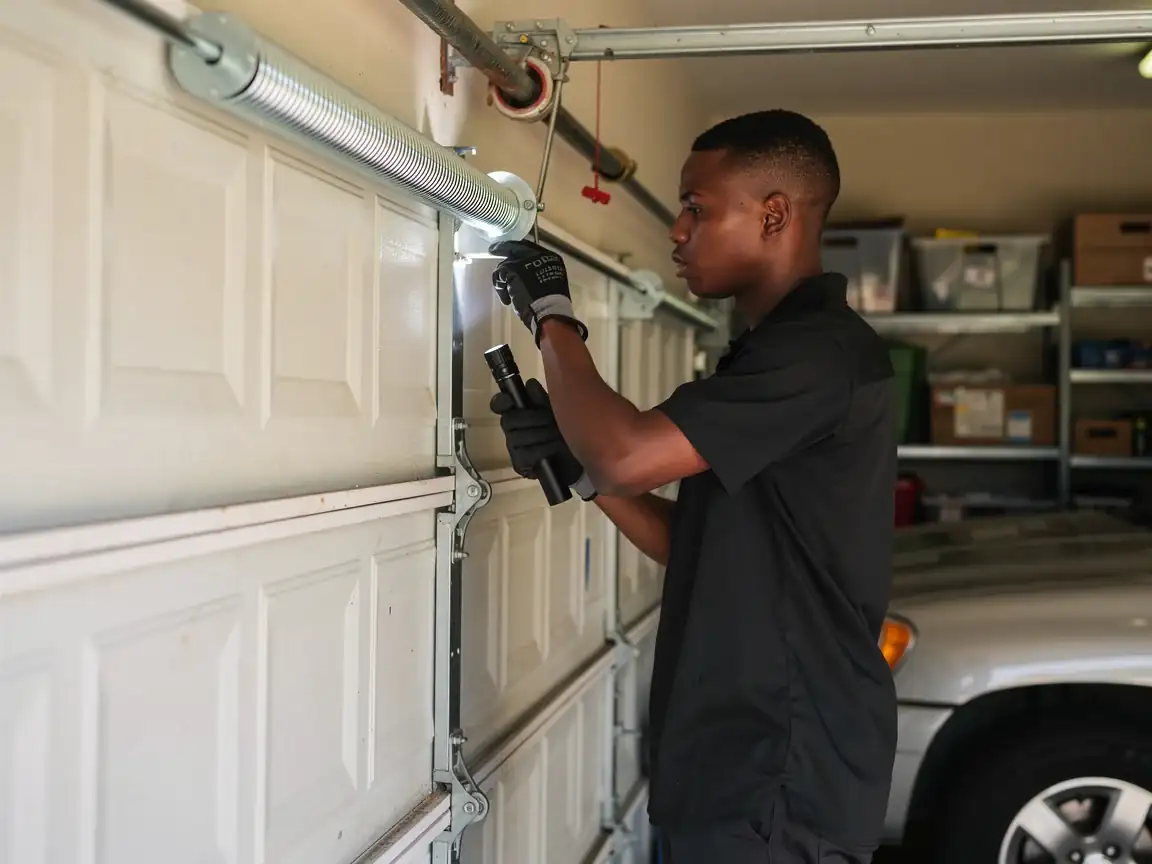
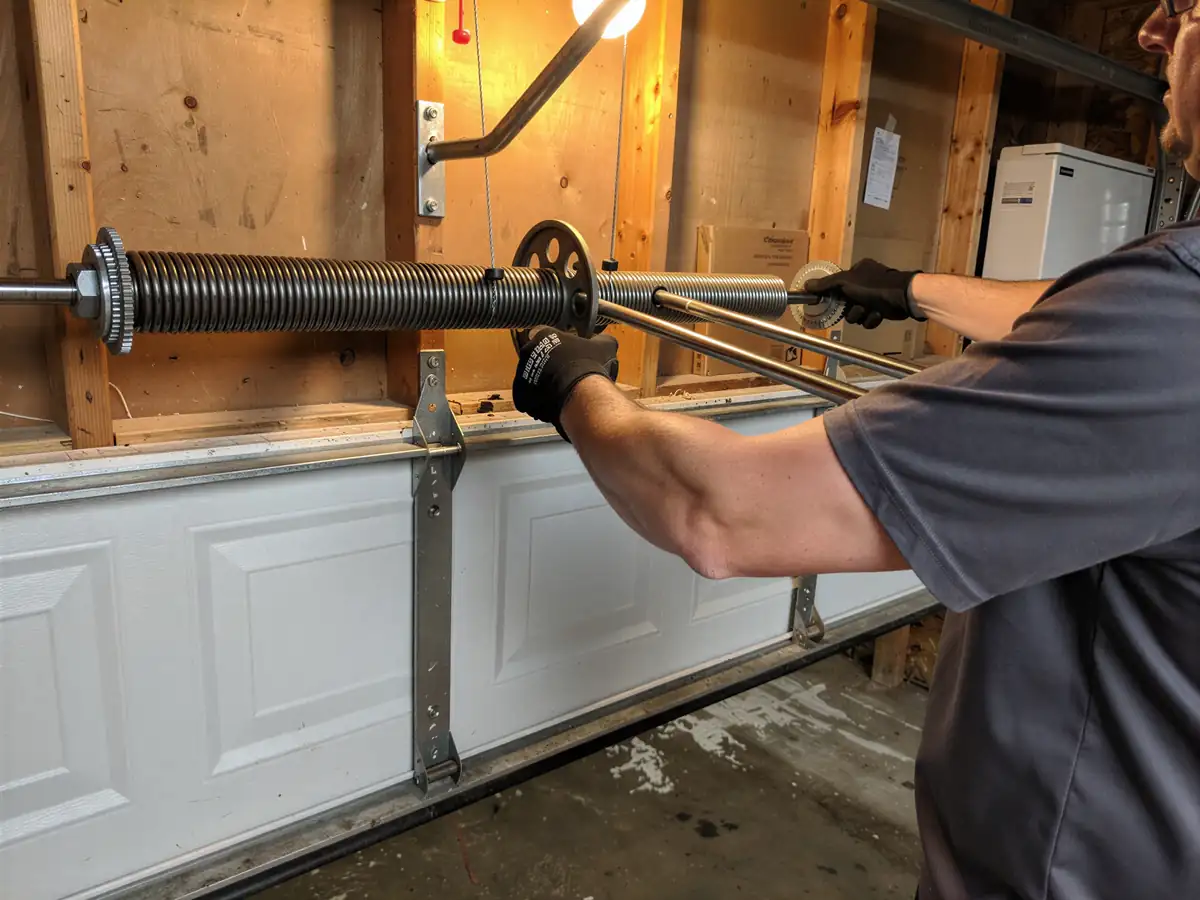
A garage door spring is one of the few things in a house that can hurt you badly if you get it wrong. Torsion springs sit above the door under heavy wind-up tension, and the bar they're mounted on can snap back hard enough to break a hand or worse if the winding cones aren't seated right. Extension springs, the kind that run along the horizontal tracks, are a little less violent to work on but still dangerous without the right bar and clamps.
We won't tell you it's impossible - some homeowners do their own work - but we will tell you where it goes wrong. People guess the wrong wire size or wind diameter for the door's weight, and a spring that's undersized wears out fast or lets the door slam on its way down. On a double-wide door, which carries a lot of the extra panel weight that became standard in doors built in the early 1990s, that mismatch shows up quickly.
If you've got one spring broken and the other intact, replace both. A spring that's a few years newer than its mate will fail next, usually within months, and you'll be back up on a ladder for a job that should've been done once.
Parts We Carry
Brookhaven's housing stock is mostly 1980s and 90s construction
Which means steel sectional doors carrying torsion springs rated for the heavier insulated panels that came standard in that decade. We stock torsion springs in the wire sizes and wind lengths those doors actually use, not a generic one-size setup, plus the matching end bearings and winding cones that wear out alongside the spring itself.
We also carry extension springs for the smaller share of older doors still running that style of hardware
Along with the safety cables that should run through them - a part that's often missing on houses where the springs were last replaced before that code became standard practice.
The service area sits in a cold-moderate climate band
Which doesn't produce the brutal winters you'd see further north, but it does mean enough temperature swing through the year to stiffen spring steel and speed up fatigue on a spring that's already near the end of its wind count. That's one more reason we don't try to stretch a weak spring's life with a quick fix - on a door that's cycling heavy panels twice a day, it's not worth the callback.
What we don't carry on the truck
Specialty or custom-sized springs for doors outside standard dimensions. Those get special-ordered, and that adds a day or two.
What It Costs
We're not going to list a price here, because spring cost depends on the door's weight, whether it's one spring or two, torsion or extension, and what's needed for the mounting hardware around it. What we can tell you is what drives the number: wire size and wind length matter more than the brand name on the door, and a double garage door from the early 1990s typically needs a heavier spring than a single door of the same age.
Brookhaven's median household income runs well above the wider service area's $91,308, and that shows up less in what we charge and more in what we see on the job - doors that were kept up reasonably well, fewer corroded or rusted-through brackets, which usually means a straightforward spring swap rather than a repair that turns into replacing bent track or a damaged bottom bracket along with it.
We quote the job after we see the door and the spring, not over the phone from a guess. If a cable or a bearing has to come out with the spring, we'll tell you before we start, not after.
How We Fix It
We get the door into a safe position and lock it down before anything else happens - that step matters more than people think, since a door that's only half-supported while the old spring comes off is how fingers get caught. From there we pull the broken spring, check the shaft, bearings, and cable drums for wear, and replace anything that's past its working life alongside the spring itself.
For torsion springs, that means winding the new spring to the count that matches the door's weight, not just the count the old spring happened to be wound to - a door's weight changes a little over the years as paint, insulation, or hardware gets added, and the spring should match the door as it is now, not as it was in 1992.
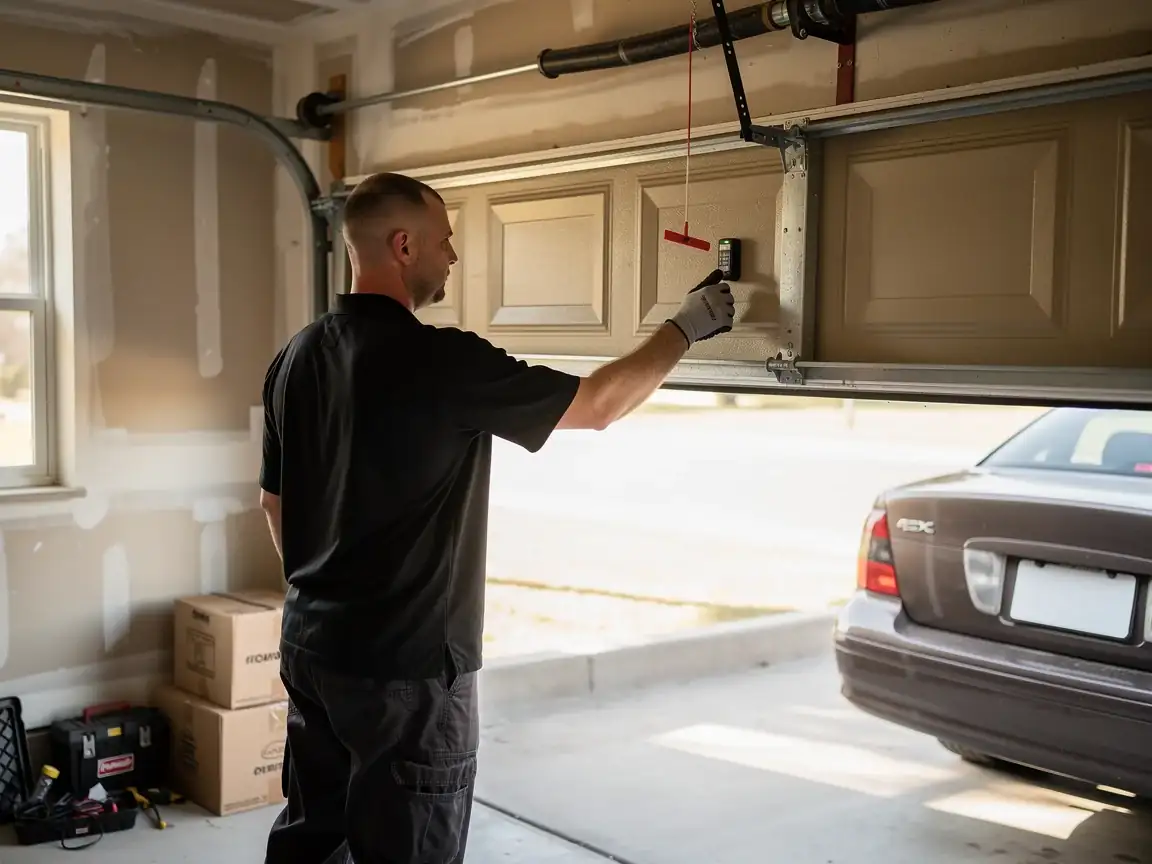
Once it's wound and the set screws are torqued down, we run the door through a full open-close cycle and check the balance by hand with the opener disconnected. A door that's balanced right will sit still at roughly half open; one that drifts up or down still needs adjustment. We don't call a job finished until that balance test passes.
How Long It Takes
The drive from our Roswell shop to Brookhaven is about twelve miles
Which puts it on the farther end of the suburbs we reach compared to some closer in. That distance is mostly what shapes scheduling - we batch calls in that direction so the truck isn't running back and forth across the service area for one job at a time.
Once we're at the house, a spring swap is one of the shorter jobs we do
Assuming the spring size is one we carry on the truck and the rest of the hardware - bearings, cable, bottom brackets - doesn't need attention too. If the door needs a special-order spring, or if we find a bent shaft or worn drums once we're in there, the job takes longer and may need a second visit for parts.
We'd rather tell you that up front than promise a tight window and miss it
The honest version: most spring jobs here go quickly once we're on site, but the twelve-mile drive means we plan the visit, not drop everything and rush over.